Get Premium
Dark mode theme is available exclusively for premium users. Learn more about the benefits of subscribing.
No fees, cancel anytime.

 Dark Mode Ad-Free Browsing Unlimited Content
 Ad-Free Browsing Unlimited Content Dark Mode
Join 1.2 million Panda readers who get the best art, memes, and fun stories every week!
Few sights in nature are as heartwarming as a mother with her young. Whether it’s a giraffe gently guiding her calf or a rhino keeping watch over her little one, these moments show the deep care and protection that exist in the wild.
In this new collection, photographer Joe Neely captures these bonds between mothers and their babies in their natural habitats. His images offer an intimate look at family life in the animal kingdom, reminding us of the beauty and tenderness found in nature.
More info: Instagram | jmneelyphotography.com | Facebook
This post may include affiliate links.
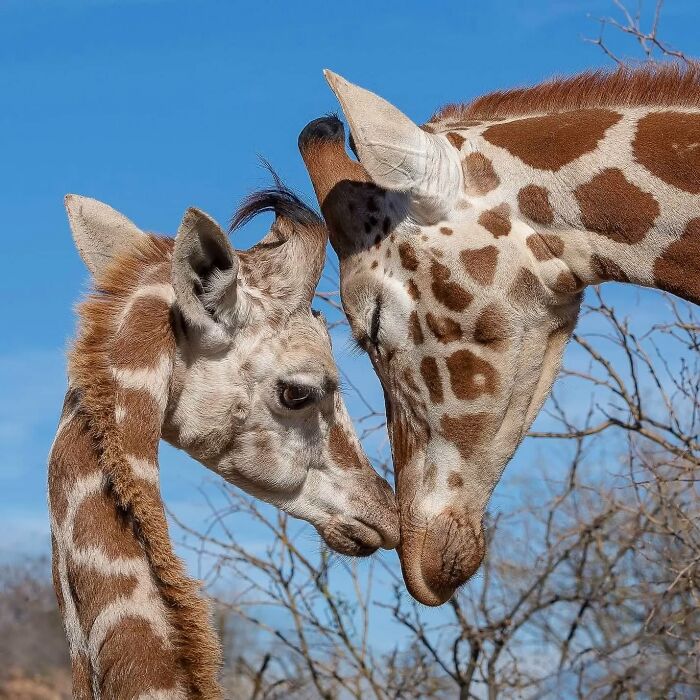
"Mawenzi and Temba are watching over each other. You can see how strong their bond is.
Fun fact: Giraffes have hair-covered horns called ossicones, but only males use them (for fighting each other)."
From the plains of Africa to the forests of North America, Neely’s lens captures moments that most of us will never witness in person. His fascination with nature began in childhood, nurtured by National Geographic magazines and camping trips with his family. “From a young age, I developed a fascination with nature through programs on the Discovery channel,” he recalls. What started as curiosity evolved into a passion, and eventually, into a career devoted to photographing the raw and tender moments of animal life.
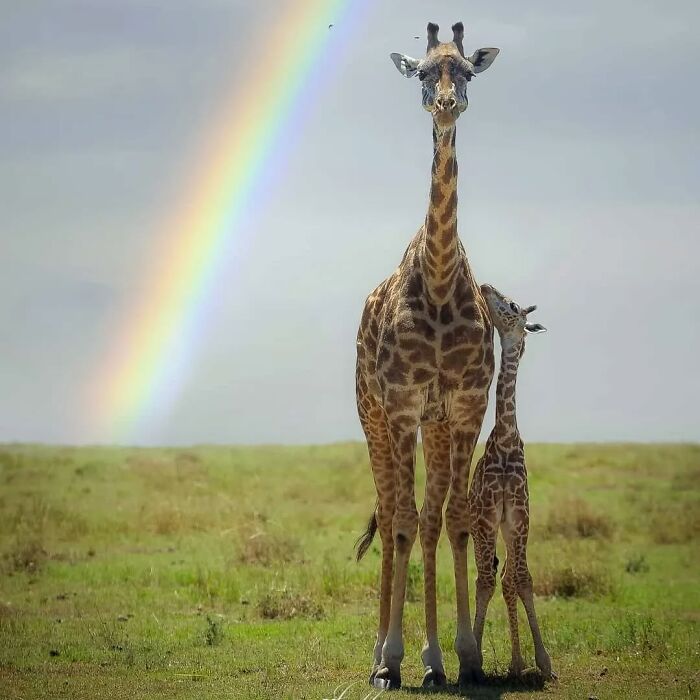
"Mother and baby giraffe in the Maasai Mara national reserve in Kenya."
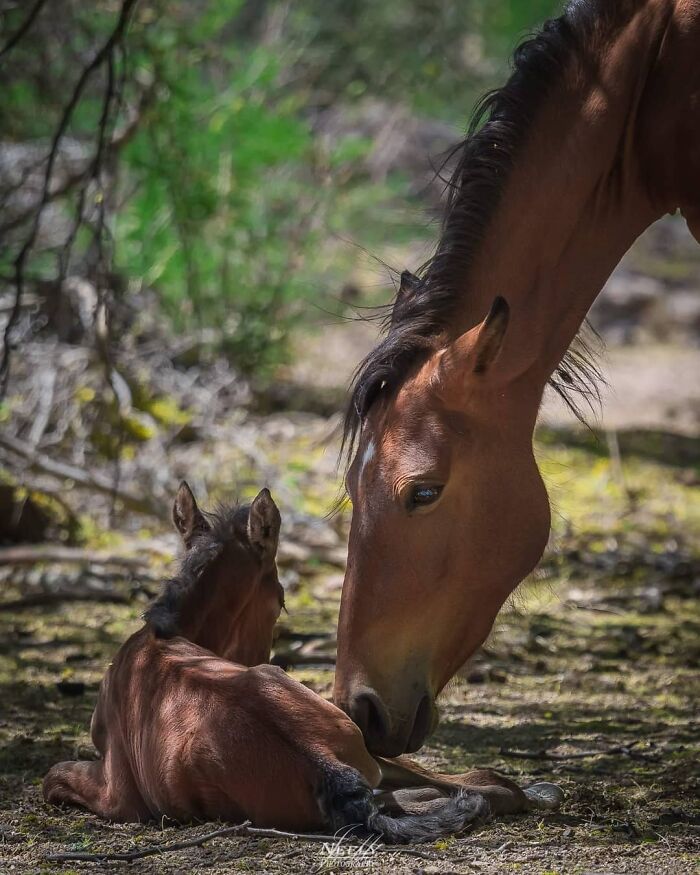
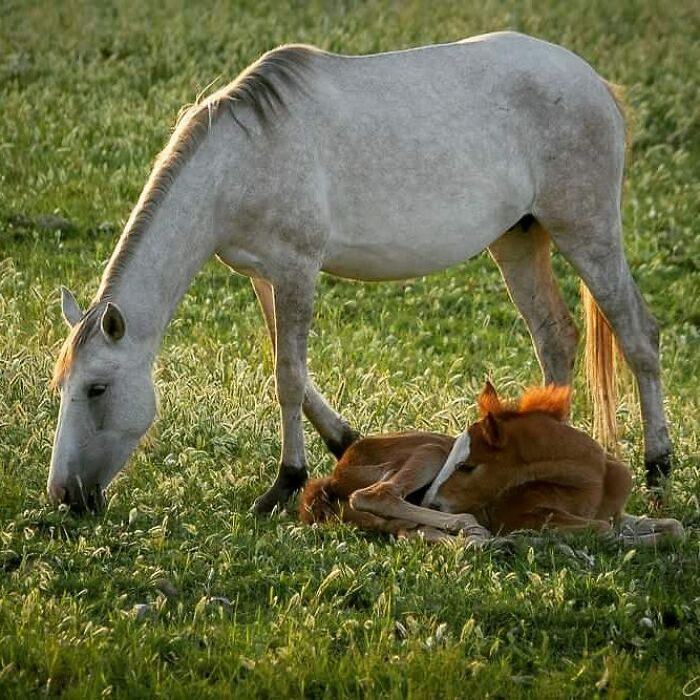
"Wild horse mom smells her 1-day-old newborn baby."
One of the qualities that makes Neely’s work stand out is his patience in the face of extreme conditions. Wildlife mothers are protective and cautious, which means getting close enough for an intimate shot can take hours, or even days, of quiet waiting. “The primary challenge is often adverse weather conditions, such as enduring temperatures as low as -40°F while patiently awaiting wildlife sightings, like foxes hunting,” he explains. These demanding environments are the backdrop against which Neely captures small yet powerful moments of maternal care.
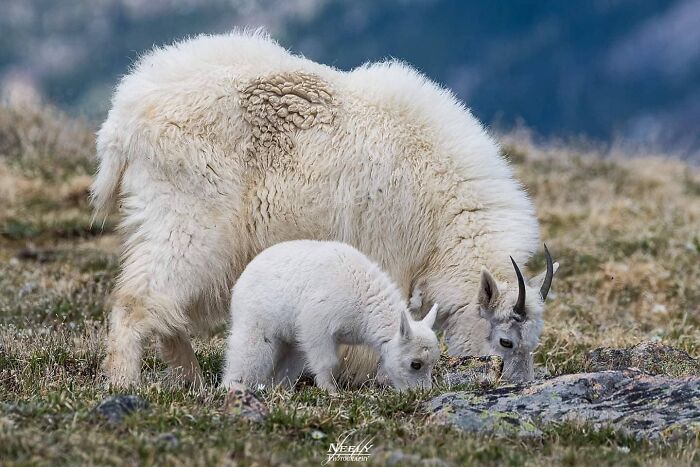
"Males aid in the protection of young when they are a part of a nursery band; otherwise, the mother is the main source of protection."
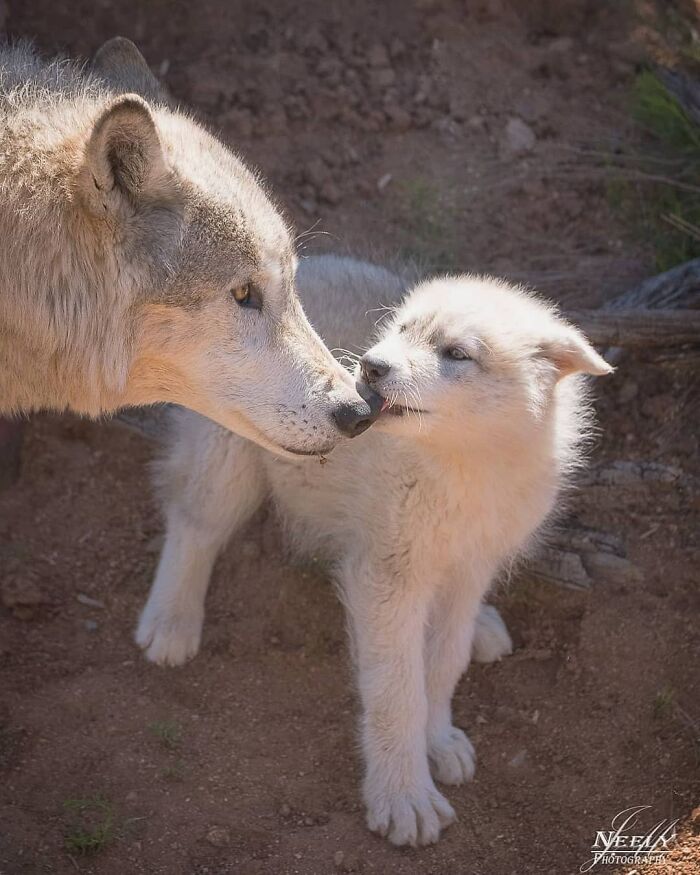
"Wolf pup and family member."

"Family member" XD It's true, though - not all wolves disperse from their natal pack upon reaching adulthood. Many times a yearling (a cub from the previous breeding season) will remain behind at the den with the younger cubs as a "babysitter" while the rest of the pack goes to hunt, once the cubs are weaned. Siblings of the breeding pair (so, the cubs' aunts and uncles) will also sometimes fill this role. And yes, baby wolves are "cubs", not "pups" XD
Of course, working with wild animals also brings moments of danger. Neely recalls one particularly intense encounter in Kenya: “A baby elephant had crossed in front of our vehicle, so we stopped, but then we heard a loud trumpeting roar from behind. We had inadvertently placed ourselves between a mother and her child, a place you never want to be.” The protective instincts of a mother elephant remind us just how universal the bond between parent and child truly is, whether human or animal.
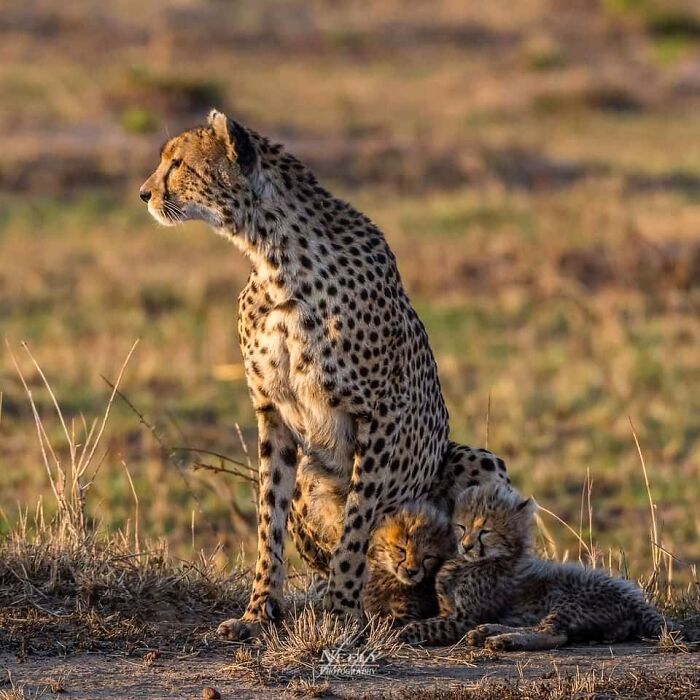
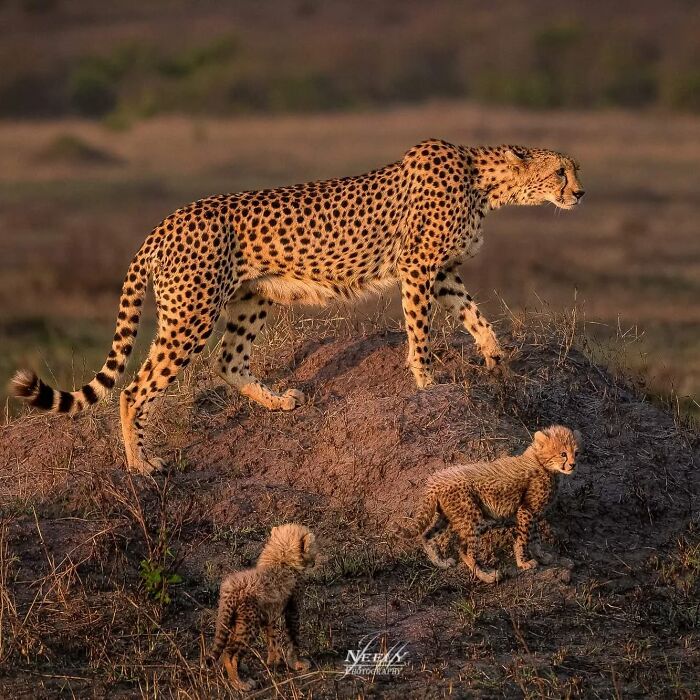
"Beautiful cheetah mother with her two cubs. This was the last thing we saw, and we could not have been happier. A successful safari in Kenya."
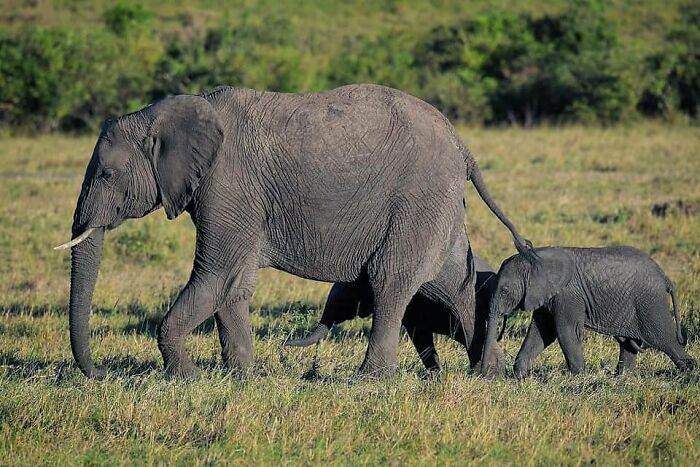
"A mother and two twins. What an amazing sight. Elephants are by far my favorite animals, and I did not get to spend enough time with them."
Beyond the thrill of the photograph itself, Neely sees his work as a way to inspire awareness and action. “Photographs of wildlife in their natural habitats can educate the public about the delicate balance of ecosystems and the interconnectedness of all living beings,” he says. By capturing the tenderness of a zebra with her foal or a deer watching over her fawn, Neely hopes viewers will feel moved not just by the beauty of nature, but also by the urgent need to protect it for future generations.
"Moose and their babies like to hang out around the highways because there is a much lower risk of predation. Good for everyone as long as you drive slowly."
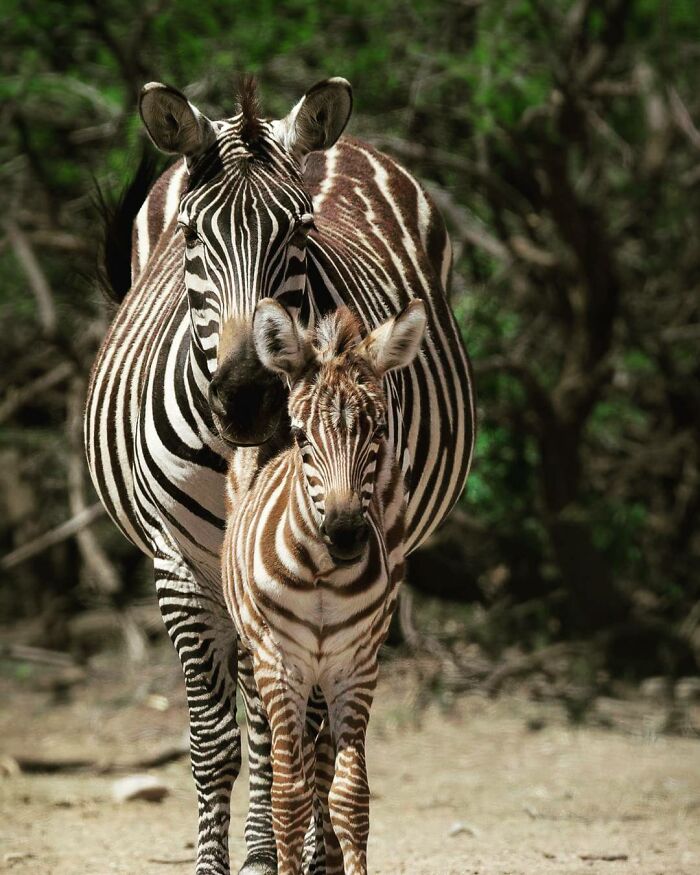
"Momma and baby zebra are carefully watching me walk by."
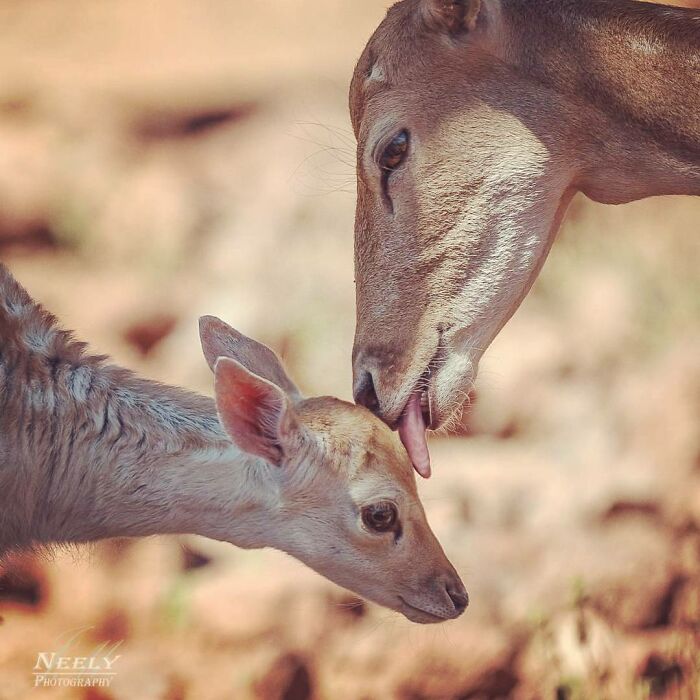
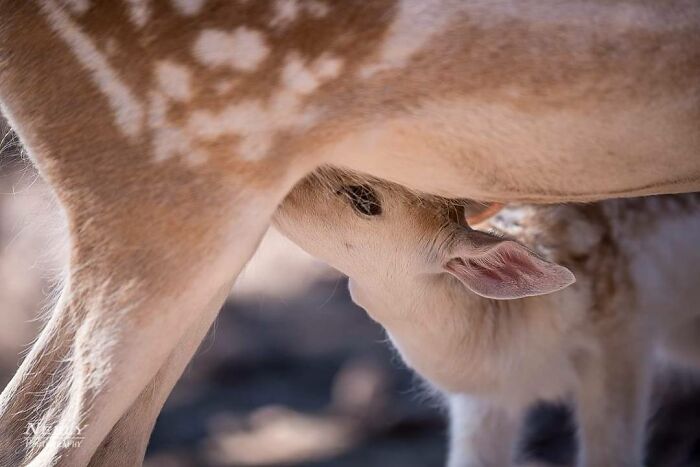
"Baby fallow deer getting spit bathed by mom."

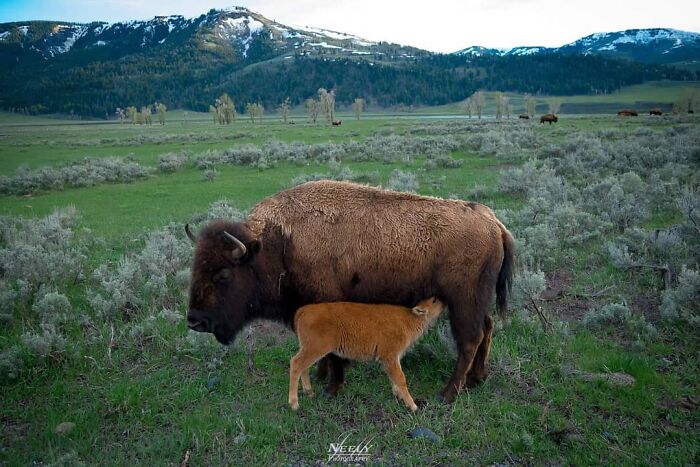
"It's springtime in Lamar Valley."
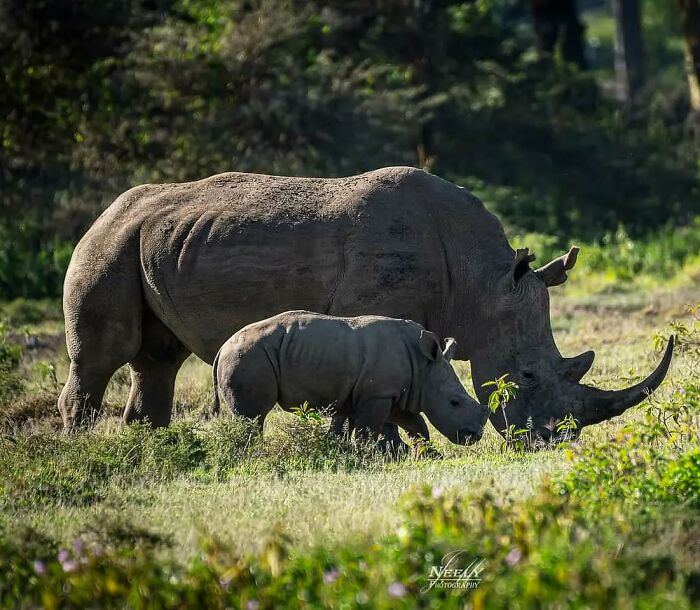
"A baby rhino weighs 80 lbs at birth and stays with its mother for 3.5 years."

I've seen a baby rhino running around like an excited toddler, with mum looking on tolerantly. We are them, they are us. My opinion on those who kíll rhinos for their horns is... Well, *this* lot have the right idea: https://www.bbc.co.uk/news/world-south-asia-38909512
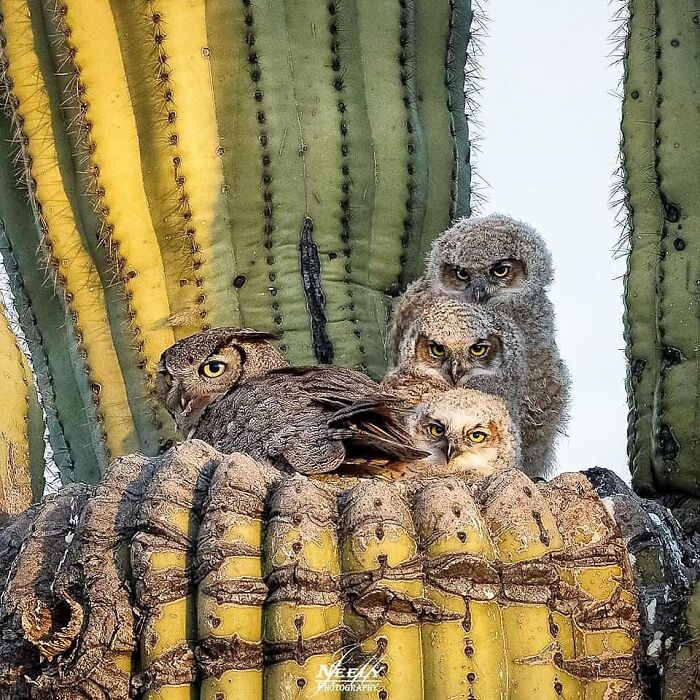
"Mother and her babies are looking for a safe place to hide for the night."
"Owls will furiously defend their nest from predators by digging their talons into the intruder with the force of 500psi."
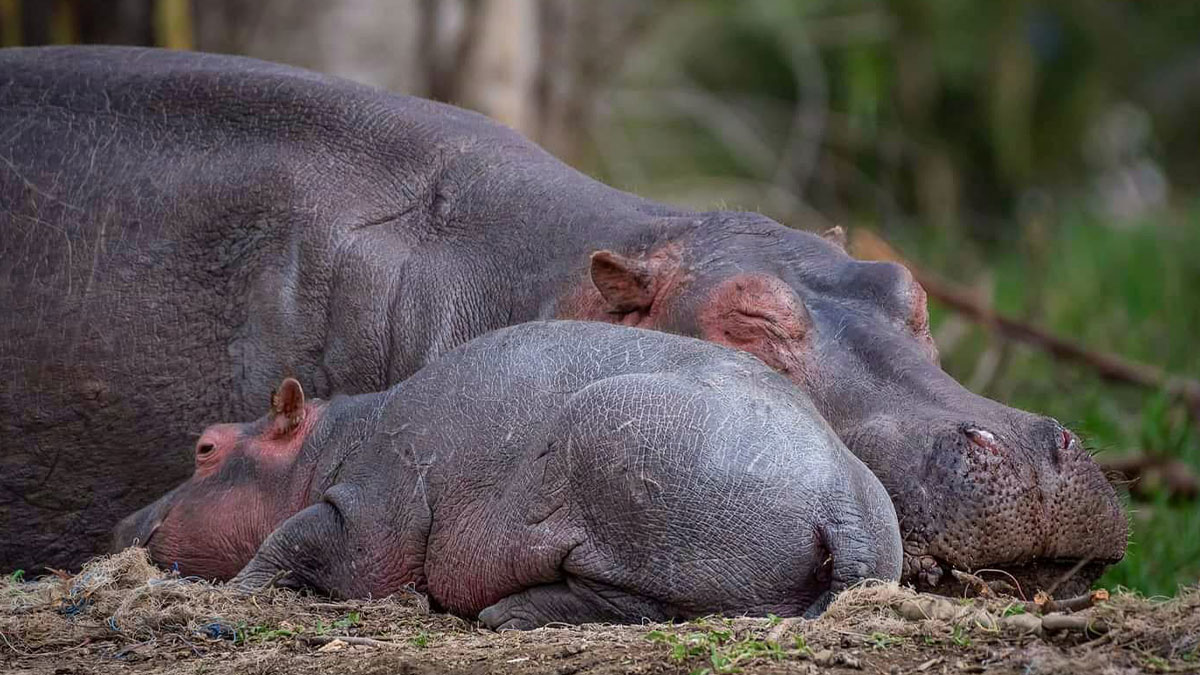
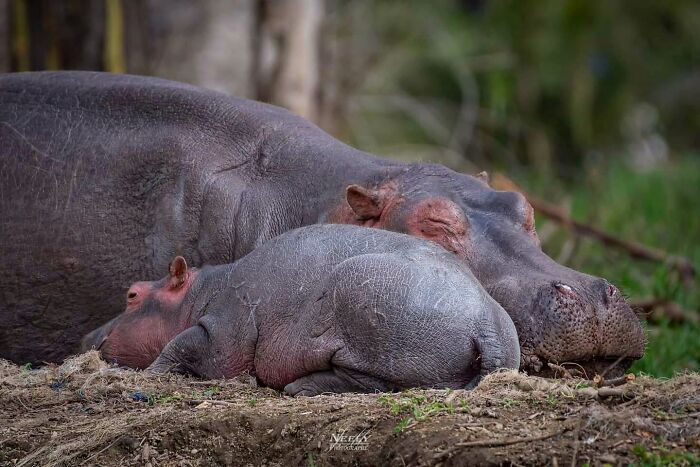
"While on a canoe, we came across many hippopotamuses. Here is baby hippo snoozing with mom in the shade. Lake Naivasha is beautiful, and I highly recommend a canoe tour so you can get at eye level with these beautiful animals."

Just be careful. They k**l more people in Africa than any other non-insect animal
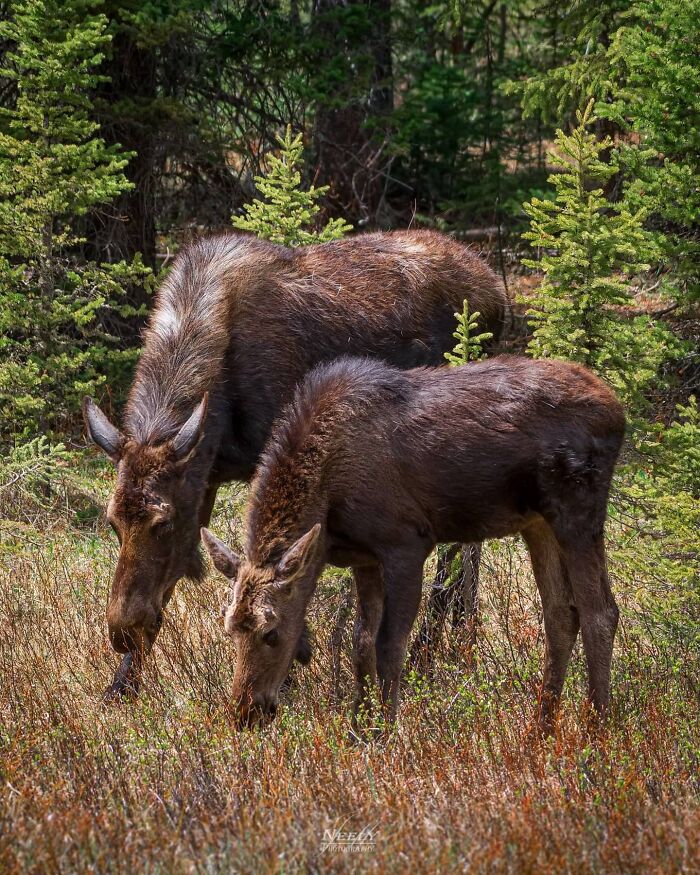
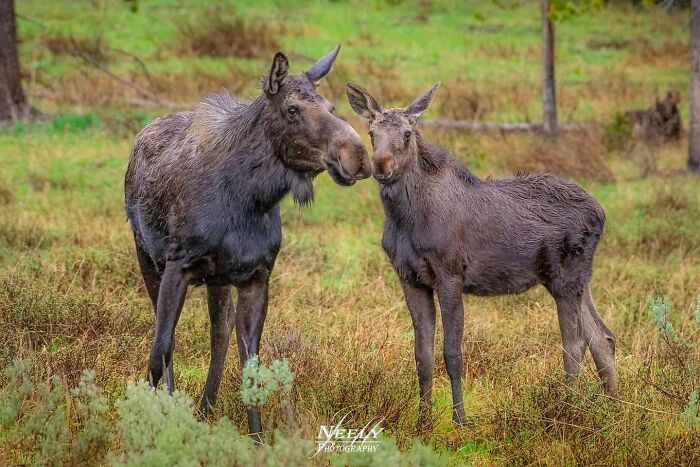
"Mom and baby Moose nose boop.
Fun fact: Moose are huge.
Real fun fact: In the Algonquin language, moose means eater of twigs."
Moose have to be huge, if they are going to knock cars off the road!
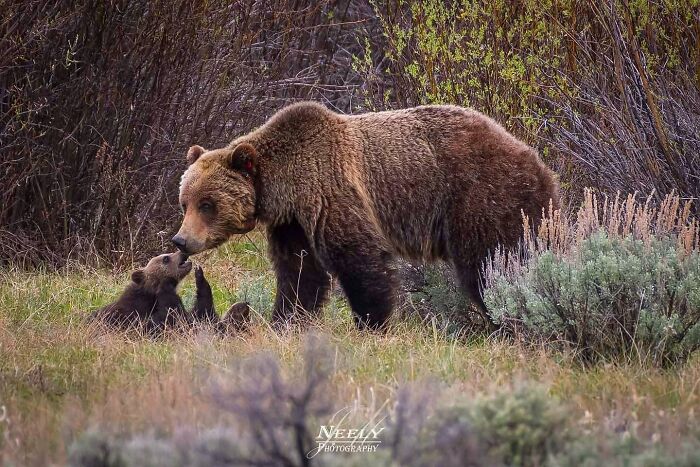
"Grizzly mom playing with one of her cubs.
Fun fact: A grizzly can be 3-4 feet in height when it is on all four legs. It can be up to 8 feet tall when it stands on its hind feet. Although grizzly bears are large animals, 75% of their diet is comprised of berries, leaves, and nuts. They also like to eat fish, rodents, and moose."
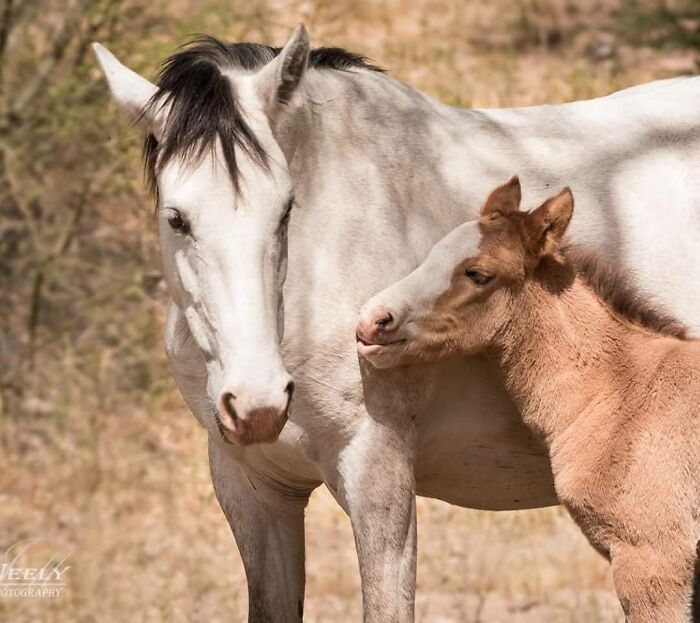
"Salt River wild horses. While the parents are very caring and protective, they are also very tolerant of humans."
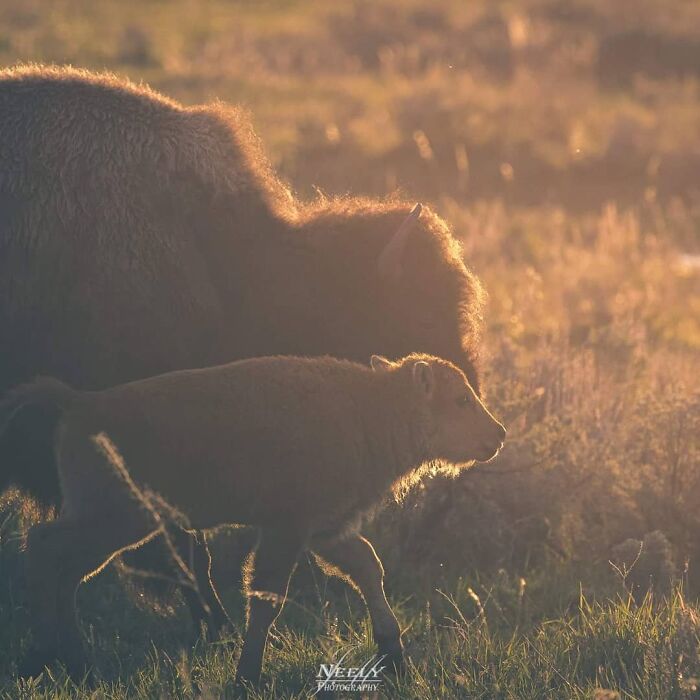
"Baby bison keeping up with mom into the setting sunlight."

What does she say when she sends him off to school in the morning? Bison!
"Wild filly nuzzling her momma."
"Mamma showing kid the ropes."
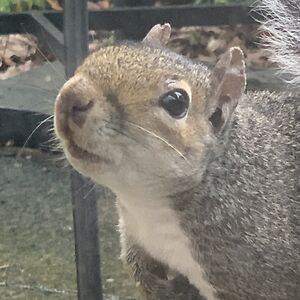
Or bear trying to find a place to shít in the woods without jr following
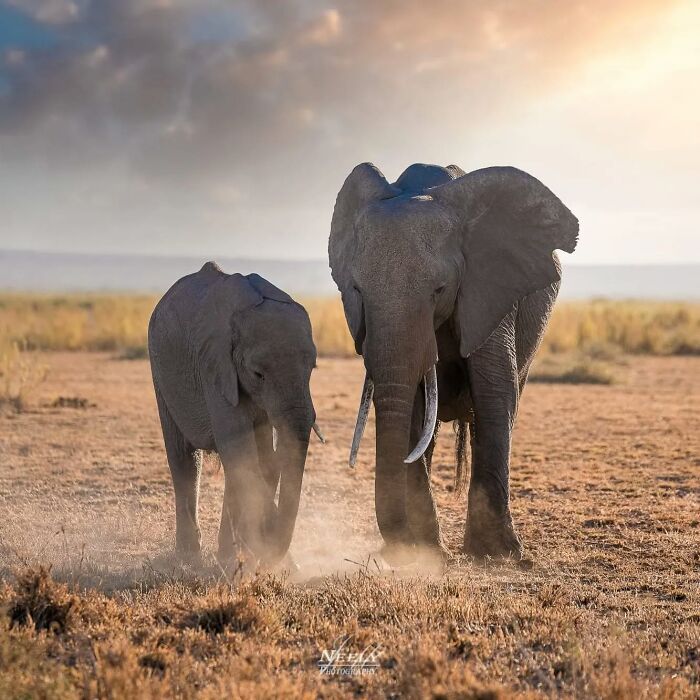
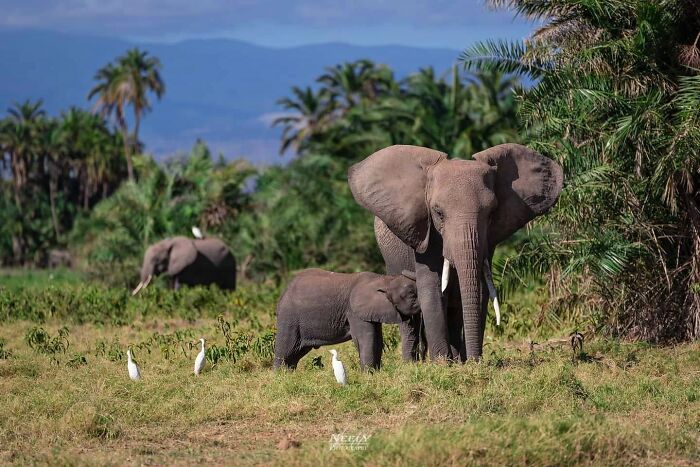
"Elephants in Amboseli National Park headed back to the forest before sunset. It gets really dusty in Amboseli, in fact, the name means 'salty dust'."
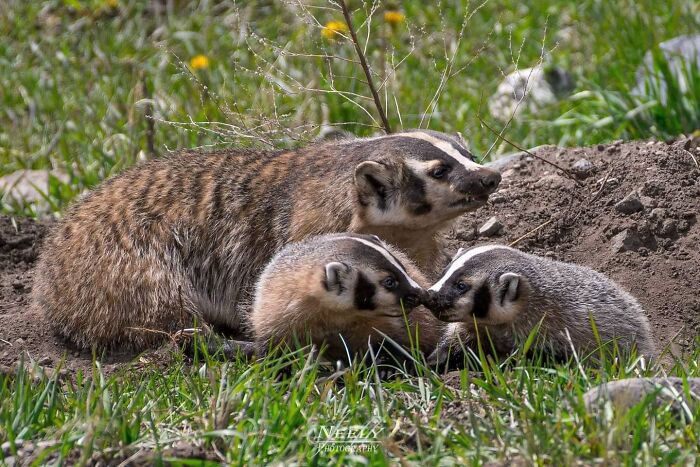
"Badger mom watching over her babies as they play around their home in Yellowstone.
Fun fact: A badger's home is called a sett."
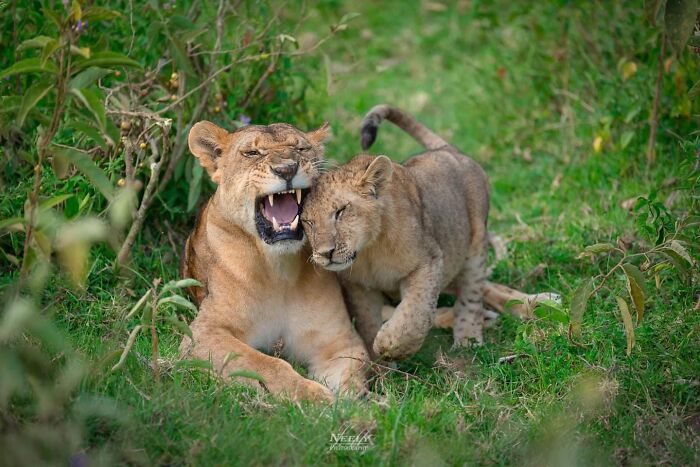
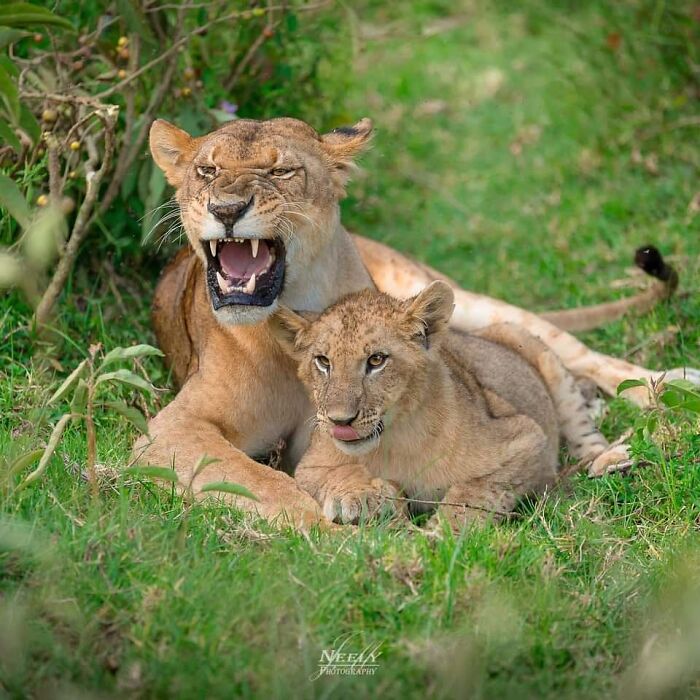
"In the jungle-like environment of Lake Nakuru National Park, there are believed to be fewer than 20 lions as of 2018, and we had the opportunity to meet one of the mothers and her single cub."
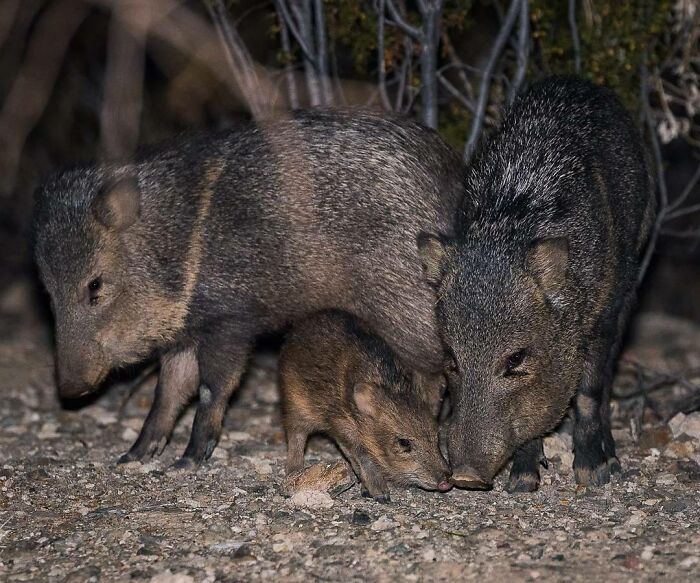
"Sometimes the wildlife comes to visit us at home... they were very skittish.. collard peccary."
"Baby elephant nursing at an oasis in the dry, hot deserts of Amboseli."

Ridiculous, still, at first glance, I saw fallen tusks (?!), not birds... LOL (having my first cup 'o tea)
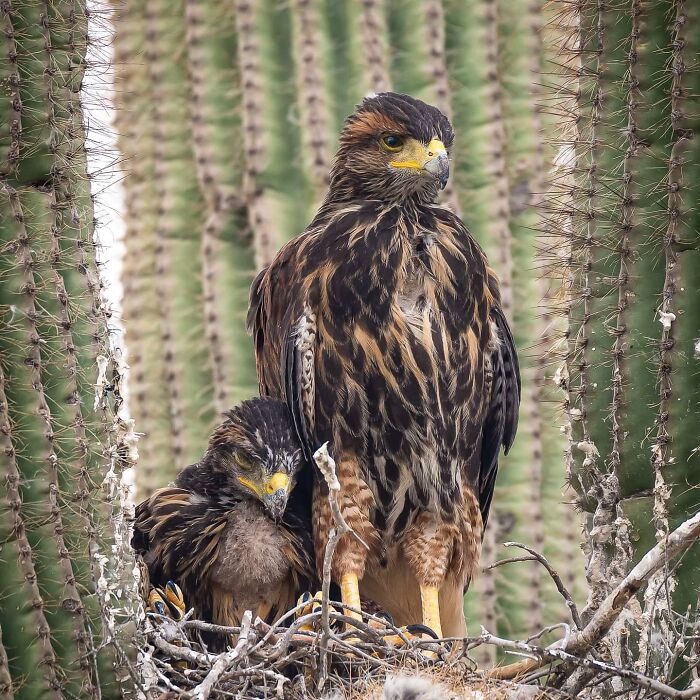
"Harris's Hawk siblings.
Fun fact: A group of hawks is called a Cast. Harris's hawks are social birds that live and hunt in groups. Their social nature gives them strength in numbers, and they can easily give alarm calls to warn others and harass their potential predators such as coyotes, ravens, and the great horned owls."
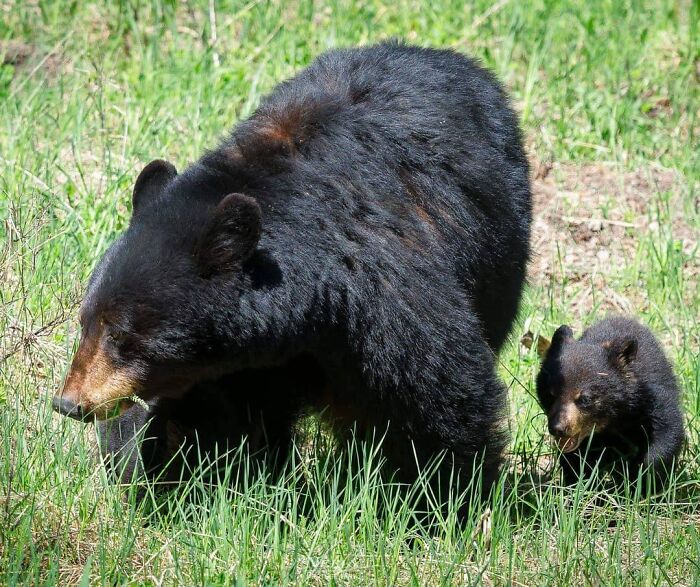
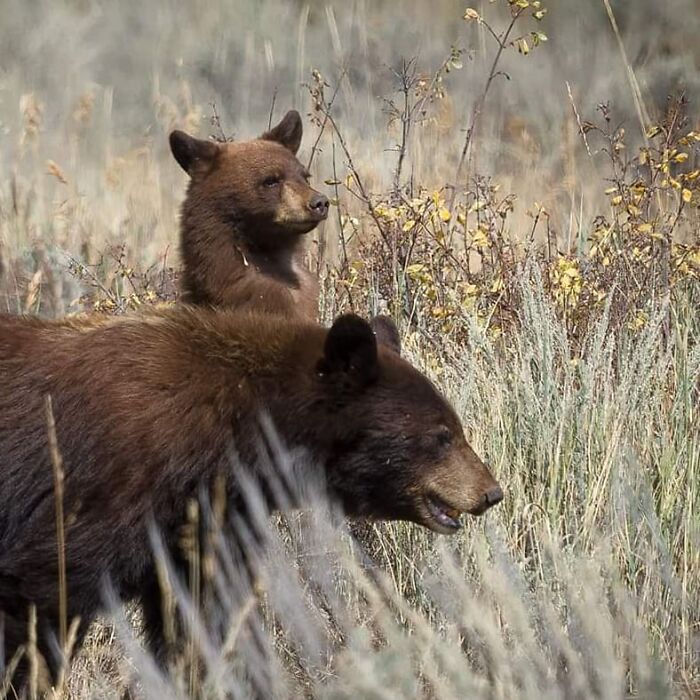
"Black bear and her cub."

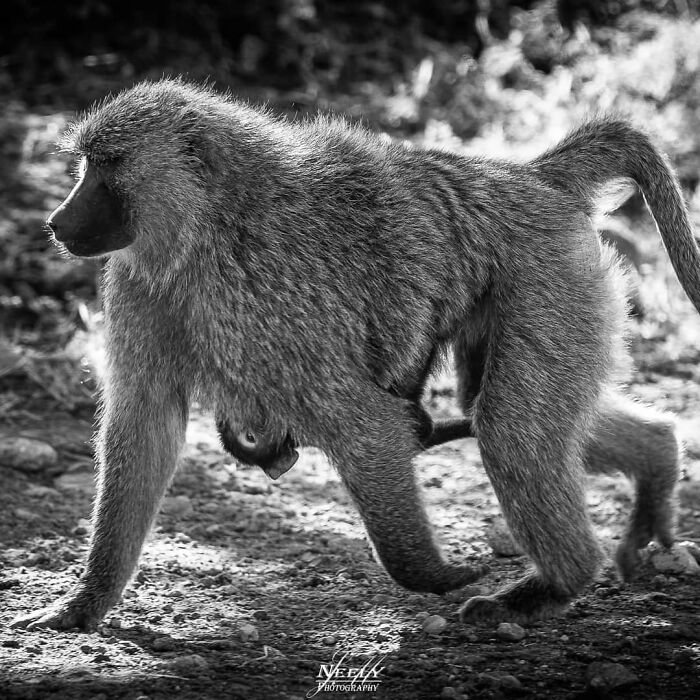
"Baby baboon peeking out from underneath her mother."

just know, baboons are one of the deadly creatures of africa. be careful out there!

Saw some kudu at the zoo the other day. Called to them in that high voice people use for babies and they all looked over at me as if to ask what I was saying. There were babies as well. Kudu are very, very cute.
Saw some kudu at the zoo the other day. Called to them in that high voice people use for babies and they all looked over at me as if to ask what I was saying. There were babies as well. Kudu are very, very cute.















 No fees, cancel anytime