Get Premium
Dark mode theme is available exclusively for premium users. Learn more about the benefits of subscribing.
No fees, cancel anytime.

 Dark Mode Ad-Free Browsing Unlimited Content
 Ad-Free Browsing Unlimited Content Dark Mode
Join 1.2 million Panda readers who get the best art, memes, and fun stories every week!

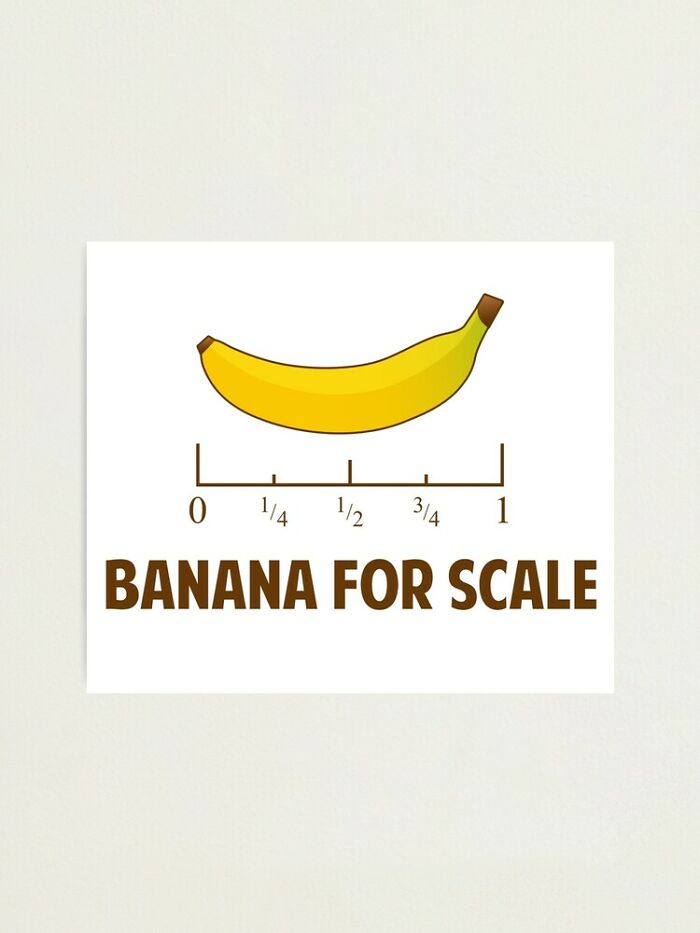
As part of my professional life, I teach subjects in mechanical engineering and machining trades. During one of the pandemic lockdowns, I was running a class on metrology, the science of measurement, and for a humourous lesson, I started showing weird measurements that are recognized, so using "banana for scale" I hope everyone gets as much laughter and confusion as my students did.
This post may include affiliate links.
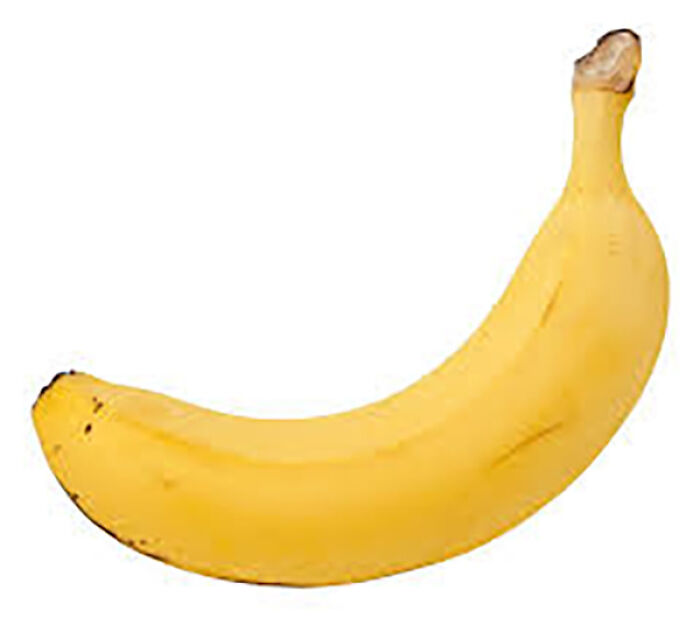
According to the U.S. Department of Agriculture, a banana is at least 7 inches, or 177.8 millimeters, but no longer than 8 inches, or 203.2 millimeters.

Inspired by the light-year but defined as the length an average physicist's beard grows in one second.
The smallest detectable movement was registered by a computer mouse and was named after Mickey Mouse.
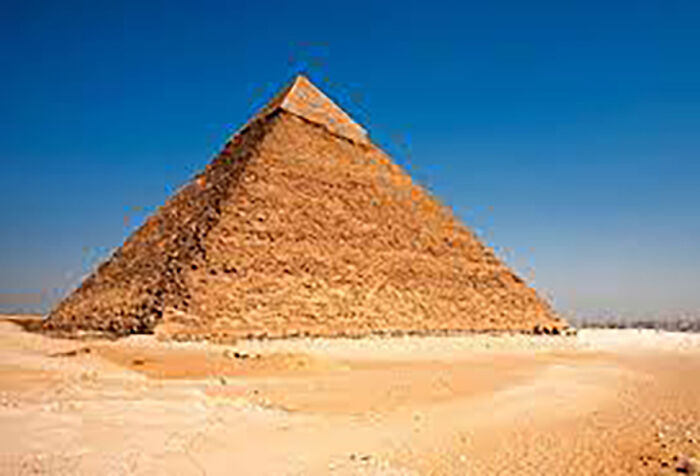
This unit of measurement has been determined by Pyramidologists as being 1/25 of the sacred measurement the Cubit.
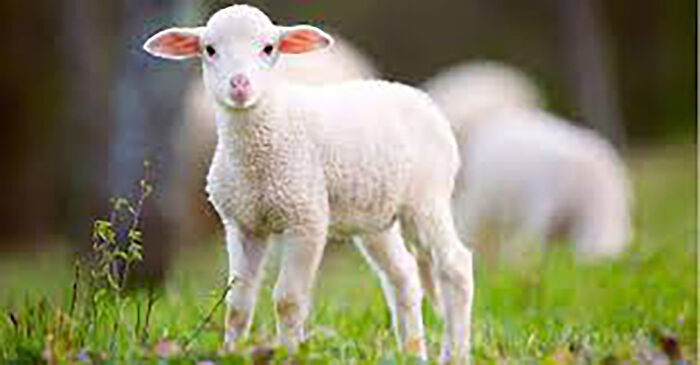
This dandy was developed by nuclear engineers and astrophysicists from the old saying "two shakes of a lamb's tail".

By my calculation, that would mean that a lamb's tail shakes at nearly half the speed of light
Once again our friend the banana is utilized. This time the unit of measurement is the severity of radiation one might be exposed to.
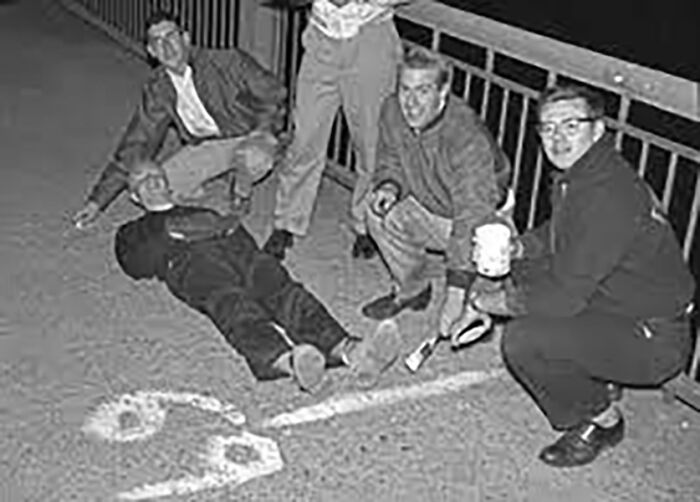
This distance was developed based on the height of Oliver Smoot, a Harvard fraternity pledge in 1958. The fraternity used Oliver to measure the Harvard Bridge. It worked out to be 364.4 Smoots +/- one ear. Oliver Smoot would later become the chairman at ANSI and president of ISO. Both organizations are responsible for standardizing measurements and engineering.
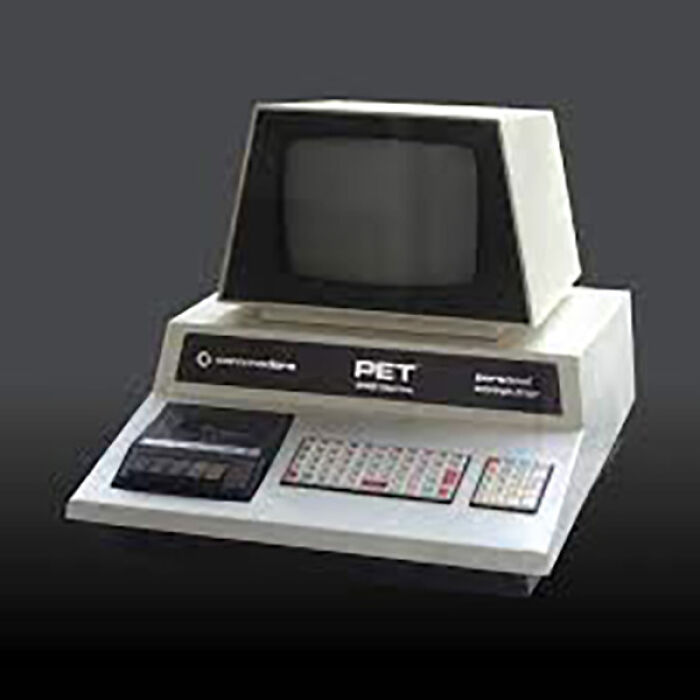
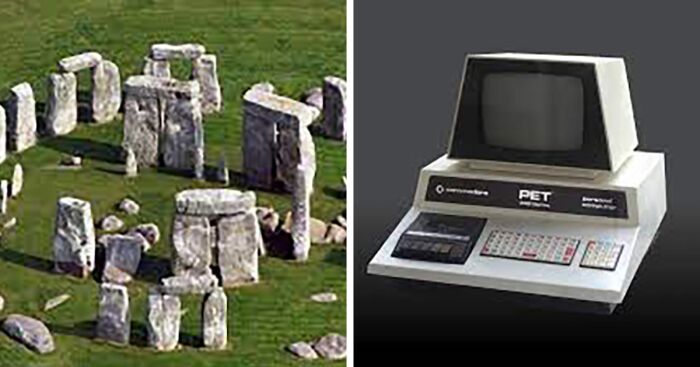
The jiffy was designated from the world of computers. The allocated time is the duration of one tick of the system's timer interrupt. Earlier computers, like 8-bit Commodores, had a jiffy at 1/60 of a second.
This measurement is owing its origin to Andy Warhol who stated "everyone will be world-famous for 15 minutes".
I heard fifteen minutes is the average.. of course some people are famous most of their lives and many are never famous.
The nibble is half of an 8-bit byte, which is 1 hexadecimal digit.
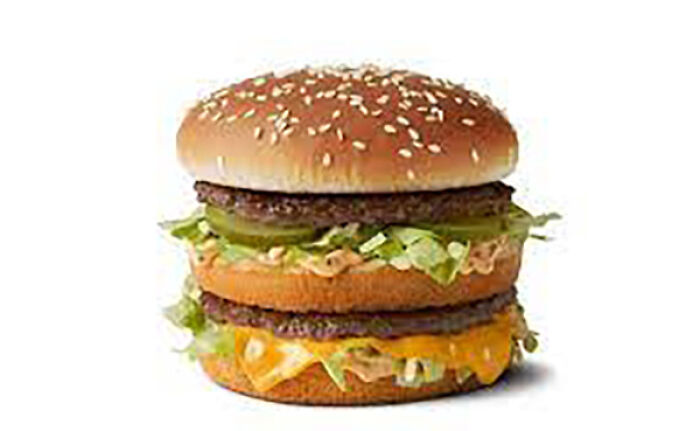
The magazine, The Economist, came up with this oddball measurement which compares nations purchasing power parity to the cost of a Big Mac hamburger.
Which allowed the Hamburgler to pull off the heist of a century via interest rate swaps by manipulating international burger prices, similar to the LIBOR scandal except that the Hamburgler got away with it because nobody ever suspected a thing.
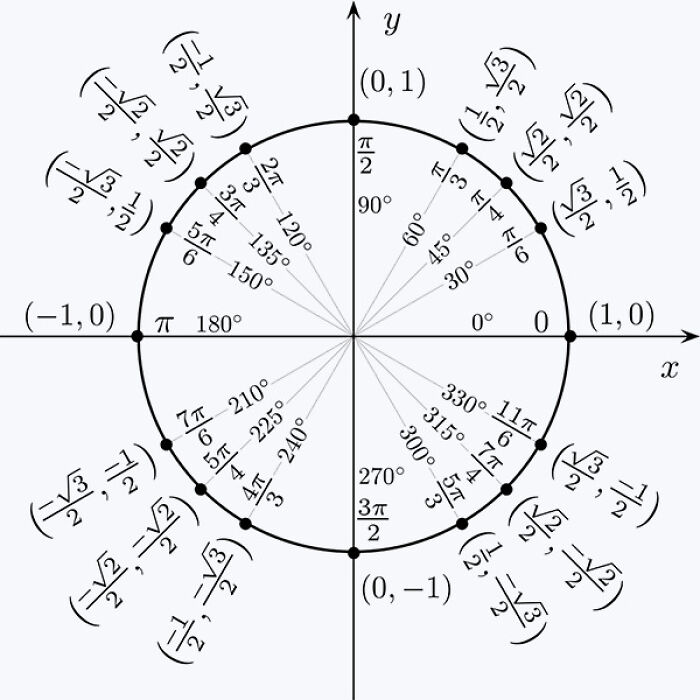
A humourous tribute to Carl Sagan and the phrase "billions and billions" that he was often known to say. So a Sagan is used to describe a large amount, with 4 billion as the accepted minimum.
This is attributed to mathematician John von Neumann. This is the maximum length of a lecture, which also works out to be one-millionth of a century.
NASA developed this measurement to register the amount of nausea and motion sickness related to space travel. Jake Garn, a NASA astronaut, was known to become sick during tests and when in orbit with great frequency. The value of one Garn means the person is basically incapacitated.
Tom Weller, the author of Science Made Stupid, coined this term as a parody of the Richter scale for earthquakes. His "Rictus" scale, which measures from 1 thru 5, is designed to measure the amount of media coverage an event garners.
Scottish professor of engineering, Alexander Thom, concluded this measurement was the common unit used after analyzing over 250 megalithic sites in England and Scotland.
This is named after mathematician Alan T. Furman who adapted the CORDIC algorithm for 16-bit fixed point arithmetic.
This is the combination of the Barn (b) used in nuclear physics and the megaparsec (Mpc) which is used to measure the distance between galaxies.
Developed by nuclear physicists in reference to "you couldn't hit the broad side of a barn" when discussing the probability of the collision of particles in an accelerator.

Is that 10 to the negative 28th power per meter squared? The title format makes it confusing.









































 No fees, cancel anytime