Get Premium
Dark mode theme is available exclusively for premium users. Learn more about the benefits of subscribing.
No fees, cancel anytime.

 Dark Mode Ad-Free Browsing Unlimited Content
 Ad-Free Browsing Unlimited Content Dark Mode
Join 1.2 million Panda readers who get the best art, memes, and fun stories every week!

Traveling is one of the fastest ways to realize that "normal" is a surprisingly flexible concept. The little things you never question like how you greet people, what you eat for breakfast, or whether you take your shoes off indoors, might seem completely baffling to someone from the other side of the world. And that's exactly what makes learning about different cultures so much fun.
When someone asked people to share the things that are normal in their country but strange in other parts of the world, the responses proved that "normal" just might be less of a universal standard and more of a local agreement.
More info: Reddit
This post may include affiliate links.

 1) Throwing porcelain, ceramic pots, and other things in front of the bride to be's house a day or two before the wedding in order to break them into shards. It is said that these shards bring luck. Anything that breaks can be thrown, except for mirrors, as breaking a mirror brings 7 years of bad luck according to superstition.
2) Calling people out if they don't maintain eye contact when clinking glasses. It is said that people who look away will have 7 years of bad intimacy.
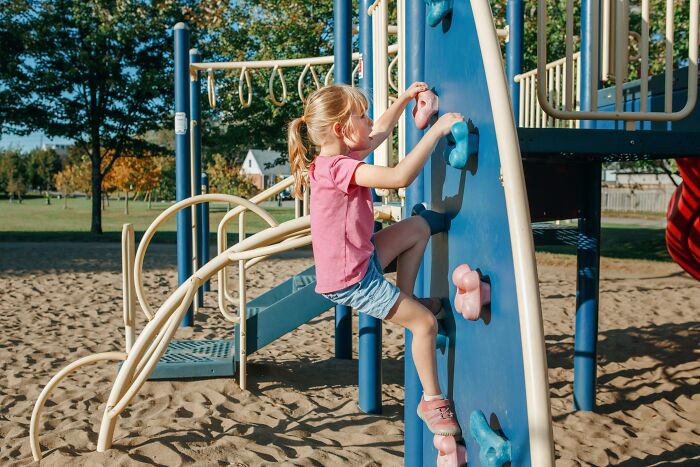 Children playing on a playground while artillery fires not even half a mile away from them. Ukraine.
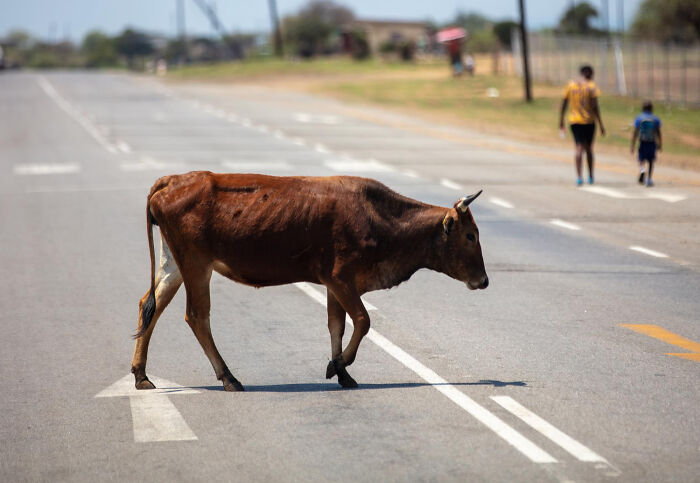 In india, animals like cows in the street or roads is very normal here. But not in another country.
The idea of "normal" is not fixed or universal, but shaped by the society, time, and environment people grow up in. Psychology Today explains that cultural norms are shared expectations that guide behavior within a group, meaning what feels natural in one place may feel unusual elsewhere.
In many cases, "normal" simply reflects what most people in a community do, rather than any objective standard. This is why everyday actions, like how people greet each other or structure their routines, can vary so widely across countries, even when each feels completely ordinary to those who live there.
 I found out that brushing my teeth in a public bathroom was strange outside of Brazil.
Edit: It's nice to see all the other countries that also have this habit. We are the toothbrush international league now.
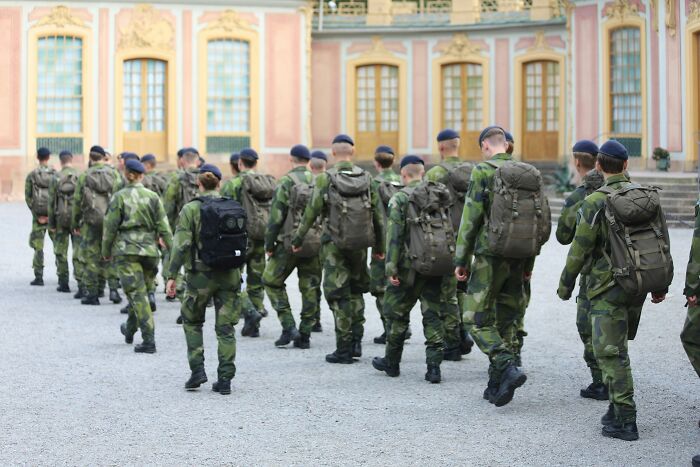 In Switzerland: Carrying your military rifle with you. You get the sig 550 when being conscripted in the army and you take it home, in your own property. Now, there 2 different cases: When you're going to or coming from the military base, you also have your whole gear with you and you're in uniform, so no one is suspicious.
But, there's the 2. case: We have mandatory shooting here ("obligatorisches" aka "schiesswesen ausser dienst"), so you go to the shooting range: Many young guys don't have a car, so it's legal to transport these guns just with the train etc. without wearing your uniform.
There were actually some alerts to the police, made by tourists, which thought there was a criminal or active shooter on the way, the military did made a response to the press later and said, that was legal (that was the case of a radio moderator which had his gun with him as he was going to work in morning and to the shooting range on afternoon, he was ride his bicycle and had his rifle on him)
Today, the soldiers don't carry ammo with them, but in my time, that was before 2007, we had the "taschenmunition" (emergency ammo), which was a sealed package with 50x 5.56mm NATO rounds.
Maybe, this is not weird for US-redditors, but for many countries in the world with strict gun laws. Like in germany, a weapon have to be separated into parts, separated from ammo and always to be in a locked suitcase according to the law.

In Israel you see soldiers, both male and female, schlepping their weapons around on the bus, at the store, etc.
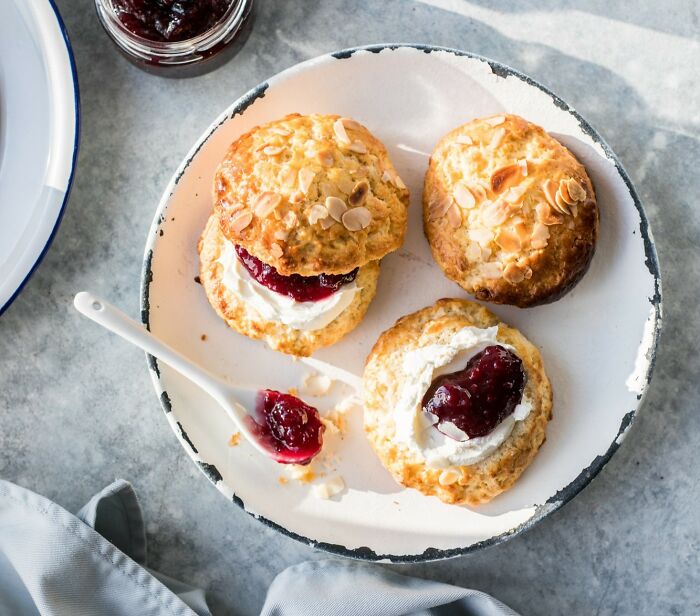 We have arguments over which way round to put Jam and Cream on a scone. Things can get pretty heated. Not helped by the fact we can't even agree on how to pronounce scone.
These differences often become most visible when looking at how people adapt to new environments. Participate Learning describes culture shock as a process that typically moves through four stages: honeymoon stage when everything feels new and exciting, frustration stage when the novelty wears off, adjustment stage where people gradually become comfortable, and acceptance stage where the differences become normal.
While iconic places and landmarks tend to stand out initially, it is usually the small, repetitive habits of daily life that create the strongest sense of difference. Simple things like meal timing, personal space, or communication style shape daily experience far more than visual impressions, and even returning home can feel unfamiliar after adjusting to a different way of life abroad.
 Not my country, but in Spain people celebrating a special moment or personal accomplishments (like their birthdays) bring something for the rest of the group to share instead of the other way around. I saw kids bring candy for the rest of their class on their birthday. My Spanish coworker brought in a cake because their wife gave birth. I thought it was cute and a kind way to say, “I hope you have a sweet moment on my special day.”
Edit: I’m learning that some Americans experienced this in the US, which surprises me because I’ve never experienced it and I’m American (well, Mex-Am lol). Maybe it’s a regional thing? Idk.
Edit 2: added and removed somethings to be more specific about special moments/personal accomplishments because they don’t do it for birthdays only.
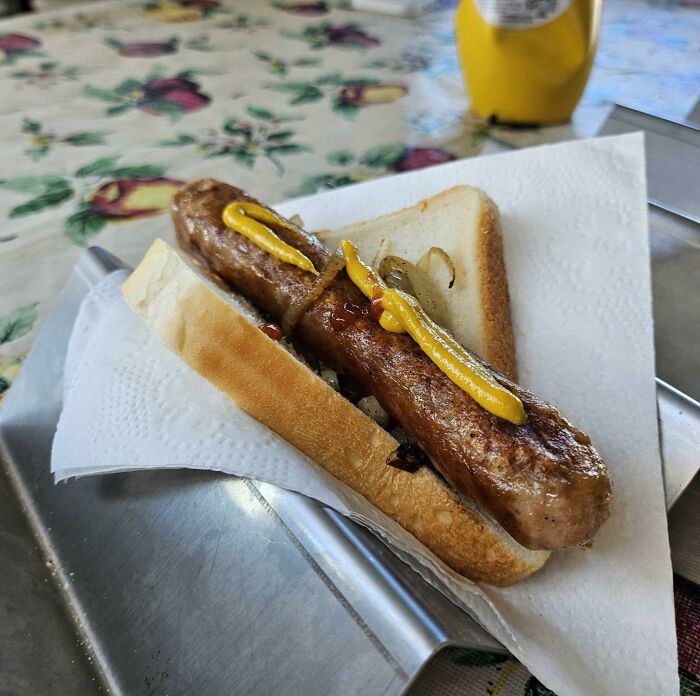 Going to a hardware store and leaving with a sausage sizzle.
 Context: I’m Spanish but studied my Bachelor degree in the UK. This is more an anecdote on what is considered “strange” in my country but totally “normal” for me.
After inviting a few Uni friends to my hometown in Spain, a baffled former British friend said it was “really strange that Spanish people drank during lunchtime and dinner just for the pleasure of it rather than to get drunk”. She thought it was a “waste of money” to drink without actually getting drunk.. She was d**d serious.
That was a real cultural turning point for me.
Many of these everyday differences show up in simple actions that are often taken for granted. Escape Artist highlights how gestures and habits that feel automatic in one place can carry very different meanings elsewhere. For example, finishing all the food on your plate can imply the host did not serve enough in countries such as China, the Philippines, Thailand, and Russia.
Removing shoes indoors is expected in countries such as Japan and Korea, while certain hand gestures, like a thumbs-up, may be considered offensive in parts of West Africa or the Middle East. Equally interesting is that accepting gifts too quickly can be seen as impolite in Japan and China, where refusal before acceptance is part of the custom.
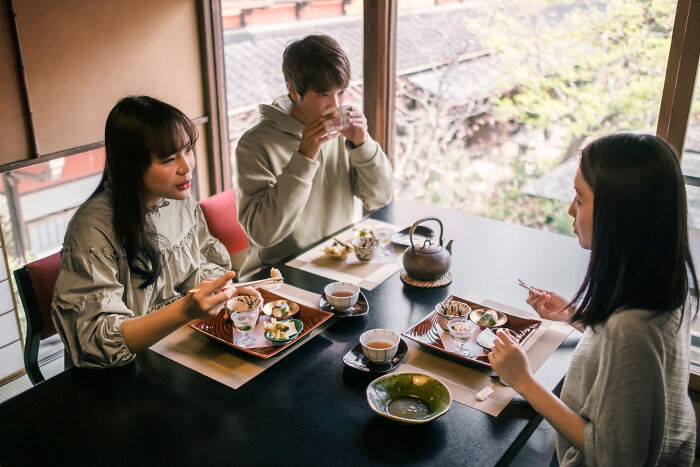 Keep talking on the table after finishing a meal. I live in Mexico, and talked to a Japanese guy who told me that in Japan after finishing a meal they just stand up while here and other Hispanic countries is common to keep talking, we call it "sobremesa"
Also here is more offensive to say no when you are invited to hang out and you don't want to do so, than saying that you will try and just don't show.
 In the Netherlands when you go to a birthday you don't just congratulate the person who's having their birthday, but you congratulate everyone at the party with that person's birthday. It can take a while to congratulate everyone...

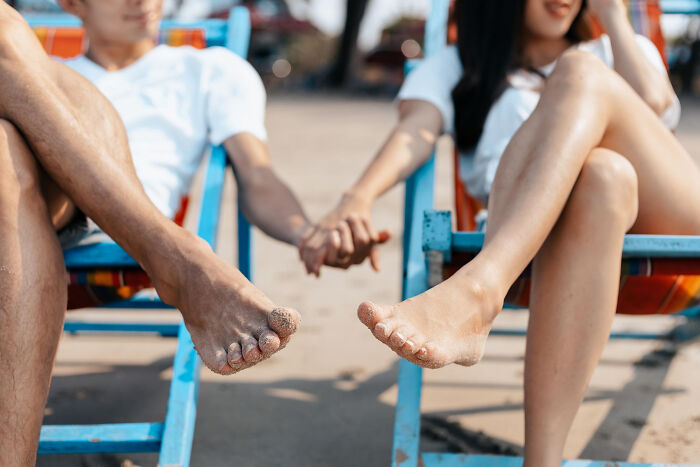 In New Zealand it is normal to be barefoot in public. In the mall, the supermarket, fast food places etc. It's even normal for kids to go to primary school barefoot. It's recognised this is unusual and has become a point of national pride for some people.
Don't get me wrong, it's not like everyone is doing this, but it's a noticeable minority and would be seen on a daily basis, even in winter.
A noticeable number of BP commenters are quite disgusted by that image - apparently half of them abhor intrinsically dirty/unhygienic feet, while the other half just as fervently abhors bare sole contact with the intrinsically dirty/unhygienic outdoors.
Part of why these differences feel surprising is explained by Simply Psychology, which describes ethnocentrism as the tendency to interpret other cultures through the lens of one’s own. Because people learn their own cultural norms first, those habits often feel like the default way things should be done.
When encountering different customs, whether in greetings, eating habits, or social etiquette, reactions of confusion or curiosity are common, as unfamiliar behaviors are measured against personal expectations. Over time, this natural comparison helps explain why everyday life can feel so different from one place to another, even when the underlying needs and routines are often the same.
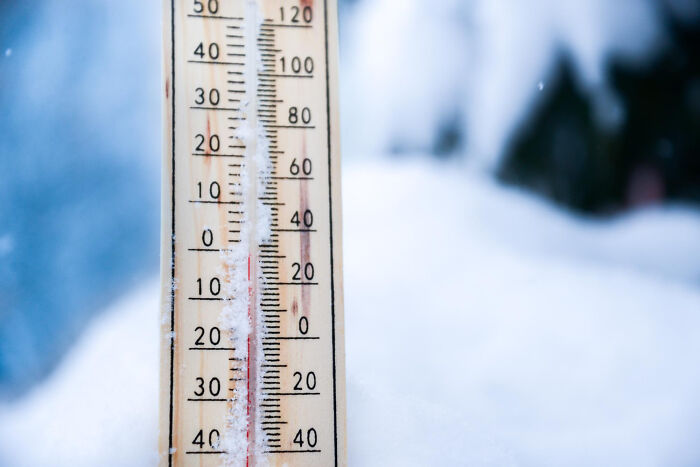 Using Fahrenheit to describe the weather.
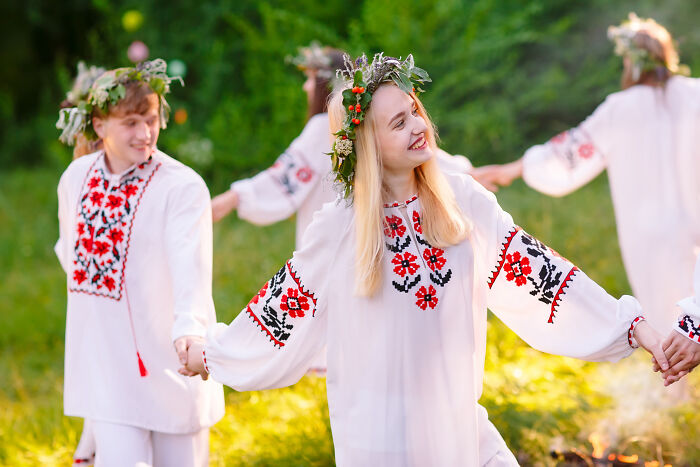 Dancing around a pole holding hands with flowers in your hair singing about little frogs.
 In Denmark, if you haven’t gotten married before the age of 25, you’ll get tied to a streetlight and get showered with cinnamon. It’s common to see big orange spots on the ground around streetlights. It’s a very old tradition and we don’t actually expect people to get married before 25, but the tradition still goes on.
In my rural corner of Germany unmarried men at 25YO get a wreath of stuffed socks ("Sockenkranz") all around their door, several metres long, while women get one decorated with boxes ("Schachtelkranz", often empty cigarette boxes).
As these responses prove, what feels completely ordinary in one country can seem downright strange in another. Yet that's part of the beauty of exploring different cultures. It reminds us that there isn't a single "right" way to live, only different traditions shaped by history, geography, and generations of habit.
Of course, not every custom will make sense to everyone, and that's perfectly fine. Some might leave you scratching your head, while others may have you wondering why your own country doesn't do things the same way. Perhaps, you've ever shocked someone from another country with a "normal" habit from your culture? Tell us all about it!
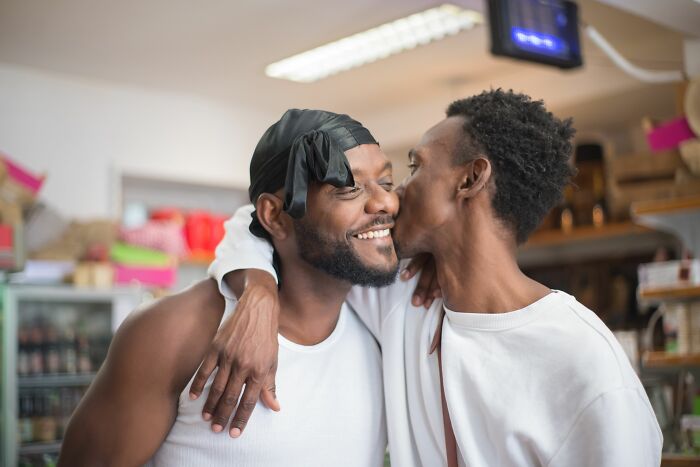 Kissing the cheeks as a way to salute between men. It's pretty common here, but when I've done it in America while visiting a friend of mine some other people asked us if we were gay.
EDIT: they didn't came to our face saying "Hey buddy you're gay?', they simply misunderstood and told this friend of my they didn't know he was not straight. It was nothing disrispectful.
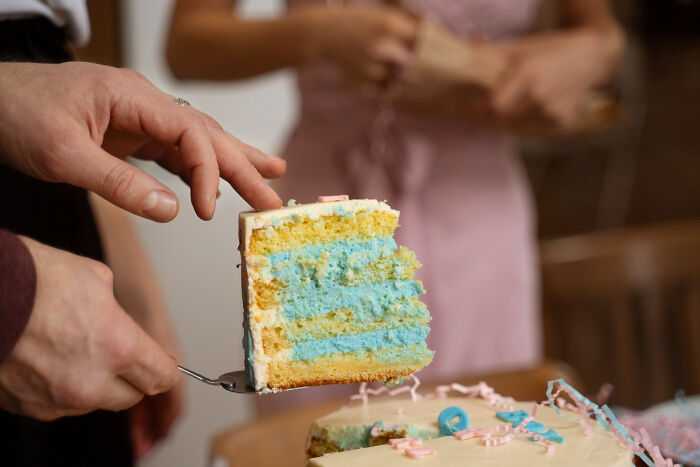 We scream when we cut the birthday cake in Venezuela. It is expected to be a blood-curdling scream, and people laugh at you and ridicule you if it wasn't loud or scary enough. Also, our birthday song is like 2 minutes long.

We do it in Denmark with a specific birthday cake that is shaped like a girl or boy. You scream when you cut the neck.
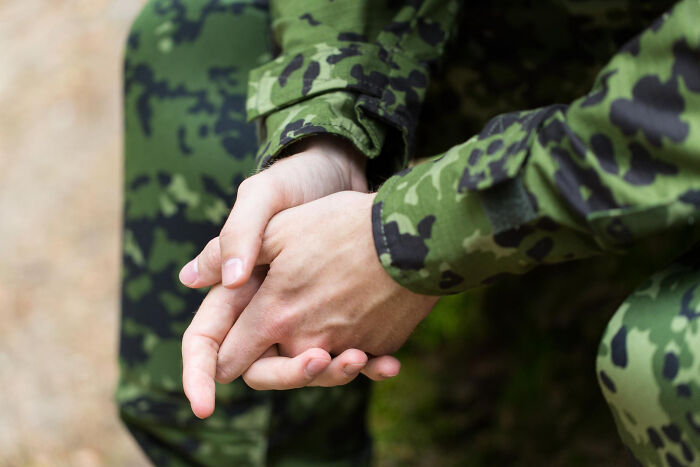 Not my country, but when I was at a Joint Base with other service member from different countries, the African soldiers would hold hands if they were friends. It was really weird to see because in the US were not supposed to show "PDA" in uniform. Cultural differences I guess!
In PNG (culturally very homophobic) I would often see men walking round holding hands. Never women.
 United States here, ads for prescription d***s always comes to mind when this gets asked. No reason Joe Nobody sitting on his couch watching a commercial with some dude playing with his dogs and climbing a mountain should be telling his doctor what to prescribe, whether for herpes or MS.
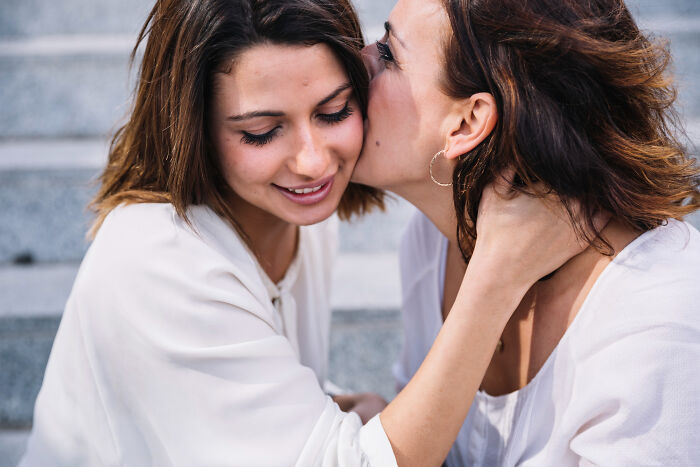 Here in Switzerland it is considered normal for people to greet each other with three kisses on the cheek. I think its also a thing in the Netherlands and Belgium...
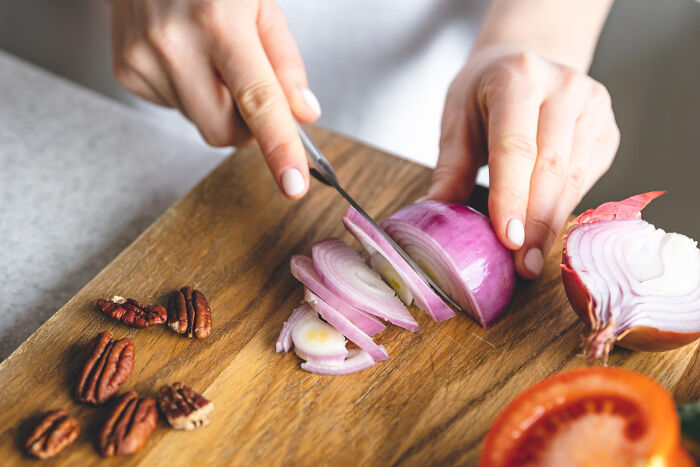 If you ever find yourself surrounded by three or more Spaniards and want to start a mini civil war, you only have to ask "With or without onion?". You don't need to specify what; they'll all know instantly what you're talking about. In the highly unlikely event that they all were in agreement, there is a follow-up question guaranteed to succeed where the former one failed: "Raw egg, or fully cooked?" (although the degenerates who like their egg raw refer to it as being "juicy" or "Galician"). You'll have a massive argument going on in no time!
What can I say, we take potato omelette very seriously.
Cows. Everywhere. Literally all the time. Every corner you turn, there will be a cow. If its not a cow then you better bet your a*s it'll be a chicken instead.
 We have vaccination mascot. We (used to) have pretty strong and efficient vaccination programs and our mascot is just a way to symbolize that. Some outsider saw this mascot and thought it looked like a k*k uniform but we're not letting a gringo ruin Zé gotinha.
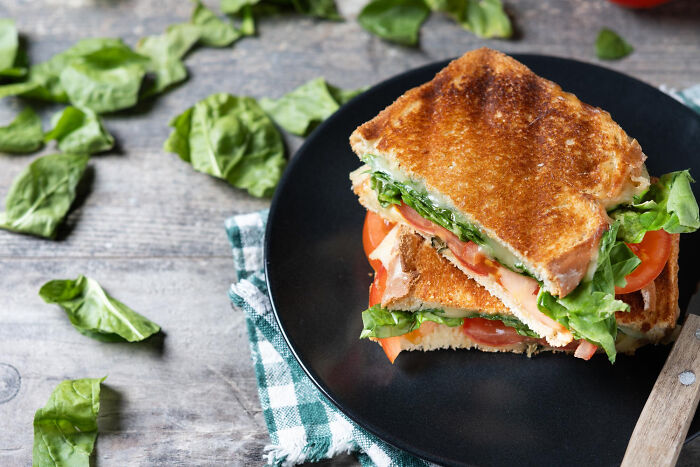
 Tuna Pizza.
Americans thought I was messing with them the first time I mentioned it.

Honestly at this point, I think anything on pizza is fine, as long as the person who orders it likes it. It's not really that different to having different sandwich fillings.
 We call a traffic light a robot. I really don't know why.
 In Latin America when a kid gets hurt, the mother invokes the power of a frog's a*s to cure the wound.
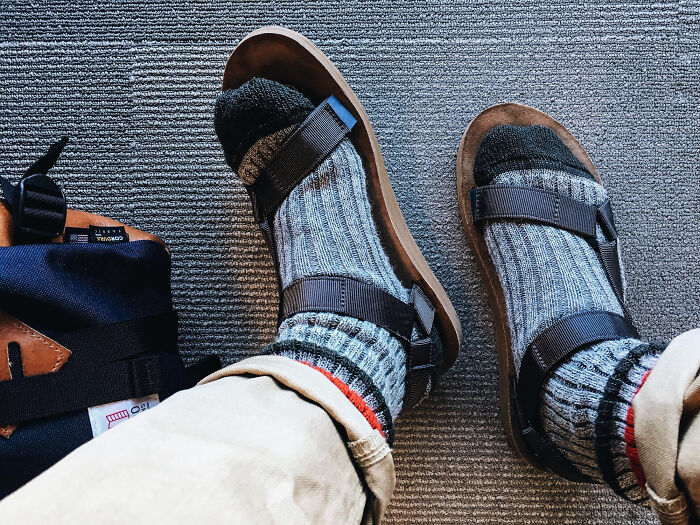 Socks in sandals.
 Top-notch rocket scientists, engineers, surgeons getting paid like $500 per month.
Drive through bottle shops.
I personally don't use drive through bottle-os (bottle shops) but they are common for young people on their way to house parties in Australia.
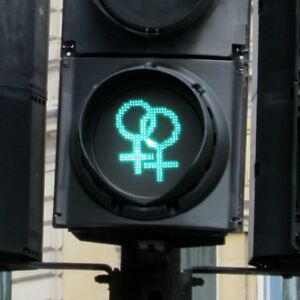
Lgbt free zones. This shouldnt be allowed, but it covers 1/3 of the country.

Does this mean that LGBT is free to display, or it is forbidden?

In Australia, after we've sung "Happy Birthday to You", someone will shout "Hip Hip!" and everyone else follows with "Hooray!"... This is always done 3 times

Mzansi, too. We'll go 'hip, hip, hooray' twice and then someone shouts, "En nog 'n piep!" and you respond, "Hooray!" (Nog 'n piep = another one).
Load More Replies...
In the United States, guns have more rights than...just about anything.
In Mzansi, "just now" and "now-now" do not mean "now". "Just now" means "in a little bit" - could be 5 minutes, could be an hour. "Now-now" means "quite soon".
In Australia, after we've sung "Happy Birthday to You", someone will shout "Hip Hip!" and everyone else follows with "Hooray!"... This is always done 3 times
Mzansi, too. We'll go 'hip, hip, hooray' twice and then someone shouts, "En nog 'n piep!" and you respond, "Hooray!" (Nog 'n piep = another one).
Load More Replies... In the United States, guns have more rights than...just about anything.
In Mzansi, "just now" and "now-now" do not mean "now". "Just now" means "in a little bit" - could be 5 minutes, could be an hour. "Now-now" means "quite soon".
























 No fees, cancel anytime