Get Premium
Dark mode theme is available exclusively for premium users. Learn more about the benefits of subscribing.
No fees, cancel anytime.

 Dark Mode Ad-Free Browsing Unlimited Content
 Ad-Free Browsing Unlimited Content Dark Mode
Join 1.2 million Panda readers who get the best art, memes, and fun stories every week!
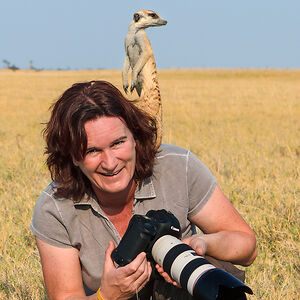
Let me say this as someone who has spent a lot of time watching lions or elephants do absolutely nothing. Yes, and that can be for hours! That’s not a joke. It’s actually important because real wildlife rarely performs on command. And that’s exactly why real photographs feel different, even when we can’t immediately explain why. It is our feeling.
Today, AI-generated wildlife images are everywhere. They’re dramatic. They’re polished. They’re sometimes even breathtaking. And yet, many of us pause while looking at them. Something feels… staged. This isn’t about fear of technology—it’s about learning “how to see again.”
More info: anettemossbacher.com | Instagram | Facebook
This post may include affiliate links.
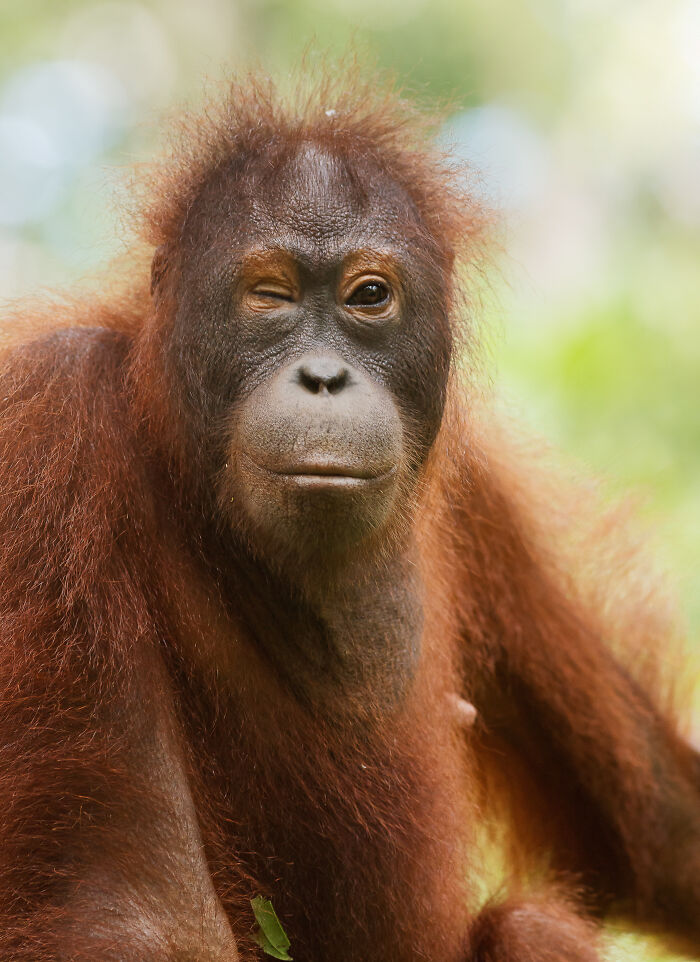
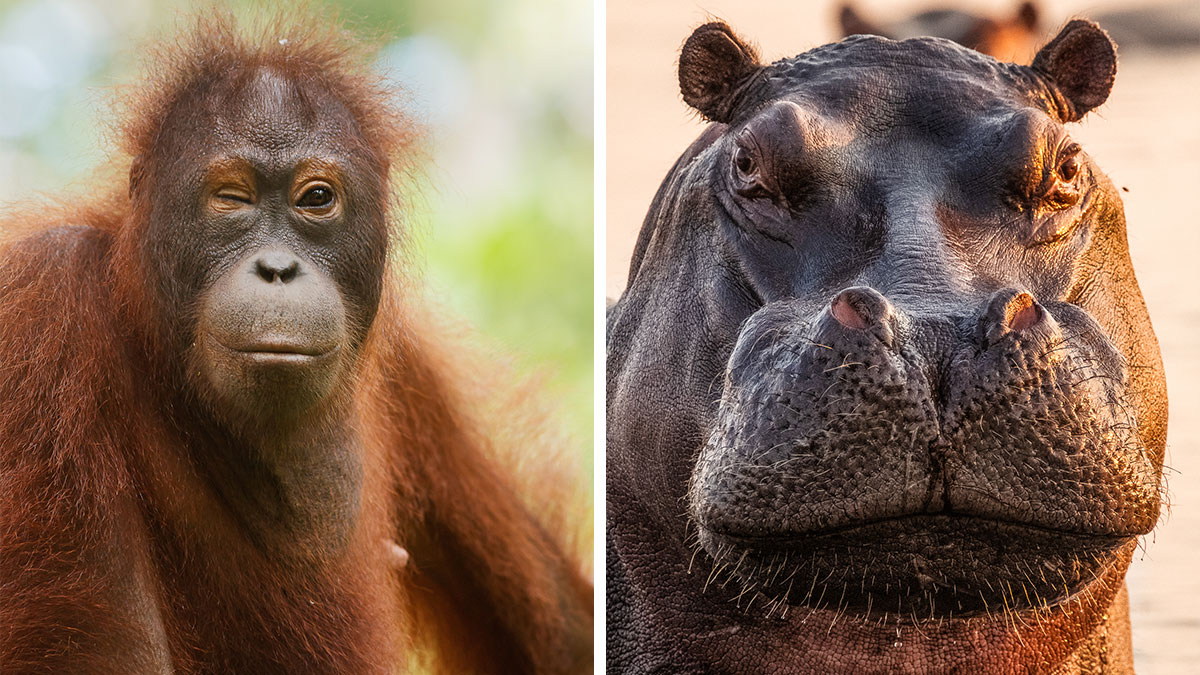
Reality isn’t symmetrical. This face carries time, loss, and experience. His presence is quiet, heavy, and unforgettable. Or is it just a wink with the eye?
Every wildlife photographer knows the holy grail: the moment when nothing is forced, nothing is arranged, nothing is improved. It just happens—now. And most of the time, it’s not spectacular. It’s subtle. It’s awkward. It’s unfinished. That’s where AI images usually give themselves away. AI is excellent at delivering what we expect wildlife to look like. Nature, on the other hand, often refuses to cooperate.
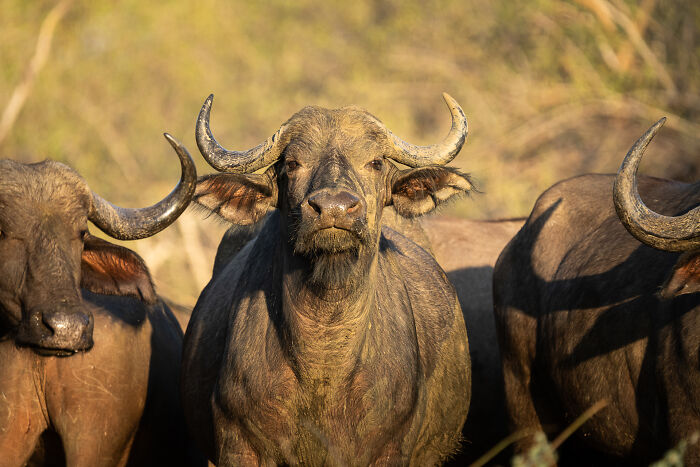
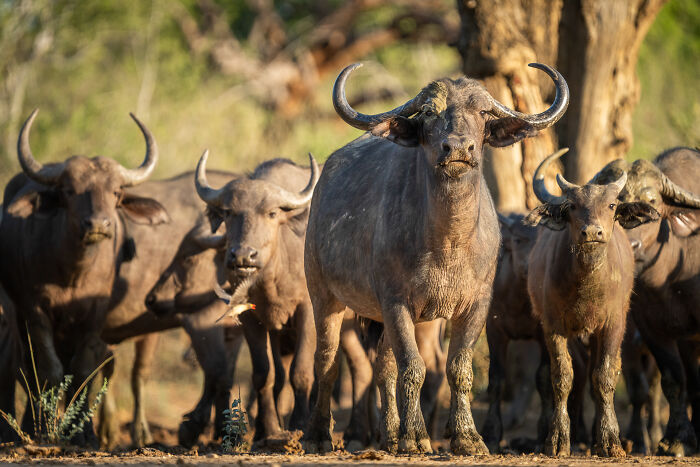
This look isn’t aggression. It’s an assessment. Cape buffalo carry a calm, immovable seriousness, a quiet reminder that you’re in their space.
For decades, a photograph meant proof—this stood in front of a camera, that moment. That agreement is quietly breaking.
AI images don’t document moments. They perform an idea of a moment from the person typing in the prompt. And the performance is good—very good—but the wildlife doesn’t act. It waits. It hesitates. It gets distracted. It does strange things for no obvious reason, especially elephants. When an image looks too cooperative, that’s often your first clue.
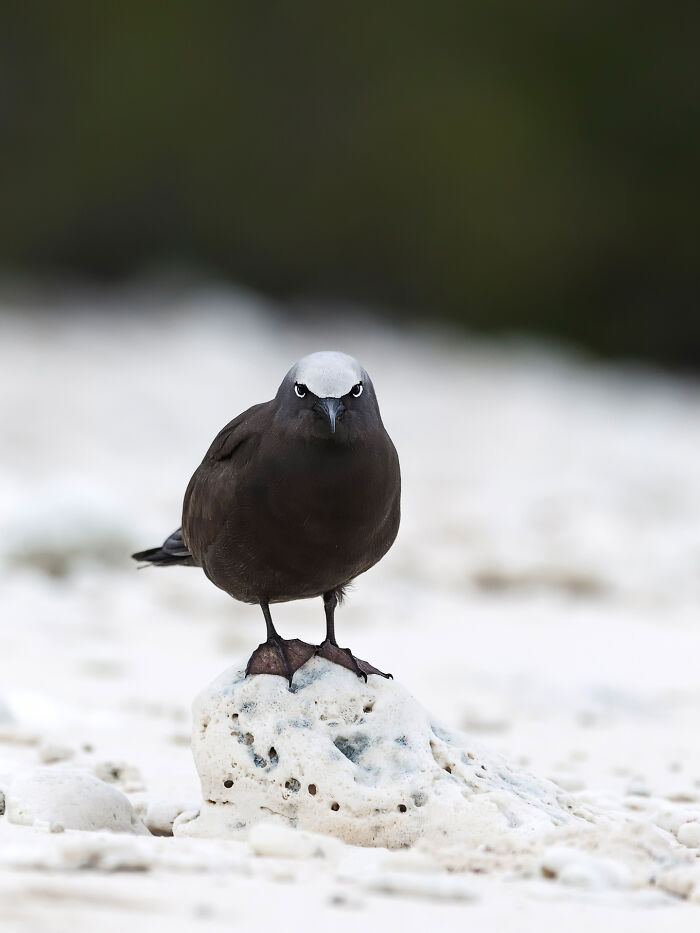
No drama. No background clutter. Just one very unimpressed bird on one coral, like an Angry Birds character who wandered into real life.
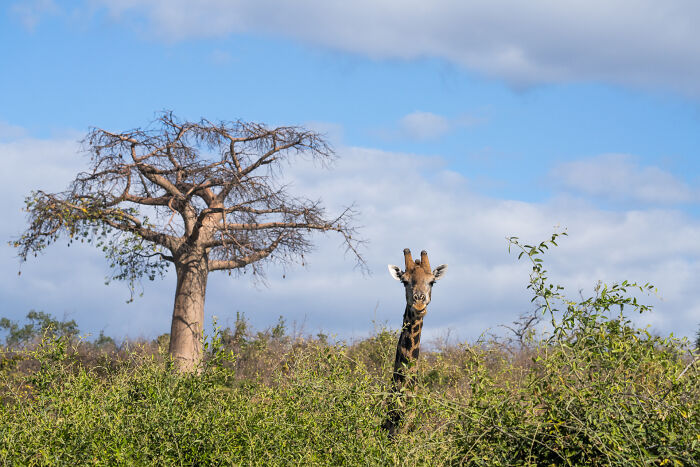
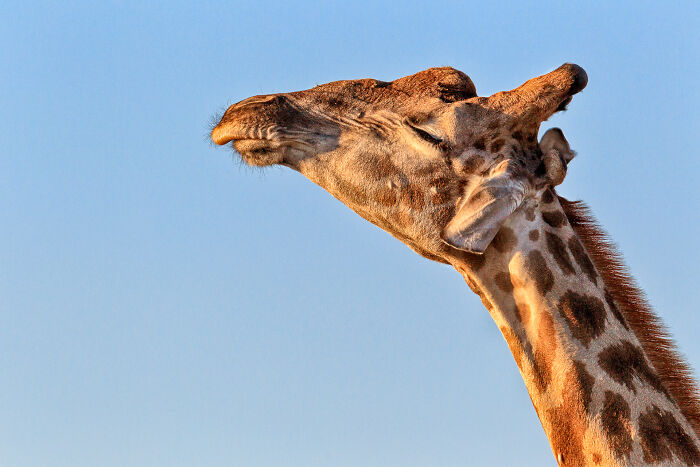
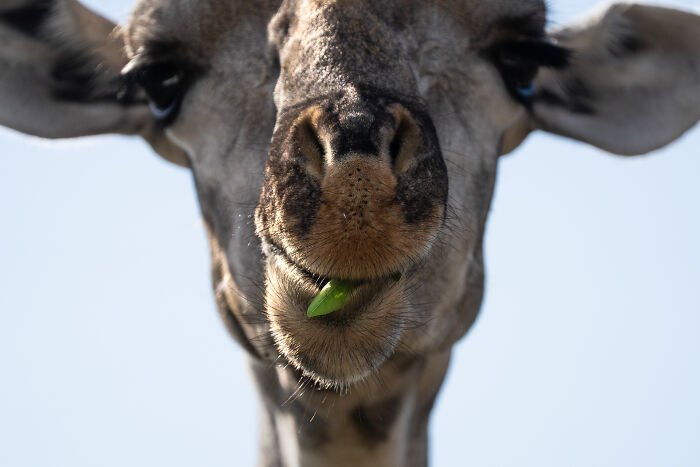
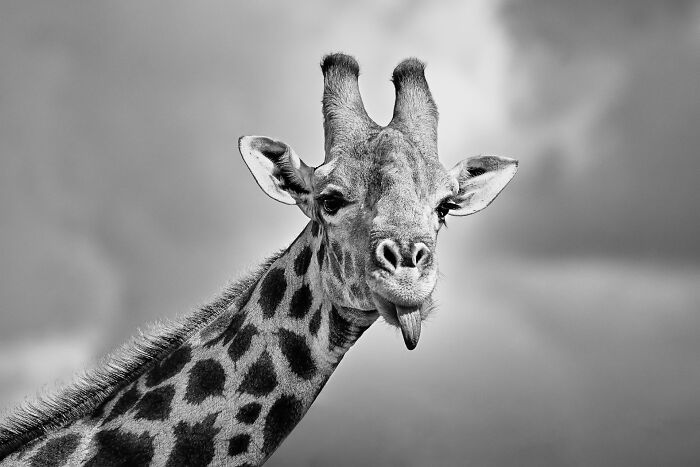
I was focused on the baobab when this head appeared. Giraffes are wonderfully nosy. He checked what I was doing, decided it wasn’t interesting, and went straight back to lunch.
Here’s something AI images don’t know—elephants kneel. They pause mid-step. They stand at strange angles that look wrong, until you realize they’re right.
AI images tend to “correct” these moments—real photographs don’t. When I see an elephant photograph that looks perfectly balanced, perfectly framed, perfectly heroic, I squint a little. Real elephants don’t care about our aesthetics.
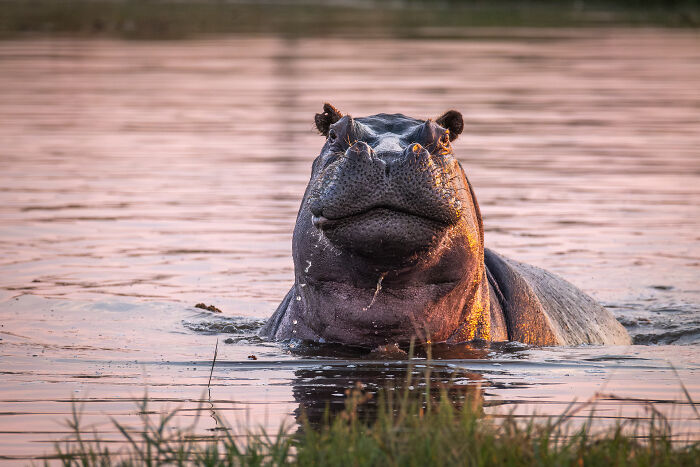
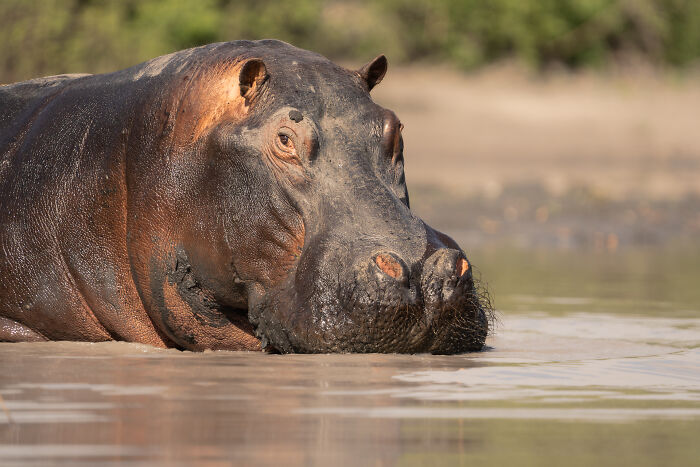
Hippos carry real mass, not just visually, but emotionally. Sitting with them at sunset, you feel the day slow down around their presence.
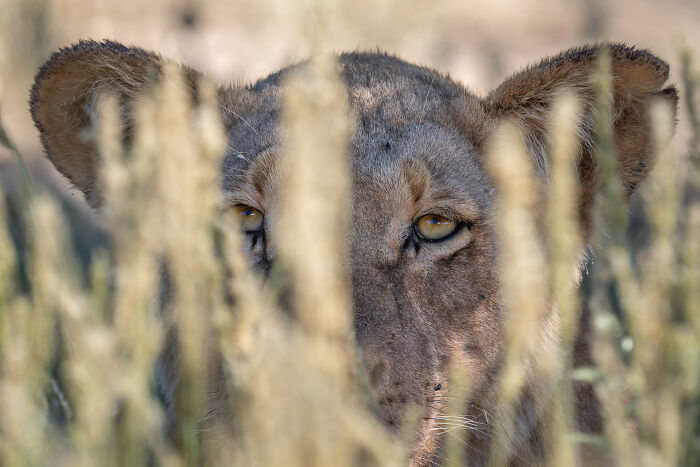
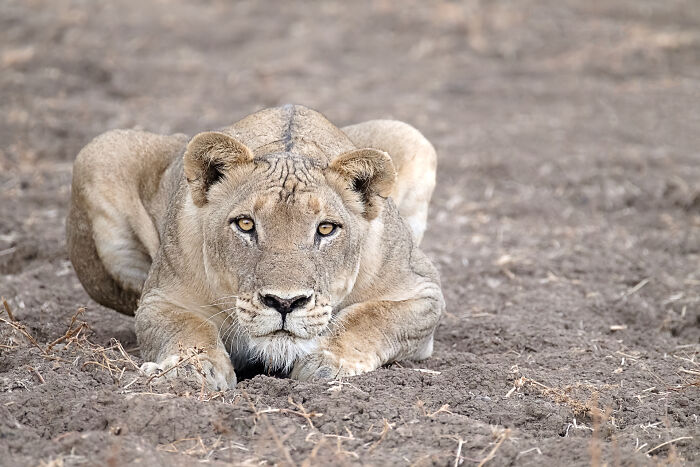
The intense yellow eyes of a wild lion cub peeking through tall dry grass in Botswana.
People often say, “I can’t explain it, but this feels fake.” Good. That means your instincts are working.
Humans evolved reading animals for survival. We notice tension, weight, eye direction, and posture without thinking about it. AI images can replicate appearance. They still struggle with presence. When a photograph feels emotionally heavy despite being quiet, that’s usually why.
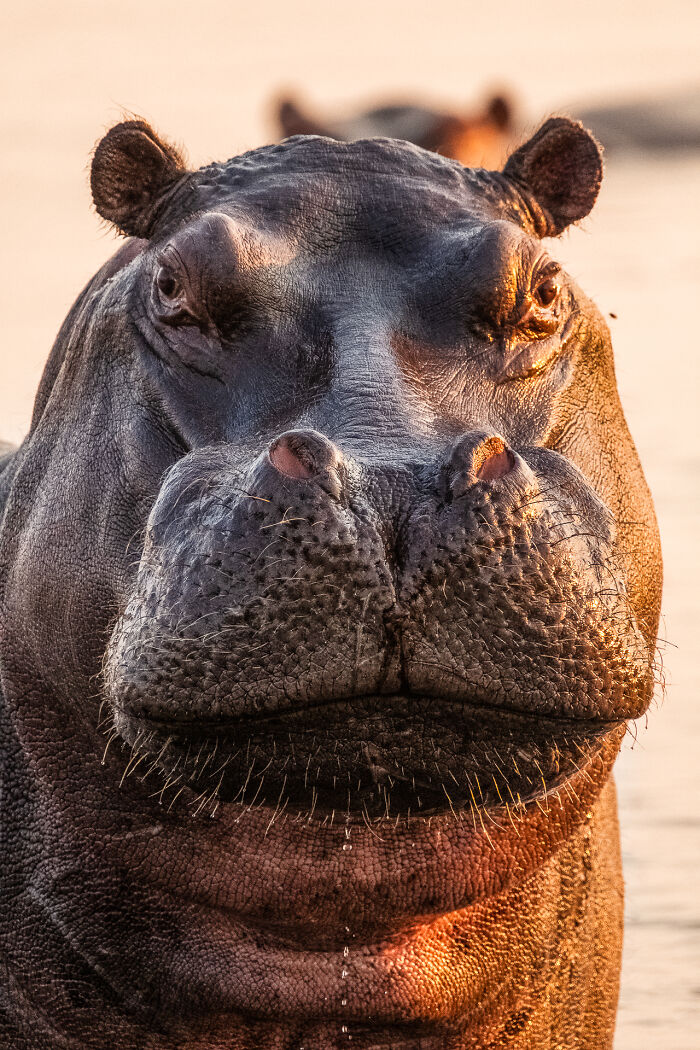
A photo says 1000+ words, a look too! The hippo simply moved through it, no effort, no interruption. Just time doing its thing, slightly annoyed, or not?
AI images have never waited three days for nothing to happen. They have never watched light change while the animals ignore you. They have never missed the moment and had to live with it.
So when AI generates wildlife images, it often overplays its hand:
At first glance, the image works. At second glance, something quietly slips.
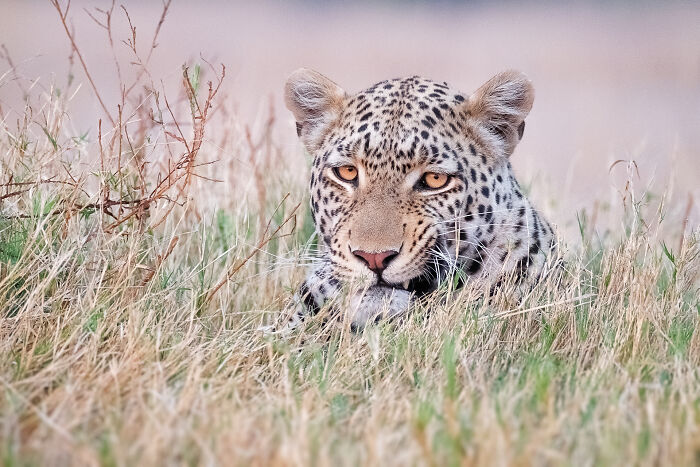
It was too early! This leopard clearly was not happy. Indeed, it was very early, but! The tension is real, precise, and purposeful, a moment of calculation you can almost feel.
Every muscle engaged. Ears pinned. Weight pressed into the earth. This isn’t drama; it’s physics, instinct, and “hungry!”
One of the most reliable differences today isn’t pixels; it’s context.
Real wildlife photographs come with questions that have answers: Where was this taken? What time of day was it? What happened next? AI images often float in “virtual” isolation. No before. No after. No consequences. The image exists. The moment never did.
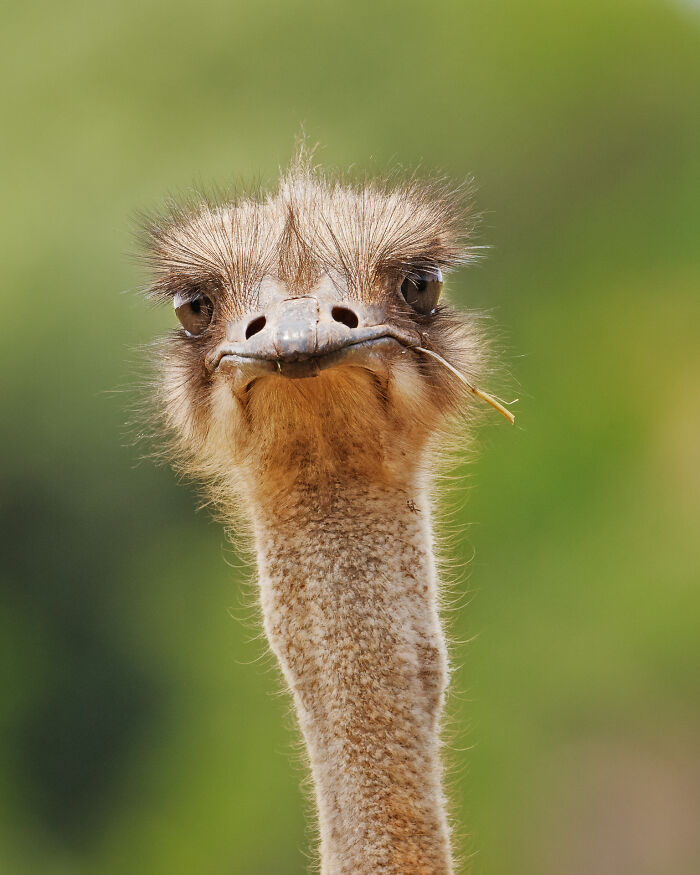
You don’t prompt this expression. Slightly offended. Mildly suspicious. Entirely authentic. Come on, be relaxed!
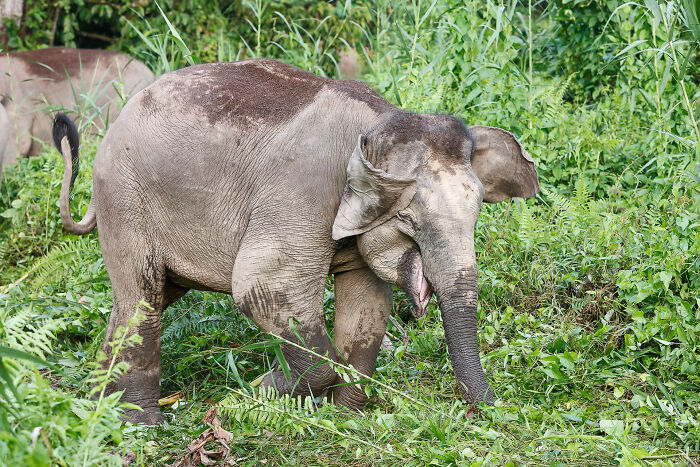
Not grand. Not cinematic. Just an elephant happily smiling, moving through the jungle. Small (pygmy elephant!), awkward, and completely real, wearing a smile.
When generated wildlife images replace real photographs, something subtle happens. We start expecting animals to entertain us. We confuse drama with truth. We forget how often nature is calm, awkward, and unresolved.
The danger isn’t AI images. The danger is losing patience with reality. And once you lose that patience, real wildlife starts looking boring, which it absolutely isn’t.
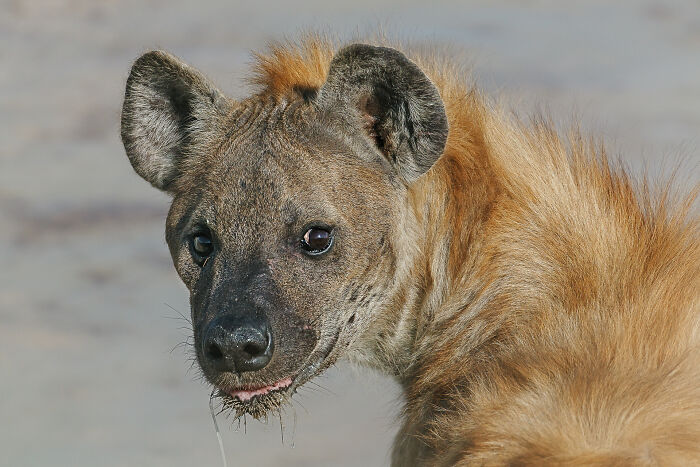
This isn’t menace. It’s curiosity. Intelligent eyes trying to understand something unfamiliar, quietly, carefully. And btw, what do you want?
I turned a corner and found everyone waiting. Dust, bodies, breath, birds. This is what mornings in the bush actually look like: crowded, alive, and unscripted.
You don’t need to analyze every photograph like a detective. Just ask yourself:
Real photographs don’t shout. They wait.
No elegance here. Just chewing. These awkward, unpolished moments are what make wildlife feel honest, not curated.
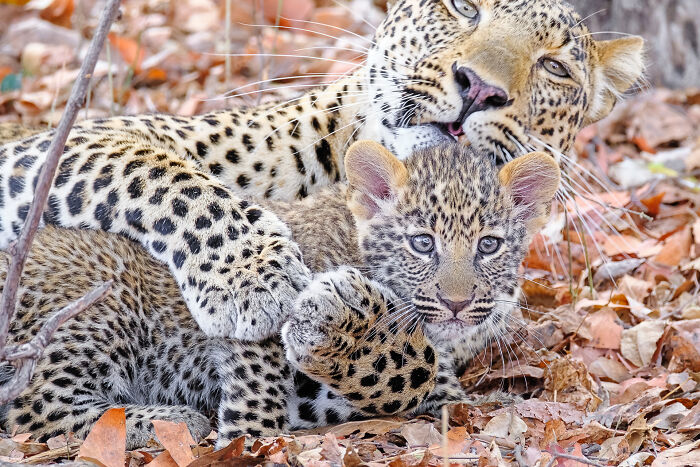
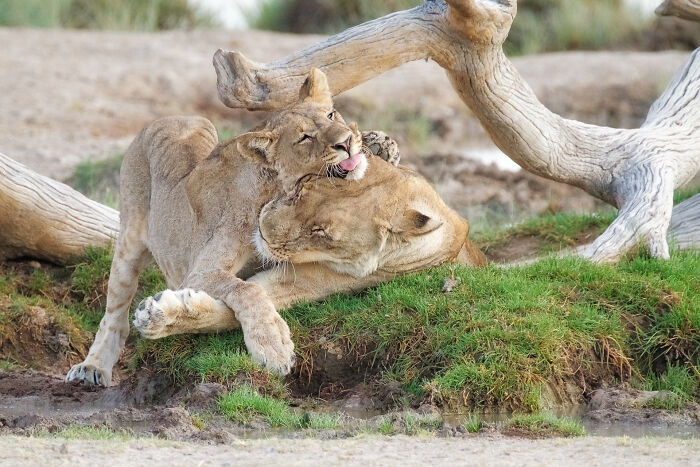
That scrunched face says everything. No symmetry, no perfection, just affection, emotion, and a very real relationship unfolding. Moms are always best.
Here’s the elephant in the room, literally and figuratively. Your eyes already know the difference. AI images will keep getting better. Photographs will keep asking for patience, but reality still has something no algorithm can generate—emotions, presence, uncertainty, silence, time.
The holy grail was never perfection. It was presence. And once you start seeing that, you’ll notice it everywhere, especially in the moments where nothing much seems to happen. Those are usually the real ones.
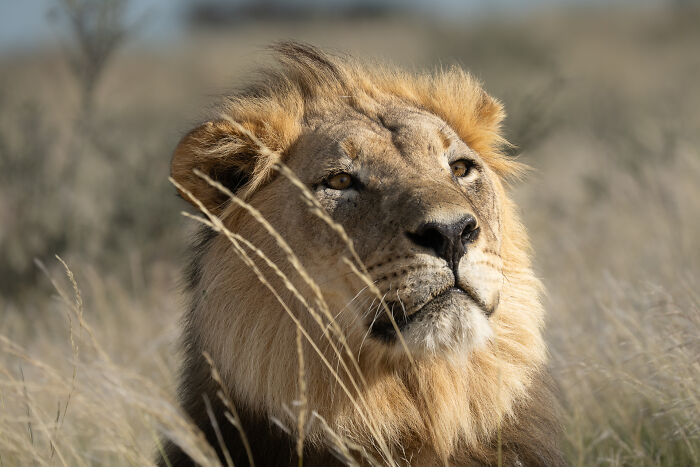
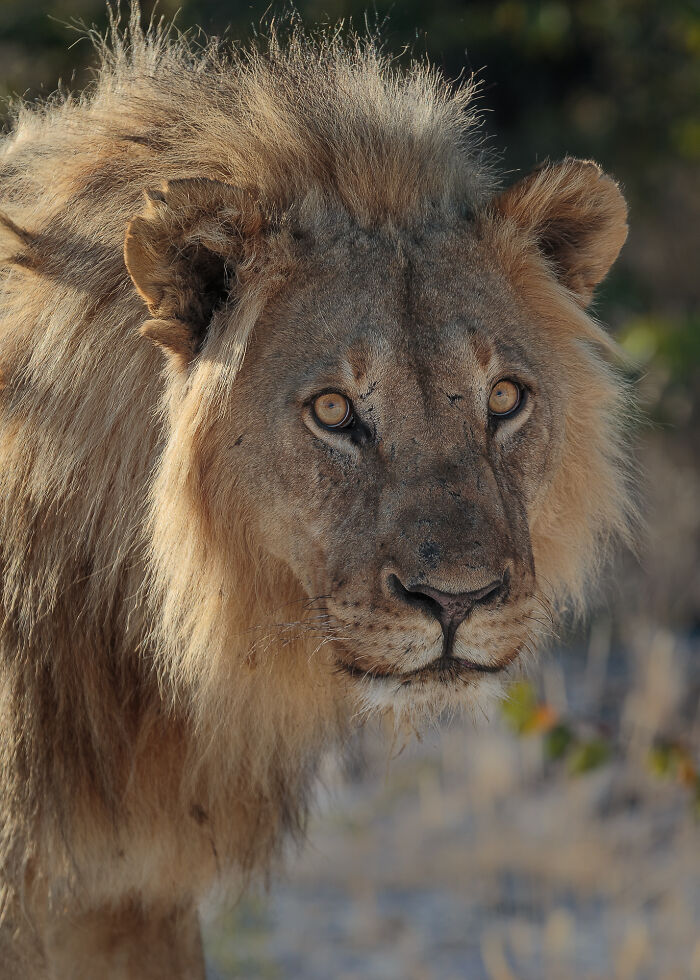
This black-maned lion wasn’t posing for drama. He was simply watching something move above him. No tension. No performance. Just a quiet moment of attention, the kind you only notice when you slow down enough to see it. The creators of AI images, do they know what is happening in the bush, savannah, nature? I doubt it.
No spectacle. No aggression. Just weight, warmth, and time passing slowly. A hippo is enjoying the mud and the quiet rhythm of a hot afternoon.

I get paid over 220 Bucks per hour working from home with 2 kids at home. i never thought i'd be able to do it but my best friend earns over 15k a month doing this and she convinced me to try. the potential with this is endless..., COPY HERE➤➤ 𝗟𝗶𝘃𝗲𝗝𝗼𝗯𝟭.𝗰𝗼𝗺
I get paid over 220 Bucks per hour working from home with 2 kids at home. i never thought i'd be able to do it but my best friend earns over 15k a month doing this and she convinced me to try. the potential with this is endless..., COPY HERE➤➤ 𝗟𝗶𝘃𝗲𝗝𝗼𝗯𝟭.𝗰𝗼𝗺

 No fees, cancel anytime