Get Premium
Dark mode theme is available exclusively for premium users. Learn more about the benefits of subscribing.
No fees, cancel anytime.

 Dark Mode Ad-Free Browsing Unlimited Content
 Ad-Free Browsing Unlimited Content Dark Mode
Join 1.2 million Panda readers who get the best art, memes, and fun stories every week!



Medicine has really come a long way from the times in the past where you would, at best, get some herbs and a prayer if you were sufficiently sick or injured. But people still tried their best and even got creative, as medical museums around the world can show us.
We’ve gathered weird, creepy and unusual pictures of medical devices from the past. Be warned, some are a bit off-putting. So get comfortable, thank your lucky stars you were born in a time of modern medicine, upvote your favorites and be sure to share your thoughts and perhaps even experiences in the comments down below.
This post may include affiliate links.
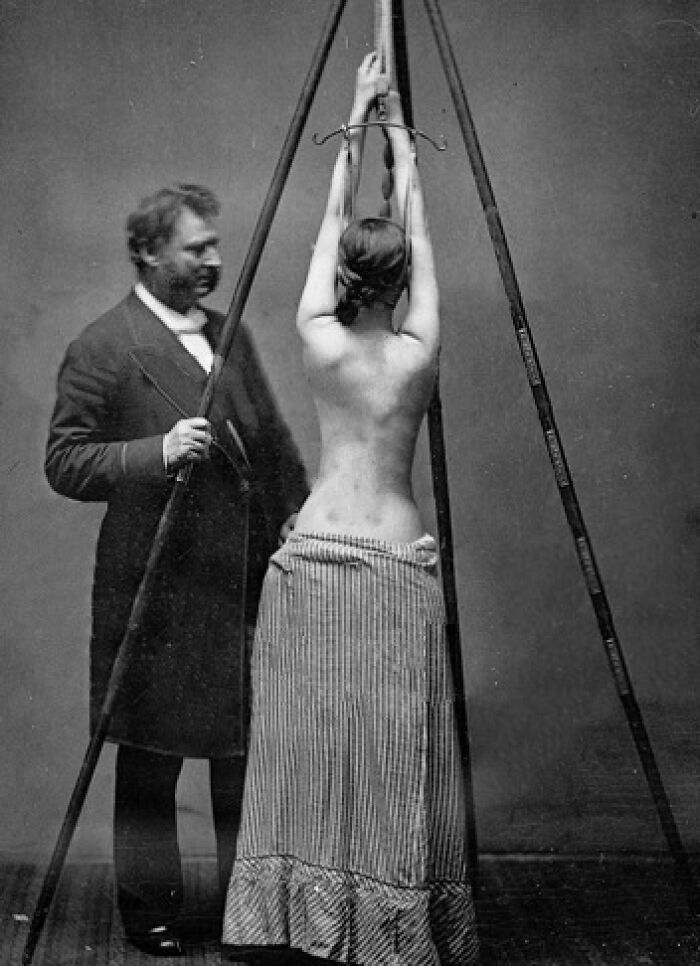
In the 1870s, surgeon Lewis Sayre pioneered the non-surgical treatment of scoliosis via a vertical suspension frame that held patients in an upright position. During treatment, a patient was suspended by the arms to stretch the spine and relieve pressure caused by abnormal curvature. Afterwards, they were fitted with a plaster of Paris “jacket” to hold the spine in place. While only a partial and temporary correction, it laid the foundation for modern orthopedic surgery and bracing in the 20th century.
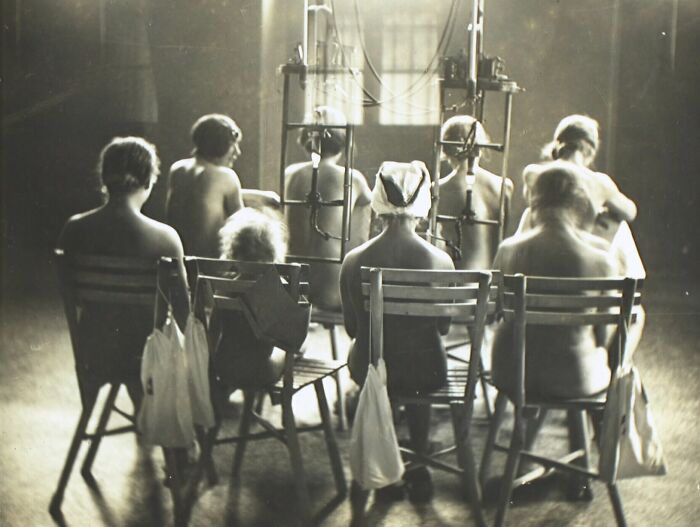
Heliotherapy, also known as phototherapy, involves exposure to direct sunlight or artificial light at controlled wavelengths to treat a variety of medical disorders. Danish researcher Niels Finsen pioneered the treatment. At the Institut Finsen in Copenhagen, Denmark, Finsen used short-wavelength light to treat lupus vulgaris, a skin infection caused by tuberculosis. For his groundbreaking work, he earned the Nobel Prize in Medicine in 1903.
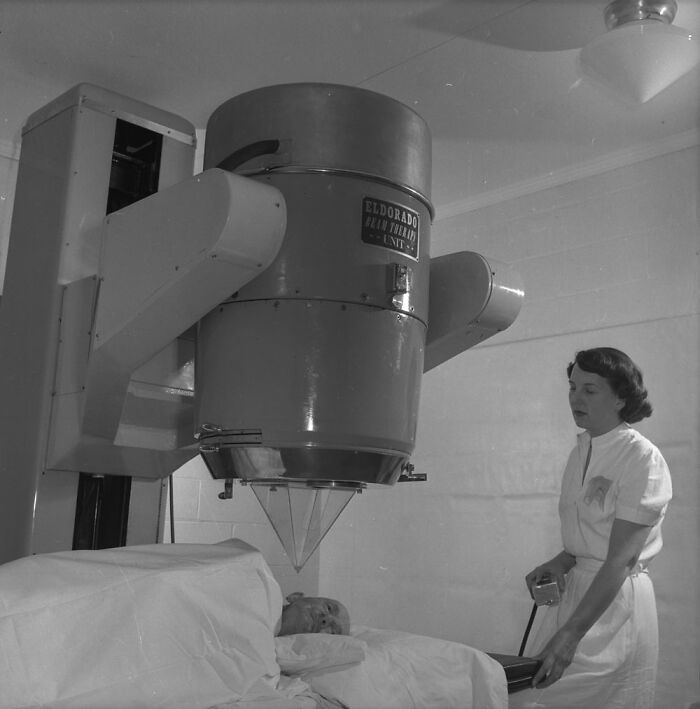
In the early 1950s, Cobalt therapy was a pioneering cancer treatment first administered by the London Health Sciences Centre using Cobalt-60 radiation technology. Also known as the Cobalt B*mb, the machine produced gamma rays that would be directed at tumors within the patient’s body, essentially k**ling the tumor tissue. Although they were highly effective in increasing cancer survival rates, the machines have since been replaced by linear accelerators.
In the mist of modern life, it's too simple to take for granted the amazing medical advances that lurk in the background, shaping our day-to-day health. We live in an era where life-threatening diseases are now preventable, life-long ailments can be managed, and surgeries that were once riddled with heavy risk can now be performed with minimal scars and speedy recovery.
These achievements don't just represent advancement in science, these are proof of our collective desire to extend life, to reduce pain, and to enhance the human experience. Vaccines are the most powerful and most underrated of these achievements. Vaccines have transformed public health by eradicating or virtually eradicating disease that once claimed millions of lives. Smallpox has been eradicated from the planet.
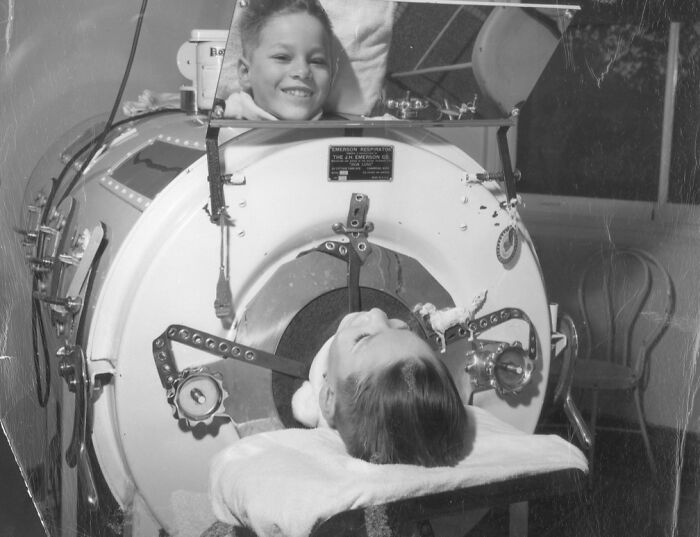
Created by John H. Emerson in 1931, the Emerson Respirator, or iron lung, was a large mechanical ventilator that helped polio patients suffering from respiratory paralysis breathe. A patient was placed inside the respirator with their head sticking out while air pressure changes in the inner chamber simulated breathing. More affordable and efficient than similar models of its kind, the Emerson respirator saved countless lives during the polio epidemics of the 1940s and 1950s.
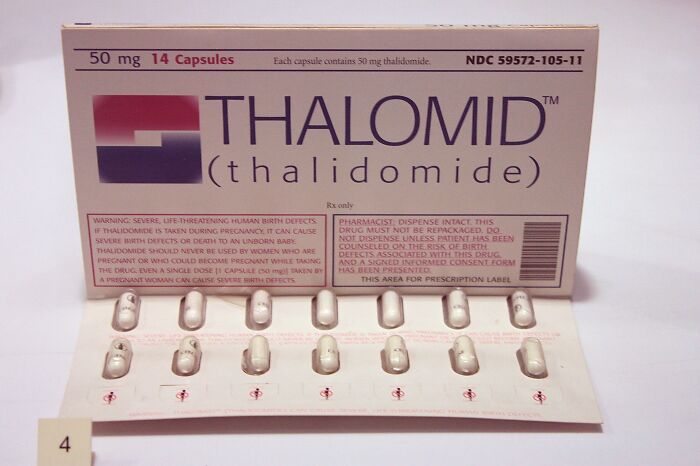
Throughout the late 1950s and early 1960s, Thalidomide was marketed as a treatment for anxiety, insomnia, tension, and morning sickness during pregnancy. While initially considered safe, the medication led to thousands of miscarriages and more than 10,000 children being born with malformed limbs. Deemed to be the cause of the largest man‐made medical disaster in history, the medication was taken off the market in 1961.

I really wish BP “authors” ie scrapers were able to google. 1st hit shows it’s still used: https://www.mayoclinic.org/d***s-supplements/thalidomide-oral-route/description/drg-20066301
The electroretinogram (ERG) is a test developed in the late 19th century to measure the retina’s response to light. The first electroretinograph machines from the 1870s required wires and electrodes to be placed directly on a patient’s eyes, giving them a scary cyborg-like appearance. The test became clinically useful in the mid-20th century and made use of improved, less intimidating devices to diagnose retinal diseases.
Polio is on the edge of extinction. Childhood immunizations have become so routine that people often forget just how recent and revolutionary they are. The rapid development of mRNA vaccines during the COVID-19 pandemic demonstrated not only how far we’ve come, but how quickly the field can pivot in response to urgent threats. These vaccines represent not just hope during a crisis, but a blueprint for responding to future outbreaks faster than ever before.
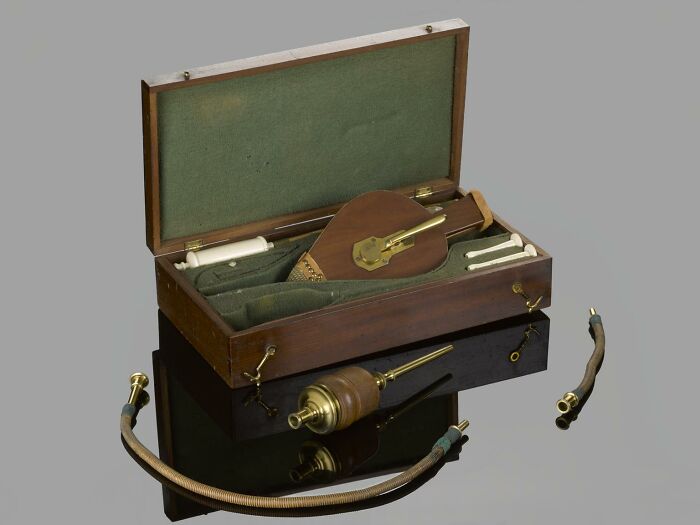
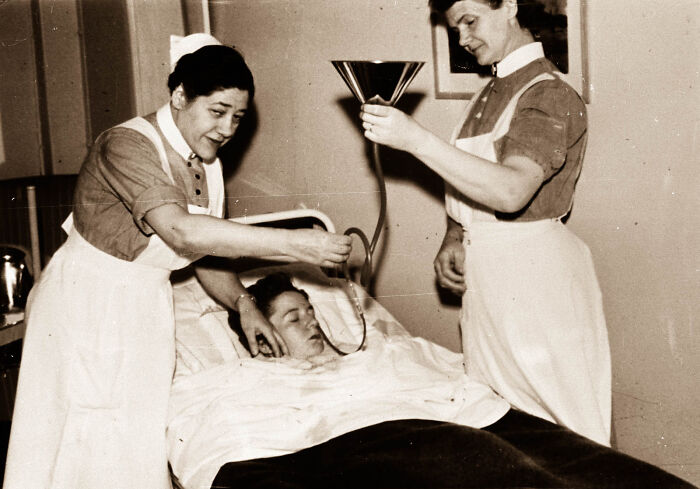
In the late 18th century, this kit was deployed by the Royal Humane Society to help resuscitate drowning victims along the River Thames. The kit contained a pair of bellows, tobacco, and other fixtures. Hot tobacco was meant to be blown into the victim’s r*ctum using the devices, as it was believed to encourage breathing and get the heart working again. By the 19th century, the “smoke enema” was no longer favored by doctors following the discovery of nicotine’s toxicity.
During the 17th century, physicians attempted the first blood transfusions using animal blood. In 1667, French doctor Jean-Baptiste Denis performed the first transfusion of around 12 ounces of lamb’s blood into a teenage boy suffering from a fever. The boy survived and recovered, prompting Denis to try the procedure on three others. However, when the third and fourth patients didn’t survive, French authorities banned blood transfusions.

With how pissed that goat looks, are we sure the cause of death for patients 3 and 4 wasn't goat-related?
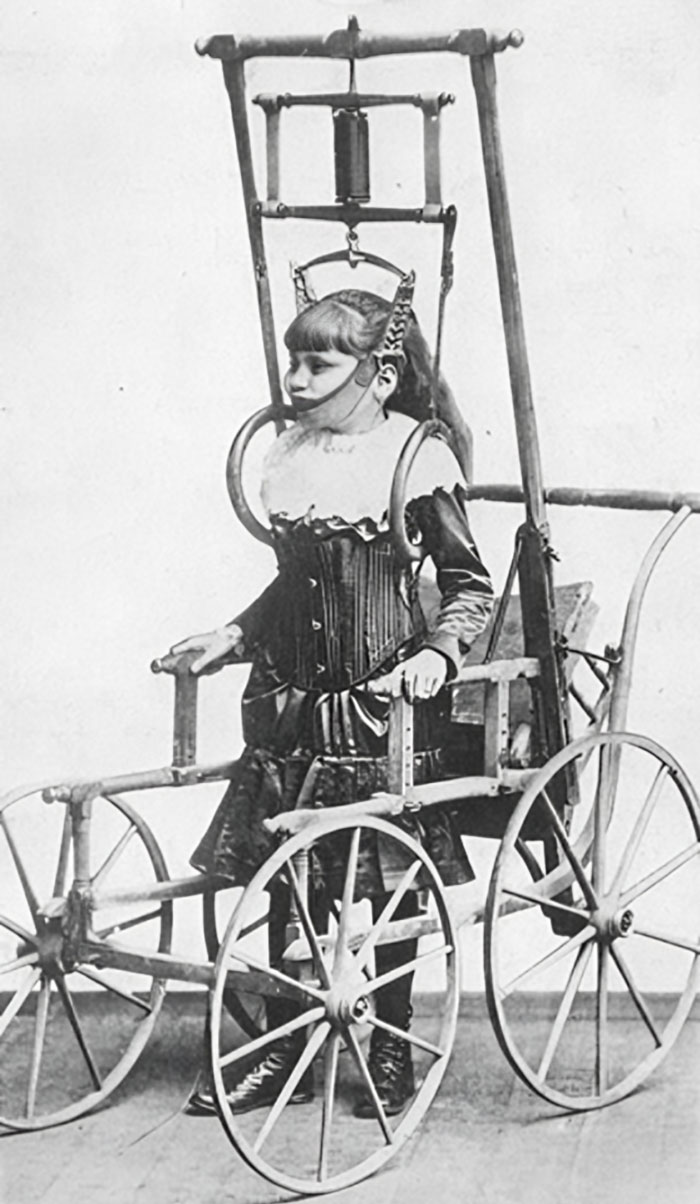
The spinal apparatus created by Dr Clark in the late 19th century was meant to treat scoliosis. It was designed to be a supportive wooden frame that would enable patients with the illness to walk upright. Allegedly, it was so heavy that patients could barely move in it, pretty much rendering it an ineffective treatment.
One area where we've made just amazing strides is in diagnostic technology. We have imaging technology that allows doctors to peer inside the body with unparalleled accuracy, CT scans, MRIs, PET scans, all of which allow them to detect diseases early, often even before symptoms occur. Combined with advances in genetic screening, physicians can now screen for inherited disease, tailor treatments to the individual's distinct DNA blueprint, and identify risk factors years in advance. This level of precision medicine would have been science fiction just a few decades past.
During the 1950s polio epidemic, stainless steel hydrotherapy tanks, known as Hubbard tanks, were used as a form of rehabilitation for children paralyzed by the disease. Touted to improve circulation and build muscle strength, the treatment involved immersing a patient in warm water up to their neck. The combination of the water jets, buoyancy, and heat helped them move weak or paralyzed limbs more easily and with less pain. As polio rates declined and new rehabilitation methods emerged, the use of hydrotherapy tanks gradually tapered off after the 1950s.

At a nursing home I worked at, there was a shallow pool with long sloped sides. The idea was a nurse would wheel a patient into the pool (in a wheelchair) and the buoyancy of the water would allow for better physio as the other nurse (must be done in pairs) gently moved the problematic limbs. Never saw it in use, home policy was "uniform at all times no exceptions" and everybody was just "uh, no" when it came to that.
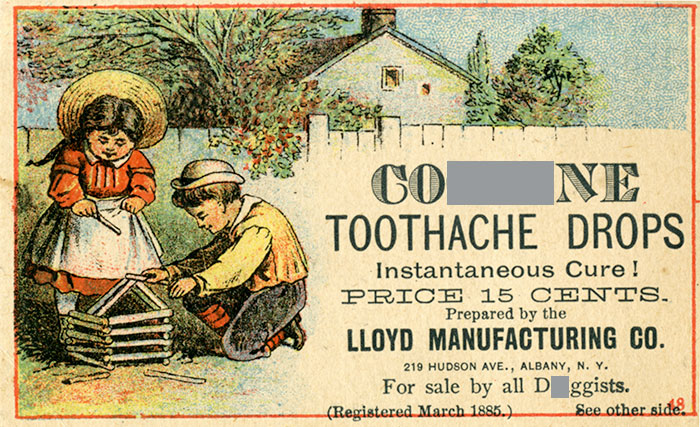
These drops were a popular pain reliever and anesthetic in the late 1800s. Before co***ne was made an illegal d**g, many doctors, such as Sigmund Freud, prescribed over-the-counter medicines containing it to all their patients. This was mostly due to its numbing effects and its supposed ability to treat a wide range of illnesses, from depression to toothaches.

I think you mean s****d c********p ** s***d. Lol
Load More Replies...
You know, I’ve started enjoying DM’s insane censorship. Figuring out the missing words is just a little puzzle, added value entertainment!
COCAІNE DRՍG COCAІNE DRՍG COCAІNE DRՍG COCAІNE DRՍG COCAІNE DRՍG COCAІNE DRՍG COCAІNE DRՍG COCAІNE DRՍG COCAІNE DRՍG COCAІNE DRՍG COCAІNE DRՍG COCAІNE DRՍG COCAІNE DRՍG COCAІNE DRՍG COCAІNE DRՍG COCAІNE DRՍG COCAІNE DRՍG COCAІNE DRՍG COCAІNE DRՍG COCAІNE DRՍG COCAІNE DRՍG COCAІNE DRՍG COCAІNE DRՍG COCAІNE DRՍG COCAІNE DRՍG COCAІNE DRՍG COCAІNE DRՍG COCAІNE DRՍG COCAІNE DRՍG COCAІNE DRՍG

Medical grade liquid c0caine is still used to by ENT’s (ear, nose and throat doctors) for severe epistaxis (nose bleeds) because of its vasoconstriction properties
Yes, thats what I thought, there is a place for it, as with many d***s. We just tend to abuse things but many things on a small quantity can be therapeutic. Like opiates. I was looking for this comment.
Load More Replies...


C*****e is, in fact, still a legal prescription d**g in the US; it's schedule II. It's sometimes used as an anesthetic for ENT procedures.

Ent as the slow tree beings in lord of the rings 🤔
Load More Replies...
In the ER we used CAT solution as a topical anesthesia for minor procedures. C0caine, adrenaline and tetracaine. 'Course this was 40 years ago.

I was surprised to see it listed on a medical bill after nasal surgery...40 years ago
Load More Replies...



To be fair, it worked very well. It's just the side effects were severe and unwanted. Most modern-day ADHD medications are stimulants of the same order as cöcäïné, and just as dangerous. Just not as add dic tive.


How are we supposed to understand that this is a strange medical treatment if BP censors all of the information that demonstrates that it is?



Hence the name: The original Coca-Cola formula, created by John Pemberton, did include c*****e. It was one of the ingredients derived from coca leaves, along with kola nuts, which provided caffeine. This original recipe was marketed as a nerve tonic with purported medicinal benefits. In 1903, the c*****e was removed, leaving caffeine as the sole stimulant.

No, they're talking about c0caine. Which was in a lot of things. Codeine isn't illegal. Check your reading comprehension before whining.
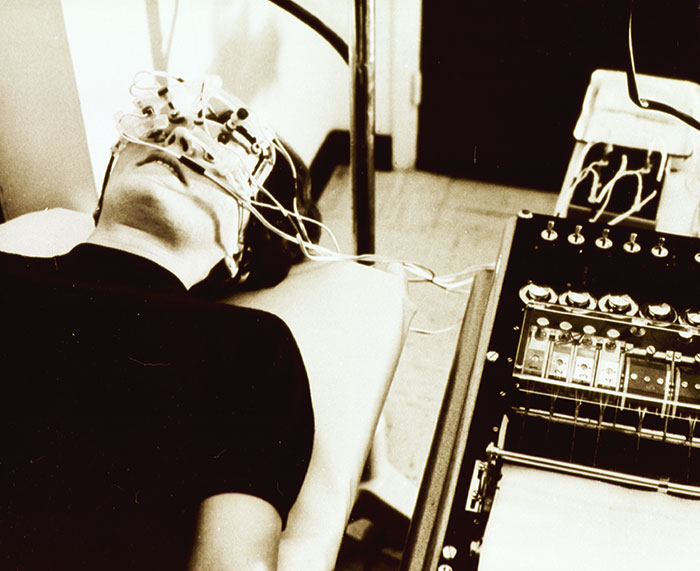
Load More Replies...This device was built by scientists at the Brookhaven Lab in 1961. Its main function was to detect brain tumors using positron emission. Initially, the headgear would only show the location of the tumors as raw data, but a decade later, researchers found a way to convert that data into actual images of the brain. By 1980, doctors could now observe brain function utilizing modern PET machines developed through extensive research done on the pre-PET headgear.

"Do you know what this means, Future Boy? It means that this d@mn thing DOESN'T WORK!"
Surgical procedures have also revolutionized the way treatment is delivered. Procedures that once required large incisions and extended hospital stays are now being done with small cameras and robotic limbs. Recovery times are faster, pain levels are reduced, and patients are living their lives sooner. Surgical robots, for instance, offer unparalleled precision, often surpassing the human hand. These devices aren't substituting physicians, they're amplifying their skill in ways previously unimaginable.
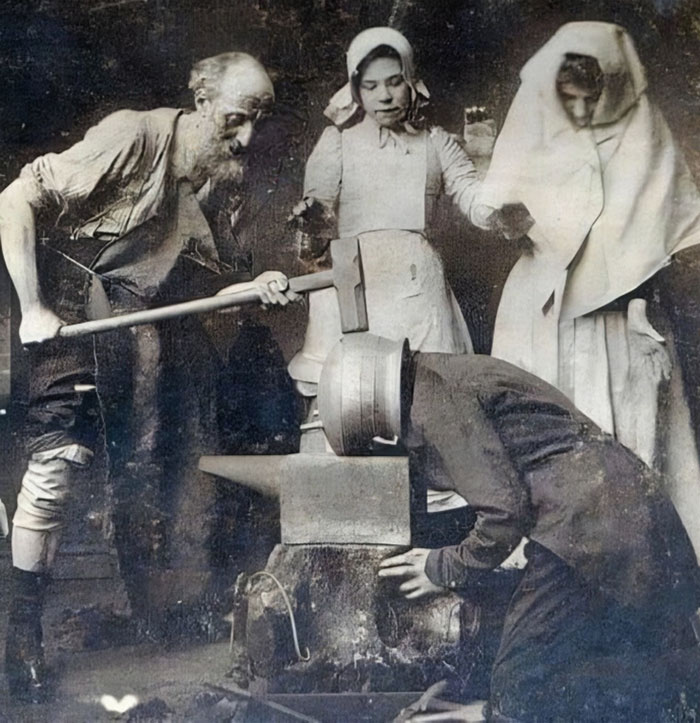
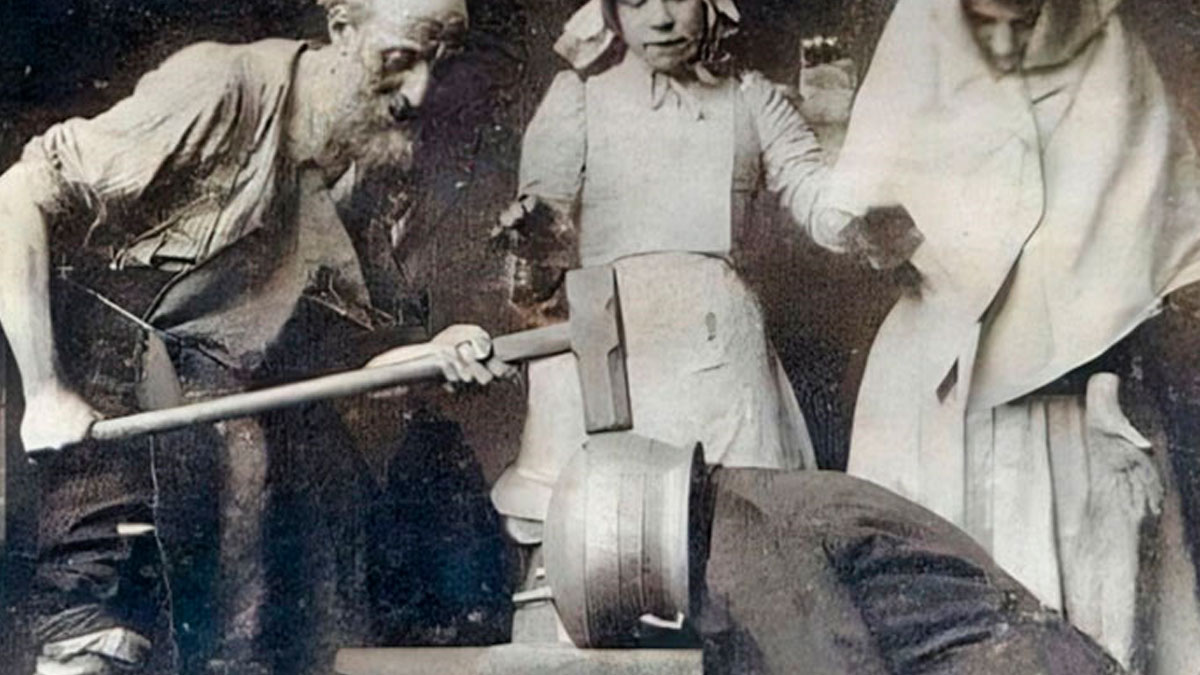
While vibration therapy was a real treatment from the 1800s, it is alleged that this photo of a man taking a sledgehammer to another man’s head is nothing but a hoax. According to a book on vibration therapy from 1883, the actual treatment involved moving a brush lightly over the scalp in an orderly manner.
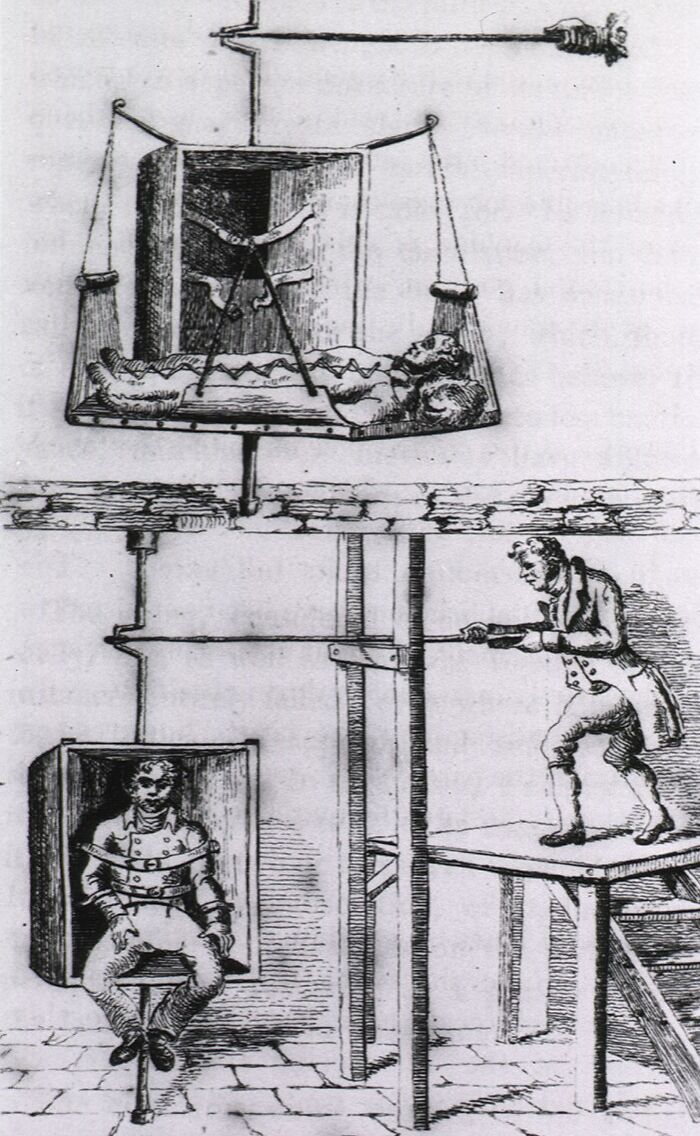
In the early 1800s, William Hallaran invented the circulating swing. It was a chair or bed suspended from a frame that could be spun rapidly using a crank. Patients were strapped in and typically spun around at speeds of up to 100 revolutions per minute, often inducing effects like vomiting, dizziness, or unconsciousness. While some doctors believed them to be therapeutic, the swings fell out of use by the mid-19th century, dismissed as both barbaric and ineffective.
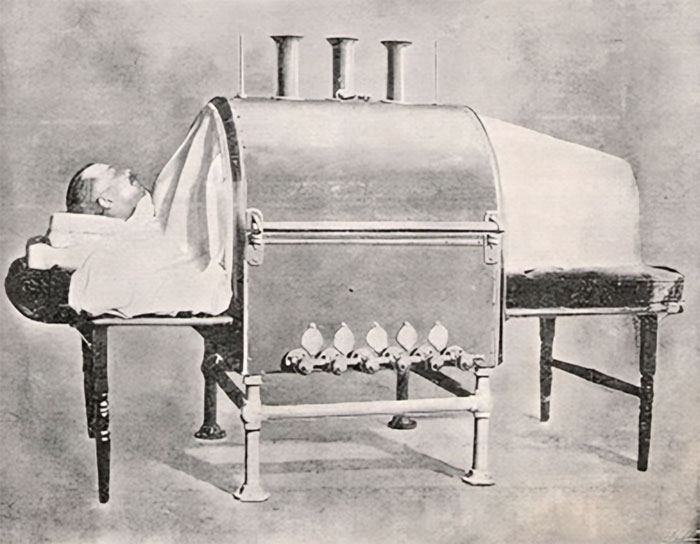
The Tallerman–Sheffield apparatus, also known as the “human bake oven was a 19th-century hot-air medical device used to treat pain. Patients would lie inside the large metal cylinder with only their heads exposed, while the cylinder was heated to incredibly high temperatures. This “baking” treatment resembled a sauna and was mostly used to alleviate symptoms related to gout, arthritis, and other ailments.
The treatment of chronic diseases has also seen a clandestine revolution. Diabetes, HIV, and coronary disease were all too often once commonly fatal or significantly disabling. And now, with the assistance of sophisticated d***s, wearable health monitors, and continuous glucose monitors, the vast majority can live full, active lives.
In 1896, an intoxicated sailor with rheumatism jokingly jumped into a partially open whale carcass. Two hours later, he emerged claiming to be cured. Word of the miraculous whale cure spread rapidly, and rheumatism patients descended on the town of Eden in Australia. For lasting effects of up to a year, patients were said to stay inside a whale for up to 30 hours. The practice faded after a decade, largely due to hygiene concerns, the decline in whaling, and medical advances.
As early as 1500 BC, before modern lab testing was possible, physicians used their taste buds to diagnose illnesses. Reportedly, doctors could determine whether a patient had diabetes or not by how sweet their urine tasted. By the late 19th century, this testing method was replaced with more sophisticated blood glucose tests.
More importantly, if your doctor was not Bear Grylls, they also likely would have opted to leave a Pitri dish of your urine out to see if it attracted ants. A method I suspect many doctors were fond of since it didn't require them to drink the bodily fluids of their patient.
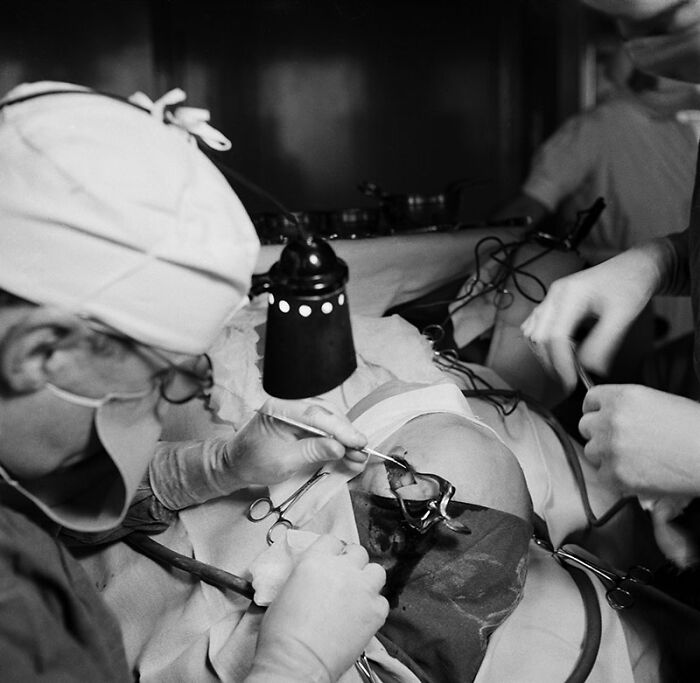
Lobotomy was a radical surgical procedure touted as a cure for severe depression and other psychiatric conditions in the 1940s and 1950s. Infamous for its crude tools and methods, it involved severing the nerve pathways in a lobe or lobes of the brain from those in other areas. While many patients initially showed signs of improvement, lobotomy often resulted in severe cognitive deficits and personality changes. By the 1970s, numerous countries and several US states had outlawed the procedure in favor of more humane and effective treatments.

It was also used to ''treat'' homosexuality, often against the patient's wishes >.<
HIV antiviral therapies have transformed what was once a death sentence into a manageable disease. Pacemakers, stents, and implantable defibrillators extend and stabilize lives that just a couple of decades ago would have been horribly taken.
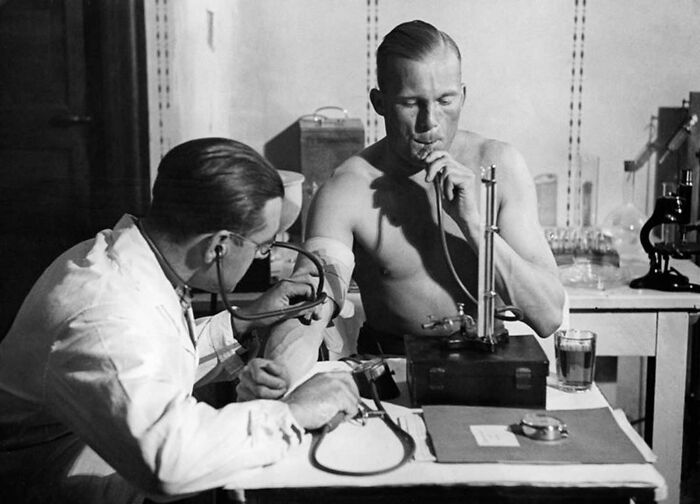
The breath-holding pressure test was used in early 20th-century cardiac diagnostics to assess heart function and blood pressure regulation. For the test, patients were required to blow against a mercury column (essentially performing a Valsalva maneuver) to keep the manometer at a set level. This would raise a patient’s intrathoracic pressure while a doctor listened with a stethoscope to observe changes in their blood circulation.
Saw something quite similar to this used for Mercury Astronaut Candidate Evaluation tests in 'The Right Stuff'.
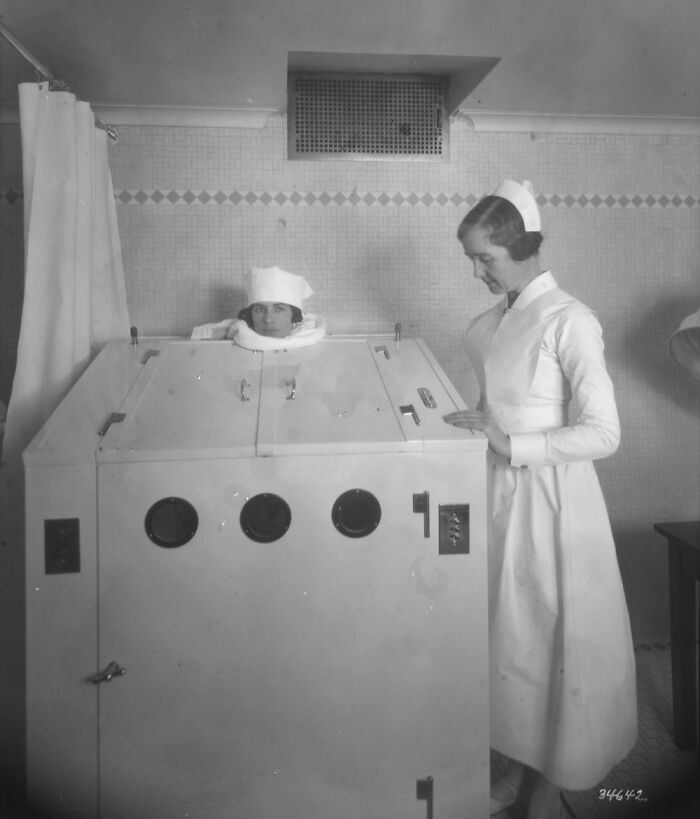
In the early 20th century, electric cabinets were devices that used either electric bulbs or steam to raise body temperature. As precursors to modern saunas and diathermy, they were used to induce artificial fevers and sweating for conditions like arthritis. While they were common in spas and clinics throughout the 1930s, electric cabinets faded from use as modern medicine advanced.
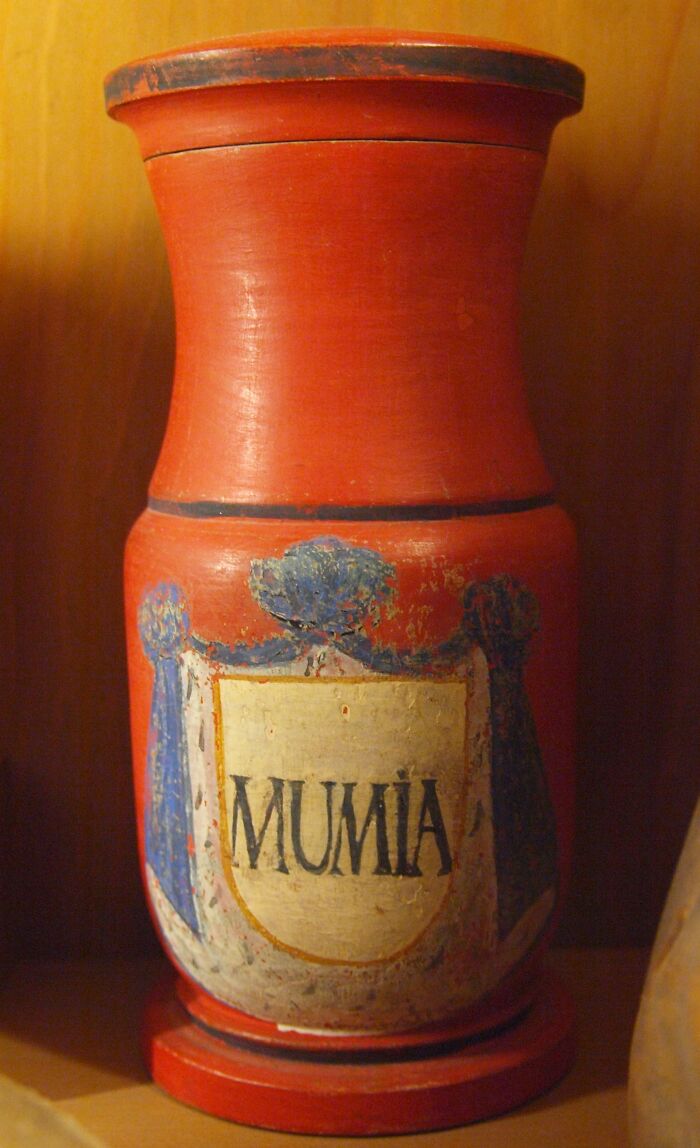
Going back hundreds of years, powdered mummies were a popular remedy used to treat various ailments. Many physicians between the 12th and 18th centuries believed the ground-up bones and remains of ancient mummies had healing properties. The mummy powder could be ingested for pain or applied as a topical medicine for wounds and many other ailments. However, from the early 20th century, the use of the powder became a controversial practice, with most deeming it unsavoury.
Even mental health care, traditionally stigmatized and underprioritized, is finally being assisted by new technologies. Advances in neuroscience and pharmacology have delivered more effective antidepressants, mood stabilizers, and therapies. Telemedicine has also enabled mental health care to be extended to those with access only to distant or underserved areas, transcending once-insurmountable obstacles that isolated many.
Introduced in 1927 by Dr. Manfred Sakel, insulin shock therapy, also known as insulin coma therapy, was a treatment for schizophrenia and other mental illnesses. It involved injecting patients with large doses of insulin to cause daily comas over several weeks. While some patients experienced improvement in their symptoms, insulin shock therapy was risky, resulting in prolonged comas or even fatalities. By the 1960s, the therapy was abandoned in favor of new antipsychotic medications.
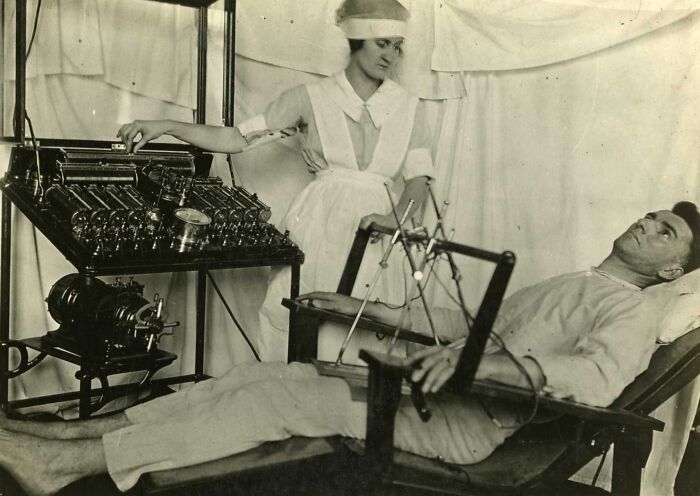
This controversial medical device from the early 20th century was used to give electroconvulsive therapy to psychiatric patients. The contraption allowed them to sit in it like they would a reclining chair and then receive shock treatments from the machine. The currents that traveled through the cables and into the body were said to cause seizures, which were supposedly therapeutic to patients.
Electroconvulsive therapy does cause seizures - which is why those subjected to it these days are heavily sedated. https://en.wikipedia.org/wiki/Electroconvulsive_therapy
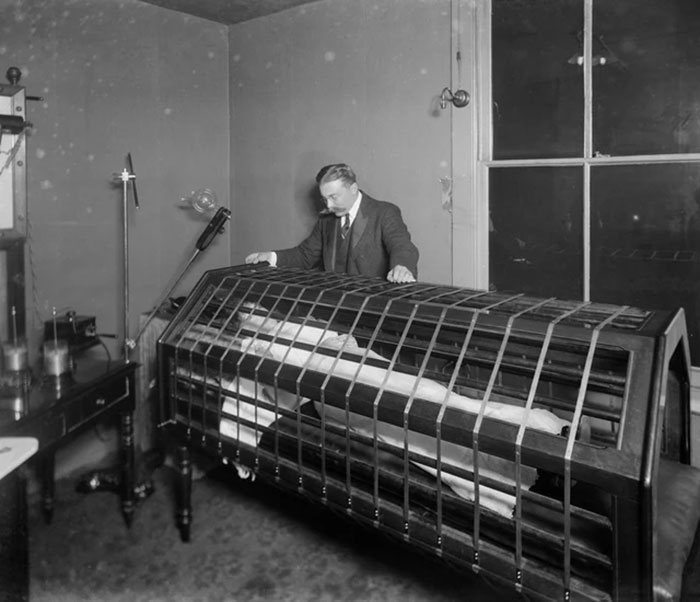
Likely a forerunner of the modern sunbed, the electric bath was an early 20th-century light therapy device. Patients were placed inside a cabinet containing ultraviolet lamps that provided doses of artificial sunlight to the skin. Deemed a cutting-edge therapy at the time, the device was believed to promote numerous health benefits, including improving circulation, easing joint pain, treating skin conditions, and more.
These medical breakthroughs aren't merely adding years to human life, -they're adding quality. Increasing numbers of children live through infancy. Increasing numbers of old folks aren't tormented by crippling pain. Surgery no longer so often leads to infection, and illnesses that once wiped out entire villages are now curable, treatable, or even preventable altogether.
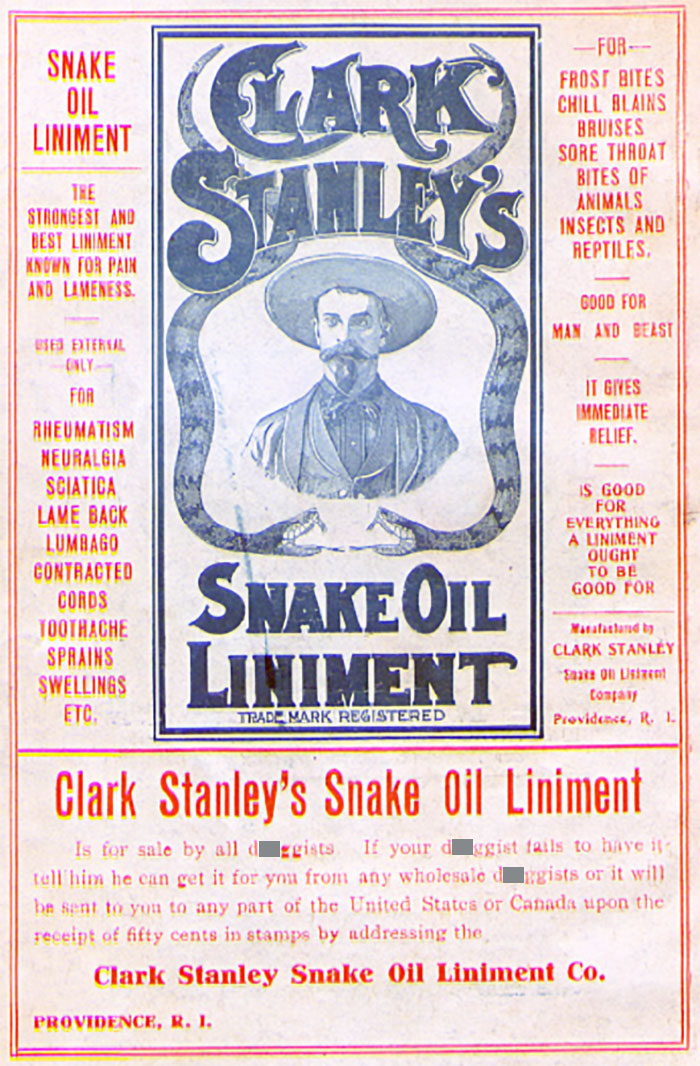
Today, the term “snake oil” is used to describe something fake or disingenuous, but in the 19th century, it referred to actual oil from water snakes utilized in Chinese traditional medicine. The oil was seen as a cure-all with excellent anti-inflammatory properties. In the US, from the early 1900s, many brands began marketing placebos and bad substances as snake oil, which is how the oil became a symbol of all things bogus.
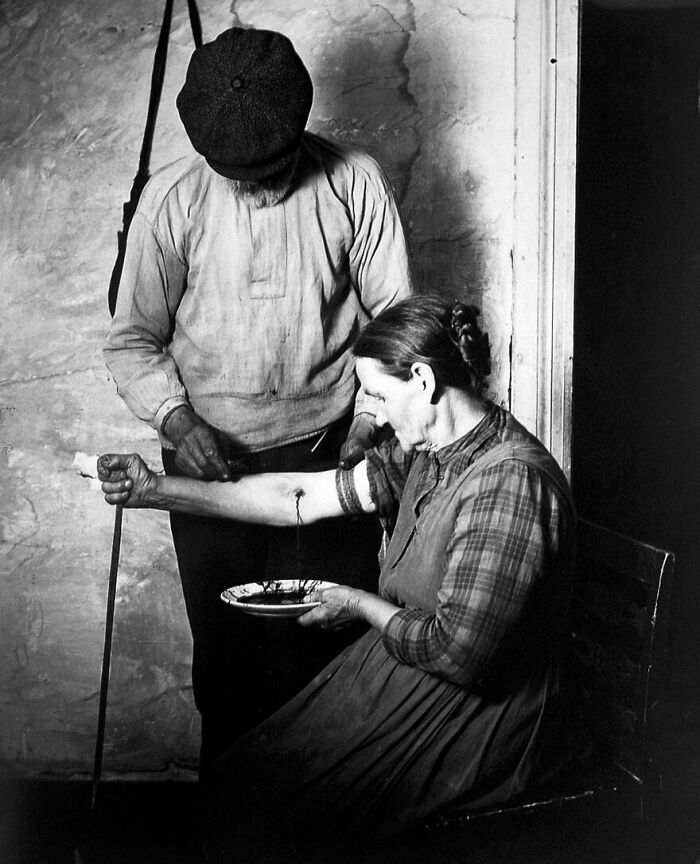
Bloodletting was an ancient medical treatment involving the intentional drawing of blood by venesection (opening a vein with a lancet or special fleam blade) or applying leeches to treat diseases and health conditions. Physicians believed it could balance the body’s humors (four fluids: blood, phlegm, yellow bile, and black bile, responsible for health) and expel disease. Practiced for over two millennia, bloodletting was abandoned in the 19th century after scientific medicine proved it was harmful.
It took two thousand years before it was understood that poking a hole in somebody to let the important red juice out was actually harmful.
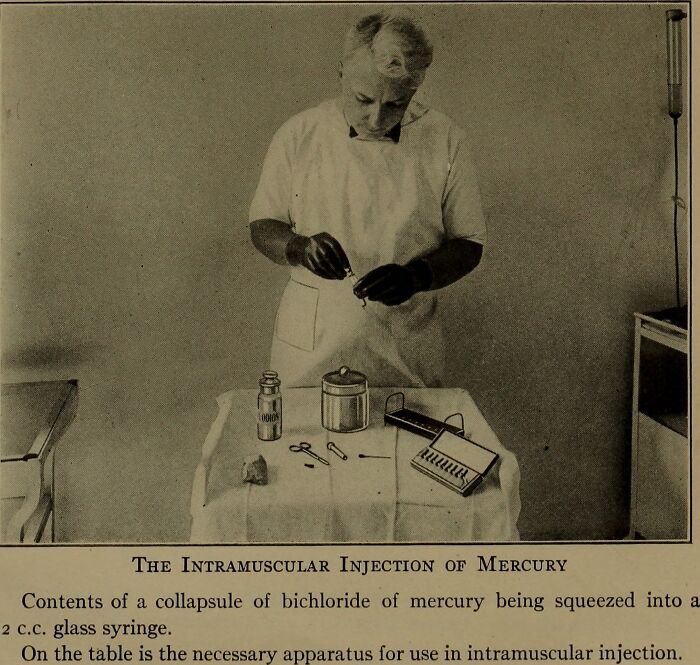
From as early as the 16th century, mercury was used as a treatment for syphilis despite it being extremely toxic to the human body. Many patients experienced severe side effects such as nerve damage, organ failure, and even death after undergoing mercury treatment. The injections remained popular up until the early 20th century when penicillin, a far more effective treatment, was finally discovered.
The cowboy "all wrapped in white linen" in "The Streets of Laredo" is being treated for syphilis
We still face challenges, healthcare access, cost, and the ethical issues that come with rapid innovation. But acknowledgment of what has already been accomplished provides context for the worth of continuing investment, questioning, and compassion in medicine. Today's devices may appear mundane, but they're built on centuries of toil and exploration. We can appreciate them not just as indulgences, but as human genius achievements, demonstrations that progress is within reach, and sometimes lifesaving.
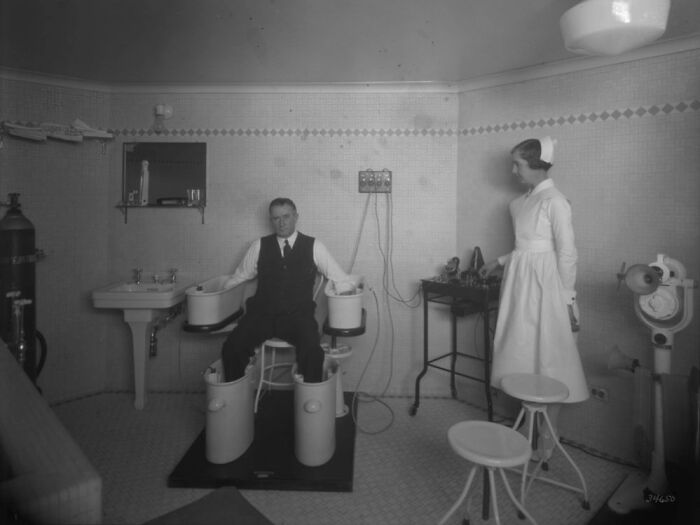
Schnee baths were a type of electrified bath for treating rheumatism and joint pain. Popular in hospitals and spas from the late 1800s into the 1930s, patients would sit with each limb submerged in its own galvanised basin. A mild current was passed through the water, making these baths painless and free of shock or discomfort. However, by the early 20th century, Schnee baths were dismissed as quackery and abandoned by the medical community.

Would that be similar to Tense treatment with the difference being location specific pads.
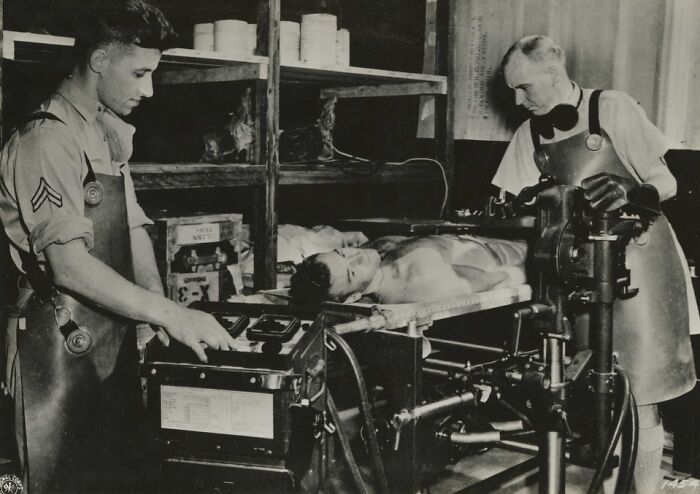
Widely used during WWII, chest fluoroscopy allowed doctors to view the lungs and heart of a patient in real-time using a fluorescent screen. This was extremely useful when it came to diagnosing complex injuries and lung infections. However, it exposed both the doctor and patient to high levels of radiation. Today, digital fluoroscopy has significantly decreased the risk of radiation exposure.
Didn't they use a version of this to show feet in shoes in the shoe shop?

The article should add Wilhelm Reich's Orgone Energizer. It was a box that collected "orgone energy" which Reich thought was sexual energy and the lack of which would cause all sorts of mental disorders.
Did it collect excess energy in order to give it to people without enough?
Load More Replies...
If you are interested in old medical practices, i recommend watching the show “the Knick” it was based on the knickerbocker hospital which I believe was in NY. Very interesting and entertaining show!


Some of these seem really stupid. I wonder if in the future people will look at what we have now and think it's stupid too.

in the future people will f.i. also look upon breast cancers xrays as a horror diagnostic tool..... poking into people and repressing their parts is still done unto this day
Load More Replies...


Trepanning is still used to this day, although the term craniotomy is used, but effectively the same thing. It is suspected that trepanning is the oldest surgical procecdure known, as skulls have been found dating to approx. 6000BC where evidence of healing had occurred following this procedure.
Load More Replies... The article should add Wilhelm Reich's Orgone Energizer. It was a box that collected "orgone energy" which Reich thought was sexual energy and the lack of which would cause all sorts of mental disorders.
Did it collect excess energy in order to give it to people without enough?
Load More Replies... If you are interested in old medical practices, i recommend watching the show “the Knick” it was based on the knickerbocker hospital which I believe was in NY. Very interesting and entertaining show!
Some of these seem really stupid. I wonder if in the future people will look at what we have now and think it's stupid too.
in the future people will f.i. also look upon breast cancers xrays as a horror diagnostic tool..... poking into people and repressing their parts is still done unto this day
Load More Replies... Trepanning is still used to this day, although the term craniotomy is used, but effectively the same thing. It is suspected that trepanning is the oldest surgical procecdure known, as skulls have been found dating to approx. 6000BC where evidence of healing had occurred following this procedure.
Load More Replies...





































 No fees, cancel anytime
 then open in external browser


 and click "Open in External Browser"