Get Premium
Dark mode theme is available exclusively for premium users. Learn more about the benefits of subscribing.
No fees, cancel anytime.

 Dark Mode Ad-Free Browsing Unlimited Content
 Ad-Free Browsing Unlimited Content Dark Mode
Join 1.2 million Panda readers who get the best art, memes, and fun stories every week!
18submissions
Finished

Medicine has really come a long way from the times in the past where you would, at best, get some herbs and a prayer if you were sufficiently sick or injured. But people still tried their best and even got creative, as medical museums around the world can show us.
We’ve gathered weird, creepy and unusual pictures of medical devices from the past. Be warned, some are a bit off-putting. So get comfortable, thank your lucky stars you were born in a time of modern medicine, upvote your favorites and be sure to share your thoughts and perhaps even experiences in the comments down below.
This post may include affiliate links.
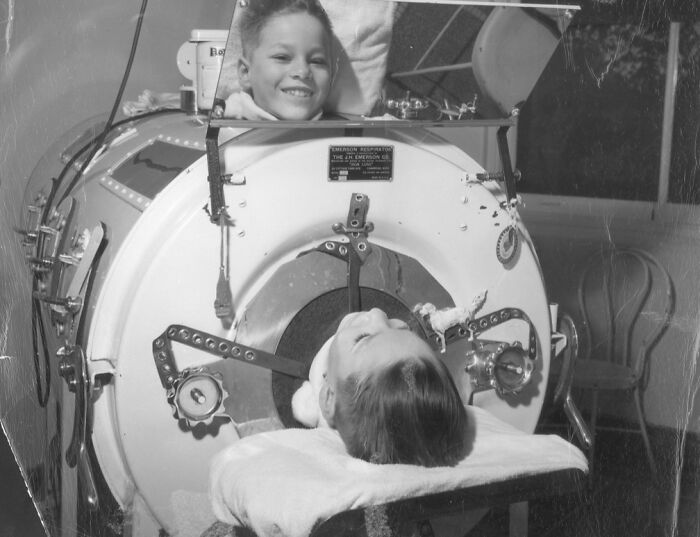
Created by John H. Emerson in 1931, the Emerson Respirator, or iron lung, was a large mechanical ventilator that helped polio patients suffering from respiratory paralysis breathe. A patient was placed inside the respirator with their head sticking out while air pressure changes in the inner chamber simulated breathing. More affordable and efficient than similar models of its kind, the Emerson respirator saved countless lives during the polio epidemics of the 1940s and 1950s.
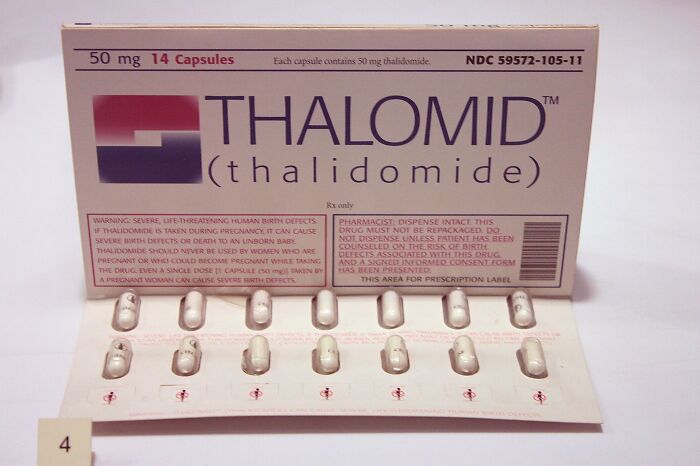
Throughout the late 1950s and early 1960s, Thalidomide was marketed as a treatment for anxiety, insomnia, tension, and morning sickness during pregnancy. While initially considered safe, the medication led to thousands of miscarriages and more than 10,000 children being born with malformed limbs. Deemed to be the cause of the largest man‐made medical disaster in history, the medication was taken off the market in 1961.
The electroretinogram (ERG) is a test developed in the late 19th century to measure the retina’s response to light. The first electroretinograph machines from the 1870s required wires and electrodes to be placed directly on a patient’s eyes, giving them a scary cyborg-like appearance. The test became clinically useful in the mid-20th century and made use of improved, less intimidating devices to diagnose retinal diseases.
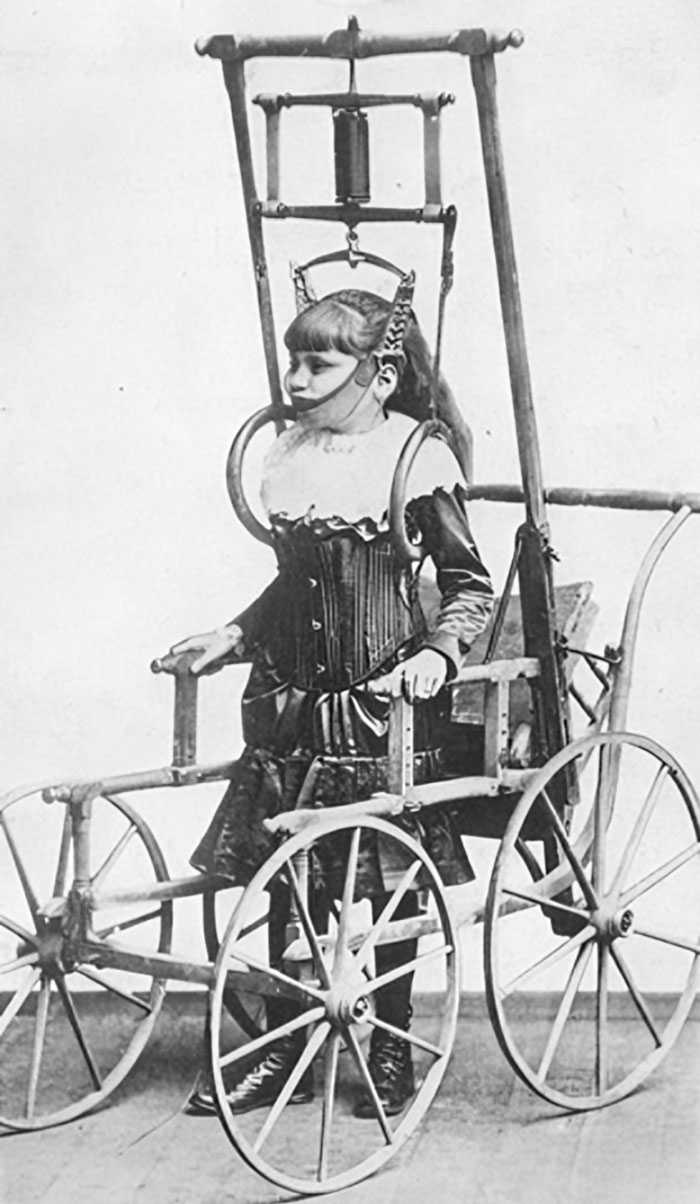
The spinal apparatus created by Dr Clark in the late 19th century was meant to treat scoliosis. It was designed to be a supportive wooden frame that would enable patients with the illness to walk upright. Allegedly, it was so heavy that patients could barely move in it, pretty much rendering it an ineffective treatment.
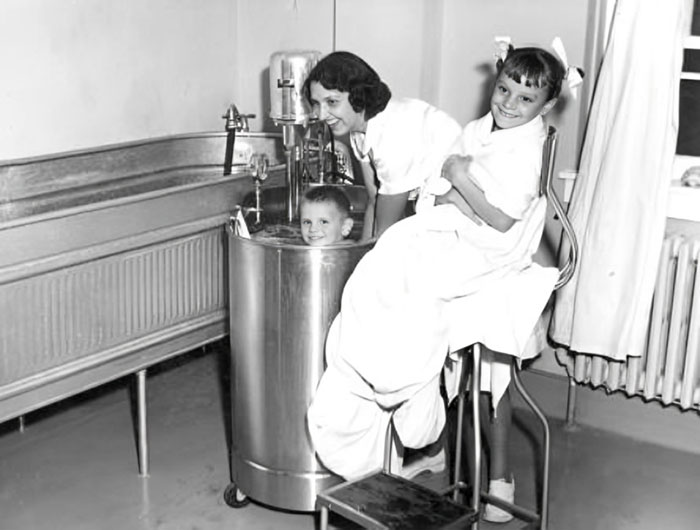
During the 1950s polio epidemic, stainless steel hydrotherapy tanks, known as Hubbard tanks, were used as a form of rehabilitation for children paralyzed by the disease. Touted to improve circulation and build muscle strength, the treatment involved immersing a patient in warm water up to their neck. The combination of the water jets, buoyancy, and heat helped them move weak or paralyzed limbs more easily and with less pain. As polio rates declined and new rehabilitation methods emerged, the use of hydrotherapy tanks gradually tapered off after the 1950s.
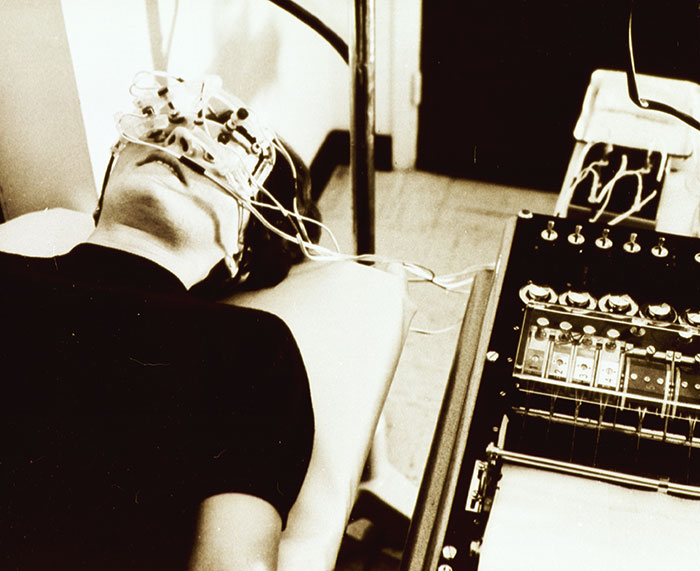
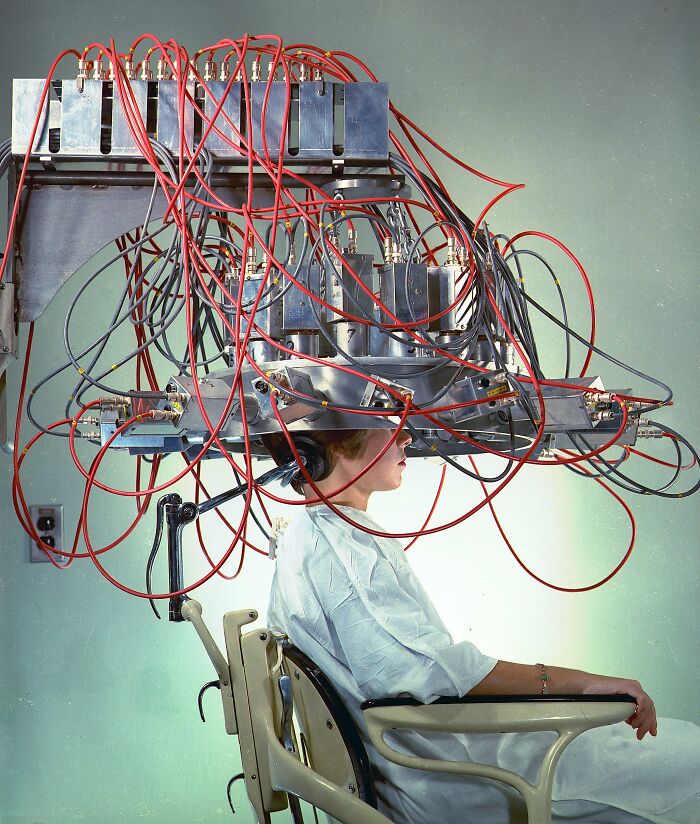
This device was built by scientists at the Brookhaven Lab in 1961. Its main function was to detect brain tumors using positron emission. Initially, the headgear would only show the location of the tumors as raw data, but a decade later, researchers found a way to convert that data into actual images of the brain. By 1980, doctors could now observe brain function utilizing modern PET machines developed through extensive research done on the pre-PET headgear.
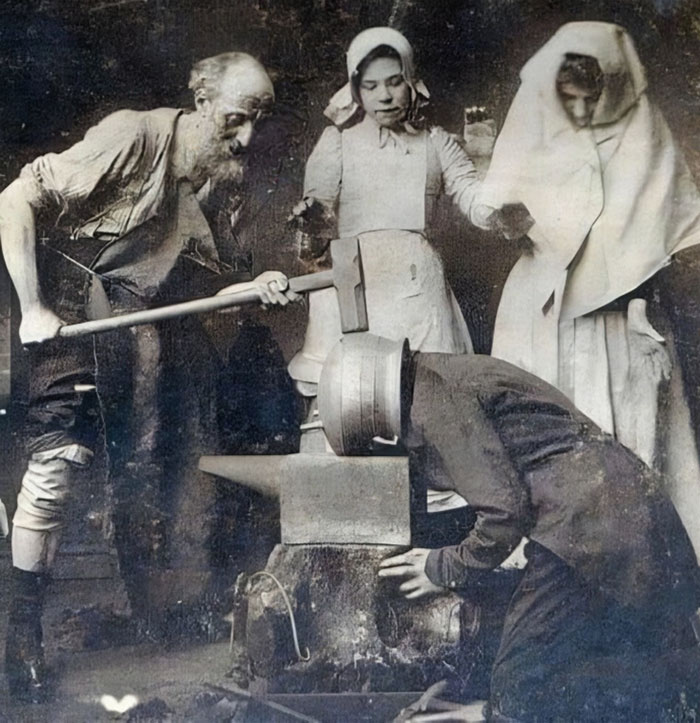
While vibration therapy was a real treatment from the 1800s, it is alleged that this photo of a man taking a sledgehammer to another man’s head is nothing but a hoax. According to a book on vibration therapy from 1883, the actual treatment involved moving a brush lightly over the scalp in an orderly manner.
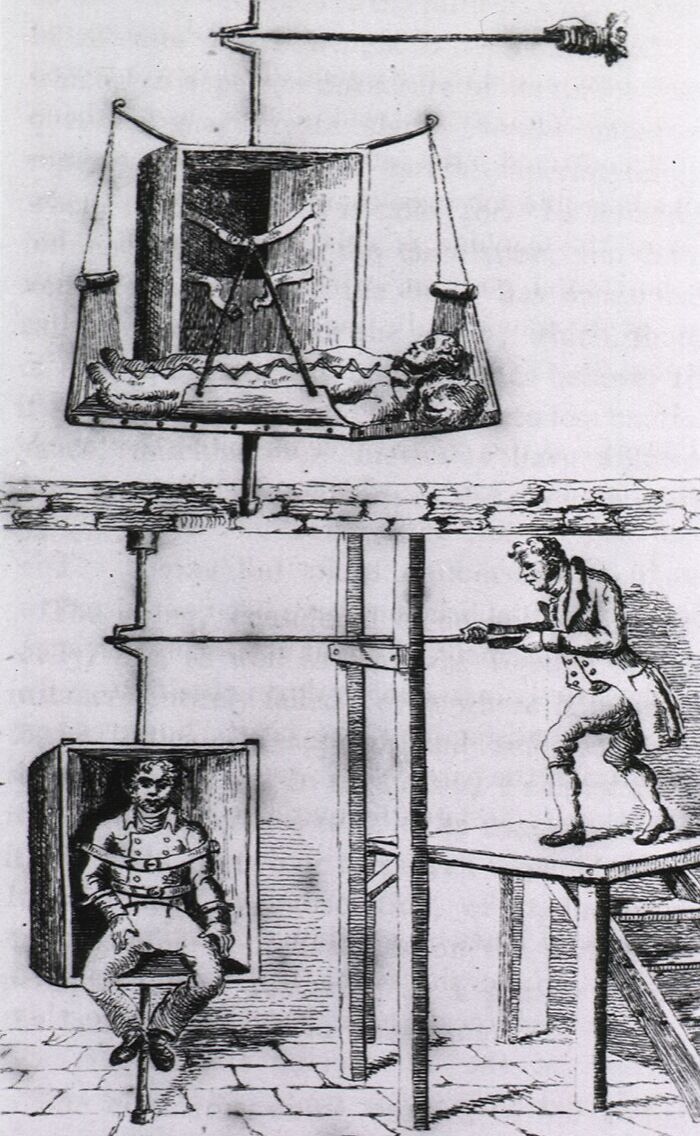
In the early 1800s, William Hallaran invented the circulating swing. It was a chair or bed suspended from a frame that could be spun rapidly using a crank. Patients were strapped in and typically spun around at speeds of up to 100 revolutions per minute, often inducing effects like vomiting, dizziness, or unconsciousness. While some doctors believed them to be therapeutic, the swings fell out of use by the mid-19th century, dismissed as both barbaric and ineffective.
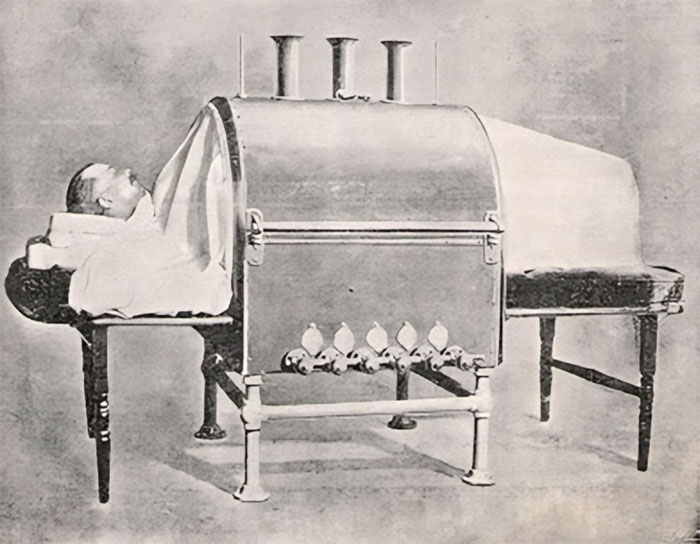
The Tallerman–Sheffield apparatus, also known as the “human bake oven was a 19th-century hot-air medical device used to treat pain. Patients would lie inside the large metal cylinder with only their heads exposed, while the cylinder was heated to incredibly high temperatures. This “baking” treatment resembled a sauna and was mostly used to alleviate symptoms related to gout, arthritis, and other ailments.
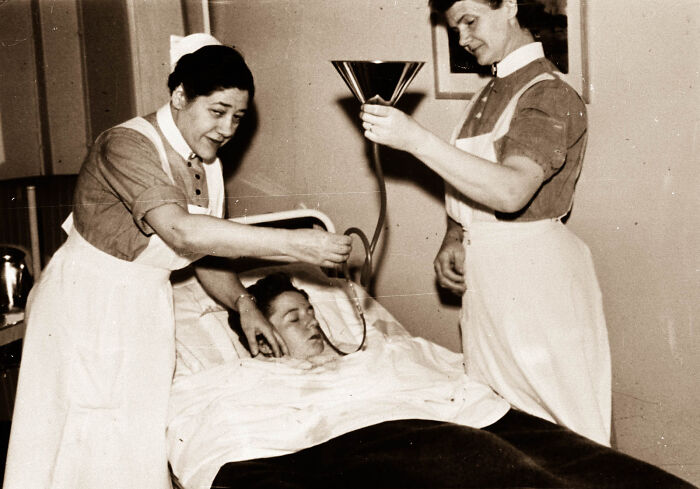
As early as 1500 BC, before modern lab testing was possible, physicians used their taste buds to diagnose illnesses. Reportedly, doctors could determine whether a patient had diabetes or not by how sweet their urine tasted. By the late 19th century, this testing method was replaced with more sophisticated blood glucose tests.
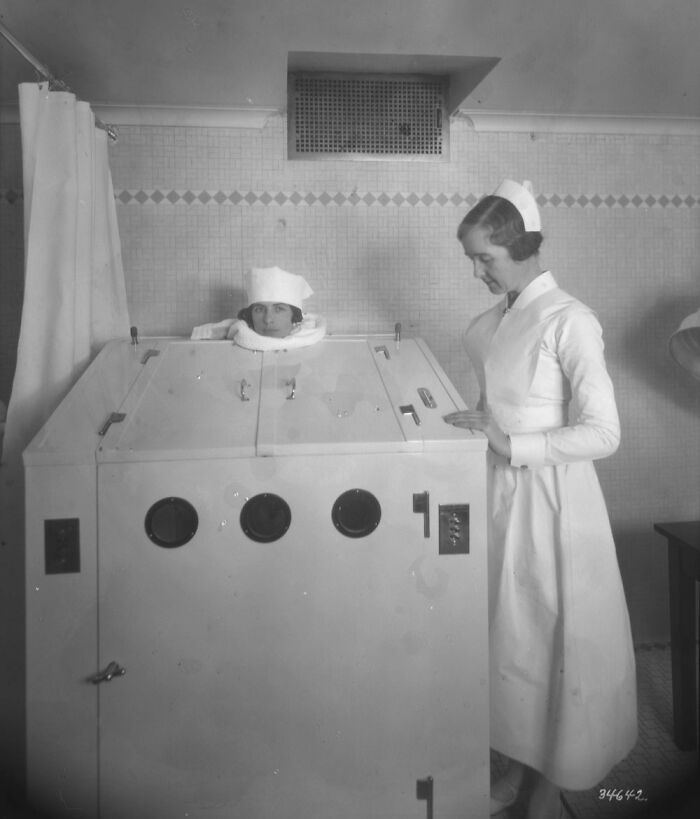
In the early 20th century, electric cabinets were devices that used either electric bulbs or steam to raise body temperature. As precursors to modern saunas and diathermy, they were used to induce artificial fevers and sweating for conditions like arthritis. While they were common in spas and clinics throughout the 1930s, electric cabinets faded from use as modern medicine advanced.
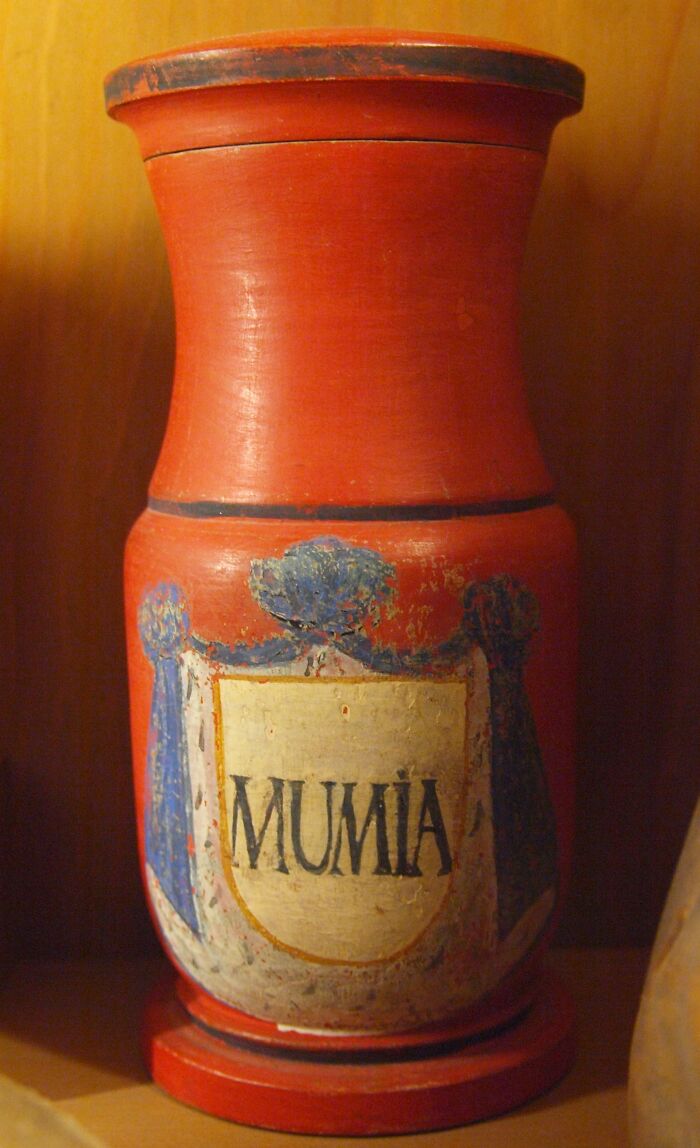
Going back hundreds of years, powdered mummies were a popular remedy used to treat various ailments. Many physicians between the 12th and 18th centuries believed the ground-up bones and remains of ancient mummies had healing properties. The mummy powder could be ingested for pain or applied as a topical medicine for wounds and many other ailments. However, from the early 20th century, the use of the powder became a controversial practice, with most deeming it unsavoury.
Introduced in 1927 by Dr. Manfred Sakel, insulin shock therapy, also known as insulin coma therapy, was a treatment for schizophrenia and other mental illnesses. It involved injecting patients with large doses of insulin to cause daily comas over several weeks. While some patients experienced improvement in their symptoms, insulin shock therapy was risky, resulting in prolonged comas or even fatalities. By the 1960s, the therapy was abandoned in favor of new antipsychotic medications.
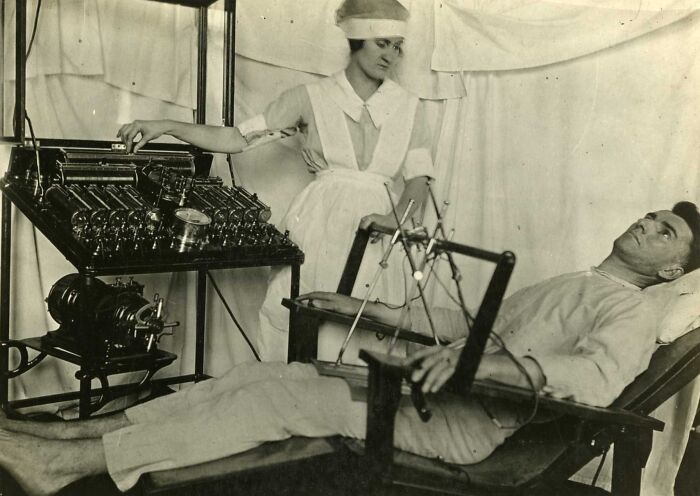
This controversial medical device from the early 20th century was used to give electroconvulsive therapy to psychiatric patients. The contraption allowed them to sit in it like they would a reclining chair and then receive shock treatments from the machine. The currents that traveled through the cables and into the body were said to cause seizures, which were supposedly therapeutic to patients.
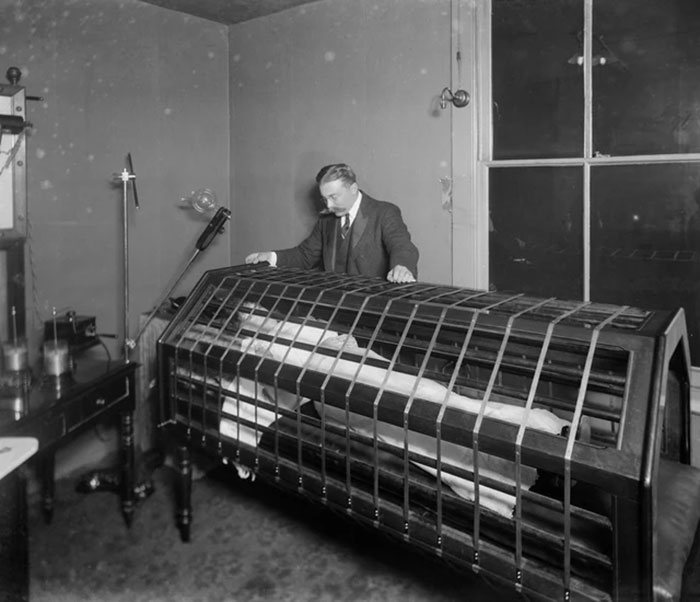
Likely a forerunner of the modern sunbed, the electric bath was an early 20th-century light therapy device. Patients were placed inside a cabinet containing ultraviolet lamps that provided doses of artificial sunlight to the skin. Deemed a cutting-edge therapy at the time, the device was believed to promote numerous health benefits, including improving circulation, easing joint pain, treating skin conditions, and more.
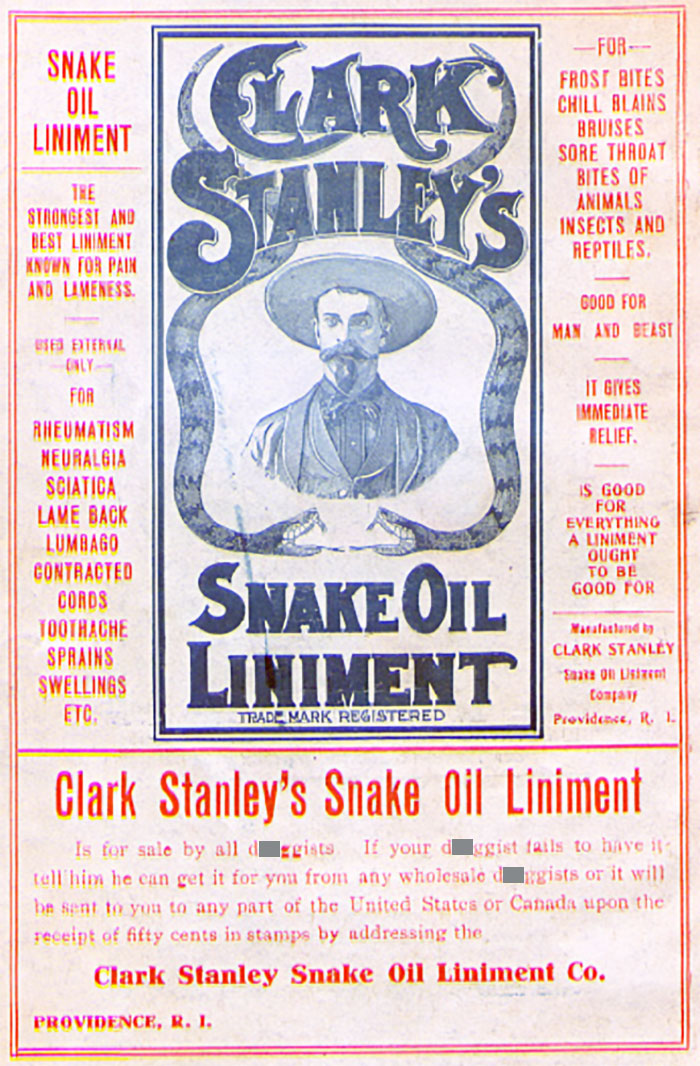
Today, the term “snake oil” is used to describe something fake or disingenuous, but in the 19th century, it referred to actual oil from water snakes utilized in Chinese traditional medicine. The oil was seen as a cure-all with excellent anti-inflammatory properties. In the US, from the early 1900s, many brands began marketing placebos and bad substances as snake oil, which is how the oil became a symbol of all things bogus.
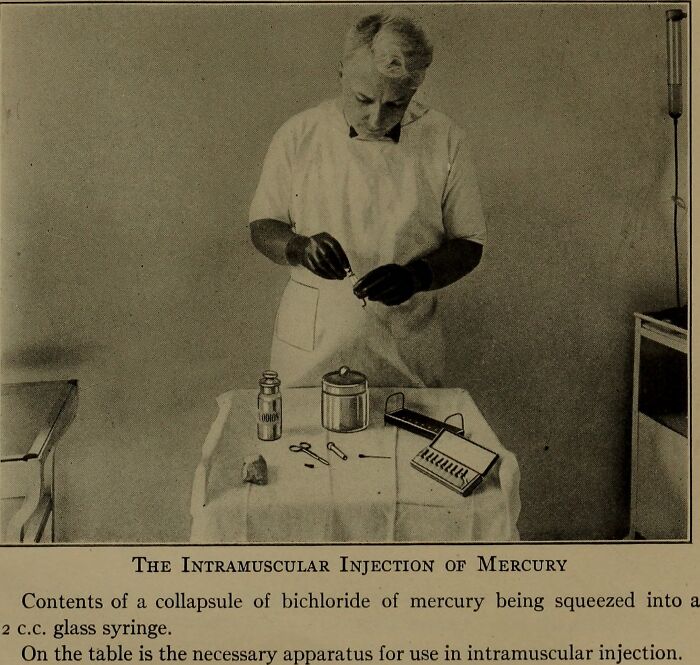
From as early as the 16th century, mercury was used as a treatment for syphilis despite it being extremely toxic to the human body. Many patients experienced severe side effects such as nerve damage, organ failure, and even death after undergoing mercury treatment. The injections remained popular up until the early 20th century when penicillin, a far more effective treatment, was finally discovered.
Schnee baths were a type of electrified bath for treating rheumatism and joint pain. Popular in hospitals and spas from the late 1800s into the 1930s, patients would sit with each limb submerged in its own galvanised basin. A mild current was passed through the water, making these baths painless and free of shock or discomfort. However, by the early 20th century, Schnee baths were dismissed as quackery and abandoned by the medical community.







































 No fees, cancel anytime