Get Premium
Dark mode theme is available exclusively for premium users. Learn more about the benefits of subscribing.
No fees, cancel anytime.

 Dark Mode Ad-Free Browsing Unlimited Content
 Ad-Free Browsing Unlimited Content Dark Mode
Join 1.2 million Panda readers who get the best art, memes, and fun stories every week!


The internet is so massive it feels like a universe of its own. Yet out of the endless stream of content we move through each day, very little actually stands out. Our attention span on social platforms is only 1.7 seconds, meaning most of what we see passes by without us taking the time to read or absorb anything.
But some corners of the web are worth slowing down for. One of them is the Facebook page Strange Things, which shares odd and interesting facts about the world. Below are some of their most intriguing posts—hopefully they’ll pique your curiosity and make you linger a little longer.
This post may include affiliate links.
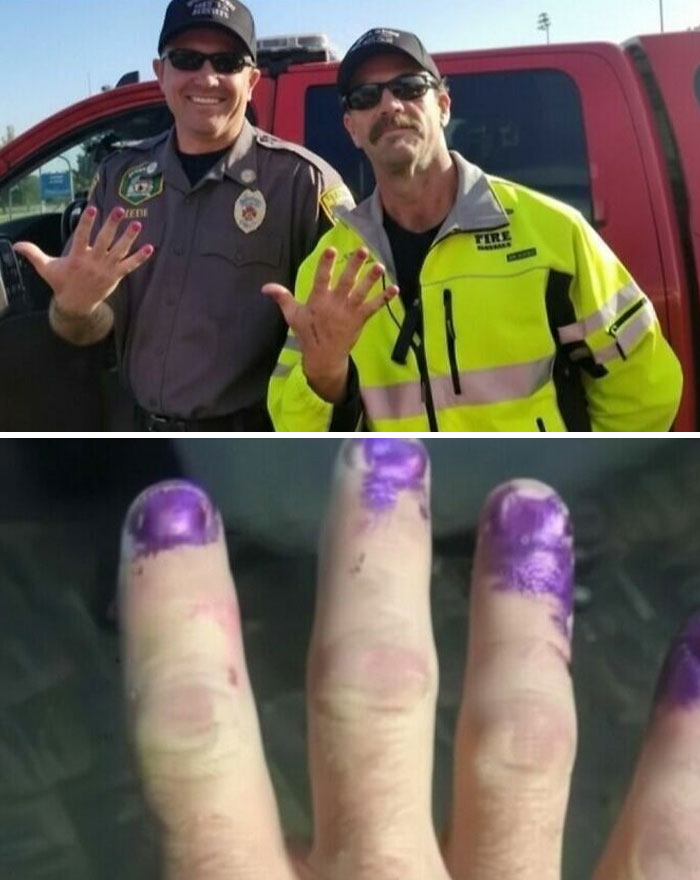
"Two firefighters arrived at an accident scene to find everyone safe,
except for one little girl still trembling with fear.
She clutched a few bottles of nail polish in her small hands, eyes wide and tearful.
Instead of talking about the crash, the firefighters knelt beside her.
They asked about her favorite colors.
They let her paint their nails.
Her smile bloomed. The fear faded.
For a few precious minutes, the flashing lights and sirens disappeared.
When they left, their nails were far from regulation,
but painted in the perfect shade of comfort and kindness.
Because sometimes, the greatest rescue isn’t pulling someone from danger.
It’s helping them feel safe again."
In 2011, a 59-year-old man named James Verone robbed a bank. He did so by handing the teller a small note that asked for one dollar. Just one dollar. After receiving his dollar, Mr. Verone sat down and waited for the police to arrive.
Suffering from chronic health problems, Verone had recently lost his job as a delivery driver—and with it, his health insurance. As a result, he could not afford the medical care he needed to survive. He knew that in prison, he would receive the treatment he needed even without insurance, so he committed the robbery simply to stay alive. He was sentenced to one year in prison, during which he received life-saving treatment.
A civilized country should never allow any of its citizens to become so desperate for medical care that they are forced to commit armed robbery just to survive. Charging people exorbitant amounts for the medications and treatments they need merely for profit is an insane injustice

"A civilized country should never allow any of its citizens to become so desperate for medical care that they are forced to commit armed robbery just to survive." I can't say it any better than this. Living in the US is so depressing most of the time.
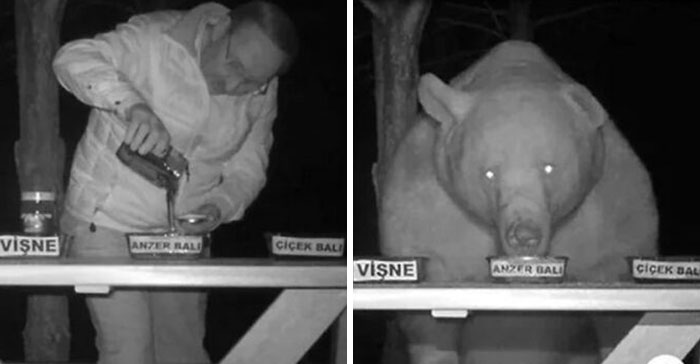
A turkish bee keeper was tired of bears taking all of his bees honey.
He’d tried every type of security system even putting the bees in cages.
He instead decided to allow the bears to become taste testers.
It turned out they were great candidates for this job as they had very specific and refined tastes for honey. They would come each night, and sniff the different honeys, before starting with their favorite one.
He makes great money from this honey now. His top honey sells for $300 for 2 lbs.
Now that you’re here, it’s safe to say you’re someone who loves learning more about the world around you. But have you ever stopped to wonder why we’re curious in the first place?
It’s not just a cute personality trait—curiosity is woven into who we are, and it serves a bigger purpose than simply wanting to know things.
In Finland, children read to dogs in libraries - and even to cows on farms - because the animals are calm, attentive listeners who help kids relax and concentrate, with organized programs run by the Finnish kennel club and participating municipalities
You can't store ice in a desert!
Oh yes you can.
The Persians could! Because they had the ingenious yakhchals, the ancient refrigerators!
By 400 BCE, Persian engineers had mastered storing ice in the middle of the desert, in the middle of summer; Yakhchal or "Ice Pit" is an architectural method used to produce ice and preserve food.
A yakchal was dome-shaped with thick brick and clay walls. This construction helped maintain a cold temperature inside the dome. During the winter, water was collected from rivers or melting snow Mountains. This water was directed to yakchals through canals and was distributed in small ponds or pools within the dome. During the night and the coldest hours of the day, the water would freeze due to the low desert temperatures at night. Once frozen, the ice was cut into pieces and stored in the lowest part of yakchal, where the temperature was colder.
The shape of the dome ( often rising as tall as 60 feet tall) and the natural insulation of the walls (made out of a special mortar, composed of sand, clay, egg whites, lime, goat hair, and ash in specific proportions) helped keep the ice frozen for many months. During summer, the stored ice was used to cool drinks, preserve food, or even for medicinal purposes.
In short, the yakchal took advantage of the natural cold of the desert night to create and maintain ice, using simple but effective storage techniques and thermal insulation.
Simply genius!
At first glance, curiosity seems a little strange for humans to have. Biologically, we’re programmed to survive: eat, drink, reproduce, and avoid danger whenever possible.
Venturing into the unknown doesn’t exactly fit into that plan. If every early human had an uncontrollable urge to wander into dark caves or reach out and touch every snake just to see what it felt like, our species probably wouldn’t have made it very far.
And yet, we still feel that pull. On different levels, we want to learn and understand. It’s the same drive that led us to discover new continents, develop vaccines, map the ocean floor, and send rockets into space. So where does this curiosity come from?
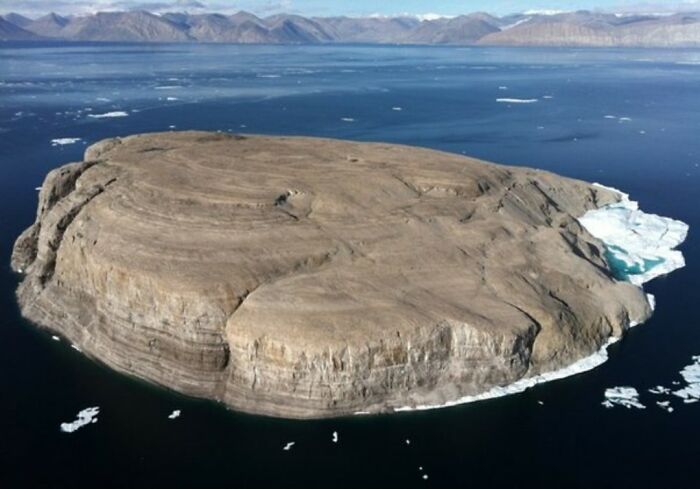
The "war" between Denmark and Canada has been going on since 1984.
The two countries, specifically Greenland and Canada (the Danes are deputies), are 'fighting' over a small, uninhabitable island called Hans Island.
The war goes like this:
In turns, both countries send their military to the small island in order to hoist their own flag, and to remove their counterpart's one. Over and over again.
The Danes always leave a bottle of Danish liquor for the Canadians, and the Canadians leave a bottle of whiskey for the Danes.
If that's not the right way to resolve a conflict, I don't know what is

On 14 June 2022 both countries agreed to split the disputed island roughly in half.
These London fences look so strange for a special reason.
There are housing estates in London that have pretty ugly fences and you wonder who designed them.
If you look closely, you'll see strange curved pipes around the edges.
But they're actually good for something.
Well. They were.
These "fences" were once stretchers.
During the war, when wounded were carried away, they were placed on these steel scaffolds.
It wasn't comfortable and there was a lot of complaining about it.
But it was easy to clean them and they were not so heavy because of the grids.
After the war one had masses of such stretches, which were now useless.
And since many fences were no longer available in London, because all available metal had somehow been misused for the war, they came up with a "recycling idea".
And they built fences from the stretchers.
The stretchers were placed on the curved poles on the ground.
And so the London fences are silent monuments for us, which can admonish us not to let it come to that again.
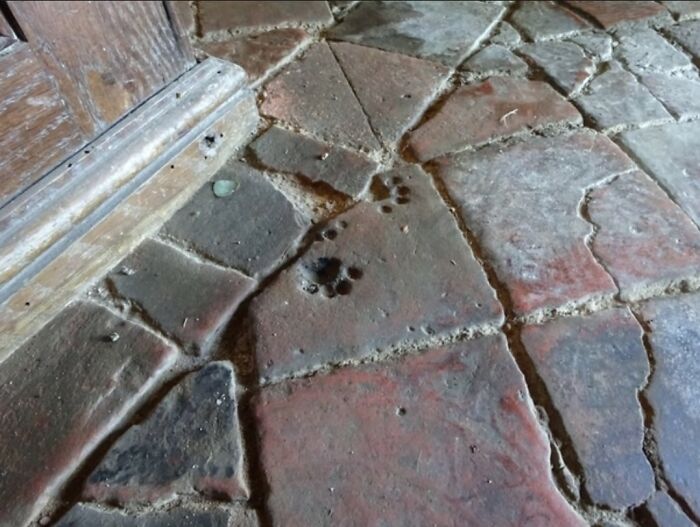
Cat paw prints in the medieval floor tiles of the 12th century CE St Peter Church in Wormleighton, England.

Proof that cats have always been lovable little a******s
There isn’t a single answer, but scientists have a few ideas. One group of psychologists believes curiosity comes from within, much like hunger or thirst. According to what’s called the drive theory, curiosity is an internal urge that needs to be satisfied. When we feel it, we look for something, new or familiar, that scratches that itch.
It explains why we pick up a musical instrument or read about a topic we know nothing about. These things aren’t necessary for survival and could even lead to failure, but they feed that mental appetite.
A bear broke into an ice cream shop in Tahoe and ate so much that he passed out on the floor. The shop had just released its new monthly flavor — honey — and locals loved it, but the biggest fan turned out to be this hungry bear.
On only the second day of serving the new flavor, workers opened the shop to find tubs of honey ice cream completely empty and a large black bear lying on the floor, fast asleep after his feast.
Wildlife officials were called. They carefully woke the bear and safely guided him out before moving him to a safer place far from town.
Experts explained that bears have an incredible sense of smell — up to seven times stronger than a bloodhound’s — which helps them find food from miles away. It wasn’t surprising that the honey ice cream drew him straight inside.
The local wildlife center paid for the ice cream, and when the shop owner was asked about it, he just laughed and said, “As long as someone’s paying, I hope he comes back — that’s the fastest we’ve ever sold out!”
Shrimp and goby fish.
The goby fish has much better vision and will stand guard, while the shrimp digs a hole for them.
Then, at night, they both share that hole so that they are safer from predators.
What amazes me is that this behavior became inbred in the species over time. The shrimp became less afraid of the fish and vice-a-versa. They just figured out, “We are better off together, than against.”
If only more humans realized this
Canadian fans of the late Leonard Nimoy have angered the Bank of Canada by defacing their $5 notes in tribute to Mr Spock.
The image of Sir Wilfrid Laurier, who was the seventh prime minister of Canada from 1896 to 1911, has long been altered to look like Nimoy’s iconic Star Trek character
But the drive theory doesn’t explain why we become curious about specific things. That’s where the incongruity theory comes in. This idea suggests that curiosity kicks in when something doesn’t match our expectations about how the world works.
We like predictability. So if something breaks the pattern, our brain demands answers. Imagine you’re reading this and you hear a strange noise in the other room. Most likely, you wouldn’t be able to ignore it. You’d try to investigate and figure out what happened. That instinct to investigate fits perfectly with incongruity theory.
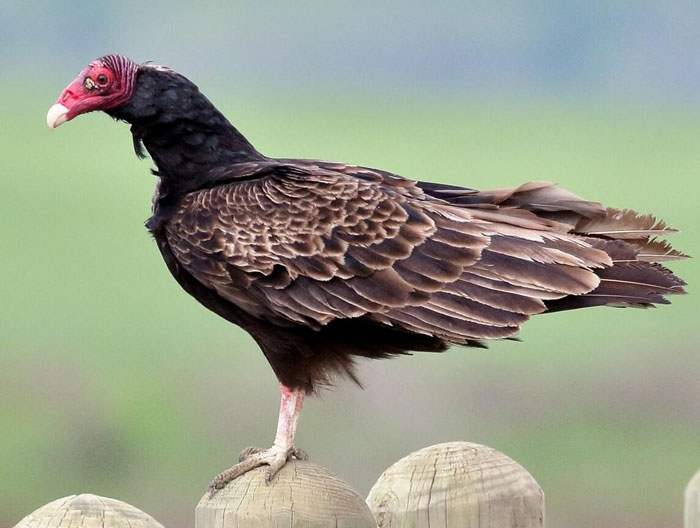
Oil and gas companies will sometimes use Turkey vultures to help spot gas leaks.
Ethyl mercaptan is added to natural gas to help people smell when there is a gas leak (otherwise they often won’t know, making the leak potentially lethal). This smell is also emitted from a rotting carcass.
Turkey Vultures happen to be very attuned to this smell. Natural gas company employees know to take note if they see a bunch of turkey vultures converged near one of their pipes or facilities because that usually means there is a leak somewhere.
The vultures are probably confused, wondering where their dinner is when it is in fact just a metal pipe.
It’s a rather clever, albeit indirect way of dispatching wildlife to help solve business needs.
Vultures, aka “nature’s cleanup crew” are one of the more underappreciated animals.
In nature, there is no malice and no remorse. And absolutely nothing goes to waste.
European vs. American way of dealing with eggs.
As with most things, there are two approaches. American and European. One of them is clearly inferior and the other superior, again as per standard operating procedure.
The Industrial egg washer.
One major risk with egg consumption is the bacteria salmonella that is often present on eggs and can be dangerous if you eat undercooked eggs, as we all like to do on a daily or at least weekly basis, plus other bacteria that might penetrate inside. To that end Americans wash eggs thorughly, to remove anything that was in the chicken alongside the egg and remove bacteria. This works, but they also remove the protective coating on the egg that prevents bacteria from penetrating the pores on the shell. The egg isn’t contaminated when it leaves the factory, but something else could make its way inside quite quickly, so the egg needs to be refrigerated to prevent an infection.
European approach is to vaccinate the chickens against salmonella and rely on the natural coating to protect the egg. These eggs don’t need refrigeration, but you also need to clean the chicken cages more often than Americans, because dirty eggs aren’t as appealing to the customer. The costs work out to be about the same in both cases.
When it comes to food poisoning from eggs, the incidence in Europe is about one tenth that in America, which should provide a clue as to which approach is superior.

US health and safety standards when coming to food is generally far lower than the European counterparts. In the US meat butchering is done in ways that do not prevent fecal contamination from the animal's entrails, because it's faster, but that requires washing the meat with chlorine-based disinfectant, making it unsuitable for raw consumption. US chicken can be grown using antibiotics that accumulate in the meat, but are banned in the EU in favor of cleaner and more controlled environments. Raw milk in the USA in banned because it poses a significant health risk, while in Europe the risk is mitigated by better production standards and the milk can be used for cheese and such.
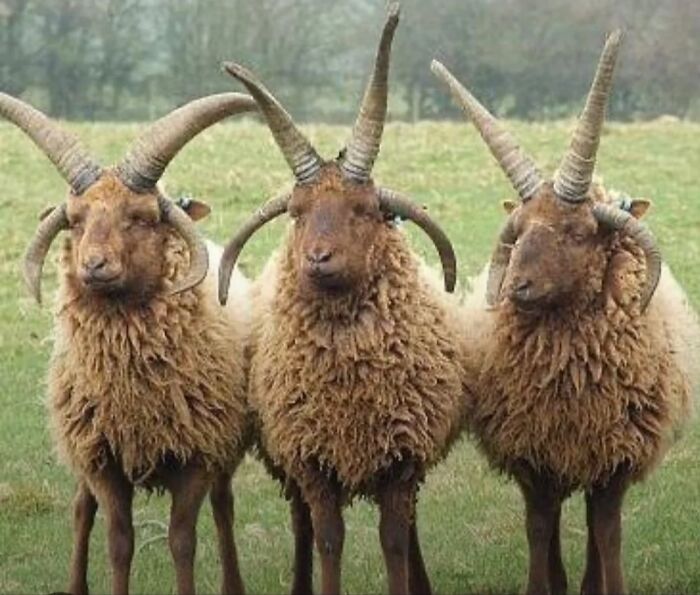
The Manx sheep.
Is one of the few sheep breeds that can grow 4 horns! They are currently endangered.
What scientists do agree on is that curiosity feels good for a reason. When we experience something new and enjoy it, our brain releases dopamine—the chemical linked to pleasure and reward, the same one that kicks in when we taste something delicious.
That’s why discovering unfamiliar information feels satisfying and exciting, whether it’s wandering down a street you’ve never explored or finishing the last chapter of a book and finally finding out what happened to your favorite character.
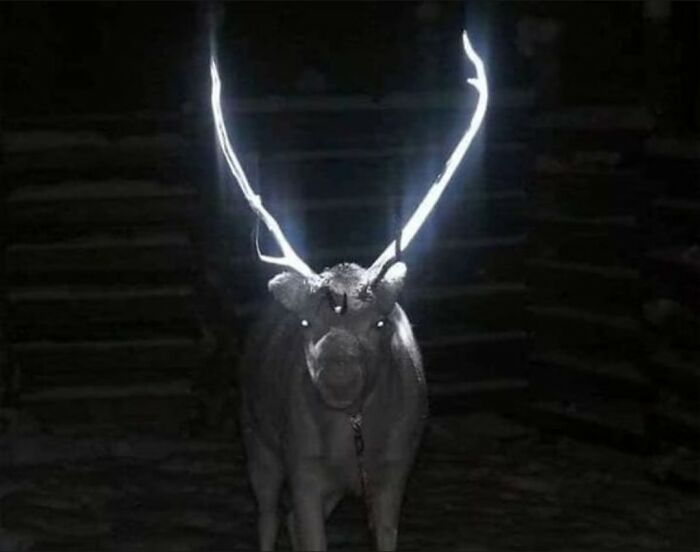
“In Finland every year, about four thousand reindeer lose their lives on Finnish roads in car accidents, so they paint their antlers with reflective paint so drivers can see them at night.”

Have to confess, if I came around a bend and found a reindeer with glowing antlers, I'd probably crash the car simply from the shock.
Inosculation is a natural phenomenon in which trunks, branches or roots of two trees grow together. It is biologically similar to grafting and such trees are referred to in forestry as gemels, from the Latin word meaning "a pair."
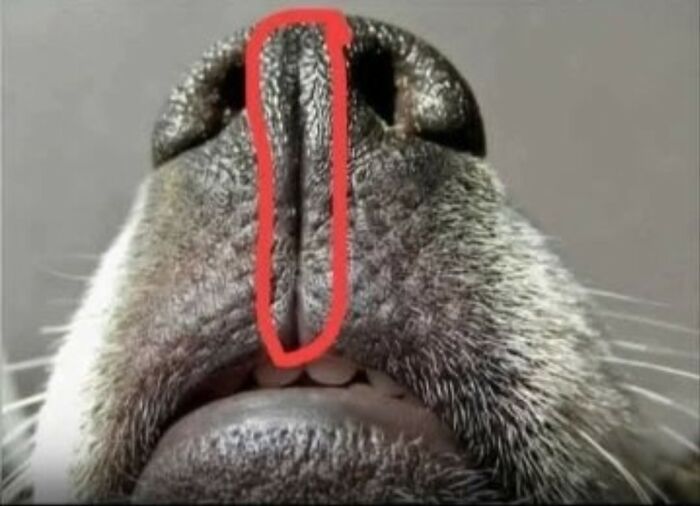
Did you know that the small vertical line between a dog’s nose and upper lip has a function? It is called the philtrum, and it is not just a random feature.
When a dog licks its lips, saliva gathers in that groove. Through a process called capillarization, the moisture moves upward to the nose and helps keep it damp.
A moist nose is more effective at collecting and holding scent particles from the air. This plays a role in making a dog’s sense of smell highly sensitive.
It is one of many examples of how animal anatomy supports survival and adaptation.
Curiosity isn’t limited to humans either. Researchers have found that some birds carry a gene called Drd4, which influences dopamine receptors. Birds with a common variation of that gene are more likely to explore new areas or investigate unfamiliar objects.
Rats wander into new parts of mazes without any promise of food, and primates in labs learn to open small windows in their enclosures just to peek at what’s happening outside. While that doesn’t mean animal curiosity functions exactly the same way ours does, the fact that it appears across species suggests it serves an important purpose.
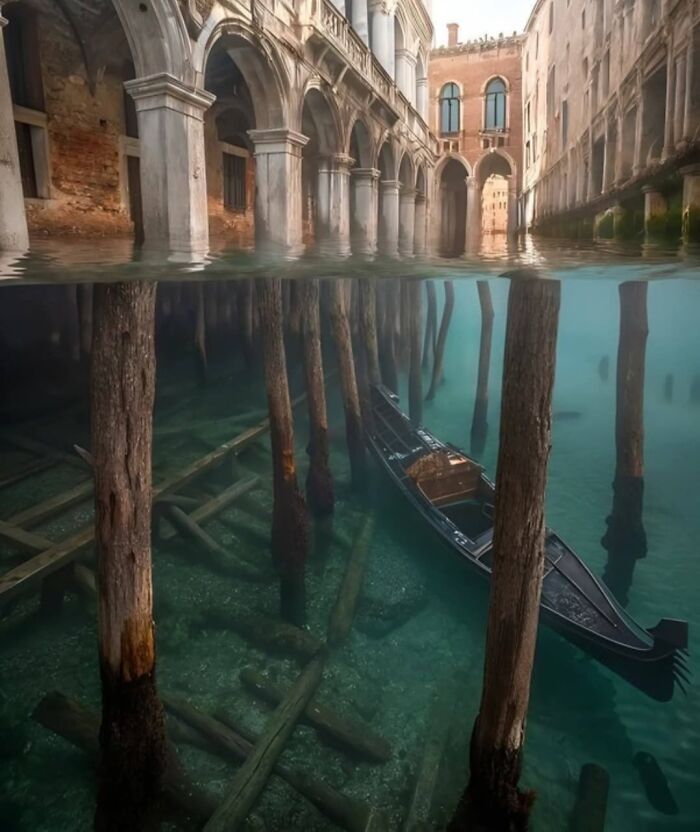
Beneath Venice, the historic structures rest on thousands of wooden piles, mostly oak and fir, driven into the lagoon bed.
Although it may seem strange to build on logs submerged in water, this engineering method has proven to be extraordinarily effective. The brackish water, devoid of oxygen, prevents the wood from rotting, while its constant contact with the water helps to harden it over time, transforming it into a stone-like material.
This system has allowed Venetian palaces to maintain their stability for more than 2,000 years

To clarify, the logs/pilings were driven in right next to each other, making a building platform. Forcing the pilings into the ground compacted the waterlogged soils and make for a great foundation for all those huge stone buildings.
Some people think Hydrofluoric acid is the king because of Breaking bad.
It's a lie told by Hollywood!
Jesse dumps a body in a bathtub, the floor dissolves.
It was a messy thing - but was also nonsense.
Hydrofluoric acid is a mean nasty thing. But it is weak - chemically.
It is a thing that does not dissociate enough to eat a man whole. It just pickles him - If you really need to get rid of the evidence, you want Hydrochloric acid.
The stomach uses a weak version to digest steak.
In high amounts the thing becomes a weapon - It eats the calcium in bones and breaks down the proteins - It turns a person into sludge.
But it takes days, not minutes and reeks bad - You have to stir it, like soup.
It is not a thing of magic - It is only chemistry - The business is slow, wet, gruesome work.
Probably a lie told so a bunch of idiots didn't go and try it out for themselves!
Schrodinger's people
So why are some people more curious while others hold back? Is it all down to genetics, the way it can be in certain birds? Not quite. A more recent study suggests that curiosity also depends on life circumstances.
People who feel safe, stable, and financially secure tend to explore and seek new experiences more freely. But someone dealing with stress, scarcity, or instability is less likely to take risks, because even harmless curiosity can feel unsafe when survival is the priority.
A man in China, identified only as Mr. Liu, had a blind date.
Having set up this blind date through a matchmaker, Mr. Liu was quite eager to meet the lady. Only to find out, to his great dismay, that she did not come alone — she had brought along 23 of her relatives to the restaurant.It was a fairly high-end restaurant too, making things worse…
The woman’s relatives kept on ordering more and more food, cigarettes and countless expensive beverages, as the bill kept increasing… Mr. Liu, desperate at the insanity of the situation and helpless to do anything about it, was stressed out and overwhelmed. When the bill came in, it was nearly 20,000 Yuan ( approximately $2,800!) and he was completely flabbergasted. He immediately informed the crazy lady and her family that he would NOT be settling the bill and that she and her family would have to figure out how to pay the amount among themselves…
The woman eventually SUED Mr. Liu, trying to get him to pay back the entire amount. The court, mercifully, ruled in Liu’s favor and had him pay for only the food and drinks he and his date consumed, leaving the bulk of the bill to the woman’s family. But yes, this is the worst thing you could ever do on a date — you never, EVER, bring other people on the date unannounced and expect your date to foot the bill.
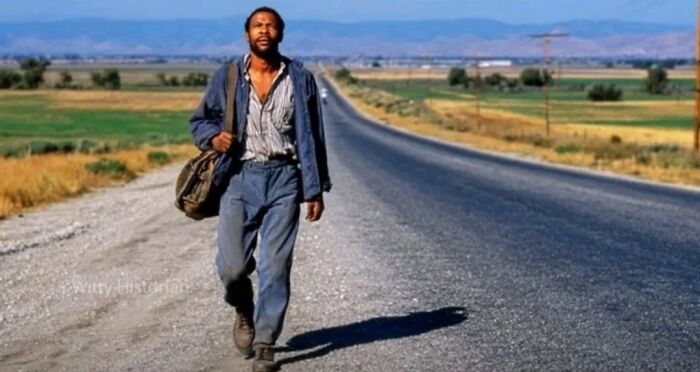
After qualifying for the 5000m Olympic trials in 1928, black athlete Dolphus Stroud had to make his way to Boston on his own. He walked, ran, and hitch-hiked for 12 days, arriving just 6 hours before his race.
Exhausted and malnourished, he collapsed on the 6th lap.
In June 1928, Stroud won the 5,000 metre Rocky Mountain regional Olympic qualifier. He expected the organizers to cover his transportation costs to Boston for the 1928 United States Olympic trials. After winning, he was informed that they would not be covering his expenses, alleging that he did not approach the previous record, which was a requirement.It was speculated that this may have been an excuse the organizers invented to prevent a Black man from riding on a bus with white athletes. After being declined funding, Stroud walked, ran, and hitchhiked for 12 days over the course of 1,765 miles.He departed at 4 a.m., wielding a "Denver to Olympia" sign, $10, a backpack, water, and a golf club for protection. Initially, the streets were desolate—he reported sometimes walking 20 miles without seeing another car—but coverage in the Chicago Daily News led to an increase in pickups.He ultimately arrived six hours before the start of his race. Due to malnutrition and exhaustion he was unable to complete the race, collapsing on his sixth lap
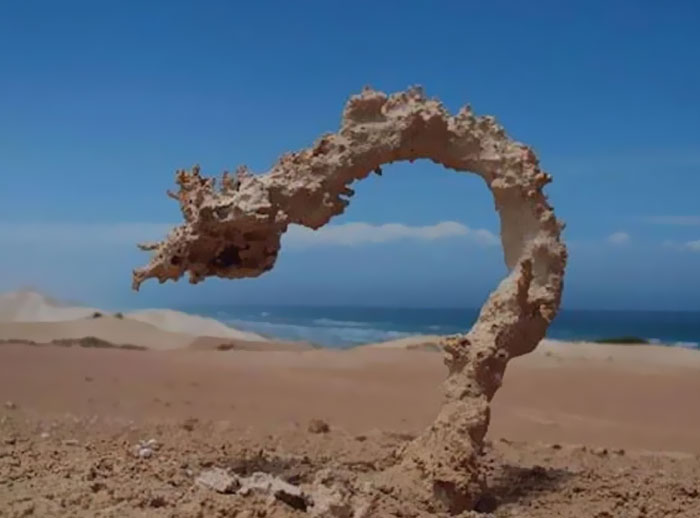
When lightning strikes sand, it often creates a fulgurite.
It melts all of the silica and then fuses it into glass—even though it doesn’t quite look like glass.
Scientists often refer to it as “frozen lightning”.
So hopefully you pandas are in a place where you can indulge your curiosity, even if it’s just picking up a few unusual facts online or taking a walk through a neighborhood you’ve never explored. There’s a whole world to discover, and if there’s one thing curiosity does best, it’s leading us somewhere interesting.
Microscopic view of tears. The left one is tears of grief, the middle is of happiness and lastly tears from onions.
Your eyes produce three types of tears: basal tears, reflex tears and emotional tears. Each type has a different function.
Basal tears. Basal tears are responsible for keeping your eyes lubricated. Your eyes constantly release small quantities of them to nourish and protect your corneas. They’re baseline tears that are present all the time and should never leave your eye. Basal tears help keep dirt and debris washed away from your eyes. They also help you see clearly.
Reflex tears. Physical triggers cause reflex tears to form. They help wash away harmful irritants like dust, smoke or onion fumes. Reflex tears contain antibodies to help fight bacteria.
Emotional tears. Strong emotions like sadness, joy or grief cause your body to produce emotional tears. Scientists are still studying the exact purpose of emotional tears, but they may help release stress hormones and promote social bonding

Apparently, I was crying as a child and told my mum that they were real salty tears, not crocodile ones!
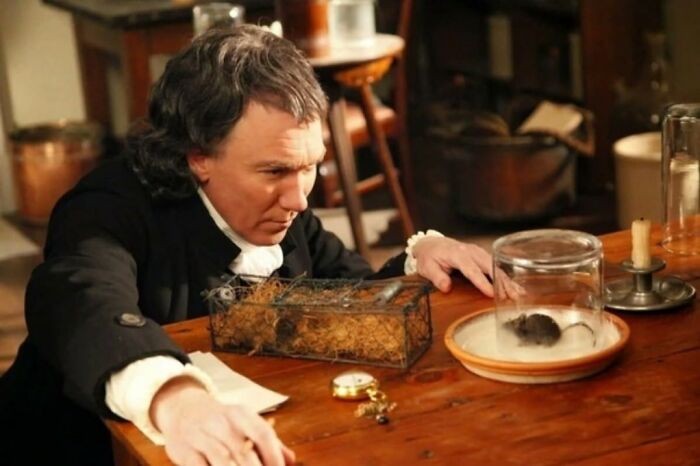
In 1774, Joseph Priestley, theologian and scientist, performed a curious experiment:
- He placed a lit candle and a mouse under a glass jar: both went extinct shortly after.
Priestley wondered what would happen if he added a plant to that same jar. He chose a mint plant, placed it in the jar with the mouse and the candle, and waited. To his surprise, the mouse survived, and the candle stayed lit longer.
He had discovered that plants "restored" stale air, and at the time, when the composition of air was unknown, he called it "dephlogisticated air." In fact, he had discovered oxygen! (O2).
And the phenomenon he was observing was photosynthesis, the process by which plants produce oxygen from light and carbon dioxide.
Finally, in 1779, Jan Ingenhousz discovered photosynthesis, when he showed that plants need sunlight to produce their food, releasing oxygen in the process and using carbon dioxide and water. His experiments were fundamental to understanding that plants not only needed soil and water, but also light to grow and live.

What kind of character does it take to watch a mouse die under a glass jar?
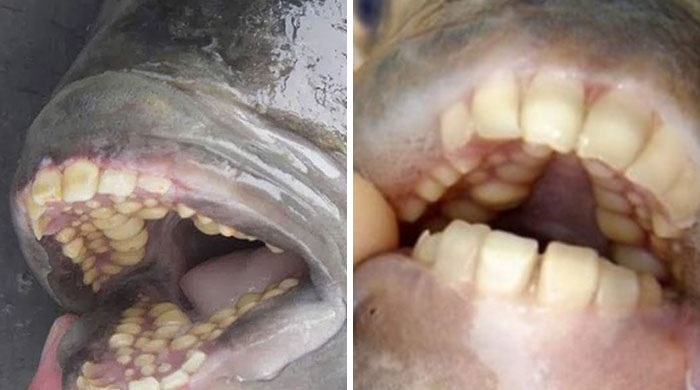
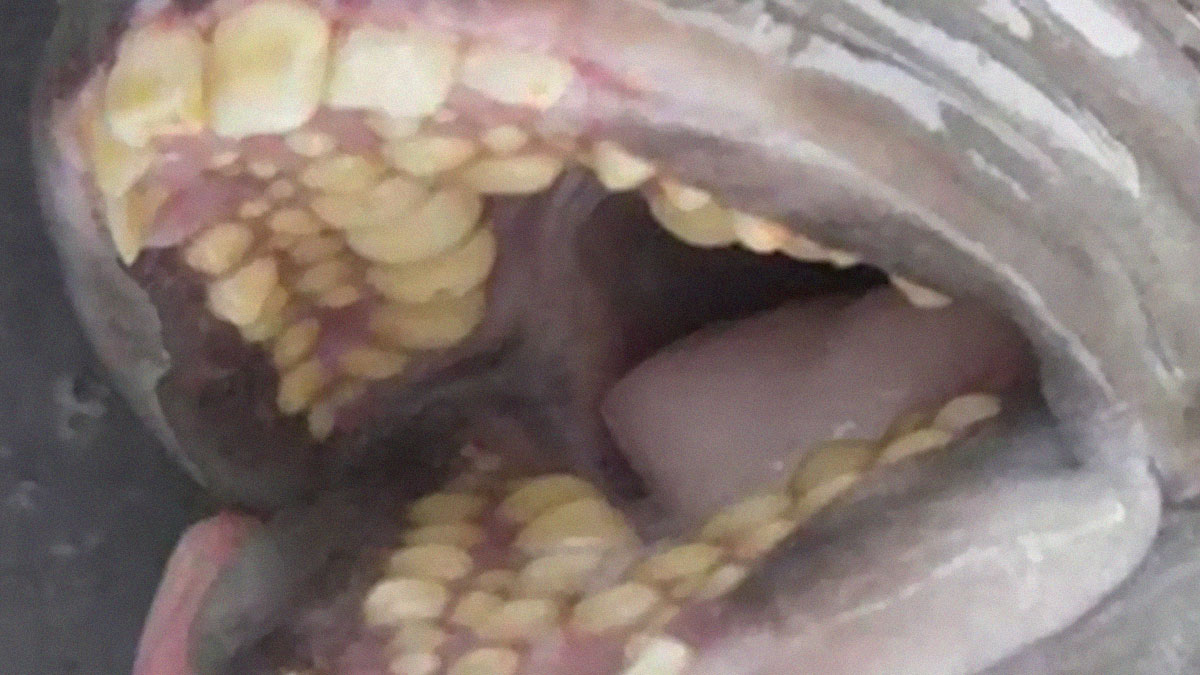
The Sheepshead, a name that evokes a sheep more than a marine predator, is actually a real fish, far from a figment of imagination.
It inhabits the waters of the Atlantic and can reach considerable sizes, up to 76 centimeters. But what makes it truly unique is its teeth: strikingly human-like incisors, followed by a set of molars arranged in three upper rows and two lower rows, all covered in enamel like a primate's mouth. This anatomy is not only bizarre, but functional: the Sheepshead feeds on crustaceans and mollusks, and those teeth are used to crush shells and carapaces with surgical precision. Despite its vaguely disturbing appearance, it is not an aggressive fish. Its dorsal spines can inflict painful stings if handled lightly, and a bite may hurt, but is not dangerous. In essence, it's a perfect example of how evolution can create creatures that look like they came out of a lab, but are simply the result of millions of years of adaptation
In Canada they plug in the vehicles in the winter.. These are not electric cars. But have a block heater. If the temperature falls below -20c your vehicle simply won’t start without “being plugged in” as your battery is too cold. Here in the Canadian Prarries (Manitoba) it can easily get to -40c and if your not plugged in…
“Your Gonna need a Boost”
Most employers will supply plugins in their parking stalls for their employees as after a 8 hour shift sitting in -25c to -40c their vehicles won’t start unless plugged in
This was the temperature reading outside a typical vehicle last winter… no way was this vehicle going to start if I wasn’t “plugged in” that morning.
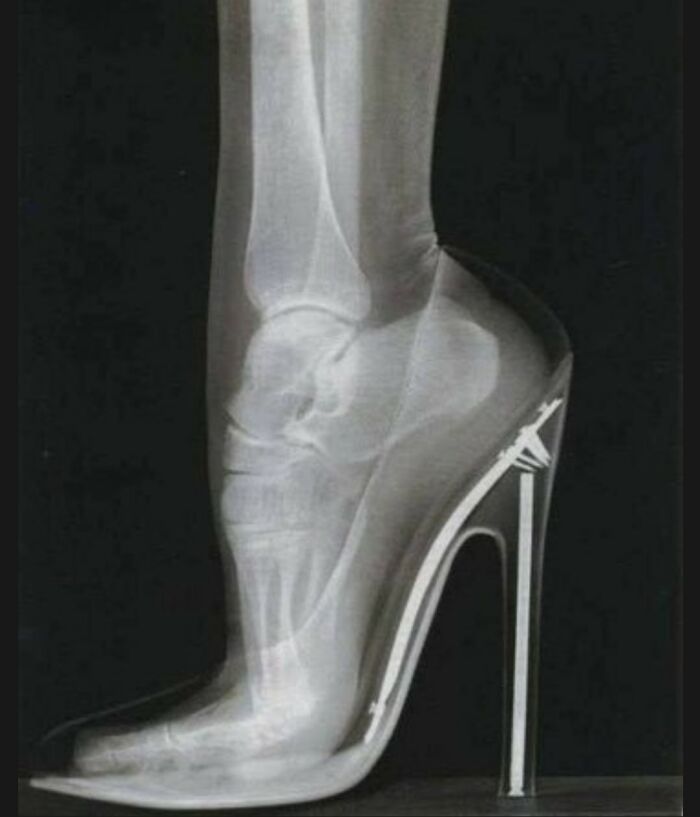
This X-ray shows the position of a foot when wearing a high-heeled shoe.
High heels may enhance a woman's beauty, but human biology teaches us that the body is not adapted to this accessory. Therefore, overusing high heels can cause severe problems due to the improper biomechanical stress placed on the entire body.
Wearing high heels forces the foot to be on its toes for extended periods. This causes the muscles to adapt to this position with a shortened length, and in fact, muscle shortening of the triceps surae (gastrocnemius and soleus) and plantar muscles has been demonstrated as a result of this posture. In the long run, this can lead to pain in the back of the knee.
Portrait of Antonietta Gonsalvus (1593) by Lavinia Fontana.
How many women out there have felt that they were too hairy to exist in a smooth-skinned world of constant razor advertisements? As in, the sight of your leg hair has caused you great dismay and discomfort? Imagine that everyday, but times a million and on your face.
This is what life was like for Antonietta Gonzalez and her hairy sisters, who stunned and puzzled 16th century observers with their rare and unique genetic condition: hypertrichosis, or werewolf syndrome. An excessive growth of hair about the face and body, of which only 50 congenital cases have been recorded since the Middle Ages.
For a fascinating read, Google Julia Pastrana's life as a hirsute woman.
The train station that runs through a residential building.
This station is unique in that it is located on the sixth to eighth floors of a 19-story residential building, with the monorail trains going through the middle of the building. It uses specialized noise reduction equipment to isolate station noise from the surrounding residence.
Contrary to some misreporting, the station and building were actually constructed together as one whole structure, and the monorail was not retrofitted through the middle of an existing structure.
In 1985, the infamous Action Park in New Jersey, USA, built this waterslide with a loop at the end. It was only open for one month before shutting down due to many injuries. Kids were coming out with scratches and cuts all over them. Sand, and rocks and was piling up at the bottom of the loop .Water pressure was not enough to wash all the way through .
That's why they called it Class Action Park. People actually died there. There's a Netflix documentary about the park that's pretty good.
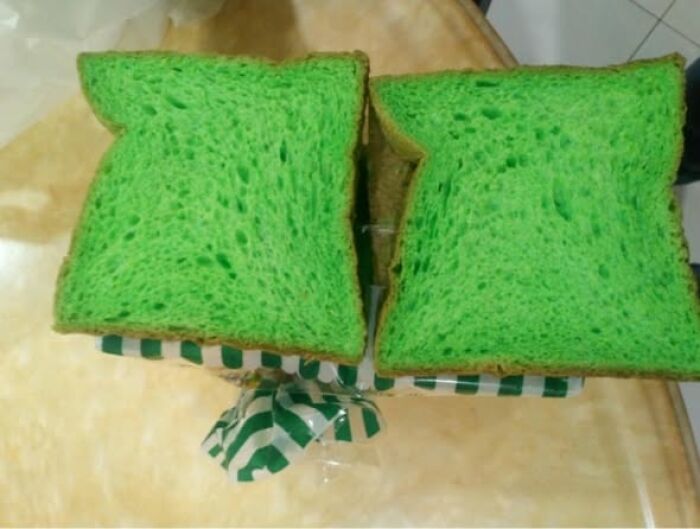
In Malaysia they have a fragrant leaf called pandan, which they use to flavor bread. It also gives the bread this green colour.
Jewel Shuping was born with perfectly good eyes.
But since being a child, she was obsessed with becoming blind. It was all she wanted.
In 2006, she said a psychologist poured drain cleaner into her eyes, completely blinding her (this part isn’t verified but she is indeed blind now). My guess is she did it to herself.
She has Body Integrity Identity Disorder. It’s a rare condition where people who are born healthy believe they are supposed to be disabled. They don’t usually understand why they feel this impulse but they do. Some people with it have gone so far as to amputate limbs.
Jewel’s decision to blind herself ruined her relationship with her mother and sister.
There was a man in the UK who was sent to prison for fraud earlier this year. He had submerged his legs in dry ice so that they needed to be amputated. He did it partly for the insurance money, but he probably also had body integrity identity disorder and a s3xual interest in amputations. To make it worse, he was a vascular surgeon and there were concerns that he may have convinced some of his former patients that they needed healthy limbs removed.
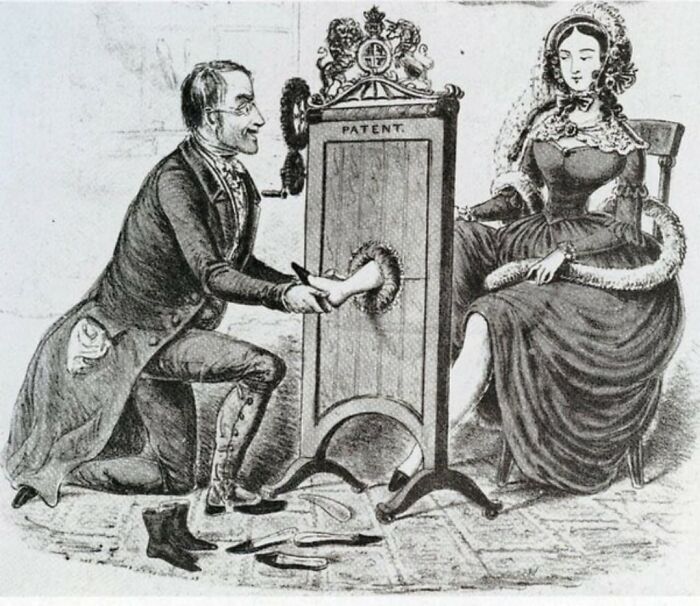
Back in Victorian times, shoe fitters used this device to fit a woman’s shoe on.
They used this so that the fitter couldn’t see up the woman’s dress or make eye contact with her during the interaction.
The whole contraption feels a bit over complicated, but is interesting nonetheless.
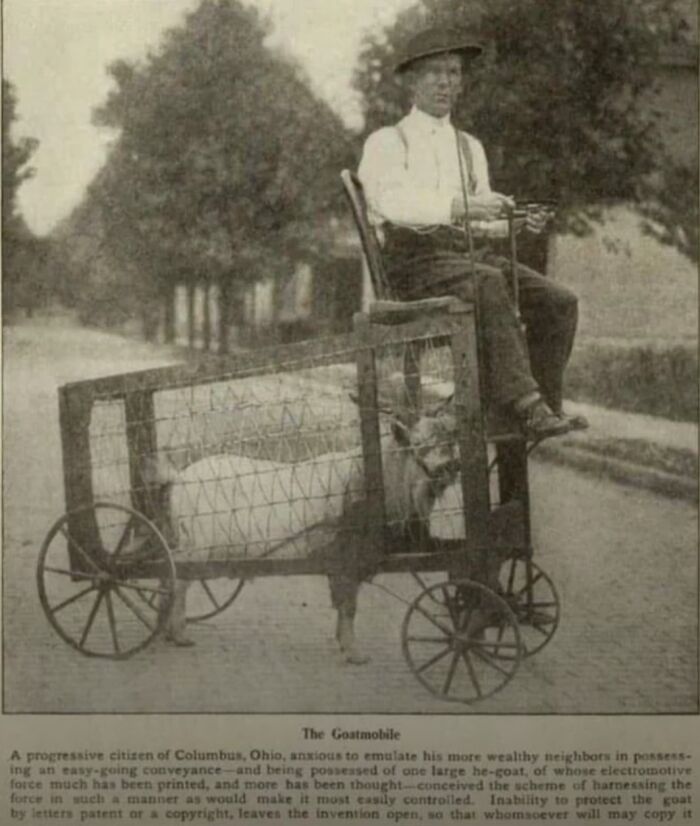
The Goatmobile.
An American farmer demonstrates his Goatmobile.
The vehicle is powered by a goat, which is in a running wheel.
The vehicle could reach speeds around 12MPH.
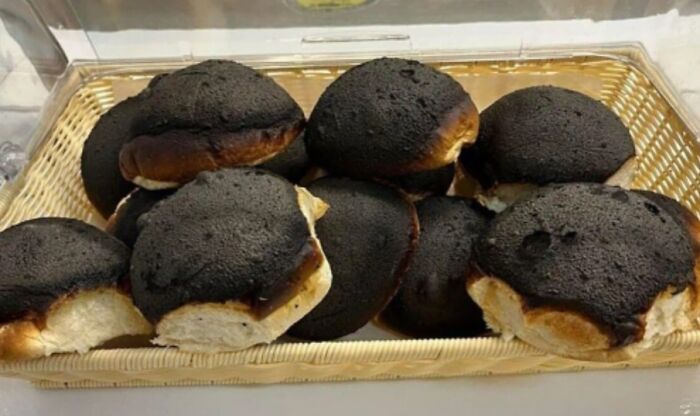
"Well fired" rolls (bread) are a Scottish delicacy, specifically Glasgow rolls, that are intentionally baked longer at a high temperature to achieve a dark, sometimes slightly burnt-looking crust. The result is a roll that is airy and chewy on the inside, but with a more intense, robust flavor from the well-baked top. Some bakeries now market this "well fired" quality as a distinct product, though traditionally they may have been a cheap or discarded byproduct of the baking process.
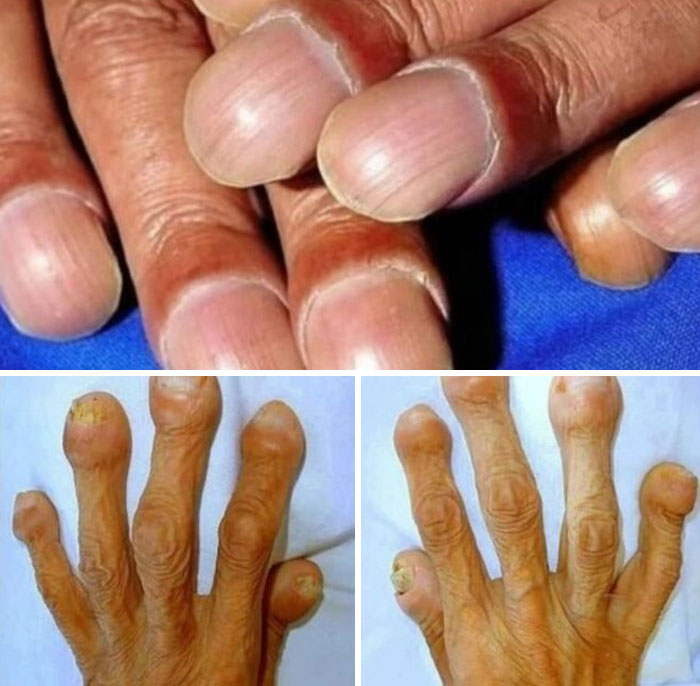
Clara was 52 years old and had noticed for years that her nails were a little different. They were rounded, rounded, like upside-down spoons. She even joked with her friends that she had "artist's nails."
Because they caught her attention. They never hurt, they never changed color, so she thought they were just “just the way she was.”
She lived a quiet life. She was an elementary school teacher, an occasional smoker, and had stopped getting checkups years ago. “I feel fine,” she said. Only lately she was feeling more fatigued when climbing stairs, had a dry cough that wouldn't go away, and woke up a bit sweaty at night. But she attributed it to stress.
One day, while grading exams, she fainted. She woke up in hospital. The first thing the doctor noticed were her fingers: obvious clubbing. While running tests, the real shock came: an X-ray showed a mass in the upper lobe of her left lung. The CT scan confirmed the suspicion: advanced pulmonary adenocarcinoma with pleural metastasis.
She never considered that her nails, which she considered “part of her identity,” were actually a sign of hypertrophic pulmonary osteoarthropathy, a paraneoplastic manifestation common in some lung cancers.
Her friends still remember her smile… and her fingers. Today, one of them checks her nails more closely

"Hypertrophic pulmonary osteoarthropathy, a paraneoplastic manifestation common in some lung cancers." Why did she never think of that? I mean it's the first thing that popped into my mind.
In 2024, 28 Google employees went to the Google CEO’s office and said that Google should cancel all its contracts with Israel, otherwise they would sit in the office and protest until the contracts were canceled.
Google immediately not only fired all 28 employees, but also seized all their benefits such as gratuity, etc. Charges of breaching service contracts and indiscipline were filed against them, and serious criminal charges were lodged in any way possible.
Now all these 28 employees are apologizing, saying that they made a mistake and should be forgiven. And Google has written a letter to the U.S. Department of Labor stating that the H1B visas given to these employees are being canceled and they should be deported back to their countries.
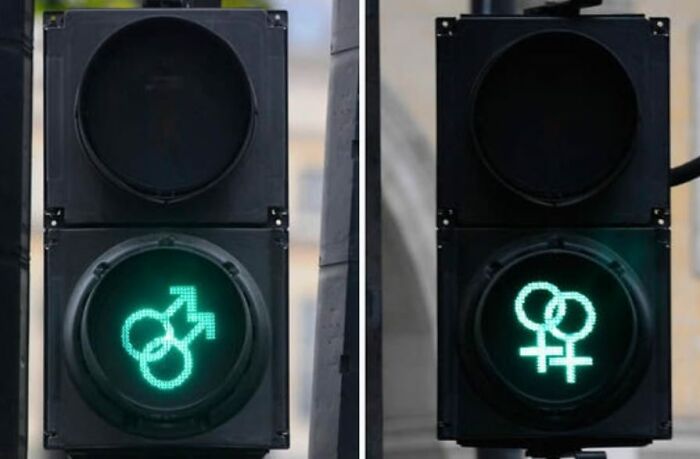
"Transgender traffic lights" refer to pedestrian crossing signals that display transgender symbols and other LGBTQ+ icons, rather than the traditional green and red figures. These symbolic lights were installed in several locations, notably in London and Manchester, England, to show support for the LGBTQ+ community, especially during Pride parades.
Interesting stories but the descriptions were awful. They were ridiculously incoherent at times.

Roselyn’s comment was so bad it was sent to hell.
Load More Replies... 

These look like they were written by a machine. I get that English is probably not the compiler's first language, but she used to be able to write descriptions well enough without resorting to such stilted language.

Stopped in for the Painful Shoe X-Ray (28); Stayed for the Foot F****h Glory Hole (#37). Neither of them looks unhappy in that illustration "So many choices! I may have to try on each pair!" *Looks up to heavens* "Thank you"
Disregarding the (odd?) content for a second - why do you sound like a commercial?
Load More Replies... Interesting stories but the descriptions were awful. They were ridiculously incoherent at times.
Roselyn’s comment was so bad it was sent to hell.
Load More Replies... These look like they were written by a machine. I get that English is probably not the compiler's first language, but she used to be able to write descriptions well enough without resorting to such stilted language.
Stopped in for the Painful Shoe X-Ray (28); Stayed for the Foot F****h Glory Hole (#37). Neither of them looks unhappy in that illustration "So many choices! I may have to try on each pair!" *Looks up to heavens* "Thank you"
Disregarding the (odd?) content for a second - why do you sound like a commercial?
Load More Replies...





















 No fees, cancel anytime
 then open in external browser


 and click "Open in External Browser"