Get Premium
Dark mode theme is available exclusively for premium users. Learn more about the benefits of subscribing.
No fees, cancel anytime.

 Dark Mode Ad-Free Browsing Unlimited Content
 Ad-Free Browsing Unlimited Content Dark Mode
Join 1.2 million Panda readers who get the best art, memes, and fun stories every week!
The world, as of right now, is doing a lot. It is doing considerably more than was agreed upon, and nobody has been adequately compensated for the inconvenience. The news is relentless, the group chat is overwhelming, and "per my last email" messages are still being sent. It is a lot to process before lunch. Too much almost.
Which is why we have memes. Not as a solution and definitely not as a substitute for actually dealing with any of it. Just as a five-minute window where the only thing being asked of you is to scroll, recognise something true about your own existence, and feel marginally less alone in it. No news, no context, no follow-up action required. Just the good stuff, in bulk, delivered without apology.
The Political Compass sets out to collect memes that make us chuckle about politics, humble us about idiotic human behaviour, and bring us together in the face of adversity. For their relentless image curation, we want to thank them.
This post may include affiliate links.

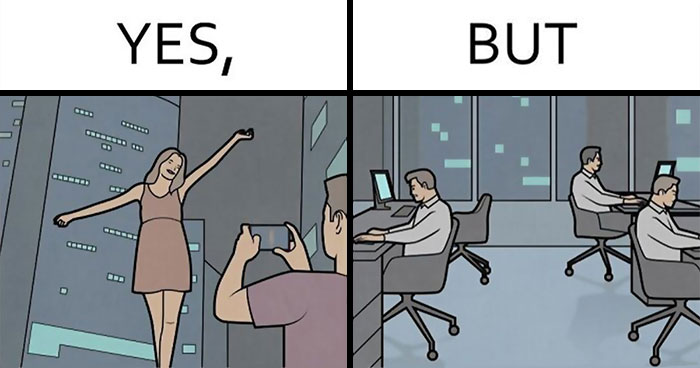
How about movie theater/concert paintball sniper? The moment that blue glow of the phone appears, SPLAT!

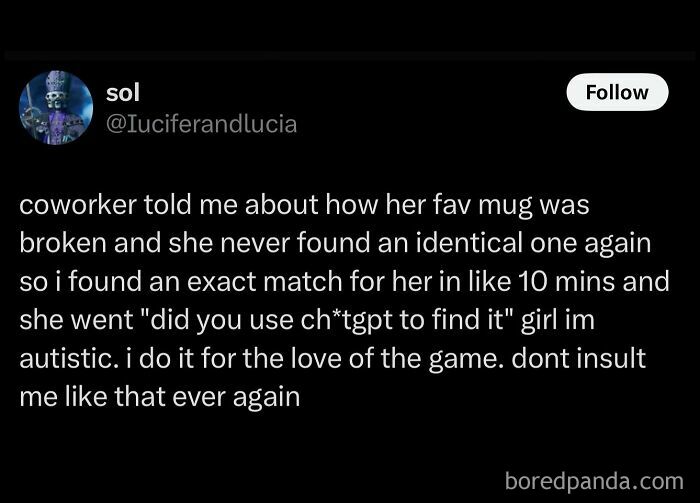
I consider myself quite skilled at what we used to call "google-fu". I could find products quickly and easily, even when others couldn't after hours of searching. It came in handy in my family's business (housecleaning) because occasionally our teams would break things inside a customer's home, and we would need to replace it. I was really, really good at finding the exact replacements. I didn't think about it, but my sister hasn't asked me to find a replacement for a while... and she LOVES using chatgpt. XD My job has been taken away by AI!

In reply to people denying theft or "taken during colonialism" (bc technically that's not theft is probably such people's reasoning) -> ask frikken ai if you're too lazy (like myself) and you'll get a shìtload of contested items that ra ra ra *how coincidental* aren't British. Its funny how Nigerian origin after 3 or 4 generations is still not considered British but something grabbed of their territory suddenly *is* (edit: the reply button is missing next to budas comment)

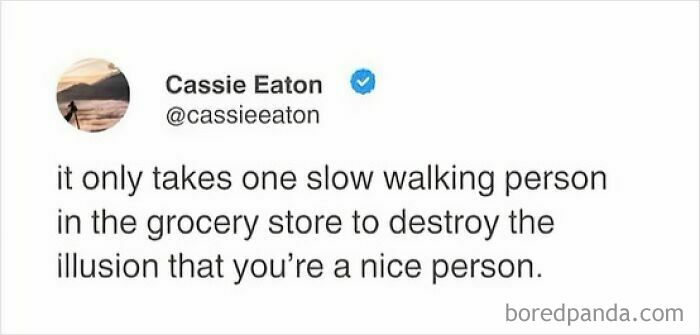
And they seem SO surprised when you bop their cart out of the way when they park it cross-wise in the aisle.

It is called football in the rest of the world. The game with the helmets and oval ball is weird and unknown for almost everybody 😅 like inch and pound. It is an American thing only.
For real tho, if you invest in sobe basic Asian ingredients, it's really easy and cheap to make some amazing Asian food at home. I've learned to make like three portions of pretty great Thai curry for like... $10 when I'm lucky with stuff on sale
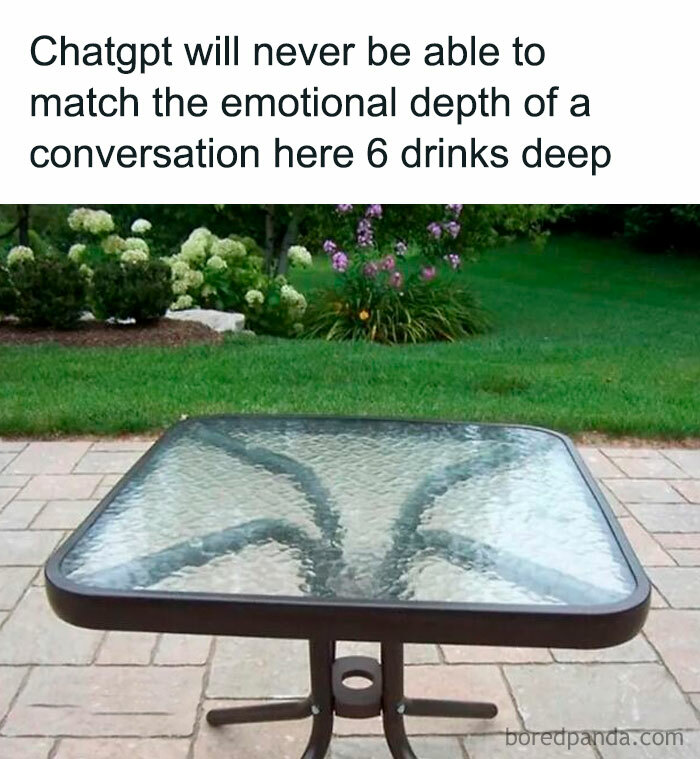
My superpower is the ability to have unhinged deep talks even without drinks

Nope. Thai food has acted like a bandaid. Quick relief, but not long term efficiency.

Heartrate, will you PLEASE settle the f**k down? I'm literally sitting at my computer on a Saturday afternoon, flipping through BP posts with absolutely zero obligations today or tomorrow and possibly even the day after that. We are not about to be attacked by rabid wolves any second regardless of what you seem to think. There aren't even any wolves, or rabies! We live in Australia, you idiot!

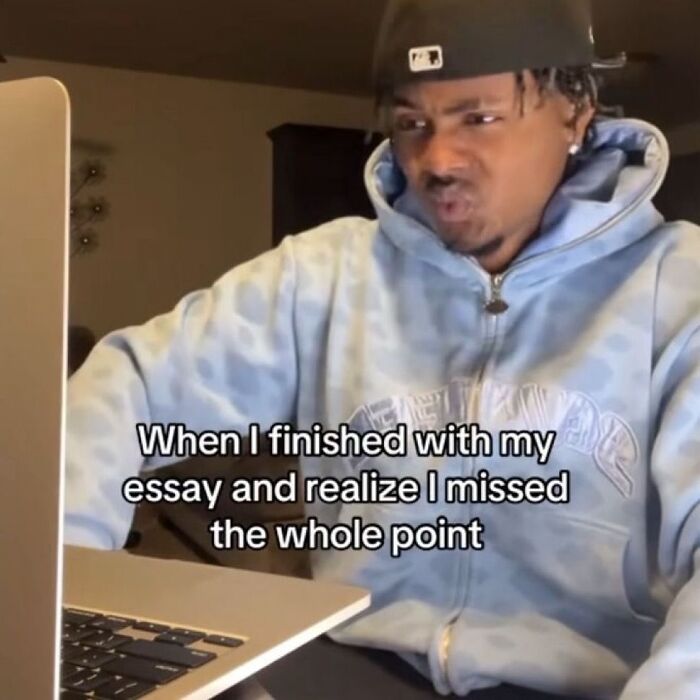
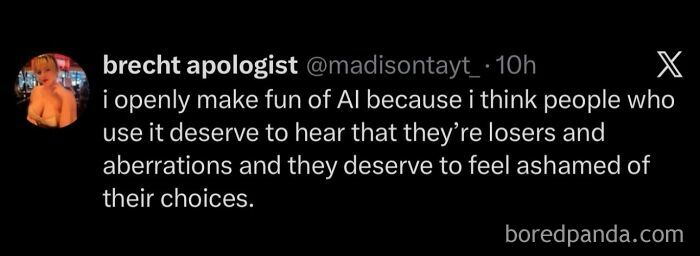
Yes. They mostly do. Almost all 'public facing' uses of AI are inappropriate and give worse results than thinking about it. When AI says 'the cat sat on the mat', it has no concept of a cat, a mat, or sitting, merely that those words go together. When AI gives an information summary, such as an essay for college, it doesn't have any understanding of context or what it is saying, just that the words go together. What you get is like a movie prop: it looks the part, but doesn't necessarily work.
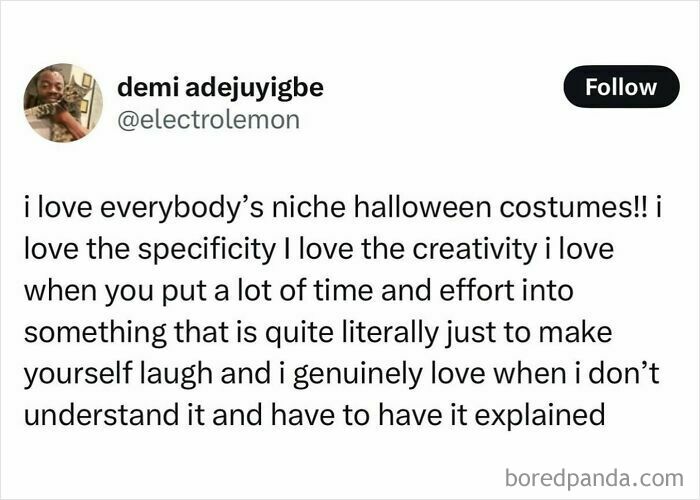
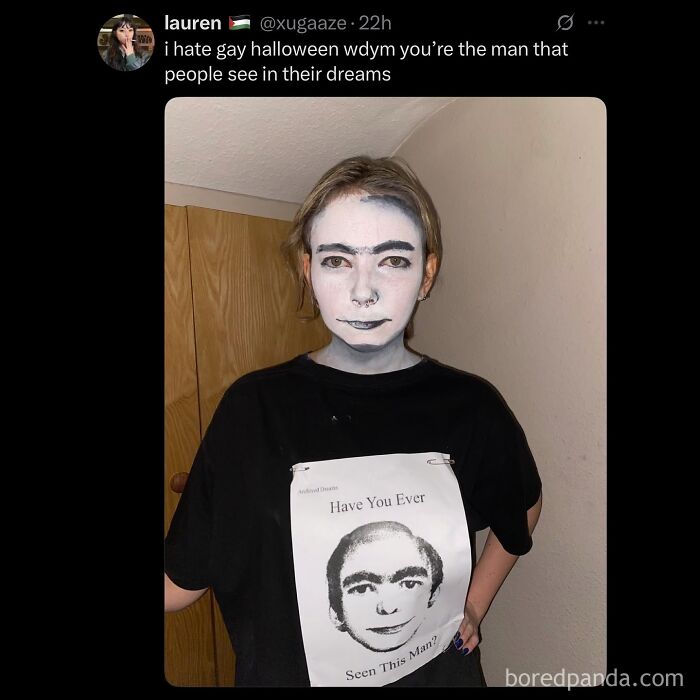
I have no friends and nowhere to go, but my Halloween costume this year is Barf from Spaceballs. It's my favorite movie and Barf is my favorite mog.
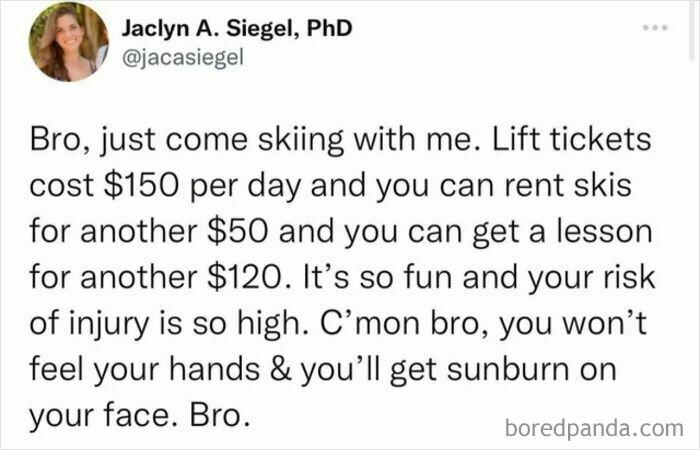
Nah, I think I'll stick to skinny-dipping with sharks, but thanks for the invite

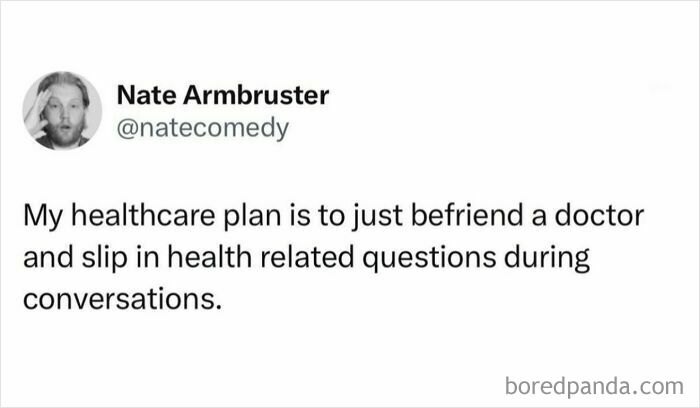
Won't work. Doctors are wise to that. So are other professionals like lawyers.

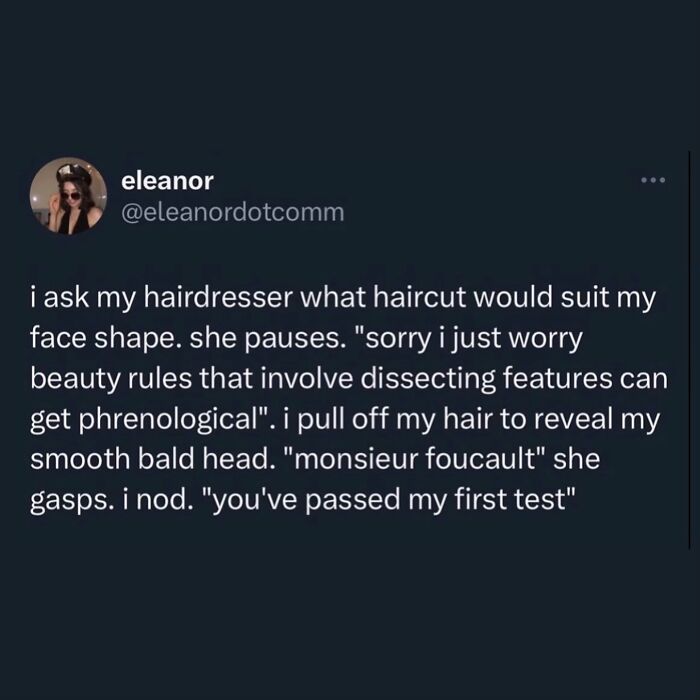
For my last, I stopped the hairdresser and said, "I think I'll quit while I'm ahead." She didn't get it.
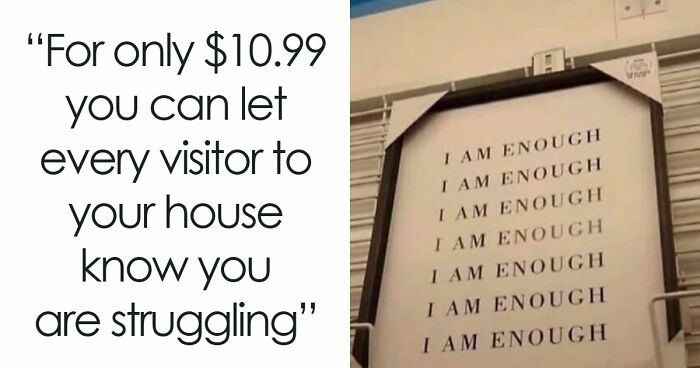
Life is hard. Really hard. Don’t make it harder on yourself. Give yourself a break and some love.

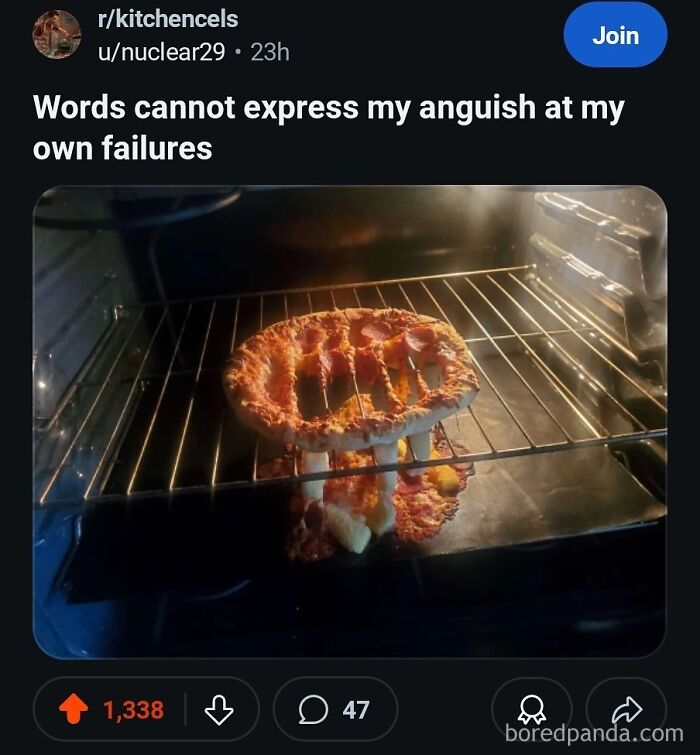
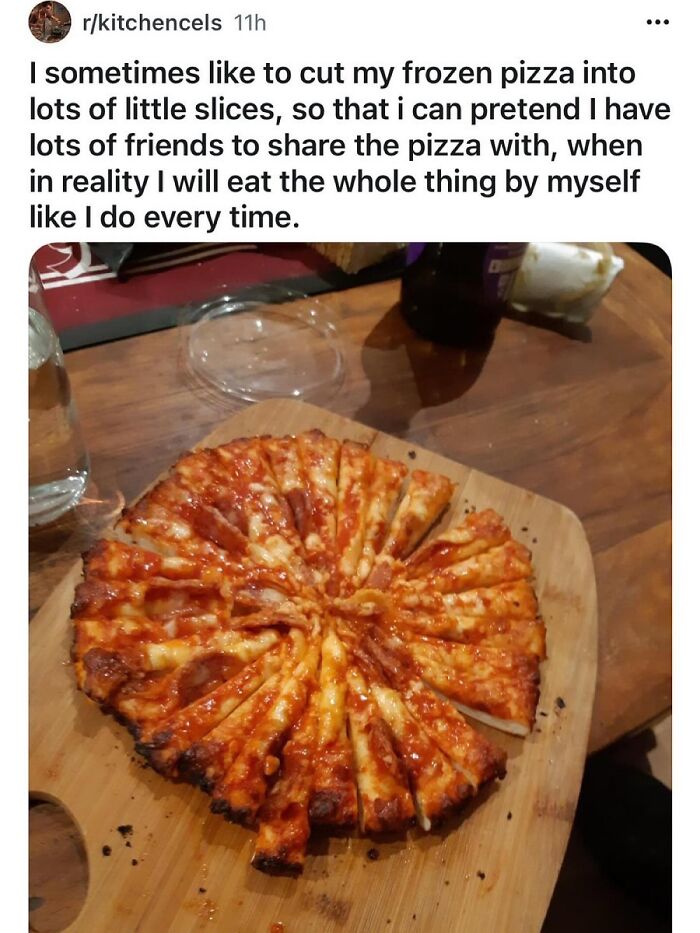
NOOOOOOOOOOOOOO 😭 at least the crust looks good...dip it in some marinara...
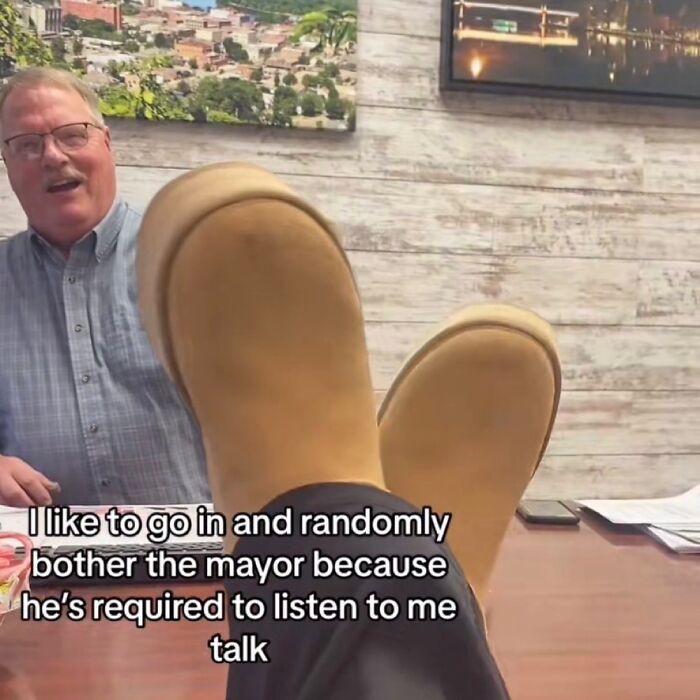
An ex-boyfriend went to talk to the mayor of our town because he couldn't find a job; walked out of the mayor's office a newly-minted garbage man.

That sounds like a solid, apparently innocent intro to a crime movie
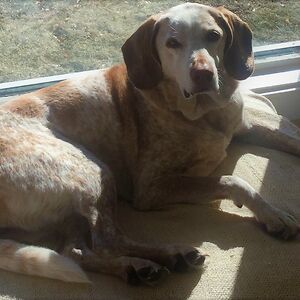
I once asked 4 nurses to marry me under the d***s they gave me to calm down before surgery. Now you know why I don’t drink!
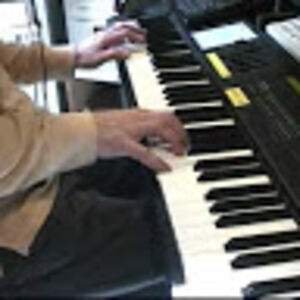
A secret no Pilates or Yoga instruct will tell you: it does not make a difference what moves you are even doing as long as you just find a way to move every joint and every muscle in your body and stretch every part of it. The key is doing the movements every day.
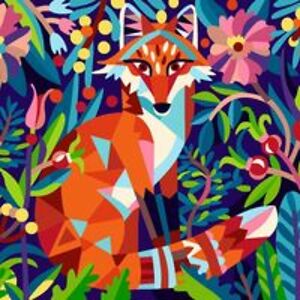
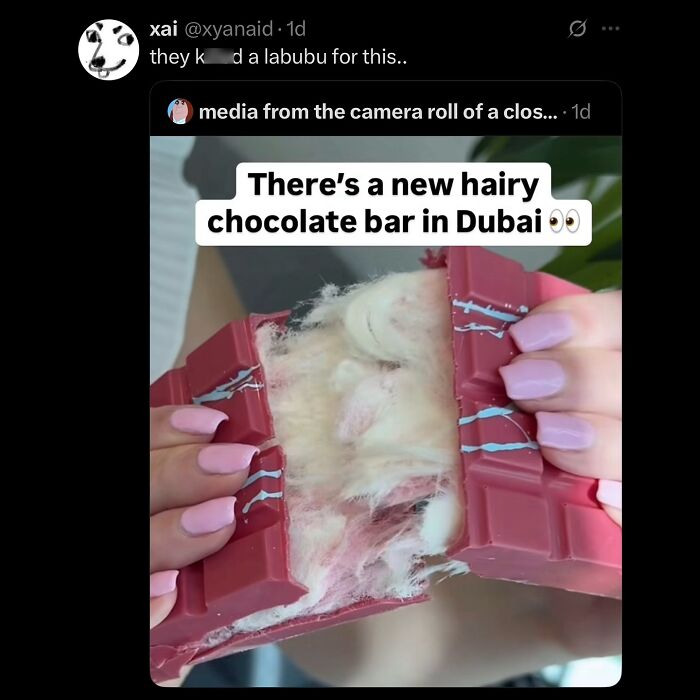
Look, I've been a vegetarian for nearly 35 years, and even I think that might be the best possible use for a Labubu.

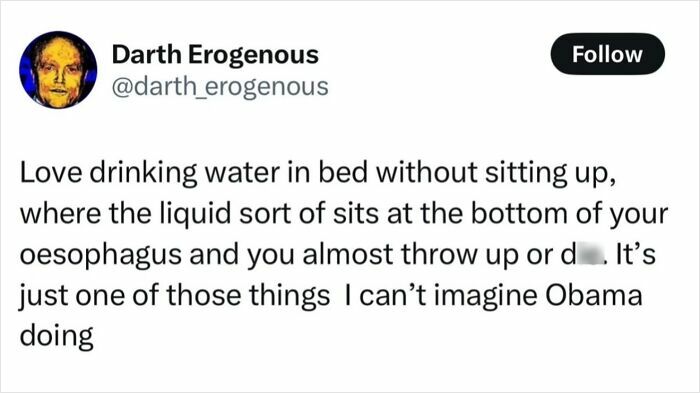
And if it’s from a cup ot trickles out of each side where cup meets corner of the lips and now you and your pillows and sheets are wet on top of sufföçatinğ yourself
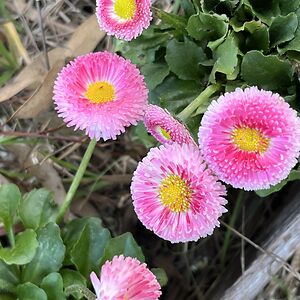
Truth is that most of the time you can pretty effectively judge a book by its cover
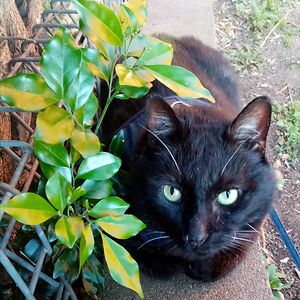
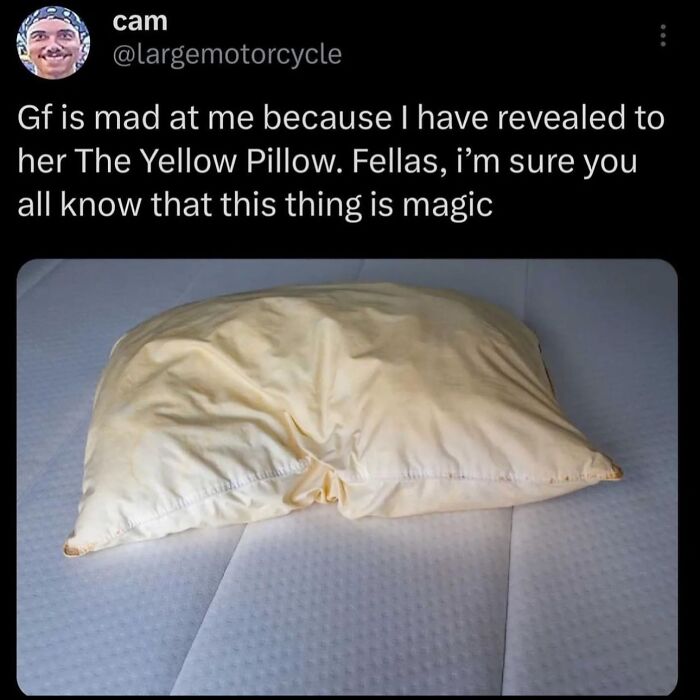
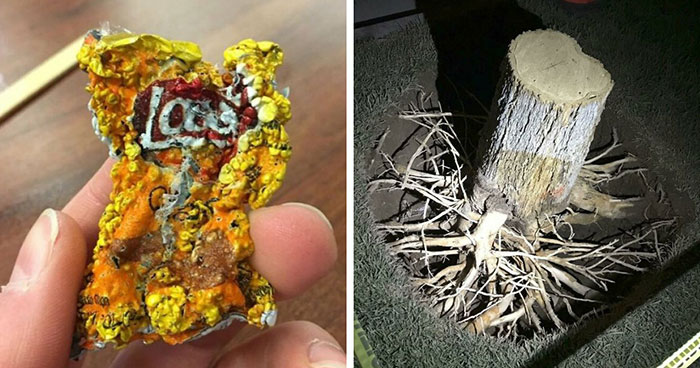
Appears 15 years old, maintains shape, nice yellow coverage overall, quite majestic

It would be much better to have a woman doing this, but it would be even better if you did it yourself.
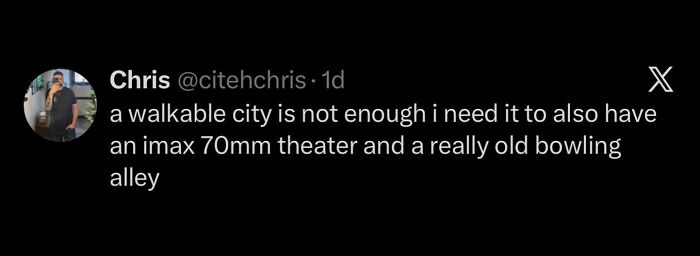
Pub near my FIL has a bowling alley that's about 300 years old - that OK ?
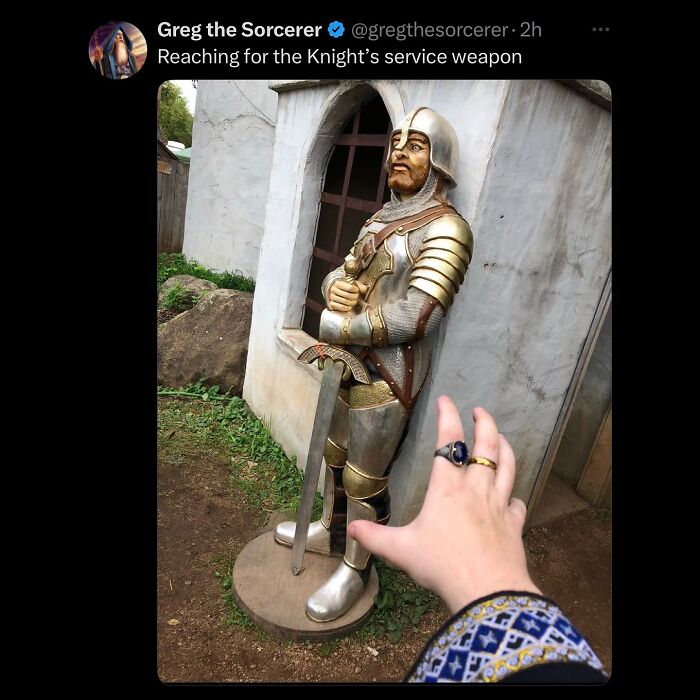
Seeing the expression on that knight's face would be enough to keep me away.
Well, that's certainly an Inside Thought™, but not entirely inaccurate
I was already seriously messed up thanks to a terrible night's sleep, but now I'm starting to think I'm genuinely going insane after reading whatever this is.
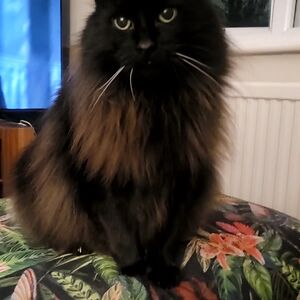
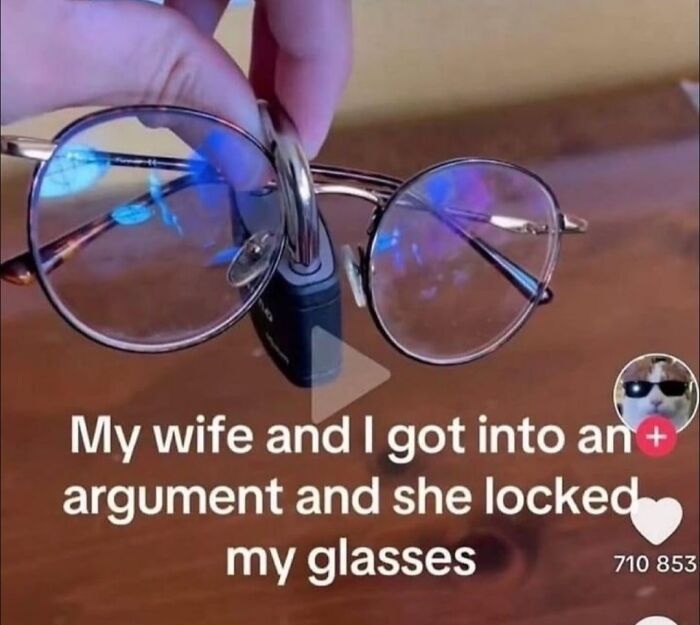
I wouldn't trust a hairdresser that can't tell when their client is wearing a wig












 No fees, cancel anytime