Get Premium
Dark mode theme is available exclusively for premium users. Learn more about the benefits of subscribing.
No fees, cancel anytime.

 Dark Mode Ad-Free Browsing Unlimited Content
 Ad-Free Browsing Unlimited Content Dark Mode
Join 1.2 million Panda readers who get the best art, memes, and fun stories every week!
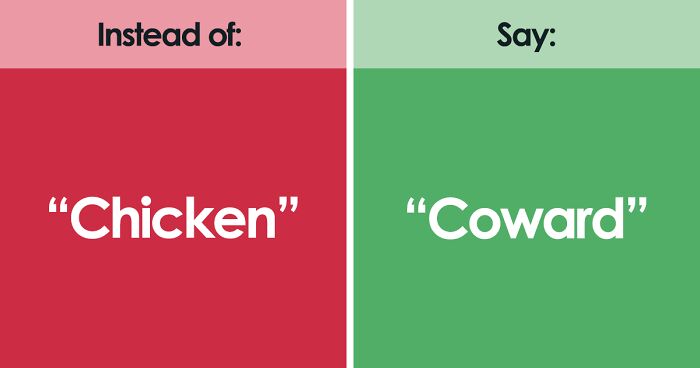
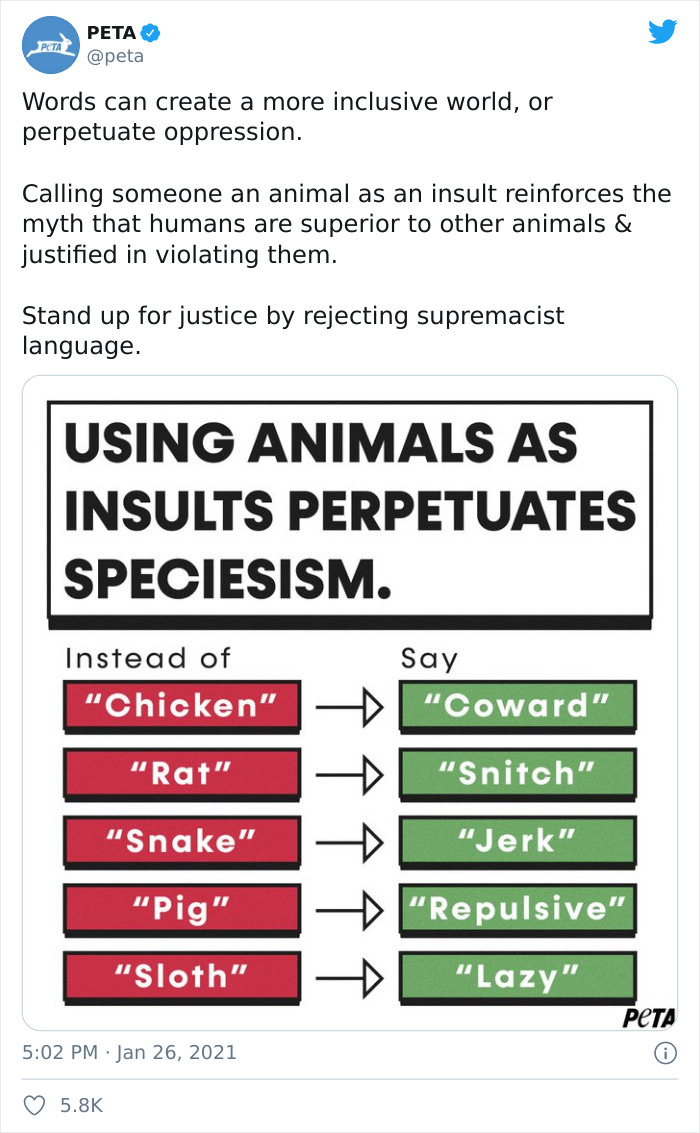
There’s probably no one who wouldn’t recognize the PETA logo… or the level of vitriol that usually follows it. As they say, the road to hell is paved with good intentions, and this animal-loving company certainly lives up to the expectation. And whether this will surprise you or not, PETA is at it again. The often-problematic organization delved right into another deep end, this time somewhat echoing itself when it comes to policing speech and trying to find issues where none exist. Previously, the organization wanted people to stop using phrases that involve animals (the story has been covered by Bored Panda before), and now PETA seems to find issue with the preconceptions of animal names in the English language.
Image credits: peta
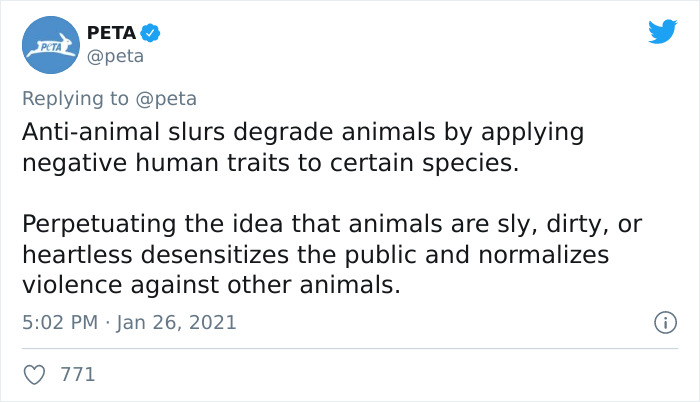
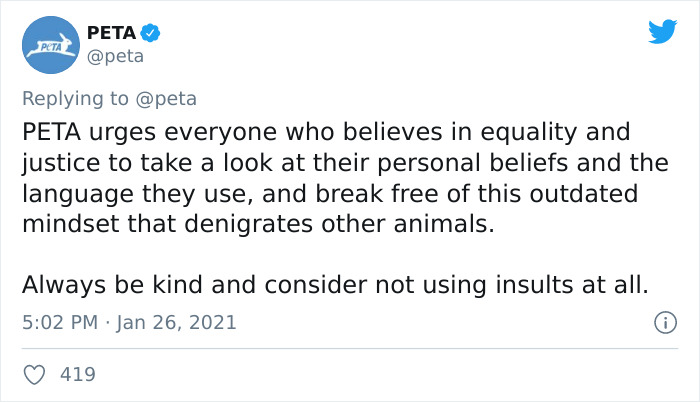
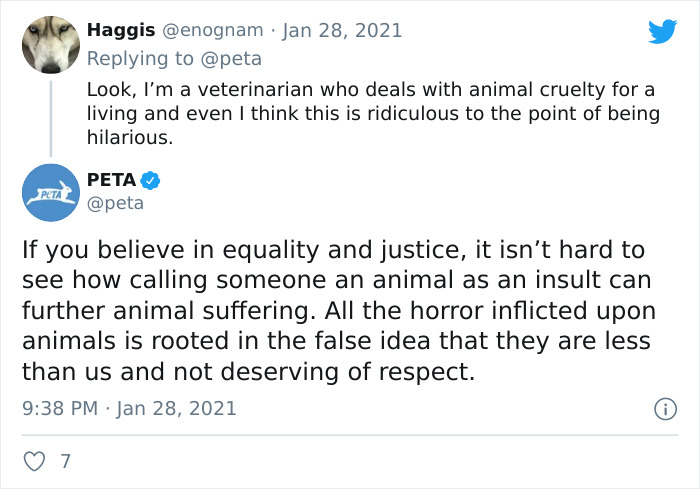
On paper, it seems like a good and valid point (hear me out here before grabbing pitchforks!). Insulting someone purely because of preconceptions without any merit shouldn’t be considered normal, so it’s a good idea to stop, isn’t it? However, PETA chose to fight the wrong fight, so to speak. According to them, people shouldn’t be called by animal names because it degrades the animal. PETA also argues that such language underlines the superiority of man.
Image credits: peta
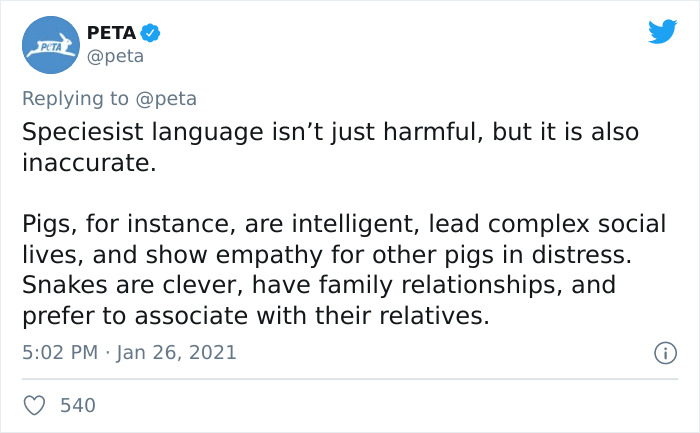
PETA claims that when you call someone a “snake” or a “pig,” you degrade the animal by giving them negative human-oriented traits. However, since that’s not how language works, their argument is shaky at best. Our definitions come from centuries-old past, when our descriptions came from what was around us. This is not a new thing, and if anything, the connotation of the word is based on the animal itself (which, sure, may have changed over time), not the other way around.
Image credits: peta
While the descriptions that are often attached to animals can be inaccurate at times, it’s important to keep in mind that language is not a fluttery thing that shifts with the wind. While certain connotations might be outdated or even factually inaccurate, they can be considered hyperbole—no one thinks that snakes are truly spies in disguise, but from the old times, they were associated with trickery, and it’s unlikely that if we stop referring to a traitorous person as a “snake,” the larger image of this animal will be impacted, since there’s a historic root that it stems from.
Image credits: peta
Here’s where they trip themselves—not only are they implying that calling people by animal names can be comparable to hate speech, there’s another issue of good connotation they missed. For example, “fox” is considered to be a good descriptor (e.g. smart like a fox). If we get rid of all the animal-associated descriptors from our language, we have to remove the good ones too—doesn’t that count as erasure of animal virtues? Point is, PETA overshot a bit with their attempt, which—while not entirely devious—is certainly ruffling some feathers.
Image credits: MrButterChicken
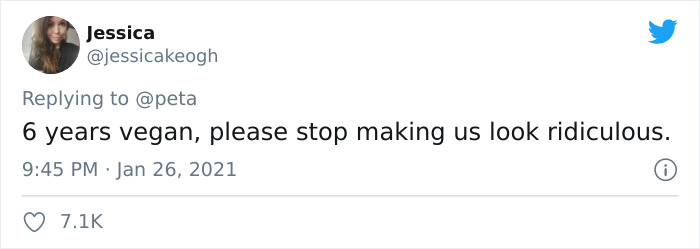
Image credits: jessicakeogh
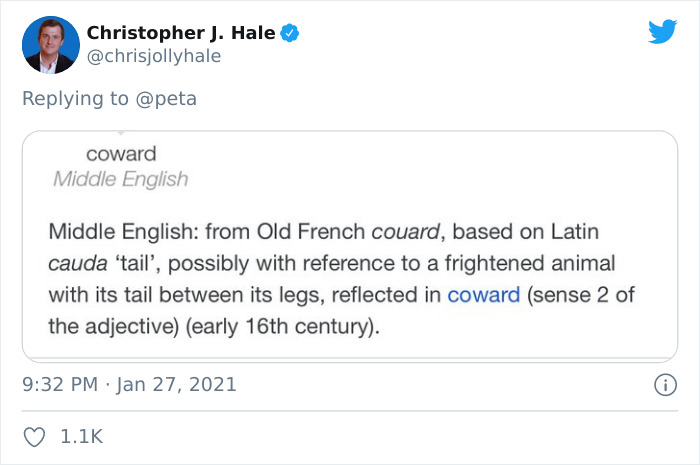
Image credits: chrisjollyhale
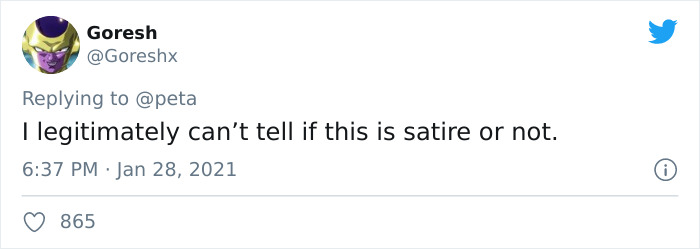
Image credits: Goreshx
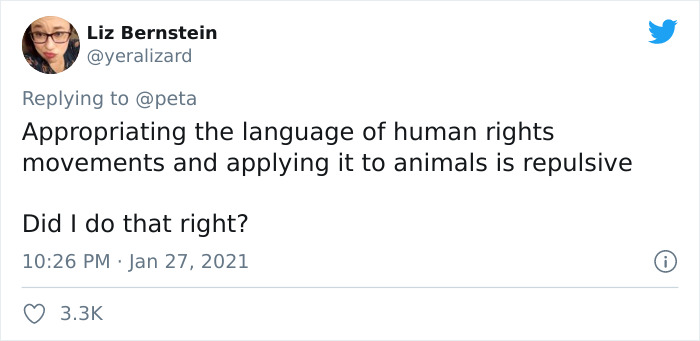
Image credits: yeralizard
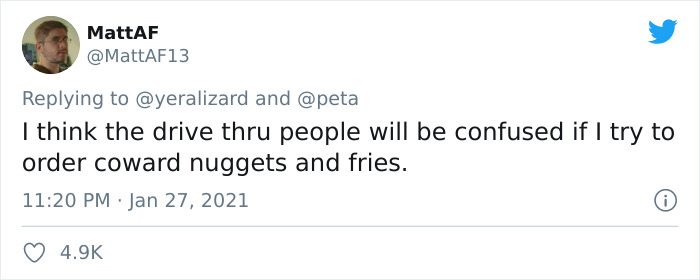
Image credits: MattAF13
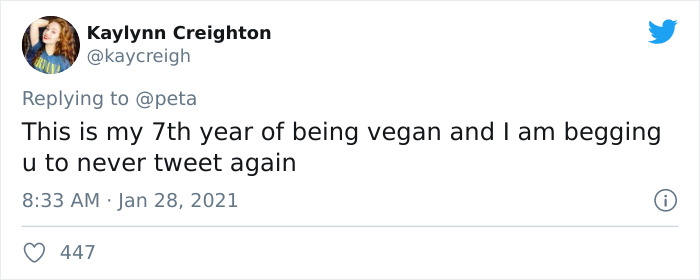
Image credits: kaycreigh
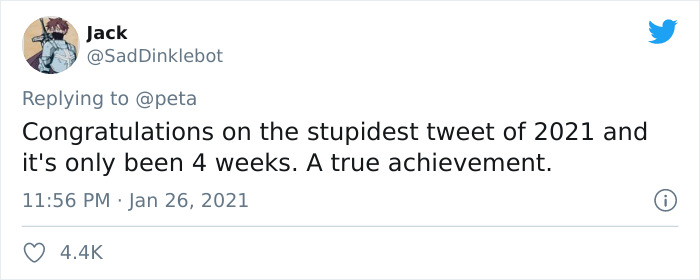
Image credits: SadDinklebot
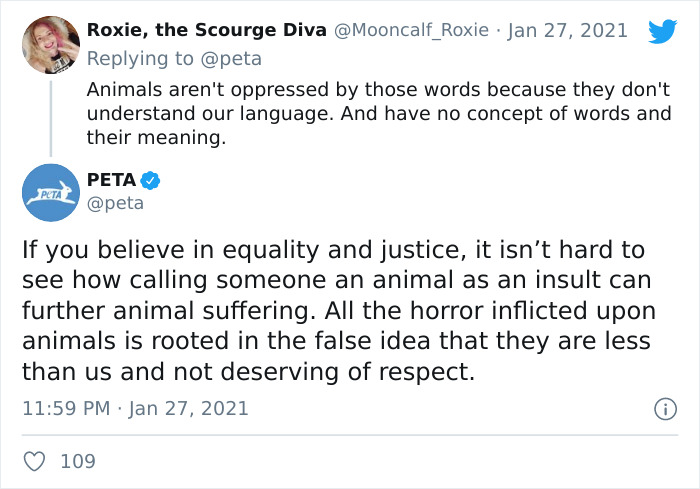
Image credits: peta
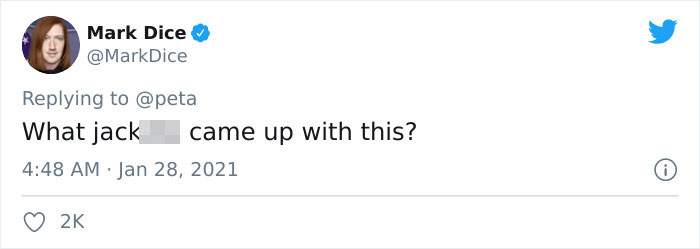
Image credits: MarkDice
Image credits: peta
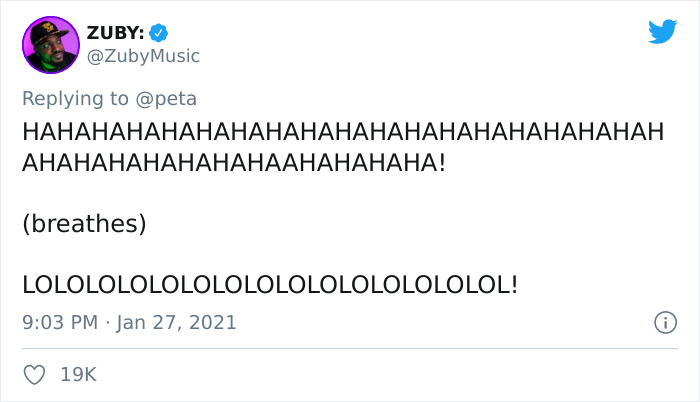
Image credits: ZubyMusic
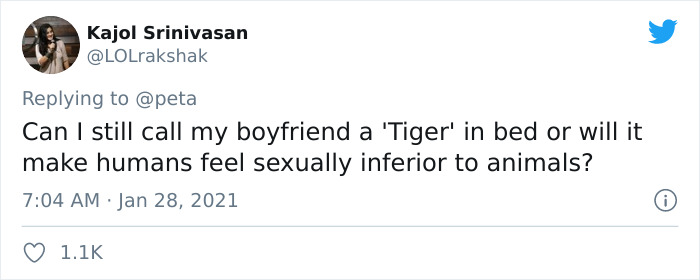
Image credits: LOLrakshak
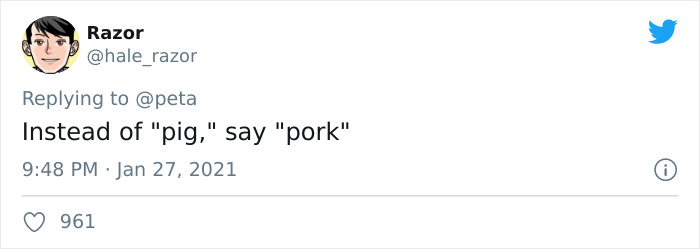
Image credits: hale_razor
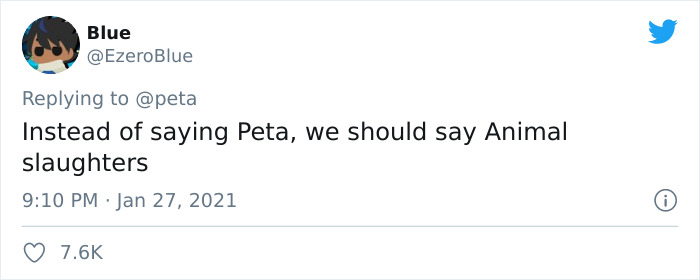
Image credits: EzeroBlue
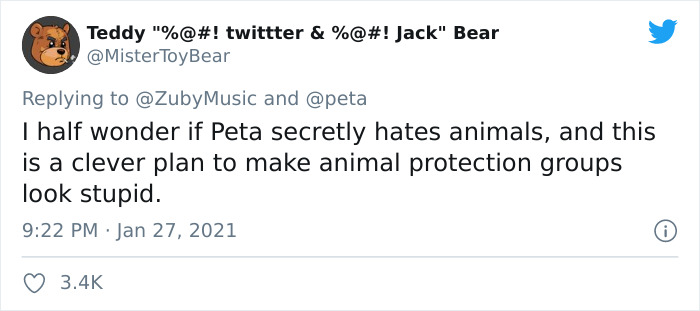
Image credits: MisterToyBear
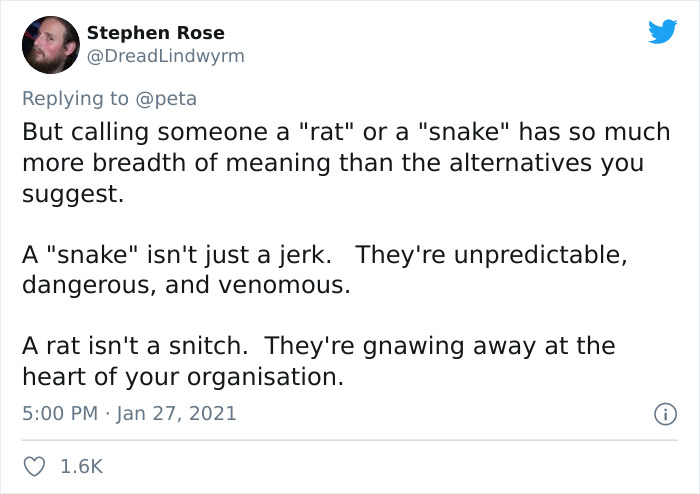
Image credits: DreadLindwyrm
230Kviews
Share on Facebook
The final straw for me where PETA was concerned was when they posted a picture of a bloodied sheep and insisted that this was what sheep look like after they're sheared. You can see sheep shearing online, you can go to agricultural fairs and see sheep being sheared, and IT DOESN'T LOOK ANYTHING LIKE THAT!!! They're pink and bald for a while, that's it.

Yeah, and I’m pretty sure they had a “leather factory” worker cut a cow open alive, when it was just a peta worker(?) or follower.
Load More Replies...
What about mass animal genocide (Maya the dog.)? PETA's also pretty good at being hypocritical (no-kill mouse traps.) and ableist (milk causes autism campaign.) too. And overreactive (WH40k controversy.). And disrespectful (Steve Irwin fiasco.). And apparently has no value of human life (literally comparing the life of a little girl to a rat, i sh*t you not. one shall not be considered sh*tted.). Oh, and also they plagiarize (Pokémon Black-Blue.) and spread misinformation (Super Tofu Boy.).
Load More Replies...
Ugh... I loathe to agree with PETA because they are idiotic beyond comprehension, but the point they are making is being lost in their inability to express it. -- The fact that animals "can't be offended" is not the point. This misunderstanding of prejudice can be seen in the way we treat fellow humans... so I get my back up when I see people making this fallacy -- The problem isn't how the animal would feel, the problem is how it makes PEOPLE feel about the animals. For example, calling someone a "bird brain" perpetuates the myth that birds are dumb, and while many of them are, some aren't. Crows and Parrots are actually smarter than Dogs. -- So in this example, the problem would be: "oh, it is just a crow, no need to care about it, it is a dumb bird", which could be harmful to the bird. But if you realize that crows are surprisingly self aware, and have the reasoning ability of a 7 year old... you might feel more compassion for their wellbeing.

People aren't missing the point. They're just sick and tired of being told that everything is offensive.
Load More Replies... The final straw for me where PETA was concerned was when they posted a picture of a bloodied sheep and insisted that this was what sheep look like after they're sheared. You can see sheep shearing online, you can go to agricultural fairs and see sheep being sheared, and IT DOESN'T LOOK ANYTHING LIKE THAT!!! They're pink and bald for a while, that's it.
Yeah, and I’m pretty sure they had a “leather factory” worker cut a cow open alive, when it was just a peta worker(?) or follower.
Load More Replies... What about mass animal genocide (Maya the dog.)? PETA's also pretty good at being hypocritical (no-kill mouse traps.) and ableist (milk causes autism campaign.) too. And overreactive (WH40k controversy.). And disrespectful (Steve Irwin fiasco.). And apparently has no value of human life (literally comparing the life of a little girl to a rat, i sh*t you not. one shall not be considered sh*tted.). Oh, and also they plagiarize (Pokémon Black-Blue.) and spread misinformation (Super Tofu Boy.).
Load More Replies... Ugh... I loathe to agree with PETA because they are idiotic beyond comprehension, but the point they are making is being lost in their inability to express it. -- The fact that animals "can't be offended" is not the point. This misunderstanding of prejudice can be seen in the way we treat fellow humans... so I get my back up when I see people making this fallacy -- The problem isn't how the animal would feel, the problem is how it makes PEOPLE feel about the animals. For example, calling someone a "bird brain" perpetuates the myth that birds are dumb, and while many of them are, some aren't. Crows and Parrots are actually smarter than Dogs. -- So in this example, the problem would be: "oh, it is just a crow, no need to care about it, it is a dumb bird", which could be harmful to the bird. But if you realize that crows are surprisingly self aware, and have the reasoning ability of a 7 year old... you might feel more compassion for their wellbeing.
People aren't missing the point. They're just sick and tired of being told that everything is offensive.
Load More Replies...













 No fees, cancel anytime








184
206