Get Premium
Dark mode theme is available exclusively for premium users. Learn more about the benefits of subscribing.
No fees, cancel anytime.

 Dark Mode Ad-Free Browsing Unlimited Content
 Ad-Free Browsing Unlimited Content Dark Mode
Join 1.2 million Panda readers who get the best art, memes, and fun stories every week!

They like to say that what you don’t know can’t hurt you. But those people have probably not spent much time on the internet. Because here, sometimes all it takes for your blissfully ignorant bubble to burst is someone willing to call out your mistake.
But what if the mistake isn’t yours? What if the very person doing the correcting is the one whose blissfully ignorant bubble requires bursting? That’s where things really get interesting…
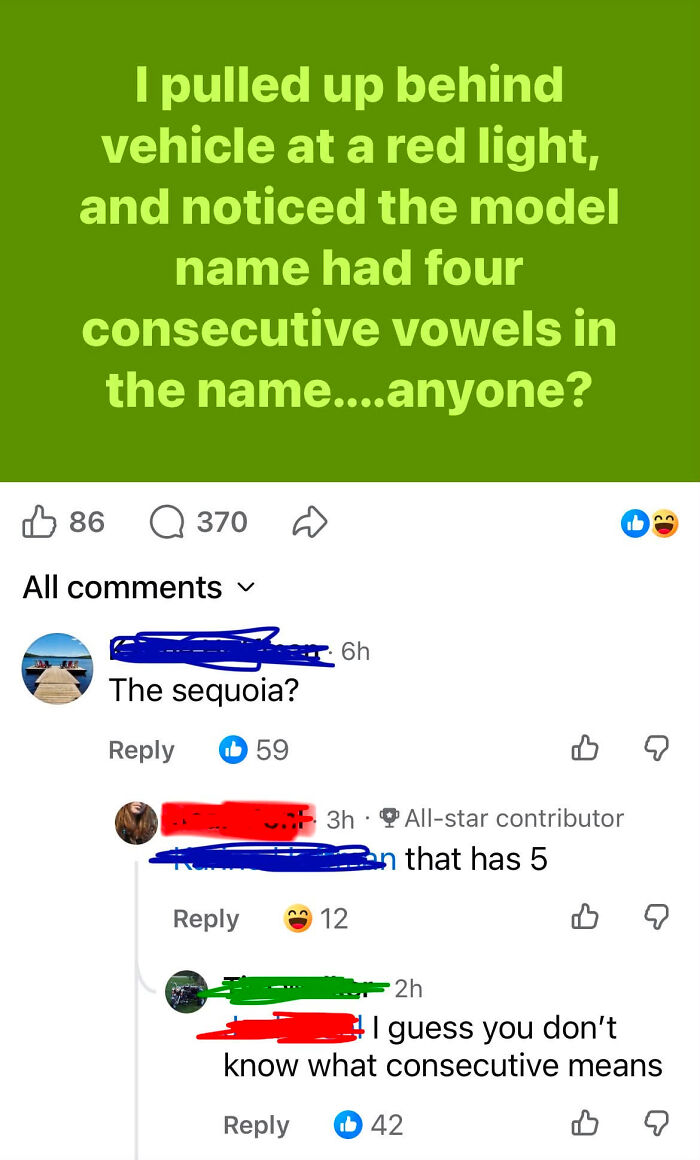
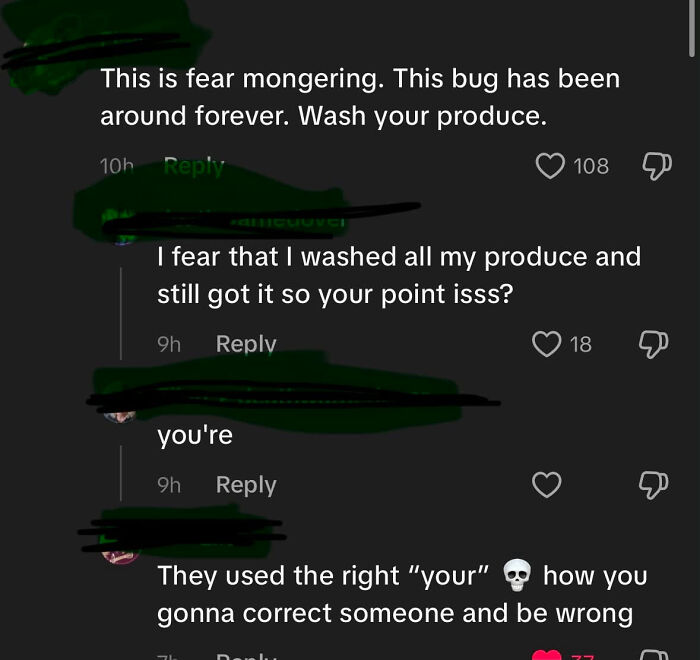
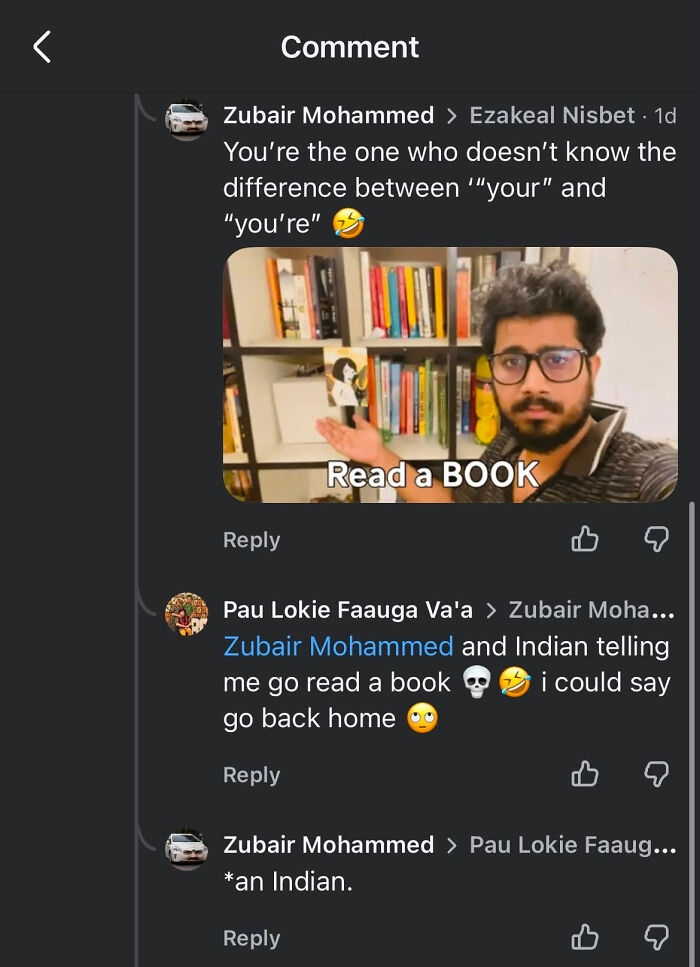
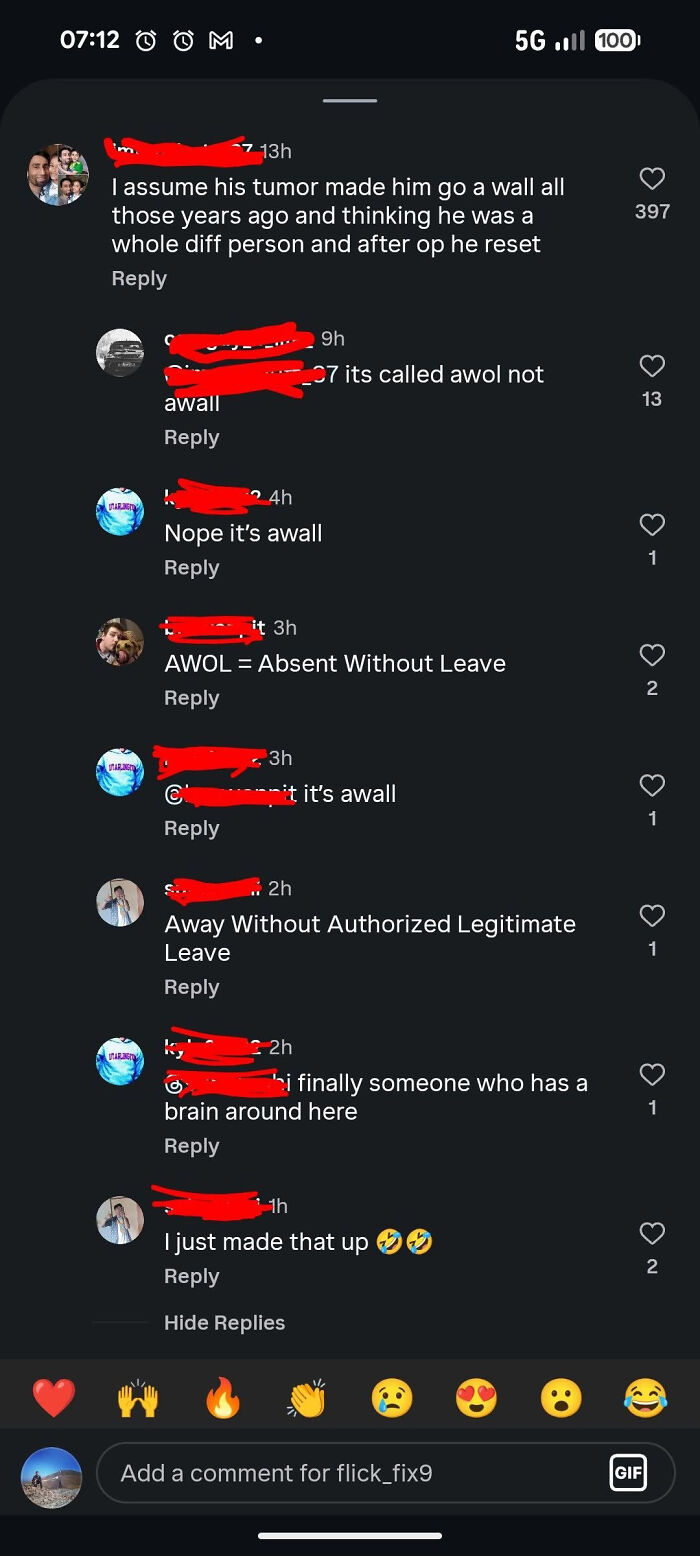
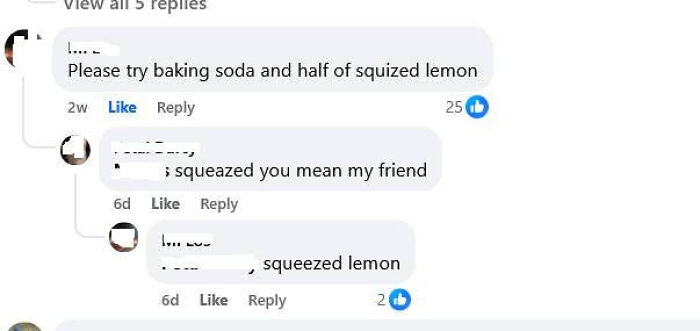
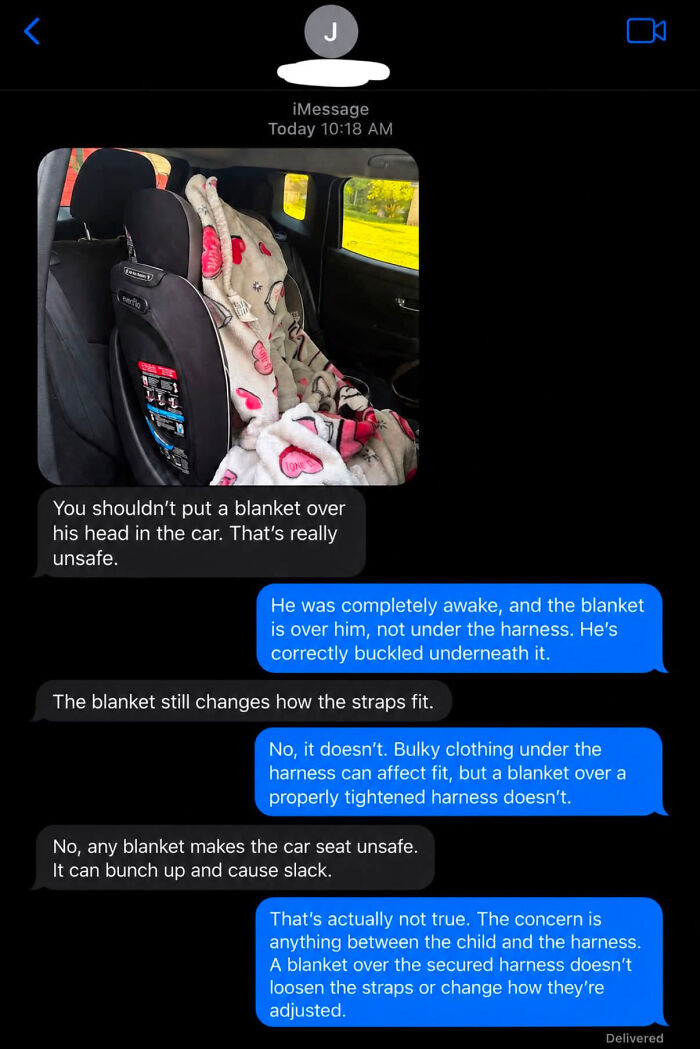
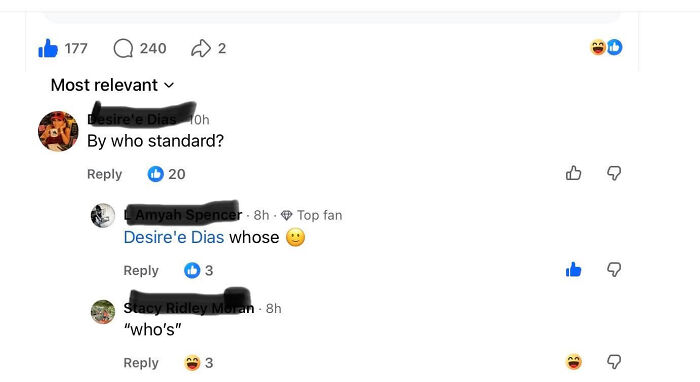
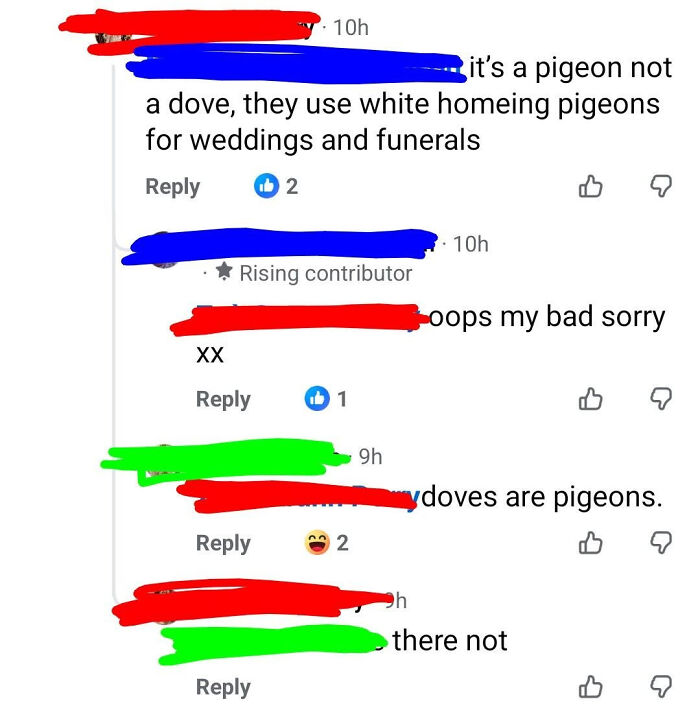
So interesting, in fact, that people have dedicated entire corners of the internet to sharing these spectacular misfires. In this list, we’ve gathered a few particularly humiliating examples, all of which were shared in the People Incorrectly Correcting Other People group on Facebook.
They’re a reminder that when it comes to the internet—and especially when it comes to correcting others—it pays to be certain you’ve got your facts straight. Or, as the saying goes, you better check yourself before you wreck yourself.
This post may include affiliate links.

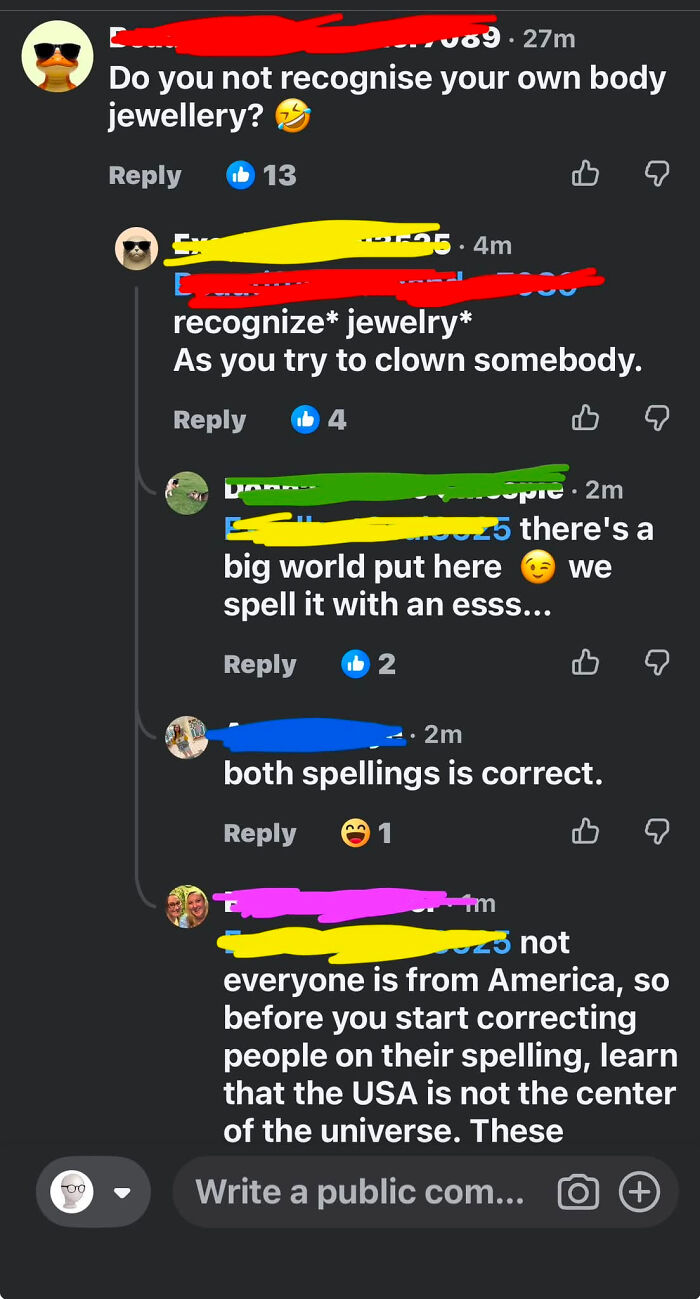
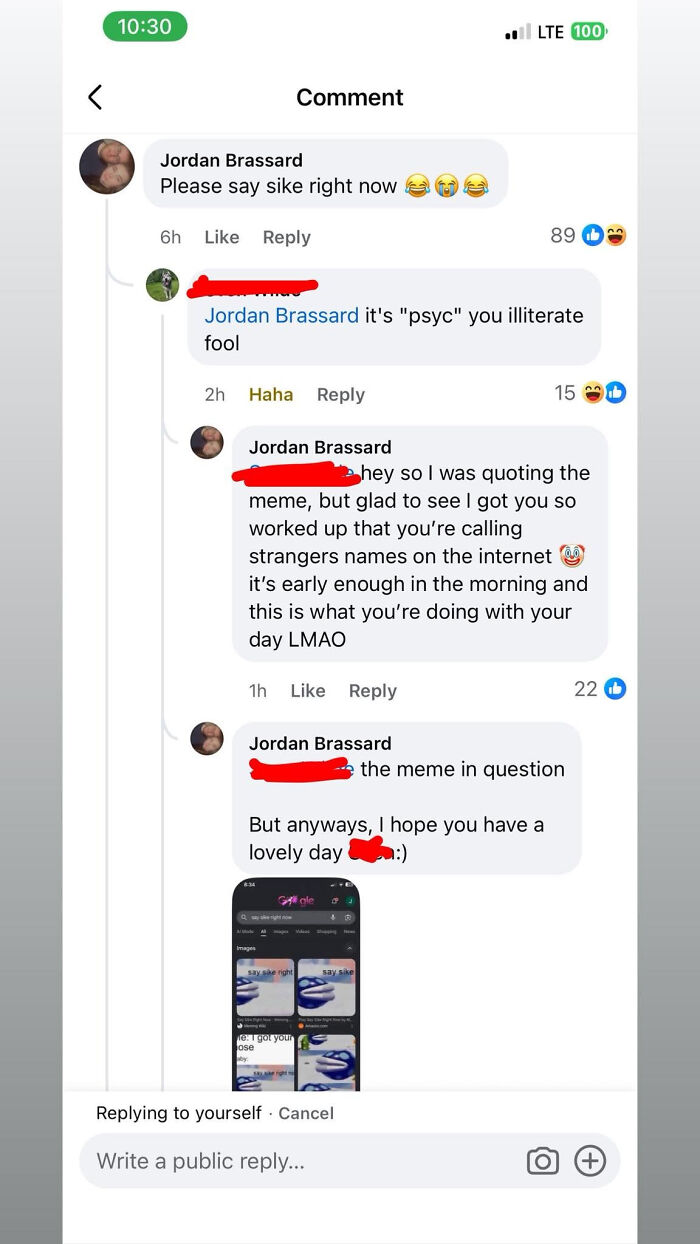
Think you're funny? Well just phyc off! (Let's see if this makes it past the censors.)
It seems a lot of people get an unhealthy amount of joy out of correcting other people online. So much so that journalist Sarah Todd calls it “one of the many unexpected side effects of the internet,” one that reveals “just how many people lose the capacity for emotional self-regulation when confronted with a misused semicolon.”
Psychotherapist Stacey Alvarez, LMFT, takes this even further, calling correcting others online “a defining feature of digital interaction.”
What both Alvarez and Todd point to is the peculiar culture of correction online, where calling out other people’s mistakes can feel almost irresistible—and can look very different from the way we might handle the same slip-up IRL.
This is why BP is my only "social media" site and no one knows my real name. I can just imagine not using the old cranial capacitor on a bad day and I would be an international meme on stupidity for the rest of my life, complete with my name and photo beside it.
Todd uses an endearing example from The Princess Diaries (2001) to illustrate her point: the scene where Mia takes a giant bite of a frozen palate cleanser at a fancy dinner and immediately regrets it. Rather than let her suffer alone, her two dinner companions dive in too, wincing through their own mouthfuls of “frozen green stuff,” as Todd puts it.
“They know the young princess has made a mistake, but rather than make her feel ashamed, their instinct is to make her feel less alone,” Todd explains. “In this way, they are the exact opposite of people who make other people feel bad about their grammar and punctuation on the internet.”
Granted, this is a scene from a movie—and a gloriously unrealistic one at that. But I’d like to believe it reflects something we’re at least more inclined to do when we’re face-to-face with someone rather than faced with a screen: consider their embarrassment before calling attention to their mistake. Sometimes that means swallowing our pride and letting a harmless error slide; other times, it means pointing it out quietly and respectfully rather than turning it into a spectacle.

And that, ladies and gentlemen, is why people keep voting for incompetence.
But that courtesy tends to evaporate the moment social media platforms, comment sections, and forums enter the picture.
Online, Alvarez says, correction stops being a private matter. “What might once have been a private clarification is now a public performance,” she explains, “and correction has shifted from an occasional act into a cultural reflex.”
She explains that this is partly because of how we’ve come to think about correction itself. Because we live in an age shaped by misinformation, disinformation, and rapidly circulating half-truths, “calling things out” has taken on a new kind of moral weight. To correct someone is framed as an act of care. To stay silent, by contrast, starts to look like enabling harm.
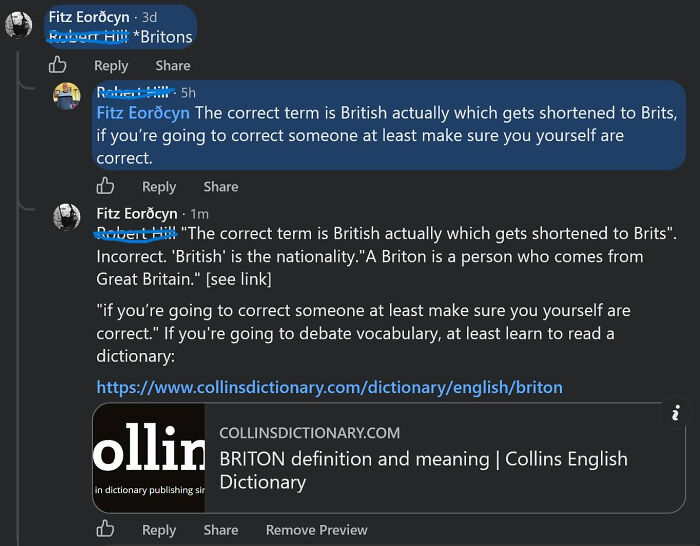
See? This is good - I learned something. I have always called people from Great Britain "Brits." Also, following a rabbit hole I just learned the following: "Les goddams (sometimes les goddems or les goddons) is an obsolete ethnic slur historically used by the French to refer to the English, based on their frequent expletives. The name originated during the Hundred Years' War (1337–1453) between England and France, when English soldiers achieved notoriety among the French for their frequent use of profanity and in particular the interjection "God damn"."
Under that framework, Alvarez says, correction isn’t just tolerated; it becomes virtuous. And the more visible, decisive, and confident the correction, the more virtuous it seems.
And this framing, she notes, isn’t entirely wrong: misinformation does cause real, lasting damage, and silence, in some cases, really can function as a kind of complicity. A culture that values truth, she argues, also has to make room for correcting falsehoods.
But something has shifted in how that correction actually plays out: “The line between protecting accuracy and policing people has blurred,” Alvarez says. Correction, she explains, is no longer always about the information itself. Just as often, it becomes about something else entirely—asserting authority, demonstrating superiority, or regulating how other people speak, think, or show up online.

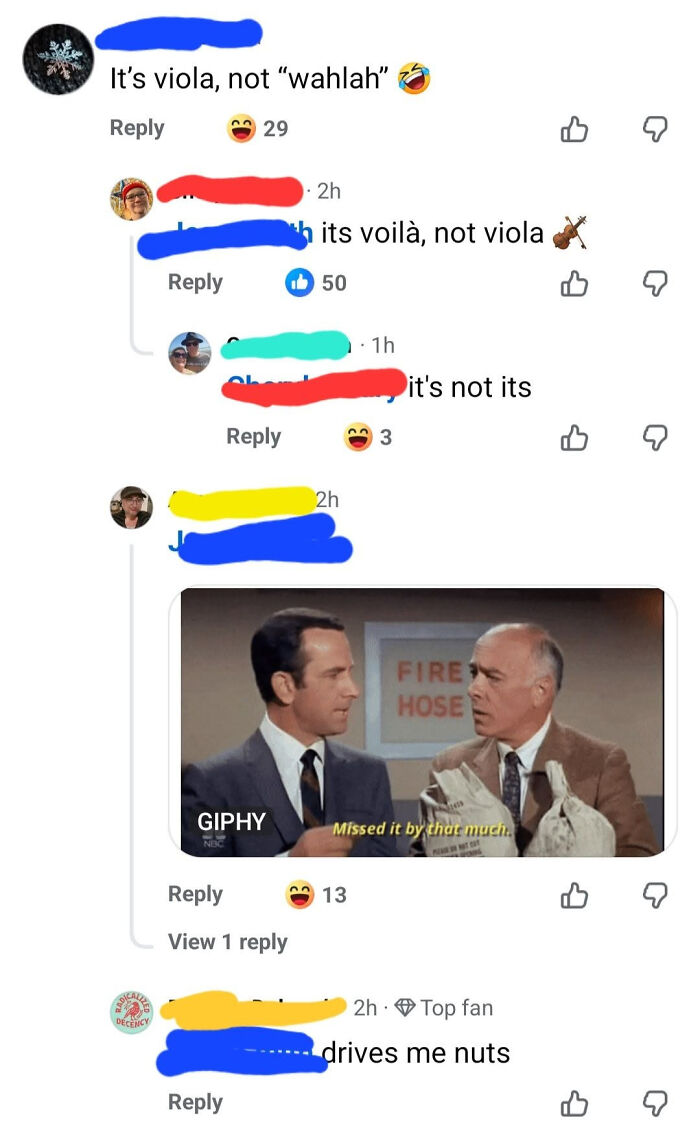
Fun fact: In a symphony orchestra, the violinists whose heads seem to be too small are actually violists.
Similarly, Todd suggests, “maybe the shock and fury expressed by some online commenters over a misspelled word is actually performative. It’s one thing to notice and even feel pained by a typo; it’s another to announce your pain to the world.”
And perhaps that’s what makes examples like the ones in this list so satisfying. There’s a particular kind of irony in coming in hot to school someone else on a mistake, only to reveal that the real mistake was yours all along. Maybe it’s karma. Maybe it’s the internet’s way of keeping us humble.
But either way, when the tables turn and the “corrector” becomes the corrected, all that confidence makes the backfire all the more spectacular—the kind of moment that’s simply too good not to screenshot.
Let us know which of these had you cringing the most!

My blood pressure just went through the roof. I'm going to stop now, at #4, before I see what other horrors await my eyes..

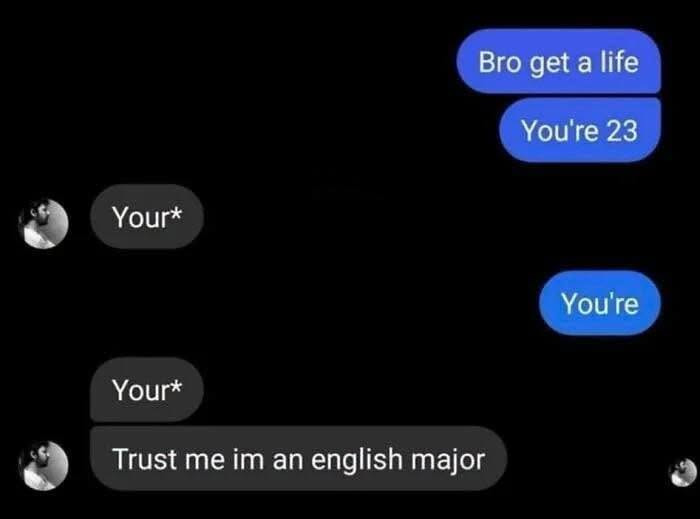
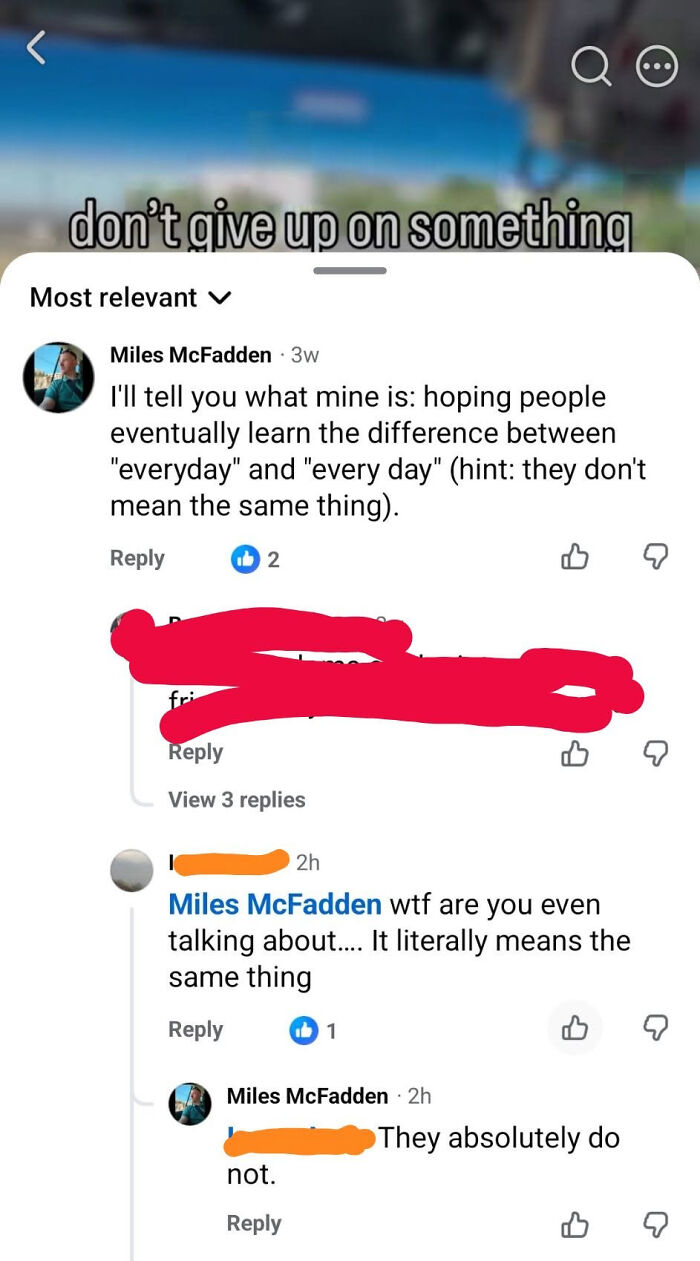
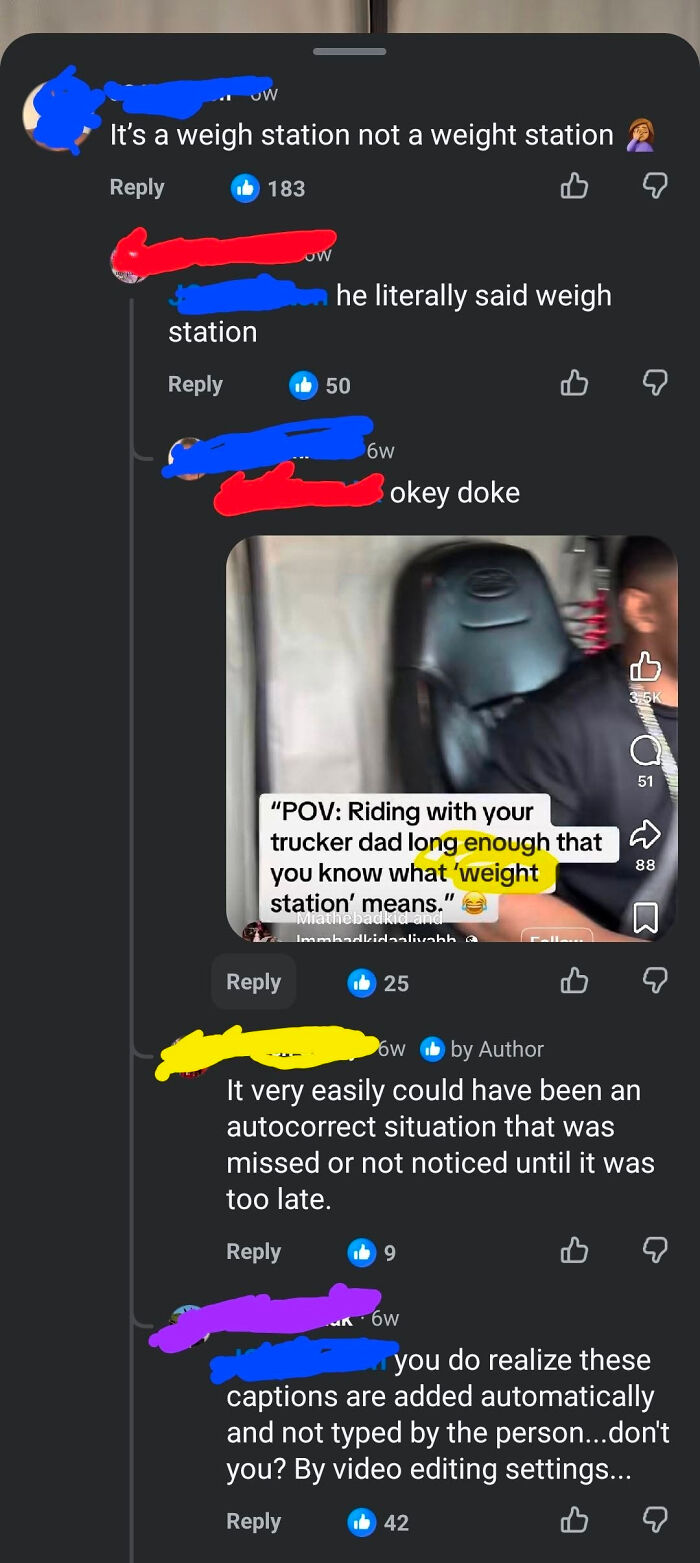
"Everyday" means commonplace or ordinary, while "every day" means each day.
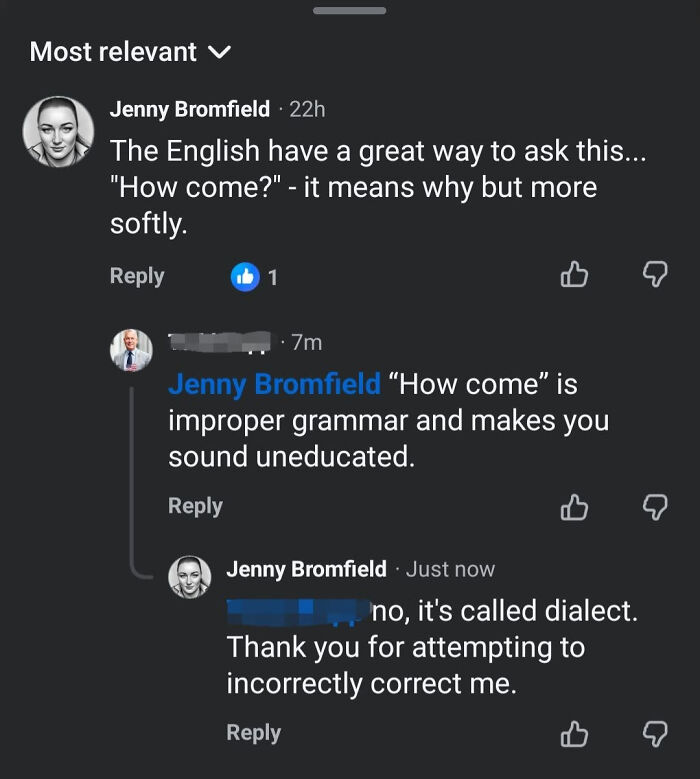
"How come you thus estranged?" (Love's Labour's Lost, Act 5 Scene 2).

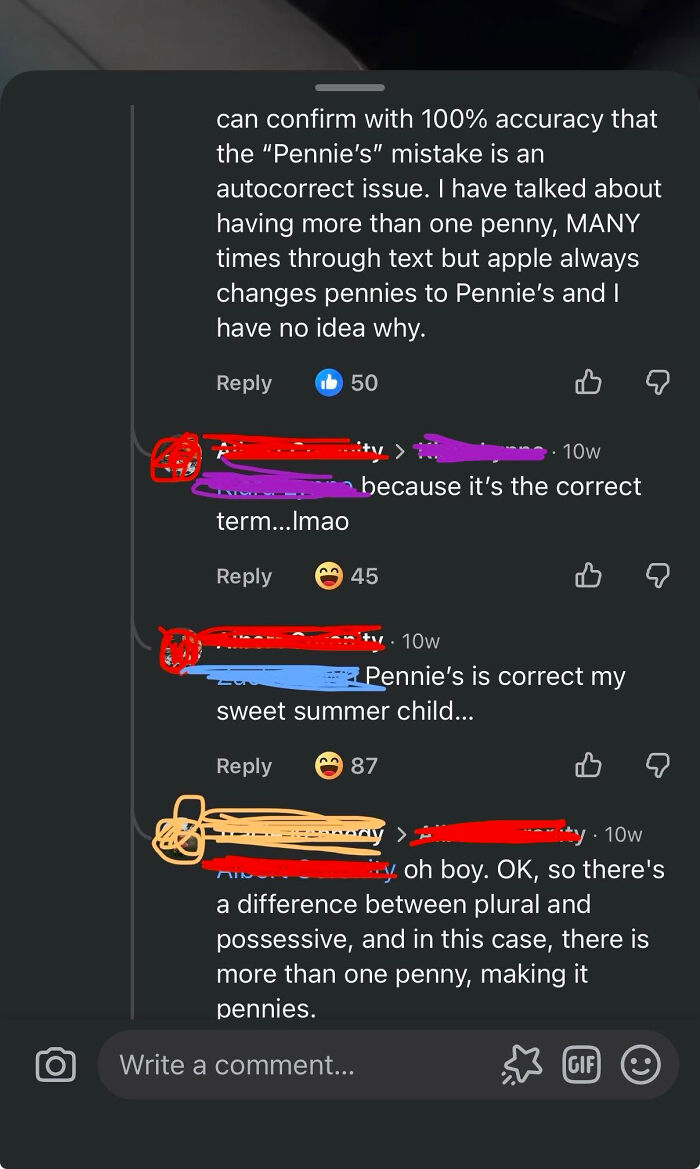
Penny's car was pink, but she drove it to Pennies to get supplies, for all she had in her car were small coins, that were copper and worth only 1p.
Once I fell for the "If there's fog over the beach you won't get sun burned" foolishness. Second worst sunburn of my life and a good lesson back in the 70s.
If you're talking about the diarrhoea parasite, washing your produce won't get rid of it. Only cooking it can k**l it.

TWO uncensored bad words in that person's username! My virgin eyes!!
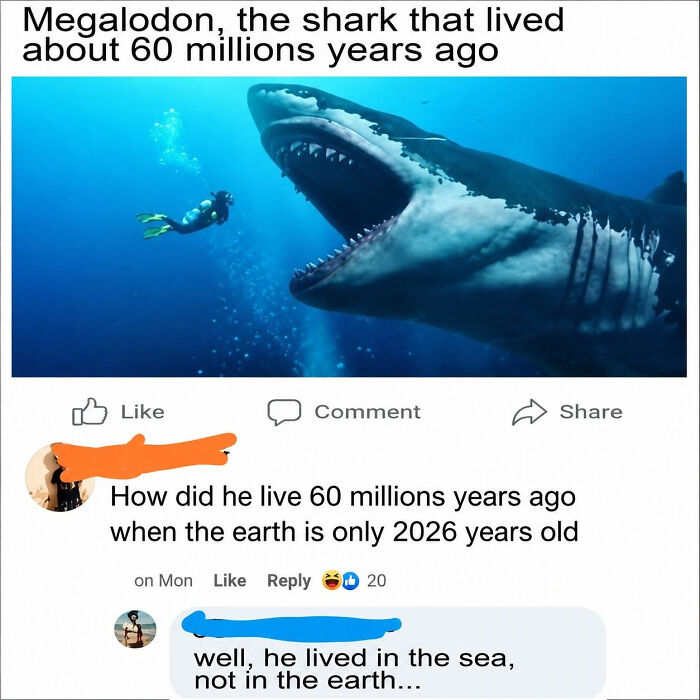
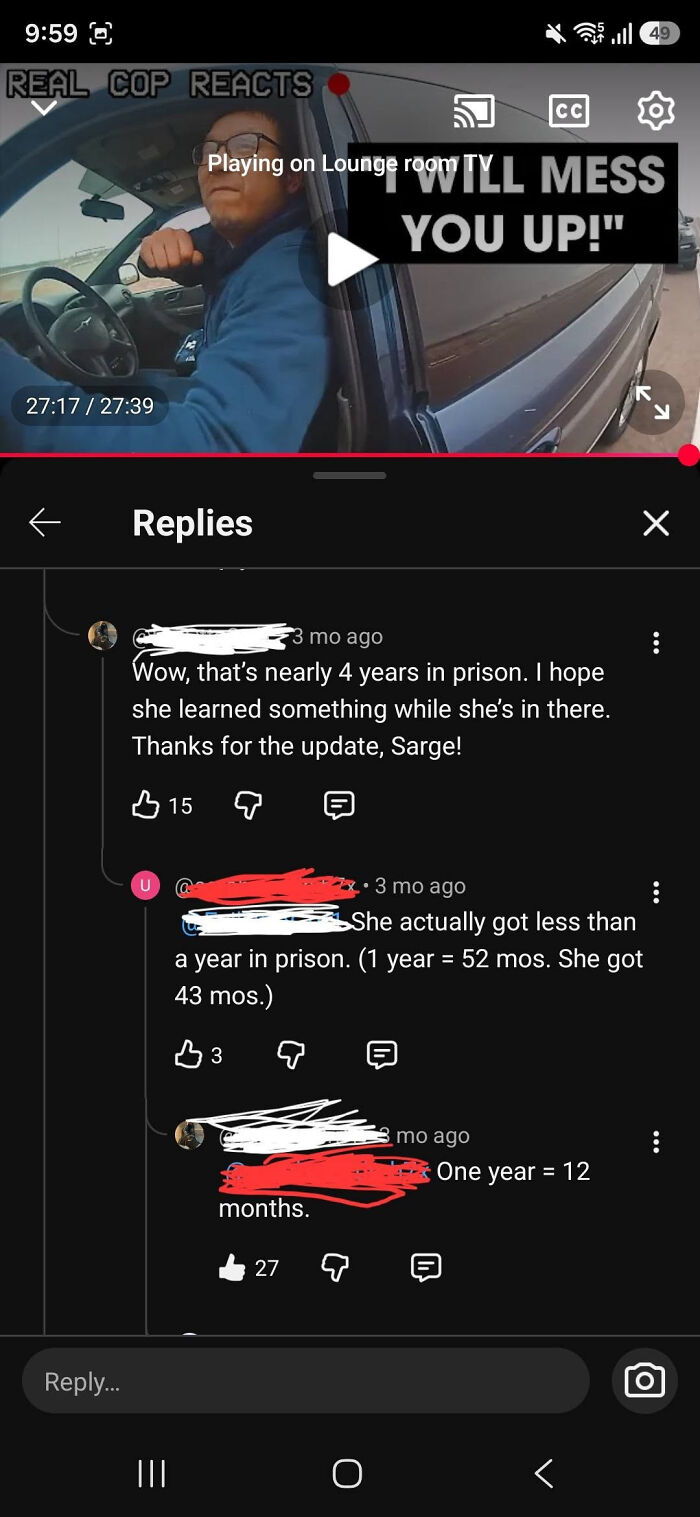
Dang. If a year is 52 months, I'm only 10 years old, not 44 years old. Yay! No need to be an adult any more XD

Do these people have nothing better to do than argue rubbish? I am starting to think that the Matrix is a good idea to make use of those who cannot think.
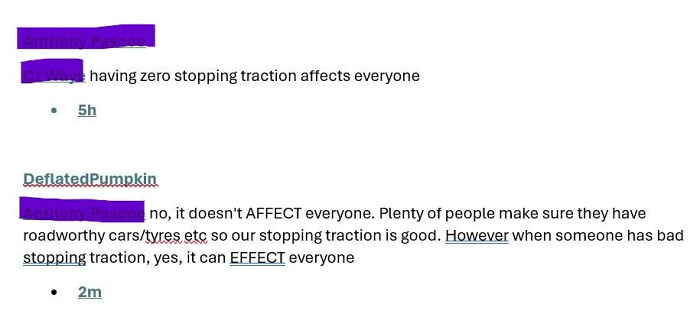
Remember, everyone, things that have an EFFECT on people will indeed AFFECT their lives! XD
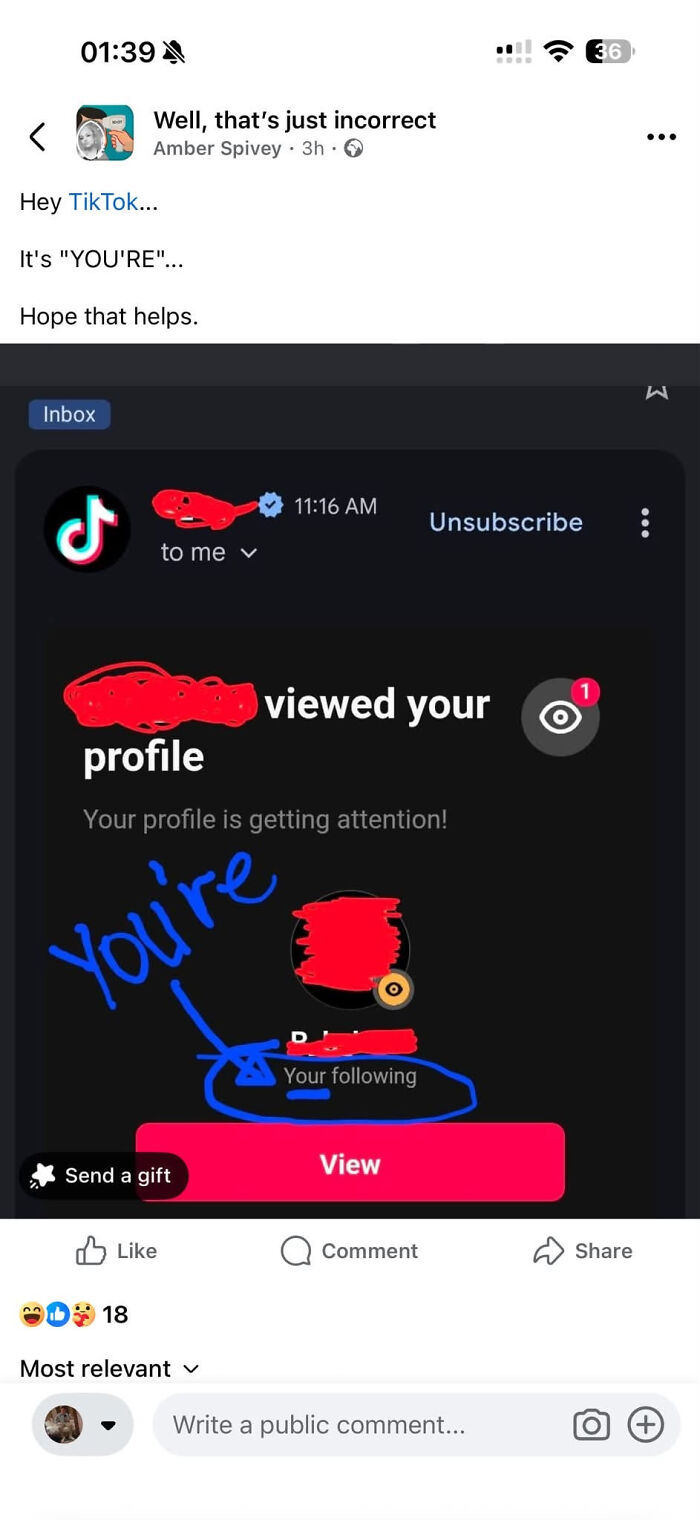
This is amazing and Ironic given the whole post is about exactly this! The original dude is right here Tiktok and BP are wrong: It's *your* profile - it belongs to you. He would be *your* follower - if he followed you. But its *you're* following - *you are* following that person.
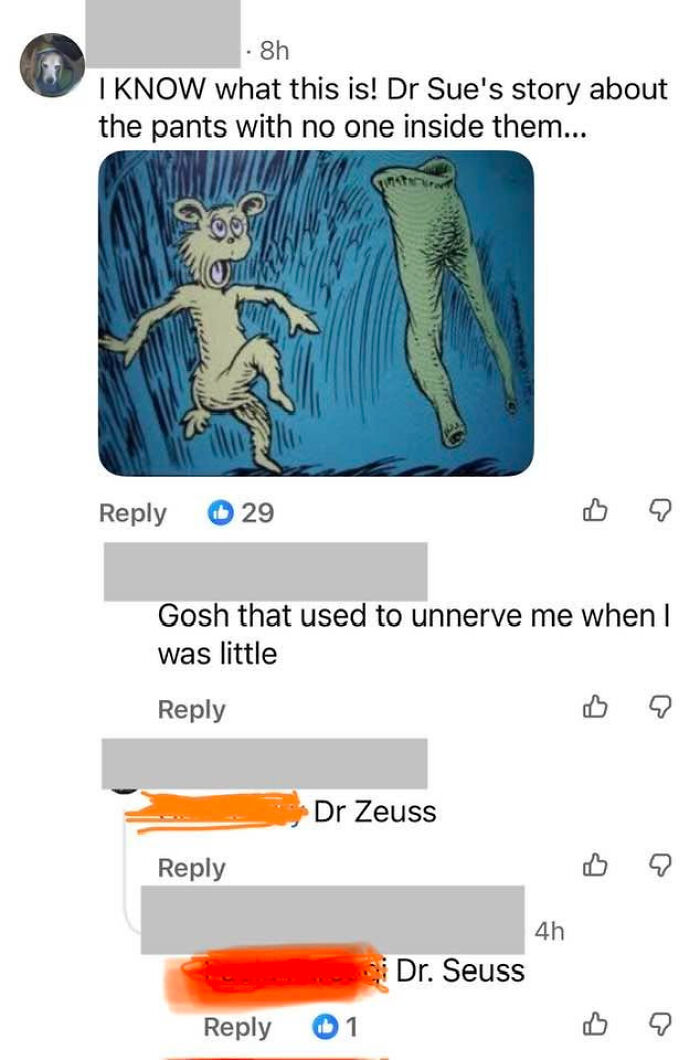
He WAS the chief god of childrens' storytelling, however, so maybe . . . . ;-)

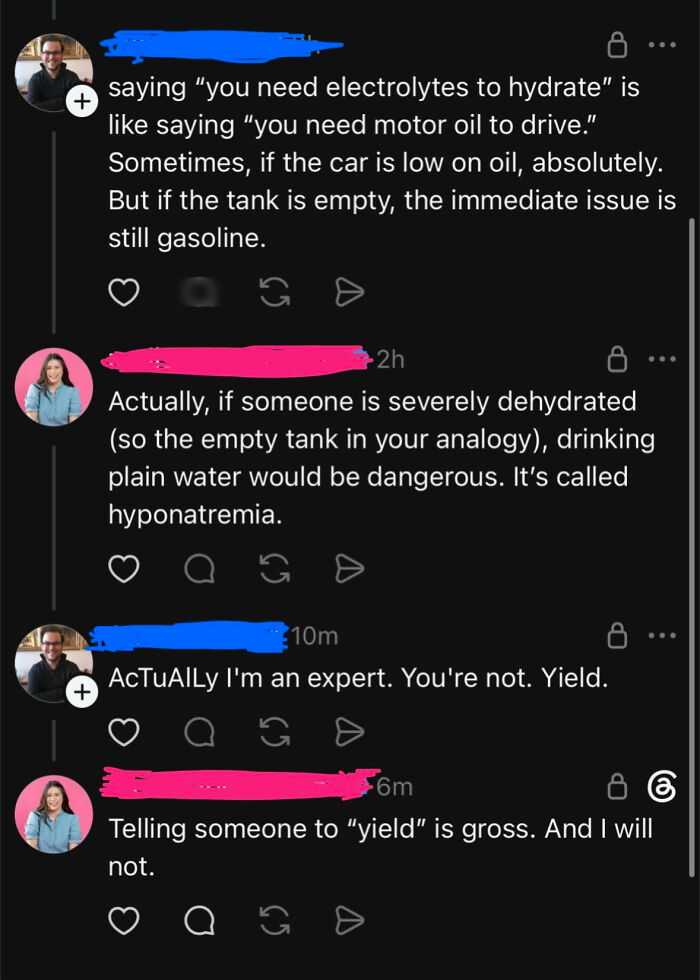
WIKIPEDIA. Hyponatremia is low sodium (an electrolyte) and usually associated with drinking TOO MUCH water.
Are we not going to address "old wise tale" because we're all so aghast at "eggcorn", though?! XD
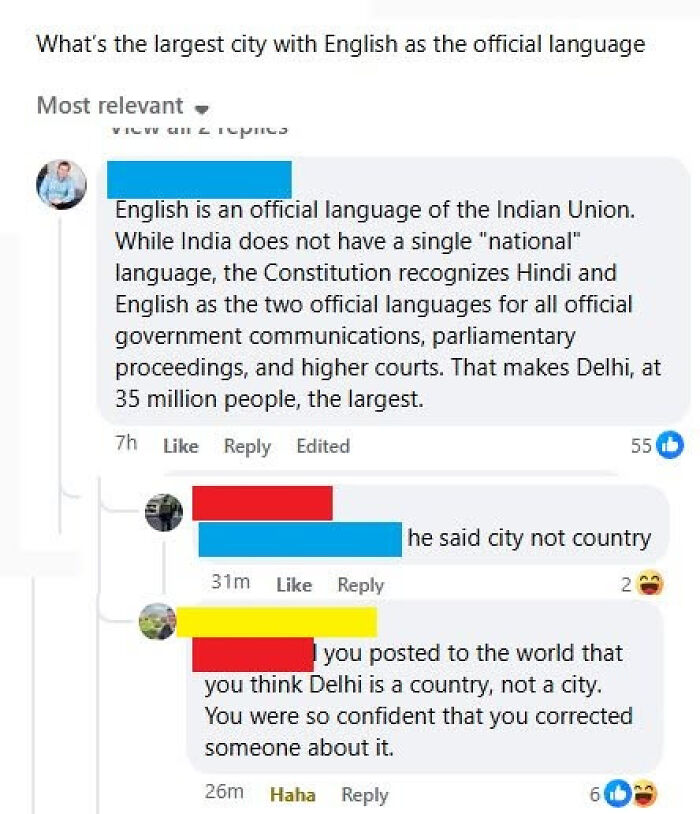
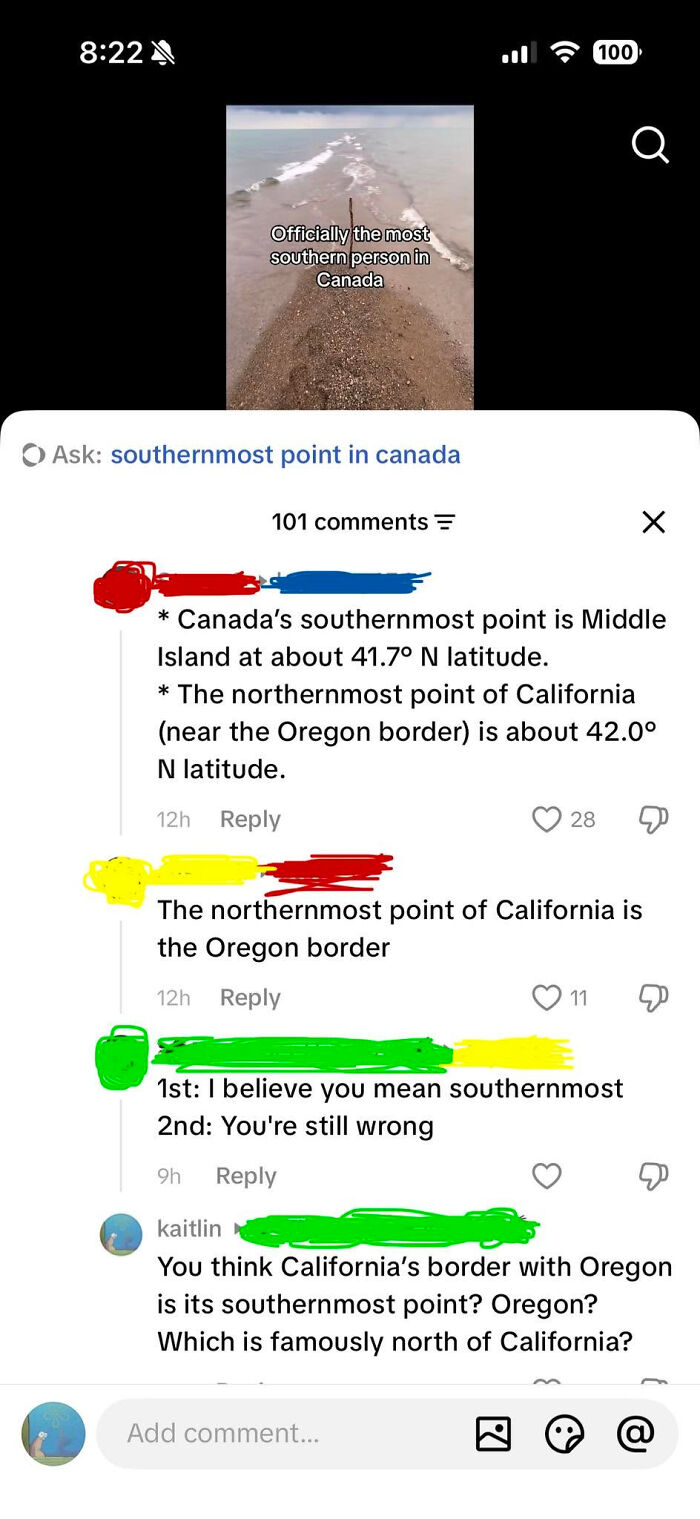
As a lifelong Californian, I am pretty sure it's Mexico that is a two-hour drive to the south of me, not Oregon XD
I did look this up and it said: "Mites are small arachnids (eight-legged arthropods) of two large orders, the Acariformes and the Parasitiformes, which were historically grouped together in the subclass Acari. However, most recent genetic analyses do not recover the two as each other's closest relative within Arachnida, rendering the group invalid as a clade. Most mites are tiny, less than 1 mm (0.04 in) in length, and have a simple, unsegmented body plan. The small size of most species makes them easily overlooked; some species live in water, many live in soil as decomposers, others live on plants, sometimes creating galls, while others are predators or parasites. This last type includes the commercially destructive Varroa parasite of honey bees, as well as scabies mites of humans. Most species are harmless to humans, but a few are associated with allergies or may transmit diseases. The scientific discipline devoted to the study of mites is called acarology." <-- Wiki Diki

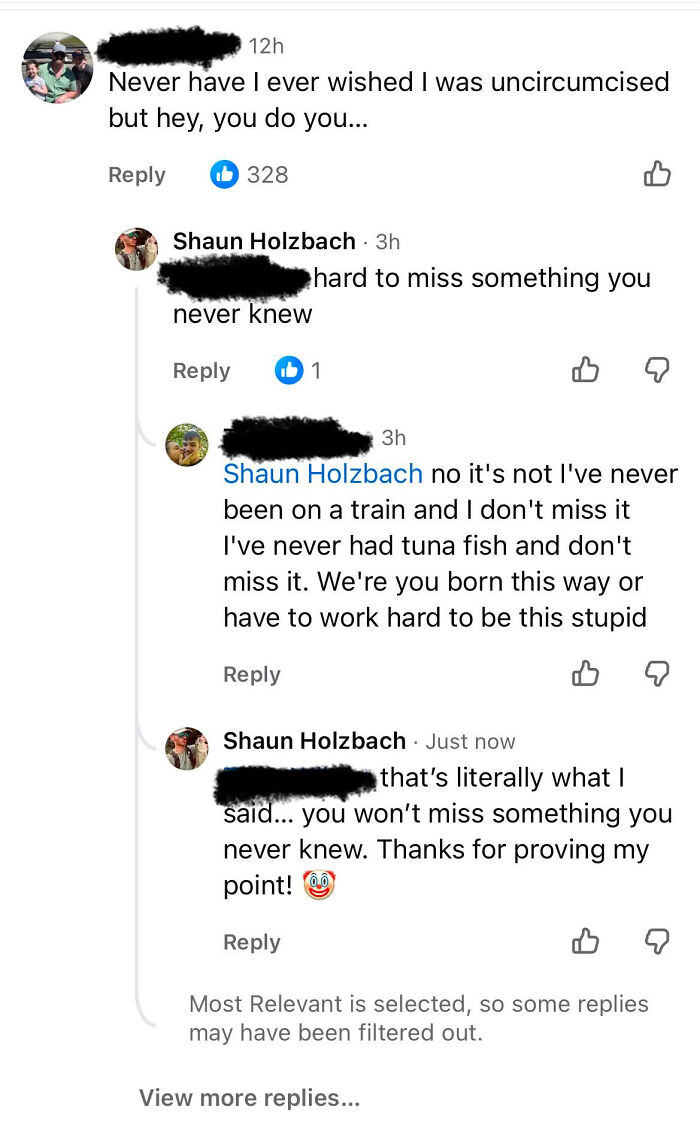
And god said unto Abraham, 'Cut off the skin on the end of your d***s." Abraham faltered at this unusual request. "Did I stutter?" asked god
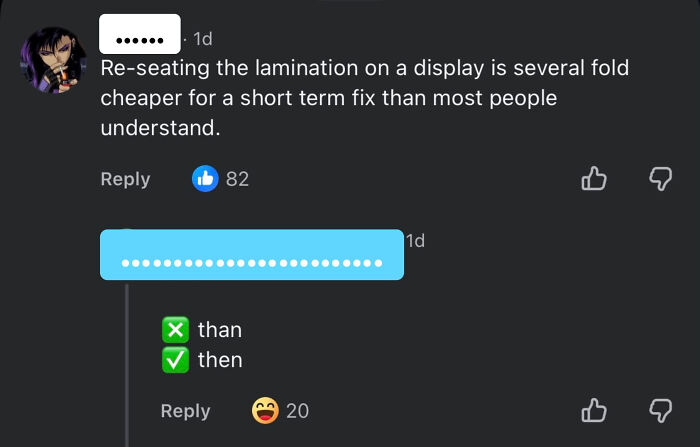
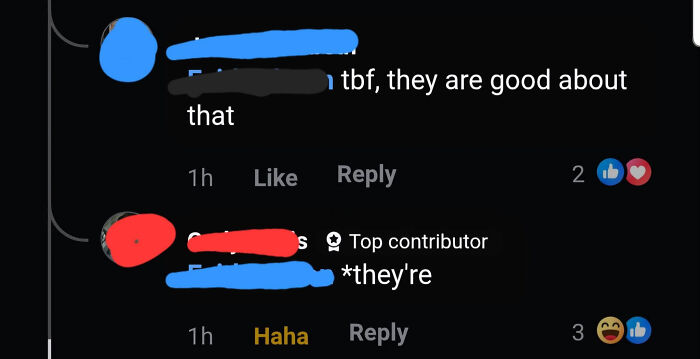
I believe that should be "both spellings BE correct." ;-)

middle east may be asian, but people rarely call them asians. indians too. it’s a fact that’s it’s asia tho
I always get them mixed up. It's not hard when they're all equally stupid and uninformed.

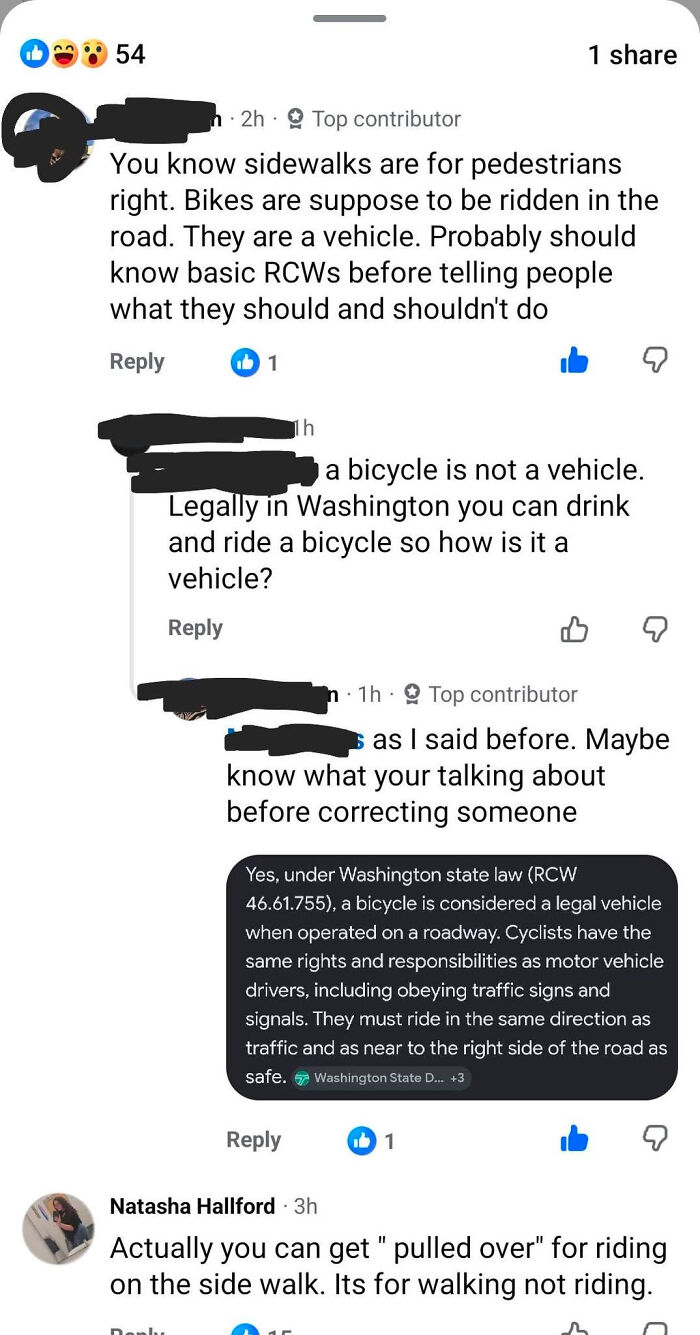
If there aren’t proper bike lanes on the road, imma be on the sidewalk thanks. I don’t have a d***h wish

Should we get into the difference between kilo and Kilo that can exist? A difference of 24
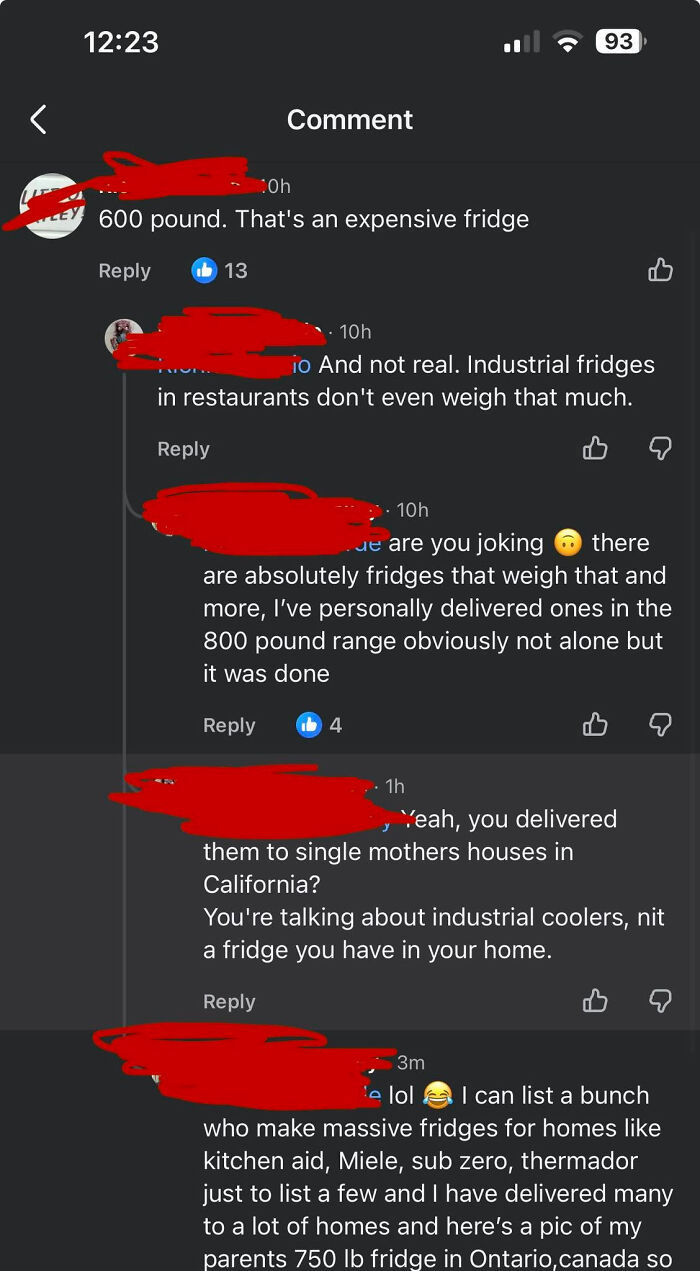
My mom has one of those ludicrously gigantic Sub-Zero refrigerators. According to the Sub-Zero website, it's 620 lbs/281kg. And yes, it WAS an expensive fridge - $14,000 🙃 That's more than I paid for my first car...
To be fair, I haven't seen someone/a service actually use the term "PM"/"private message" since the AOL days. Usually they're called "direct messages" on sites now, but I imagine the phrase "private message" is still usable XD

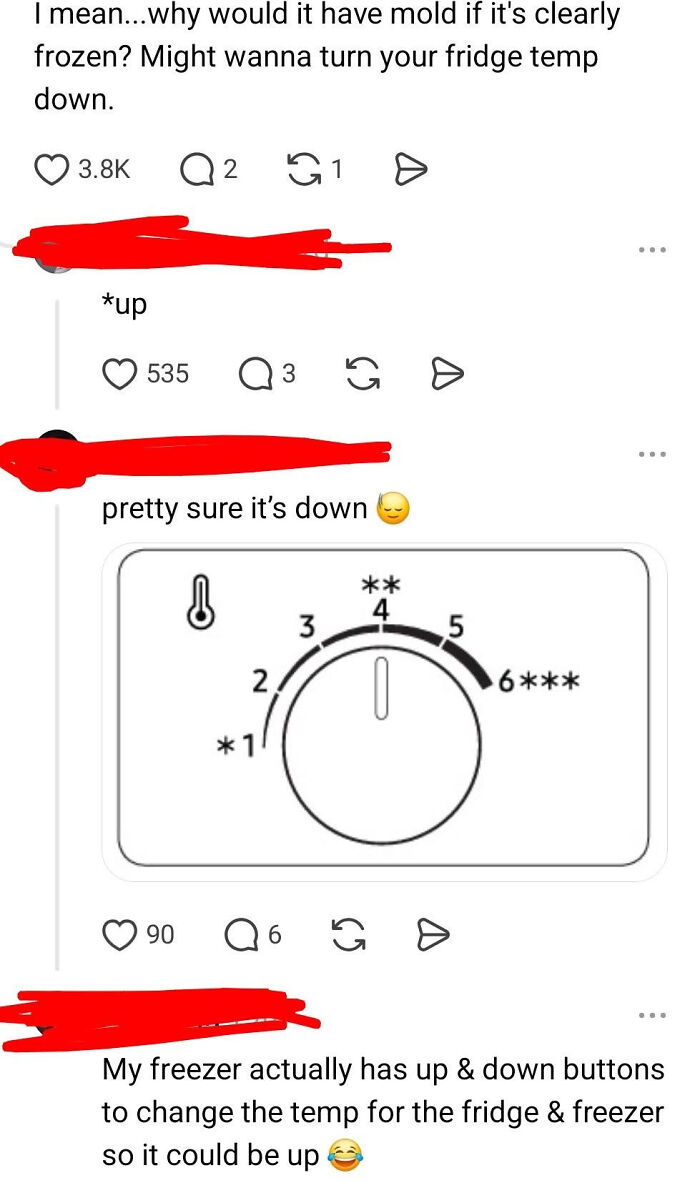
This is a legit confusion, turning something up generally means making it work more, and that control, like most older ones, is going up for colder; the controls on my fridge/freezer are is marked in degrees, and also digital, as it happens, so if I want it to be colder am I turning it up or down?

I've never read any of the Twilight books or seen the movies, but reading the Wikipedia articles, I've found that the character Marcus is one of the leaders of "an ancient Italian vampire coven known as the Volturi". Which is something Meyer made up entirely. So, I'm going to guess that Marcus is not a real person, and thus, not a real saint. It's like OP doesn't realize that more than one person can be named a thing! Just because my ex is named James doesn't mean he's also the dude that was Jesus's disciple in the Bible XD

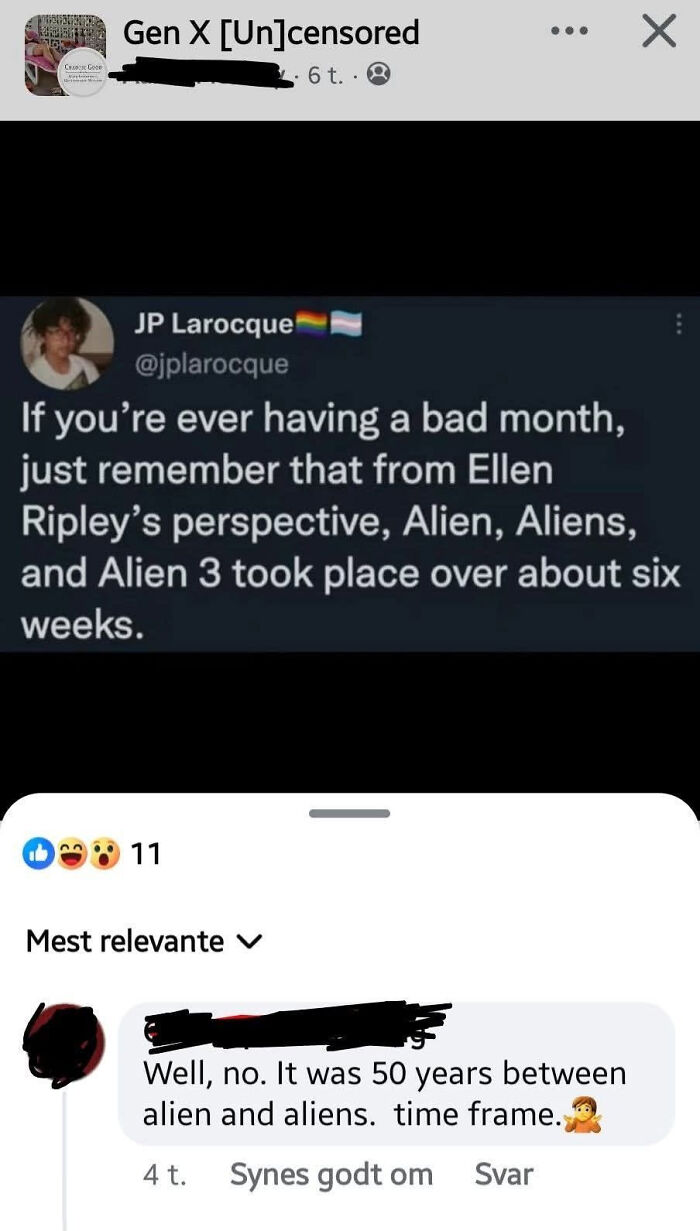
Wasn't Ripley in stasis for those 50 years, so to her, it would feel like six weeks?




















 No fees, cancel anytime