Get Premium
Dark mode theme is available exclusively for premium users. Learn more about the benefits of subscribing.
No fees, cancel anytime.

 Dark Mode Ad-Free Browsing Unlimited Content
 Ad-Free Browsing Unlimited Content Dark Mode
Join 1.2 million Panda readers who get the best art, memes, and fun stories every week!
‘You had one job!” We’re all familiar with this sarcastic phrase meant to express surprise and disappointment at someone who, for some reason, managed to fumble the one simple task assigned to them.
These fails can either be frustrating or hilarious, depending on how you look at them. The following photos on this list, however, may have you chuckling as you scroll through.
Here’s something to make your day less boring. As always, don’t forget to upvote those that made you cackle the most.
This post may include affiliate links.

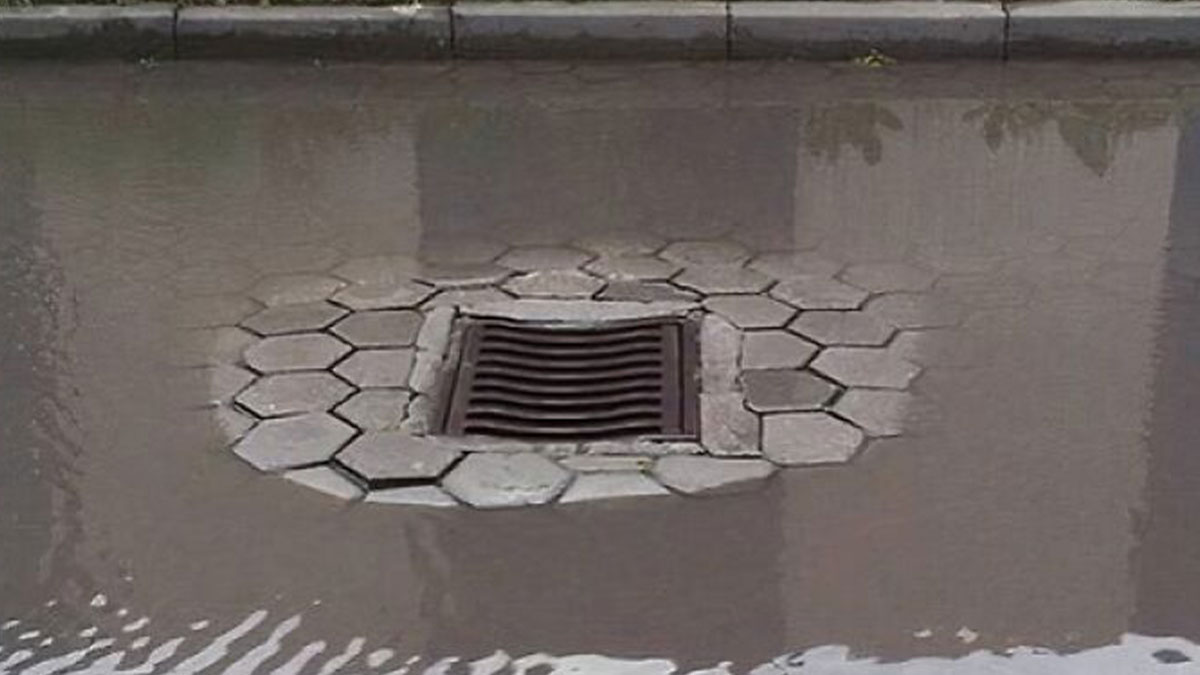
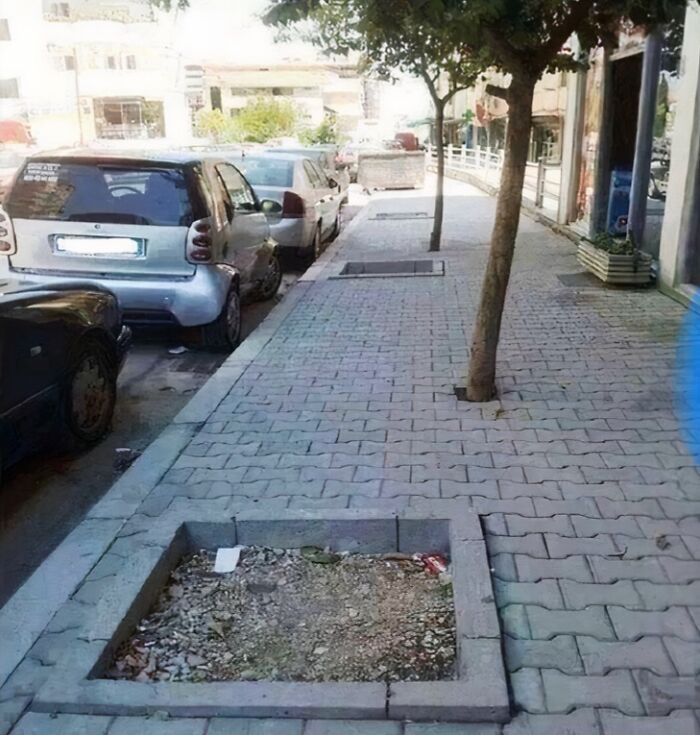
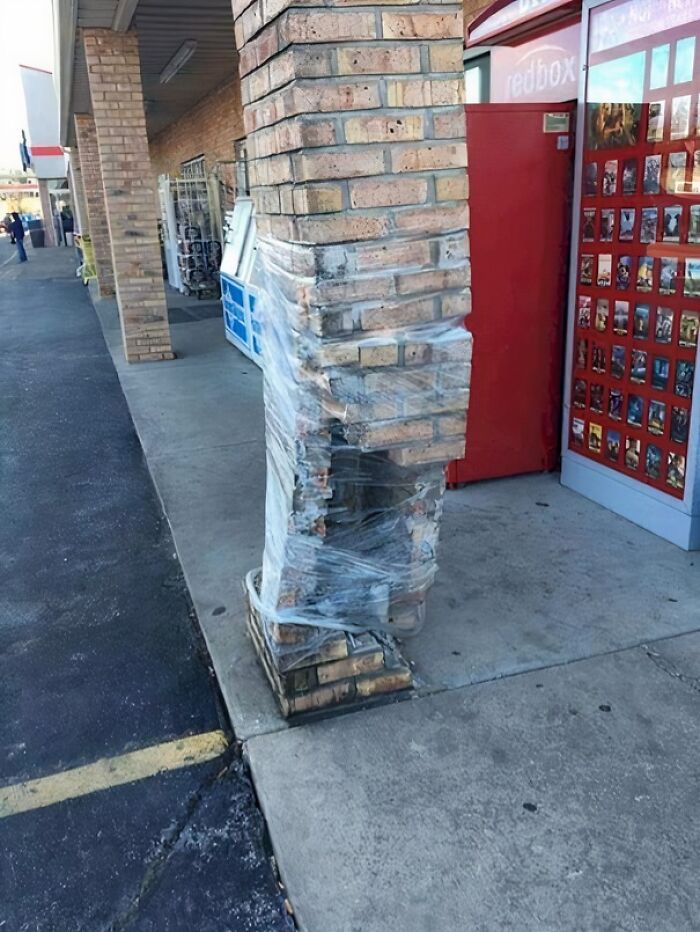
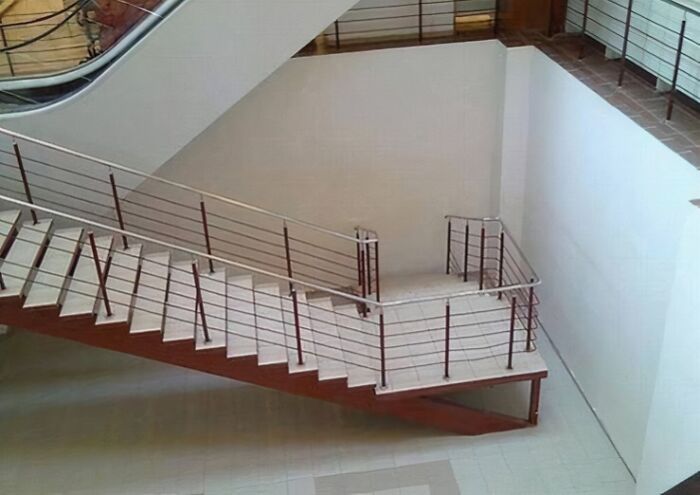
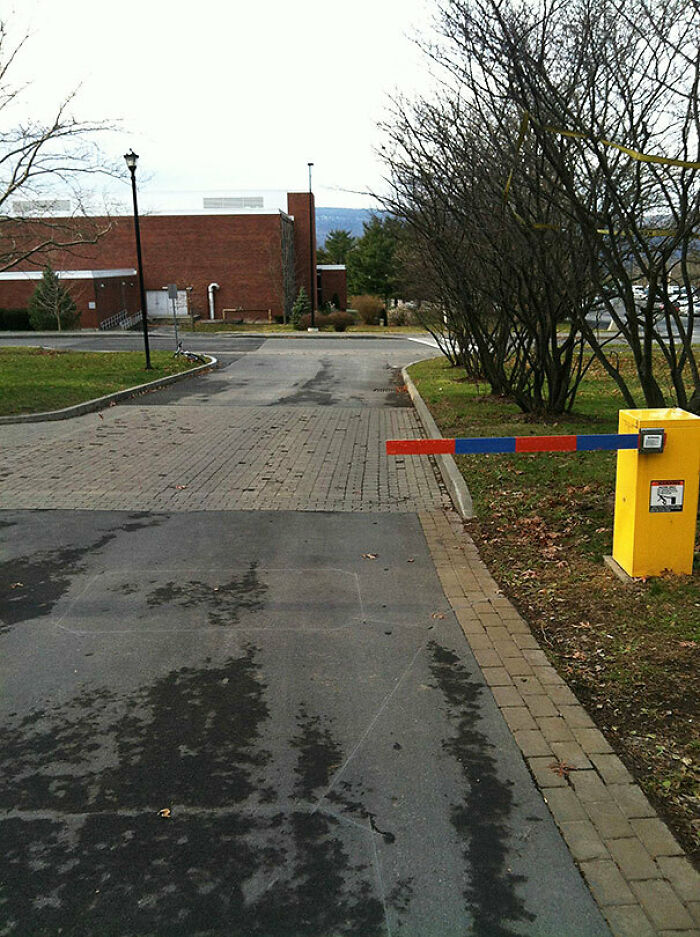
It probably worked when installed but if it is somewhere where the land sinks faster than a politician 's promise
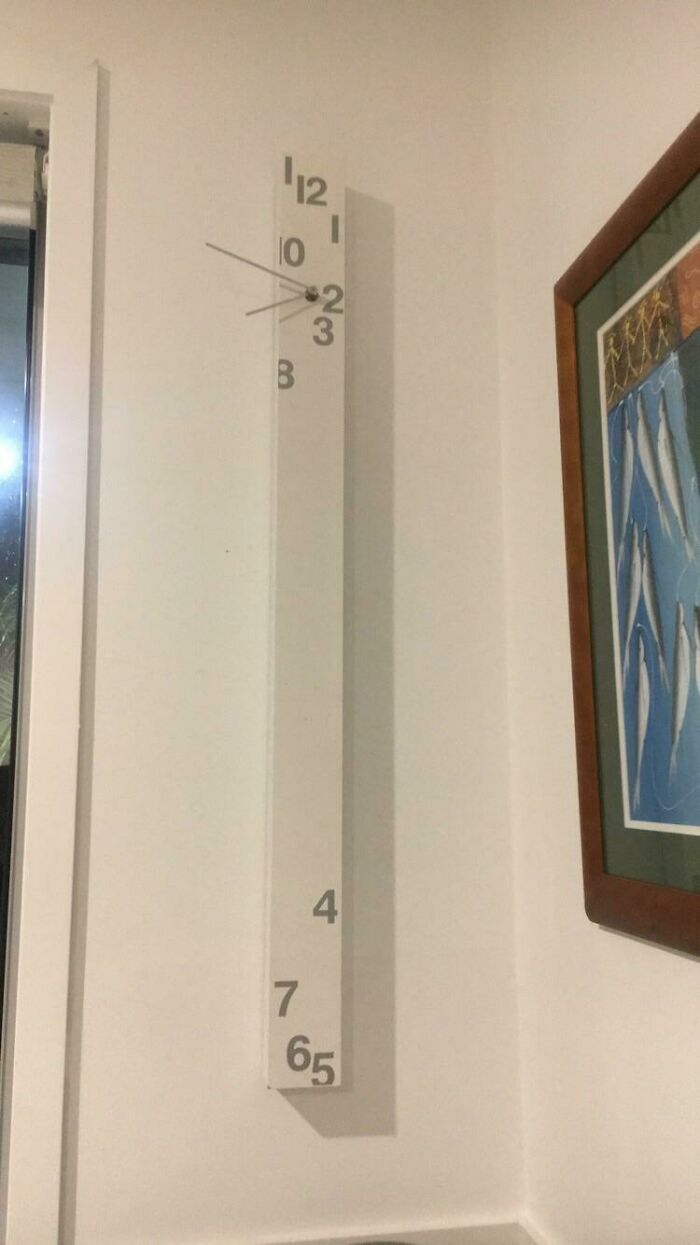
This clock at the house i was babysitting ... there’s not even a 9.
There are a few possible reasons why someone could botch even the most straightforward tasks. One of them is procrastination, which, according to Very Well Mind, is driven by present bias, or the desire for immediate gratification.
When we chase instant results, we tend to take shortcuts. This may result in half-baked efforts that are often unsatisfactory.

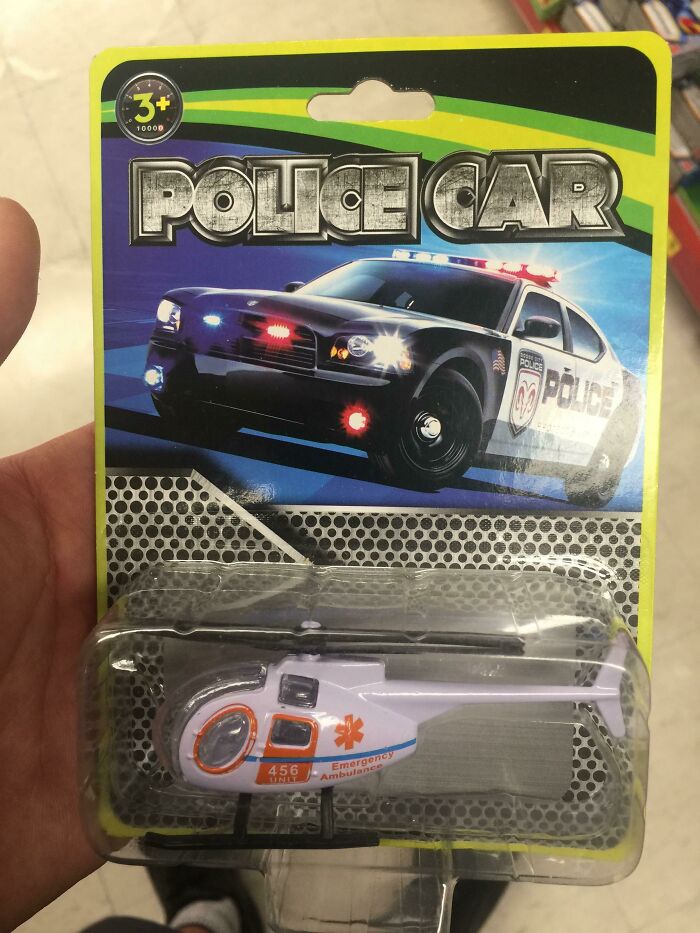
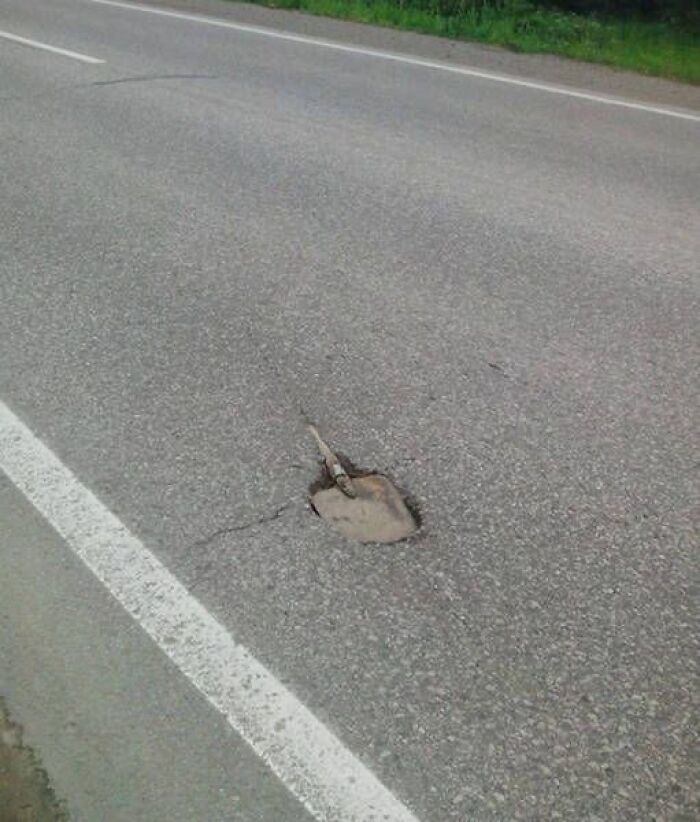
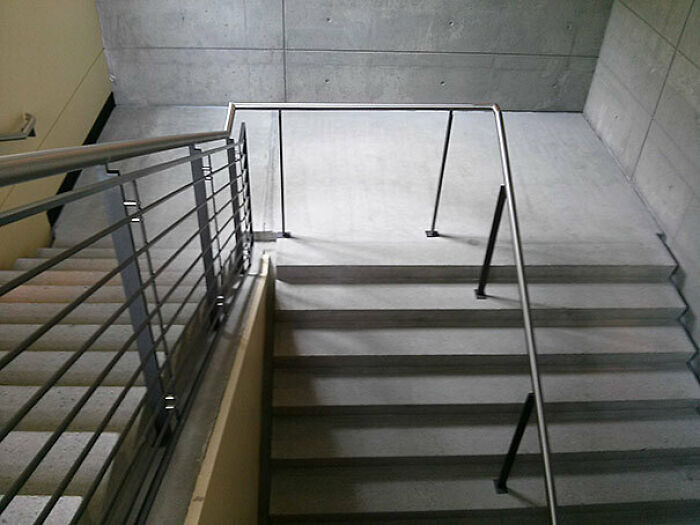
If an elephant is a mouse built to government specifications, then this can be a police dog.
We generally lump mistakes into one concept. But according to board-certified psychiatrist Dr. Frank John Ninivaggi, there are three cognitive levels in which errors arise:
The first level is slips (or slip-ups). As Dr. Ninivaggi explained, these happen when a sound plan falters in the execution phase. An example he gave was pressing “reply all” instead of “reply.”
The second level is lapses, which happen when we forget a crucial step in the process or lose track of the goal at hand. An example Dr. Ninivaggi gave is forgetting to turn off the stove.
Mistakes are at level three. This is when we choose the wrong solution to an already flawed problem, often rooted in misunderstanding.
The photos on this list involve relatively menial tasks, which is why we find these fails hilarious. However, some job environments require their employees to be highly reliable because an error can be disastrous.
Some examples include air traffic control systems, aircraft carriers, hospitals, and nuclear power plants.
Fortunately, we don’t need to work in such job environments to achieve high reliability. According to Dr. Ninivaggi, it is all rooted in a shift in awareness. Instead, the mindset becomes, “things will go wrong unless continuously monitored and managed.”
“It reflects a mind attuned to how errors incubate: through overconfidence, distraction, fatigue, or social pressure,” he explained.

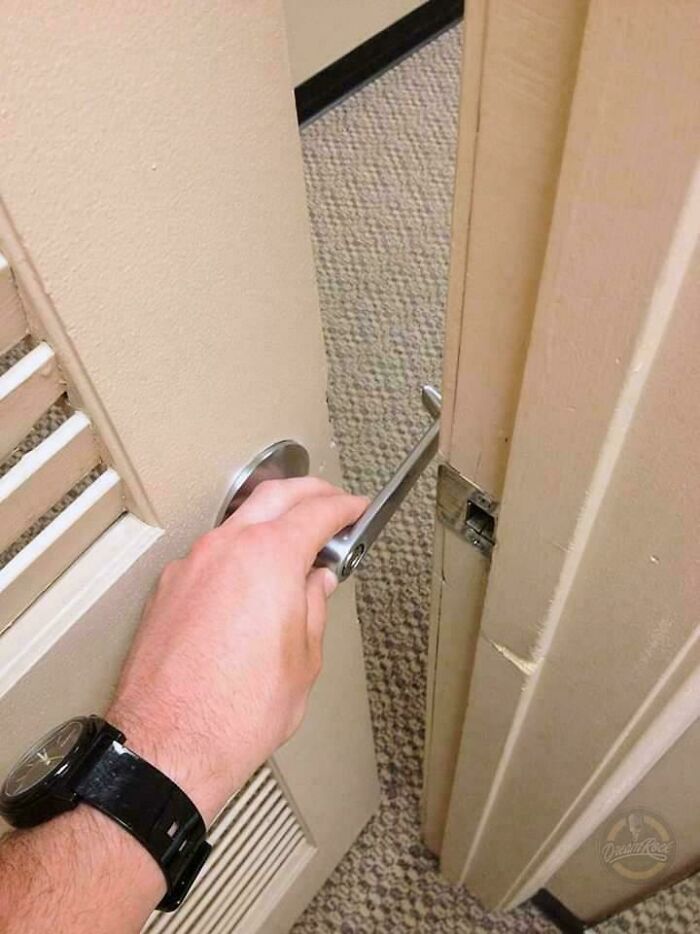
Hotel room. I've seen one like it before. Are you supposed to grab the TP ahead of time?? 🤷♀️
Another piece of good news: you can build your own high-reliability system to minimize the likelihood of avoidable errors in your daily life. Dr. Ninivaggi shared the four-step process:

Harry Potter "Hermione" official figurine.

"I was following them, and then they just disappeared through that wall, I swear!"
Sometimes disability is seen as an extreme sport.
Avengers at my local pool park!

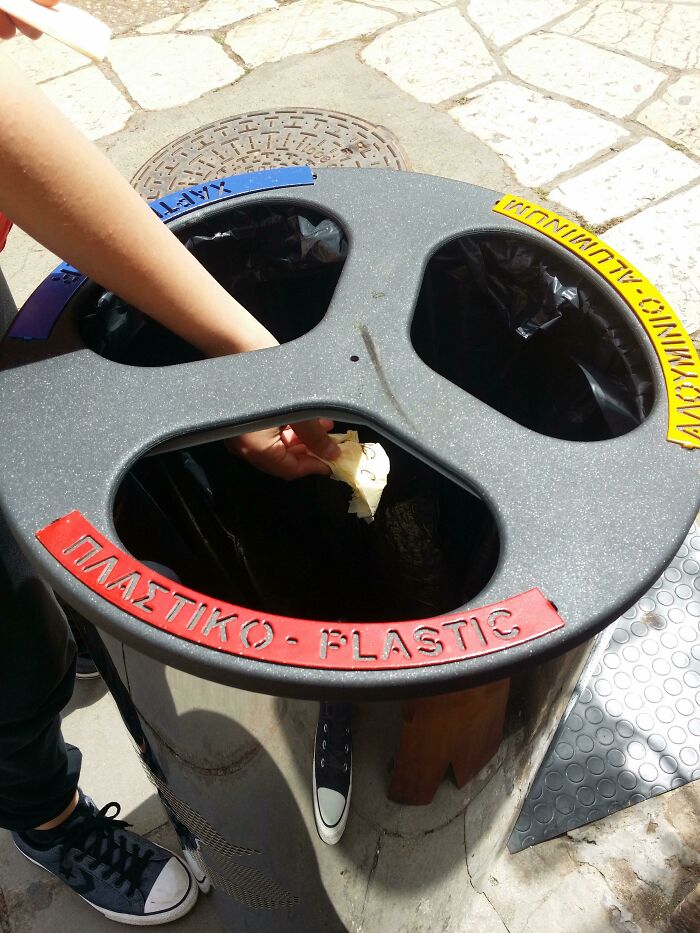
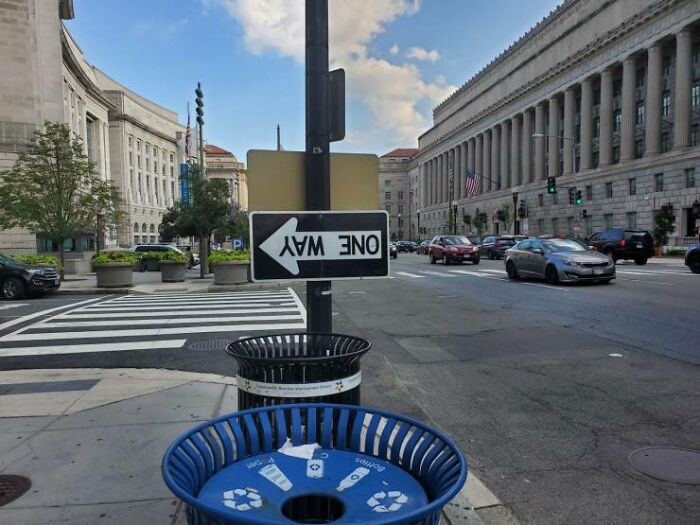
That's how it works most places. The different colored bins are just there to make you feel better about yourself.
Private: "Sarge, I think there's been a mistake---." Sergeant: "Take it up with the Kernel."

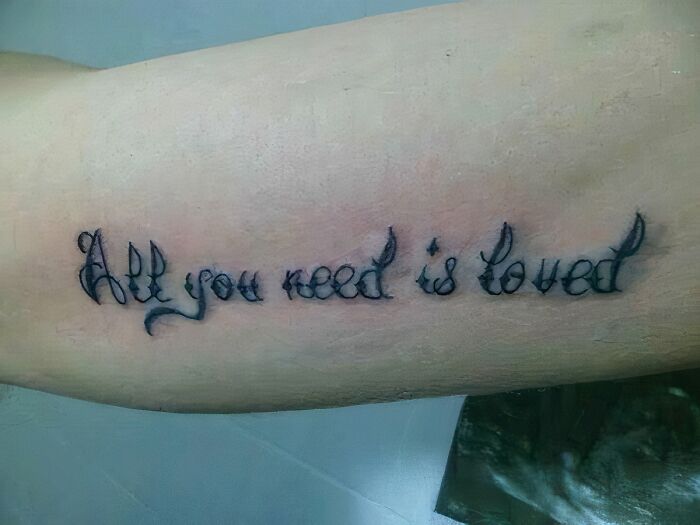
Many of these are just transposed letters, or working drunk, or ran out of space. But the best ones are totally otherworldly, where it takes months of sustained effort to create effects this bad.
Many of these are just transposed letters, or working drunk, or ran out of space. But the best ones are totally otherworldly, where it takes months of sustained effort to create effects this bad.

































 No fees, cancel anytime