Get Premium
Dark mode theme is available exclusively for premium users. Learn more about the benefits of subscribing.
No fees, cancel anytime.

 Dark Mode Ad-Free Browsing Unlimited Content
 Ad-Free Browsing Unlimited Content Dark Mode
Join 1.2 million Panda readers who get the best art, memes, and fun stories every week!
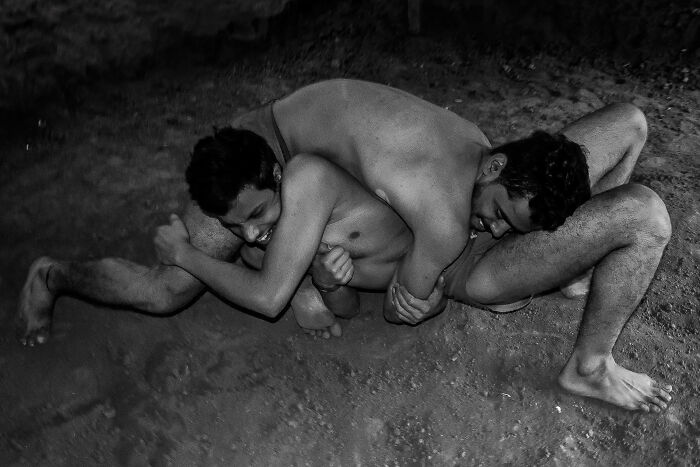
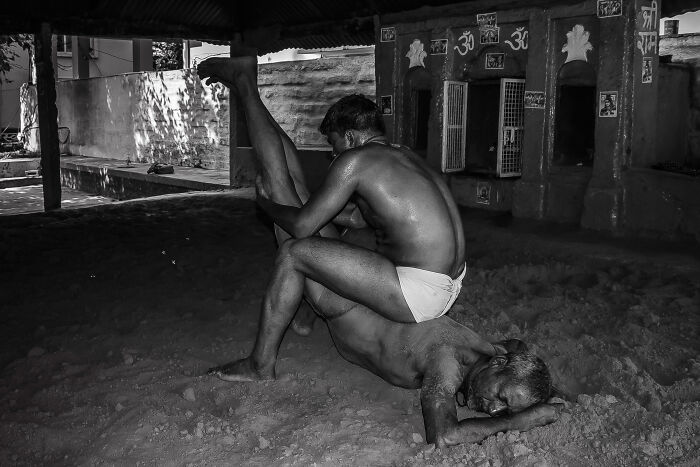
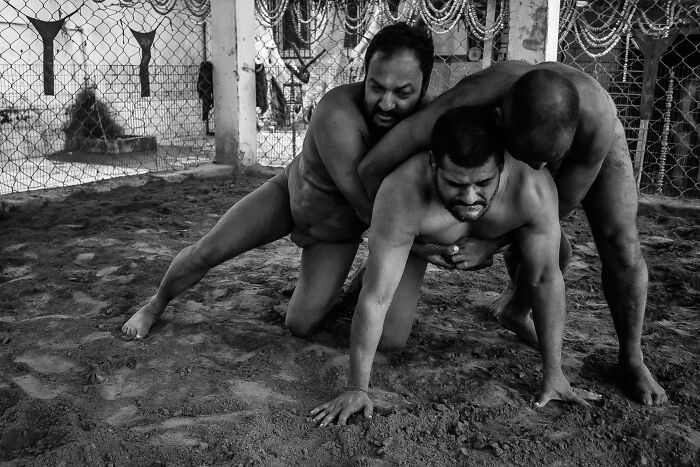
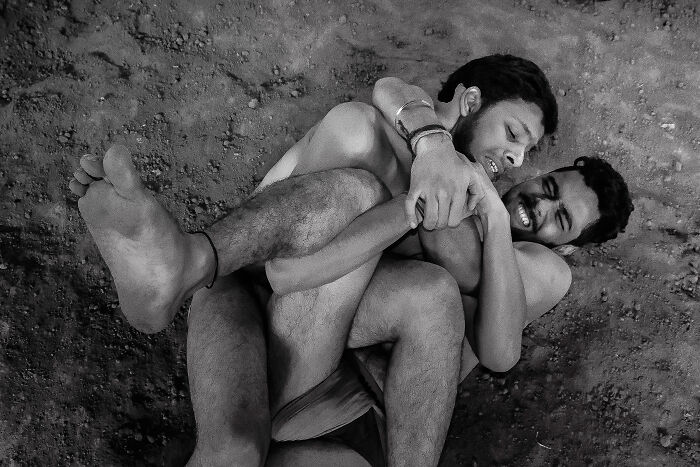
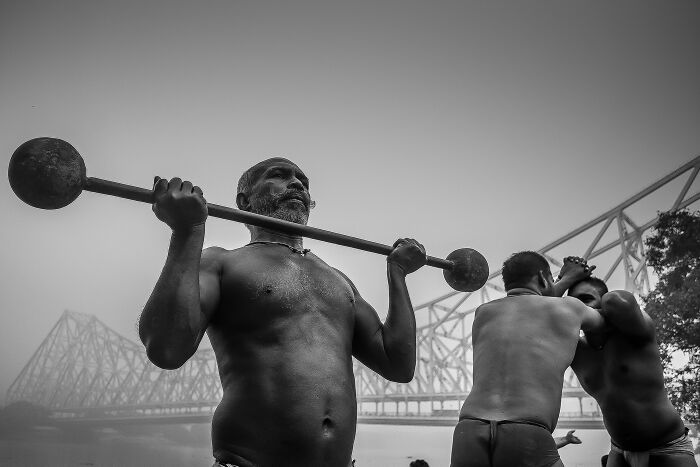
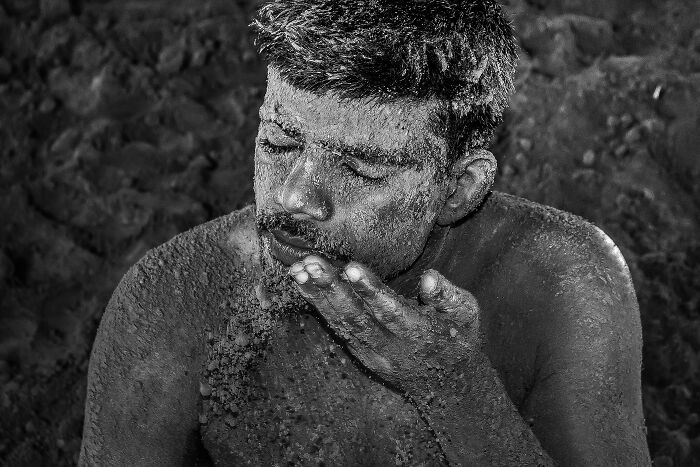
Kushti, or Pehlwani, is a form of wrestling from the Indian subcontinent. It was developed during the Mughal Empire. The practitioners of this sport are referred to as Pehlwans, while the teachers are known as Ustads. Kushti is taught at a training ground known as an Akhara, which is usually made of mud and clay mixed with oil and ground turmeric. Water is added every few days to keep it at the right consistency—soft enough to avoid injury, but firm enough not to hinder the wrestlers' movements.
When the Mughals came to India in the 1500s, they brought wrestling styles from Iran and Mongolia. These were combined with Indian wrestling to create modern Kushti. Babur, the first Mughal emperor, was also a wrestler, known for his strength and speed. India has performed well in wrestling on the world stage. It was considered one of the top wrestling nations and even hosted the World Wrestling Championship in 1967.
This post may include affiliate links.
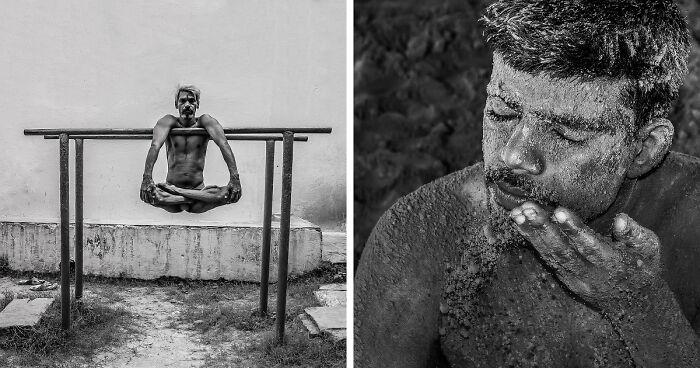
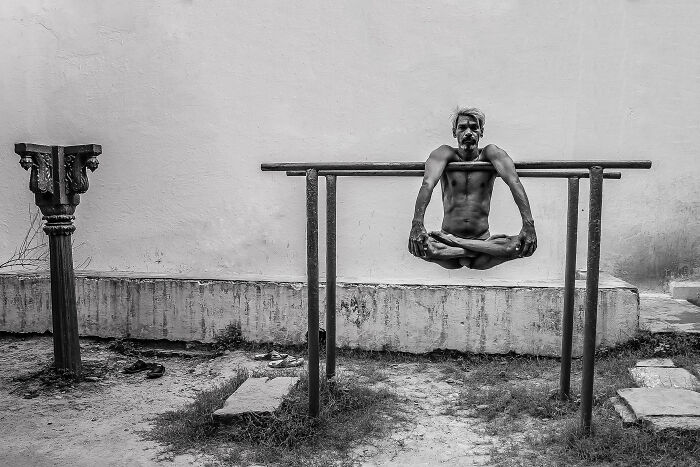
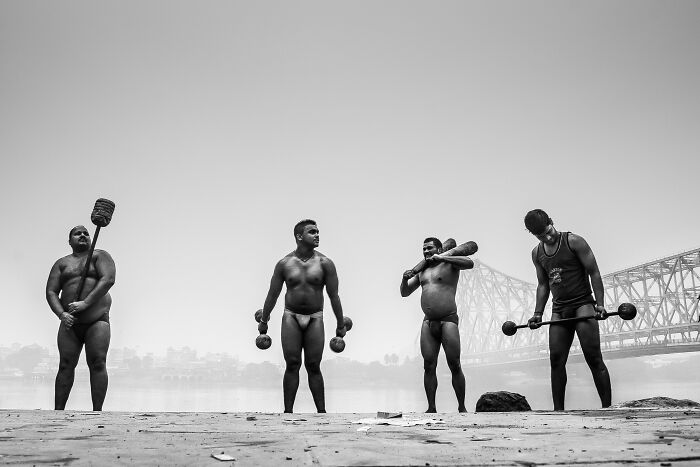
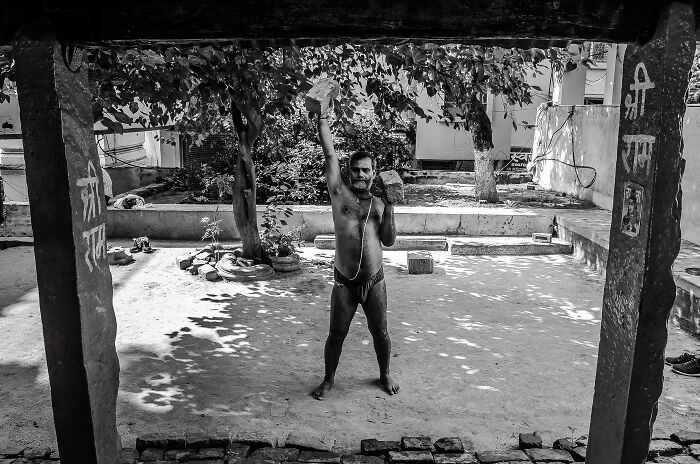
Training methods have remained mostly unchanged for over 150 years. Wrestlers follow a strict routine that includes yoga, rope climbing, lifting logs, and running. Massage is also an important part of their daily practice. During wrestling or practice sessions, each wrestler wears a Langot—a traditional loincloth usually worn before entering the Akhara. Before a match, wrestlers throw mud on themselves and their opponents for good luck. A match is won by pinning the other wrestler’s shoulders and hips to the ground.
Kushti isn't just a sport—it's an ancient subculture where wrestlers live and train together, following strict rules about everything from what they can eat to how they spend their free time. The focus is on living a pure life, building strength, and sharpening wrestling skills. Sadly, in cities, traditional Akharas are being replaced by modern gyms. But Kushti is more than just a sport—it is a lifestyle. Wrestlers avoid alcohol, smoking, and even sex. They live simply, eat carefully, and train hard to become stronger and better at their art.




































 No fees, cancel anytime