Get Premium
Dark mode theme is available exclusively for premium users. Learn more about the benefits of subscribing.
No fees, cancel anytime.

 Dark Mode Ad-Free Browsing Unlimited Content
 Ad-Free Browsing Unlimited Content Dark Mode
Join 1.2 million Panda readers who get the best art, memes, and fun stories every week!
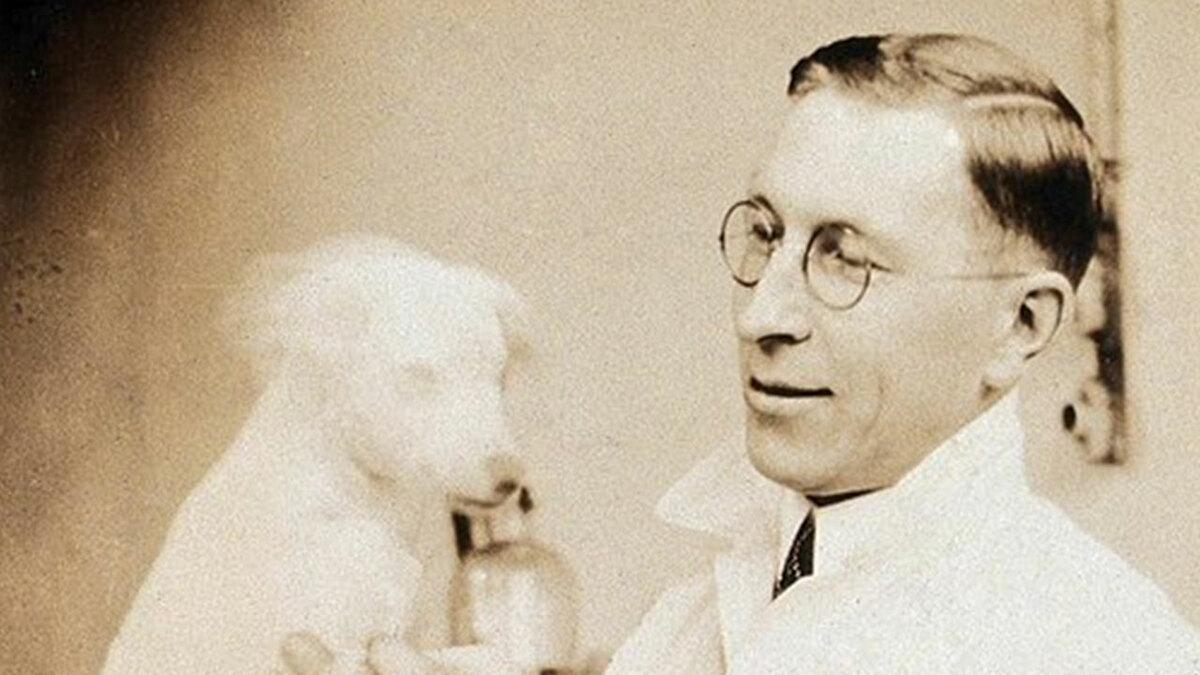
Medicine is fascinating, and it has evolved a lot over the centuries into the high-tech, in-depth process it is today. That said, we often forget how many cool and amazing things the medical community has made possible, and we definitely need a reminder.
That’s why the ‘History of Medicine' community, which was created in 2012, shares regular posts about the evolution of this field, the people who made it into what it is today, interesting treatments, and other shocking facts that most folks would never expect. That’s exactly what you’ll find in this list, and hopefully it will show you just how amazing medical science truly is.
This post may include affiliate links.
In the early days of medicine, there was a lot of trial and error. According to Britannica, people had to figure out which plants could be eaten, which to avoid, and which had healing properties. This is mainly what folk medicine was about, and people spent a lot of time using natural remedies to heal diseases.
Even though people accepted health problems as a regular part of life, they were still suspicious when folks passed away. If anyone experienced a serious or disabling medical problem, it was considered the result of supernatural forces, and spells would be cast on the individual to rid them of the evil.
What’s interesting is that magic and religion played a major role in medicine in prehistoric and early human society. People would administer vegetable remedies orally, then use incantations, dancing, grimaces, and magic tricks to try to solve the sick individual’s problems.
That’s why the first physicians were also called medicine men or witch doctors, as they used charms and talismans to make people better. These healers might have used primitive techniques, but the wisdom underlying their work was that they focused on the individual’s entire body, soul, and mind.

Can't be. The Fundamentalists are telling me the world isn't that old. ;-)
Many interesting medical stories date back to ancient Egyptian times, and one is about the first known physician, Imhotep. He was a chancellor to King Djoser around 2600 BC, and the tales of his work were not written until about 2,000 years after he passed. People believed he had incredible healing skills and equated him with their gods of medicine, giving him near-deity status.
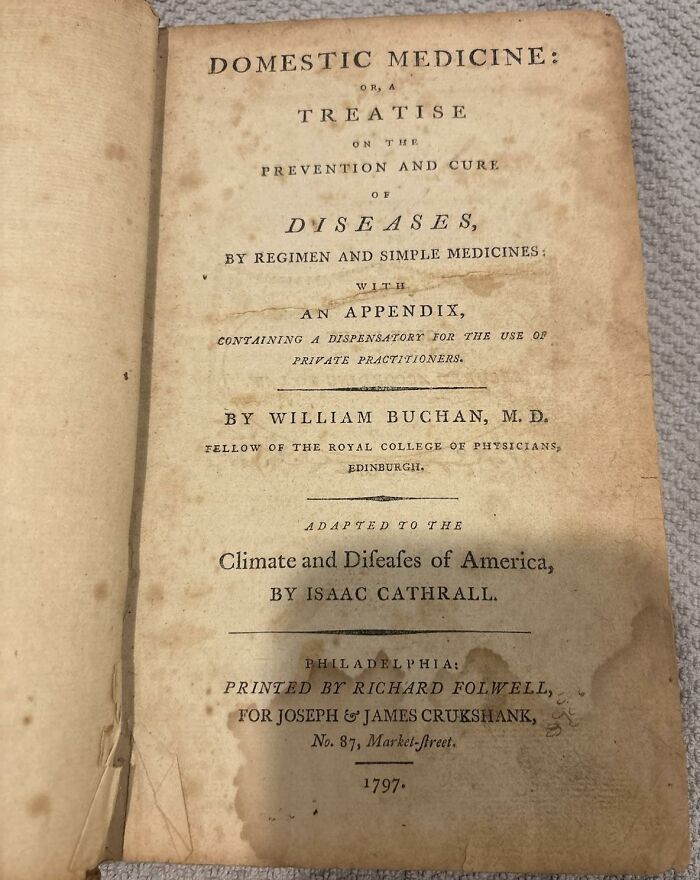
Many old medical texts also came from the Egyptians and were written on papyrus to describe different healing practices. One was called the Ebers Papyrus, and it contains more than 700 prescriptions for natural and magical remedies.
I swear I've been up on that very table before (shudder).
Many interesting beliefs in medicine have lent themselves to good stories. According to research by Osmosis, one is about emergency rooms being fuller on full moon nights. This might seem plausible because the Earth’s moon has been shown to affect things like sleep and mood.
Still, researchers haven’t found a strong enough connection between moon phases and accidents or violent behavior. More than 40% of medical staff believe the lunar cycle can affect how humans act, but science has yet to provide solid proof.
Don't read the attached history if you don't want to be depressed. However, it was a historical first and the doctors learned a lot from it that was put to use later.
. . . as well as leading to the realisation that someone had totally screwed up their spelling, spacing, and capitalisations in making this entry.
At one point in medicine, the tongue proved to be an obstacle to doctors getting a clear view of a person’s mouth and throat. That’s why, around 1843, a bizarre medical journal declared that this organ was “the map of the empire of disease,” prompting many professionals to use it to diagnose a person's maladies.
People believed the sides of the tongue could indicate kidney problems, the tip could signal intestinal problems, and the edges could suggest brain issues. Over time, this mapping behavior was debunked, and doctors no longer thought it could magically reveal every disease.
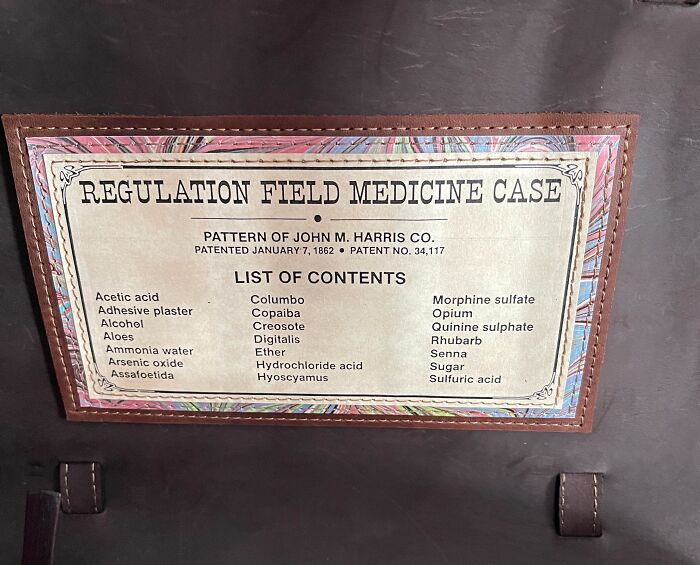
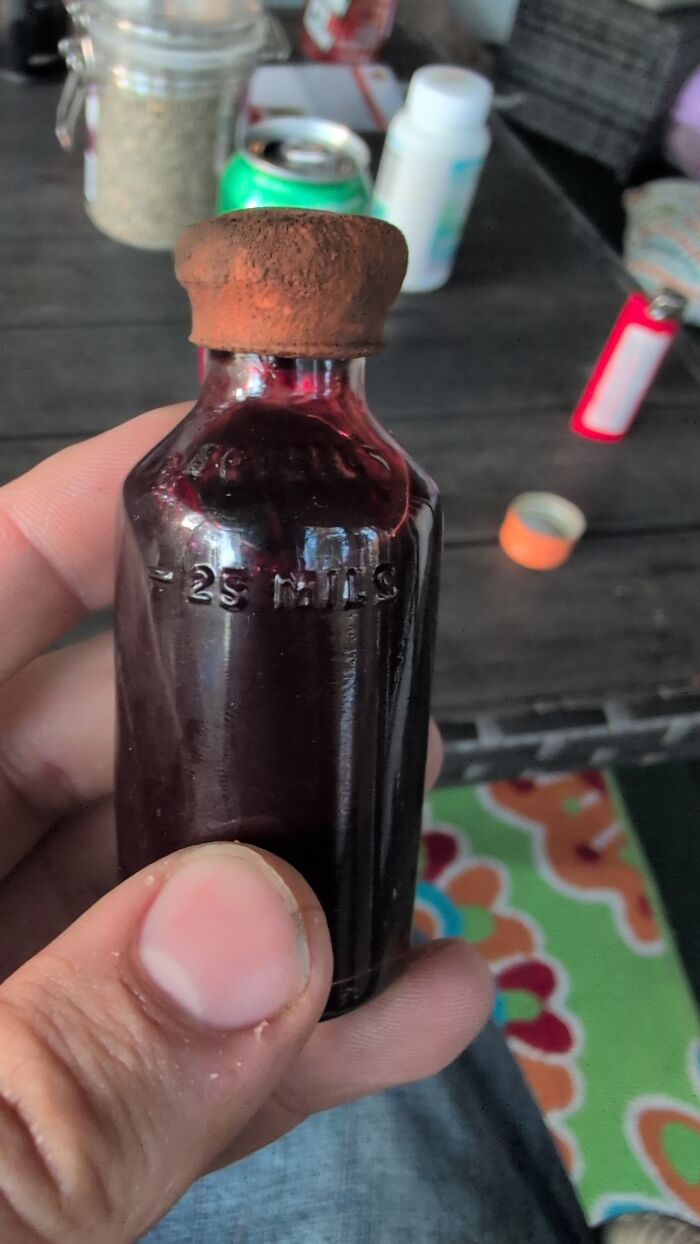
The rhubarb, sugar, and alcohol are for mixing and drinking after a rough field surgery.
Medical history is full of amazing physicians and professionals who did their best to improve their patients' lives and healthcare worldwide. According to research by Black History and Heritage, Dr. Ben Carson was one such person who pioneered an operating technique known as a Hemispherectomy. The operation is performed on children to remove inflammation in the brain, which can reduce seizures.
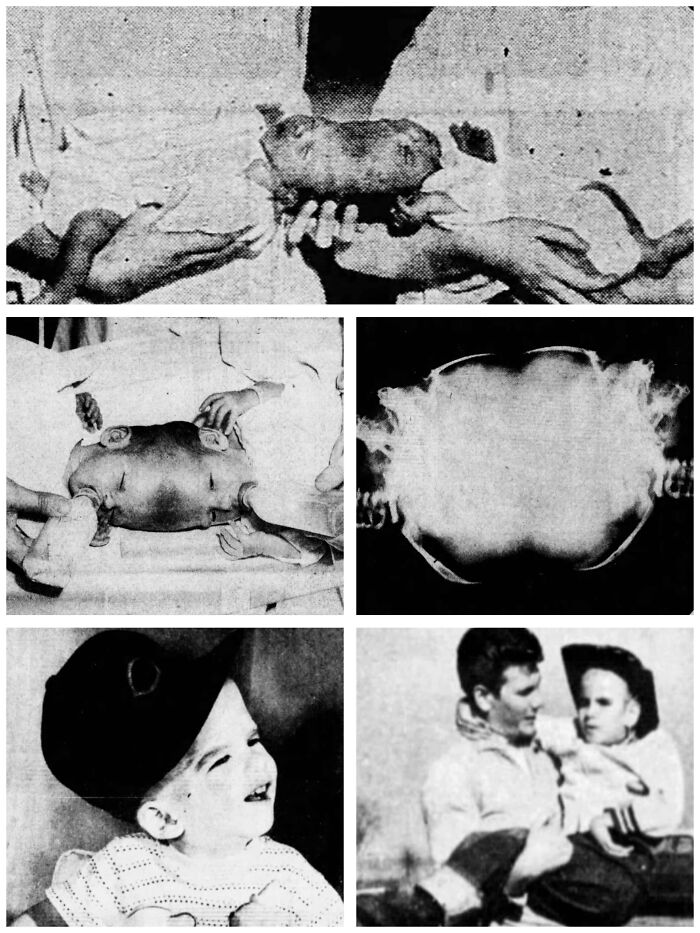
This doctor also successfully separated seven-month-old German twins that were conjoined at the head in 1978. This intense operation lasted for 24 hours, and Dr. Ben Carson had to surgically dissect their brains. He then covered their skulls with surgical mesh that helped the bone to regrow.
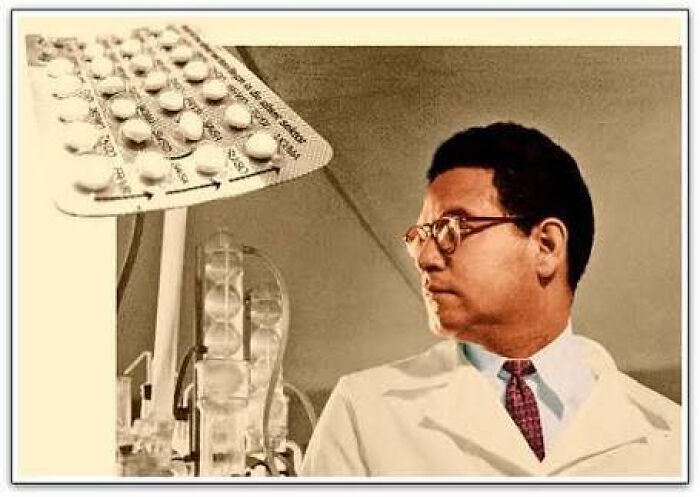
An interesting medical professional from Montgomery, Alabama, was Percy Lavon Julian, who graduated from DePauw University with a degree in chemistry. He also earned a master's degree and a doctorate and secured 115 patents during his career. One of his inventions was to synthesize and identify physostigmine, which helps treat glaucoma and improves memory in Alzheimer's patients.
His chemical could also be used as an antidote to nerve gas. This medical researcher also invented a fire-extinguishing foam used to control petrol fires during World War 2, and he later developed a way to filter chemicals from soya bean oil that could help produce hormones for medical applications.
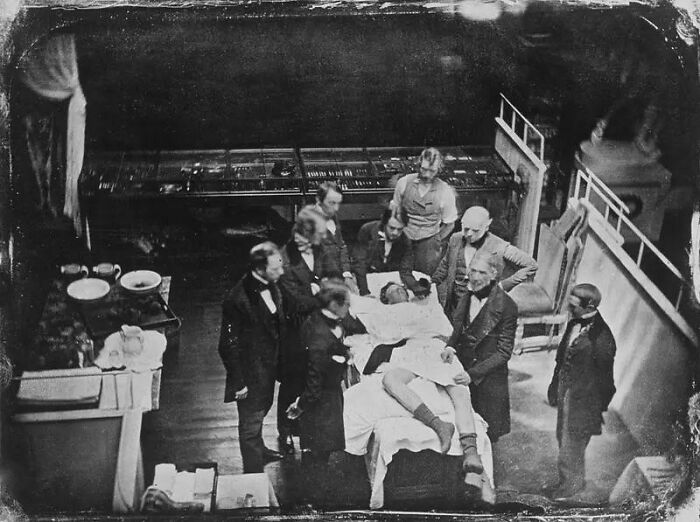
There’s never an end to interesting medical facts, and one awesome one was when the first anesthesia was given to patients in 1842, which finally protected them from feeling so much pain. According to research, it all began when university students went to parties and breathed in a newly discovered gas called ether.
One day, a doctor named Crawford Long noticed that students who’d breathed it in and then got injured didn’t feel any pain. So he figured the gas would be useful for people undergoing operations, and his hunch turned out to be right.
The history of medical practices and facts about amazing things doctors have done never fail to be surprising. It’s often mind-boggling that science has progressed so much, but it’s even more fascinating that people in the past figured out so much without all the modern tech and knowledge we have today.
Do you know any interesting medical facts? We’d love to hear them too.
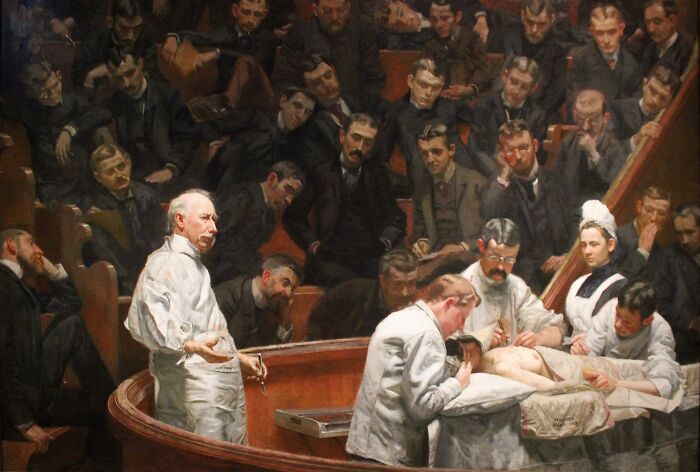
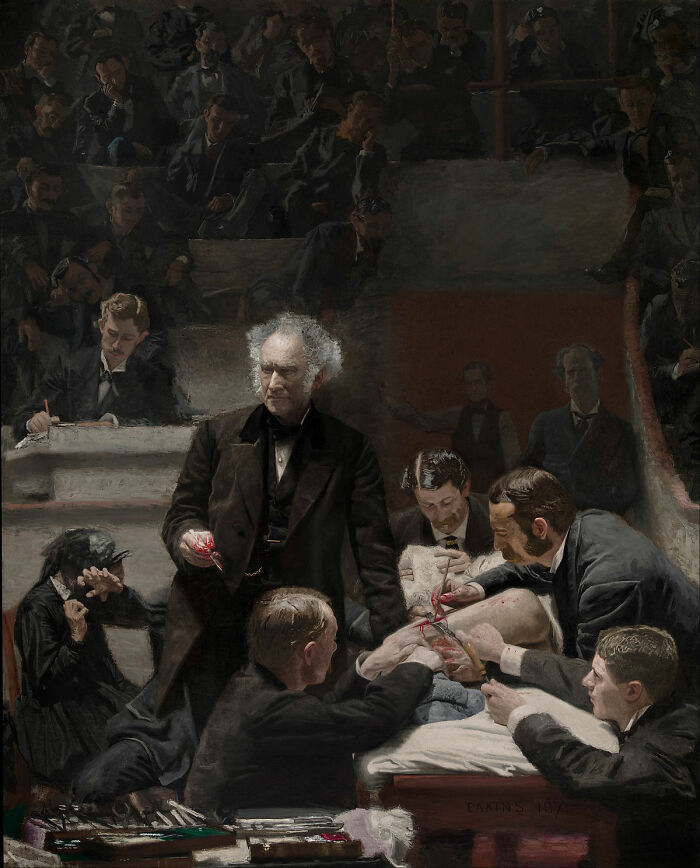
From original post: "The painting is based on a surgery witnessed by Eakins, in which Gross treated a young man for osteomyelitis of the femur. Gross is pictured here performing a conservative operation as opposed to an amputation (which is how the patient would normally have been treated in previous decades). Here, surgeons crowd around the anesthetized patient in their frock coats. This is just prior to the adoption of a hygienic surgical environment (see asepsis). The Gross Clinic is thus often contrasted with Eakins's later painting The Agnew Clinic (1889), which depicts a cleaner, brighter, surgical theater, with the participants in "white coats". In comparing the two, the advancement in understanding of the prevention of infection is seen. Another noteworthy difference in the later painting is the presence of a professional nurse, Mary Clymer, in the operating theater.""






























 No fees, cancel anytime