Get Premium
Dark mode theme is available exclusively for premium users. Learn more about the benefits of subscribing.
No fees, cancel anytime.

 Dark Mode Ad-Free Browsing Unlimited Content
 Ad-Free Browsing Unlimited Content Dark Mode
Join 1.2 million Panda readers who get the best art, memes, and fun stories every week!


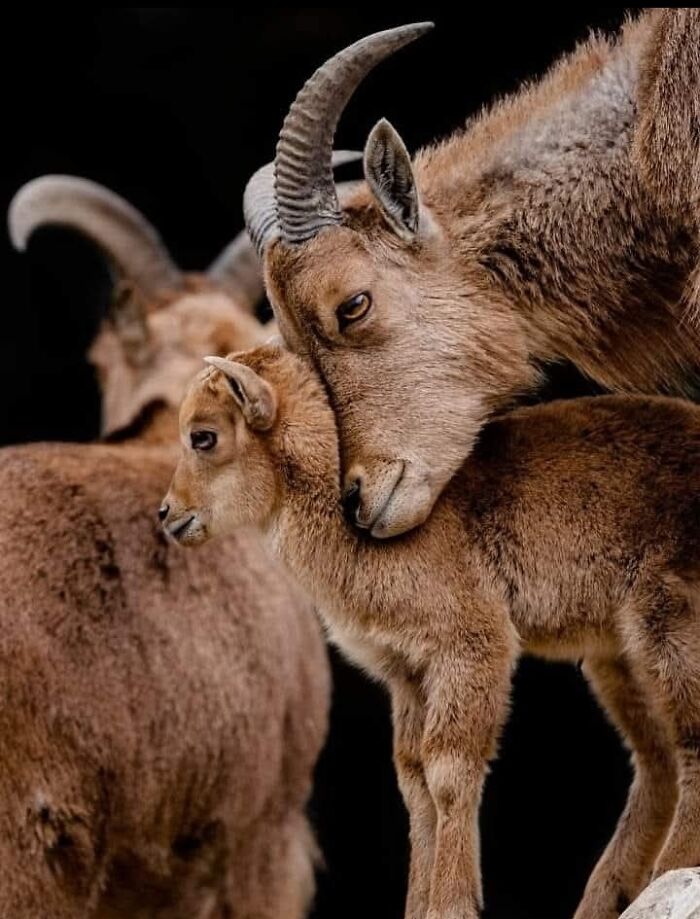
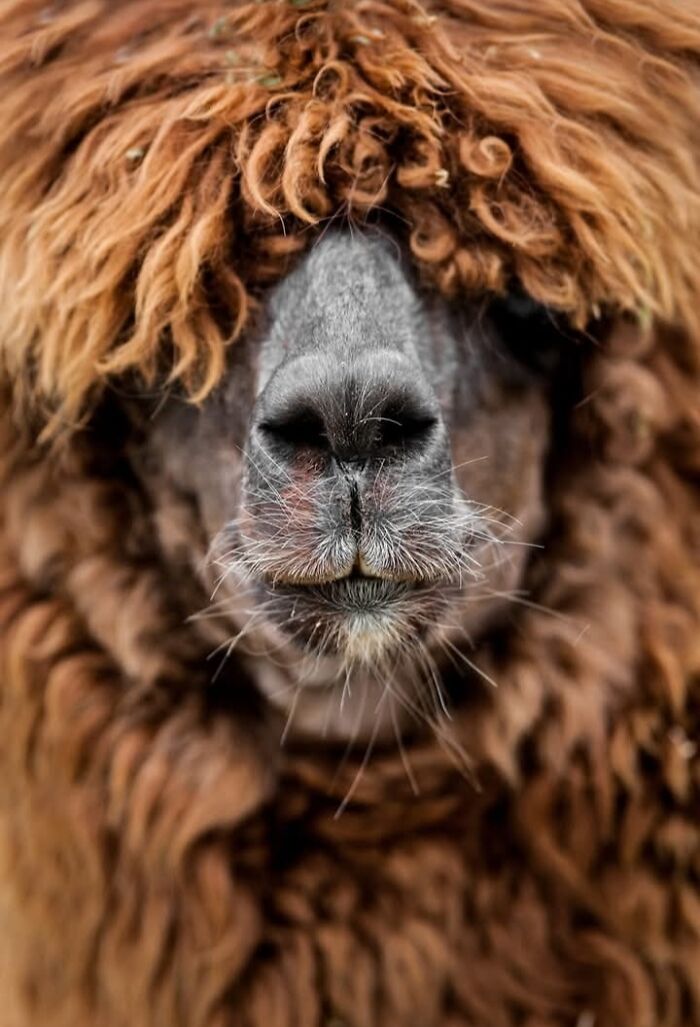
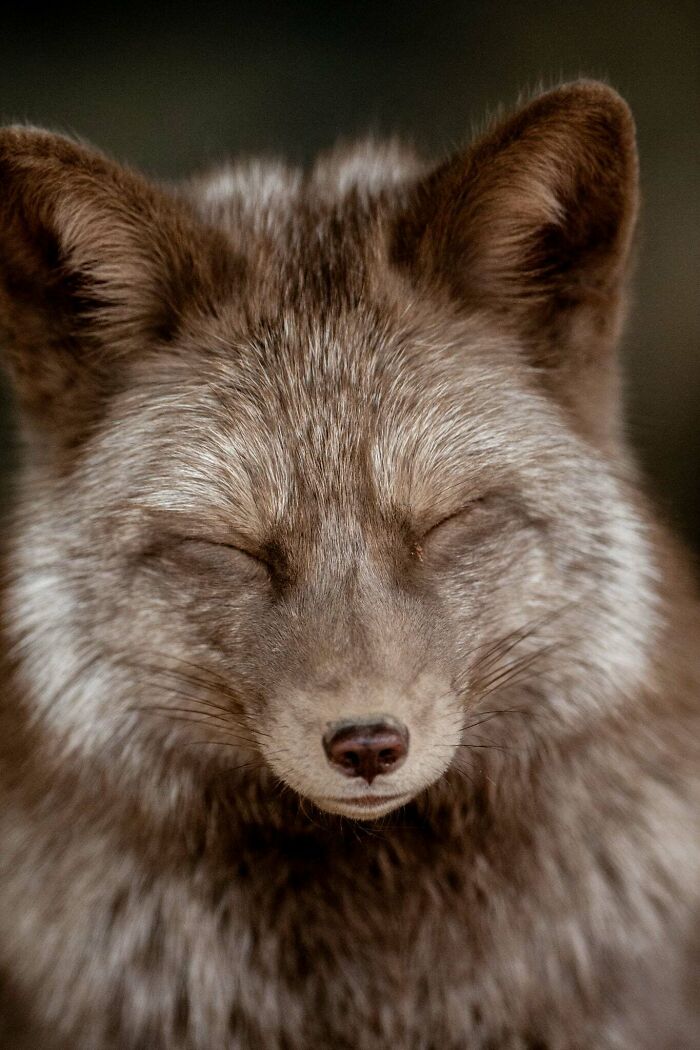
People often think great wildlife photos require helicopters, exotic expeditions, or equipment that costs a fortune. I don’t have any of that. I’m a wildlife photographer from Macedonia — no teams, no big budgets. Just patience, instinct, and a genuine connection with animals.
And somehow, the moments I capture have made their way to National Geographic, CNN, Daily Mail, The Times, and media outlets around the world. Not because I travel the globe… but because I understand the animals I photograph.
Here is a collection of moments that didn’t need a helicopter — only heart, timing, and trust.
Scroll down and meet the souls behind the fur and feathers.
More info: Instagram | Facebook
This post may include affiliate links.

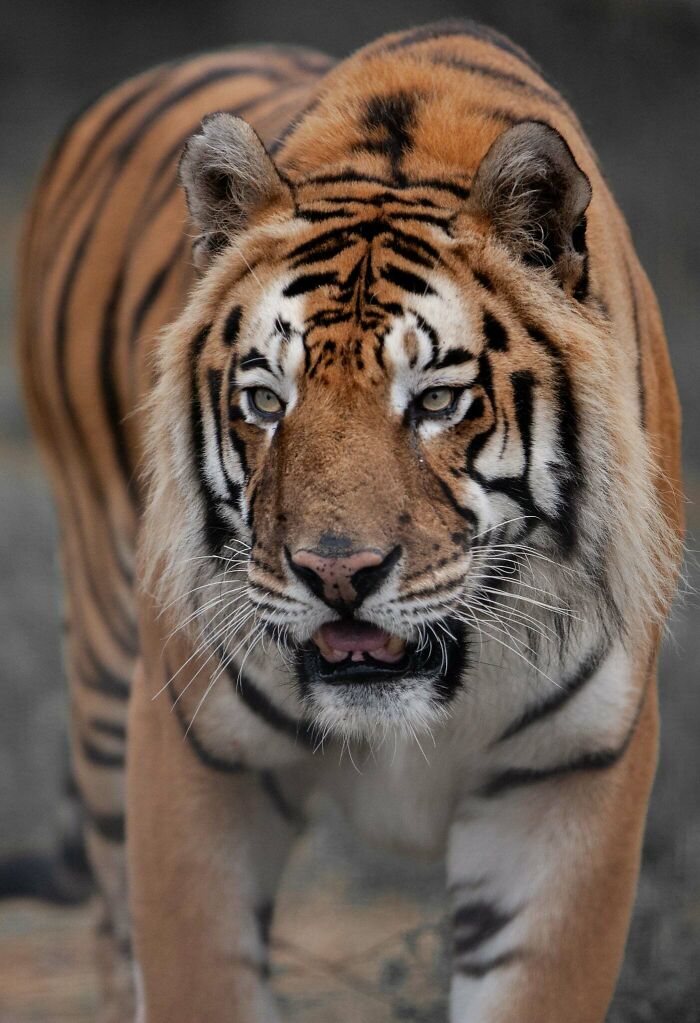
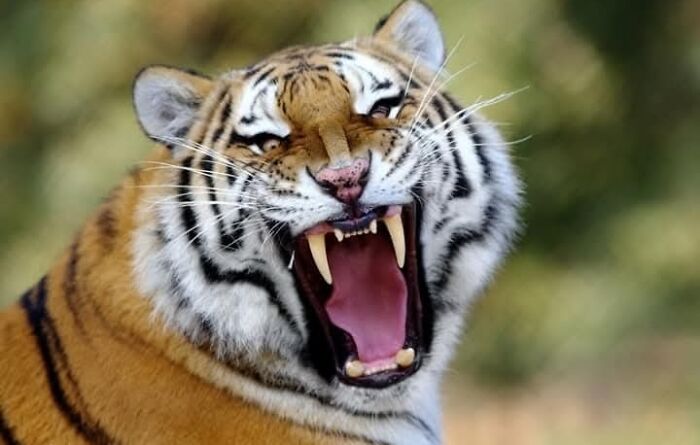
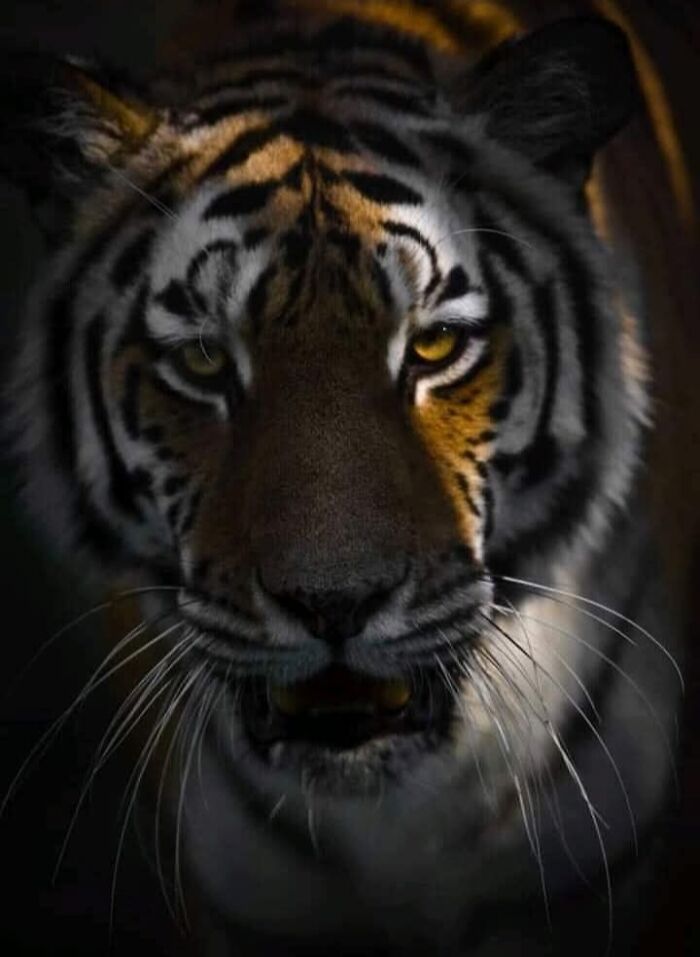
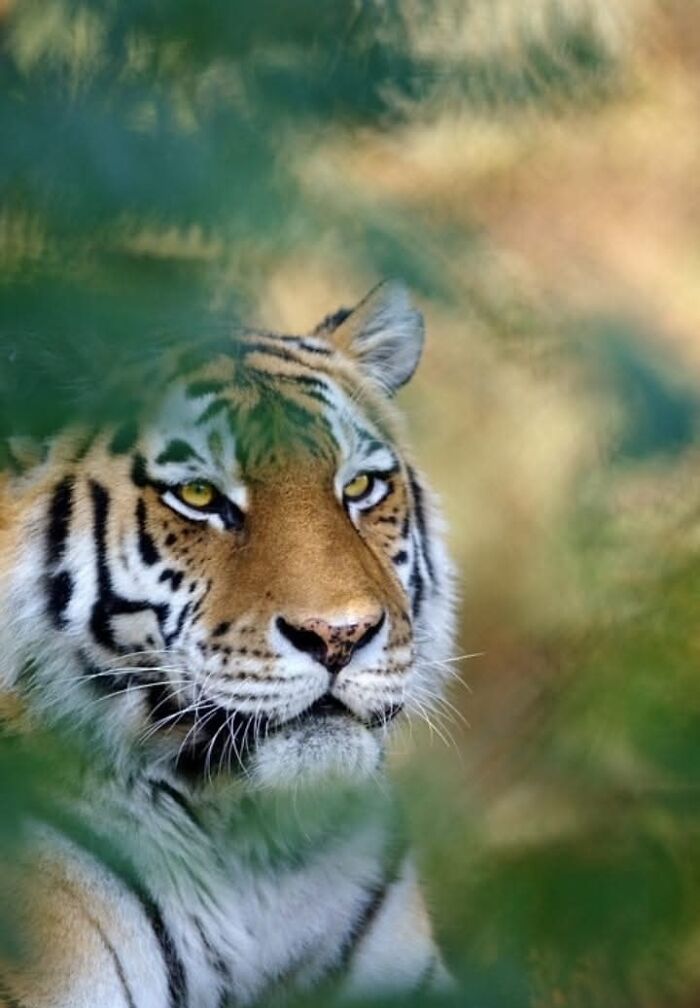
Tigers are so lovely and so HUGE. From Wiki: "Since the early 20th century, tiger populations have lost at least 93% of their historic range and are locally extinct in West and Central Asia, in large areas of China and on the islands of Java and Bali. Today, the tiger's range is severely fragmented. It is listed as Endangered on the IUCN Red List of Threatened Species, as its range is thought to have declined by 53% to 68% since the late 1990s. Major threats to tigers are habitat destruction and fragmentation due to deforestation, poaching for fur and the illegal trade of body parts for medicinal purposes. Tigers are also victims of human–wildlife conflict as they attack and prey on livestock in areas where natural prey is scarce."
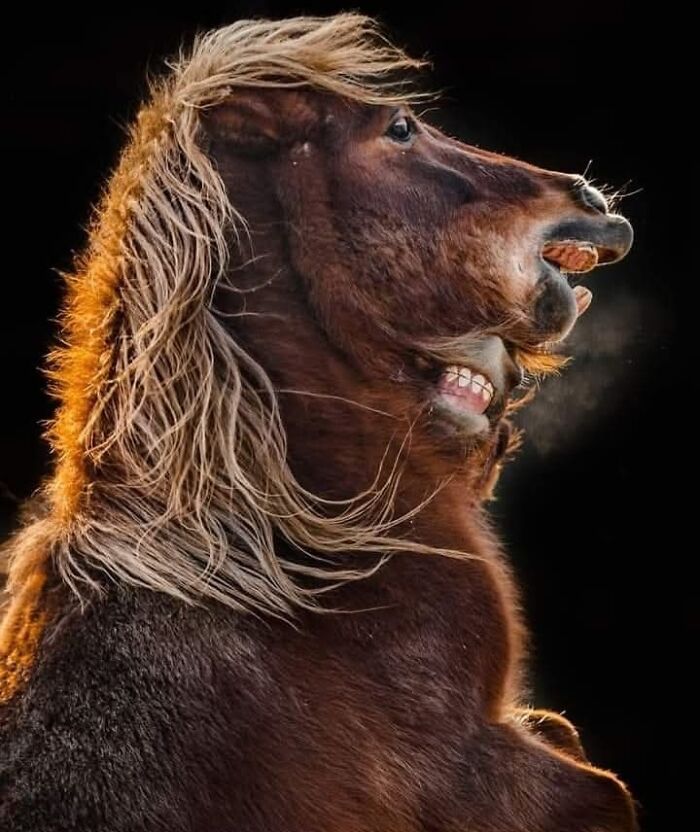
I know how nasty those bites can be. You need to respect horses if you spend any time around them.
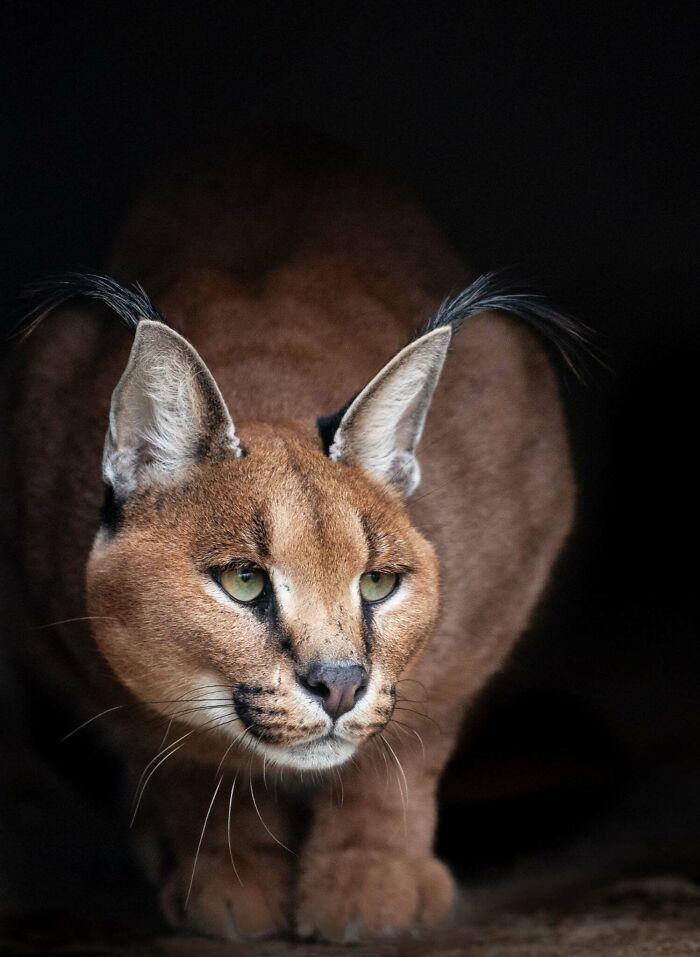
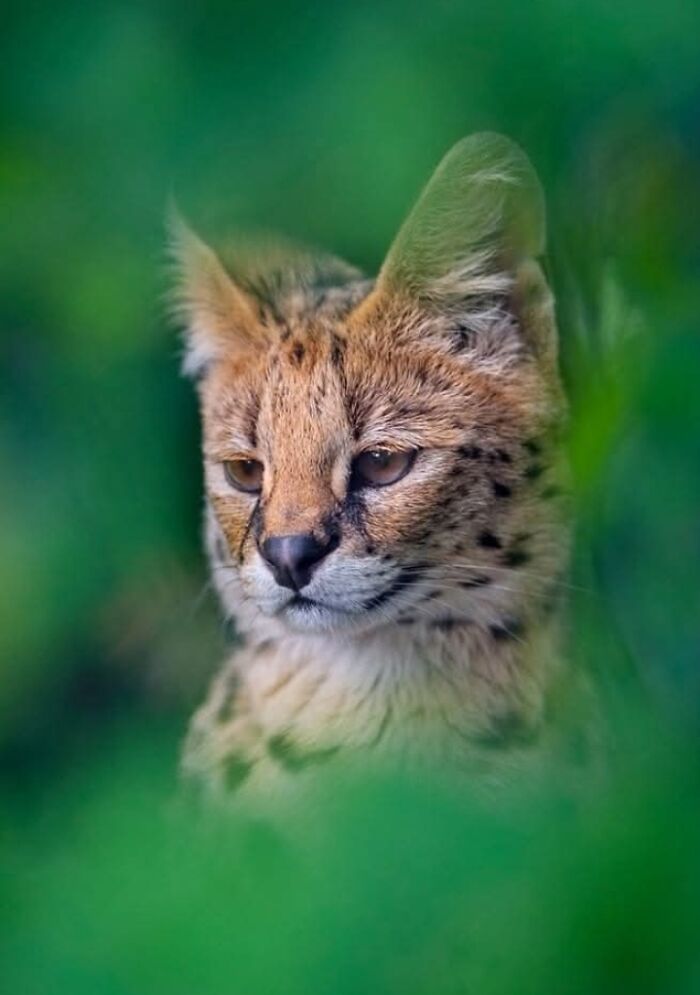
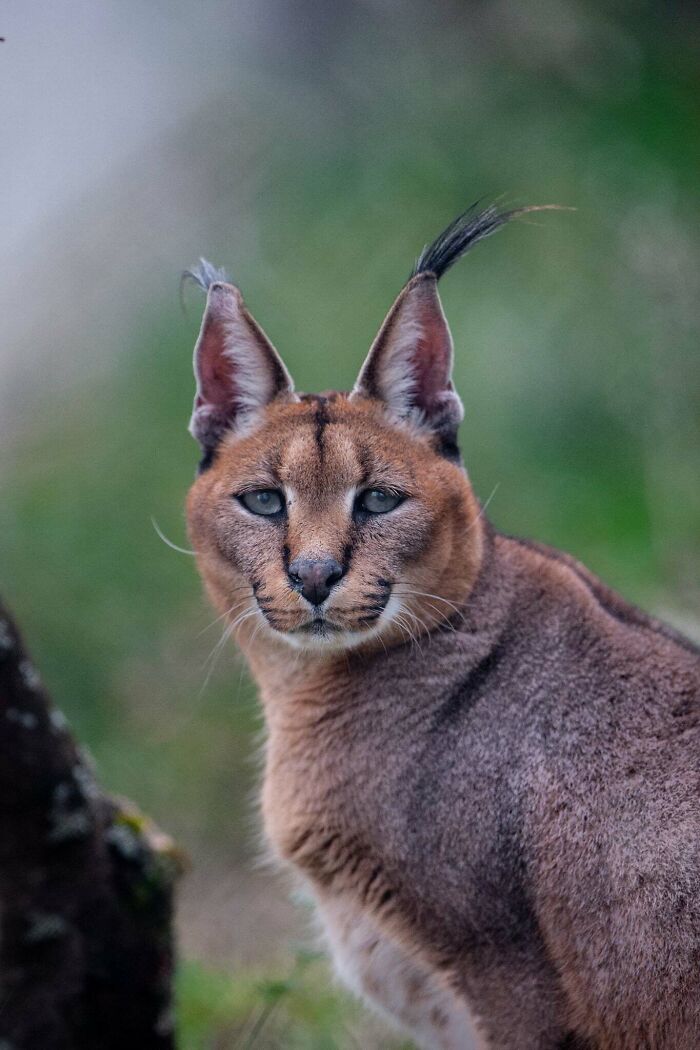
Caracals are gorgeous. From Wiki: "The caracal is a wild cat native to Africa, the Middle East, Central Asia, and arid areas of Pakistan and northwestern India. It is characterised by a robust build, long legs, a short face, long tufted ears, relatively short tail, and long canine teeth. Its coat is uniformly reddish tan or sandy, while the ventral parts are lighter with small reddish markings. It reaches 40–50 cm at the shoulder and weighs 8–19 kg. It was first scientifically described by German naturalist Johann Christian Daniel von Schreber in 1776. Three subspecies are recognised. Typically nocturnal, the caracal is highly secretive and difficult to observe. It is territorial, and lives mainly alone or in pairs. The caracal is a carnivore that typically preys upon birds, rodents, and other small mammals. It can leap higher than 3.0 m and catch birds in midair. It stalks its prey until it is within 5 m of it, after which it runs it down and kills it with a bite to the throat."
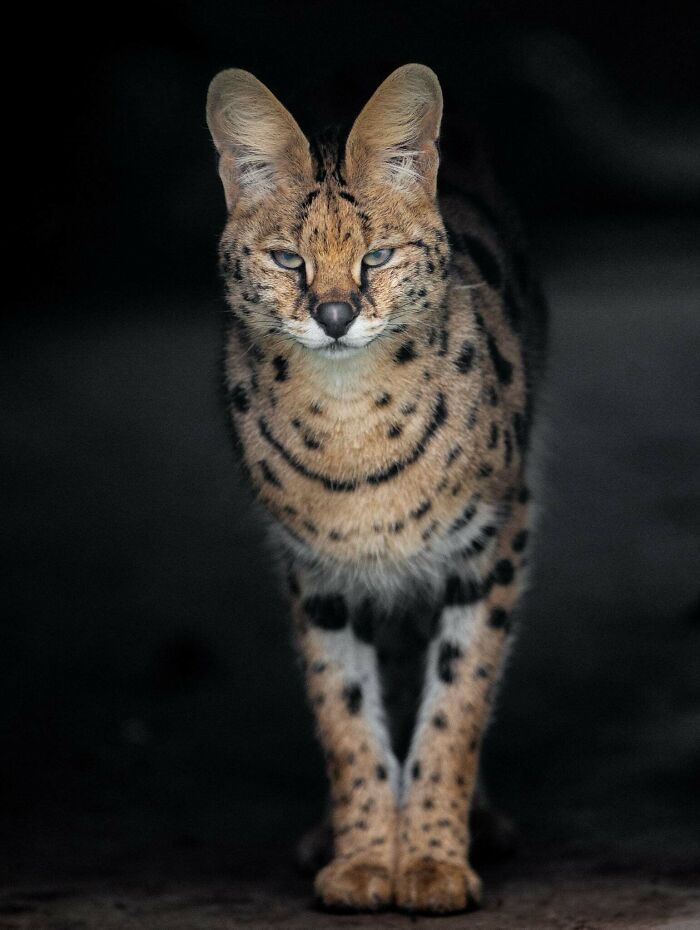
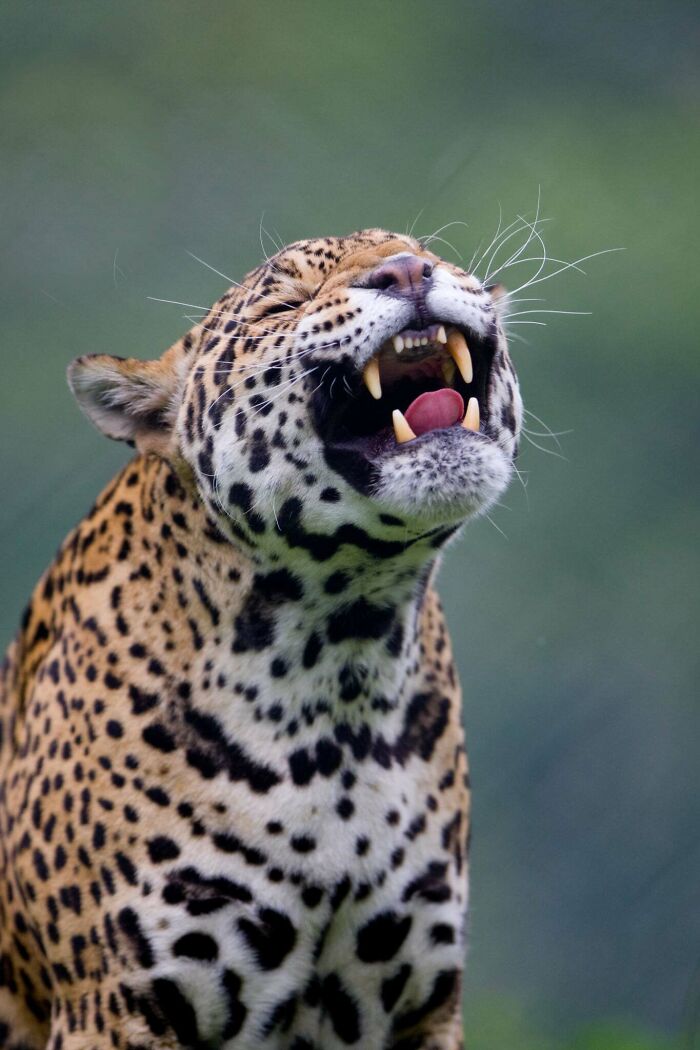
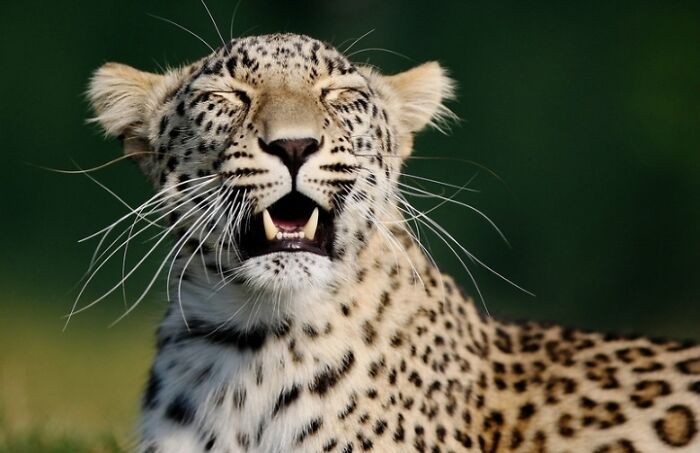
If I was in charge of the universe I would have leopards, cheetahs, and snow leopards for visitors, with the occasional tiger quoll.
People ID tigers by their eye markings, and I was surprised that when I fell in love with a particular tiger in India, I could pick him out from almost any photo of a tiger and identify him without a shadow of a doubt. Sadly he died a few years ago, but I still have a lot of photos of him. Ed.: OK, just looked it up and he was Sitara (T-28) from the Ranthambor Tiger Reserve in India. Couldn't miss those markings ANYwhere.
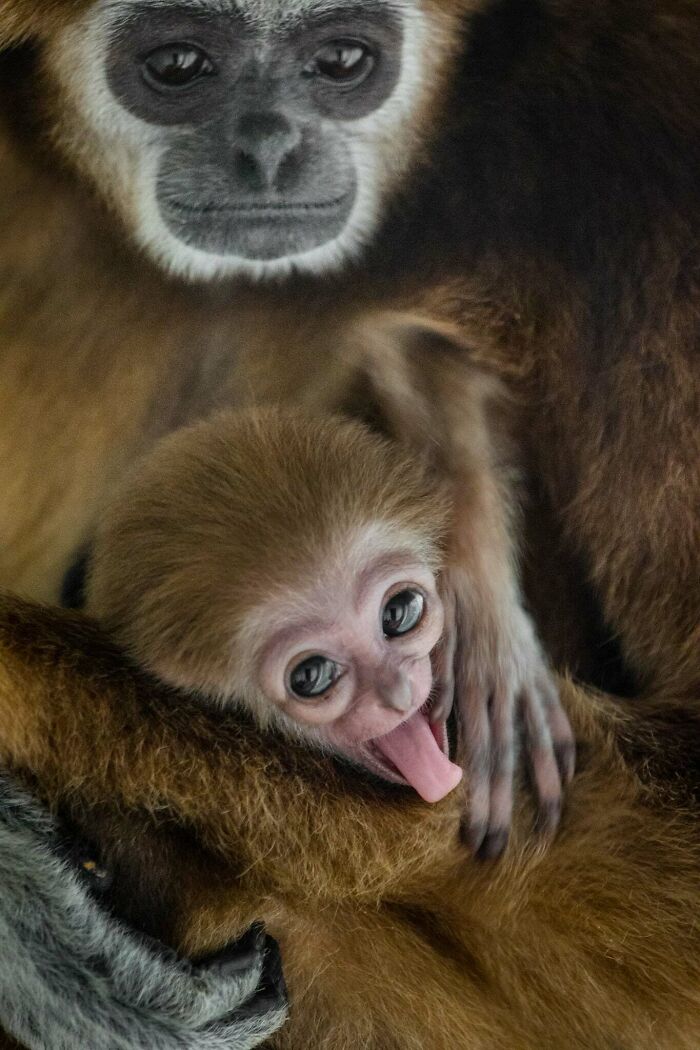
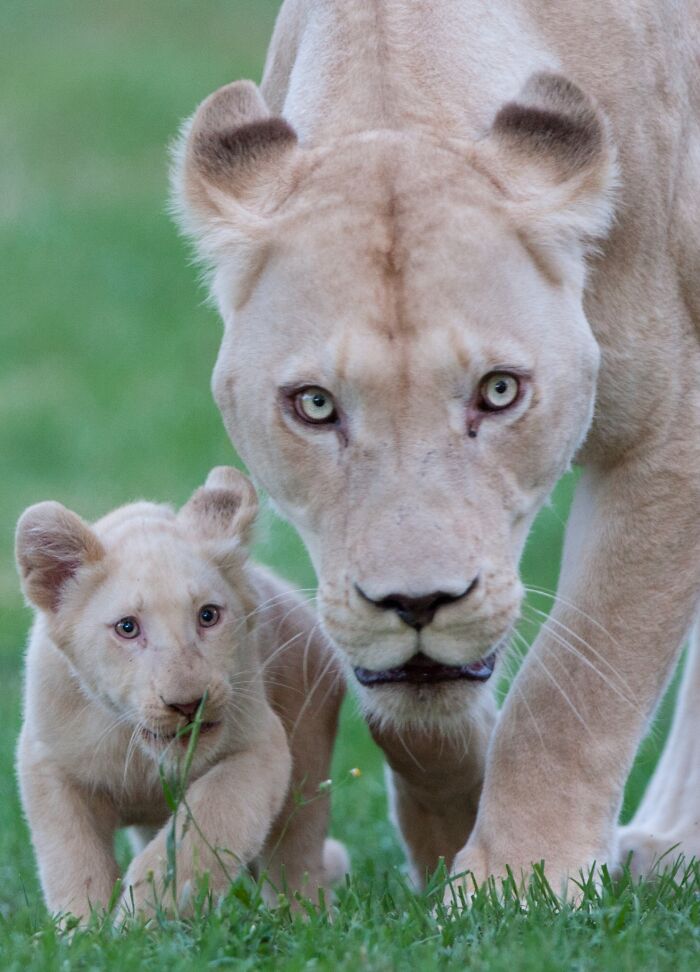
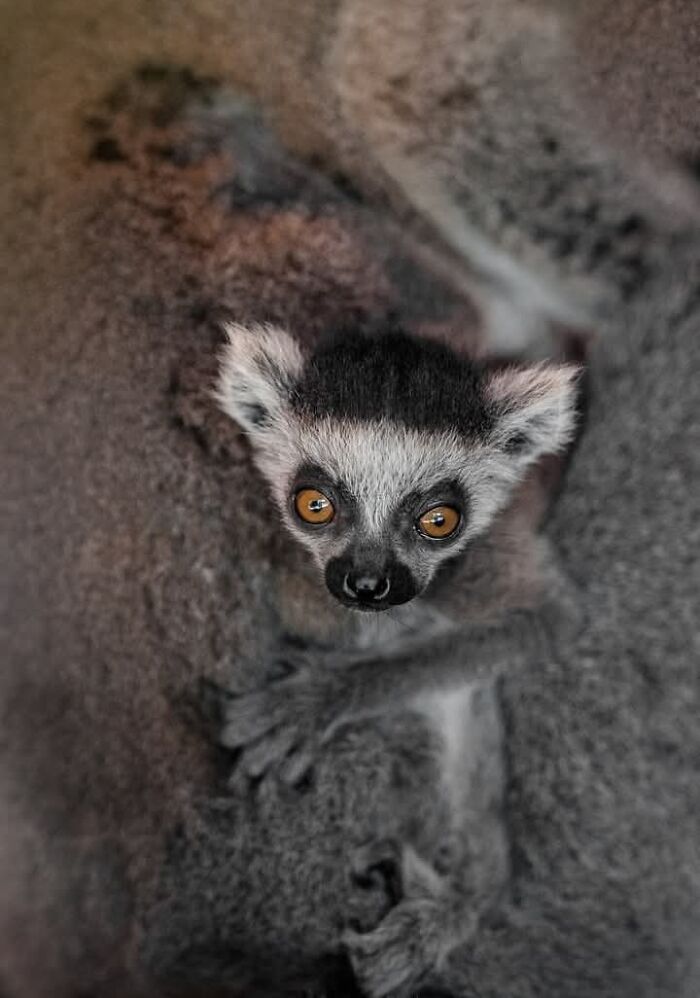
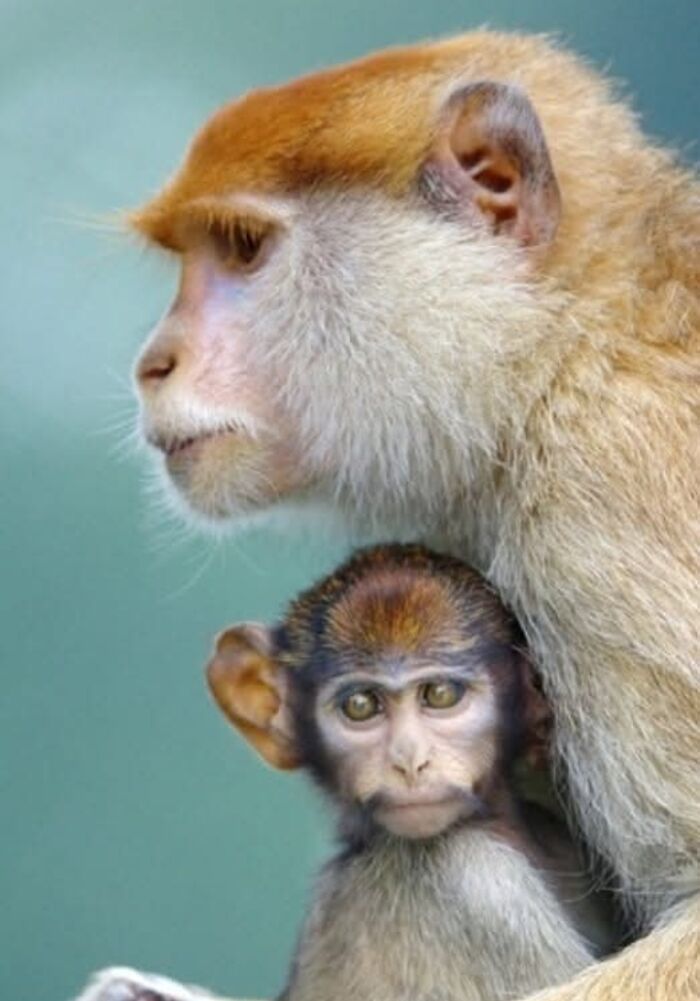
Squeeeee!!!!! It's amazing how damn cute animals are when they are babes. "Simply irresistible," as Robert Palmer would say.
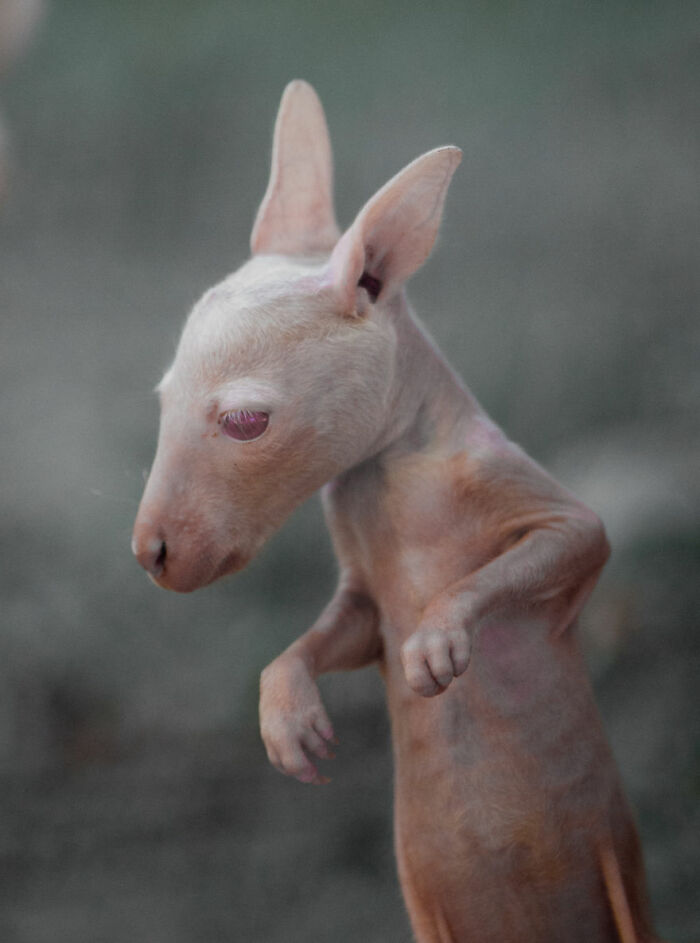
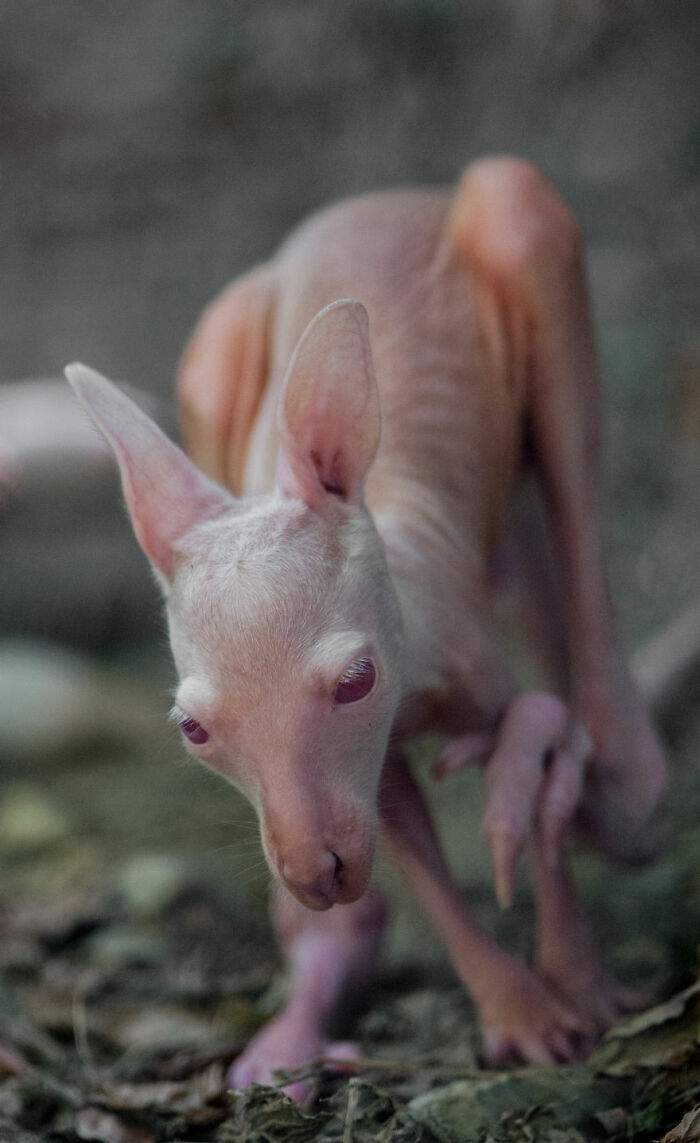
OMG, there is that stunning baby 'roo again! Good thing I am not near it because I would want to scoop it up, and I know that mama wouldn't want me anywhere near her little one. She would then proceed to calmly dismember me piece by piece. But for one little precious hug . . .







































 No fees, cancel anytime
 then open in external browser


 and click "Open in External Browser"