Get Premium
Dark mode theme is available exclusively for premium users. Learn more about the benefits of subscribing.
No fees, cancel anytime.

 Dark Mode Ad-Free Browsing Unlimited Content
 Ad-Free Browsing Unlimited Content Dark Mode
Join 1.2 million Panda readers who get the best art, memes, and fun stories every week!
During the Gilded Age, the Vanderbilts weren’t just the richest family in America; they were the wealthiest family in the world, too. Yet within a century, their massive fortune had somehow vanished. With extravagant mansions, yachts, and even lavish parties, the family managed to blow through a ton of money. By the 20th century, the family’s billions were virtually non-existent, leaving descendants nothing but ruins of once-glorious estates and the story of the greatest downfall in U.S. history. Here’s how the Vanderbilts lost their empire, and their fortune.
This post may include affiliate links.
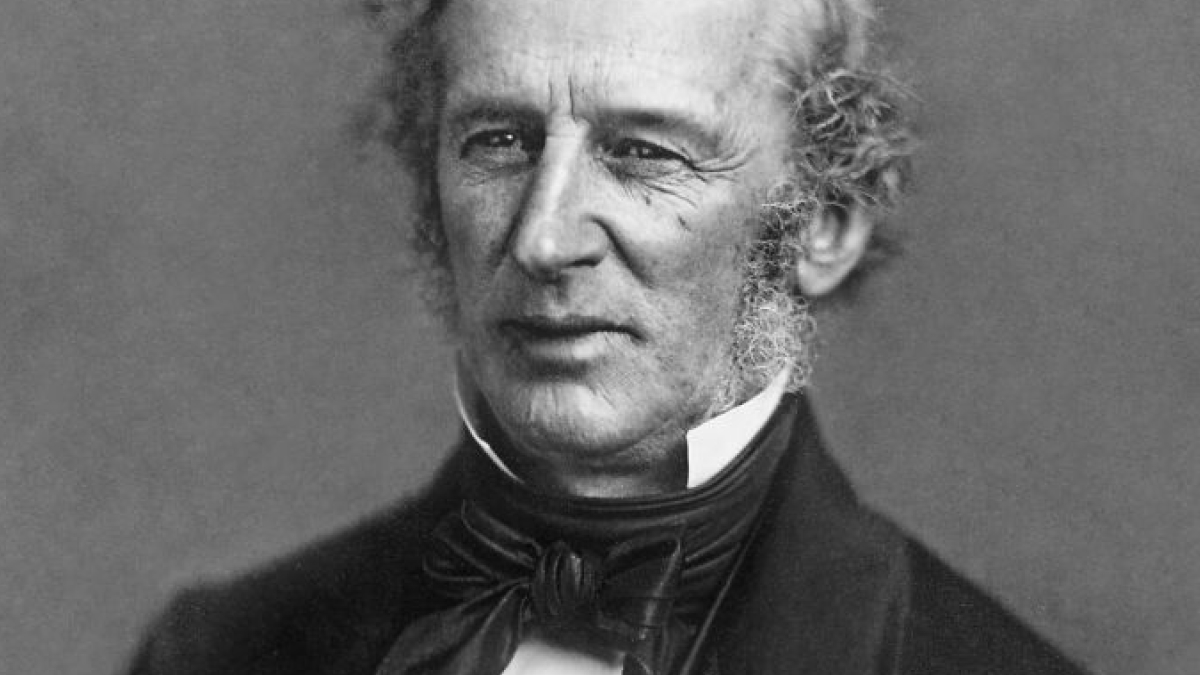
When Cornelius Vanderbilt passed away in 1877, he was America’s richest man, worth more than $100 million, roughly $3 billion today. He started his empire when he was just a teen with only $100, which he had borrowed from his parents. Using that money, Vanderbilt began ferrying people across the New York Harbor, eventually building this service into a shipping empire. From there, he turned his attention to railroads, where he struck gold yet again. Although Vanderbilt had 13 children, his eldest son, William Henry Vanderbilt, and four grandsons inherited 95% of the empire after his passing.
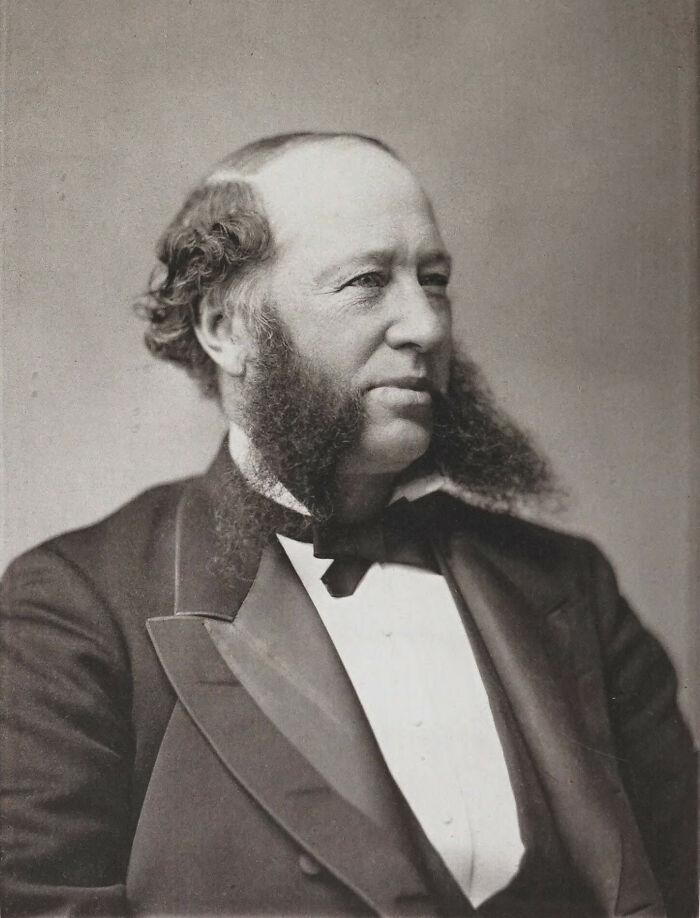
His father might have called him a “blockhead,” but William famously proved him wrong when he became the richest man in the world after doubling the family fortune in under 9 years. Unlike his father, William split most of his wealth between his two eldest sons, Cornelius Vanderbilt II and William Kissam Vanderbilt, and his six other children received much smaller shares. Sadly, it was this decision that would lead to the fall of the Vanderbilt empire.
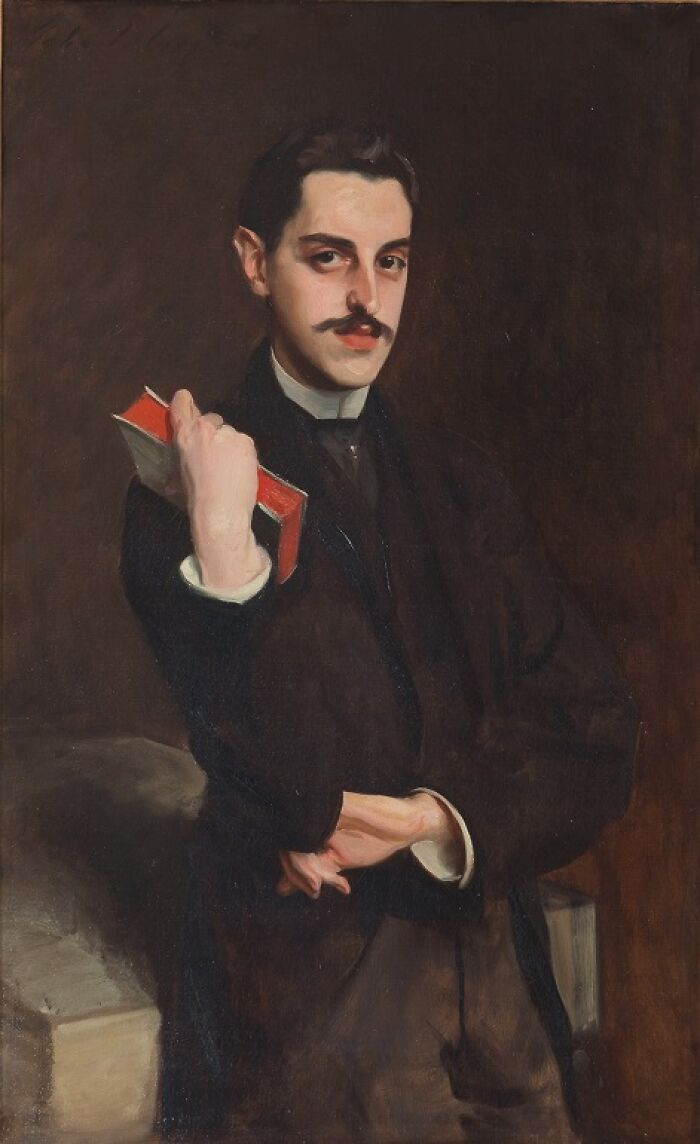
Much like his older brother, Cornelius II, George Washington Vanderbilt spent most of his $13 million inheritance on constructing the Biltmore Estate in North Carolina, which is considered the largest privately owned home in the U.S., with an incredible 250 rooms. Because George preferred art, books, and luxury over business, he blew through most of his inheritance fast. When he passed in 1914, all that was left of his wealth was the extravagant mansion he had built.
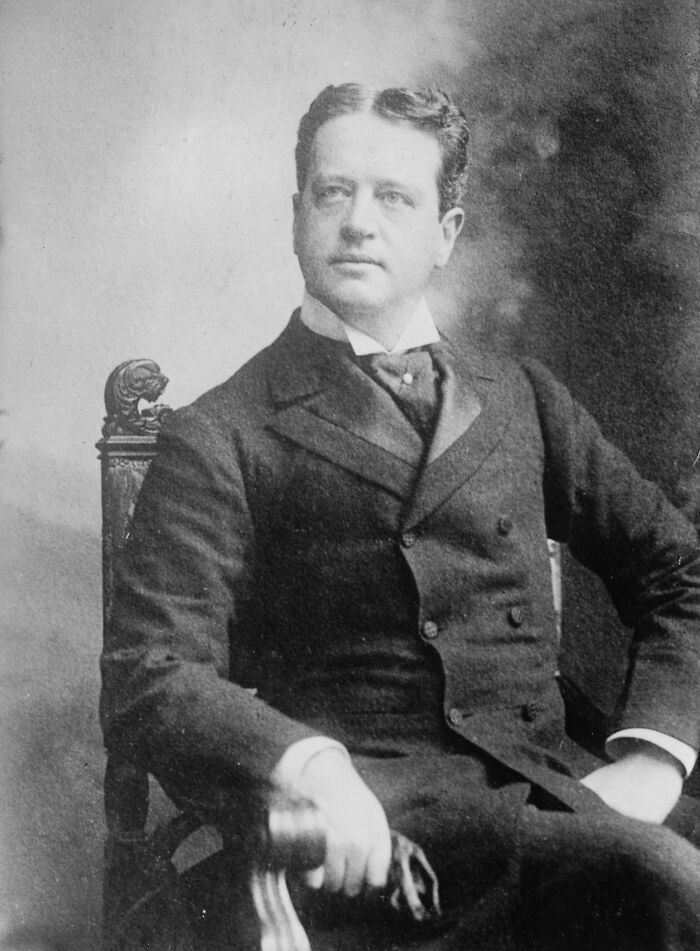
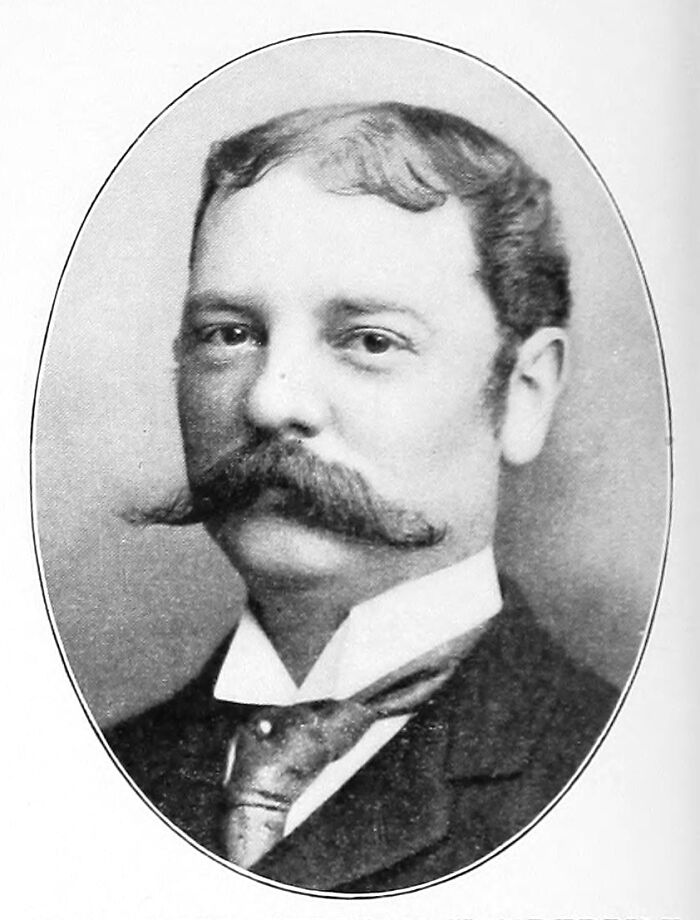
Not long after William Kissam Vanderbilt inherited $55 million(around $2 billion today) as the second son of William Henry, his wife, Alva, didn’t waste any time spending extravagantly. She blew cash on everything from elaborate social parties to commissioning several lavish mansions, such as Marble House. Though William Kissam managed parts of the railroad empire after Cornelius II’s passing, he preferred to spend his time and money on sports and leisure, particularly horse racing. As a result, his time as head of the family was the main driving force behind the fall of the Vanderbilt empire.
After William Henry’s passing, his eldest son, Cornelius Vanderbilt II, became the head of the family and inherited around $70 million(over $2.5 billion today). While known for his philanthropy, he also indulged in extravagance, most famously through his Breakers mansion in Newport, Rhode Island. Despite this, Cornelius II was praised for his strong work ethic. As such, he managed to expand the New York Central Railroad and run the empire quite well until his sudden passing in 1899. After this and some major discourse over his will, Cornelius II’s brother, William Kissam Vanderbilt, took over as head of the family.
Cornelia Stuyvesant Vanderbilt, George Washington II’s only child, inherited Biltmore Estate after his passing in 1914. When she turned 25, she received her $5 million inheritance from her father, and then later married British aristocrat John Francis Amherst Cecil, with whom she had two sons. Cornelia eventually grew bored with life at Biltmore, divorced her husband, and ran off to Paris, never to be seen in the U.S. again. Her sons, George and William Cecil, went on to inherit the estate. George inherited most of the estate’s land and the Biltmore Farms Company, while William inherited Biltmore House, which is now open to the public as a house museum.
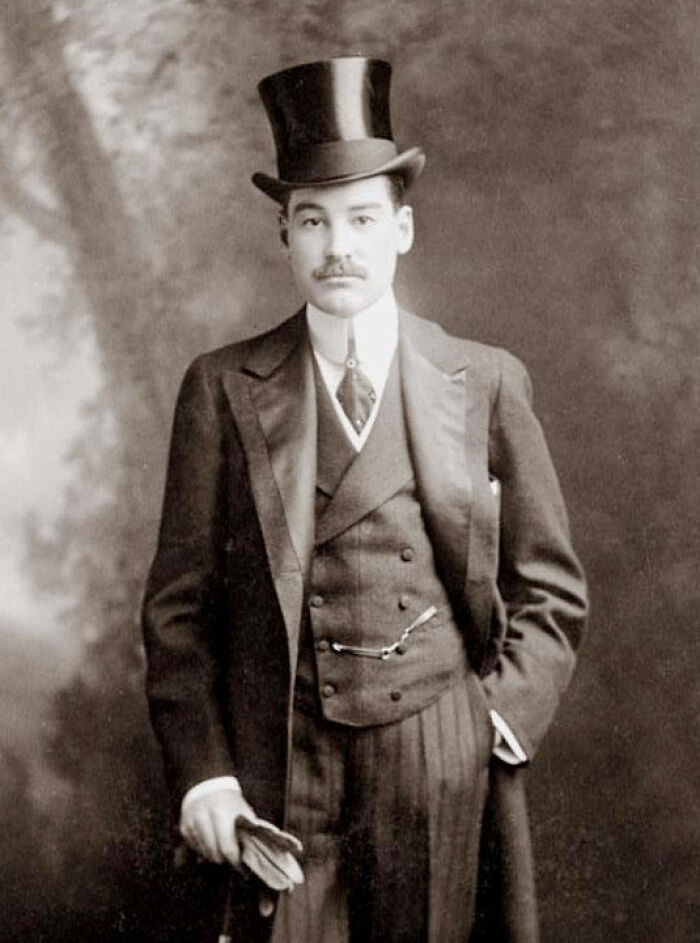
Cornelius Vanderbilt II’s third son, Alfred Gwynne Vanderbilt, inherited the largest share of his father’s $72 million estate. Passionate about equestrianism, he spent most of his time traveling and living a rich social life. Alfred’s reputation wasn’t the greatest due to his wife’s allegations of adultery and subsequent costly divorce. Sadly, his life would end tragically aboard the Lusitania in 1915, when a German U-boat torpedoed the ship during World War I. After his passing, Alfred’s $26 million estate was divided among his widow, younger brother, and children, marking another splinter in the Vanderbilt empire.
Largely seen as the most frugal of all the Vanderbilts, Frederick William Vanderbilt inherited $10 million after his father, William Henry, passed away. Unlike his siblings, Frederick made sound financial decisions, managing to grow his inheritance to a staggering $80 million(almost $2 billion today). He passed away childless in 1938, so his niece inherited what was left of his sizable estate after all his charitable donations were fulfilled.
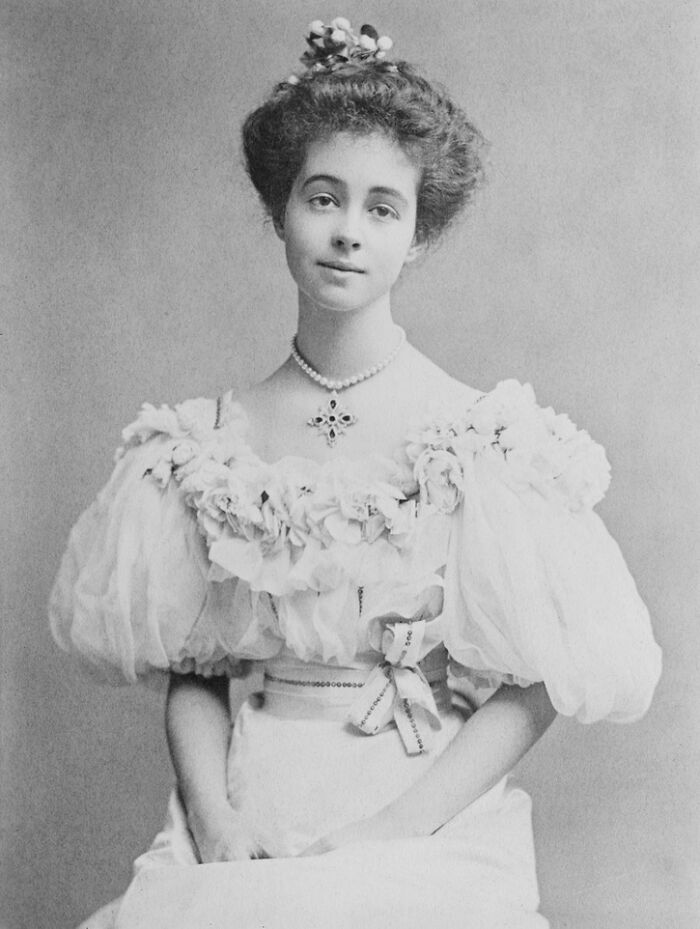
Consuelo Vanderbilt, William Kissam’s daughter, inherited trust funds worth millions after his passing. Her mother, Alva, forced her into marrying the 9th Duke of Marlborough, a fading British aristocrat who then obtained her $2.5 million dowry(about $38 million today). Though their marriage secured the Vanderbilt name a spot in British high society, it came at a high price, as Consuelo was deeply unhappy in the loveless marriage. Sadly, she had become what was known as a “dollar princess,” an American heiress whose fortune was used to save fading noble families from financial ruin.
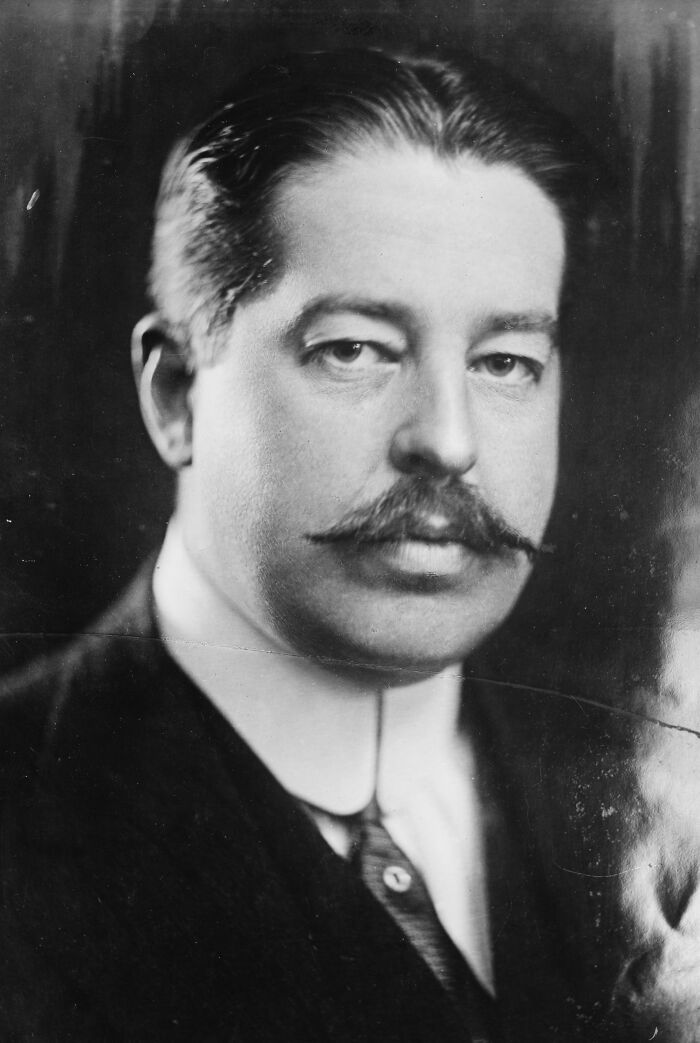
Reginald Claypoole Vanderbilt, Cornelius Vanderbilt II’s youngest son, inherited around $10 million( $384 million today) after his father’s passing and quickly gained a bad reputation as a reckless spender. Reginald’s gambling problem and love of luxury drained his inheritance, and his inability to manage his money eventually led him to financial ruin. At the time of his passing in 1925, not much was left of his fortune.
After her father, Reginald Claypoole’s passing, Gloria Laura Vanderbilt inherited $4.2 million (roughly $75 million today) at just 18 months old. Her inheritance sparked what was called “the trial of the century,” an intense custody battle between her mother and her aunt, Gertrude Vanderbilt Whitney, in the 1930s. When Gloria came of age, she received what was left of her trust fund, and by the ‘70s, she had become a household name in the fashion, perfume, and household goods industry. While the Vanderbilt empire had lost most of its fortune by her time, she still managed to make a name for herself.
Unlike his predecessors, Anderson Cooper, the son of Gloria Vanderbilt, had to make his own way in life without a trust fund. Now 58 years old, Anderson has become a successful broadcast journalist and political commentator, earning praise for his fearless reporting. Although the Vanderbilt fortune is largely gone, the family name still carries prestige today as it’s remembered as one of the richest families in the Gilded Age.








































 No fees, cancel anytime