Get Premium
Dark mode theme is available exclusively for premium users. Learn more about the benefits of subscribing.
No fees, cancel anytime.

 Dark Mode Ad-Free Browsing Unlimited Content
 Ad-Free Browsing Unlimited Content Dark Mode
Join 1.2 million Panda readers who get the best art, memes, and fun stories every week!
There’s a lot more to Mexico than tequila and beach resorts. Behind the clichés lies a country shaped by centuries of ancient civilizations, creative innovation, and rich traditions that still shape daily life today. It’s a place where food, folklore, nature, and history collide in fascinating ways.
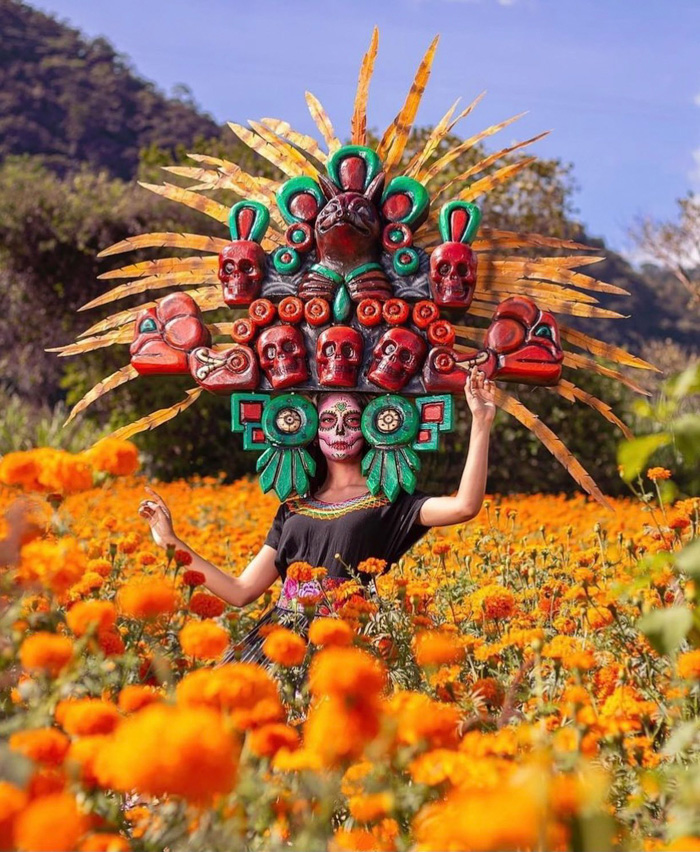
Ahead, we dive into some of Mexico’s most intriguing and lesser-known facts, from cultural quirks and historic milestones to natural wonders and iconic cuisine.
This post may include affiliate links.
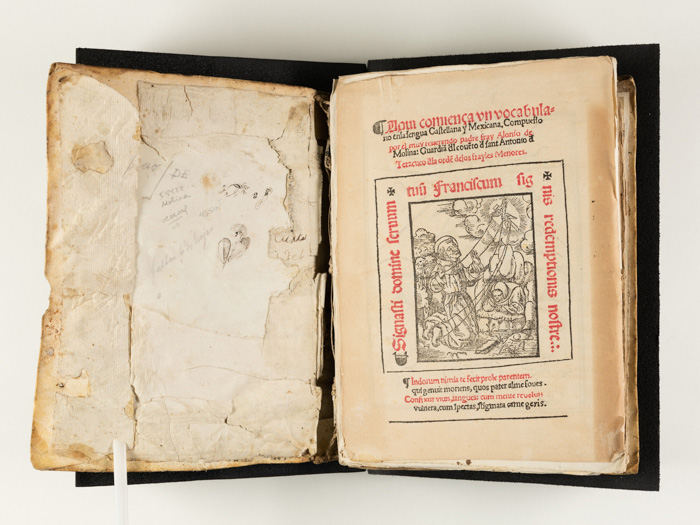
In 1539, Mexico City became home to the first printing press in North America, thanks to Spanish publisher Juan Cromberger. Archbishop Juan Zumárraga secured royal approval from King Charles V to bring the press from Europe. Once installed in Cromberger’s home, Italian printer Juan Pablos operated it.
The press initially focused on printing documents for the church and government. Its arrival marked a significant leap forward in literacy, education, and communication across the continent (per Latino Book Review).
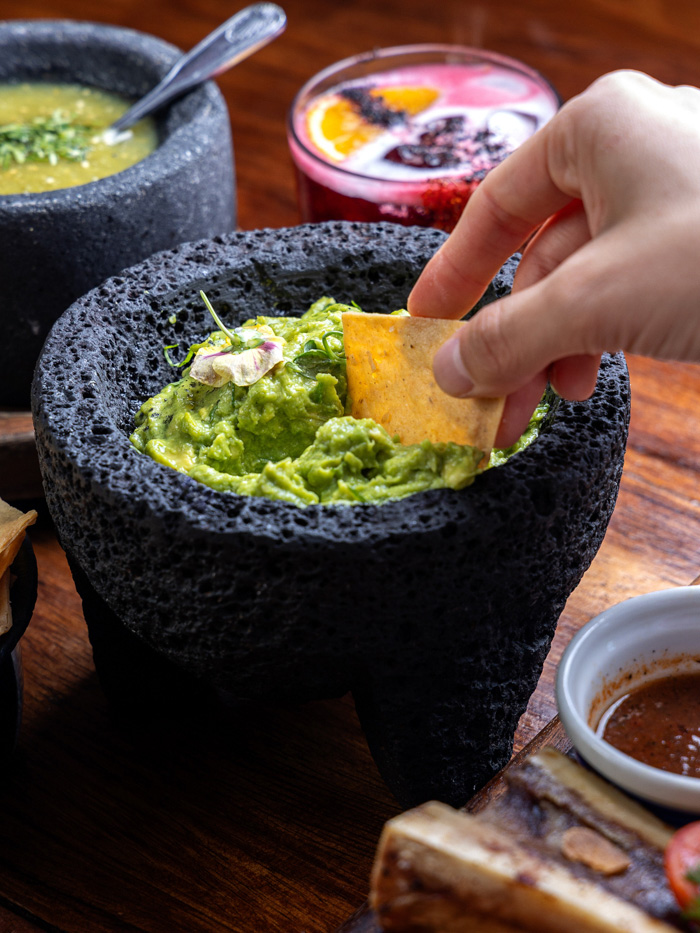
Guacamole isn’t just a party dip. It’s one of Mexico’s oldest culinary creations, dating back over 500 years to the Aztecs. The word itself comes from “āhuacamolli,” a Nahuatl term for avocado sauce. While the original version was simple, often just mashed avocado, ancient cooks soon added local ingredients like tomatoes and chilis to boost flavor.
Mexico now produces 32% of the world’s avocados and is home to the oldest known avocado pit, discovered in Puebla and estimated to be up to 10,000 years old. With more than 500 varieties grown worldwide, some avocado trees can even survive for centuries (per Familia Kitchen).
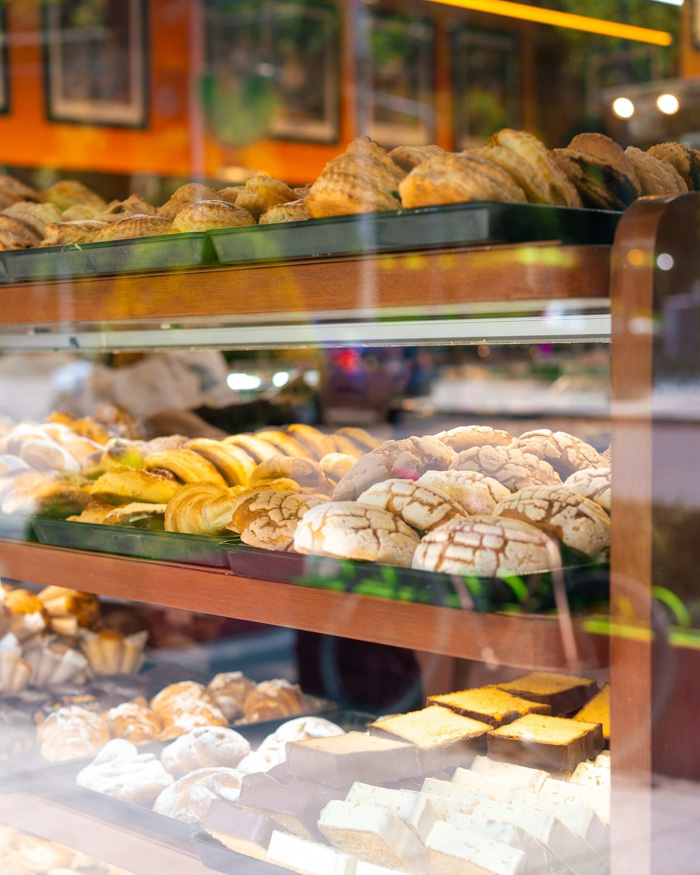
Across Mexico, bakeries are a beloved part of daily life. From early breakfasts to afternoon snacks, panaderías and pastelerías are everywhere, offering a colorful array of pan dulce, or sweet breads. These treats aren’t just for holidays. They’re woven into everyday routines, celebrations, and Catholic traditions.
There are more than 1,000 known varieties of Mexican sweet bread, each with a unique flavor, shape, and name. Some are soft and fluffy, others flaky or filled with cream, but all play a flavorful role in Mexican culture (per Eater).
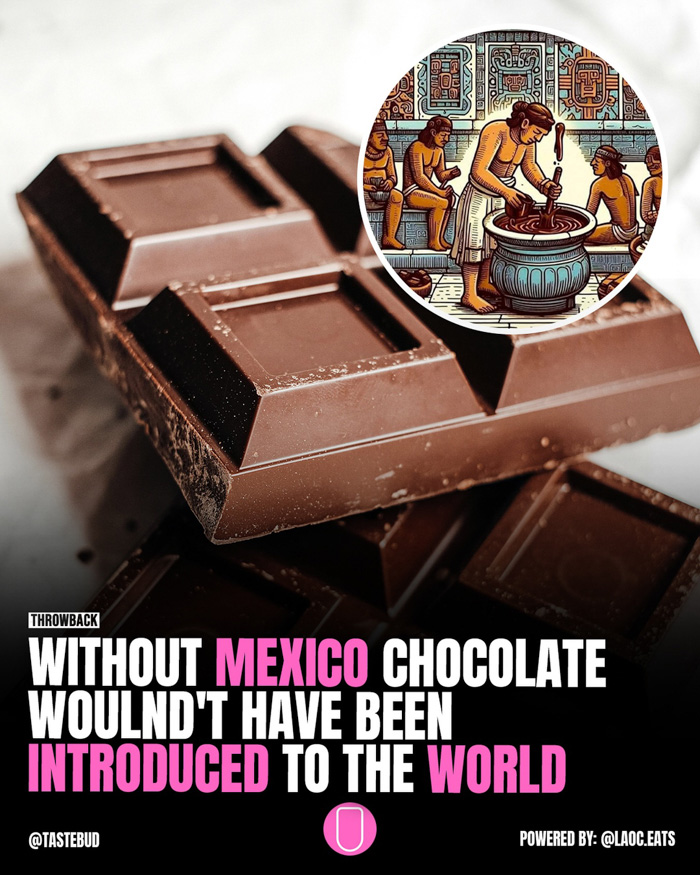
Chocolate has deep roots in Mexico, tracing back to the ancient Maya, Aztecs, Olmecs, and Zapotecs. These civilizations valued cacao so much that they used it as both currency and a ceremonial drink known as xocoátl, an early form of hot chocolate reserved for nobility.
Today, states like Tabasco, Chiapas, Oaxaca, Yucatán, and Guerrero still produce cacao, with criollo beans prized for their flavor. Mexico grows all major cocoa types and ranks 13th in global chocolate production, with an industry that supports over 55,000 jobs (per Terra Maya).
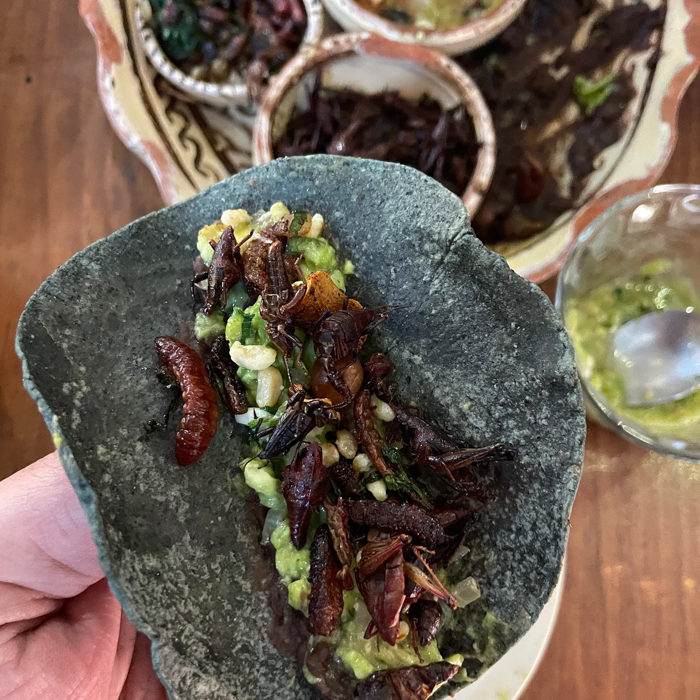
Insects have been part of Mexican diets for thousands of years, especially among pre-Columbian civilizations that used them as a key protein source. Today, entomophagy remains common in states such as Oaxaca, Guerrero, and Chiapas.
Mexico is known to consume up to 500 types of edible insects. Maguey worms, particularly the red chincuiles, are rare delicacies tied to the harvest cycle of the maguey plant. Grasshoppers, often roasted or seasoned, are appreciated for their protein content and flavor.
Escamoles, ant larvae nicknamed “Mexican caviar,” were a staple in ancient times and remain a prized seasonal treat (per Spruce Eats).
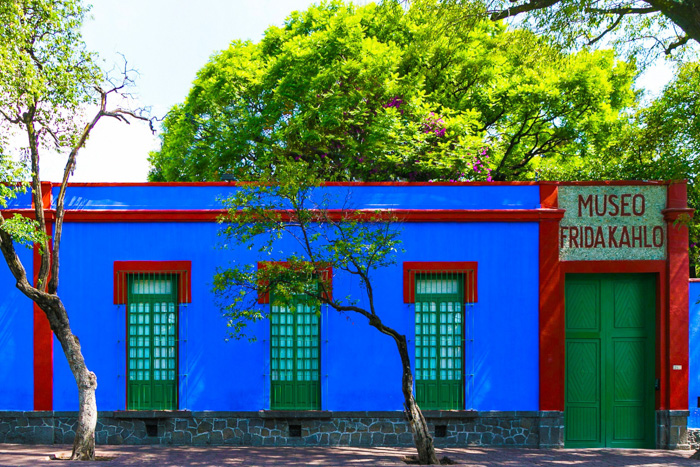
Frida Kahlo’s Blue House in Coyoacán, Mexico City, is one of the most visited museums in the country. The iconic artist lived there with Diego Rivera, and after her death, Rivera donated the house to be turned into a museum.
Since 1958, it has showcased both artists’ work and traditional Mexican folk art, as well as deeply personal items like Kahlo’s decorated corset and the mirror she used for self-portraits. The house features ten rooms and draws around 25,000 visitors each month (per Archello).

Mexican here. Possibly this is an unpopular opinion, but Frida Kahlo is overrated. As an artist, her technique was sloppy, the themes are not innovative and her style is just a copy of her husband's. As a female icon she was not: she despised feminists of her day, was trapped in a toxic relationship to a man who pysically and mentally a****d her, cheating her repeatedly (with her sister) until the point she developed clinical depression. For female iconic artist in Mexico, Leonora Carrington (born British but nationalized Mexican) is way superior.
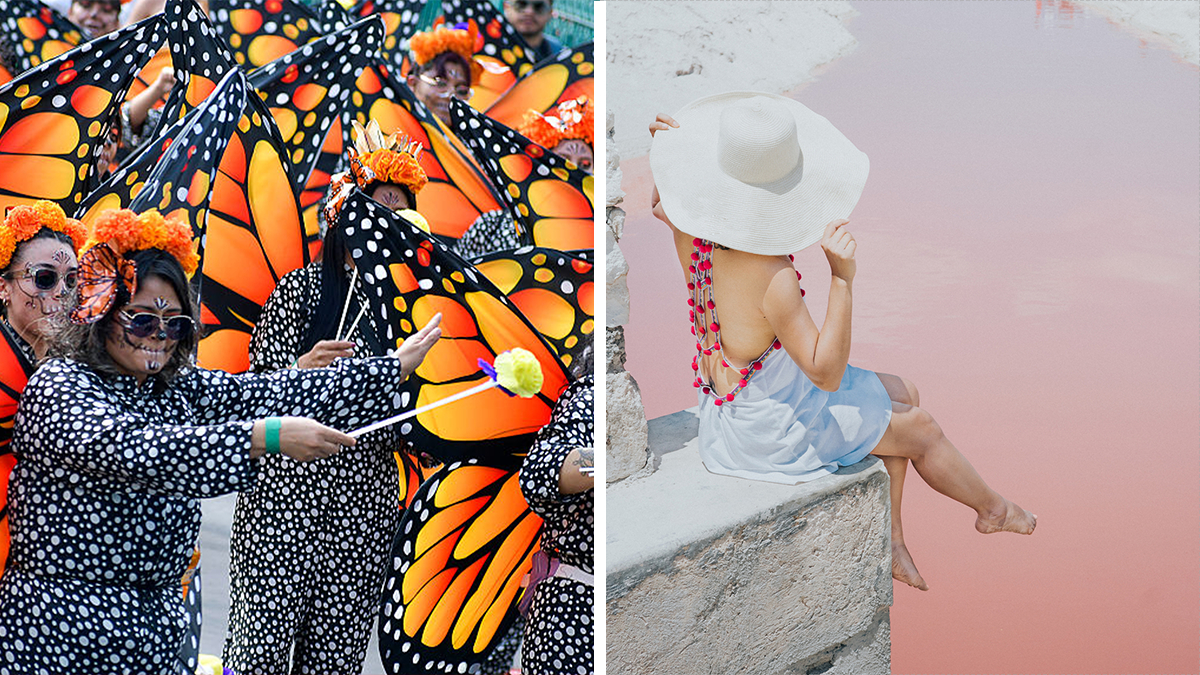
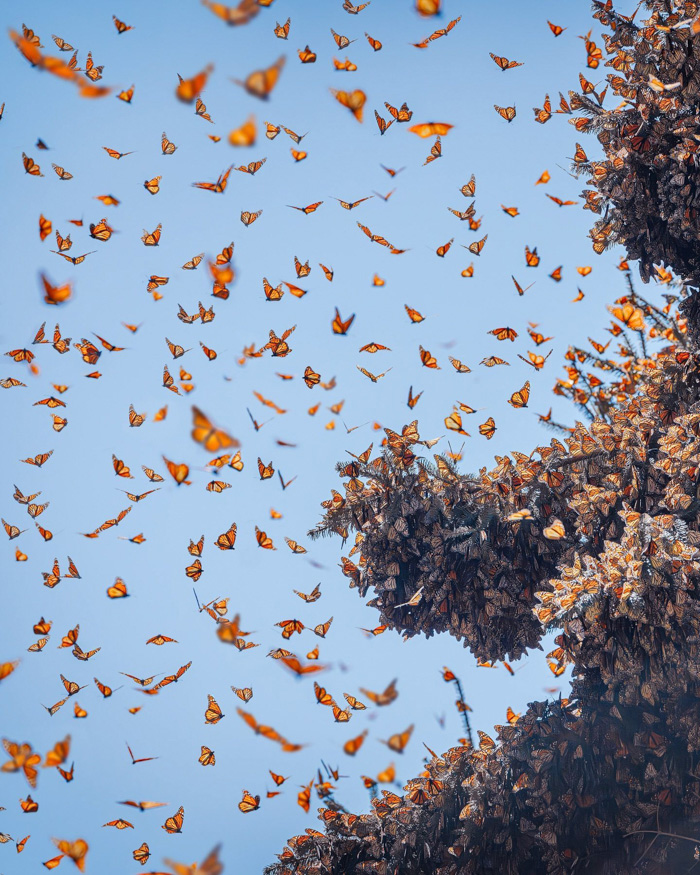
Each fall, millions of monarch butterflies migrate from the northeastern U.S. and Canada to Mexico’s Central Highlands. The eastern population makes the journey to central Mexico, while the western group heads to coastal California.
Monarchs are remarkable for their multi-generational migration. Most live only a few weeks, but the Methuselah generation can survive up to eight months and uses an internal compass to navigate thousands of kilometers. In Mexico, they rest in forest sanctuaries for the winter before returning north to lay eggs on milkweed plants. It takes up to five generations to complete the cycle.
These butterflies hold deep meaning for Purépecha communities in Michoacán, where their arrival coincides with the corn harvest and signals spiritual connection (per NATHAB).
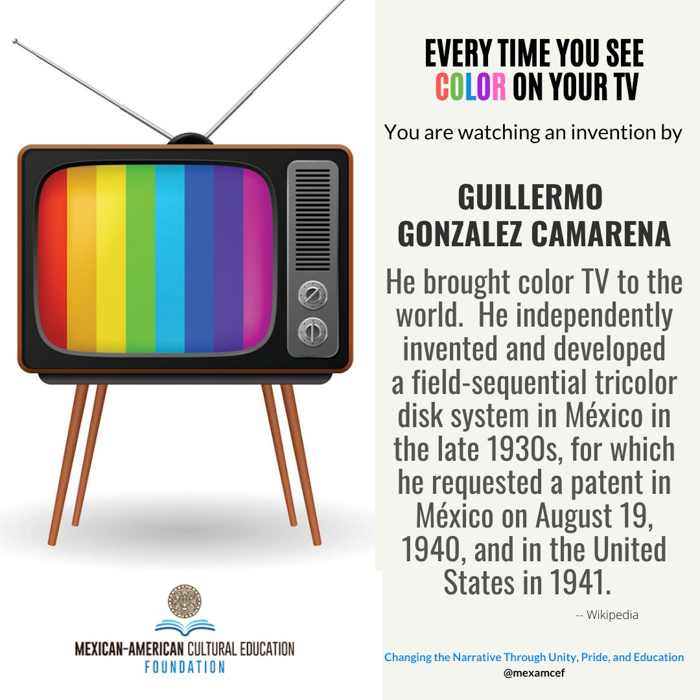
Guillermo González Camarena, born in Guadalajara in 1917, invented one of the earliest color television systems. In 1947, he launched experimental channel XE1GC using his three-lens color technology. By 1963, Mexico’s Channel 5 became the first to air a color image using his invention.
His impact wasn’t just technical. He also developed Tele secundaria, a system that broadcast middle school lessons via TV to students in remote areas, demonstrating that innovation can transform both entertainment and education (per Pavek Museum).
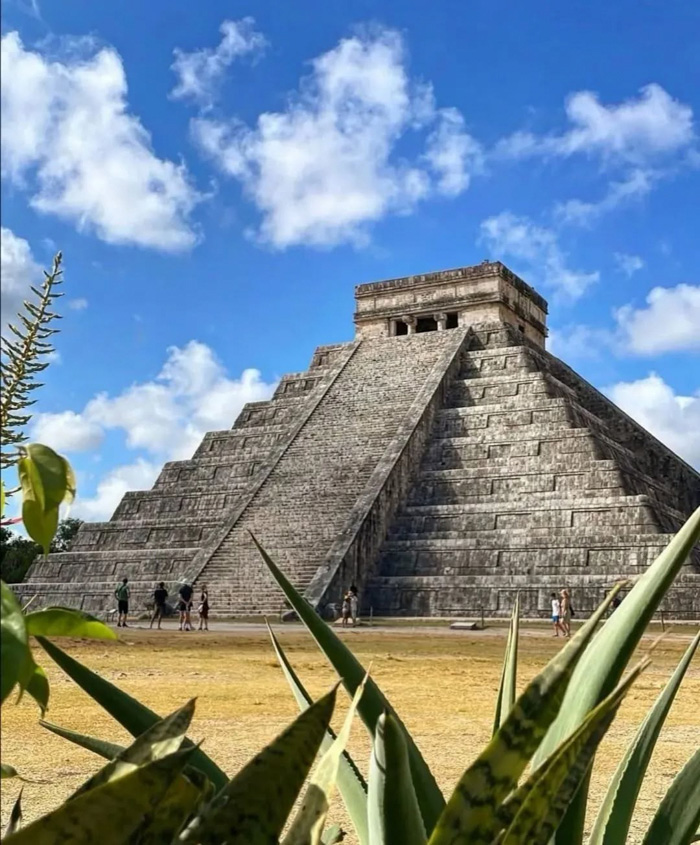
Chichén Itzá, located on Mexico’s Yucatán Peninsula, was a major Mayan city that flourished in the 9th and 10th centuries. Influenced by the Toltec civilization, it features impressive ruins, including temples, plazas, and one of the world’s most iconic pyramids: El Castillo.
This stepped pyramid stands 24 meters tall and is an astronomical marvel. It has 365 steps, one for each day of the year. During the spring and autumn equinoxes, the setting sun casts a shadow that looks like a serpent slithering down the stairs, ending at a stone serpent head at the base (per Britannica).
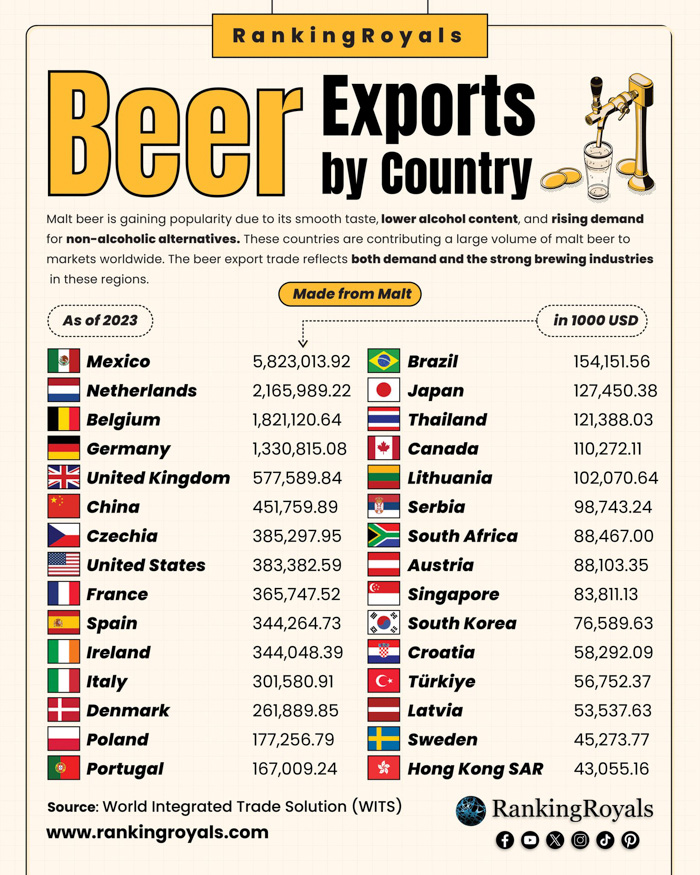
Mexico leads the world in beer exports, reaching $6.35 billion in 2023. That makes beer the country’s 16th-most-exported product overall (per OEC).
Back in the 1850s, beer was a rarity. Most Mexicans drank fermented beverages made from maize or maguey. But by the early 20th century, breweries began popping up across the country. Three major brands eventually dominated the market, and by the 1980s, mergers created a powerful duopoly that prioritized exports.
Today, Mexican beer is a global staple, found everywhere from street festivals to supermarket shelves (per ResearchGate).

They do not call it beer, in Mexico, common slang terms include "chela" (or plural chelas) and "cheve," while a large bottle (like a liter) is a "caguama".
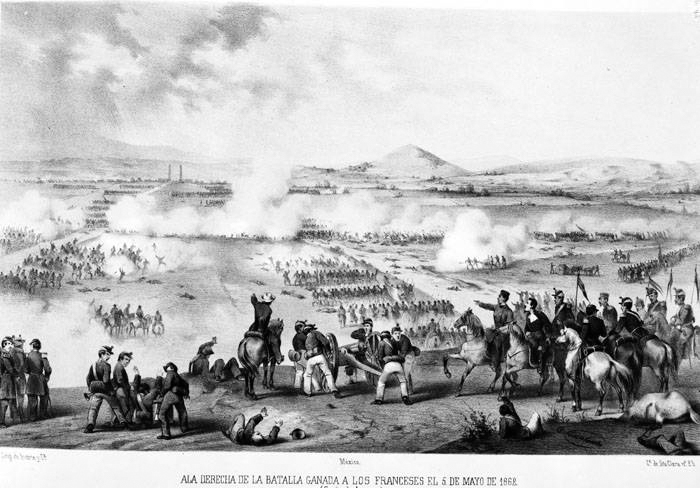
Cinco de Mayo is a bigger deal in the US than in Mexico. The holiday commemorates the Battle of Puebla on May 5, 1862, when a small Mexican force defeated the French army. While it was a meaningful victory, it didn’t end the French occupation, which continued for five more years.
In Mexico, real celebrations mostly happen in Puebla, the site of the battle. There, locals host parades and reenactments. But beyond that, the day passes quietly without national fanfare (per Journey Mexico).
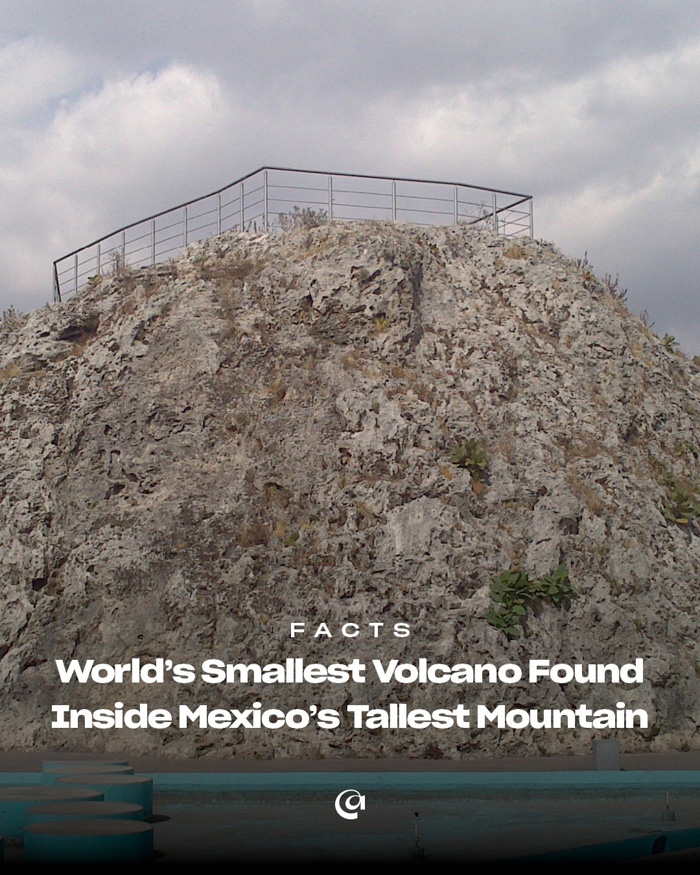
In Puebla, Mexico, you’ll find Cuexcomate, often called the world’s smallest volcano. It stands just 13 meters tall and 23 meters wide, and its name comes from the Nahuatl word for “bowl.”
Formed in 1664 as a parasitic cone of the nearby Popocatépetl volcano, Cuexcomate includes a spiral staircase built into its structure. Though it’s inactive, Popocatépetl has become more active in recent years, leading some to speculate about renewed volcanic shifts (per GeoMexico).
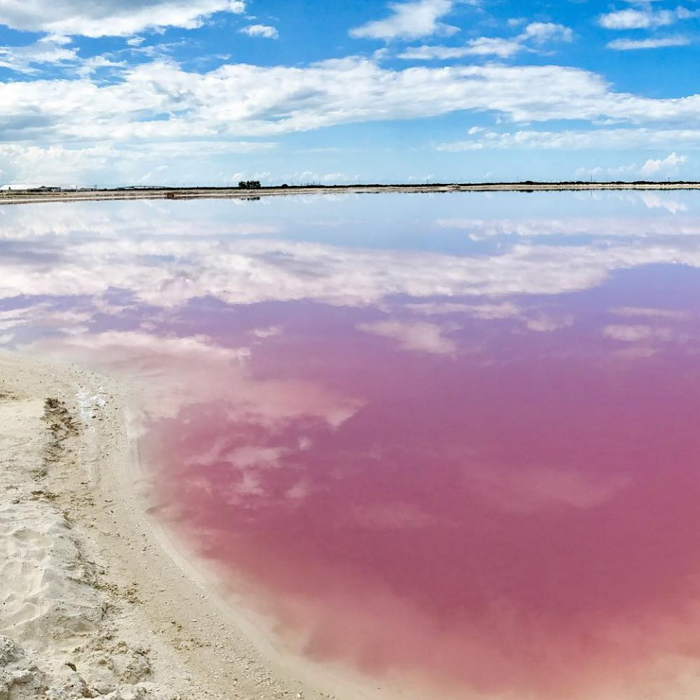
Las Coloradas, a small village on the Yucatán coast, is famous for its stunning pink lagoon. The color comes from a mix of algae, plankton, and brine shrimp that thrive in the salty water. When flamingos feed on these creatures, they turn pink too.
Salt has been harvested here since the time of the Maya. Though the tools are modern now, the basic method, evaporating seawater on flat plains, remains the same and is key to the local economy (per CultureTrip).
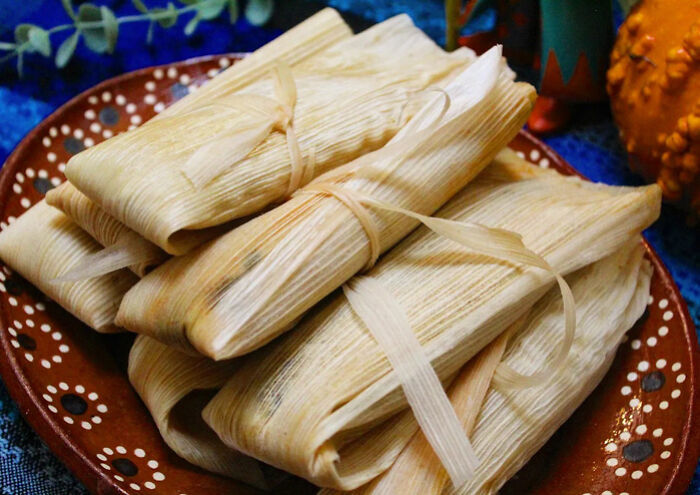
Tamales date back to 8,000 BC and are among the oldest foods in Latin America. Ancient civilizations like the Olmecs, Toltecs, Aztecs, and Mayans made and shared them during festivals and community events.
Over time, tamales evolved as new ingredients were introduced during colonization. Today, Mexico is home to more than 500 distinct types, each tied to different regions, flavors, and traditions (per Cocina).
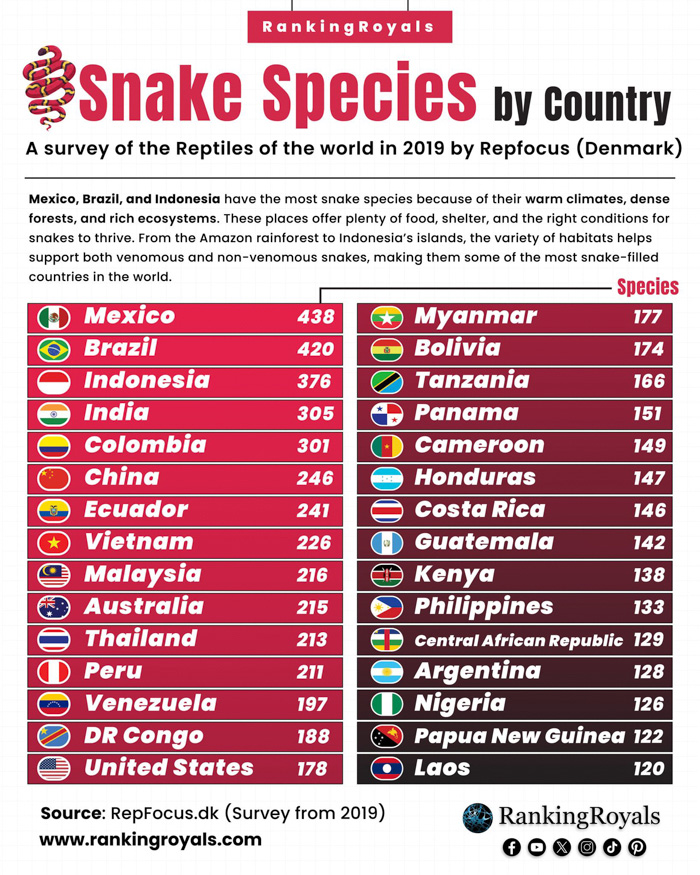
With 804 reptile species, Mexico ranks just behind Australia for reptile diversity. These range from colorful snakes to rare turtles, many of which are threatened by habitat loss and environmental pressures.
Among the standouts are the venomous Mexican Horned Pit Viper, the Yaqui Slider (a freshwater turtle vulnerable to agricultural changes), the Mexican Spotted Wood Turtle, and the massive Bolson Tortoise, which lives in isolated desert regions and is listed as Vulnerable due to past exploitation (per World Atlas).
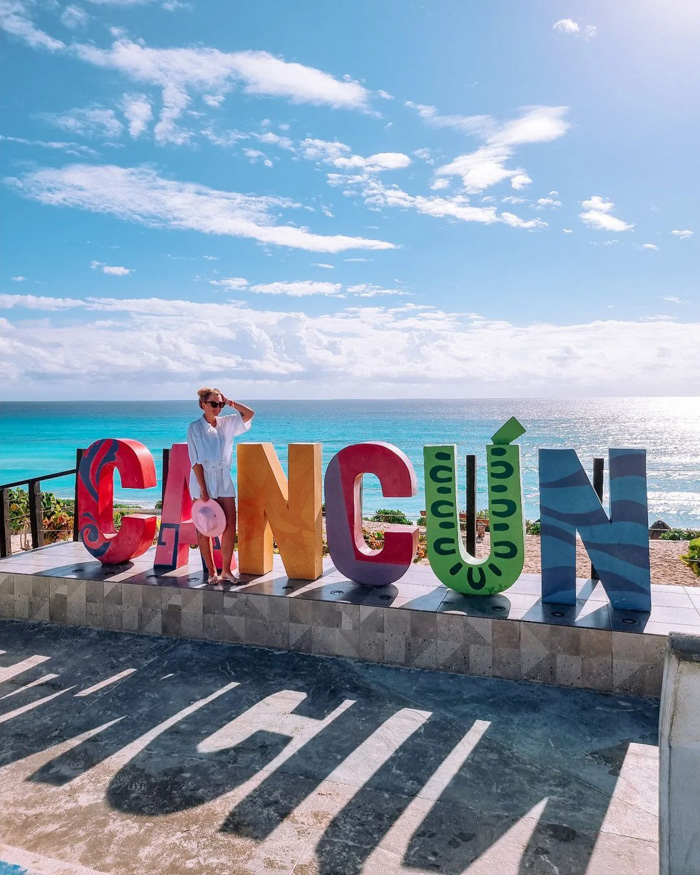
Cancún didn’t grow by accident. It was designed for tourism. In 1969, the Mexican government approved the Cancún Project to turn an empty stretch of coastline into a high-end travel destination. By 1974, it was officially launched as part of the new state of Quintana Roo.
Inspired by research into other successful resort hubs, planners designed Cancún with luxury hotels, shopping districts, and a major airport.
The goal: attract global visitors and boost the economy. Fifty years later, Cancún is one of Mexico’s top destinations, and it has sparked the rise of nearby spots like Playa del Carmen and Cozumel (per Yahoo).
Drivers in Mexico City spend an average of 152 hours stuck in traffic each year, making it the most congested city in the world. Trips take 52% longer than they should, leading to extra fuel use and nearly a ton of carbon emissions per driver.
Although the city has about 5.5 million vehicles, it ranks only 17th globally in vehicle volume. The real problem is chaotic urban planning, a floating population, and clustered job and tourist zones.
Even other big cities like Guadalajara and Monterrey make the global top 100 for traffic jams (per Mexico News Daily).
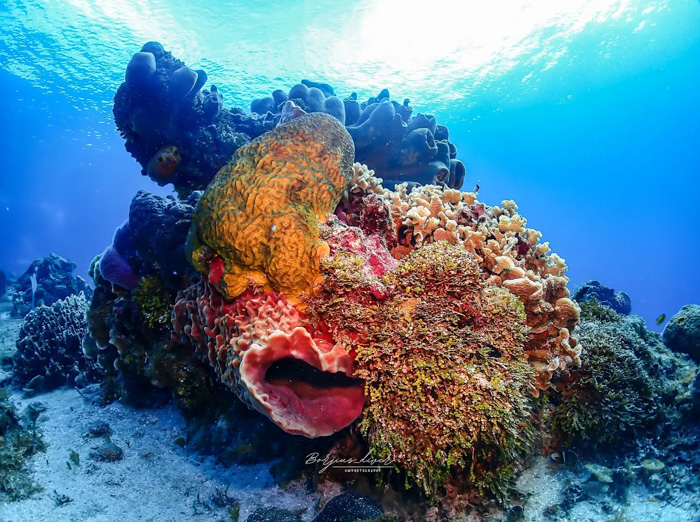
The Mesoamerican Barrier Reef, also known as the Great Mayan Reef, stretches more than 1,000 kilometers along the shores of Mexico, Belize, Guatemala, and Honduras. It’s the second-largest coral reef system on the planet.
This vibrant ecosystem offers breathtaking coral gardens and an incredible range of marine life, including tropical fish, dolphins, sea turtles, eagle rays, and more. Tulum is one of the best access points for diving and snorkeling.
The reef also plays a critical role in marine conservation by protecting coastlines and acting as a nursery for fish. It supports over 500 fish species, 350 types of mollusks, and the world’s largest known gathering of whale sharks (per Mexidivers).
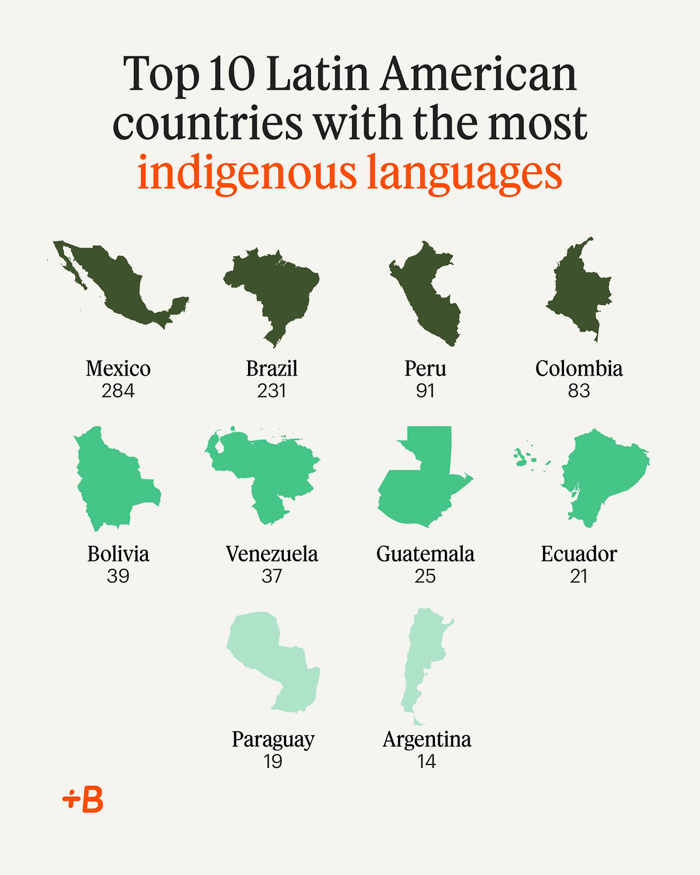
Mexico is one of the most linguistically diverse countries in the world. Out of 286 living indigenous languages, more than 200 are still actively spoken today. Another 13 have gone extinct, and 10 non-indigenous languages are also officially recognized.
While Spanish is the dominant language, these indigenous tongues represent a deep cultural heritage spread across different regions and communities (per Ethnologue).
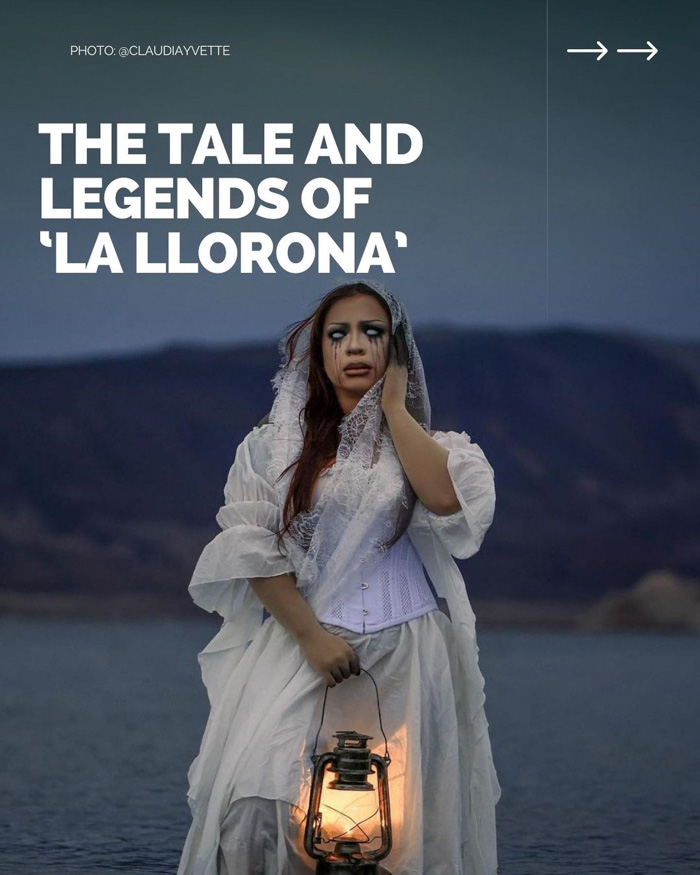
La Llorona is one of Mexico’s most iconic legends. The story follows a grieving woman who drowns her children in a fit of rage or sorrow and is cursed to wander near rivers, crying for them in the night.
Versions of the tale vary, but she’s often tied to betrayal and heartbreak. Some connect her to Doña Marina, others to Aztec goddesses. Either way, her story has become a lasting symbol of grief, punishment, and mystery, passed down for generations (per Atlas Obscura).





































 No fees, cancel anytime