Get Premium
Dark mode theme is available exclusively for premium users. Learn more about the benefits of subscribing.
No fees, cancel anytime.

 Dark Mode Ad-Free Browsing Unlimited Content
 Ad-Free Browsing Unlimited Content Dark Mode
Join 1.2 million Panda readers who get the best art, memes, and fun stories every week!
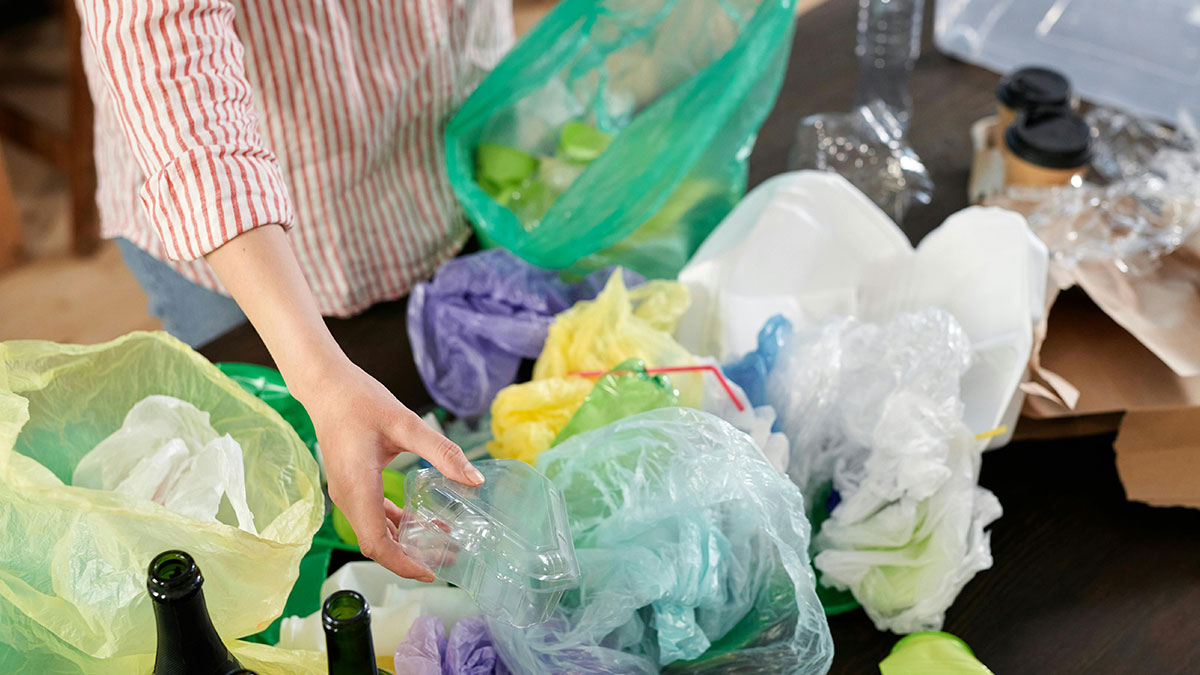


Does this sound familiar?: You are standing in front of the open fridge, holding a carton of yogurt or a container of leftovers, and staring at the date stamped on the package. The 'best before' date passed yesterday. Is it still safe? Your brain tells you it’s probably fine, but a nagging voice of doubt makes you toss it in the trash, "just in case." While that single act might seem small, it’s part of a massive global problem with staggering consequences. From emptying our wallets to draining our planet's resources, the way we misunderstand and discard food is creating a crisis that happens largely out of sight. These 20 disturbing facts will not only expose the true scale of food waste but will make you think twice before you ever trust a 'best before' date blindly again.
This post may include affiliate links.
The rules are intended to protect people, but their actual effect is to block food from reaching the most vulnerable.
This figure highlights a common habit: our grocery carts are often fuller than our stomachs can handle.
This attitude contributes to more waste, even though we enjoy a few exceptions like cheese and other fermented items.
This practice means that a large volume of food is deliberately thrown away when it gets close to its expiration.
To meet that goal, we have to get much smarter about how we grow our food, share it, and avoid wasting it.
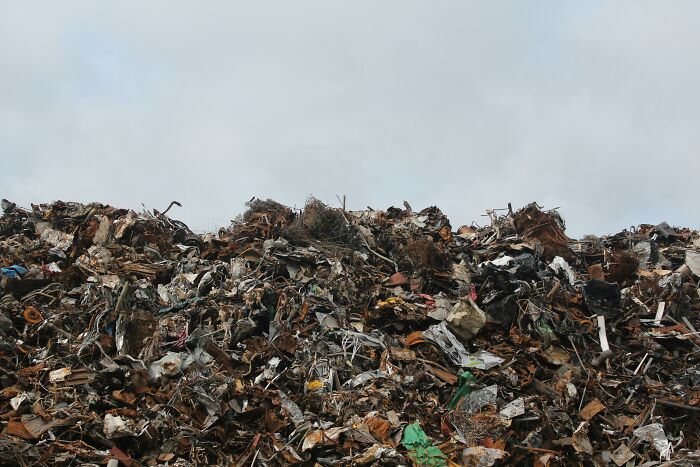
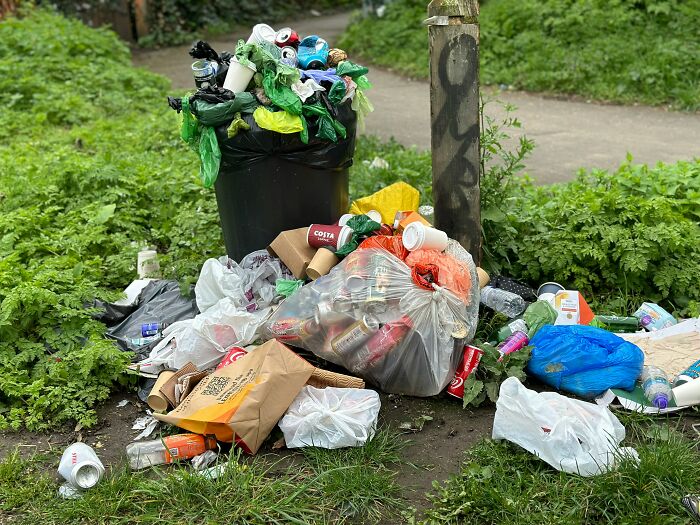
Furthermore, this wasted food accounts for over 20% of the material in our landfills, placing a major strain on the environment and our resources.
This profound unfairness isn't a problem of scarcity, but a problem of broken systems for how we distribute and value food.
Ultimately, they make up for those losses by charging everyone else more for their groceries.

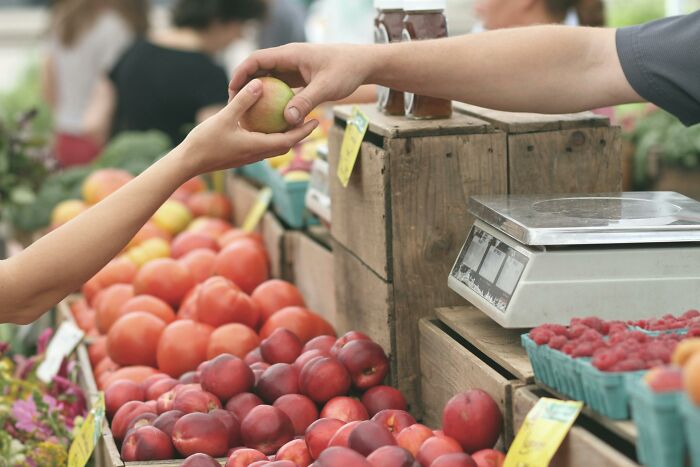
In my country there are stores that sell the "ugly" fruits and veggies just beside thr "pretty" ones. Bananas, e.g., usually cost 2.5kroner per banana but when the store has enough bananas that has started to look brown on the skin, you can buy a bag of 10 bananas for 10 kroner. Sometimes these stores sell "ugly" cucumbers that just bend more than costumers prefer. I am sure that most Danes can guess which store I'm talking about. Also, there are apps you can dl where you can buy bags with food from stores that is still good but too close to the expiration date to sell or from a restaurant's buffet (the last food that hasn't been eaten or touched, but is still fine to eat).
The major downside is that this practice encourages people to throw away food that is actually still good.
Learning about these impacts is often the key to inspiring smarter, more eco-friendly decisions in the kitchen and at the grocery store.
This staggering figure points to critical problems within the global systems for food management and delivery.
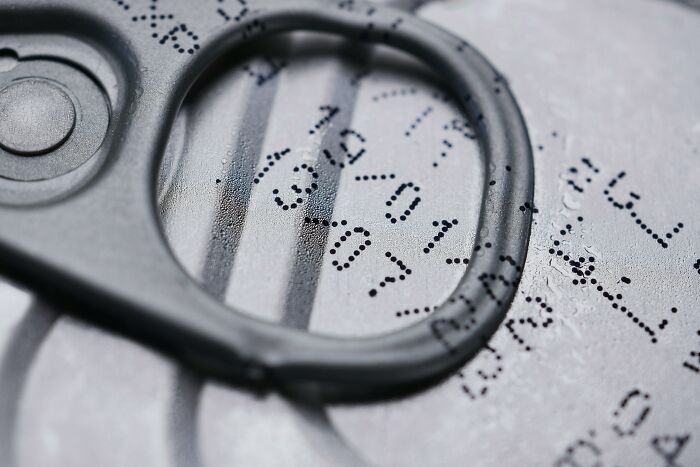
However, research shows these dates are typically suggestions for peak quality, not strict deadlines for food safety.
This "out with the old" mentality isn't just an accident; it has become a deeply ingrained part of our lifestyle.
This focus on buying the latest foods means people forget to make use of what they already have at home.
This lack of diversity makes our global food supply dangerously vulnerable to threats like disease and climate change.
It's a simple, common-sense change that would help families save money and stop huge amounts of good food from ending up in the trash.

I once ate something that was way past the date on the package and I got so sick to my stomach that I vomited. Ever since then, if its past the date on the package im too scared to eat it now.
And that massive number doesn't even account for the hidden environmental costs of all the water, land, and energy that went into producing it.
Because of these strict cosmetic standards, tons of perfectly good food is wasted before a customer ever gets the chance to see it on a shelf.
The goal is to get people to rely on their own judgment again, instead of just blindly following the date printed on the label.
Without widespread access to reliable refrigeration and modern infrastructure, a huge amount of food is lost in storage and during transport before it can ever be eaten.





















 No fees, cancel anytime