Get Premium
Dark mode theme is available exclusively for premium users. Learn more about the benefits of subscribing.
No fees, cancel anytime.

 Dark Mode Ad-Free Browsing Unlimited Content
 Ad-Free Browsing Unlimited Content Dark Mode
Join 1.2 million Panda readers who get the best art, memes, and fun stories every week!

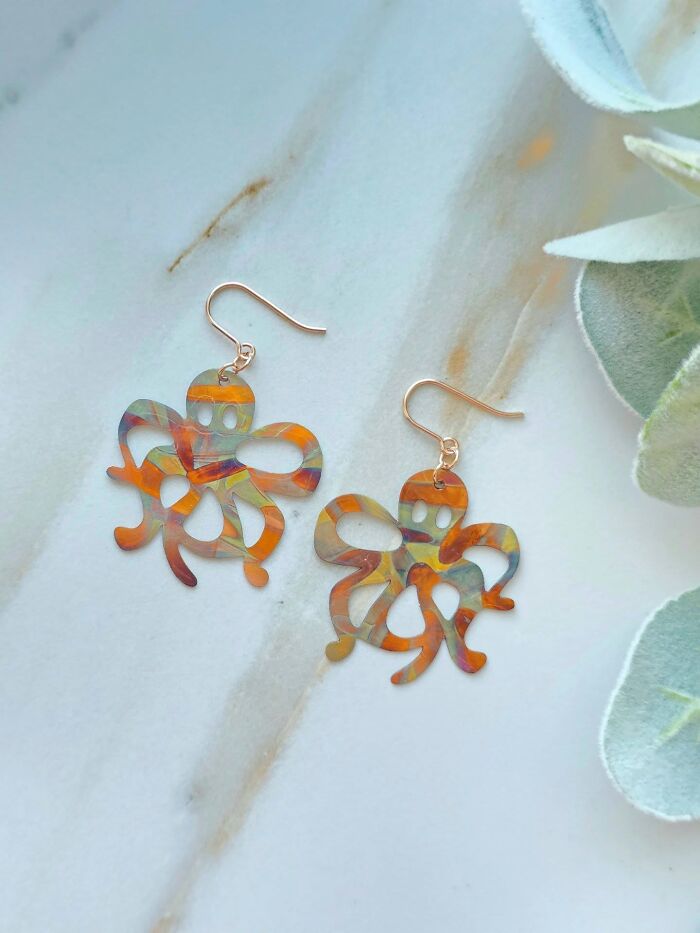
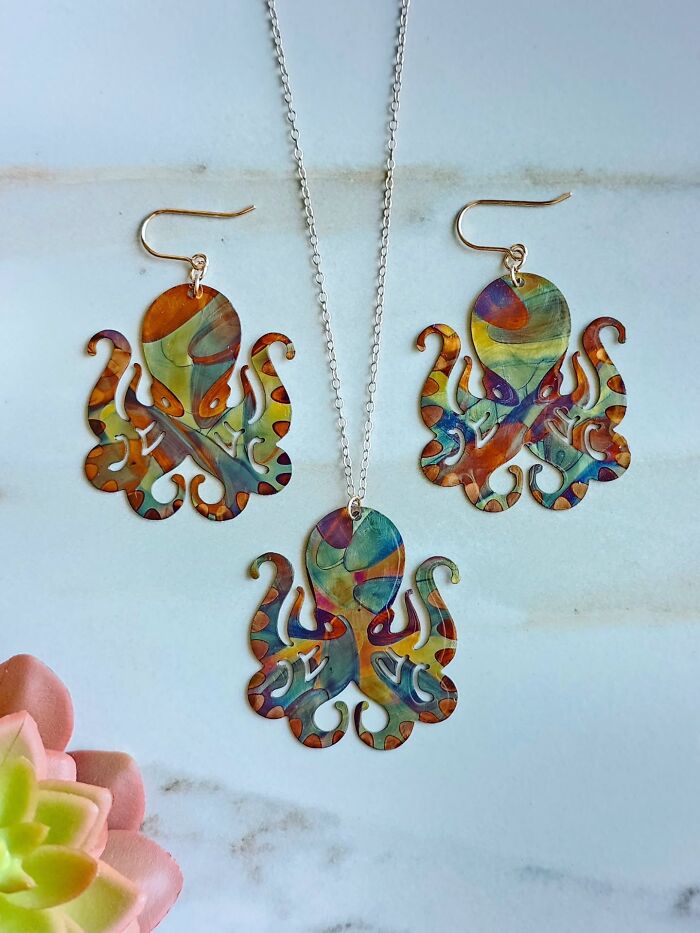
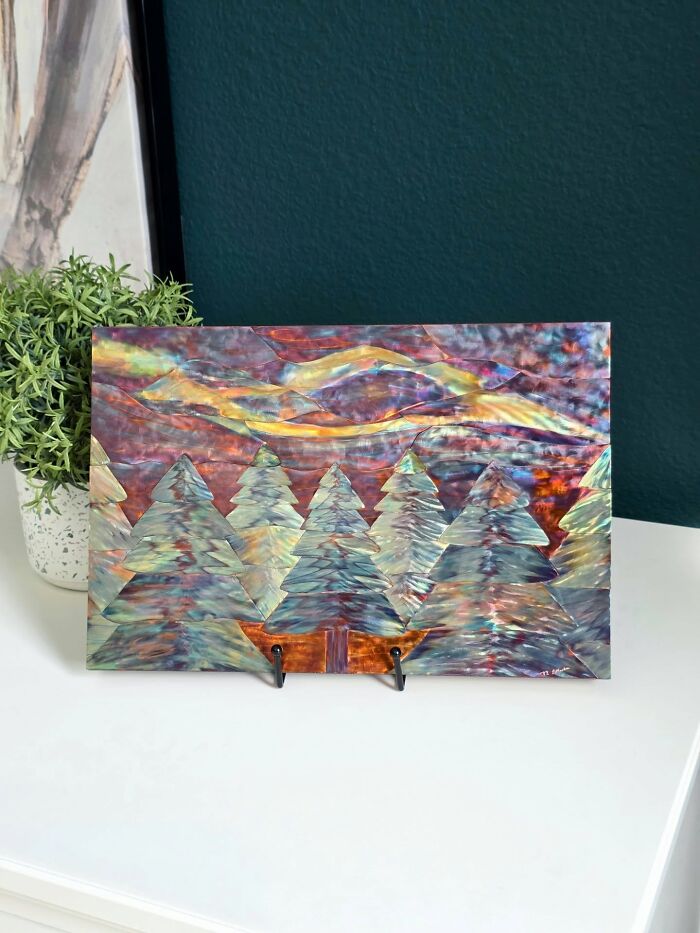
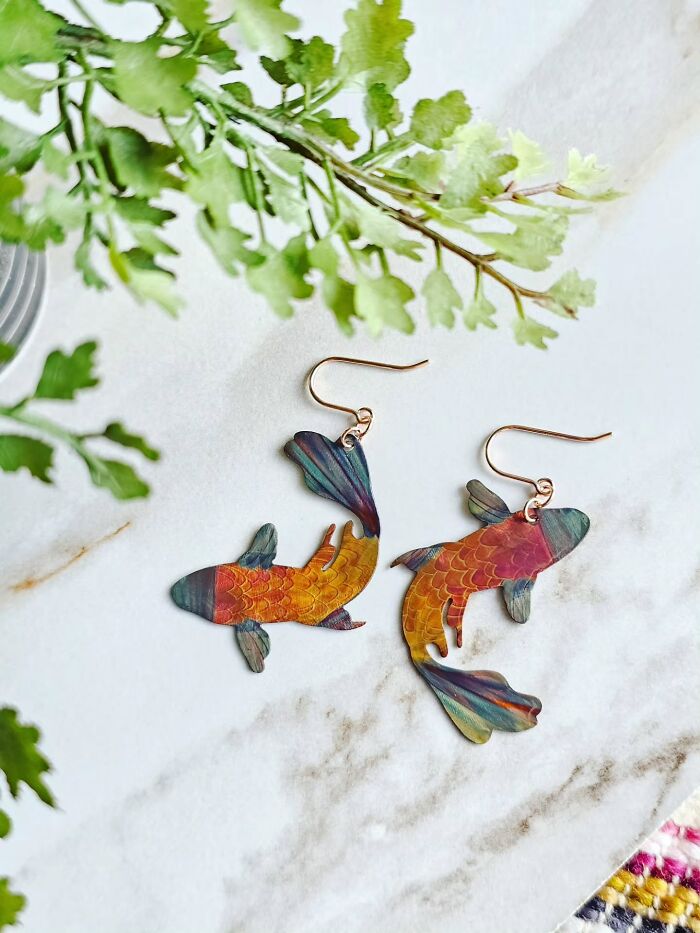
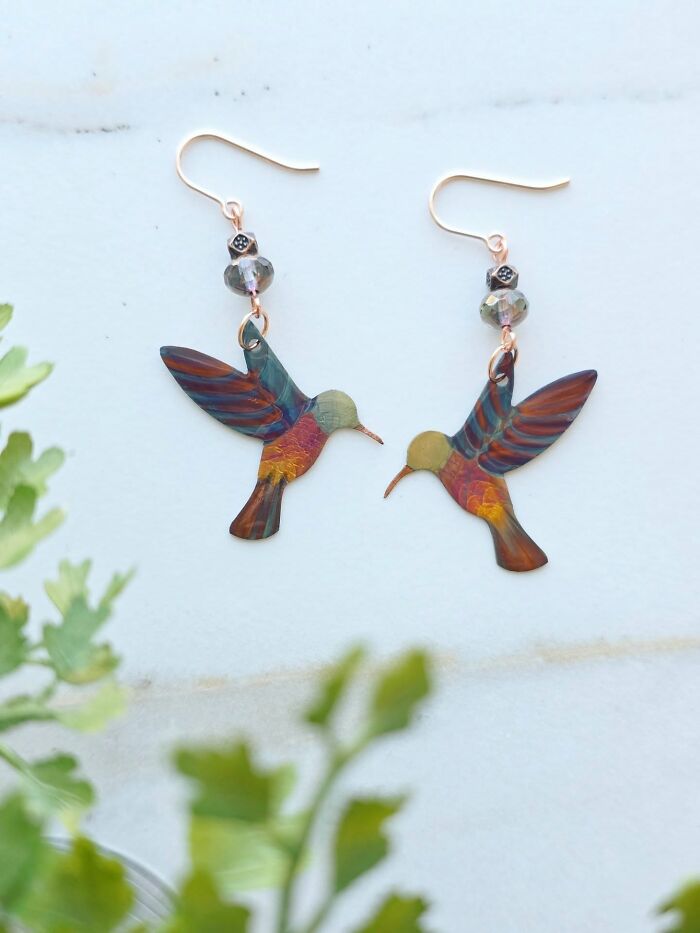
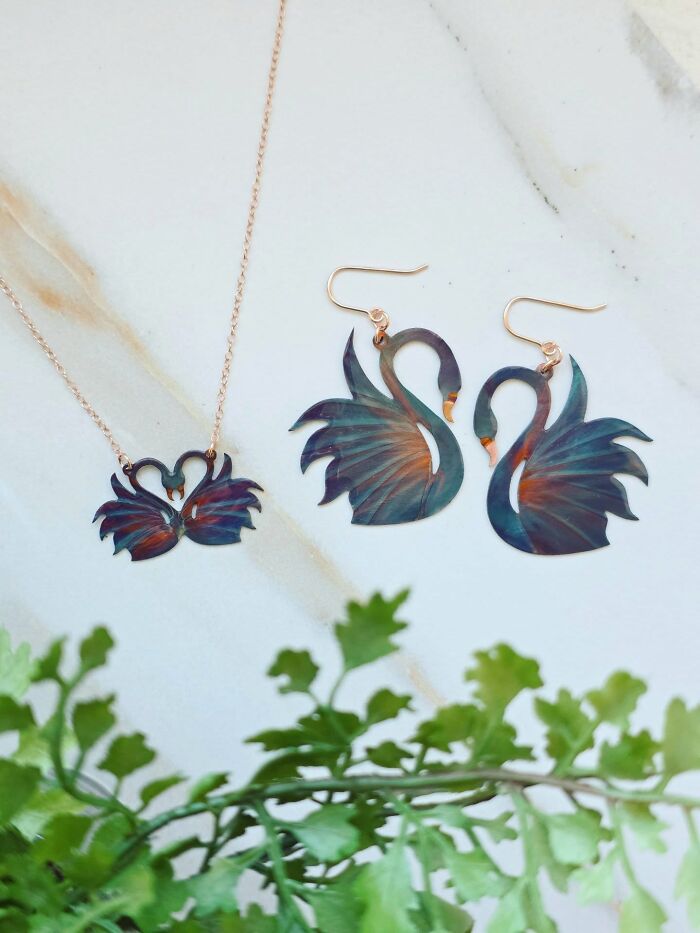
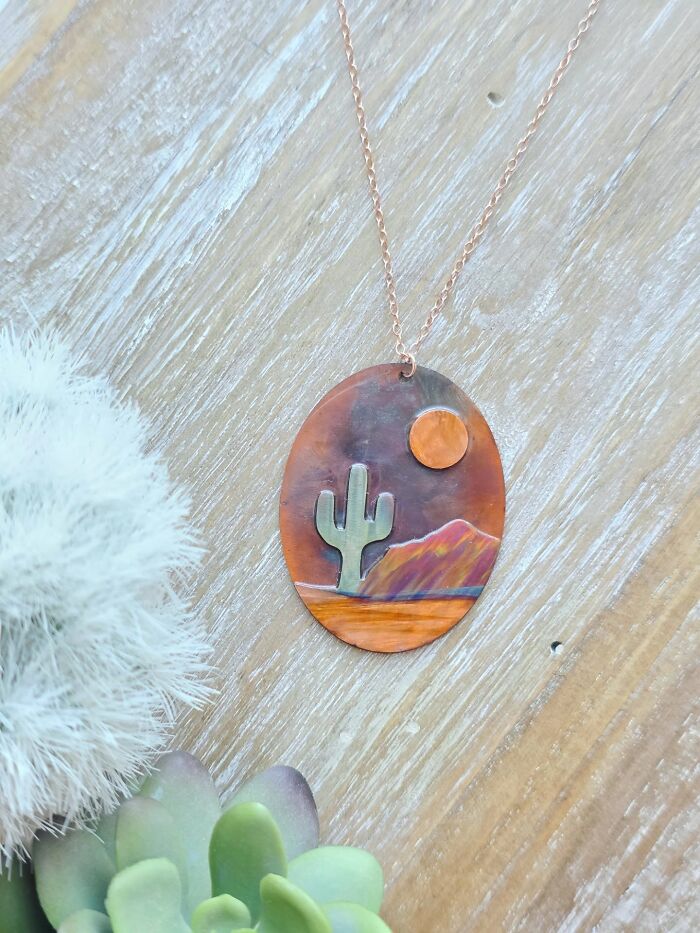
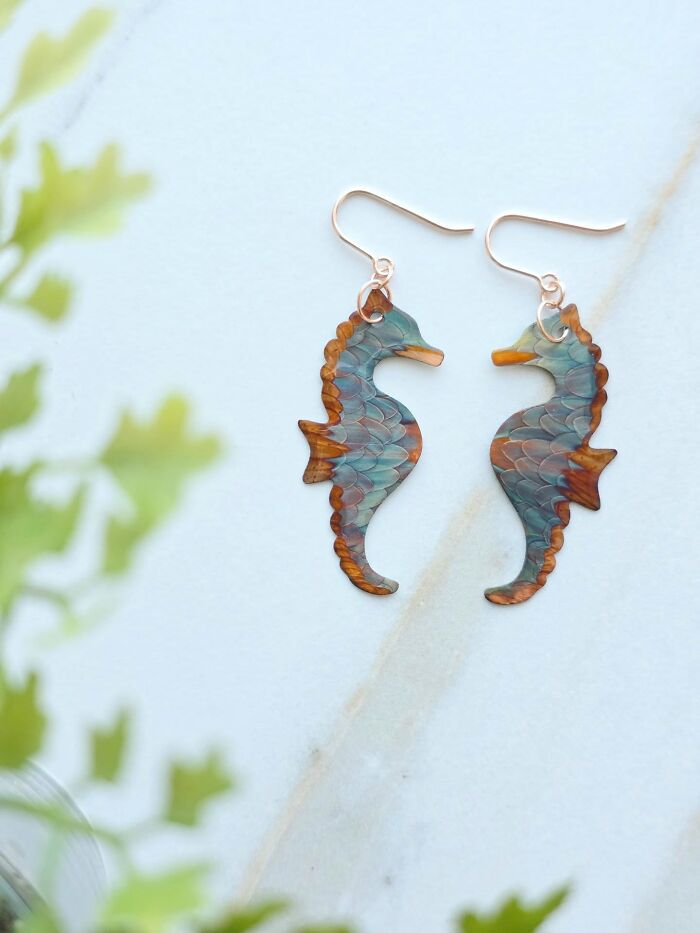
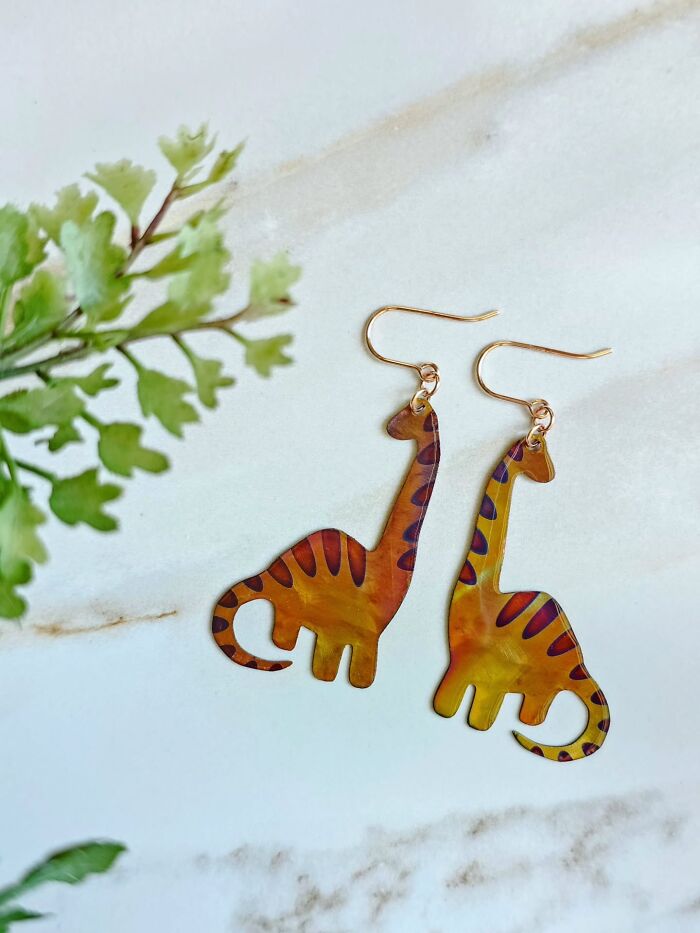
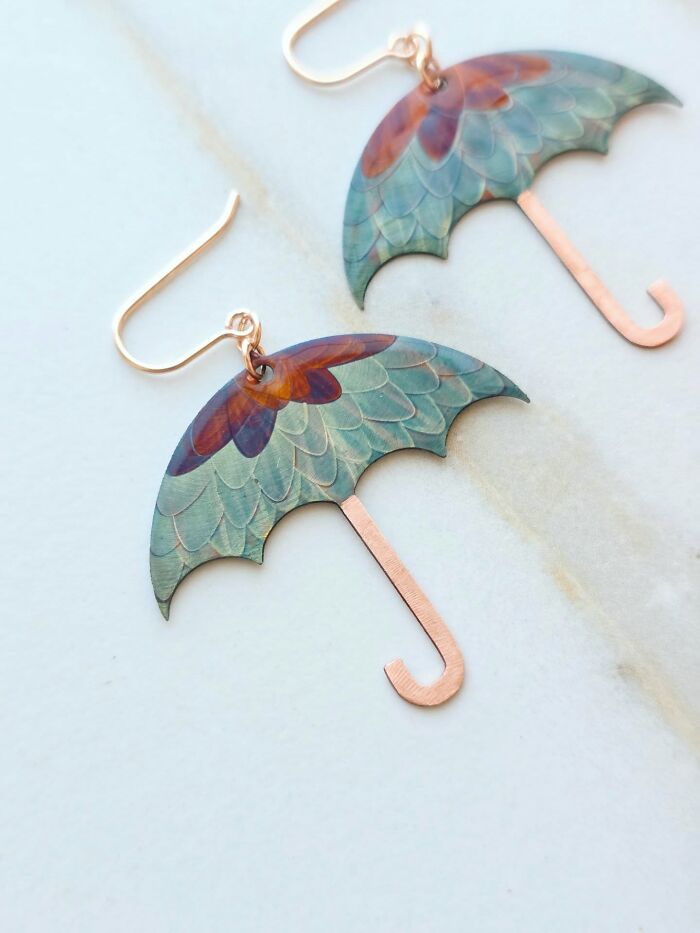
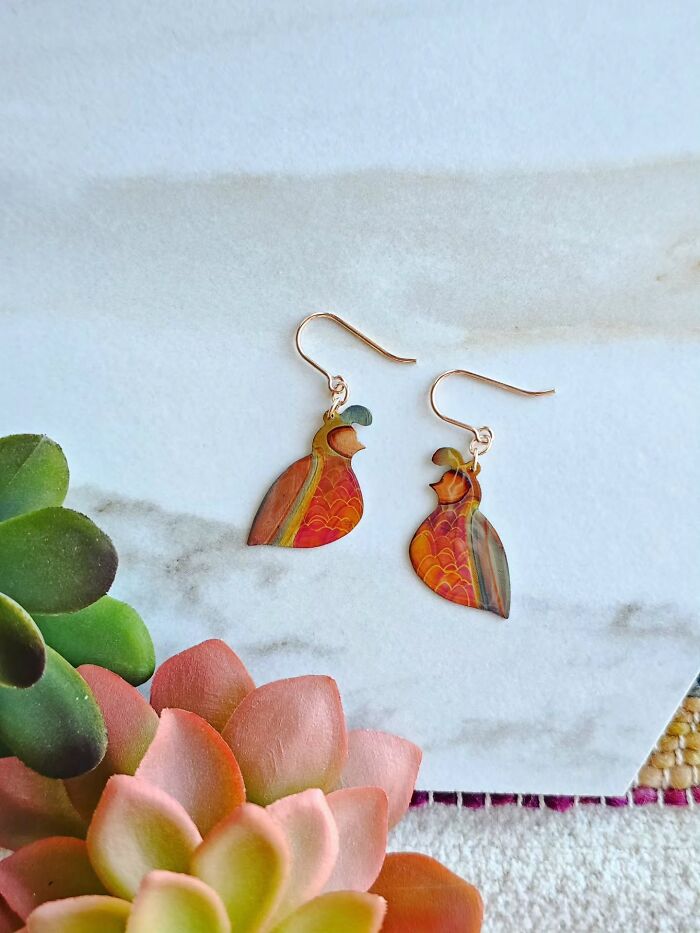
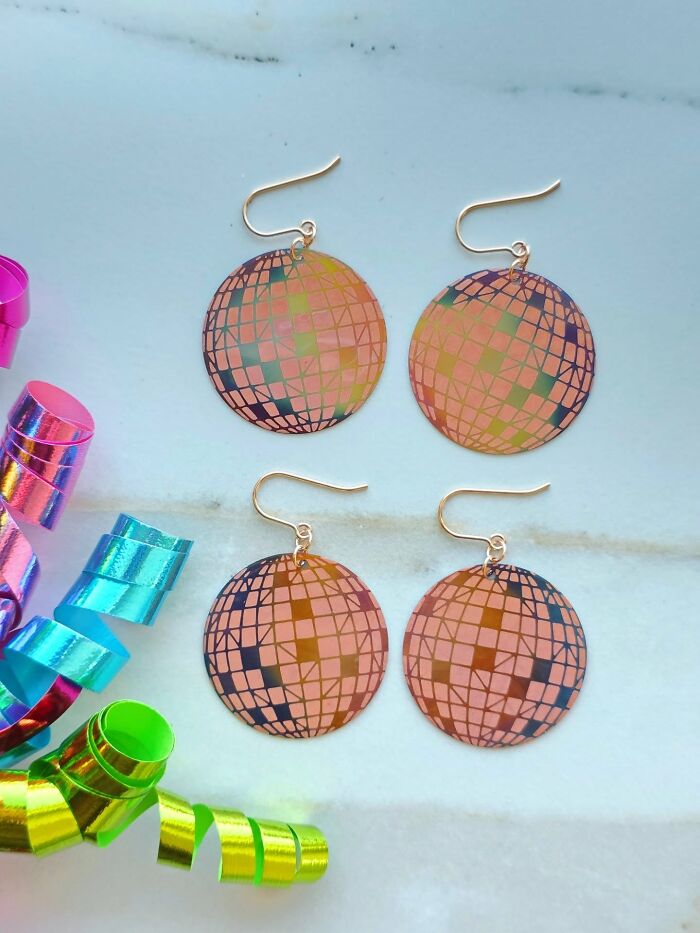
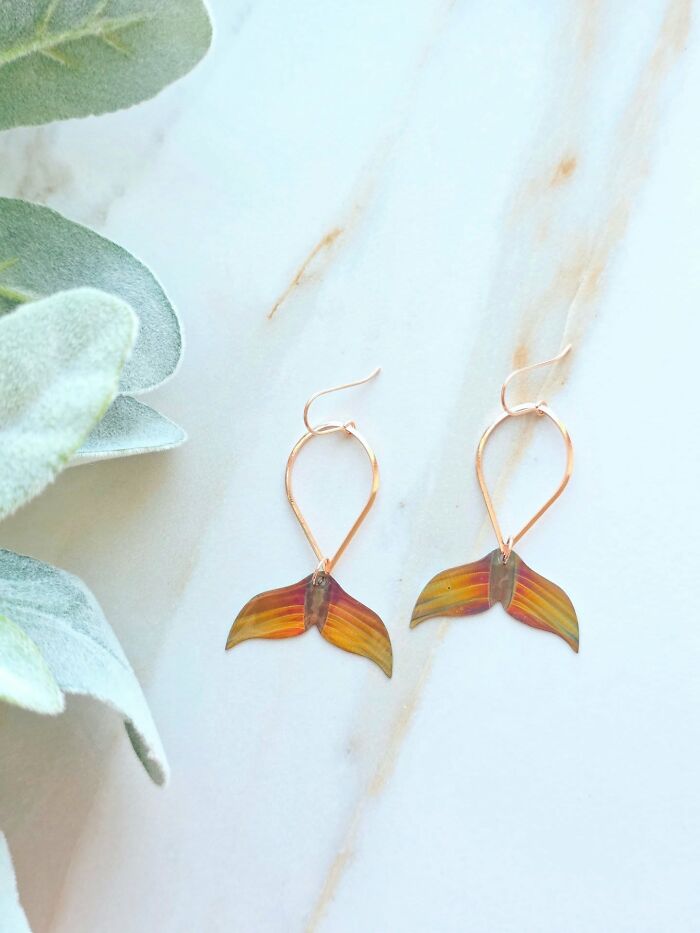
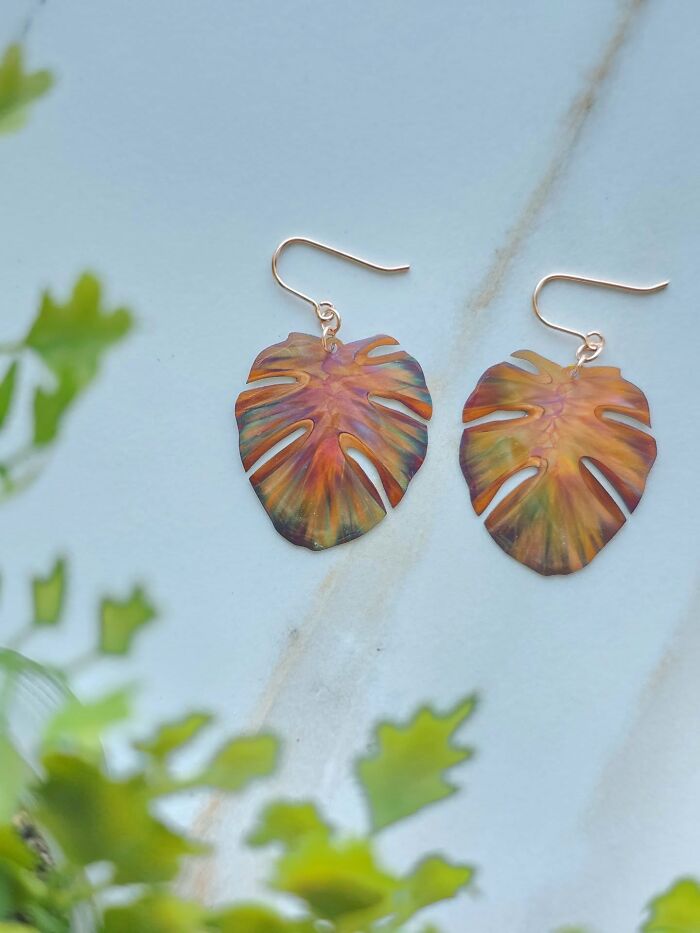
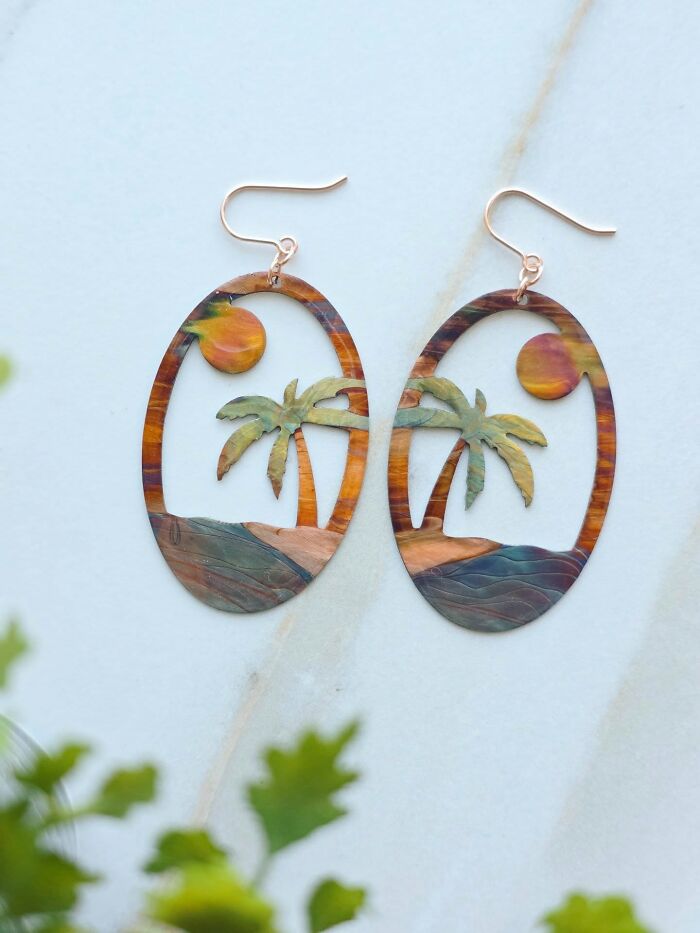
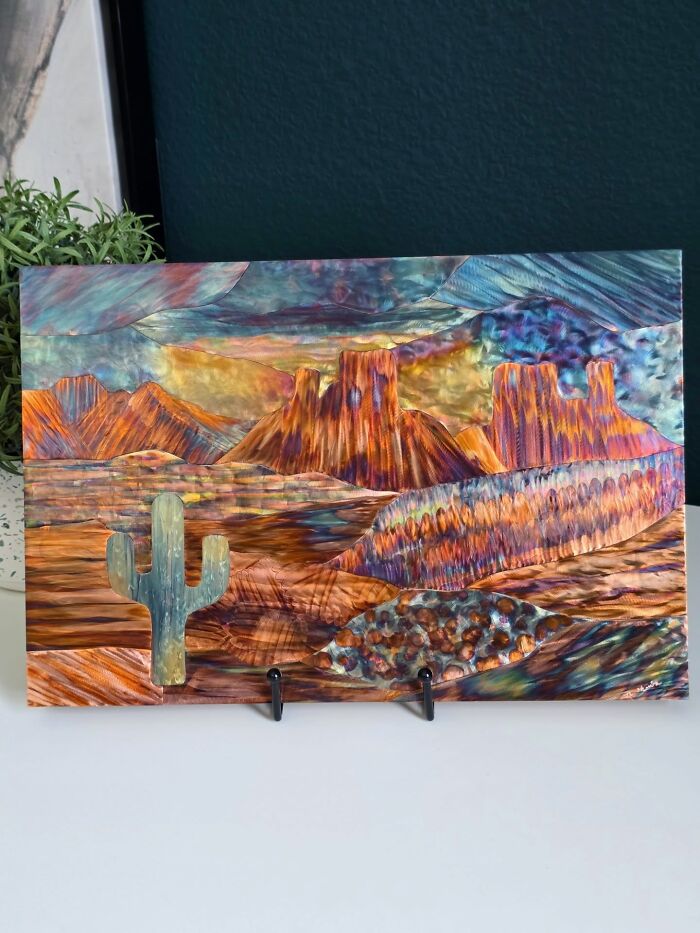
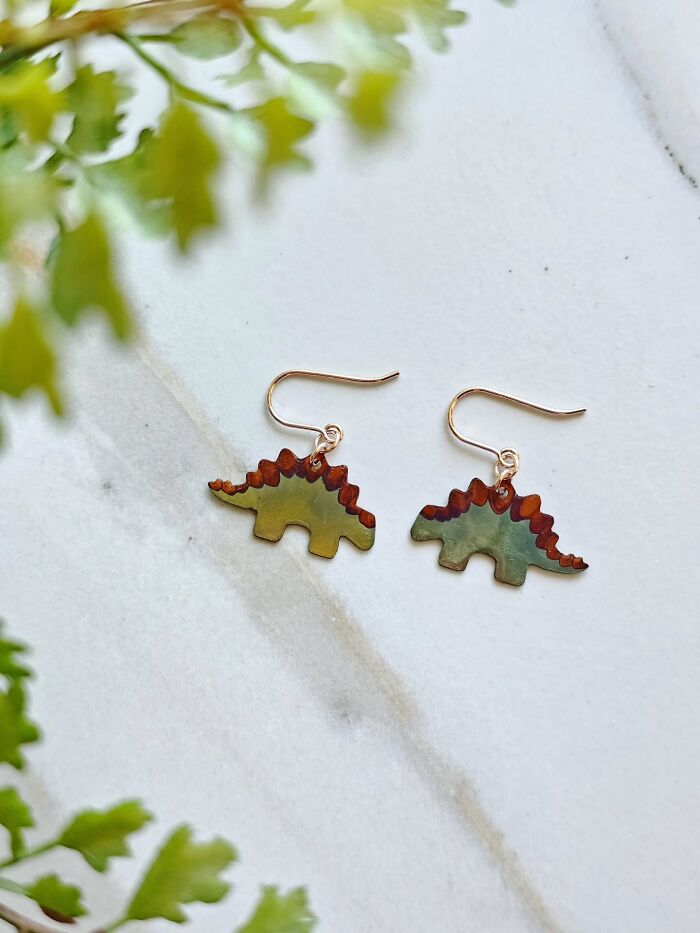
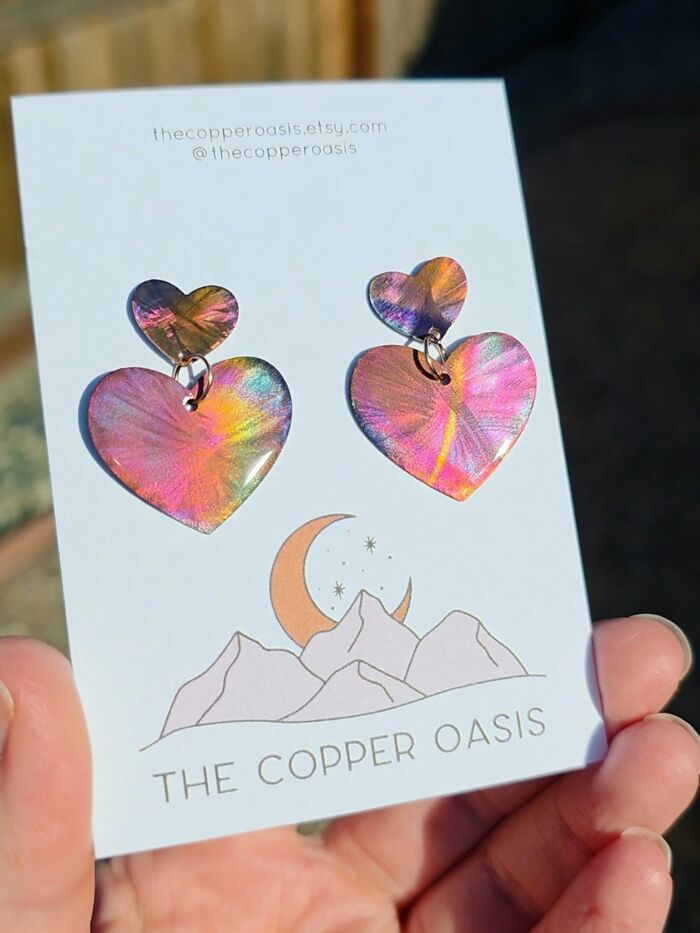
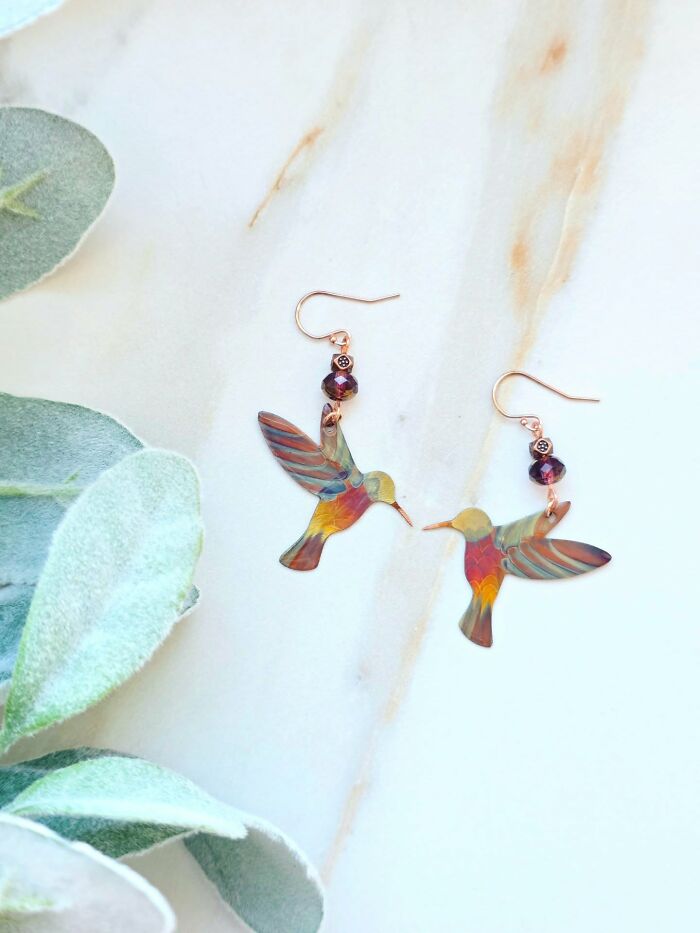
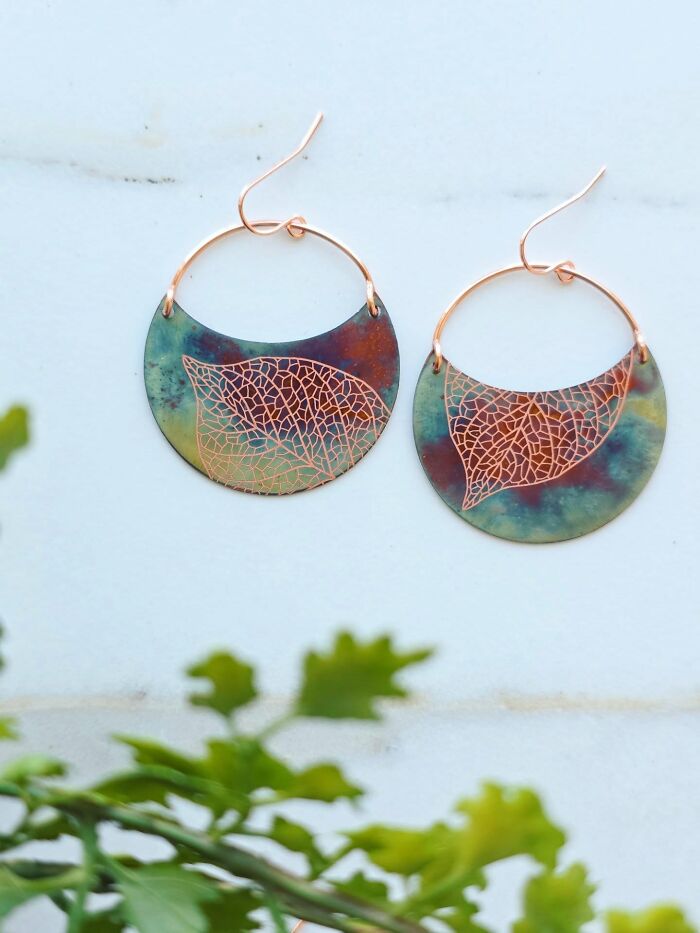
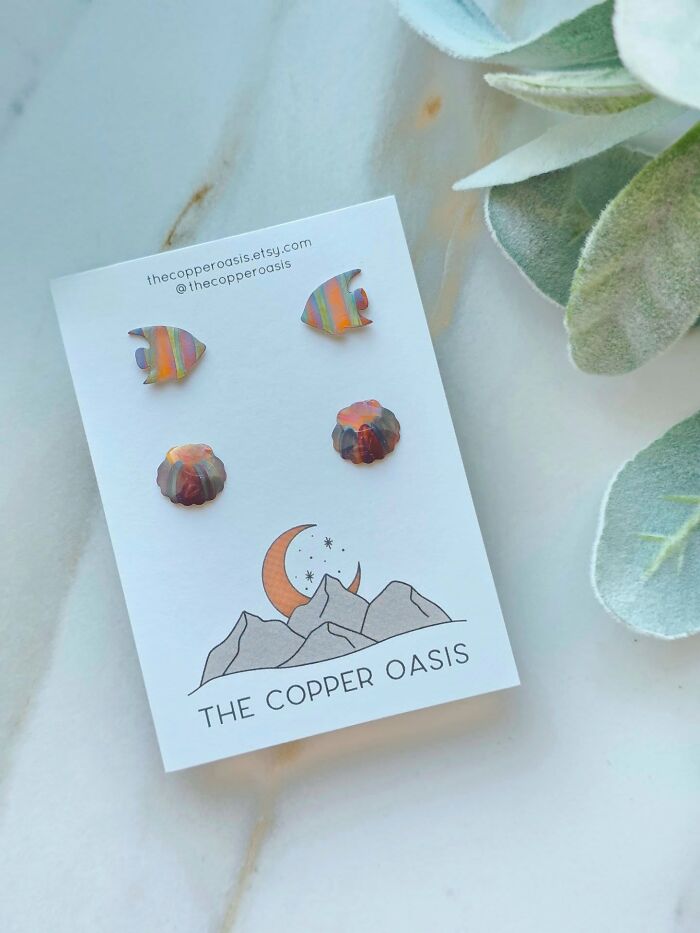
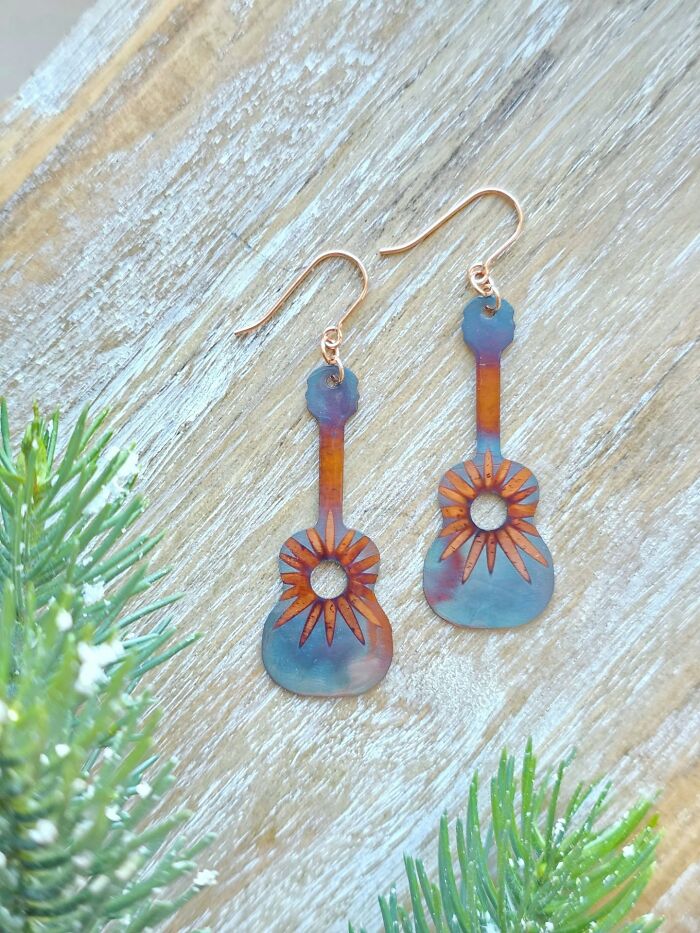
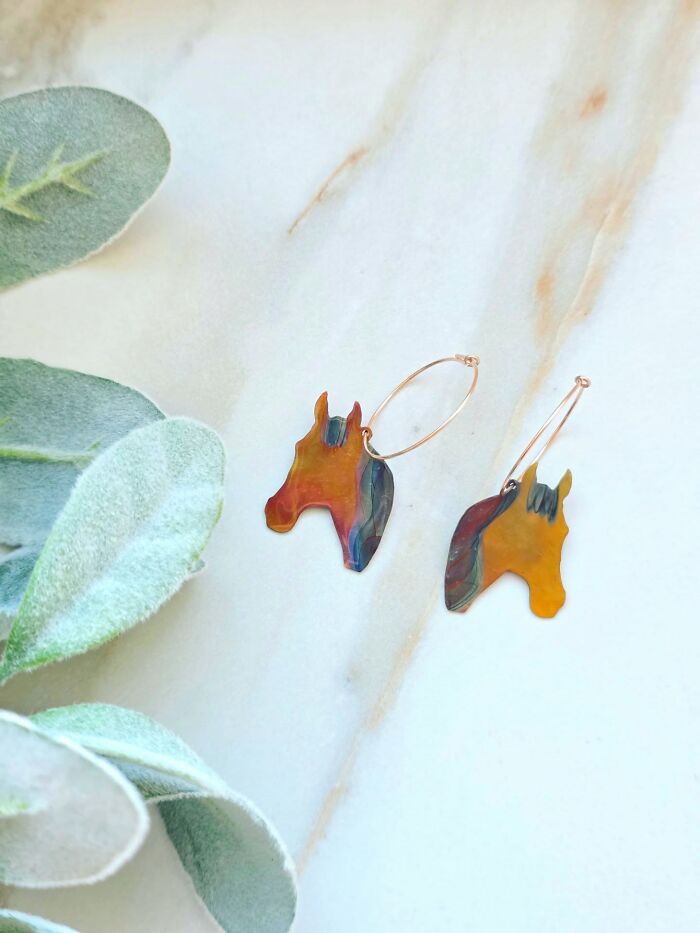
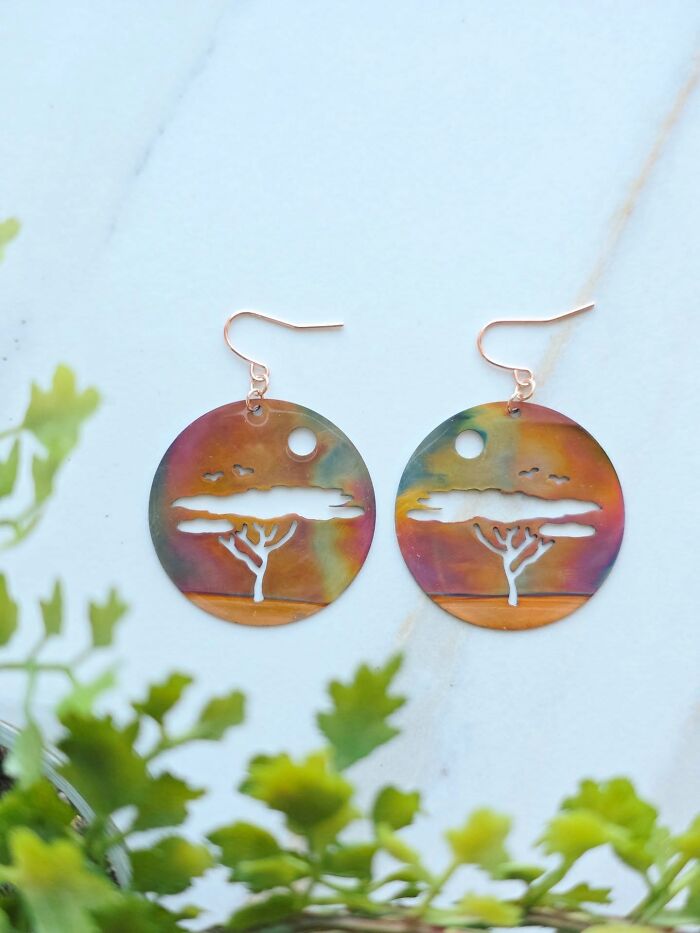
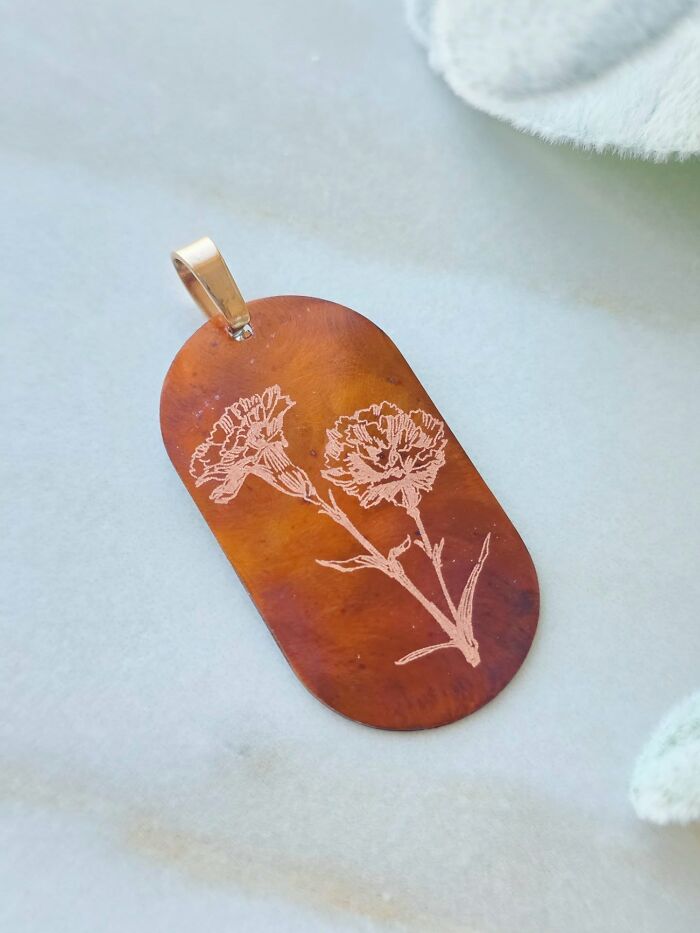
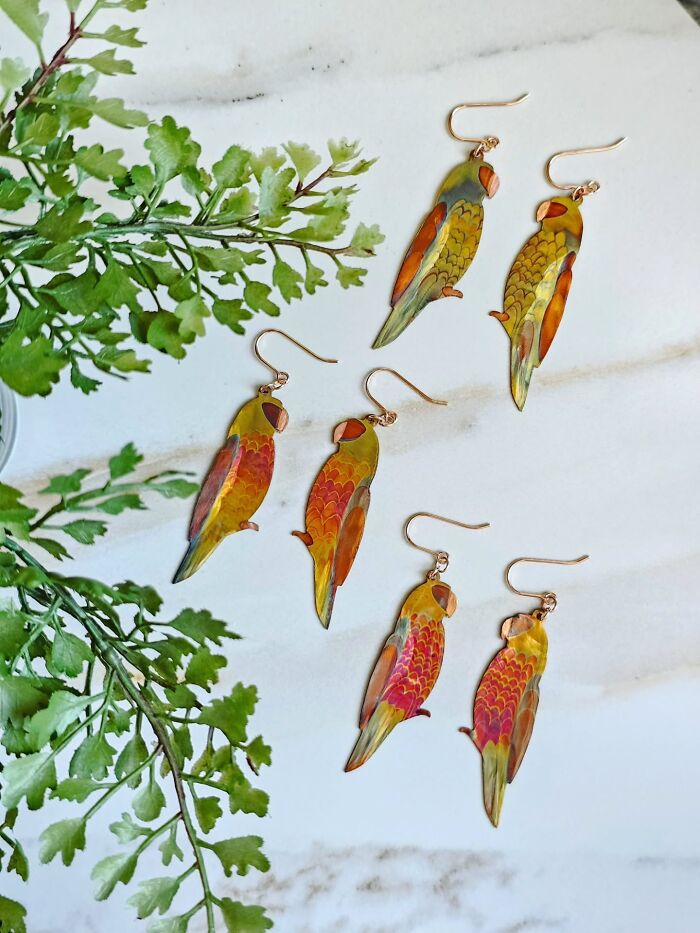
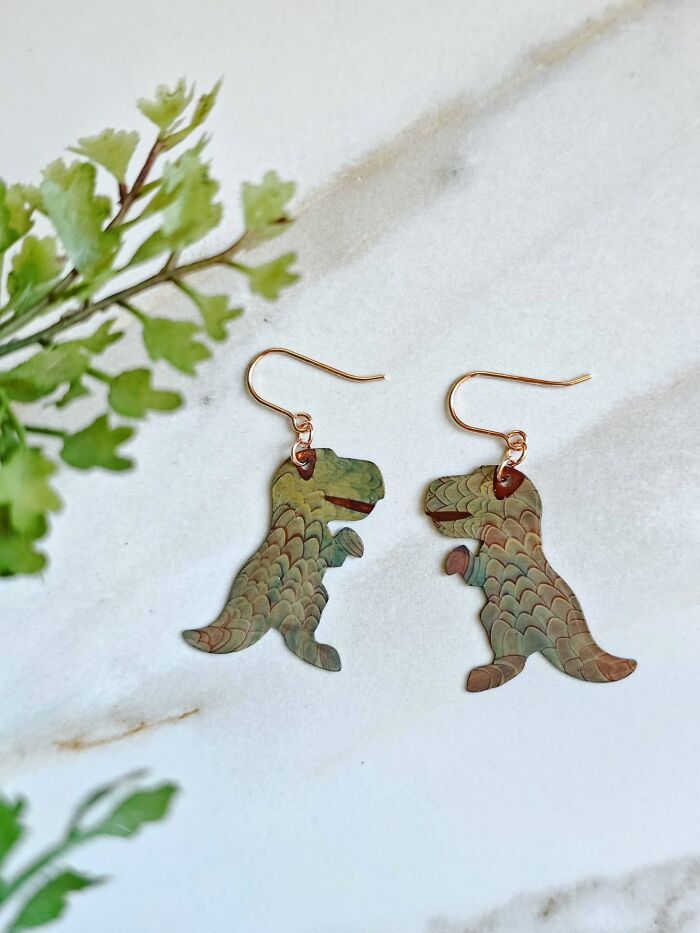
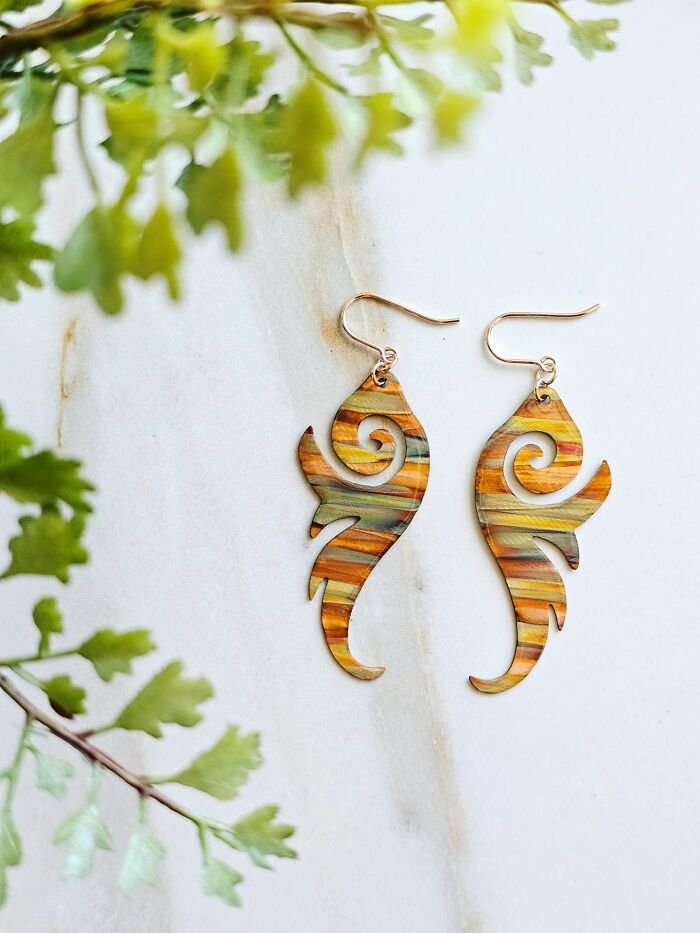
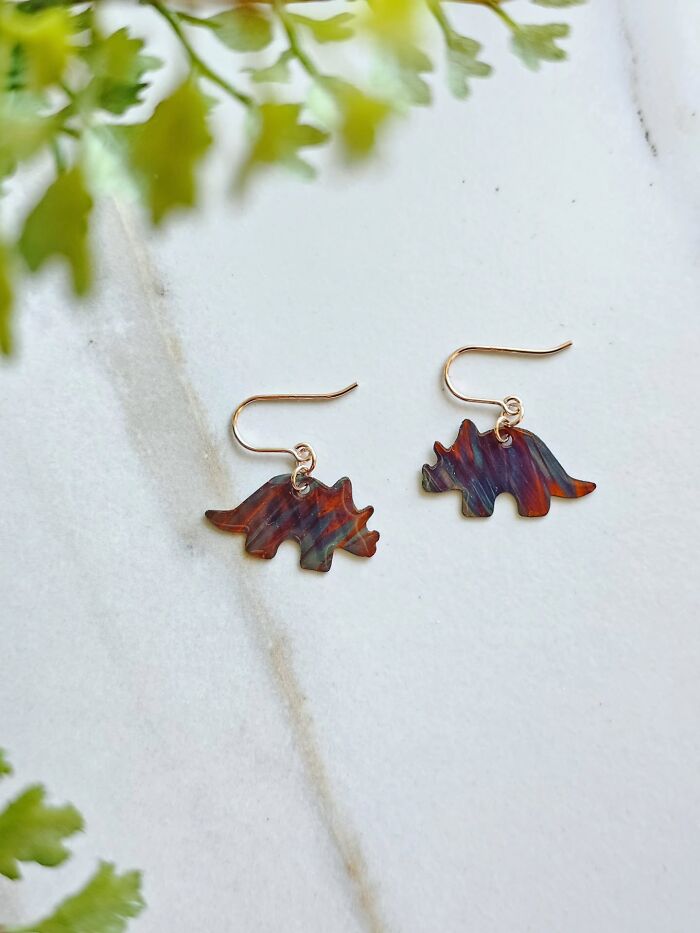
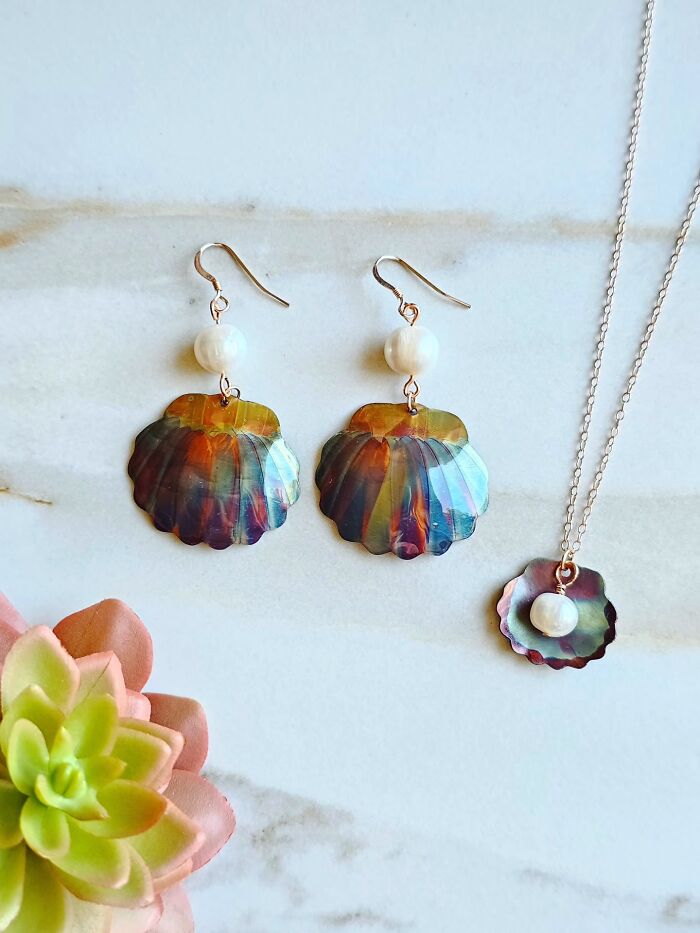
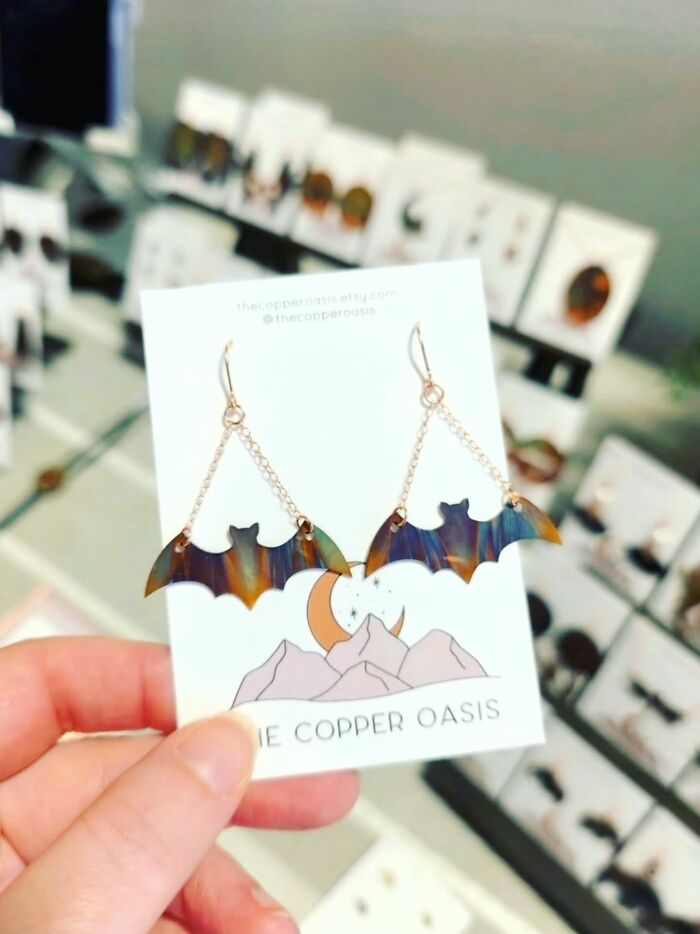
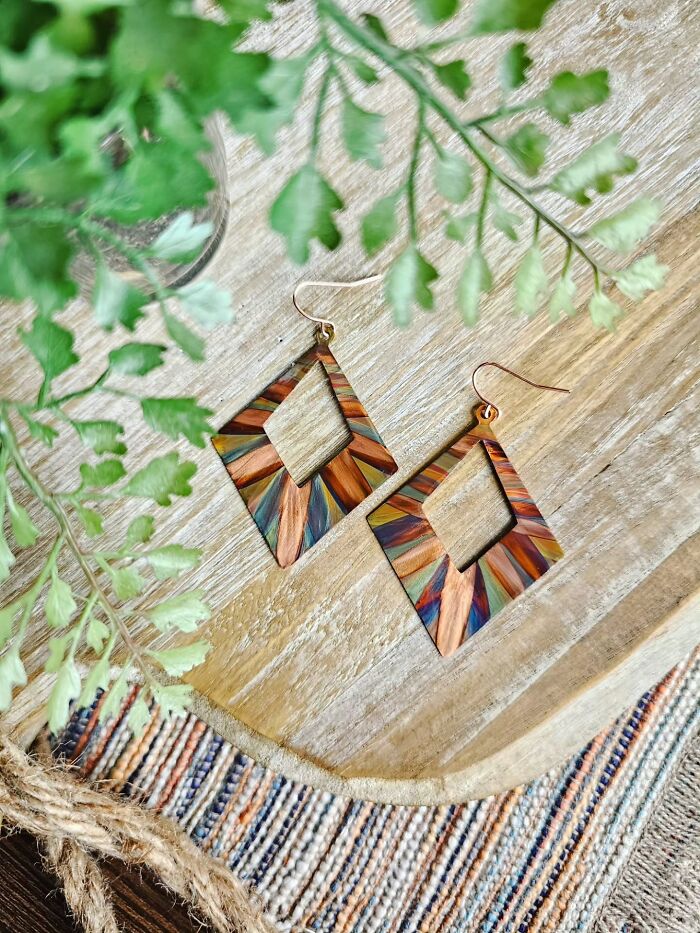
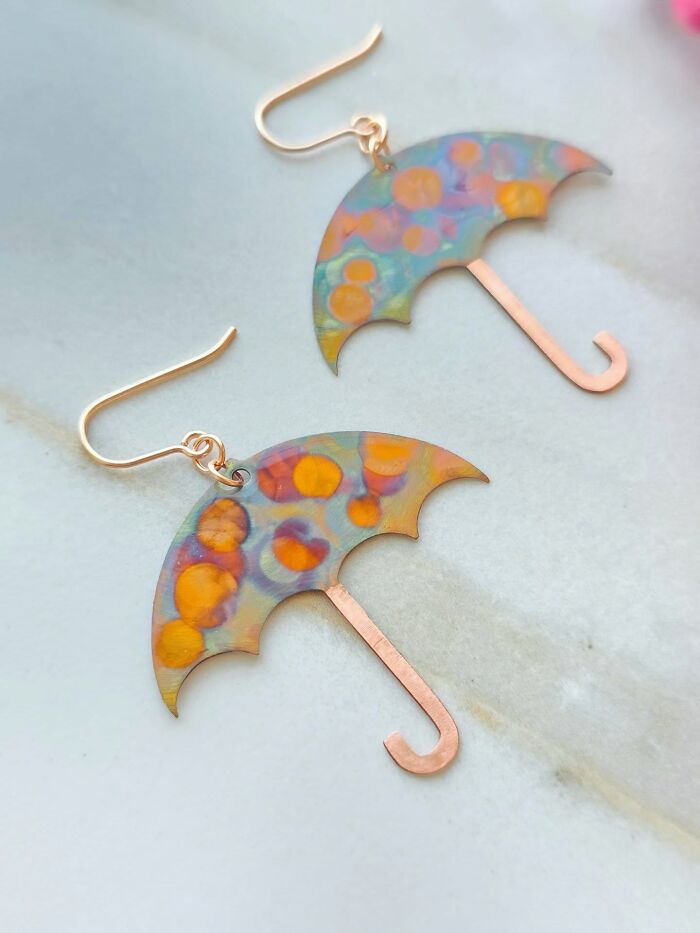
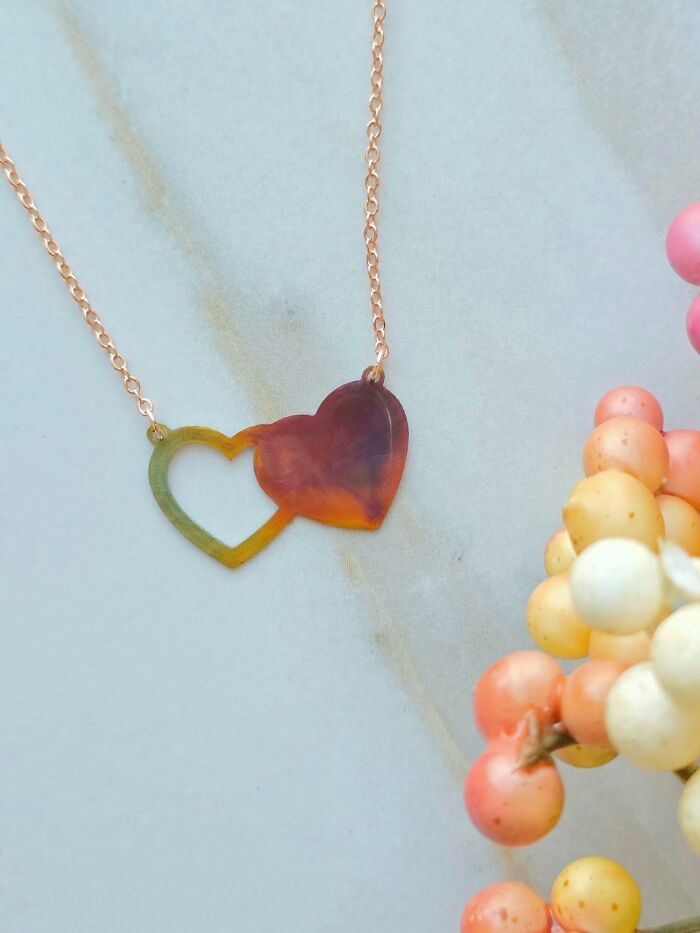
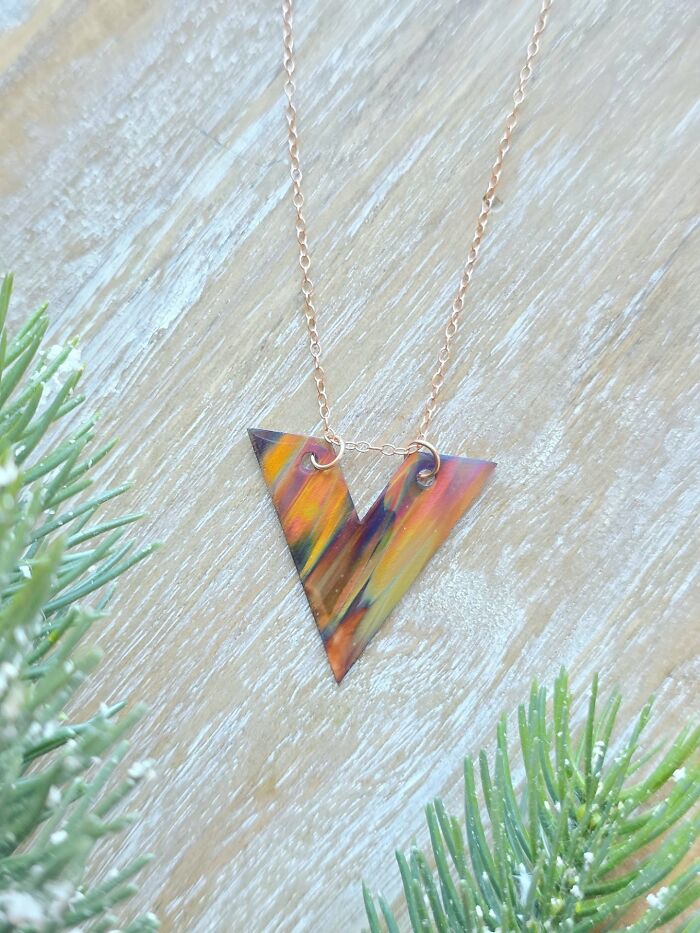
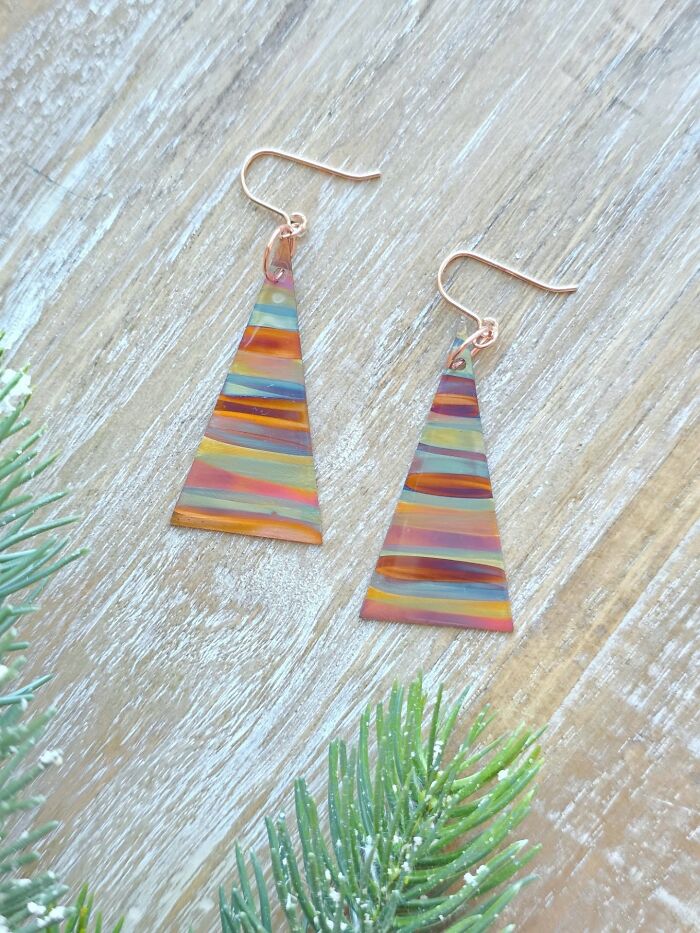
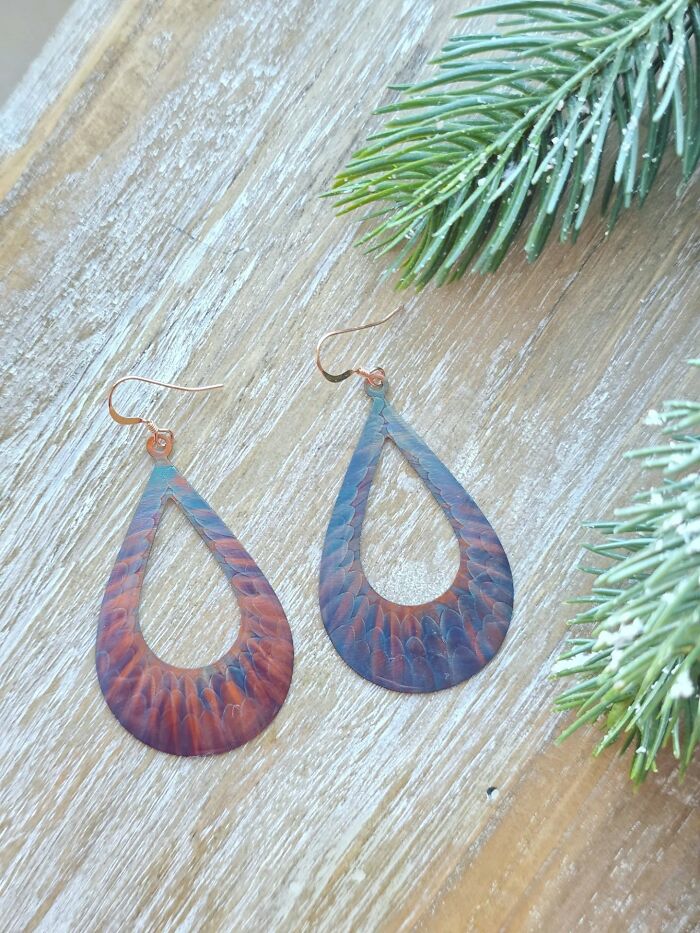
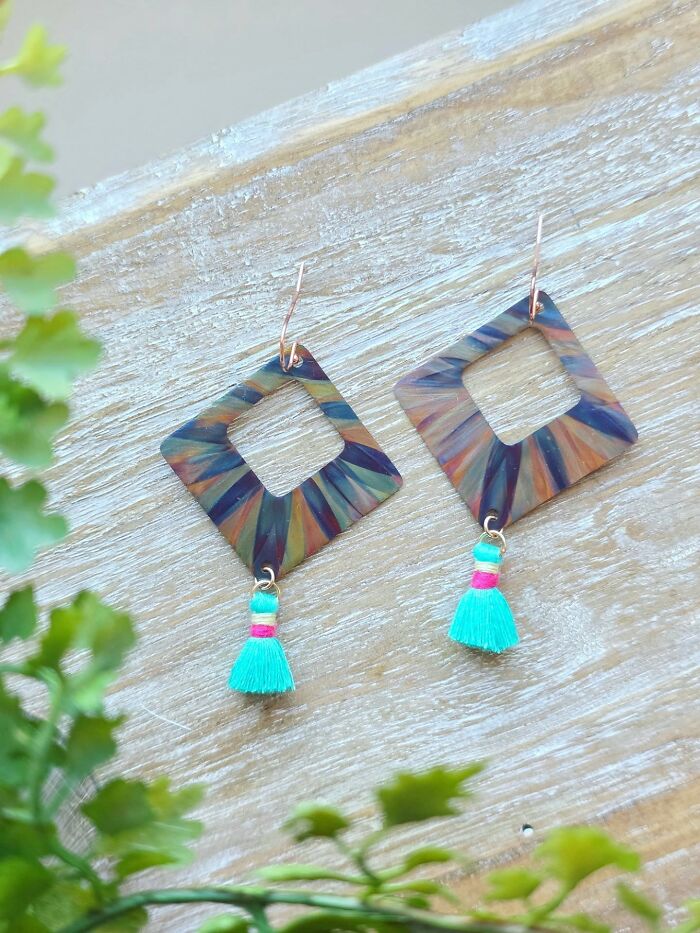
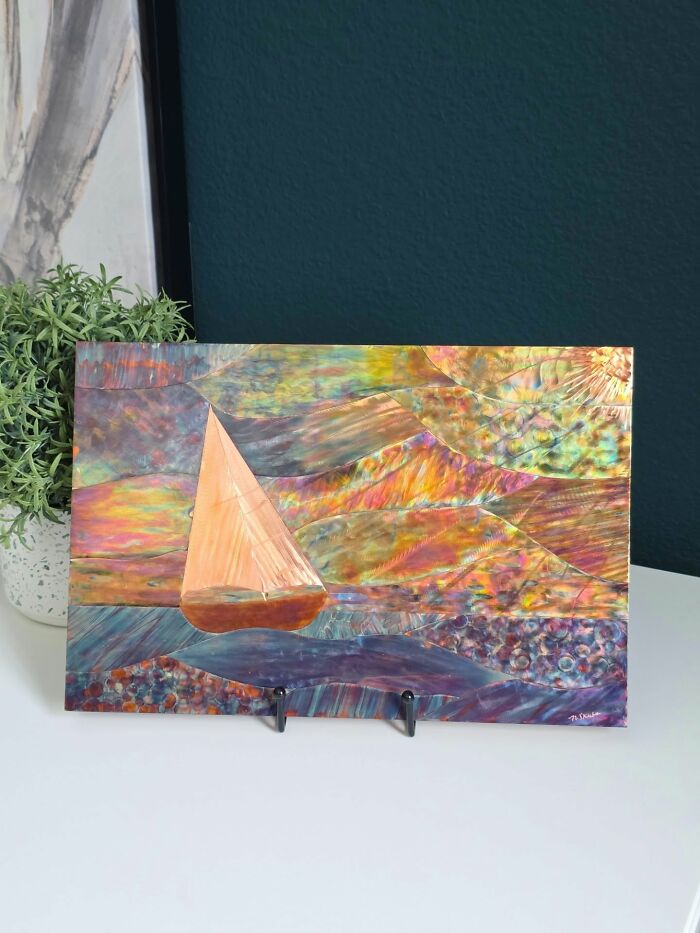
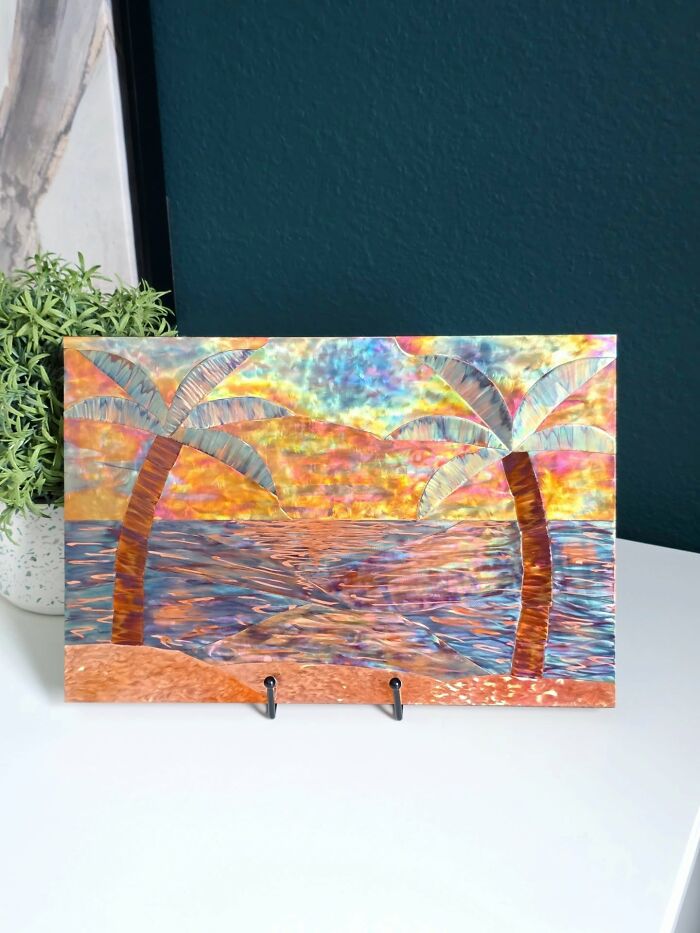
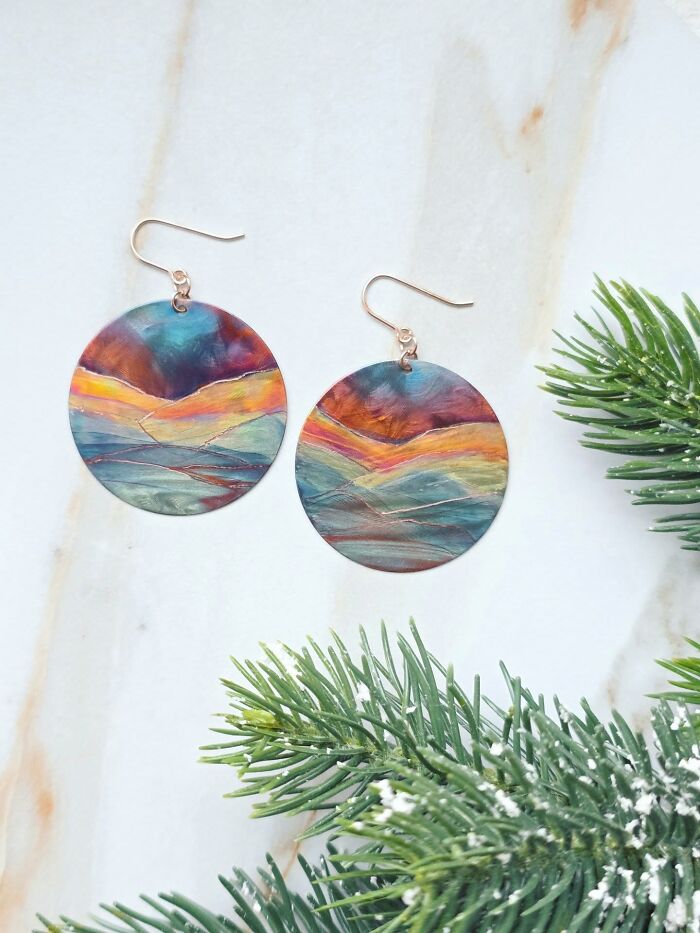
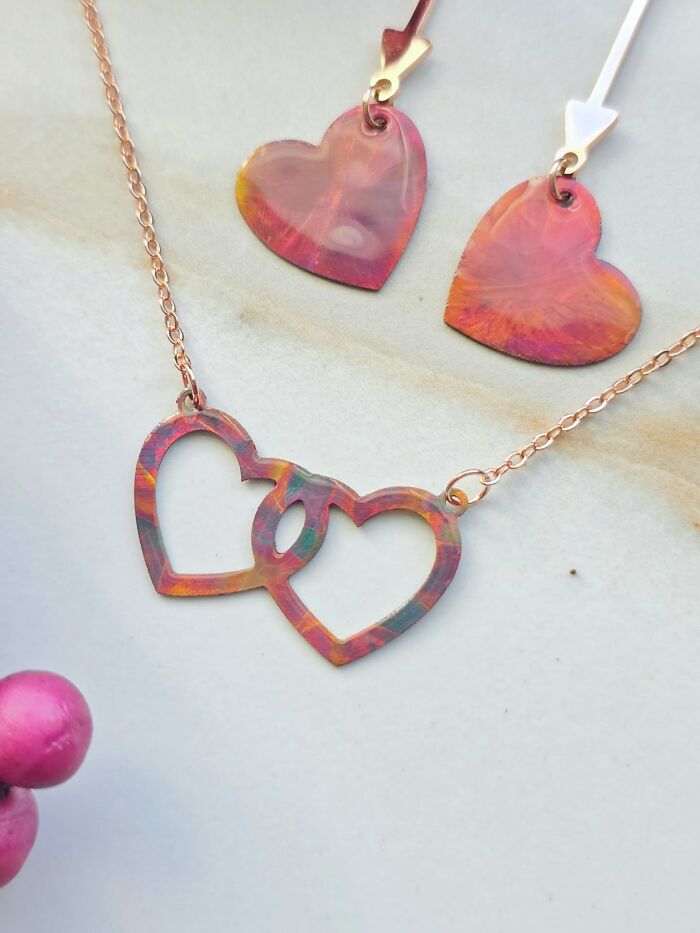
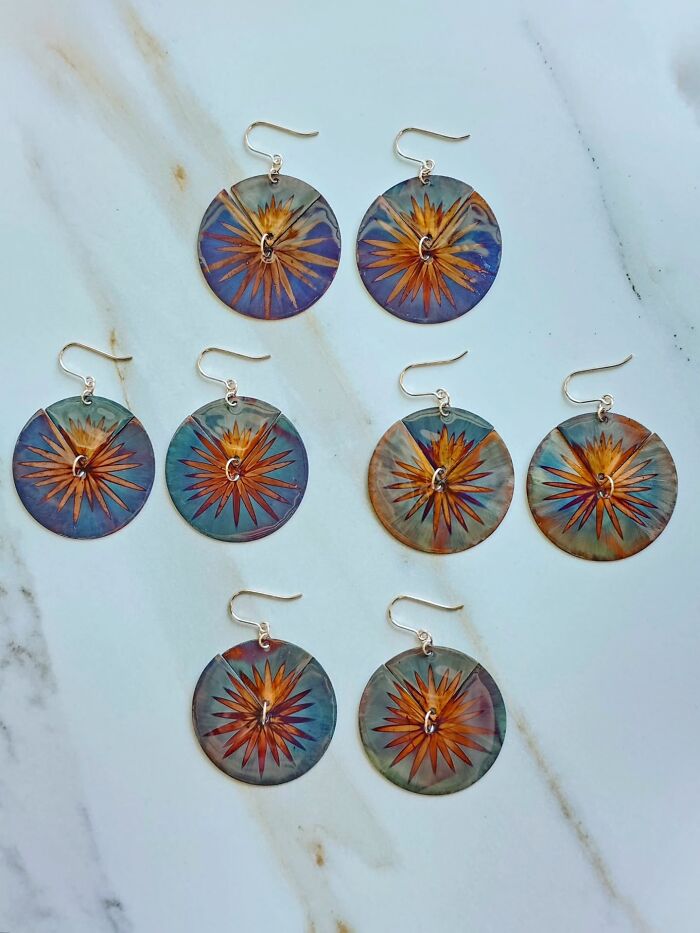
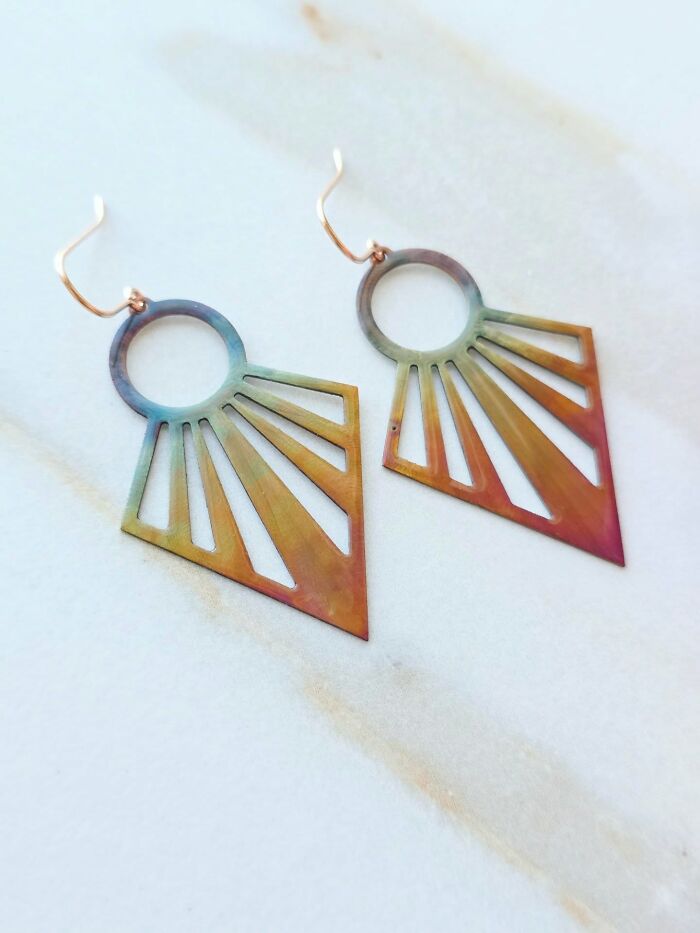
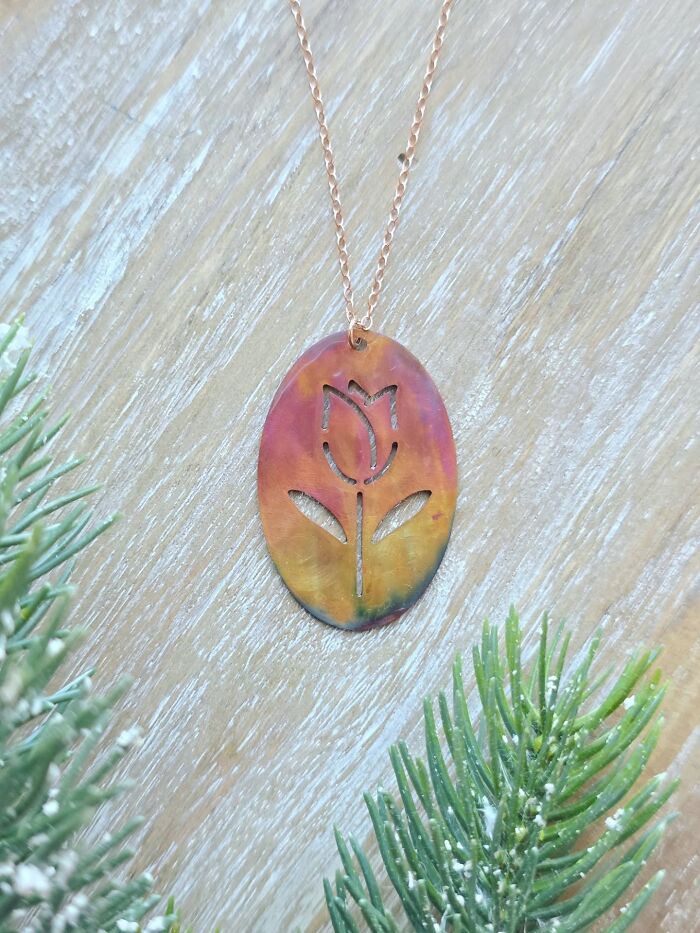
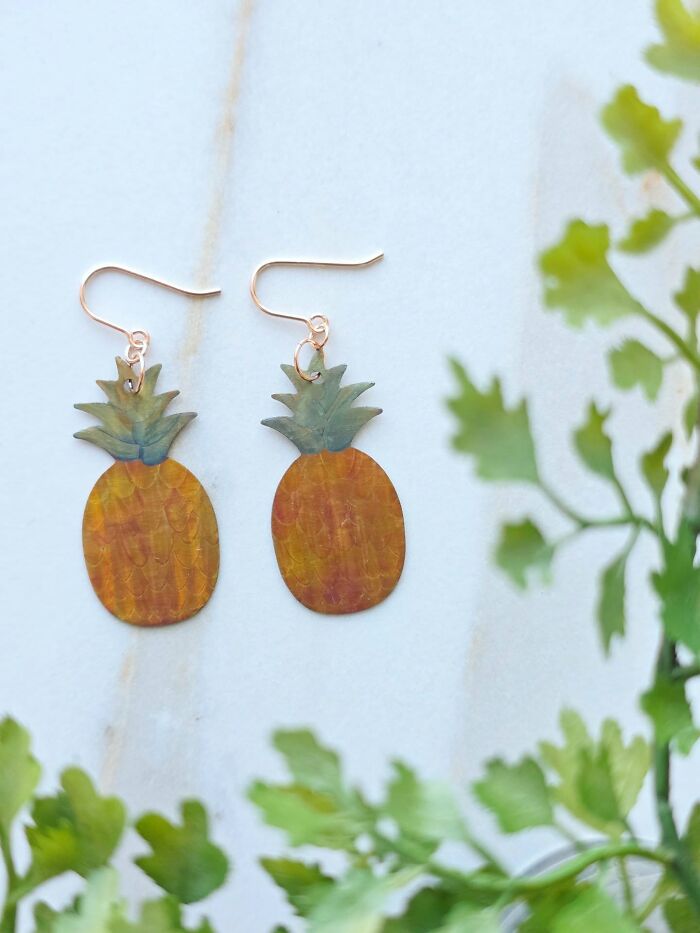
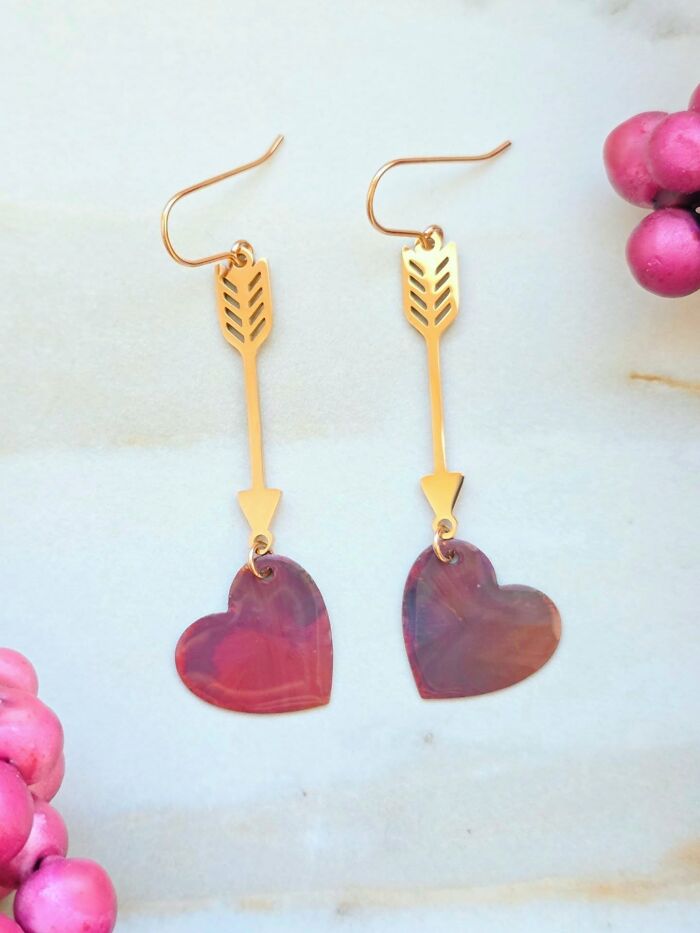
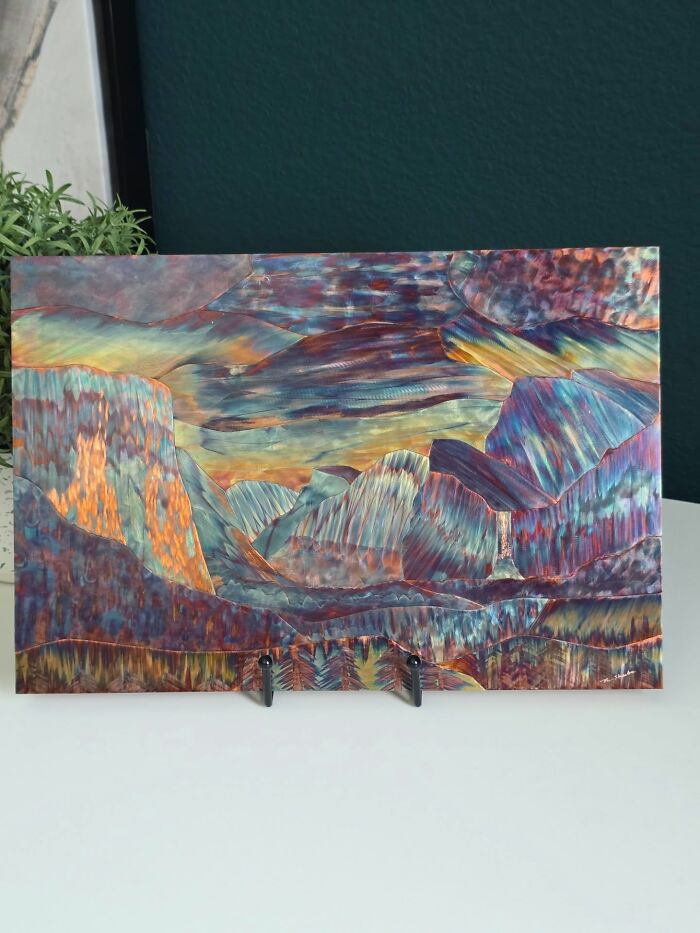
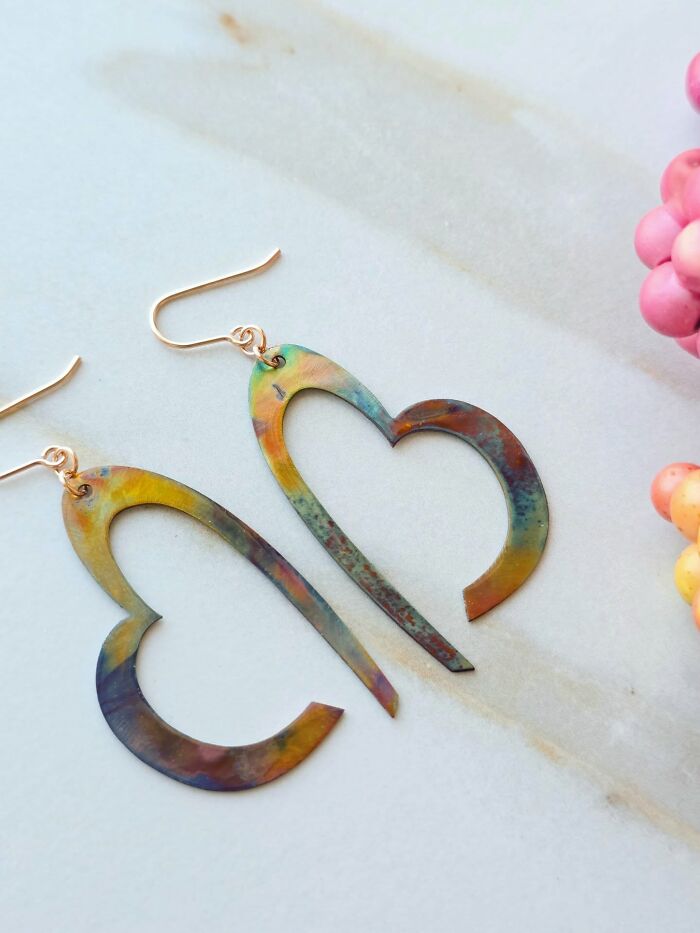
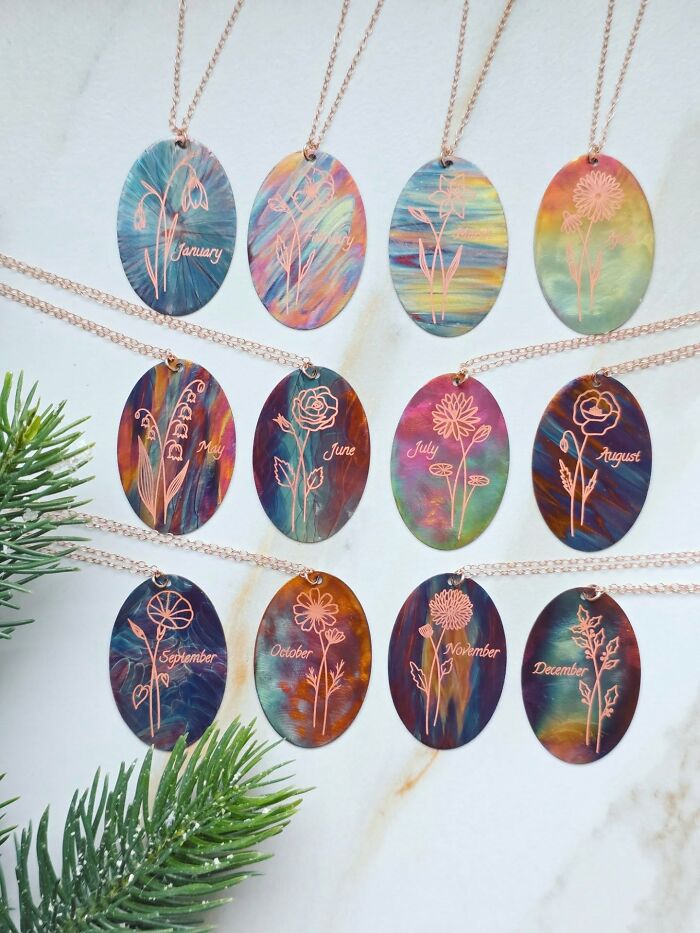
Natalia Skuba, the artist behind The Copper Oasis, makes copper look like it’s been painted with a brush dipped in sunsets, ocean blues, and electric rainbow sheen, except the trick is that the “paint” is actually the result of heat.
Her flame-painted jewelry and art are created by harnessing copper’s natural reaction when it’s heated. As the surface oxidizes, it shifts through vivid colors in a predictable sequence, but the results are never truly repeatable. That balance of technique and chaos is part of what makes each piece feel like a one-off. But there's also a deeper story behind why she’s drawn to working with fire. After her family lost everything in the 2018 Paradise, California, fire, the same force that destroyed her home became part of a process that helped her rebuild, turning flames into something striking, wearable, and unexpectedly calming.
To learn more about her process and the story behind The Copper Oasis, we reached out to Natalia with a few questions. So scroll down to vote on your favorite pieces and see what she has to say about her artistic process.
This post may include affiliate links.
When asked what she hopes people notice first before they even realize they’re looking at copper, Natalia said:
“I hope someone notices about my work is that it is unique and not like anything they’ve seen before. People don’t always understand what they are looking at, but they know it looks cool. Once I explain the process to them, they’re usually quite surprised. I love that!”
Her inspiration to start working on flame-painted art came from a tragic moment: “This is kind of a crazy way to discover an art form, but ultimately, my flame-painting journey began when my home burned down in the 2018 Paradise Camp Fire. My father is an artist and works with sheet metal. He pulled a big piece of copper, 7 ft. by 4 ft., from the ashes, and it was crazy what the flames had done to it. Shades of red and orange, thick layers of oxidation…it was beautiful.”
“He began to research what else copper could do! That led to him learning about Skip Matthews, the “Godfather” of flame-painting, and eventually, he shared the process with me, thinking it might be something I enjoyed. He was right! I was immediately obsessed!”
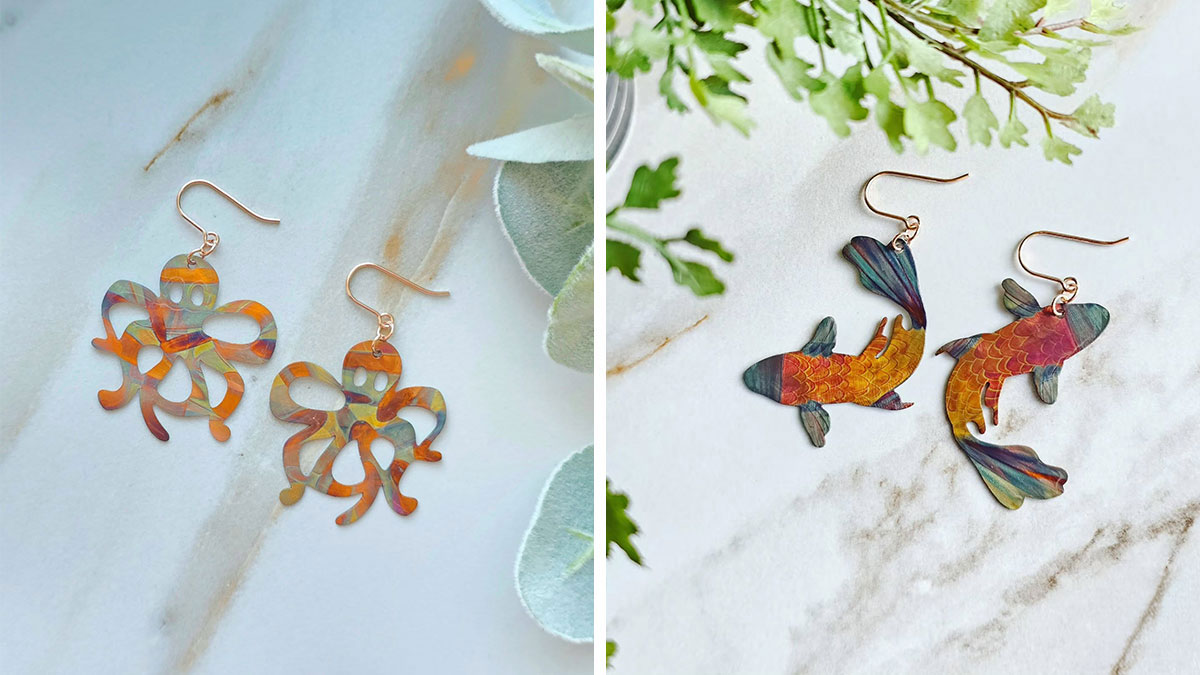
She shared a moment of breakthrough that put her down the path of pursuing the project fully: “It was a set of octopus earrings. I was probably a month into learning, and I was getting more comfortable with the torch. As I fired one of the pieces, a shade of green that I hadn’t gotten with the torch yet started to appear. It was so beautiful! I felt like I had pulled off some kind of magic trick. I was so excited, I did a happy dance!”
Natalia also explained what’s physically happening on the copper when it’s heated, and how she guides the colors: “Basically, copper changes color as it gets hot, like really hot. This is because a layer of oxidation forms on the surface of the metal and refracts light, similar to how an oil spill in a parking lot appears to have rainbow colors.”
“The colors always appear in the same order, starting with shades of orange, red, and purple, then progressing to blues, greens, yellows, pinks, turquoise, and finally lavender before turning gray. With lots of practice and patience, I’ve learned how to manipulate the heat of the torch and know when to pull back or heat more to get the tones I want.”
Speaking about the balance between control and letting the material lead the way, she said: “In the beginning, the copper really steered the direction of a piece, but as I learned how the metal reacted depending on how I held the torch and such, I gained a lot more control. Now I can fire a piece and have it turn out exactly as I want 98% of the time. That being said, the copper loves to remind me that I am playing with fire, and sometimes it refuses to cooperate. Even the weather can complicate things! Fortunately, even if a piece doesn’t do what I was aiming for, it shows me something new to try and replicate.”
When asked about her tools and setup, and what took the longest to get right, Natalia told us: “I don’t add anything but heat to the copper, so the blowtorch is the tool I rely on most. The copper must also be sanded before firing, so my Dremel is another important part of the process. I cut all my pieces with a CNC router, which was very intimidating to learn how to use. I made my husband figure it out first, and it was probably a full year before I was ready to take on learning the programming myself.”
And she certainly has a preference for certain colors: “I love the blue and pink tones—probably because they are some of the most difficult to achieve. I really like to decide how I will fire a piece depending on what shape it is. With desert-inspired pieces, I’ll aim more for the oranges. With ocean-themed pieces, I’ll really lean into the blues. With other pieces, I don’t think about the colors as much and focus more on the patterning. For example, my koi fish design will vary in color because I think it’s more important to have a very distinct scale pattern.”
Practicality and wearability are also major concerns, and Natalia certainly seems to have those in mind: “Copper is so reactive to the elements, especially the oils in our skin, and can easily fade or tarnish over time. So, I find it’s crucial to seal all my work. I have tested many products over the years and have found a UV resin to be the best option. It preserves the flame-painting colors beautifully, is durable, and is nonreactive, so it won’t irritate the skin. I also use gold-filled and -plated findings, ear closures, and chains that are hypoallergenic. I have very sensitive skin, so I aim to have all my pieces be skin-friendly.”
When asked what people tend to misunderstand most about flame-painted copper, she said: “People assume that I have added something to the copper. They are more familiar with some other copper artforms, such as enameling or patinas. But I promise, there is no hidden trick! It’s just harnessing the natural reaction of heated copper.”
And finally, when asked what she’d tell beginners in this technique, her answer was very direct: “I would recommend using welding gloves (or some other heat-protected gloves), safety glasses, and quality plyers. Torches can pop, and I would never want anyone to get burned trying this art form. Safety first, always! As far as getting satisfying results, be patient! Like…so much more patient than you’ve ever been in your life. The copper can overheat so quickly, and then no color will hold. But if you take your time, letting the copper cool between torch hits, you should be able to end up with something beautiful!”

Amazing work. Would purchase if had a website. Dont have instagram or etsy.

Amazing work. Would purchase if had a website. Dont have instagram or etsy.



















 No fees, cancel anytime