Get Premium
Dark mode theme is available exclusively for premium users. Learn more about the benefits of subscribing.
No fees, cancel anytime.

 Dark Mode Ad-Free Browsing Unlimited Content
 Ad-Free Browsing Unlimited Content Dark Mode
Join 1.2 million Panda readers who get the best art, memes, and fun stories every week!
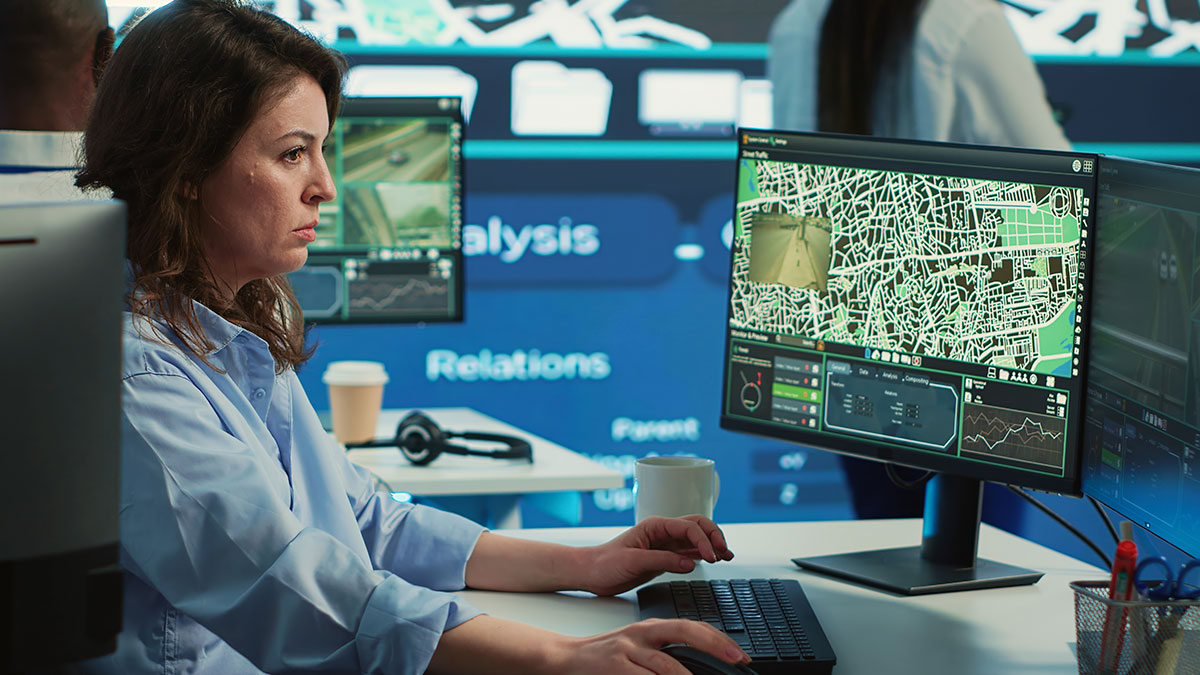
Calling emergency services isn’t one of those things most folks do regularly, and it’s not like it’s possible to just practice. However, it's still one of those skills that is still important to have even if you never end up using it.
Someone asked “911 Operators, what’s the most efficient way to convey emergency information to you to get help ASAP?” and people detailed their tips and tricks. So get comfortable as you scroll through, upvote your favorites and be sure to share your own thoughts and experiences in the comments down below.
This post may include affiliate links.
 Location. Location. Location. Not every call can be traced and if we get disconnected we cant find you.

Absolutely! Sorry, Mojoln, triangulating cell calls is inaccurate and wastes valuable time.
 Know how your 911 system operates. In my county, you're first connected to an operator that will ask "Police, Fire, or ambulance?" If the answer is "police", they'll ask if it's an emergency. Then they'll connect you to the right dispatch.
So, if you start spilling details, you're wasting time. Just a simple phrase "Police, emergency" and then wait for the next operator.
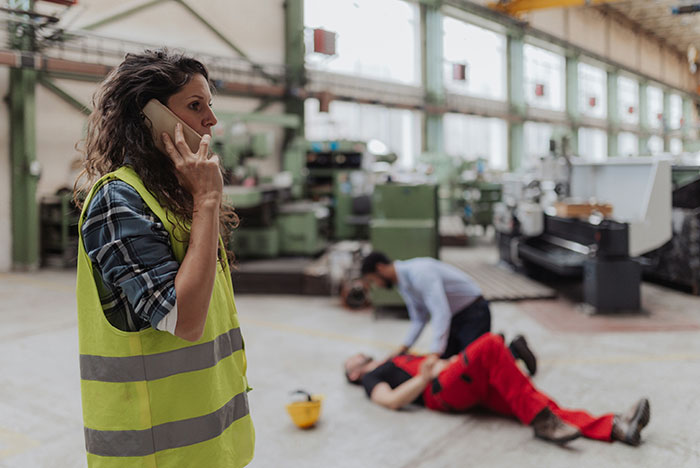 Don't go off telling what happened last week, what you had for breakfast, and how the drive to work was. Listen to what they're asking and answer exactly that.
Don't yell at the operator "JUST GET THEM HERE! OH MY GOD CAN'T YOU JUST DO YOUR JOB?! WHY ARE YOU ASKING ME QUESTIONS WHY AREN'T THEY HERE YET?! CAN'T YOU JUST SEE WHERE I AM?!" While the operator is still trying to get the address.
Know where you are. If you have a smart phone and you're in an unfamiliar place and have 5 seconds use something like google maps to figure out at least 2 cross streets close to you.
No, most operators won't magically know which Mcdonalds you're talking about when that's all you give and there could be dozens in the area they dispatch for. Same with any other businesses. Also it's not the operators job to know the name and location of every business in their jurisdiction.
Basically try to have at least an idea where you are, listen to what's asked, answer what's actually asked, screaming just makes things worse/slower, and no responders have figured out teleportation yet so they have to DRIVE to your location.
 In Germany we got the 5 W protocol.
Wo? (Where)
Wer? (Who is the caller)
Was? (What happened)
Wie viele? (How many injured?)
Warten. (Wait until the operator has additional questions or ends the call)
Btw if you can’t give your location the operators can locate your phone via GPS during the call. They do it by default as soon as you pick up and it works with a special cell tower command on any smartphone from 2015 on but they still ask for the location in case there are special precautions or the place is hard to see, crowded or unintuitive. I’m not an operator, but I was a firefighter and we had the call center for the fire department and EMS for the entire county in house.
They also teach that protocol even to toddlers in (pre) school so everyone knows and sticks to it. If you drift off of it, the operator will catch you and get you back into the protocol. Most of the time at least one first responding vehicle gets already dispatched while you’re still answering to get at least someone to you asap. They send out more or specialized units if needed as you go on answering the questions.

Point of order: Location given from the cell phone towers does not require to use GPS, so even if your location is turned off they' will be able to get an approximate location, but if you're out of town where there are not so many masts it may be only to within a couple of hundred metres. so turn your GPS location on.
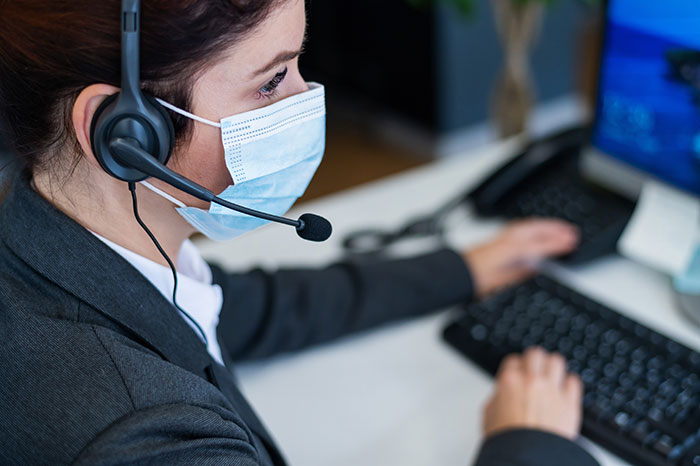 Location. Description. Status.
Tell me exactly where you are, what's going on in 10 words or less, and what condition you are in.
The idea is to relay the most important information first in case the call disconnects.

Not everyone has the mental capacity to think that clearly, especially when panicked.
 In the UK we use the acronym LIONEL.
Location, incident, other services needed, number of casualties, extent of injuries, location.
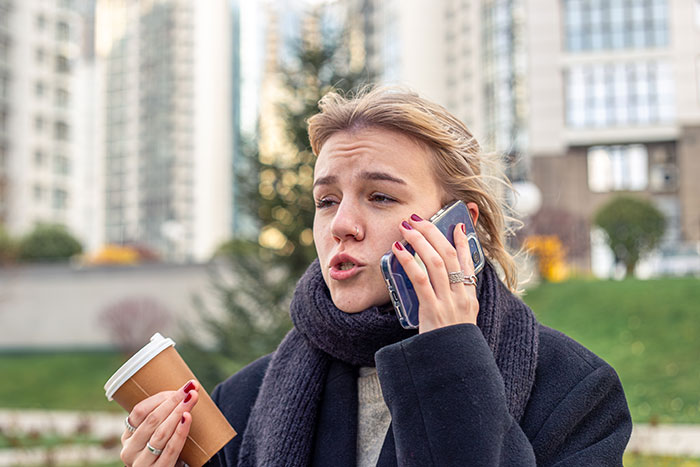 The most efficient way is just to answer the questions asked of you.
We are going to ask for the location of the emergency first, nothing else matters if I don't know where to send help. Also, there is a chance I'm going to have to transfer you after the jurisdiction is determined so any other information you might think is most important means nothing til you are speaking with the right person.
After that, there are reasons for the questions we ask and the order in which we ask them, and if you have a true emergency we don't have the time to explain why, so please just answer to the best of your ability. Every time a caller fights the flow it just slows it down. Not just the individual caller's response time either, it delays the next call and every other task I'm responsible for.
Honestly, sometimes following the procedure isn't the most efficient method, and I'll be the first to complain to my bosses but I don't have the power to change it. So if you don't like it or understand it, then once you're done being on fire please reach out to the 911 center's management during the daytime to discuss.
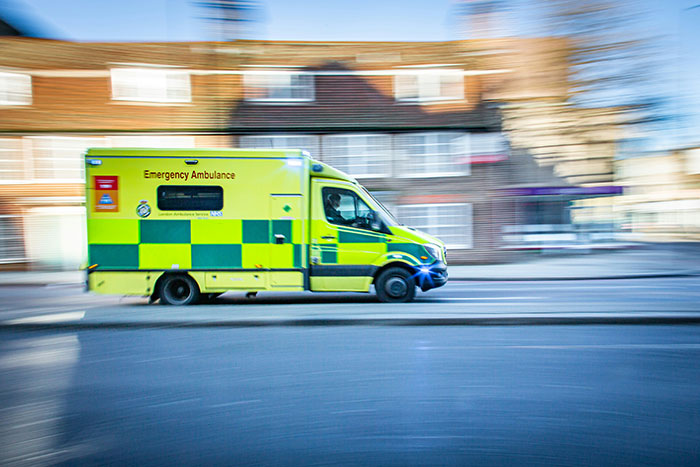 What’s happening - For me to send you the correct response, I need to know what’s going on. Are you having a medical emergency? Carbon monoxide detector going off? Domestic dispute? None of these examples have the same responders - these details are vital. At the same time, I don’t need to know what *led up* to the emergency. Get to the point, you will get a response quicker this way.
Pet peeve note: The operator you’re speaking to is not delaying your response by asking more questions, someone *else* is getting them on the way. This takes time. So while that’s happening, we can continue gathering this information for even better updates and such as they make their way there. Telling the operator to hurry does literally nothing for you or anyone else, I promise you they are working as fast as possible.
Source: going on a decade as a 911 dispatcher.
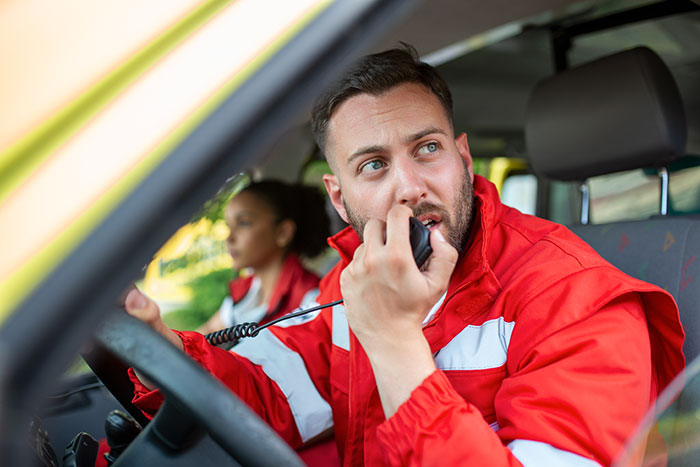 Callers seem to think it’s important that we don’t cut them off before they say their ZIP code. I do not care about your ZIP code, but for the love of god, tell me what apartment you are in. On almost every call, when asked for the address, callers will leave out their apartment number but include city, state, ZIP. Even when we can trace what building you are in, officers are not going to check the hundreds of apartments in a building to find you.
When asked for a suspect description, almost everyone starts with the height, as if officers are going to be able to find the one 5’8” man amongst everyone outside. At my agency, we ask in order of race, age, clothing, and maybe get height and build if we can.
We have other questions that need to be asked before getting a description, but callers like to shout descriptions at us before even telling us what the emergency or location is.
Important takeaways: street addresses need to include apartment numbers, and don’t interrupt the dispatcher with what information you THINK they want. Let us ask what we need to in the order we need.
 Let me control the flow of the call. If I missed something, tell me at the end.
If I ask who is that person to you and you say "nobody" yet you just told me their first and last name and the vehicle they drive, that is not helpful.
If I ask if you have knowledge if weapons are involved I'm looking for a yes, no, or I don't know. Saying "I don't know what they have in their pockets" is not helpful.
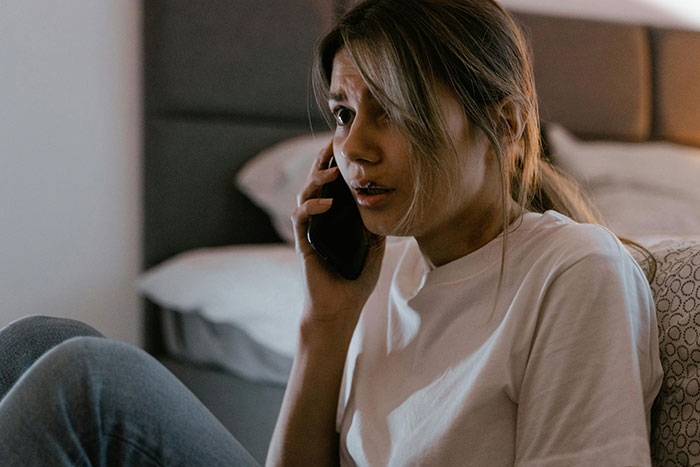 Some questions might sound the same but they are different and are asked for a reason. Trust the dispatcher AND LISTEN.
911 operators should, though, be aware someone may have an Intellectual Disability that makes it harder to understand differences in similar questions. I've taught my daughter to mention her ID so dispatch knows to be extra patient, like they do with kids. Ask a simple question. Get a simple answer.

Whilst I completely agree with the above... I think it's also a given you'll get some people that will panic or otherwise not respond like you want them to. My most recent call to emergency resulted in the operator telling me "I'm sorry, but I can't tell you whether you *should* be calling 000 or not..." which left me apologising profusely, saying "I don't want to waste your time..." etc. She ended up staying on the line until an ambulance arrived because it *was* that serious; I just didn't know it. I guess what I'm trying to say here is that whilst this thread is pertinent, I also think it could be seen as mean-spirited for people that find themselves in these situations and genuinely don't know what to do. It's not like they're being obtuse on purpose, and (to me) it seems like there's a subtle implication that that's what they're doing.

I agree with you, not everyone knows what a real emergency looks or sounds like. Fear/panic is a real emotion, particularly when the caller is trying to help a vulnerable person, be it a baby or an elder.
Load More Replies...
While it is important to get the right info, a lot of these response scome across as really condescending. 99% of the time people are going to be calling because they are in a high stress situation, and likely not thinking clearly. There is a tact to handling calls like these, and I have heard some great examples of people able to guide the caller into getting the priority info, and diffuse any stress related rambling. A lot of these responses come across like they are annoyed at people for "wasting" their time and making their job harder.

Exactly. It almost reads as: "I hate that you are panicking, because this affects my efficiency and performance, and can you please calm the f***k down? You are being very annoying now!" All the while, the person calling is possibly watching someone die in front of them and they have never felt this powerless, and now they are * gasp* not as coherent as usual.
Load More Replies...
I would never dial 911…! The 15 or 112 works much better here in the civilised world. Whomever wrote this text could at least have mentioned in the first few sentences that 911 is the US emergency number, and that other parts of the world have different numbers, US exceptionalism is everywhere now, and it makes me angry.
I admit that I assumed everyone would just read the thread and *insert their country's emergency number here*. The advice is pertinent whether it references the US or not. I believe (though I've never tested it) that Australia actually set up 911 as a backup emergency number to cater for those who'd watched too much American TV. 😆 That said, for us 000 is the main number and the one you want to call to ensure the best chance of getting through promptly.
Load More Replies... Whilst I completely agree with the above... I think it's also a given you'll get some people that will panic or otherwise not respond like you want them to. My most recent call to emergency resulted in the operator telling me "I'm sorry, but I can't tell you whether you *should* be calling 000 or not..." which left me apologising profusely, saying "I don't want to waste your time..." etc. She ended up staying on the line until an ambulance arrived because it *was* that serious; I just didn't know it. I guess what I'm trying to say here is that whilst this thread is pertinent, I also think it could be seen as mean-spirited for people that find themselves in these situations and genuinely don't know what to do. It's not like they're being obtuse on purpose, and (to me) it seems like there's a subtle implication that that's what they're doing.
I agree with you, not everyone knows what a real emergency looks or sounds like. Fear/panic is a real emotion, particularly when the caller is trying to help a vulnerable person, be it a baby or an elder.
Load More Replies... While it is important to get the right info, a lot of these response scome across as really condescending. 99% of the time people are going to be calling because they are in a high stress situation, and likely not thinking clearly. There is a tact to handling calls like these, and I have heard some great examples of people able to guide the caller into getting the priority info, and diffuse any stress related rambling. A lot of these responses come across like they are annoyed at people for "wasting" their time and making their job harder.
Exactly. It almost reads as: "I hate that you are panicking, because this affects my efficiency and performance, and can you please calm the f***k down? You are being very annoying now!" All the while, the person calling is possibly watching someone die in front of them and they have never felt this powerless, and now they are * gasp* not as coherent as usual.
Load More Replies... I would never dial 911…! The 15 or 112 works much better here in the civilised world. Whomever wrote this text could at least have mentioned in the first few sentences that 911 is the US emergency number, and that other parts of the world have different numbers, US exceptionalism is everywhere now, and it makes me angry.
I admit that I assumed everyone would just read the thread and *insert their country's emergency number here*. The advice is pertinent whether it references the US or not. I believe (though I've never tested it) that Australia actually set up 911 as a backup emergency number to cater for those who'd watched too much American TV. 😆 That said, for us 000 is the main number and the one you want to call to ensure the best chance of getting through promptly.
Load More Replies...


















 No fees, cancel anytime