Get Premium
Dark mode theme is available exclusively for premium users. Learn more about the benefits of subscribing.
No fees, cancel anytime.

 Dark Mode Ad-Free Browsing Unlimited Content
 Ad-Free Browsing Unlimited Content Dark Mode
Join 1.2 million Panda readers who get the best art, memes, and fun stories every week!

What may look like a harmless posture issue or stubborn upper-back fat is now raising serious medical concerns.
Doctors are sounding the alarm over a condition commonly referred to as “buffalo hump,” medically known as dorsocervical fat pad hypertrophy, warning that it could be more than just a cosmetic issue.
Often overlooked or dismissed, this noticeable fat buildup at the base of the neck has been linked to underlying health problems that many people may not even realize they have.
“If you’ve got something on your body that can be called ‘buffalo’ anything…you’ve got problems,” reacted one netizen.
Image credits: Kindel Media/pexels (not an actual photo)
A “buffalo hump” refers to a buildup of fat at the base of the neck. It is rarely an isolated symptom and often points to underlying conditions that may require medical evaluation if left untreated.
Obesity is often considered a possible cause, as excess body fat can accumulate in this area, just as it does in other parts of the body.
However, this has led to the misconception that it is the sole reason behind a “buffalo hump.”
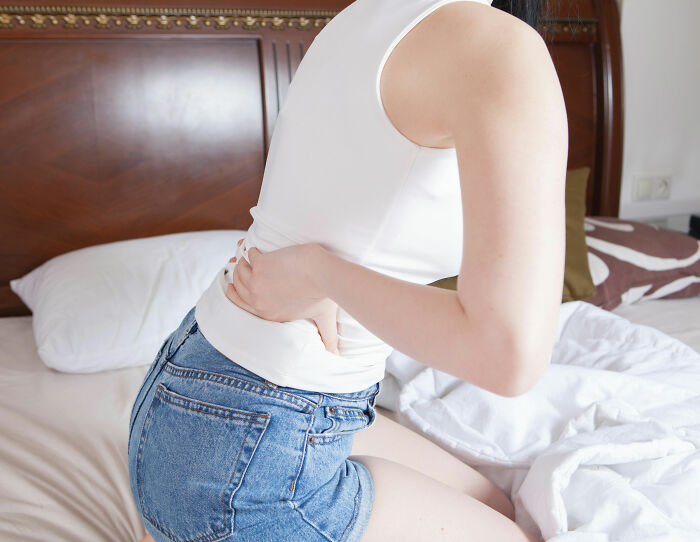
Image credits: Sasun Bughdaryan/unsplash (not an actual photo)
In reality, it can stem from multiple conditions, and treatment varies significantly depending on the underlying cause.
According to Dr. Dahlia Rice, a plastic surgeon and founder of DMR Aesthetics, “A buffalo hump is a fullness at the base of the neck or upper back area.”
Speaking to Fox News, Rice explained that poor posture, such as a forward head position, can significantly increase its visibility.
Image credits: draken1721
She added, “Posture can make a hump appear more pronounced, even if someone does not have much excess fat. A forward head posture or rounding of the upper spine can contribute to this effect.”
Rice further advised that when this appearance is accompanied by symptoms such as fatigue, muscle weakness, or changes in blood pressure, it may indicate underlying metabolic or hormonal issues that require medical evaluation.
“Depending on the pattern and timing, it could also signal an underlying medical issue,” the doctor noted.
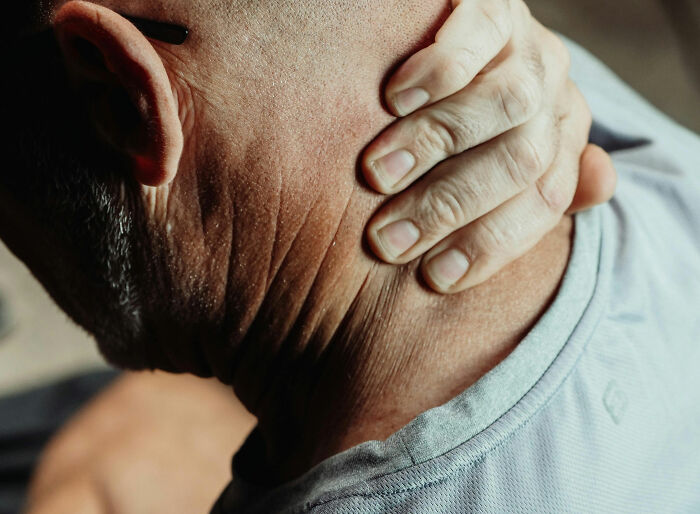
Image credits: kaboompics/pexels (not an actual photo)
Meanwhile, Dr. Rachel Mason, a plastic surgeon and founder of La Femme Plastic Surgery, shared with the outlet, “In some cases, it can be associated with medical conditions like Cushing’s syndrome or long-term use of steroids.”
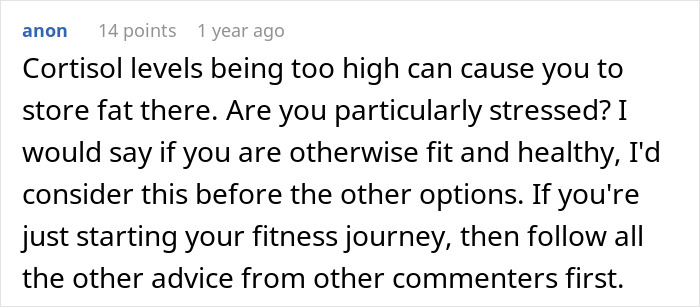
According to multiple medical studies, Cushing’s syndrome is one of the most common causes of a “buffalo hump,” occurring when the body has chronically elevated levels of cortisol.
Image credits: Vardan Papikyan/unsplash (not an actual photo)
Additionally, long-term use of corticosteroids, such as prednisone, or certain older HIV antiretroviral therapies can lead to fat redistribution.
Experts also emphasize the importance of identifying the type of hump, whether it is medically driven or posture-related, as the treatment approach differs significantly.
Mason explained, “A true buffalo hump will feel soft and fatty. Structural, posture-related issues require a completely different approach than fat reduction.”
Adding to this, Rice noted, “If it’s paired with fatigue, muscle weakness, or changes in blood pressure, patients should seek medical evaluation.”
Image credits: MART PRODUCTION/pexels (not an actual photo)
Mason further highlighted that “symptoms such as easy bruising, hormonal changes, or purple stretch marks could point to an endocrine disorder.”
Other signs may include irregular menstrual cycles, excess facial hair growth, or a “moon-shaped” face, all of which can indicate an underlying condition.
Image credits: MART PRODUCTION/pexels (not an actual photo)
Treatment for a “buffalo hump” typically focuses on addressing the root cause rather than just the physical appearance.
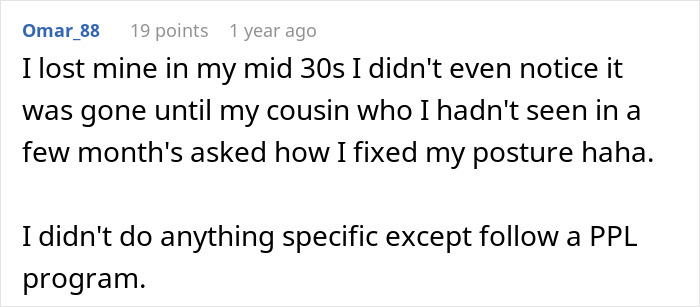
For posture-related cases, treatment involves strengthening and realigning the muscles.
Professional guidance from a physical therapist can help correct imbalances and provide tailored stretching routines.
In more severe cases, using supportive chairs with proper lumbar support and maintaining a neutral spine position during sleep with an appropriate pillow is recommended.
Meanwhile, in cases involving hormonal or metabolic disorders, the focus shifts to treating the underlying condition.
Image credits: Gustavo Fring/pexels (not an actual photo)
If long-term corticosteroid use is the cause, doctors may gradually taper the dosage or switch to an alternative medication.
For Cushing’s syndrome, medications such as ketoconazole or osilodrostat may be prescribed to help reduce cortisol production.
Image credits: Kindel Media/pexels (not an actual photo)
If excess cortisol is caused by a tumor in the pituitary or adrenal glands, surgical removal is often the first-line treatment. In rare and severe cases where other treatments fail, removing the adrenal glands may be necessary.
According to Dr. Mason, for weight-related cases involving stubborn fat with no underlying condition, “Liposuction is often the effective option for contouring this area, as it directly removes excess fat and improves the profile of the upper back and neck.”
Image credits: Ign_J_Reilly
Image credits: MART PRODUCTION/pexels (not an actual photo)
The expert concluded, “Identifying the cause early is important in ensuring the right treatment path is taken.”
According to research by the National Library of Medicine, approximately 50% of patients diagnosed with Cushing’s syndrome exhibit a “buffalo hump” as a primary clinical sign.
Among patients receiving older antiretroviral therapies, the reported rate ranges from 2% to 13%.
However, in modern clinical settings using newer dr*g classes such as integrase inhibitors, the incidence has dropped significantly, with some centers reporting rates as low as 0.31% (approximately 3 in 1,000).
For otherwise healthy individuals, the likelihood of developing a “buffalo hump” remains relatively low.

By entering your email and clicking Subscribe, you're agreeing to let us send you customized marketing messages about us and our advertising partners. You are also agreeing to our Privacy Policy.
Thank you! You've successfully subscribed to newsletters!



With mine, it was because she'd sold the chairs 😁
Load More Replies... With mine, it was because she'd sold the chairs 😁
Load More Replies...






























 No fees, cancel anytime






















26
2