Get Premium
Dark mode theme is available exclusively for premium users. Learn more about the benefits of subscribing.
No fees, cancel anytime.

 Dark Mode Ad-Free Browsing Unlimited Content
 Ad-Free Browsing Unlimited Content Dark Mode
Join 1.2 million Panda readers who get the best art, memes, and fun stories every week!

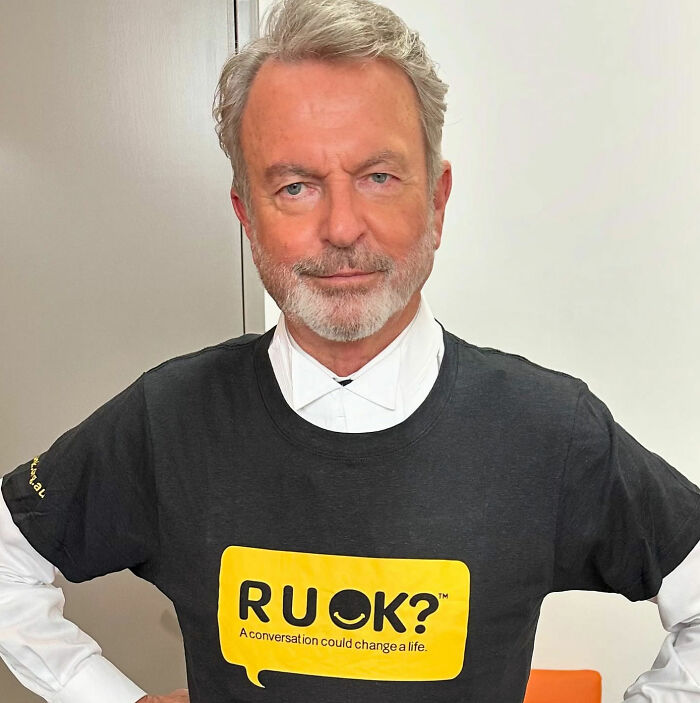
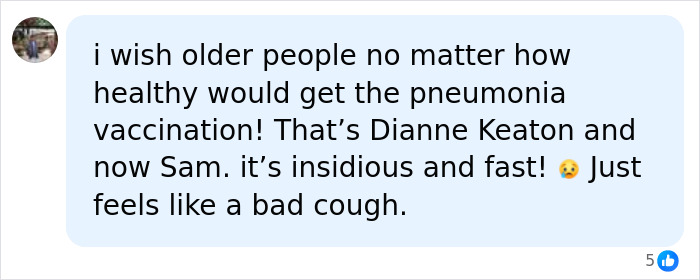
Beloved Jurassic Park star Sam Neill‘s unexpected passing has prompted renewed discussion about a serious health condition that claimed the actor’s life despite him having recently beaten cancer.
The acclaimed actor’s family confirmed that Neill remained cancer-free until his passing, leaving many fans wondering how his health could deteriorate so suddenly after celebrating his remarkable remission.
Medical experts have since explained why Sam’s cause of passing remains one of the leading causes of hospitalization and fatalities among older adults, particularly among those who have undergone cancer treatment.
Image credits: samneilltheprop
Sam Neill’s family announced the heartbreaking news in a public statement on Monday, July 13.
They wrote, “It is with immense sadness that the whānau of Sam Neill share the news of his passing on Monday 13th July, in Sydney, Australia.”
“Sam was surrounded by family and passed with the dignity that has characterised his whole life. The loss was sudden and unexpected, but blessed by the fact that Sam remained cancer free.”
As tributes poured in from around the world, longtime agent Philip Grenz also addressed growing speculation surrounding the actor’s cause of passing.
Speaking to The Associated Press, Philip confirmed that pneumonia, and not a recurrence of cancer, claimed the 78-year-old actor’s life.
He told the outlet, “Sam passed away from pneumonia. Prior to becoming sick, Sam had valiantly fought and beaten lymphoma through a new treatment called CAR-T therapy.”
Image credits: samneilltheprop
The clarification came after years of Neill openly documenting his battle with stage-three angioimmunoblastic T-cell lymphoma, a rare and aggressive form of blood cancer.
The actor first revealed his diagnosis in 2023 while promoting his memoir Did I Ever Tell You This?, explaining that writing the book helped distract him during months of intensive treatment.
Over the following years, he underwent multiple rounds of chemotherapy, and at one point, conventional treatment reportedly stopped working altogether.
Earlier this year, however, Neill shared the uplifting news that he had entered remission after participating in a groundbreaking Australian CAR T-cell therapy clinical trial.
Although Sam ultimately defeated the disease, medical experts say previous cancer treatment can continue affecting the body’s ability to fight infections long after a patient has been declared cancer-free.
Image credits: samneilltheprop
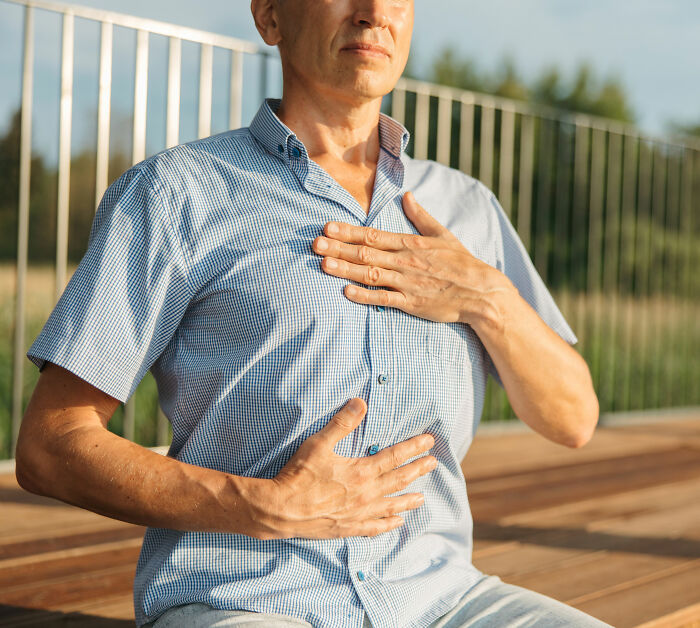
Pneumonia is often mistaken for a routine chest infection, but medical experts say the condition can escalate rapidly into a life-threatening emergency, particularly in older adults whose immune systems have been weakened by illness or intensive cancer treatments.
It occurs when an infection causes the tiny air sacs called alveoli in one or both lungs to become inflamed and fill with fluid or pus instead of air.
As a result, the lungs struggle to deliver enough oxygen to the bloodstream, making breathing increasingly difficult while placing enormous strain on vital organs throughout the body.
Speaking exclusively to Bored Panda, Dr. Alexander Joshue Acosta Peñafiel, a medical doctor and medical consultant for SonderCare, said pneumonia can escalate much faster than many families expect.
“Older adults d*e from pneumonia more quickly than many realize,” Dr. Peñafiel explained.
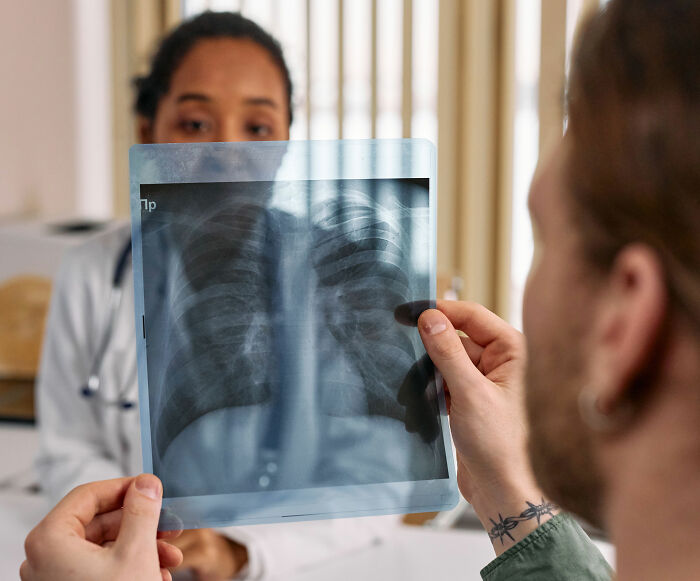
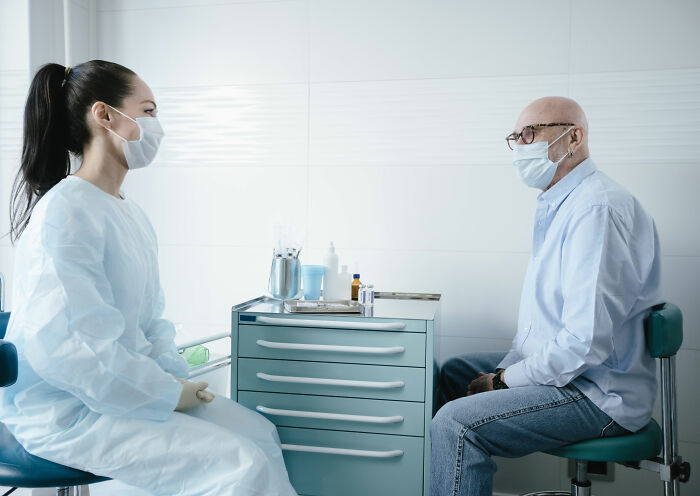
Image credits: cottonbro studio/Pexels (not an actual photo)
“The worst chest X-rays and the ones that deteriorated most rapidly in my emergency rotations were those patients whose bodies could not fight. With age, lungs lose elasticity and the ability to move air from the air sacs, causing excess fluid and bacteria to build up more quickly than the immune system can respond.”
He warned that once the infection spreads beyond the lungs, it becomes far more dangerous.
“In many of those cases, the infection entered the bloodstream and began to cause sepsis, so at that time, you’re not treating a lung infection. You are dealing with complete organ failure.”
According to the expert, pneumonia can be caused by bacteria, viruses (including influenza and COVID-19), or fungi, with older adults, people living with chronic illnesses, and those with weakened immune systems facing the highest risk.
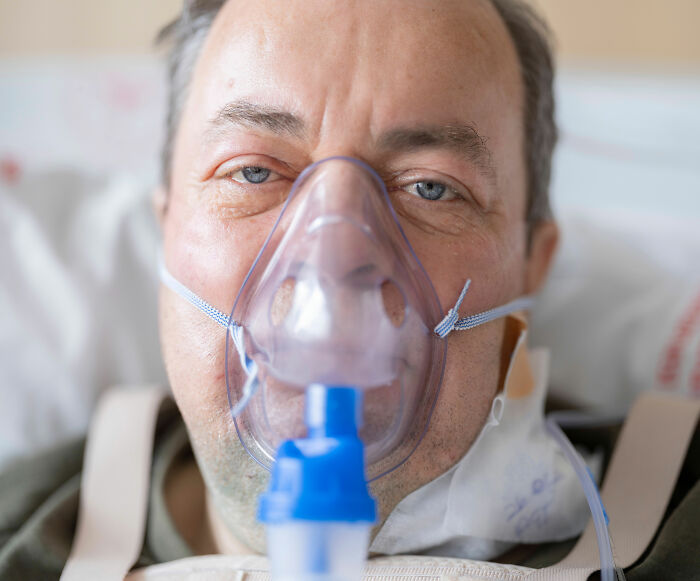
Image credits: Engin Akyurt/Pexels (not an actual photo)
Dr. Alexander also noted that while many cases can be treated successfully when identified early, delaying medical care allows the infection to spread, increasing the risk of respiratory failure, sepsis, and damage to multiple organs.
Although the Peaky Blinders star had been declared cancer-free, the doctor says that doesn’t necessarily mean the body has fully recovered from the effects of cancer treatment.
Dr. Peñafiel explained that successfully treating cancer and restoring the immune system are often two very different things.
“Most people believe that the immune system returns to normal when cancer is gone, but that is not the case.”
He continued, “The chemotherapy and radiation to destroy cancer cells also damage the tissues of the bone marrow, and the effects can last for months or years after treatment.”
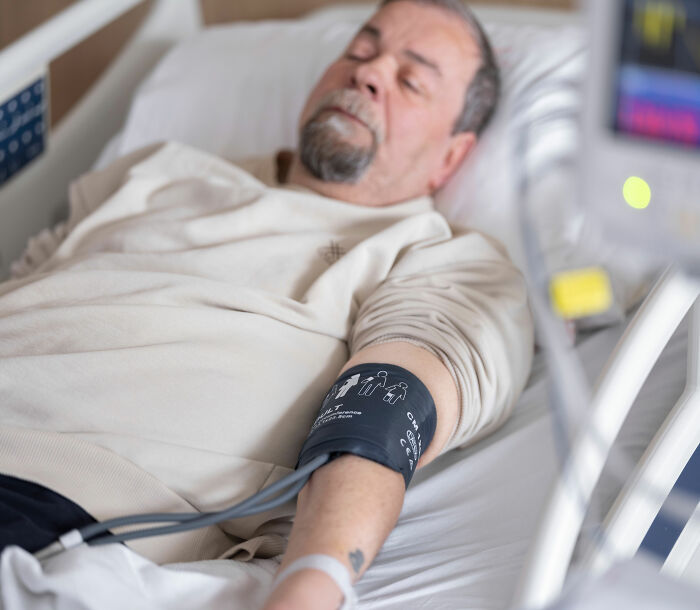
Image credits: SHVETS production/Pexels (not an actual photo)
He explained that bone marrow produces many of the white blood cells that help the body fight infections.
“Even if the scans are negative, the immune system that normally responds to a bacterial infection such as pneumonia is still weakened,” Dr. Alexander said.
“In older adults, where immune function is already diminished with age, that loss means that a respiratory infection is likely to overwhelm the body so that any intervention has little chance of success before it happens.”
Age itself can further increase the danger.
According to the expert, many people in their late 70s are already managing chronic health conditions such as heart disease, diabetes, or chronic lung disease, all of which reduce the body’s ability to recover from serious respiratory infections.
Image credits: Engin Akyurt/Pexels (not an actual photo)
He also highlighted a lesser-known risk factor that many families are unaware of.
“The surprising risk factor I encountered early in my practice was dysphagia (difficulty swallowing) since older adults often swallow saliva or food into their lungs without awareness, which is how aspiration pneumonia happens,” Dr. Peñafiel explained.
“Many of these patients also do not report symptoms, attributing tiredness and a little shortness of breath to age, and the infection is too far advanced by the time the patient is seen.”
One of the biggest misconceptions about pneumonia is that it always begins with a high fever and severe coughing fits.
In reality, some of its most dangerous warning signs, particularly in older adults, can be surprisingly easy to overlook.
Image credits: Anastasia Shuraeva/Pexels (not an actual photo)
According to the Centers for Disease Control and Prevention (CDC), pneumonia commonly causes a persistent cough, fever, chills, chest pain, shortness of breath, fatigue, and, in some cases, nausea or vomiting.
Dr. Peñafiel added that “the most common warning sign that families miss is confusion, and that is the one that is not expected when people are expecting pneumonia to present itself as labored breathing and a high fever.”
“Older individuals may experience sudden changes in mental status as their first sign of a drop in oxygen, and in 25-55% of cases in elderly people, a fever is not present. The breathing rate is the number I watch closely in these cases, and anything above 30 breaths per minute needs emergency evaluation rather than a wait-and-see approach.”
The Cleveland Clinic also advises seeking urgent medical care if someone develops severe difficulty breathing, persistent chest pain, blue lips or fingernails indicating dangerously low oxygen levels.
Dr. Alexander also warned against dismissing pneumonia as “just a chest infection.”
“The biggest myth is that antibiotics cure pneumonia, but 20-30% of cases of community-acquired pneumonia are caused by viruses, and antibiotics are ineffective against viruses, so a patient may be on antibiotics and still be getting worse,” he said.
“Chest infection is another term that people hear, and in their mind, they associate it with something they can cope with at home, which can end up getting them into trouble.”
He recommended staying up to date with pneumococcal and annual influenza vaccinations, keeping physically active where possible, and avoiding lying completely flat for prolonged periods, as elevating the head of the bed by 30 to 45 degrees can help reduce the risk of aspiration pneumonia.

By entering your email and clicking Subscribe, you're agreeing to let us send you customized marketing messages about us and our advertising partners. You are also agreeing to our Privacy Policy.
Thank you! You've successfully subscribed to newsletters!


Pneumonia is what eventually caused my father's déath. My dad was bedridden, disabled, and had had a catastrophic brain injury 21 years prior, but he was remarkably healthy until the pneumonia. We took care of him at home, so the pneumonia wasn't hospital-acquired. We had him sitting in his special chair one day watching TV, and he suddenly couldn't breathe. We called 911 and he went to the hospital. It turned out he had pneumonia in both lungs, and despite aggressive treatment, the infection worsened. We made the choice after a week to place him on respite care/hospice, and I stayed with him the entire night until he diéd. He was 79 and had lived for 21 years after a catastrophic brain injury, so it's not like it was entirely unexpected that he would dié, but the pneumonia absolutely seemed to "come out of nowhere", as he had no symptoms until the day he couldn't breathe.

He was in hospital how many days before he caught pneumonia?. Pneumonia is the number one deadening hospital-aquired disease?

That or something like MRSA... One could say that collecting a bunch of sick and potentially contagious people together isn't the best idea.
Load More Replies... Pneumonia is what eventually caused my father's déath. My dad was bedridden, disabled, and had had a catastrophic brain injury 21 years prior, but he was remarkably healthy until the pneumonia. We took care of him at home, so the pneumonia wasn't hospital-acquired. We had him sitting in his special chair one day watching TV, and he suddenly couldn't breathe. We called 911 and he went to the hospital. It turned out he had pneumonia in both lungs, and despite aggressive treatment, the infection worsened. We made the choice after a week to place him on respite care/hospice, and I stayed with him the entire night until he diéd. He was 79 and had lived for 21 years after a catastrophic brain injury, so it's not like it was entirely unexpected that he would dié, but the pneumonia absolutely seemed to "come out of nowhere", as he had no symptoms until the day he couldn't breathe.
He was in hospital how many days before he caught pneumonia?. Pneumonia is the number one deadening hospital-aquired disease?
That or something like MRSA... One could say that collecting a bunch of sick and potentially contagious people together isn't the best idea.
Load More Replies...






























 No fees, cancel anytime














31
3