Get Premium
Dark mode theme is available exclusively for premium users. Learn more about the benefits of subscribing.
No fees, cancel anytime.

 Dark Mode Ad-Free Browsing Unlimited Content
 Ad-Free Browsing Unlimited Content Dark Mode
Join 1.2 million Panda readers who get the best art, memes, and fun stories every week!


Perhaps one of the greatest fears of modern people is that artificial intelligence will come and take our jobs. Even representatives of creative professions, who have long boasted that no computer is capable of real creativity, watch how AI wins numerous art contests and worry more and more every day.
In fact, the development of humanity is one continuous graveyard of professions that were once very popular and in demand, and today, few actually remember that such professions once existed. And only various online threads like this one make us remember these professions that have sunk into oblivion.
This post may include affiliate links.
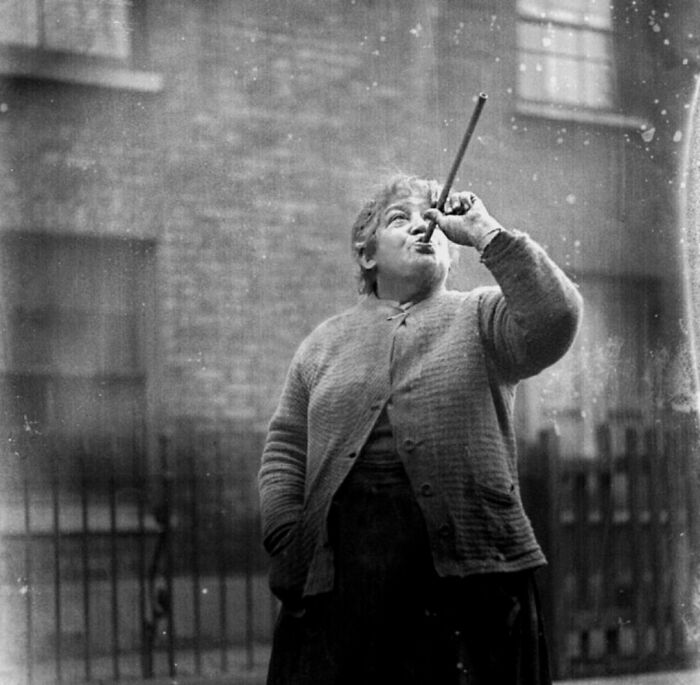
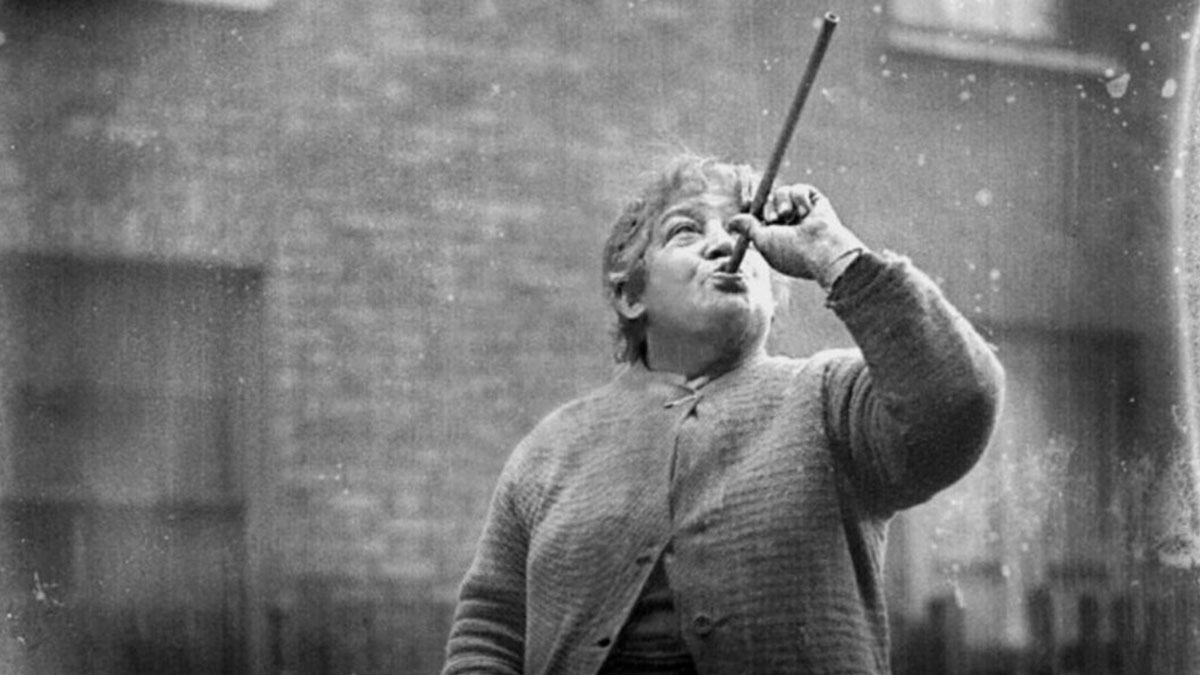
Knocker-uppers were responsible for waking people up by making loud noises.
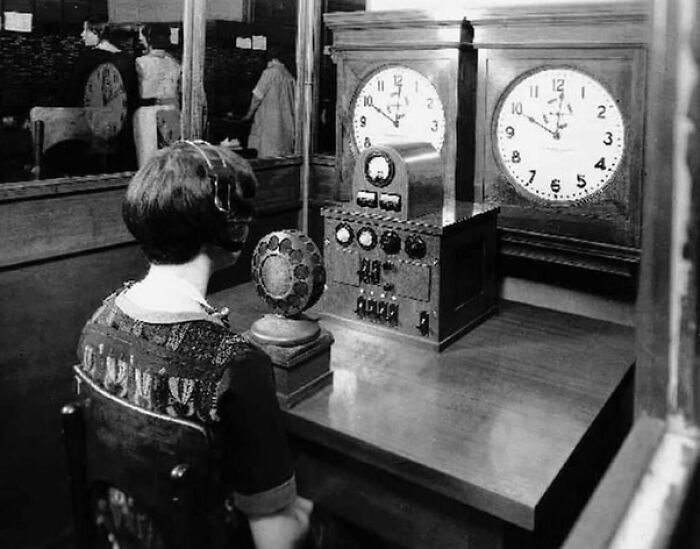
If you needed to know the exact time, you could call a special number and a female voice would tell you the information. It was a lady with an accurate clock in front of her and she would tell you the time to the second when she called.
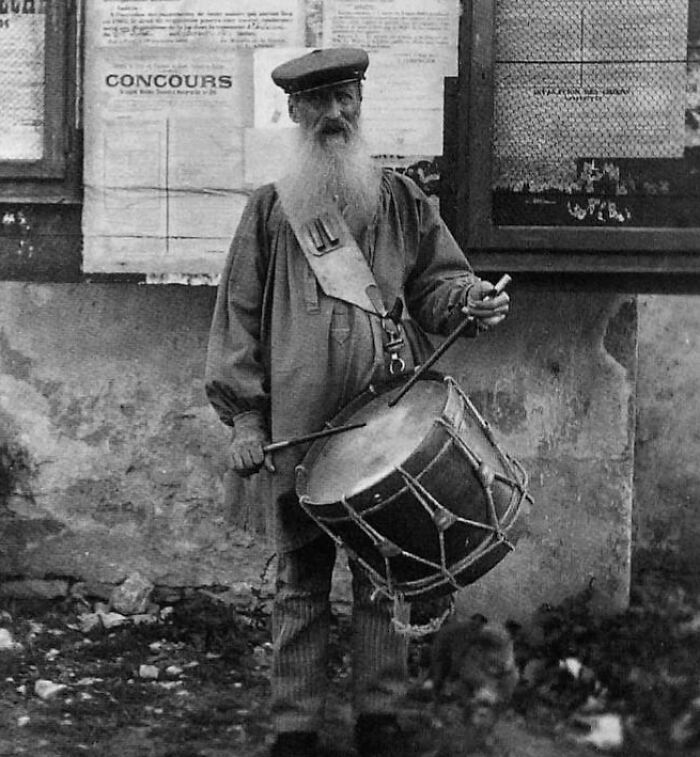
Town crier informed the townspeople of the latest proclamations, news and information.

The UK ones had a bell, and they still exist for ceremonies. This doesn't look like one.
Imagine waking early in the morning, a century and a half or two ago, awakened by stones thrown by the knocker-upper at our window. We go to buy milk from the milkman and put the can in the cold pantry, previously filled with ice bought from ice cutters. We go outside, listen to the local news from the town crier, and go to the telegraph office to send a telegram to relatives in another city.
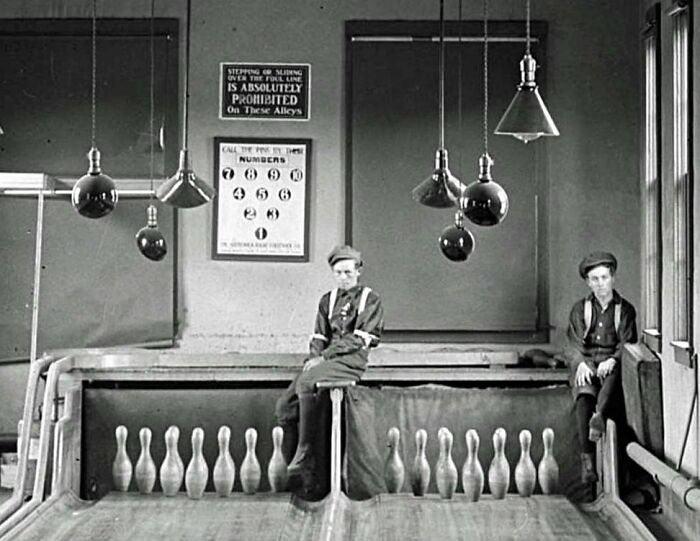
We pass by the river, where mudlarks scurry about in the coastal mud, looking for dropped coins or just scrap metal to sell. If we suddenly feel dizzy, the local doctor would gladly let our blood - they just bought a couple dozen first-class leeches from leech collectors. And it's a day off - we go bowling, where specially trained pinsetters always set up the pins.
Before the automatic pinsetter was invented, bowling alleys had people picking up pins and setting them up so that play could continue.

We still have a "sticker-up" for the English pub game of skittles, which is a bit like 9 pin bowling.
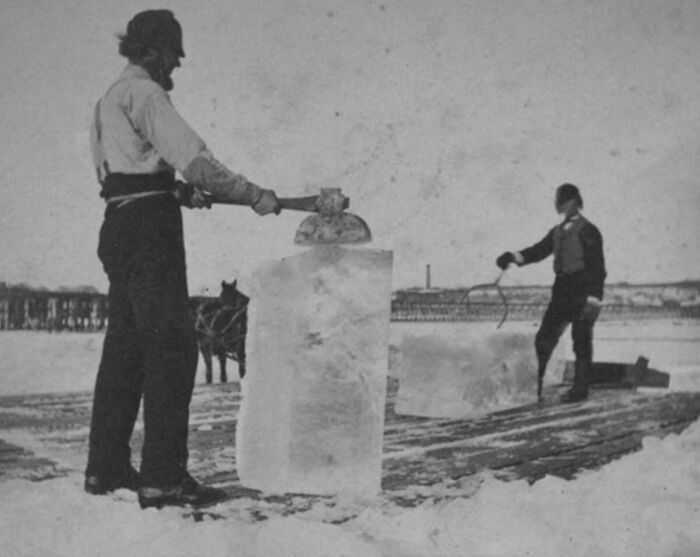
In a world without refrigerators, their functions were performed by closets and cellars filled with ice. The ice was chopped and cut on rivers and lakes - and then transported to storage sites to be sold.
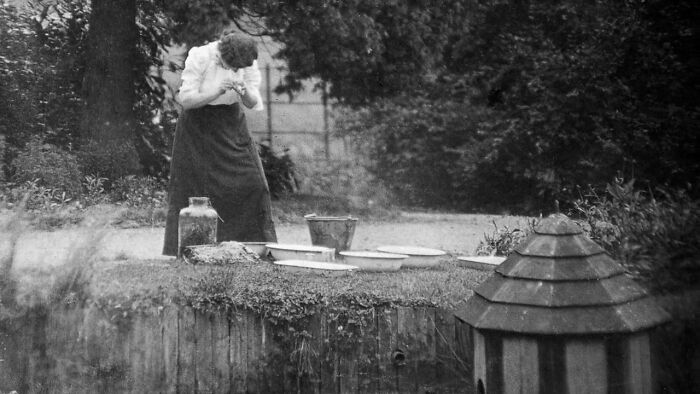
Leech collectors (usually women) wandered through the ponds with their dresses hiked up, collecting leeches on their bare legs. They then collected the attached leeches and sold them to local doctors, who used them for bloodletting.
We play with friends until the evening, from time to time buying cigarettes from cigarette girls. But it's late - we check the time with the time lady. We go home - it's getting dark outside, and the lamplighters have already gone to work, lighting one gas lamp after another. We pay the knocker-upper in advance for an early wake-up tomorrow morning and go to bed. Tomorrow we have a lot of important things to do...
Of course, this is a slightly exaggerated story, but you just can't imagine how many different jobs there were in the old days! And recently, the user @the_marcoli_boy asked people on X what similar professions they knew. As of today, there are almost a hundred different jobs in the thread, and the list is only growing. And we, Bored Panda, offer you the most interesting and unusual of these jobs.
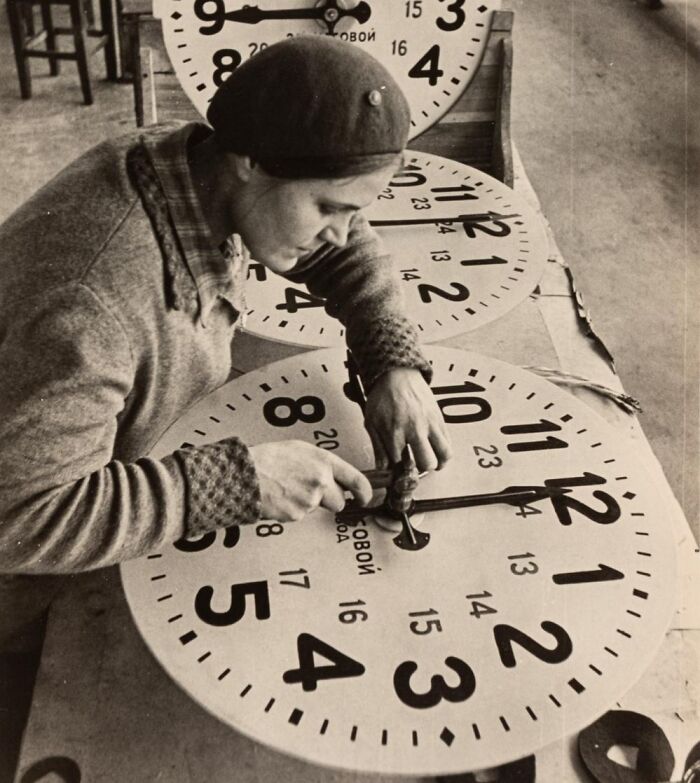
Clock winders manually wound up mechanical clocks in homes, offices and public spaces.

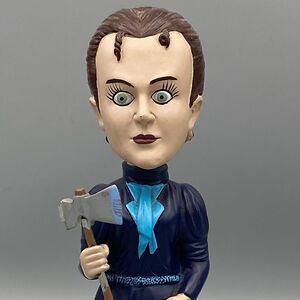
Not pictured: a clock winder. Also not pictured: a clock being wound. “Not the actual photo!”
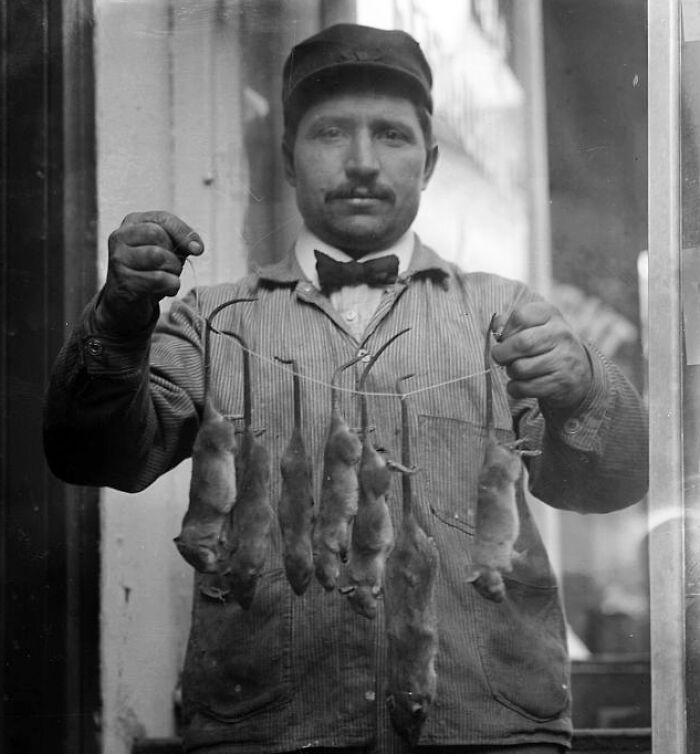
Rats have long been known to carry various diseases, so rat catchers were considered very useful workers. They were often accompanied by specially trained dogs - for example, many breeds of modern terriers.
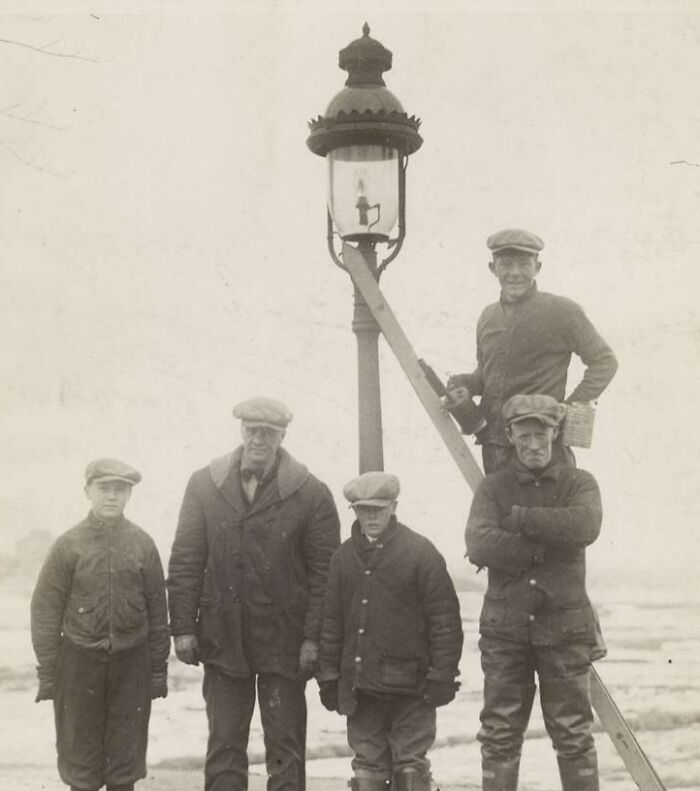
Lamplighter’s job was to go around town extinguishing and lighting gas-burning street lamps.

This was my grandfather's first job. I think he was a young boy when he did it.
"In fact, just a little over a hundred years ago, there were a huge number of things that today are made by various technical devices. And we simply cannot imagine our life without these devices," says Valery Bolgan, a historian and editor-in-chief of the Intent news agency from Ukraine, whom Bored Panda asked for a comment here. "And before, all this work was always done by people."
"From collecting leeches to cleaning shoes, from sending telegrams to lighting street lamps - progress always destroys some professions, but in return creates new ones. And, accordingly, the people who were engaged in these new professions produced significantly more with the help of new machines and devices."
"That is why I am not so afraid that AI will sooner or later throw us all into the dustbin of history. After all, we have been through this more than once over the centuries, it’s just that now we are entering a new round. And, perhaps, someday a web designer or programmer will also appear on similar lists of obsolete jobs," Valery ponders.
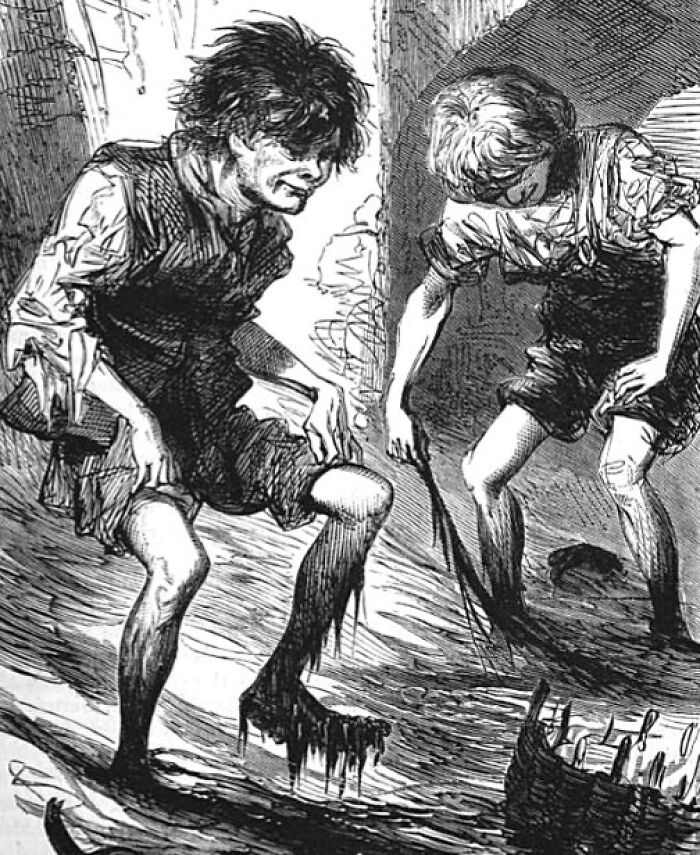
Mudlarks scavenged in river mud for valuable items like coins or scrap metal to sell.
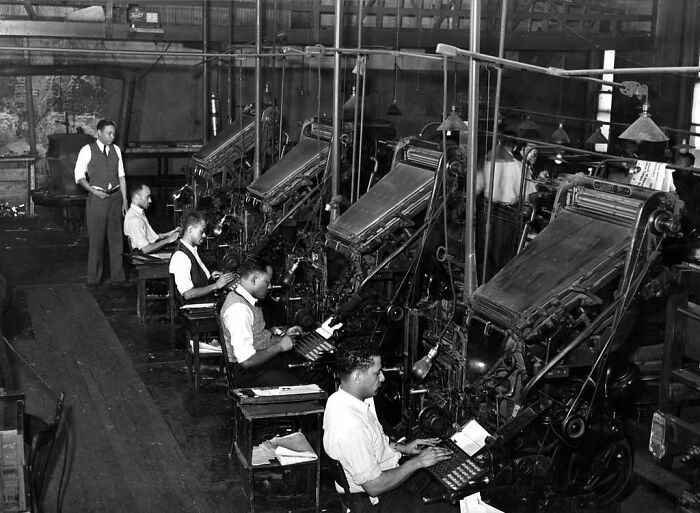
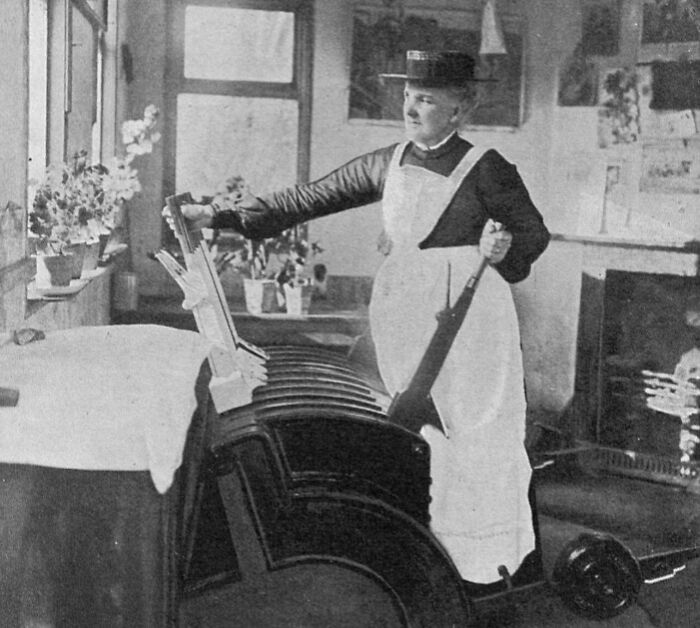
The Linotype Operator was a vital printing industry role, operating machines that cast lines of metal type for newspapers and books.
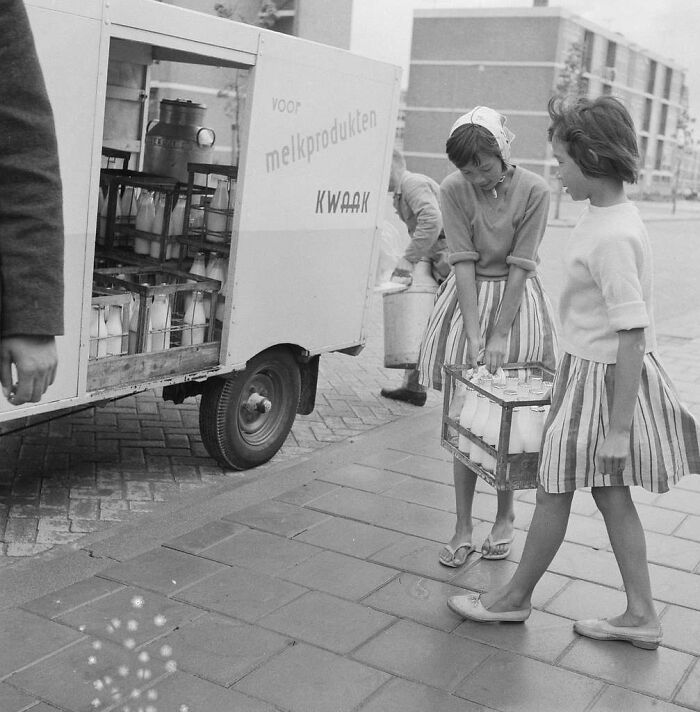
The milkman was delivering milk along the streets, loudly calling on people around to buy milk and various dairy products.
These do still exist in the UK, but it's more a regular round (by appointment).
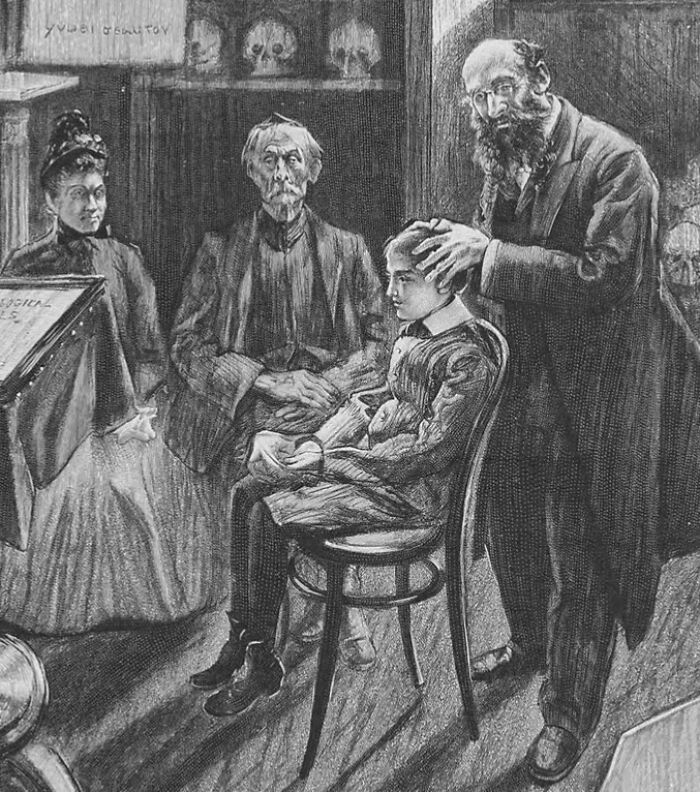
In fact, not all of the professions presented here are actually so obsolete. For example, phrenologists still exist nowadays - adherents of this concept are quite sure that the shape of the skull or the specifics of appearance can be used to learn everything about a person's character and personality.
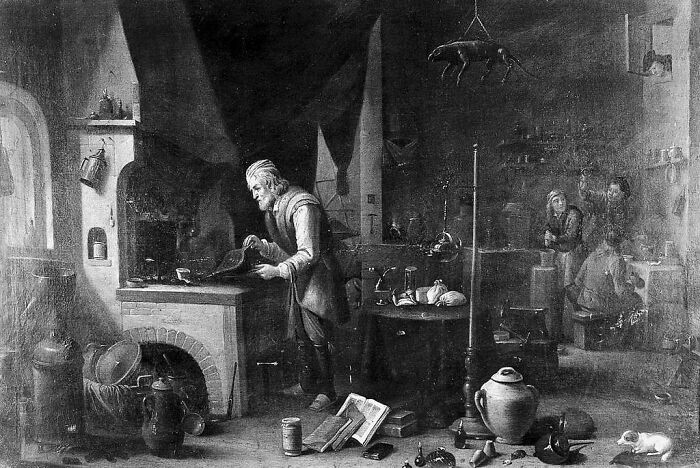
But the alchemists de facto turned into just usual chemists - after all, turning chemical reactions into money has always been damn profitable.
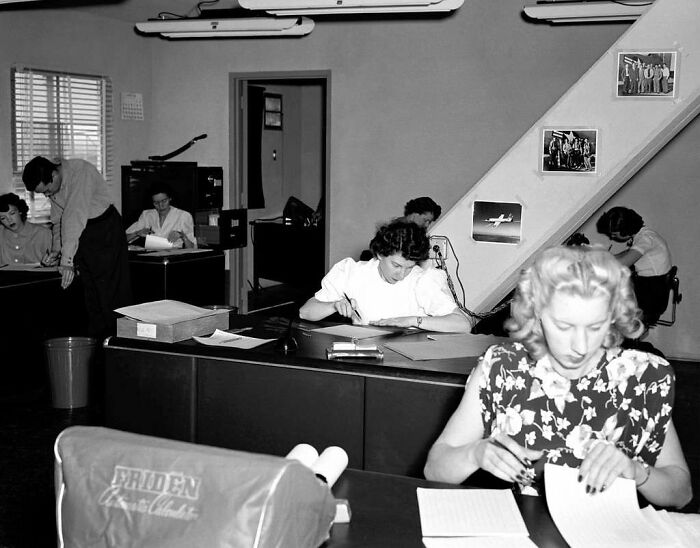
Human computers made calculations for numerous scientific, research and technology organizations.
TIL I learned about Tommy Flowers, who possibly had a bigger influence on modern computers than Alan Turing, but is forgotten.
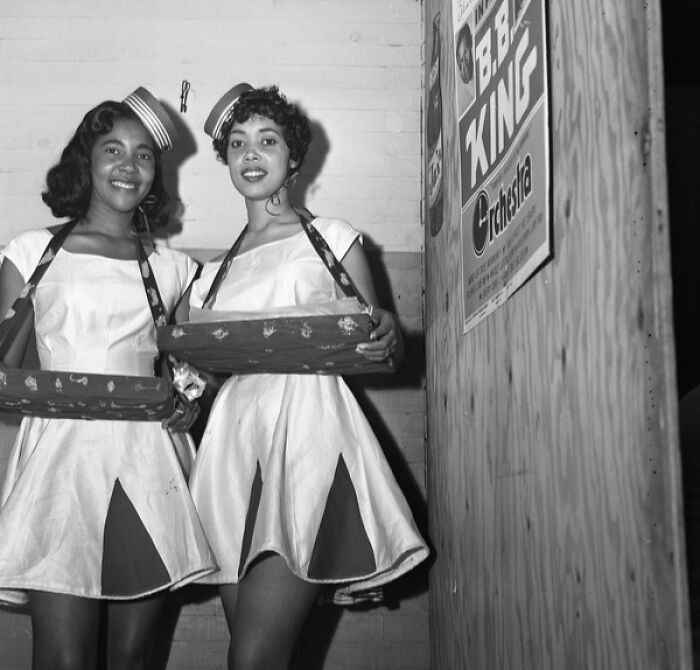
In restaurants or night clubs, just a couple of decades ago, you could meet girls selling cigarettes of various brands from a tray, one by one.
A couple of decades ago is 2005. I suspect they disappeared longer ago than that, since indoor smoking bans came in in the 20th century.
The telegraphist received and transmitted messages, playing a vital role in 19th century communication systems.
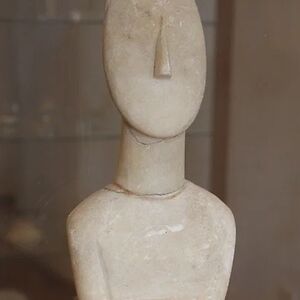
Also during most of 20th century. There were radio-telegraphists on the ships until 80s.
We are almost certain that you also have something to say about the professions without which it was once simply impossible to imagine the human way of life, and today they have become a thing of the past, never to return. So please feel free to scroll and read this selection to the very end, and probably add your own ideas and findings in the comments below the post.
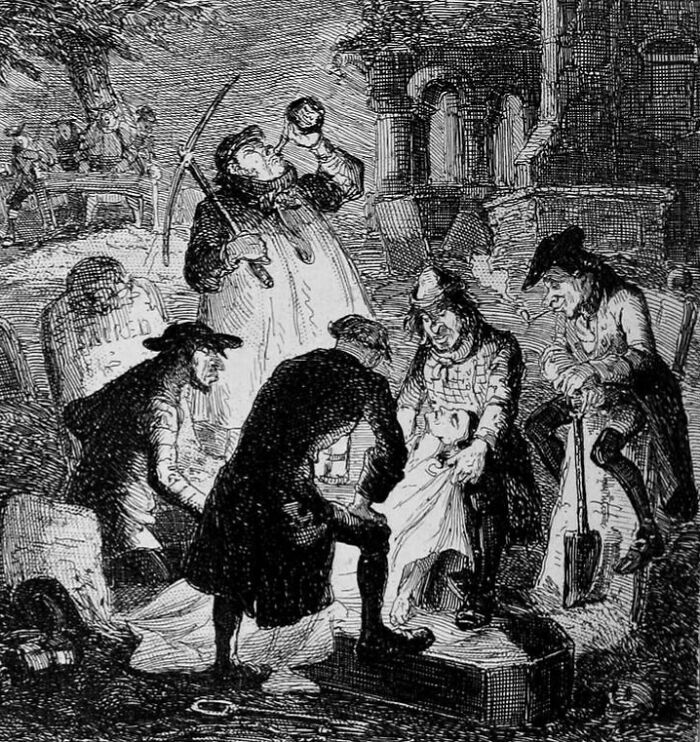
The resurrectionists were paid to open graves, exhume corpses, and then take them to anatomy schools for dissection. This is how doctors were trained in the old days.
Contrary to common belief, the infamous Burke and Hare were not grave robbers, they murdered lodgers in Hare's house and sold the bodies to Dr Knox.
Signalmen controlled railway traffic by operating levers in signal boxes to guide trains safely and prevent collisions.
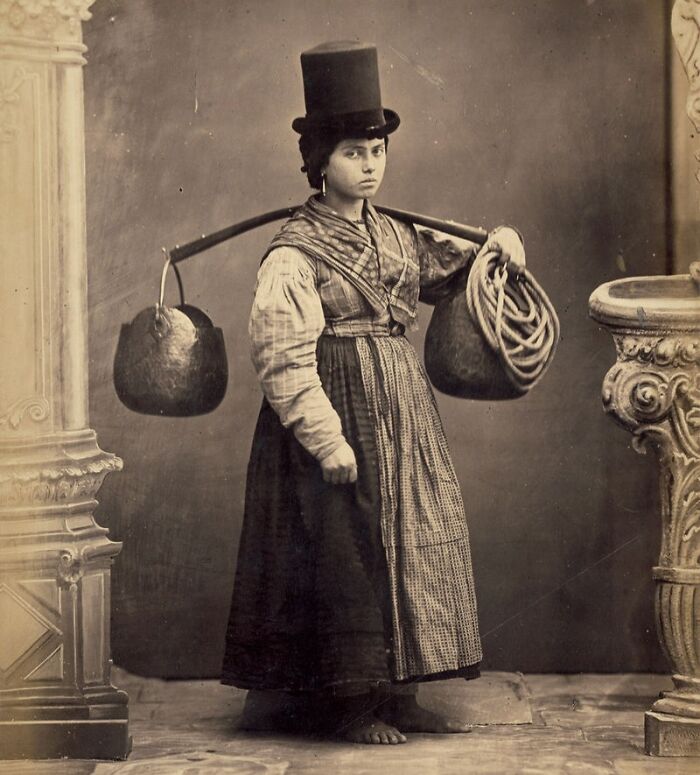
The water carrier carried drinking water from wells and reservoirs to houses, thereby partially performing the functions of a modern water supply system.
Phrenologists claimed they could determine a person’s character or mental abilities.
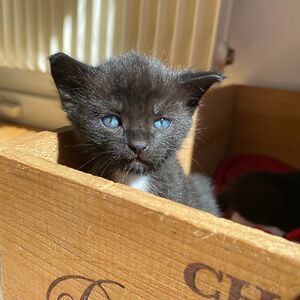
“Retrophrenology: It works like this. Phrenology, as everyone knows, is a way of reading someone's character, aptitude and abilities by examining the bumps and hollows on their head. Therefore - according to the kind of logical thinking that characterises the Ankh-Morpork mind - it should be possible to mould someone's character by giving them carefully graded bumps in all the right places. You can go into a shop and order an artistic temperament with a tendency to introspection and a side order of hysteria. What you actually get is hit on the head with a selection of different size mallets, but it creates employment and keeps the money in circulation, and that's the main thing.” ― Terry Pratchett, Men at Arms
Alchemists tried to convert chemicals into gold.
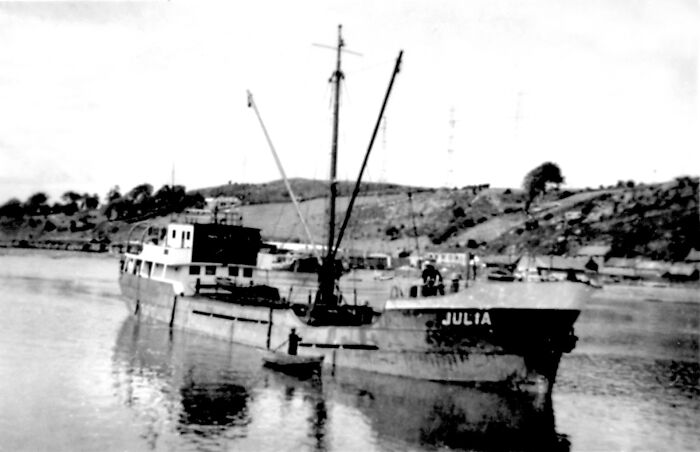
Hobblers towed ships into docks or harbors using ropes.



How does a list like this omit elevator operator? The elevator operators went on multiple strikes demanding higher wages, which they got because they were a legal requirement at the time. But....they pushed their luck too far, choosing to go on strike in protest of the "automatic elevator"....which served only to hasten the adoption of the automated lift.
How does a list like this omit elevator operator? The elevator operators went on multiple strikes demanding higher wages, which they got because they were a legal requirement at the time. But....they pushed their luck too far, choosing to go on strike in protest of the "automatic elevator"....which served only to hasten the adoption of the automated lift.






















 No fees, cancel anytime