Get Premium
Dark mode theme is available exclusively for premium users. Learn more about the benefits of subscribing.
No fees, cancel anytime.

 Dark Mode Ad-Free Browsing Unlimited Content
 Ad-Free Browsing Unlimited Content Dark Mode
Join 1.2 million Panda readers who get the best art, memes, and fun stories every week!
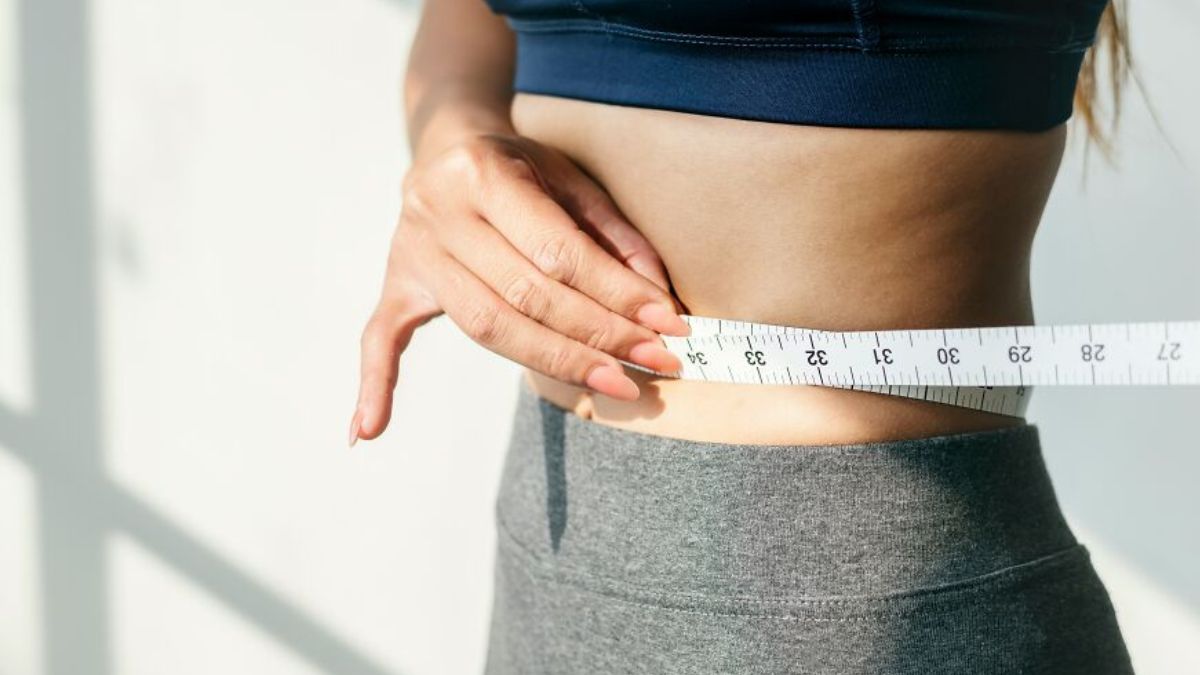
Cutting out one category of food could nearly double weight-loss results, a new study has found.
Published in Nature Medicine on August 4, the study found that overweight adults who eliminated ultra-processed foods (UPFs) from their diets lost nearly twice as much weight over a two-month period compared to those who didn’t.
Examples of UPFs include packaged cookies, ham, sodas, mass-produced bread, pre-made meals, and potato chips. However, this category also includes less obvious products marketed as “healthy,” such as fruit-flavored yogurts, fruit drinks, breakfast cereals, and cereal bars.
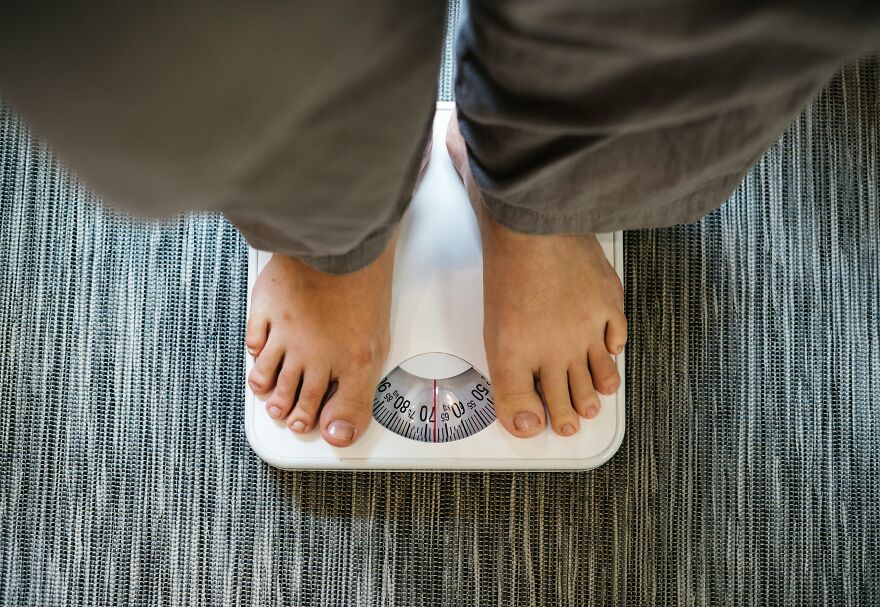
Image credits: Unsplash / nappystudio
“Higher UPF intakes are associated with increased risks of obesity, cardiometabolic disease, and all-cause mortality,” the study reads.
Ultra-processed foods typically contain more than one ingredient that you never or rarely find in a kitchen, the British Heart Foundation notes.
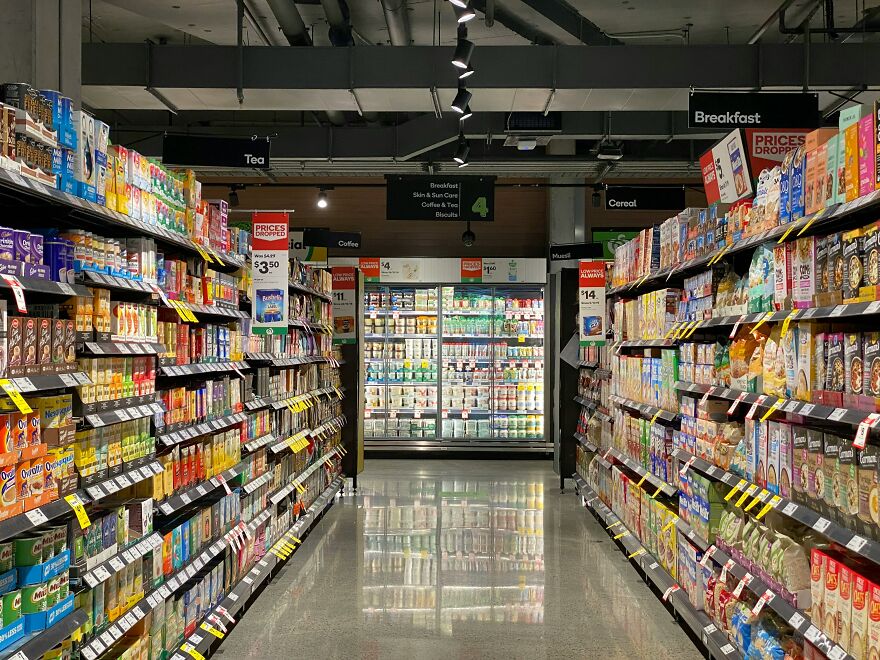
Image credits: Unsplash / Getty
They also tend to include many additives and ingredients not commonly used in homemade meals, such as preservatives, emulsifiers, sweeteners, and artificial colors and flavors.
These additives help extend the shelf life of foods but can negatively impact our health, as UPFs are often high in salt, sugar, and saturated fat.
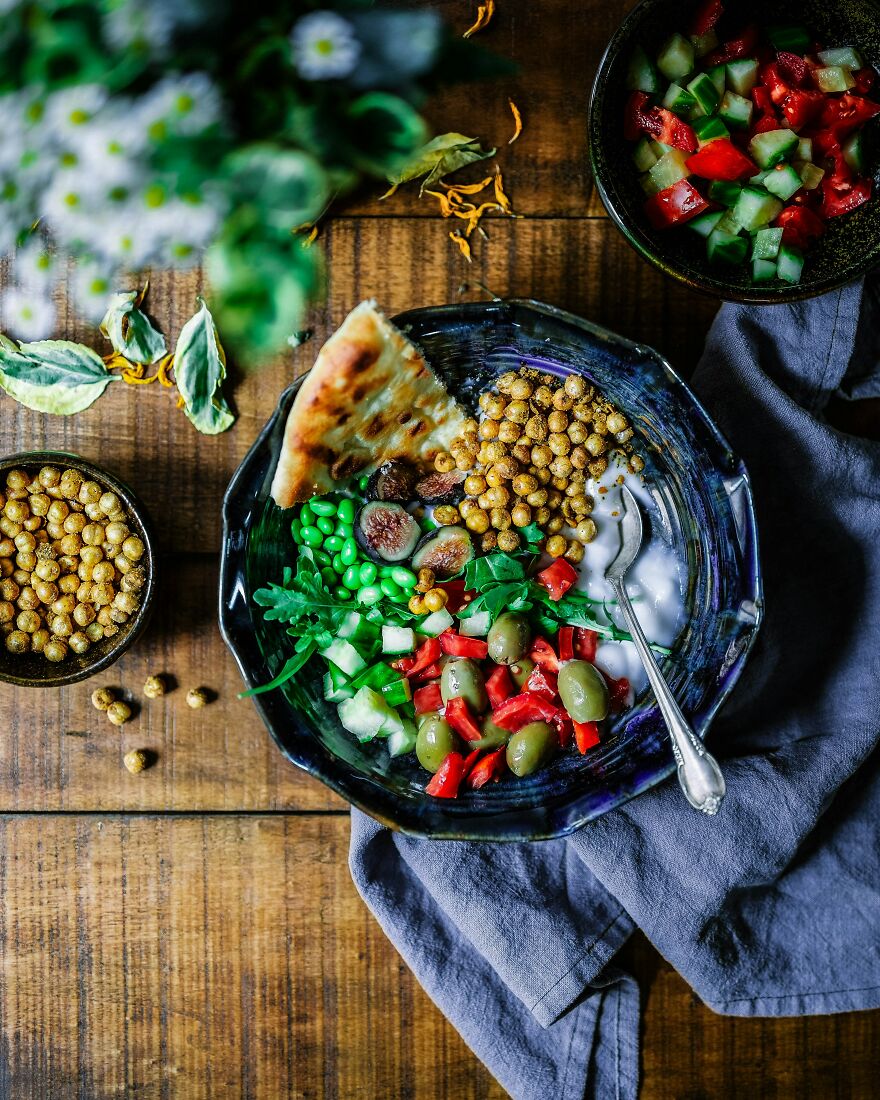
Image credits: Unsplash / Curated Lifestyle
A study published in 2019 found that 57% of the average UK diet is made up of ultra-processed foods; among children and poorer people, the consumption can be as high as 80%.
Similarly, in the US, recent CDC data shows that adults consume 55% of their daily calories from UPFs, while younger people consume 61.9%.
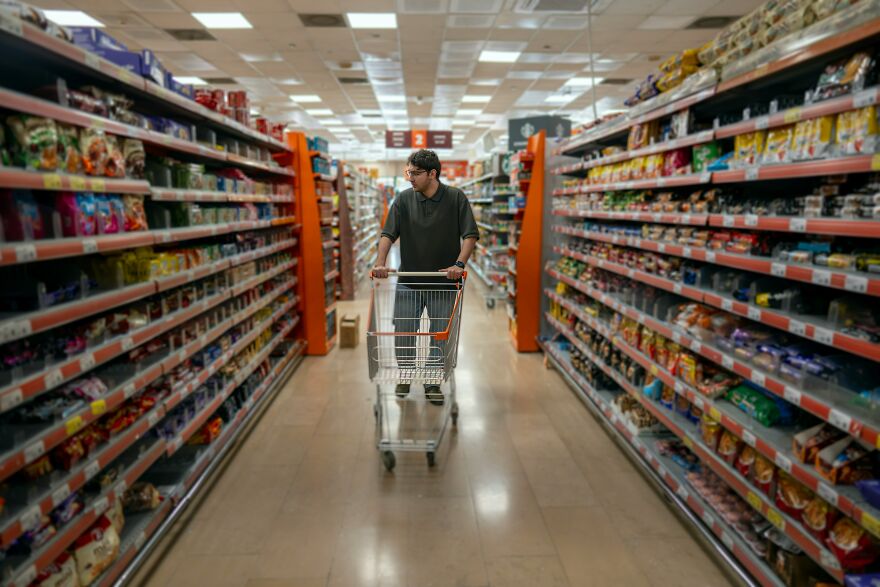
Image credits: Unsplash / Franki Chamaki
Dr. Jeffrey Kraft, a bariatric surgeon at Hackensack Meridian Palisades Medical Center, explained that ultra-processed foods “don’t trigger our normal satiety, which is feeling full.
“They are almost always combined with other unhealthy things, like high fructose corn syrup, emulsifiers, and hydrogenated oils.”
Image credits: Unsplash / Canweallgo
Ashlee Carnahan, a registered dietitian nutritionist at Henry Ford Health, said that feeling of satiety, which aids in weight loss, can be achieved with foods high in fiber and protein.
“Keep in mind, a boiled egg provides 7 grams of protein and is the most complete whole protein-based food,” she explained. “I always encourage whole foods first.”
Carnahan advised people to focus on foods “in their whole state,” which include apples, bananas, carrot sticks, nuts and seeds, natural peanut butter, and plain Greek yogurt.
“These are all great foods that just take a little planning and are easy to consume with little preparation.”
Image credits: Unsplash / Odiseo Castrejon
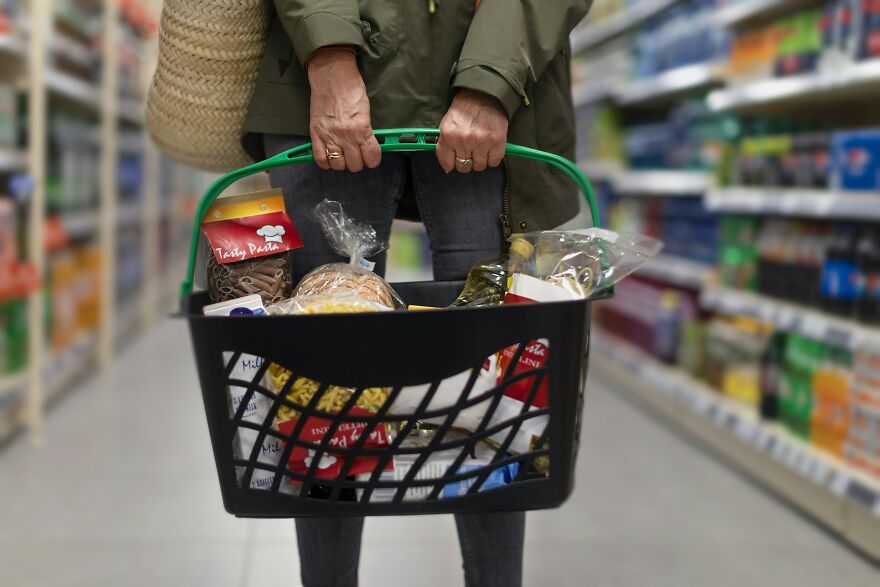
She also encouraged people to read the label before adding a processed food item to their supermarket cart. “Most importantly, looking at total grams of sugar and sodium. The lower, the better.”
The Open Food Facts app, developed by a non-profit organization based in France, lets users search for products out of a database of more than three million items and scan barcodes to identify UPFs.
Image credits: Unsplash / Onur Burak Akın
Researchers in the US, Brazil, and Spain have suggested that ultra-processed foods can generate a dependence as difficult to give up as tobacco and alcohol.
Foods high in preservatives are rewarding, appealing, and often consumed compulsively, the experts found, estimating that 14% of adults and 12% of children eat ultra-processed food compulsively.
Image credits: Unsplash / Mordo Bilman
BHF Senior Dietitian Victoria Taylor said: “We already recommend people adopt a Mediterranean-style diet, which includes plenty of minimally or unprocessed foods such as fruit, vegetables, fish, nuts and seeds, beans, lentils and wholegrains.
“This, along with exercising regularly and not sm*king, has been shown to be beneficial for lowering risk of heart and circulatory disease.”
The foundation recommends making small swaps in your diet to support a healthier lifestyle. These include replacing flavored yogurts with plain yogurt and chopped fruit, cooking homemade sauces instead of buying pre-made ones, and replacing breakfast cereal with porridge topped with fruits and nuts.
Image credits: Unsplash / Getty
For weight loss, “diet seems to be more effective than physical activity,” explained Dr. Donald Hensrud, who heads up the Mayo Clinic Healthy Living Program.
The Professor of Nutrition added, “You have to do huge amounts of physical activity to lose weight, but you can get a better energy deficit just by cutting down on calories.”
Image credits: Unsplash / Curated Lifestyle
“So both diet and physical activity are important. Diet is probably more important for losing weight. Physical activity for keeping it off.”

By entering your email and clicking Subscribe, you're agreeing to let us send you customized marketing messages about us and our advertising partners. You are also agreeing to our Privacy Policy.
Thank you! You've successfully subscribed to newsletters!


This is nothing new. "Eat (real) food, not too much, mostly plants." That's the posit of Michael Pollen's 2008 book, "In Defense of Food: An Eater's Manifesto." The problem is UPFs are marketed so heavily to everyone, and are manufactured to be so delicious to us, that this simple statement is hard to follow. It should be a goal, though. Do what you can to be healthier, Pandas!

Right? I thought that not eating UPFs/minimising them for health reasons was common knowledge.
Load More Replies... This is nothing new. "Eat (real) food, not too much, mostly plants." That's the posit of Michael Pollen's 2008 book, "In Defense of Food: An Eater's Manifesto." The problem is UPFs are marketed so heavily to everyone, and are manufactured to be so delicious to us, that this simple statement is hard to follow. It should be a goal, though. Do what you can to be healthier, Pandas!
Right? I thought that not eating UPFs/minimising them for health reasons was common knowledge.
Load More Replies...





























 No fees, cancel anytime














25
3