Get Premium
Dark mode theme is available exclusively for premium users. Learn more about the benefits of subscribing.
No fees, cancel anytime.

 Dark Mode Ad-Free Browsing Unlimited Content
 Ad-Free Browsing Unlimited Content Dark Mode
Join 1.2 million Panda readers who get the best art, memes, and fun stories every week!

We see the people we work with day in and day out for years. For some, their colleagues even become friends. In fact, 27% of Americans see their coworkers outside of work at least once a month. But there’s always a risk: how do you continue working together when drama occurs?
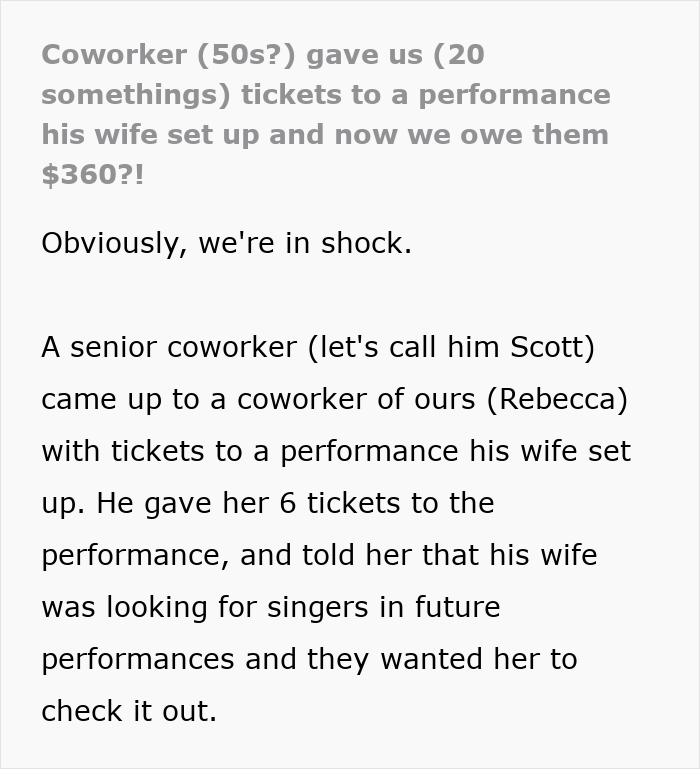
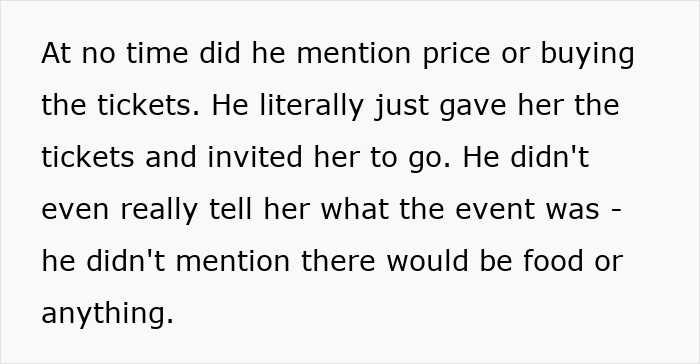
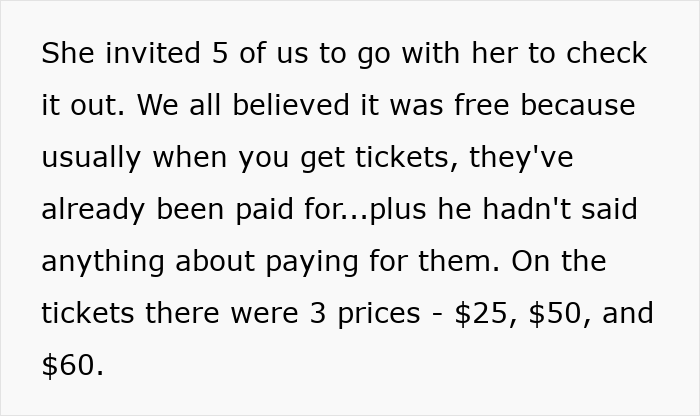
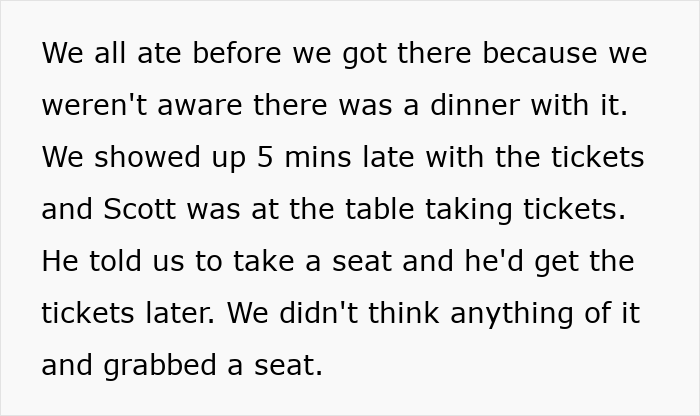
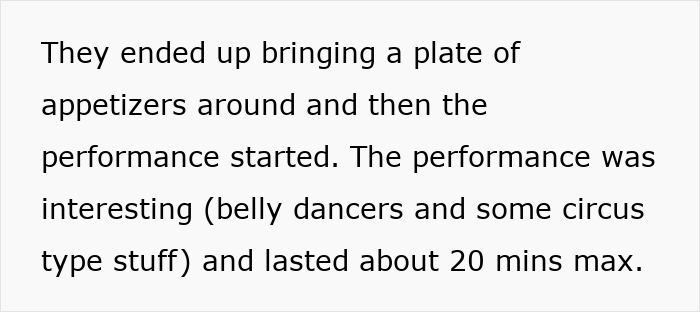
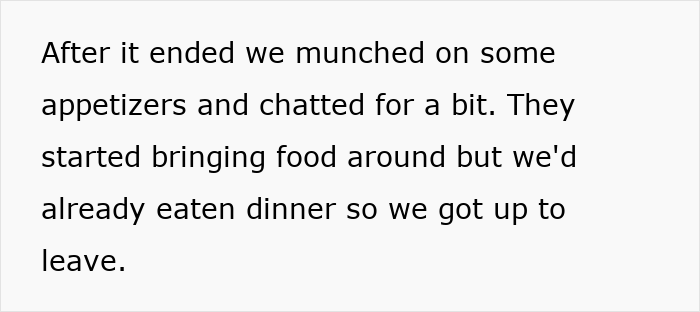
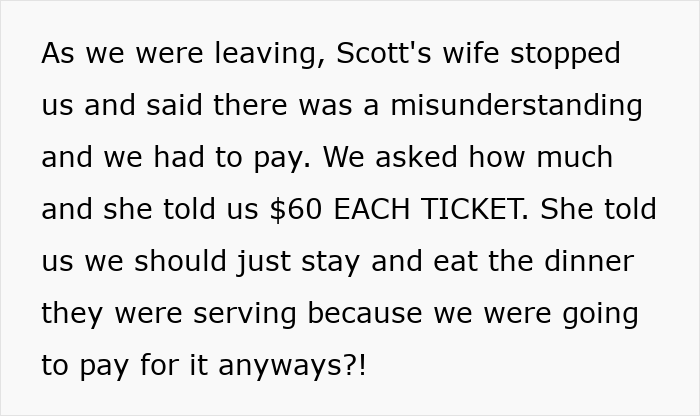
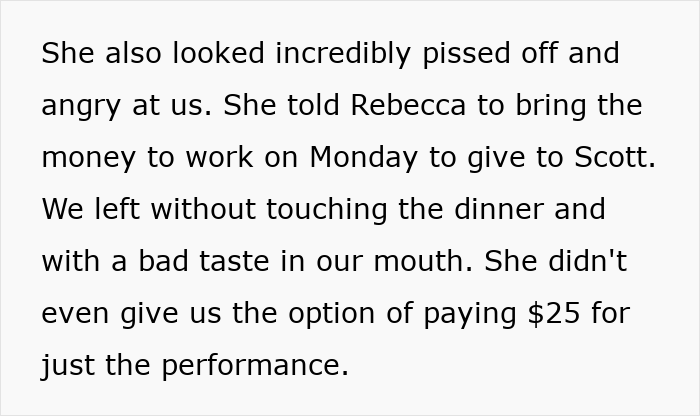
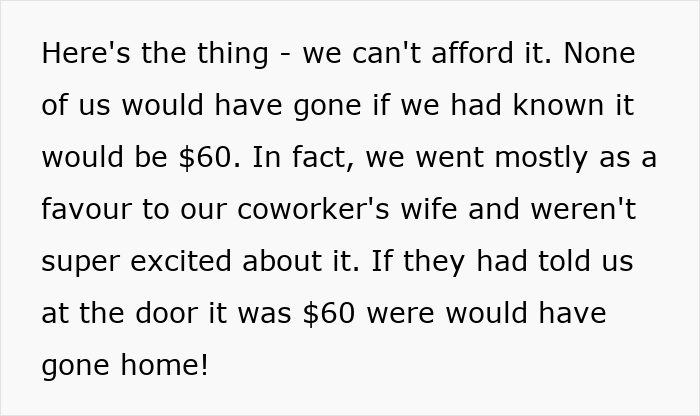
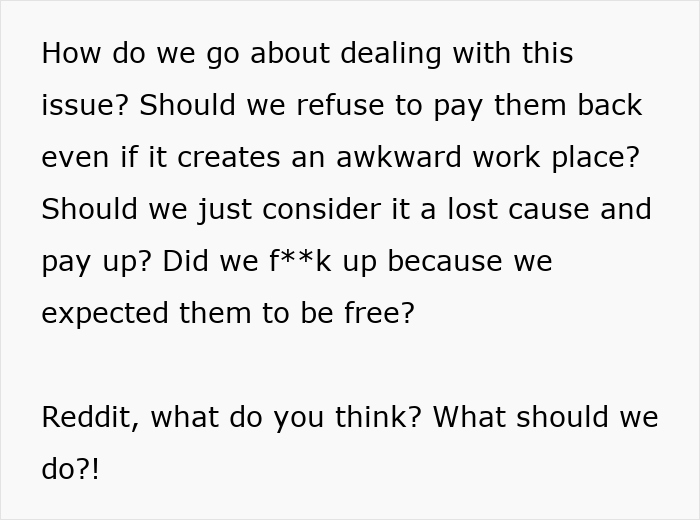
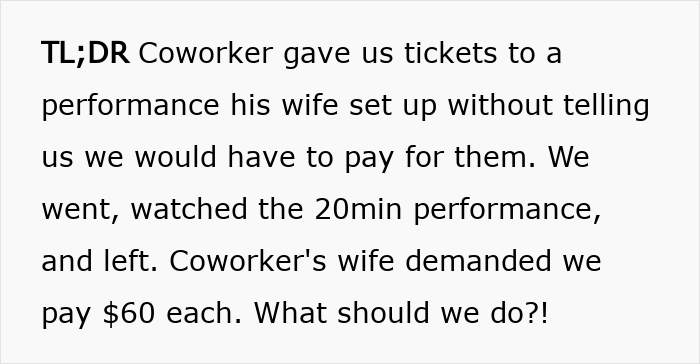
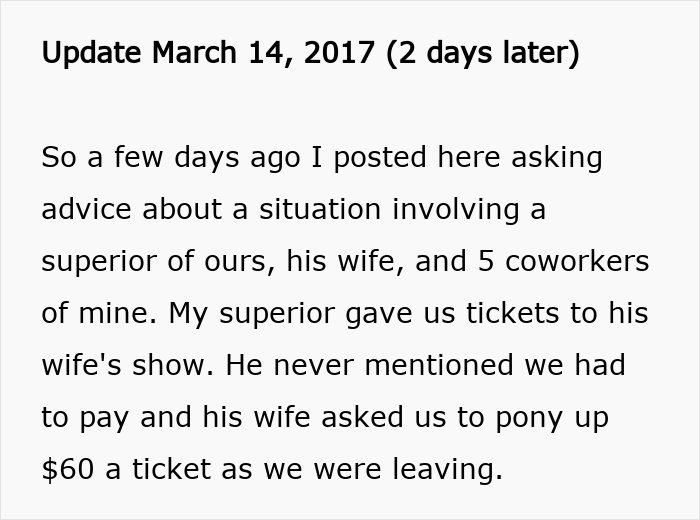
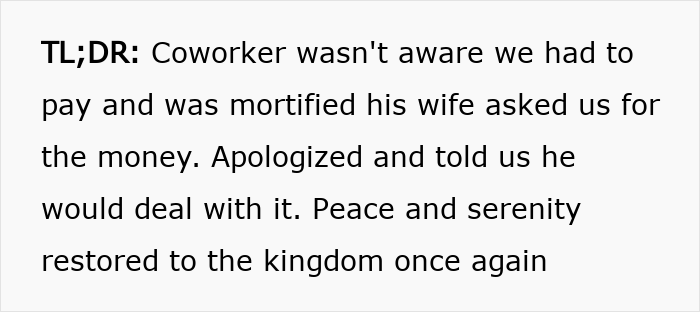
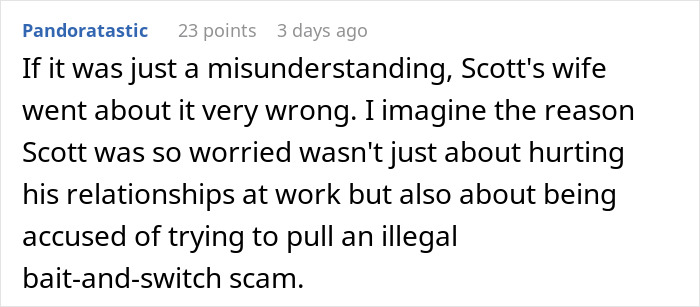
These five coworkers faced this dilemma after a colleague gifted them tickets to his wife’s performance, but she asked them to pay for it after the fact. Confused and insulted, the group asked the internet’s opinion: was this just a miscommunication between the coworker and his wife, or was this some shady con?
Image credits: LightFieldStudios (not the actual image)
Image credits: Beyza Kaplan (not the actual image)
Image credits: kues1 (not the actual image)
Image credits: fauxels (not the actual image)
Image credits: Cassmiere
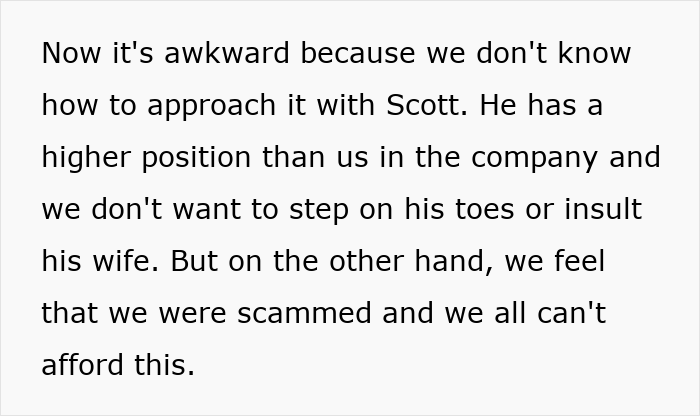
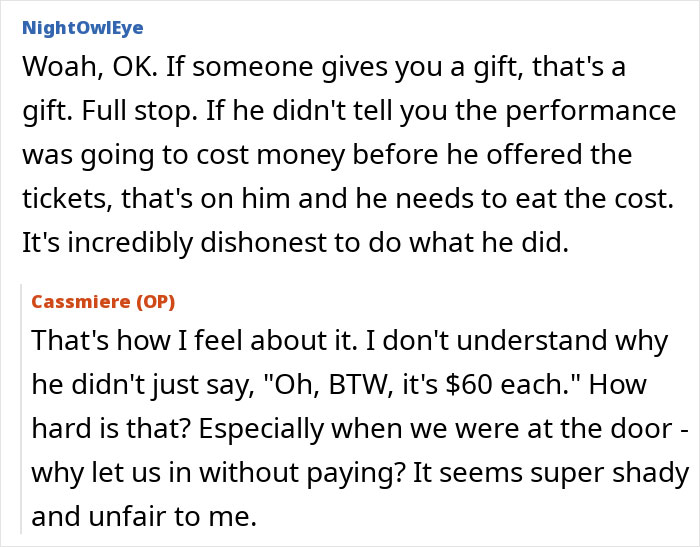
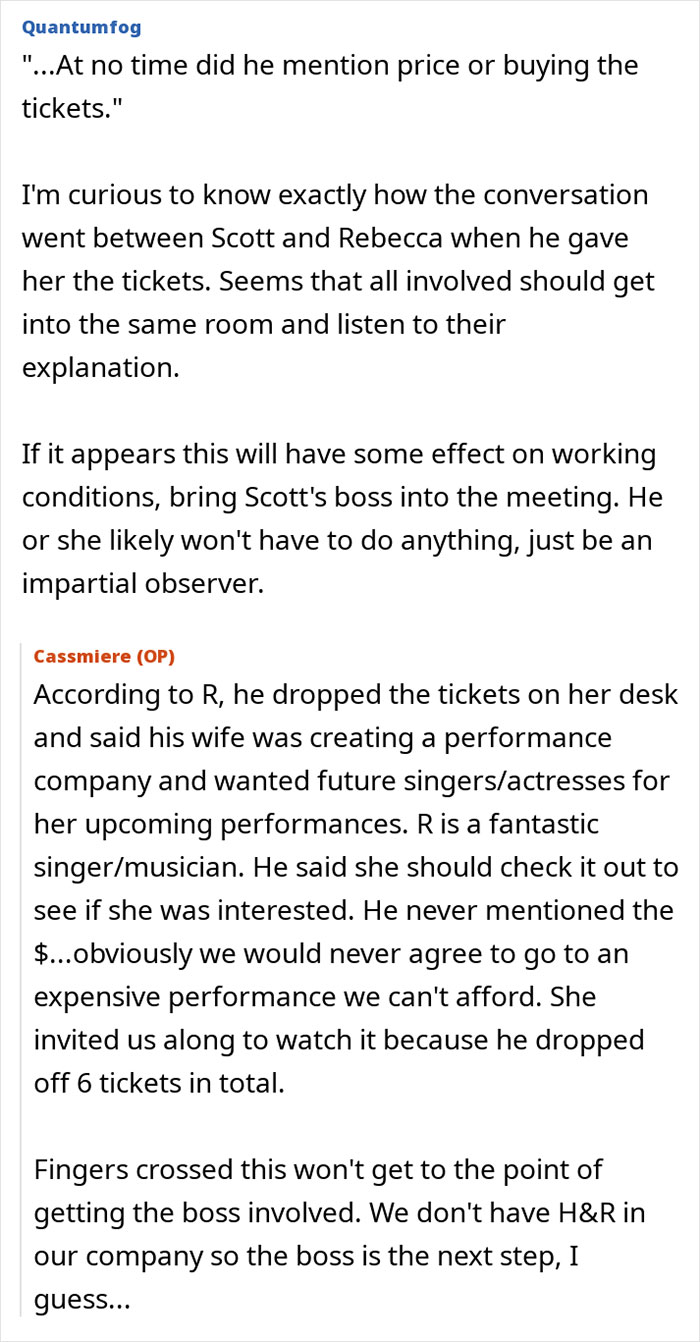
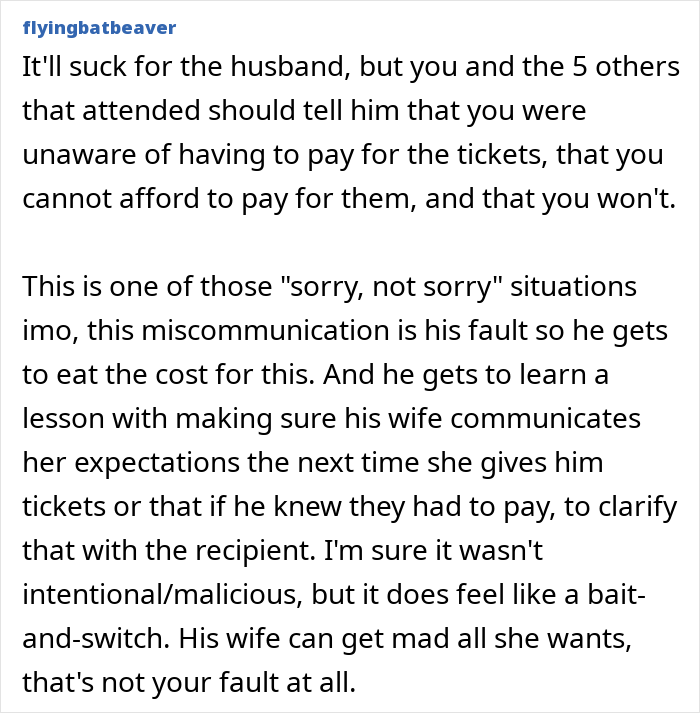
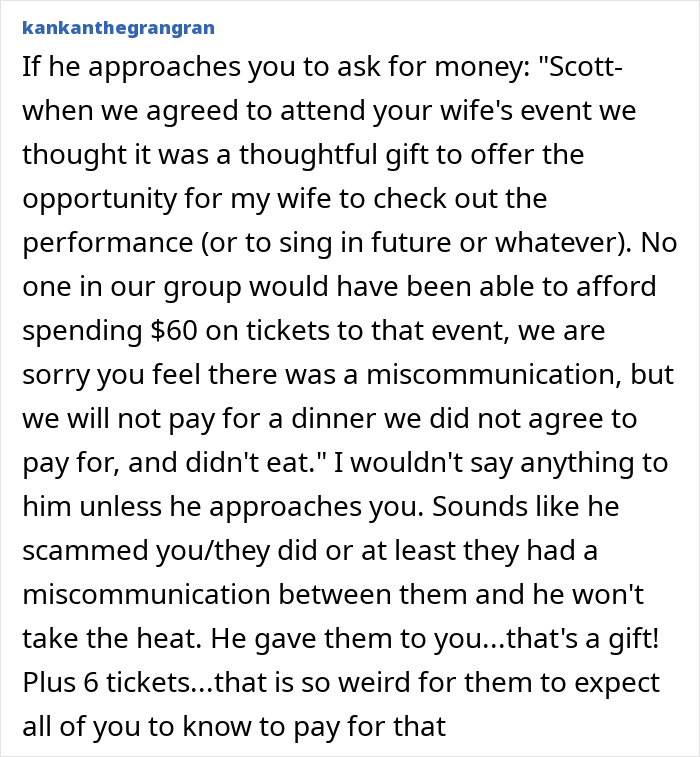
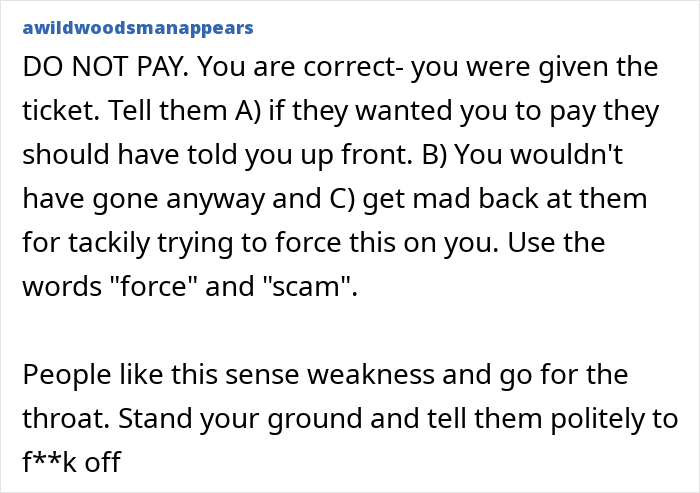
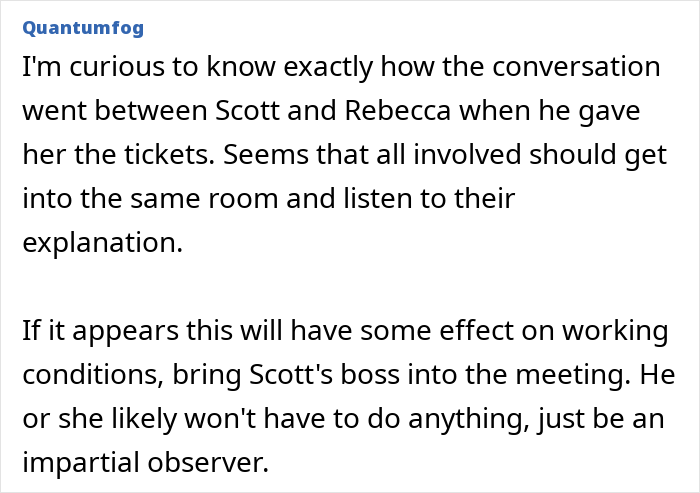
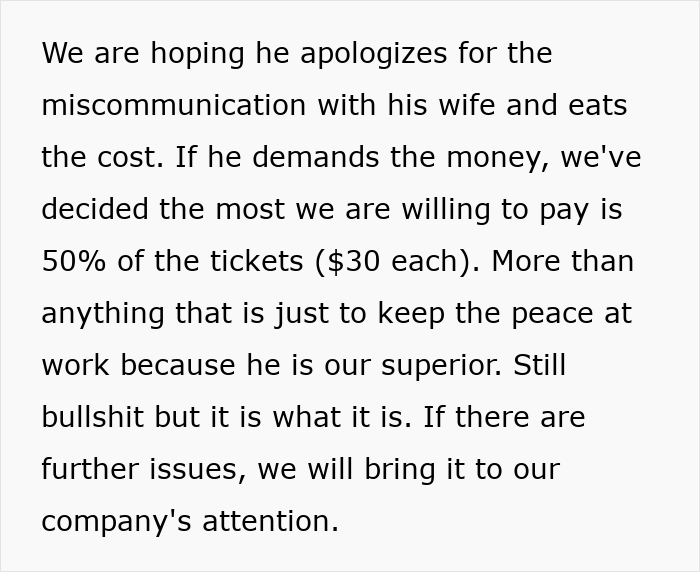
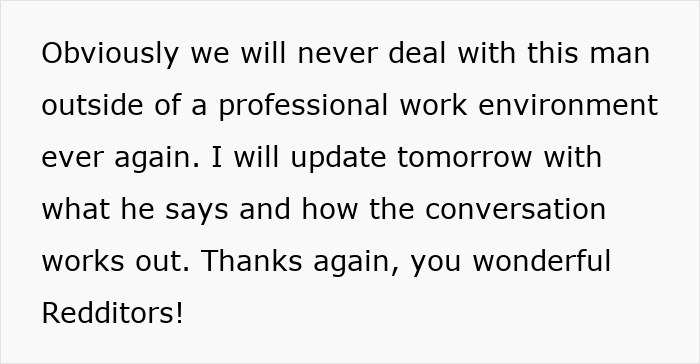
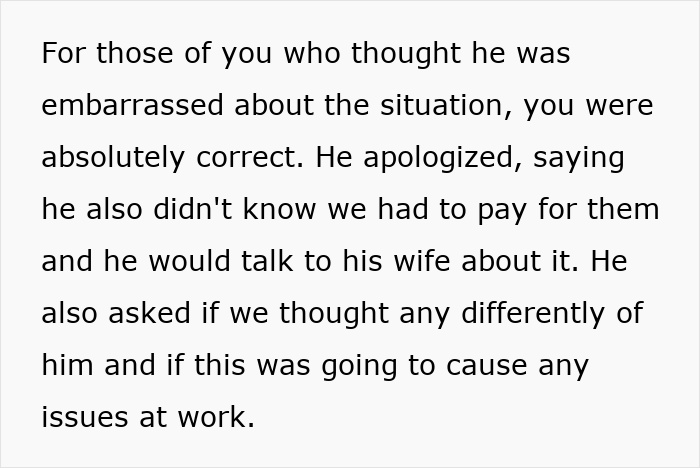
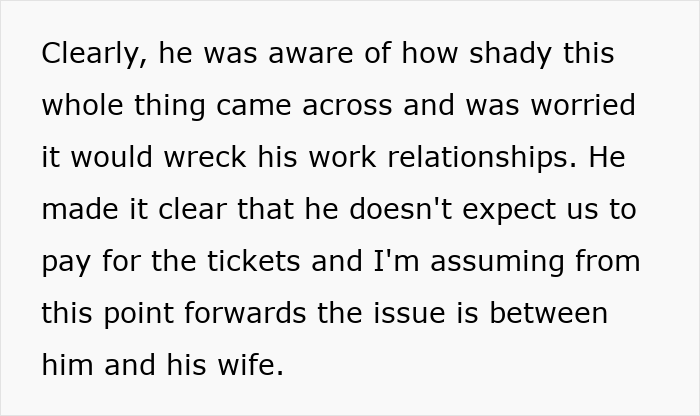
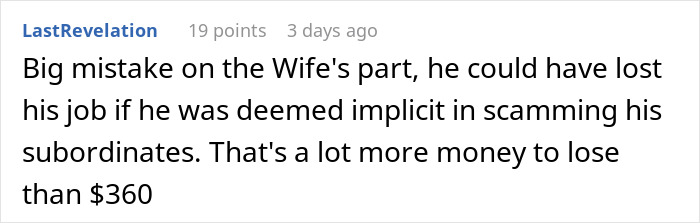
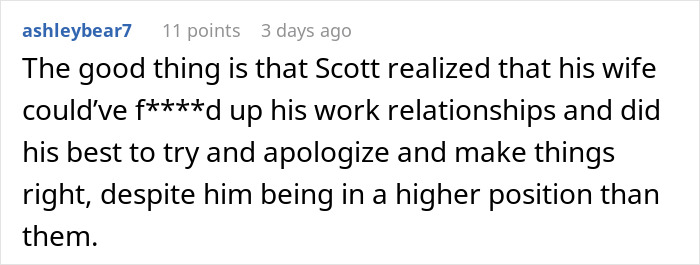
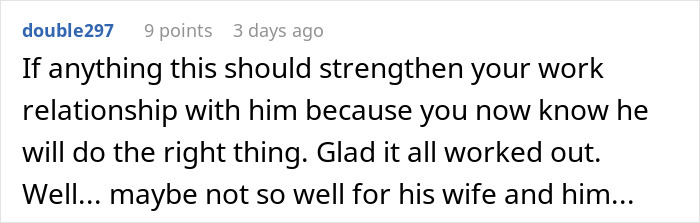
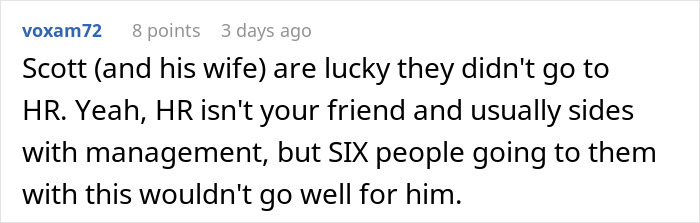
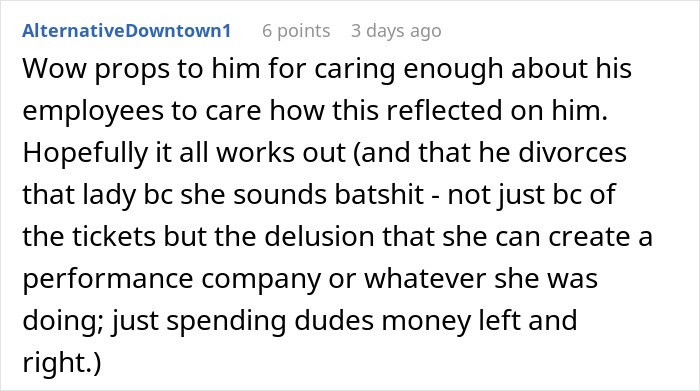
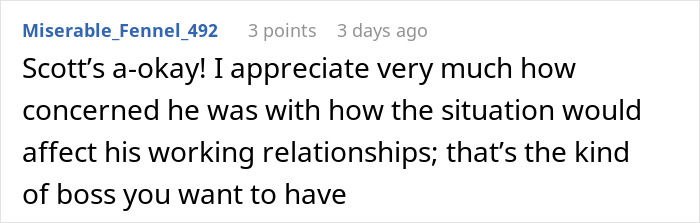
A situation like this is less than ideal. The friend group only accepted the tickets as a gift and had no intention of paying for them. After the wife confronted them, things got awkward for both the employees and their manager, the husband. To top it all off, the group didn’t know how to approach “Scott” because he was their superior; what if he made their work lives a living hell for this whole miscommunication?
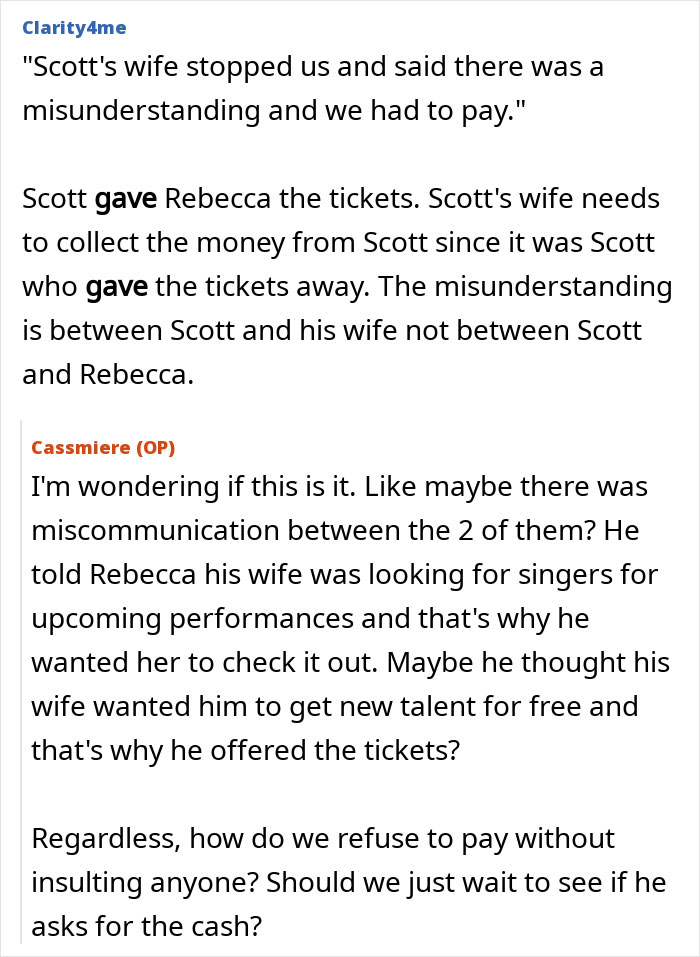
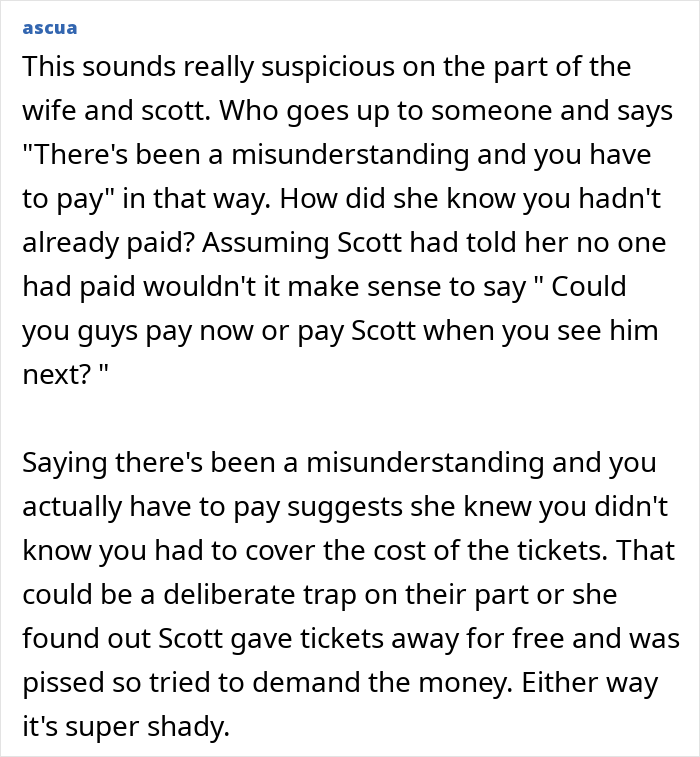
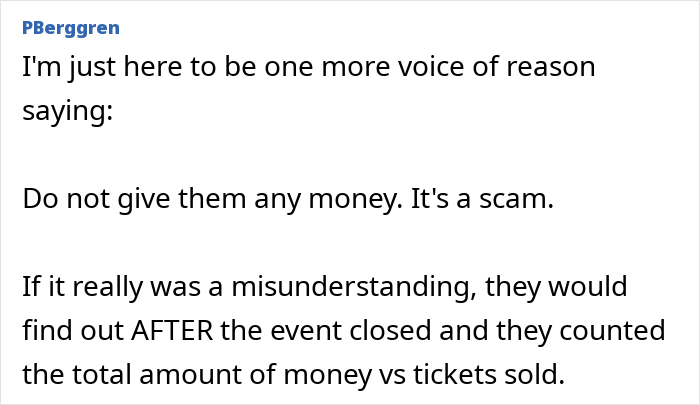
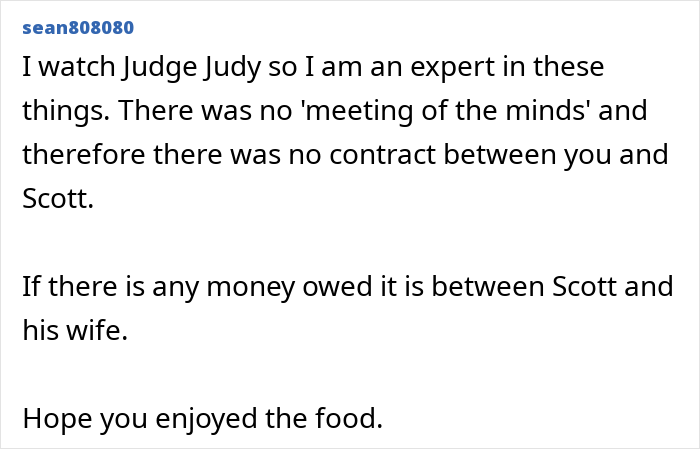
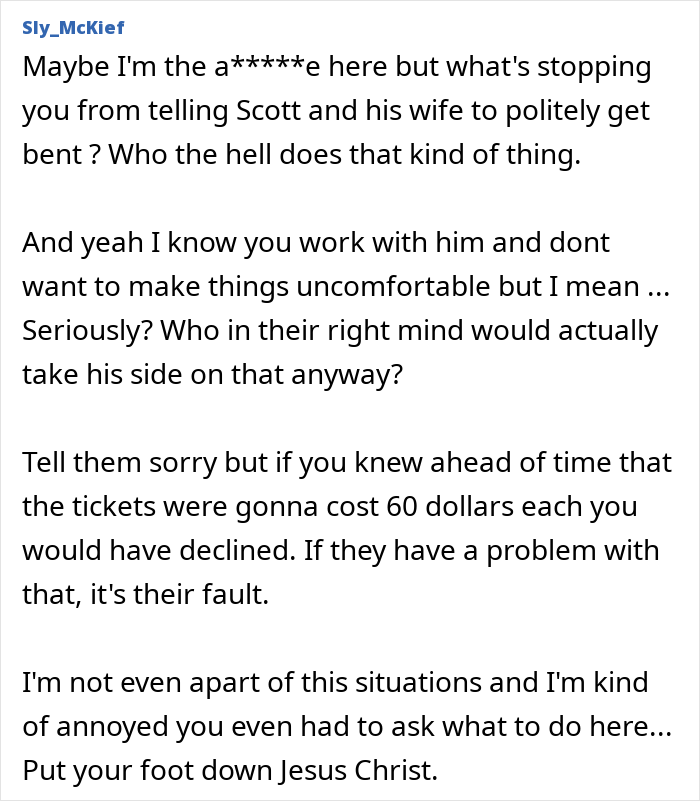
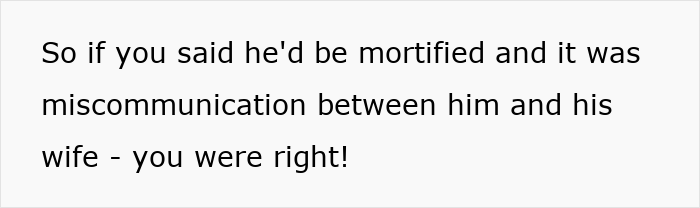
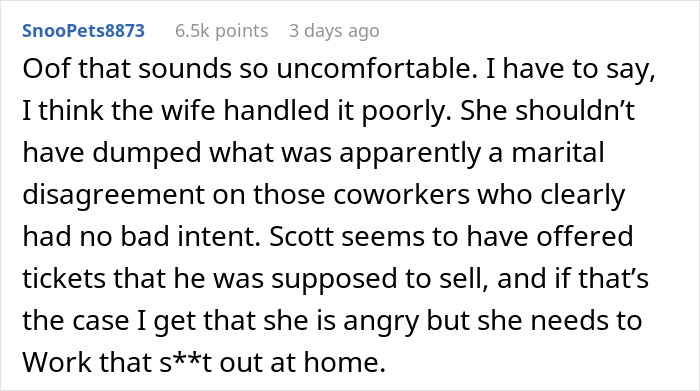
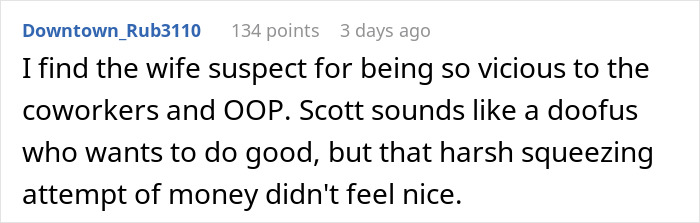
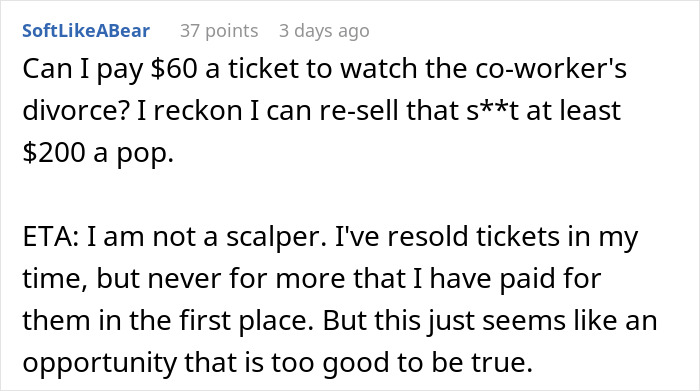
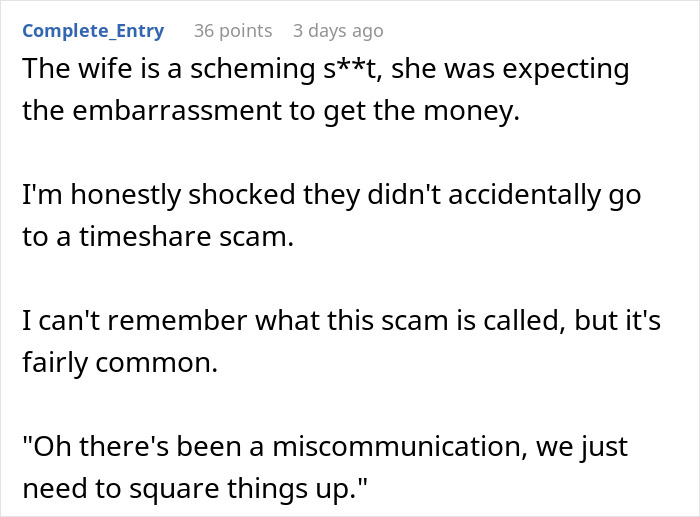
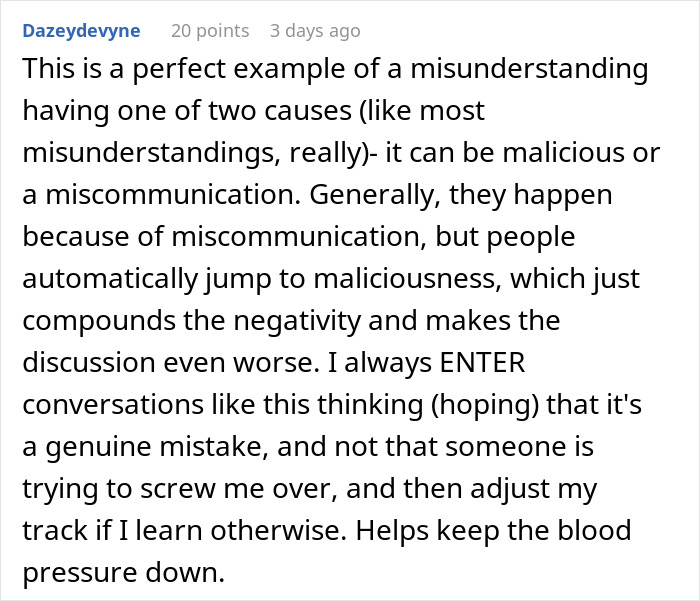
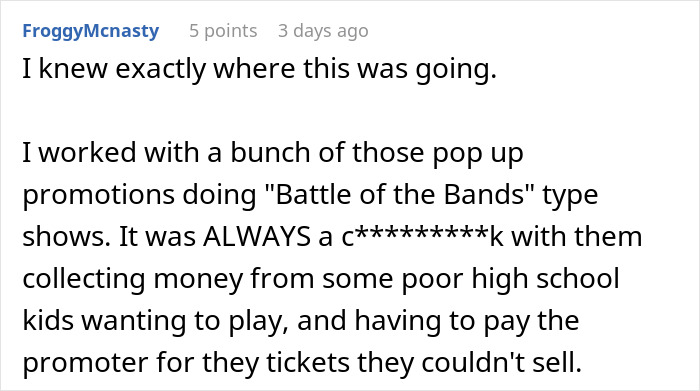
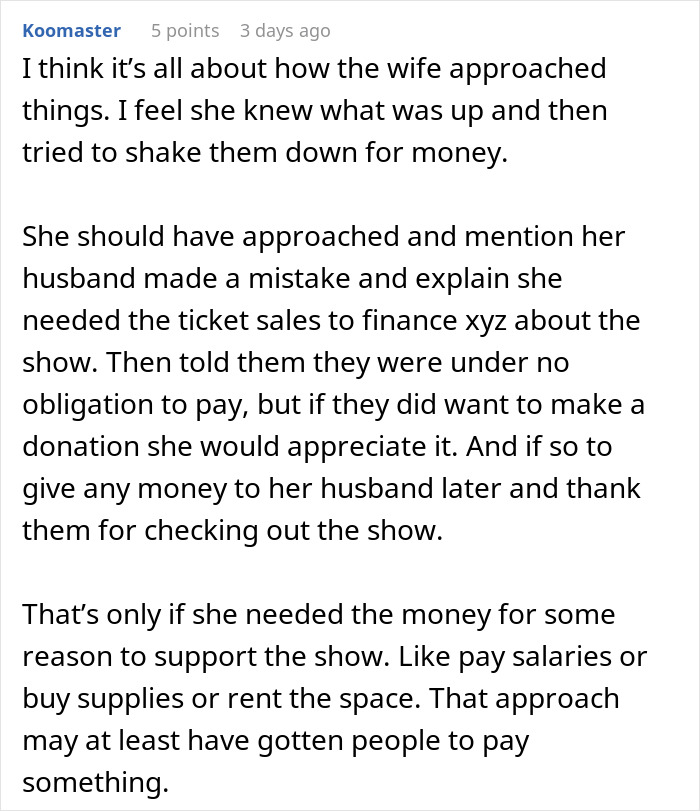
Some commenters speculated whether the couple truly tried to scam “Scott’s” colleagues. While some agreed, others thought that this whole train wreck of a situation was the result of some ongoing fight between “Scott” and his wife.
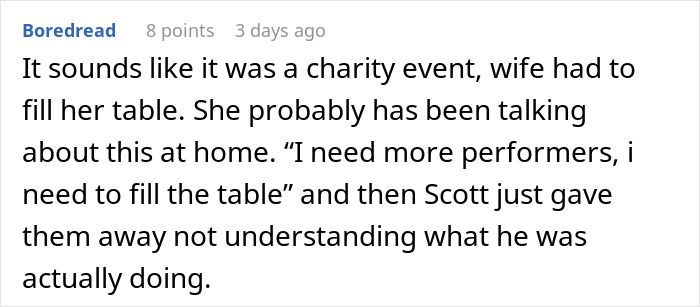
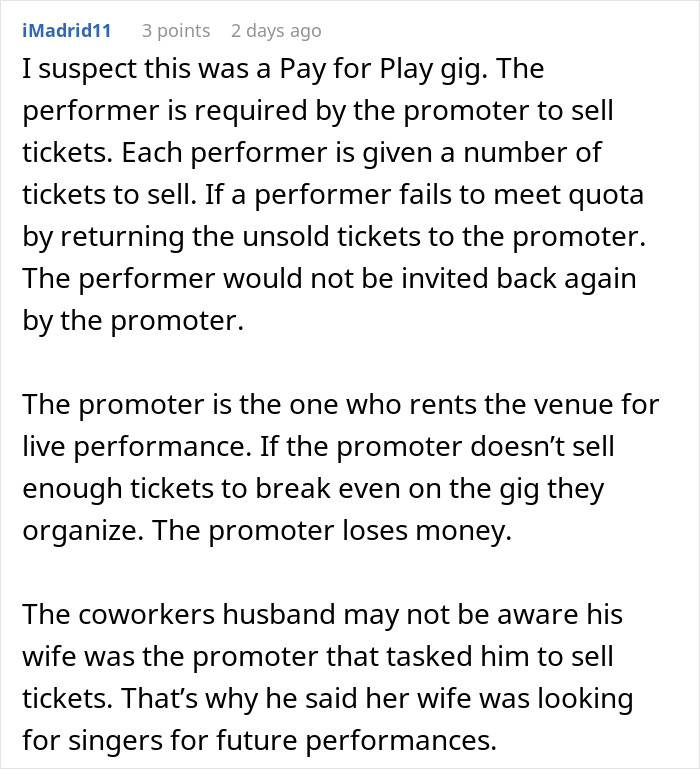
But other netizens thought something different was going on. Since this was a personal performance by the wife, some speculated that she might have done it on the condition of pay-to-play.
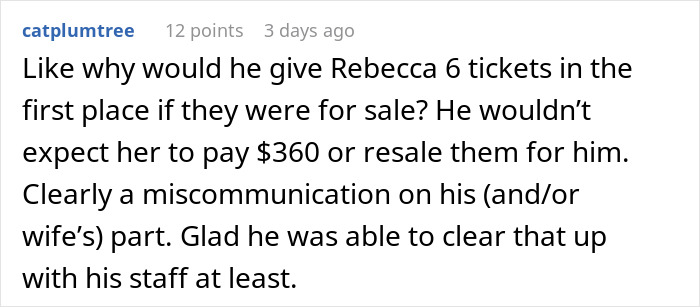
A pay-to-play event is when a performer pays a promoter to be able to put on a performance at their venue. To get that money back, performers have to sell a certain number of tickets. So, it’s possible that the wife expected the colleagues to pay for their tickets. The husband, perhaps not knowing this, thought he was simply tasked with inviting as many people as possible.
Musician Matt Terzi writes that pay-to-play gigs are scams that do not benefit the performer. “Let’s say you’re buying 100 tickets at $10 a pop. You’re paying $1,000 out of pocket,” he explains the concept. “That sounds like a lot, but you’re then reselling those 100 tickets at $20 a pop, which means you’re not only making that money right back, but doubling it… right?”
“Of course, this seedy promoter isn’t actually promoting anything. You’re doing all of the marketing for the show yourself. And if you could sell 100 tickets easily, they wouldn’t be asking you to do it for them. At that point, your act is a solid booking, and venues should actively want to bring you in.”
So, was the wife the victim of a seedy promoter? Did the husband misunderstand the ticket situation? Whatever it was, the employees got themselves into something that shouldn’t be their fault.
Image credits: Andrej Lišakov (not the actual image)
Gift-giving in the workplace can be a tricky thing. Most of us have received some sort of gift at work. Be it a thank-you note from the boss, a pizza when the team reaches a certain milestone, or even a scented candle during the company holiday gift exchange.
In fact, eight out of 10 employees in the U.S. say they have received a gift from their managers. The sad part? They didn’t even want it. These kinds of gifts usually include something with a company logo, and employees seldom qualify them as gifts.
There are some etiquette rules for workplace gift-giving. According to etiquette expert Lizzie Post from her grandmother’s Emily Post Institute, gifts up the ladder are never appropriate. “Gifts are always down the ladder. The exception is when there’s a two-person team, think Carrie Bradshaw and her assistant,” she told Salon. An employee gifting their boss something can be misconstrued as an attempt to win favor and look quite inappropriate as well.
However, there’s also a line for bosses and managers when it comes to gifts for employees. “Absolutely avoid giving anything that could feel too personal or intrusive — think of items like skincare products, perfumes or clothing,” another etiquette expert, Jamila Musayeva, says. “These can easily overstep boundaries. Additionally, stay away from humor-based gifts or anything that could be seen as overly casual.”
Tickets to a performance aren’t too intrusive or inappropriate as a gift at all. However, in this situation, it put both the employees and the manager in an impossibly awkward position. Does that mean that all colleagues should stick to boring and impersonal gifts like a “World’s Best Boss” mug? Not necessarily, but if you’re ever in doubt about whether your gift is appropriate, always check with someone else first — someone from HR, or ChatGPT, at least.
Image credits: Vitaly Gariev (not the actual image)
Image credits: pch.vector (not the actual image)
Image credits: freepik (not the actual image)
Image credits: Cassmiere

By entering your email and clicking Subscribe, you're agreeing to let us send you customized marketing messages about us and our advertising partners. You are also agreeing to our Privacy Policy.
Thank you! You've successfully subscribed to newsletters!
28Kviews
Share on Facebook

I had a feeling it had to be a pay-to-play thing. It's normal to offer one ticket (two tickets, depending on the circumstances), but not six, especially if it was just for Rebecca to check out the show. This was either a clear miscommunication between the couple (or not understanding what pay-to-play means) or an attempt to defraud the employees. I hope it works out for them. That's going to be really uncomfortable for everyone for a long time, if not for the duration of their employment.
I had a feeling it had to be a pay-to-play thing. It's normal to offer one ticket (two tickets, depending on the circumstances), but not six, especially if it was just for Rebecca to check out the show. This was either a clear miscommunication between the couple (or not understanding what pay-to-play means) or an attempt to defraud the employees. I hope it works out for them. That's going to be really uncomfortable for everyone for a long time, if not for the duration of their employment.
































 No fees, cancel anytime


























41
7