Get Premium
Dark mode theme is available exclusively for premium users. Learn more about the benefits of subscribing.
No fees, cancel anytime.

 Dark Mode Ad-Free Browsing Unlimited Content
 Ad-Free Browsing Unlimited Content Dark Mode
Join 1.2 million Panda readers who get the best art, memes, and fun stories every week!
You know, I assume exactly what you’re thinking just by looking at the headline: “What on Earth should we eat then if we can’t eat cucumbers, eggs, meat, and milk?” In fact, of course, we can. And we should, even despite the rising prices. You just need to take extra precautions when preparing dishes containing these products. That’s all.
This post is based on an annual report compiled by Consumer Reports on medical data on hospitalizations associated with food-borne illnesses caused by bacteria such as salmonella, E. coli, and listeria, information on food recalls, and advice from doctors. In other words, take this post as a tool, not a ban, and you’ll definitely find it useful.
Image credits: fabrikasimf / Freepik (not the actual photo)
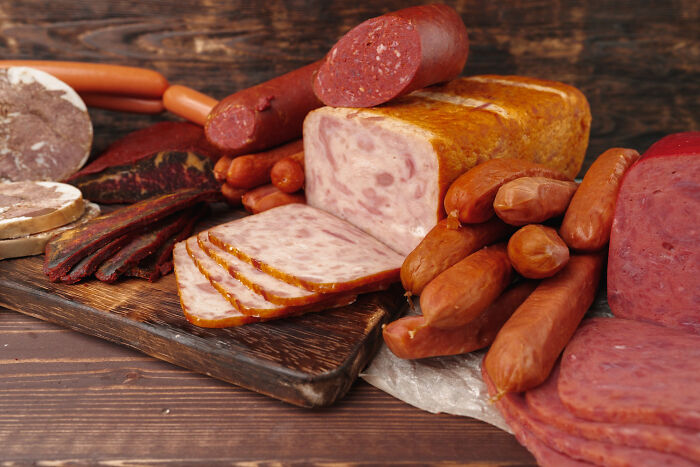
The production of sausages and deli meat is always associated with the possibility of cross-contamination – after all, the production process inevitably involves a lot of contact of the product with various surfaces that may contain bacteria. More than once or twice in recent years, large batches of deli meat with pathogens of various diseases have been identified, so you should always be on the alert.
In this case, you should either try to subject the purchased deli meat to heat treatment or just refrain from eating it at all. After all, the less we risk, the better for our health, isn’t it?
Image credits: sommail / Freepik (not the actual photo)
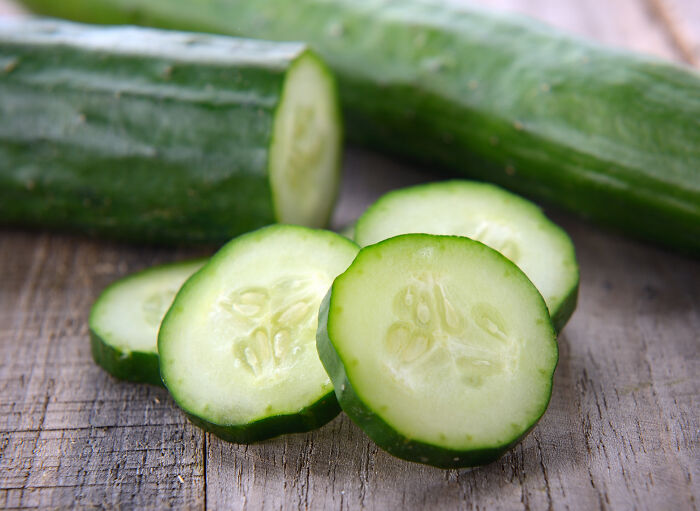
Cucumbers have long symbolized healthy eating, but recently, there have been many cases of salmonella infection caused by cucumbers. Consumers of ready-made salads containing this vegetable are especially at risk because the manufacturer cannot always guarantee full compliance with safety precautions when cooking.
As a last resort, it’s better to check that the vegetables’ skin is not damaged so that microbes cannot penetrate.
Image credits: atlascompany / Freepik (not the actual photo)
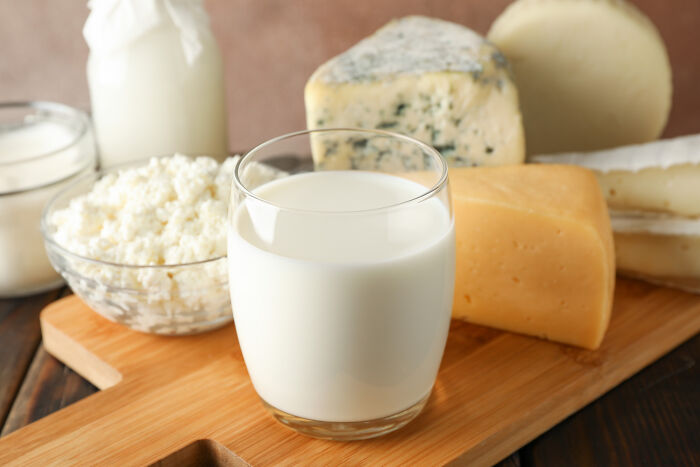
Pathogens, such as salmonella, enter milk through the animal’s body. Fortunately, pasteurization was invented back in the 19th century – that is, heating milk to 161°F, which is guaranteed to destroy bacteria and the bird flu virus, that can also be found in raw milk. In other words, pasteurized milk provided that the container is sealed, is practically a guarantee of your safety.
As for raw milk cheese, the Food and Drug Administration requires that the product be aged for at least 60 days before being sold. However, sometimes manufacturers, unfortunately, don’t comply with these requirements. So, it’s probably better to switch to cheeses made from pasteurized milk.
Image credits: azerbaijan_stockers / Freepik (not the actual photo)
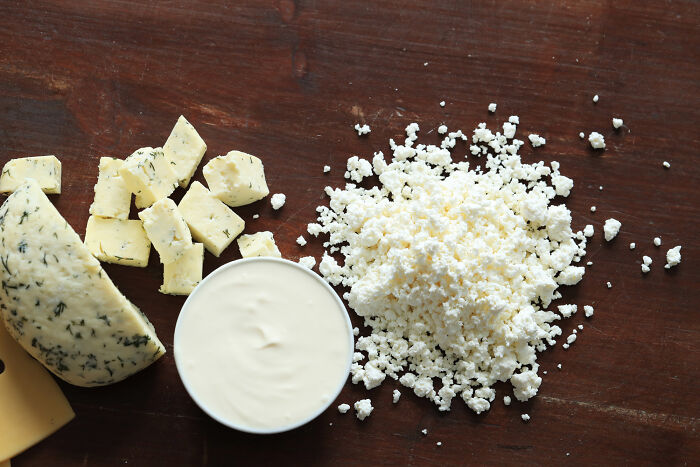
The main risk factor here is listeria, which can easily multiply in these soft cheeses due to the environment’s low acidity. If consumption doesn’t involve heat treatment of the cheese (for example, baking as part of another meal), then experts strongly recommend switching to hard cheeses—made from pasteurized milk, of course.
Image credits: KamranAydinov / Freepik (not the actual photo)
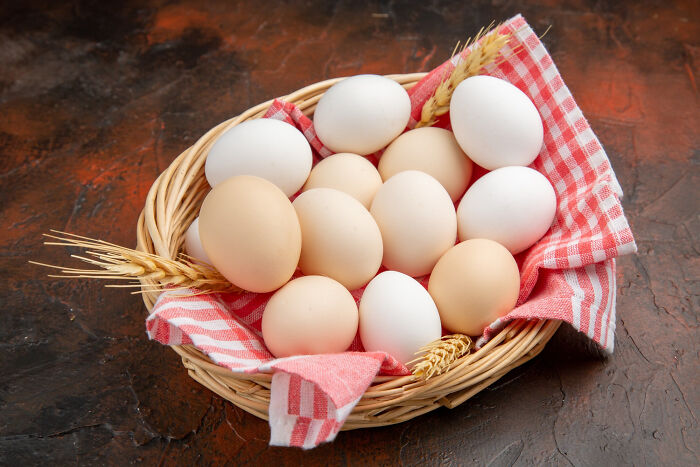
The major problem here is salmonella. During the formation of the egg or during laying, bacteria can get from the bird’s body into or out of the egg. Therefore, it’s best to throw away eggs with cracked shells (even if they are so expensive!). Always wash your hands after handling any egg, and be sure to boil, fry, or bake them. If the white or yolk has become hard, then the potential danger has most likely passed.
Image credits: freepik / Freepik (not the actual photo)
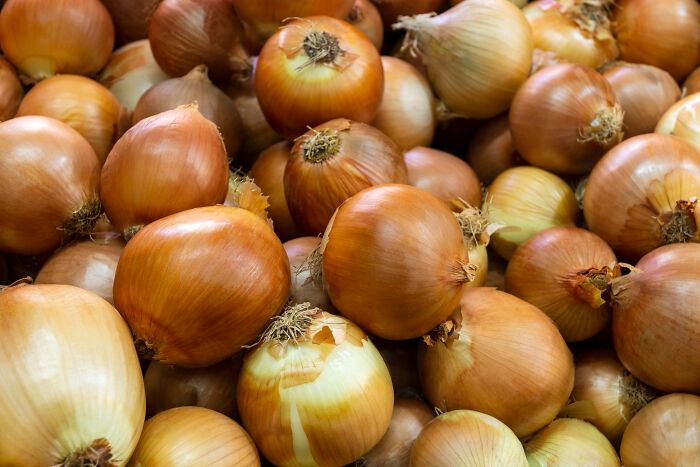
If you eat raw onions – for example, as part of a burger, you expose yourself to the risk of infection with E. coli. So experts strongly recommend refraining from buying foods containing raw onions – after all, no one guarantees that cooks in a commercial kitchen will comply with all safety requirements.
If you buy onions for home use, if possible, choose onions without external damage and remove several outer layers when cooking. The doctors say this significantly reduces the risk of infection.
Image credits: pvproductions / Freepik (not the actual photo)
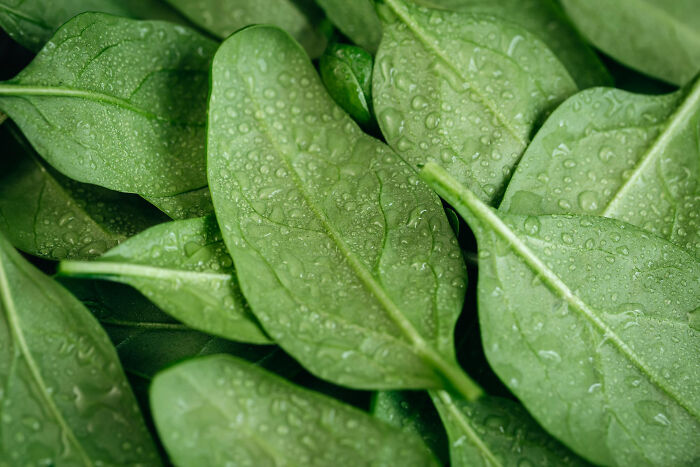
According to experts, leafy greens in the US are often grown near cattle feedlots, and the water used there can be mixed with the water used to irrigate the plants. The conclusion? Well, it’s better not to buy fast food items with leafy greens, and for home cooking, please give preference, for example, to lettuce grown in hydroponic greenhouses.
By the way, the ‘onion principle’ also works here – throwing away the outer leaves when using whole heads of lettuce will also reduce the risk of getting sick.
Image credits: freepik / Freepik (not the actual photo)
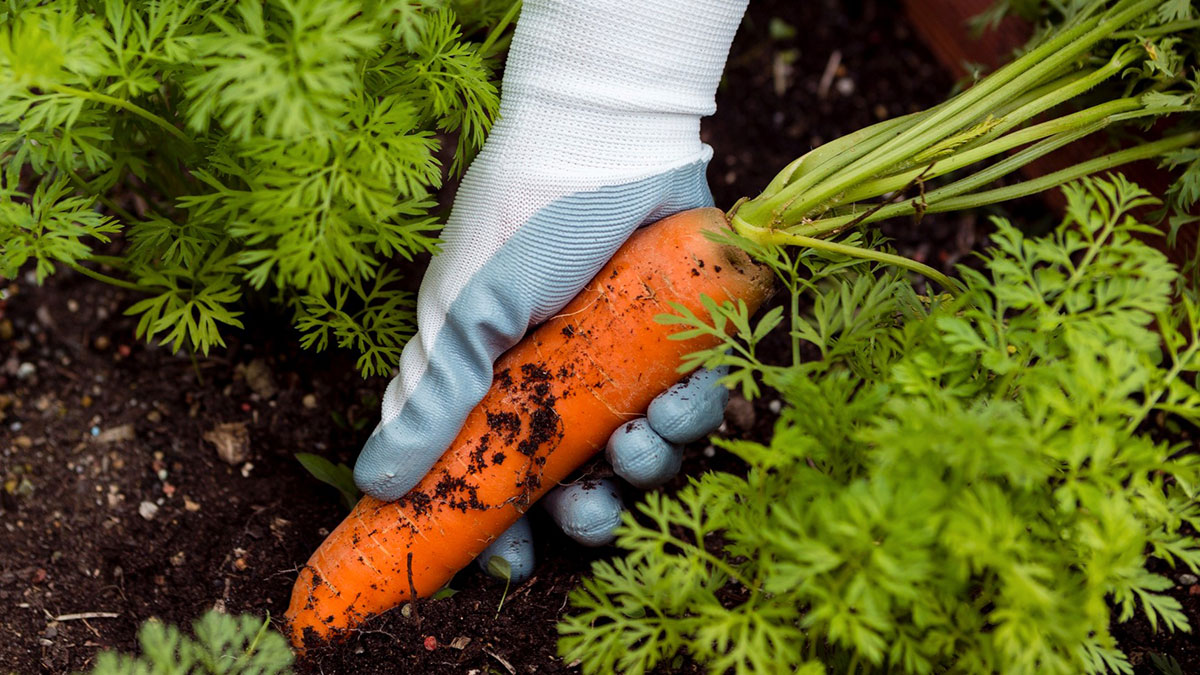
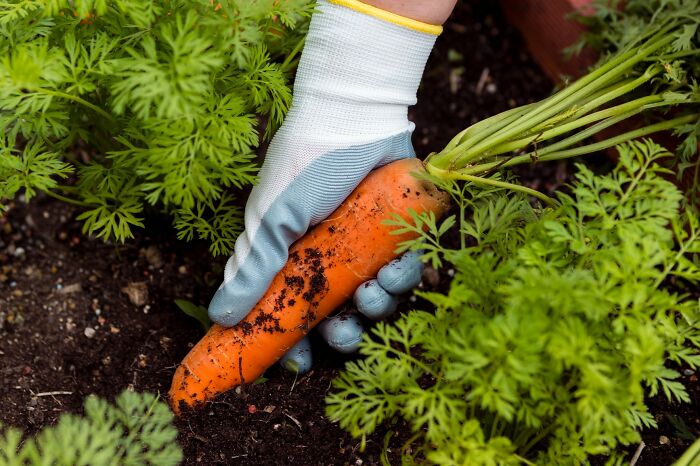
Carrots can also be affected by salmonella if the bacteria gets into the field of the company that grows vegetables. Such cases have occurred recently, so experts simply advise not to eat carrots raw. It’s better to just use it as part of thermally cooked dishes. Well, if you really want to crunch on fresh carrots – at least wash them thoroughly before eating.
Image credits: EyeEm / Freepik (not the actual photo)
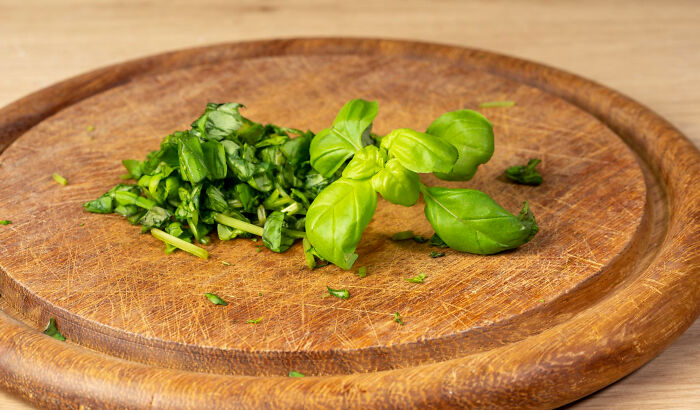
Everything that concerns carrots and leafy greens applies to organic basil as well since it’s also grown in large fields by large-scale producers, is often eaten raw, and, according to medical statistics, is also susceptible to salmonella contamination. The principle of combating bacteria is similar—wash thoroughly before cooking and, if possible, heat everything.
Image credits: freepik / Freepik (not the actual photo)
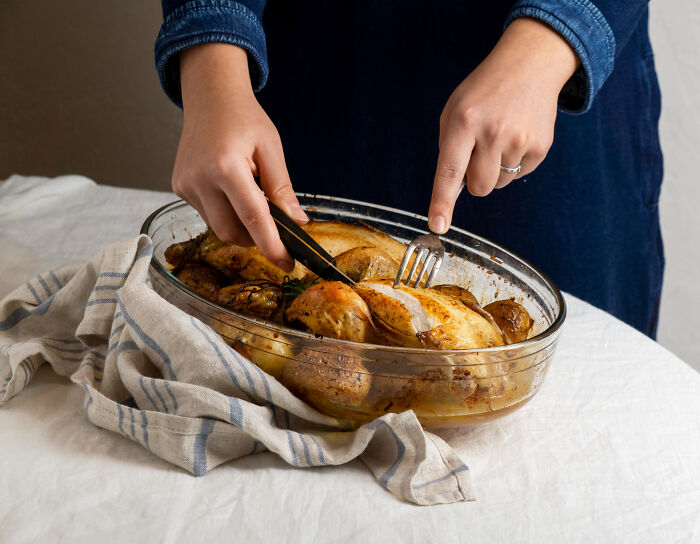
We are talking, of course, about semi-finished products and ready-made foods containing meat and poultry. After all, each semi-product goes through more than one or two stages of preparation, which significantly increases the risk of contamination. So always check how effectively the product you buy was frozen, and be sure to heat it up. Better not mess with your health!
In addition to the top ten products that can cause the risk of various food-borne illnesses, the Consumer Experts report contains five more products: sprouts, raw shellfish, ground meat and poultry, uncooked flour, and unpasteurized juice and cider. When buying any of the items on this list, you also need to pay close attention to the possible risks and follow basic food safety rules.
The opinions of commenters on the Internet are actually divided into two categories. Some folks sarcastically stated that their diet was now being reduced – because doctors “prohibited” certain products. Some noted that in a country with over 350 million people, several hundred people hospitalized due to foodborne infections are just very few. However, why take risks?
And some people in the comments quite rightly admitted that it’s enough to just follow fairly simple rules of kitchen hygiene, not buy fast food from dubious street vendors – and this reduces the risk of illness to almost zero. In any case, as the ancient Romans used to say, “forewarned is forearmed!” So, what do you, our dear readers, think of this warning list?

I started laughing when they suggested heating up salami and deli meats. This article is ridiculous.
I think the whole of Europe is laughing at this article
Load More Replies...
News flash: undercooked or poorly washed food can make you sick. Such cutting edge information.


And now that Trump/DOGE has fired the employees in the government department that is responsible for all of the country's food safety and food production inspections, we can expect all of this to really explode across the country. Because what history has taught us, it is that business do a poor job of self regulation. But you may not know that as history is also being erased in America.
What kind of stupid article is this? Lots of the things mentioned, are some of the best and most healthy things, we can eat.

? Even the “best and most healthy things” can get germs on ‘em, you know. After all, how many egg shortages have we lived through just in our own lives? It’d be great if just Cheetos and cupcakes get germs, but since they don’t grow in dirt, it’s unlikely they’ll get germy unless touched by germy hands,
Load More Replies... I'm starting to think that these articles are getting posted with a bunch of default upvotes, cuz I can't believe that, at the time of writing this, at least 17 whole people in the world were stupid enough to actually upvote this article willingly.
Of course they are. Just like the shopping ads always start out with around 30 upvotes before being downvoted into oblivion by real people.
Load More Replies... So I can give up my salads and charcuterie and rotisserie chicken and chow down on overly processed stuff from Mickey Dees and Burger Thing. Cool.

Is anyone pulling carrots out of the ground and eating them without washing them first?

Clostridium perfringens is more of an issue in carrots than salmonella.
Load More Replies...

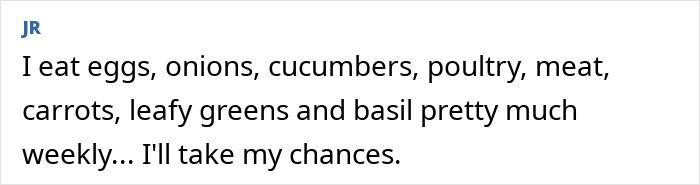
I eat most of these foods and have since I started eating solids, plus I lived in countries with less stringent "food protections". I will continue eating those foods. Are there issues with some foods some times yes, but to say avoid these all the times is wrong. I think the author of this article wrote it for its shock value, but it has no real merit.

This exemplifies fearmongering in its most refined form: repeated warnings of what not to consume, devoid of constructive alternatives. Rather than offering evidence-based recommendations, the discourse merely perpetuates anxiety. And yet, in 2025, even fast food remains vilified without context or nuance. Such rhetoric appears more aligned with fueling propagandistic narratives than promoting genuine public health awareness. BP, you're losing me.

I understand "experts" need to earn their keep, but I'm getting the impression they're a little too alarmist about anything and everything. Wow. You can die. Just imagine.



If I die from eating leafy greens I don’t think I was meant to survive that long.
I started laughing when they suggested heating up salami and deli meats. This article is ridiculous.
I think the whole of Europe is laughing at this article
Load More Replies... News flash: undercooked or poorly washed food can make you sick. Such cutting edge information.
And now that Trump/DOGE has fired the employees in the government department that is responsible for all of the country's food safety and food production inspections, we can expect all of this to really explode across the country. Because what history has taught us, it is that business do a poor job of self regulation. But you may not know that as history is also being erased in America.
What kind of stupid article is this? Lots of the things mentioned, are some of the best and most healthy things, we can eat.
? Even the “best and most healthy things” can get germs on ‘em, you know. After all, how many egg shortages have we lived through just in our own lives? It’d be great if just Cheetos and cupcakes get germs, but since they don’t grow in dirt, it’s unlikely they’ll get germy unless touched by germy hands,
Load More Replies... I'm starting to think that these articles are getting posted with a bunch of default upvotes, cuz I can't believe that, at the time of writing this, at least 17 whole people in the world were stupid enough to actually upvote this article willingly.
Of course they are. Just like the shopping ads always start out with around 30 upvotes before being downvoted into oblivion by real people.
Load More Replies... So I can give up my salads and charcuterie and rotisserie chicken and chow down on overly processed stuff from Mickey Dees and Burger Thing. Cool.
Is anyone pulling carrots out of the ground and eating them without washing them first?
Clostridium perfringens is more of an issue in carrots than salmonella.
Load More Replies... I eat most of these foods and have since I started eating solids, plus I lived in countries with less stringent "food protections". I will continue eating those foods. Are there issues with some foods some times yes, but to say avoid these all the times is wrong. I think the author of this article wrote it for its shock value, but it has no real merit.
This exemplifies fearmongering in its most refined form: repeated warnings of what not to consume, devoid of constructive alternatives. Rather than offering evidence-based recommendations, the discourse merely perpetuates anxiety. And yet, in 2025, even fast food remains vilified without context or nuance. Such rhetoric appears more aligned with fueling propagandistic narratives than promoting genuine public health awareness. BP, you're losing me.
I understand "experts" need to earn their keep, but I'm getting the impression they're a little too alarmist about anything and everything. Wow. You can die. Just imagine.
If I die from eating leafy greens I don’t think I was meant to survive that long.
































 No fees, cancel anytime
 then open in external browser


 and click "Open in External Browser"

























-70
43