Get Premium
Dark mode theme is available exclusively for premium users. Learn more about the benefits of subscribing.
No fees, cancel anytime.

 Dark Mode Ad-Free Browsing Unlimited Content
 Ad-Free Browsing Unlimited Content Dark Mode
Join 1.2 million Panda readers who get the best art, memes, and fun stories every week!
For most Americans and perhaps even others, there are a few names from history that people are familiar with, even if they can’t tell you their entire life story. It’s just those brief snippets of someone’s life, the highlights that make it into films, shows or just popular culture.
But even folk heroes have actual, full lives, even if most people just know the headlines. So we’ve gathered some better known individuals from American history, along with how their lives turned out. Be warned, some stories are dark. So get comfortable as you scroll through, upvote your favorites and be sure to share your thoughts in the comments down below.
This post may include affiliate links.
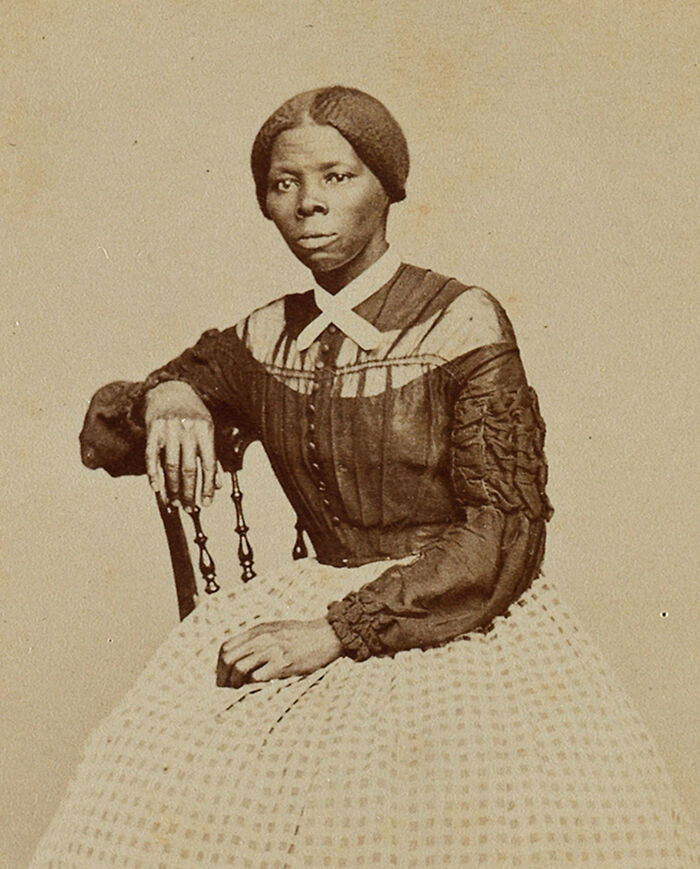
After a heroic life spent leading hundreds of enslaved people to freedom on the Underground Railroad and serving as a scout and spy for the Union Army, Harriet Tubman dedicated her later years to caring for others. She established the Harriet Tubman Home for the Aged on her property in Auburn, New York. As her own health declined, she eventually became a resident of the very home she had founded. She d**d there from pneumonia in 1913 at the age of 91, surrounded by friends and family, a peaceful end to a life defined by courage and service.
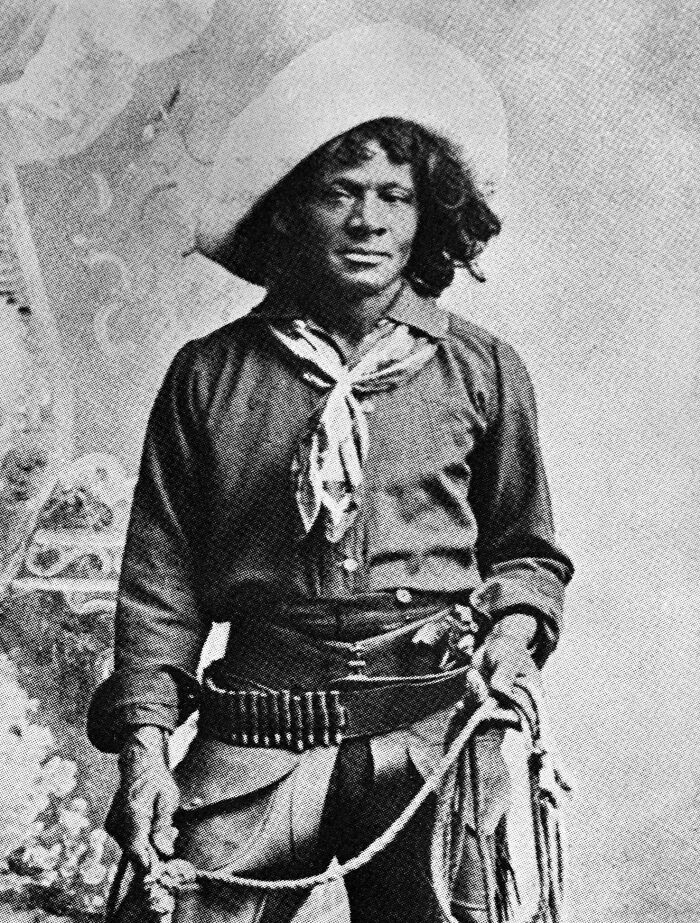
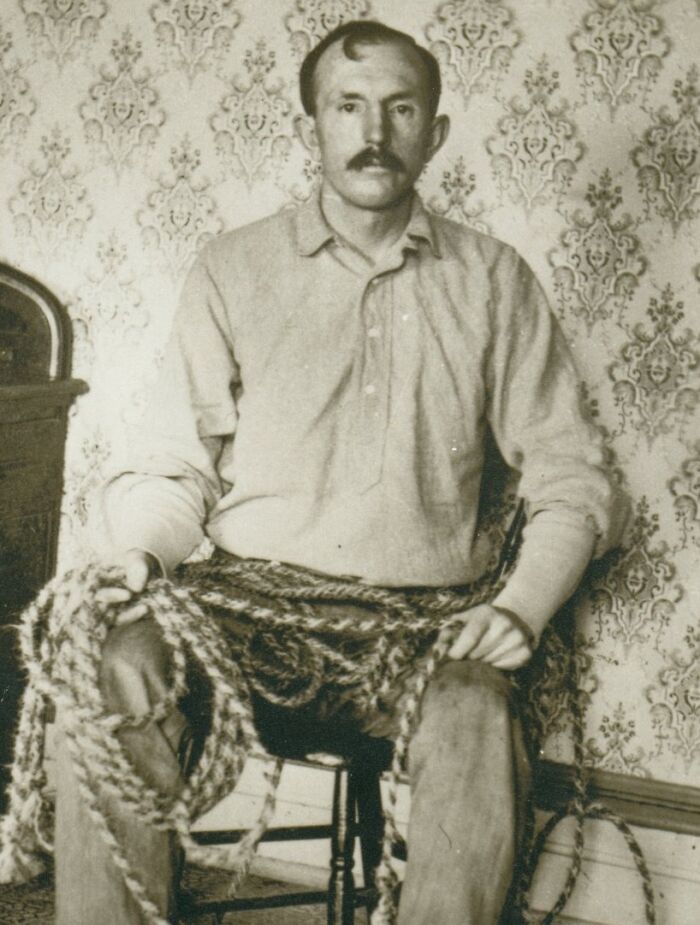
The myth of the American cowboy, popularized by Hollywood, almost entirely erased the existence of real Black frontiersmen like Nat Love. In his day, Love was a celebrated figure, renowned for his incredible skill with both a rope and a pistol. His life ended not in a blaze of glory on the range, but quietly from illness after he had settled in Los Angeles. The true, disturbing end to his story was this cultural erasure, which allowed his legacy to be buried by the whitewashed legends that came to define the West.
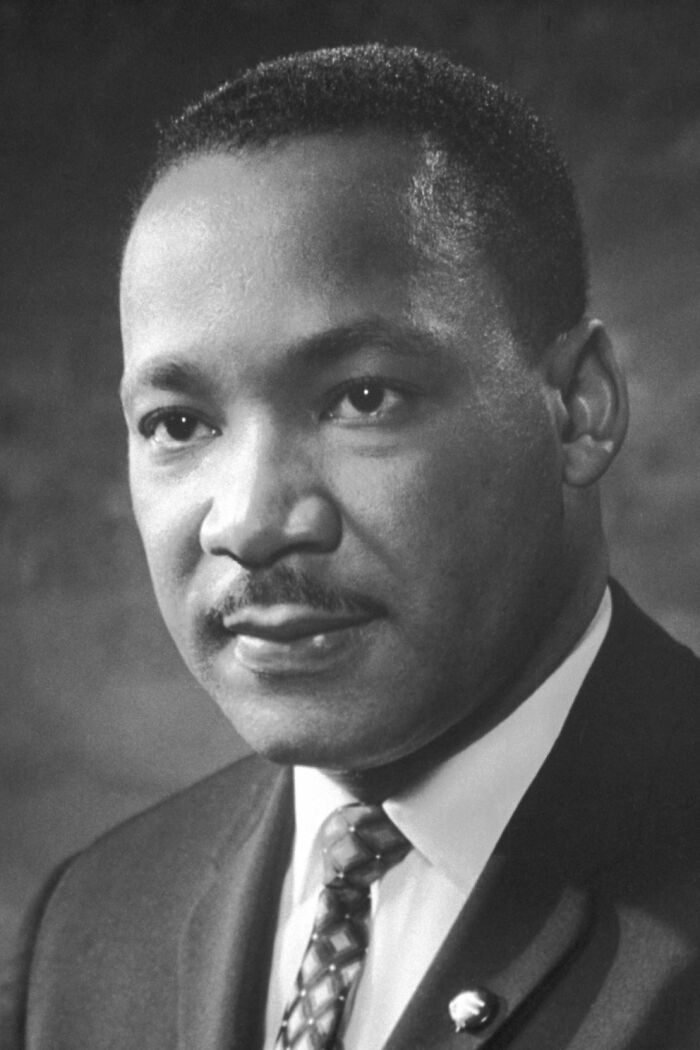
Civil rights leader Dr. Martin Luther King Jr. became a global symbol of nonviolent resistance and justice. On April 4, 1968, while standing on the second-floor balcony of the Lorraine Motel in Memphis, Tennessee, he was as***sinated by a single rifle s**t. His m**der sparked riots in cities across the United States and marked a devastating turning point in the civil rights movement. His d**th transformed him from a leader into a martyr, but it also cut short the life of a man who was fighting against poverty and the Vietnam War.

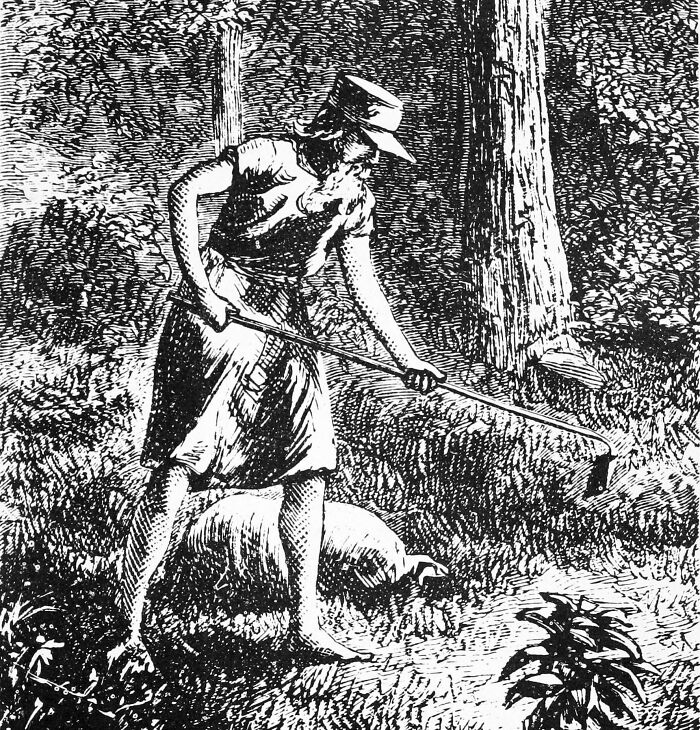
Johnny Appleseed, whose real name was John Chapman, spent nearly 50 years wandering the American frontier planting apple orchards. He was known for his gentle nature, his religious devotion, and his deep respect for all living things. In March 1845, at the age of 70, he contracted pneumonia after walking through a winter storm to repair a friend's nursery. He d**d a few days later, a quiet and humble end for the eccentric folk hero who had dedicated his life to sowing seeds for future generations.
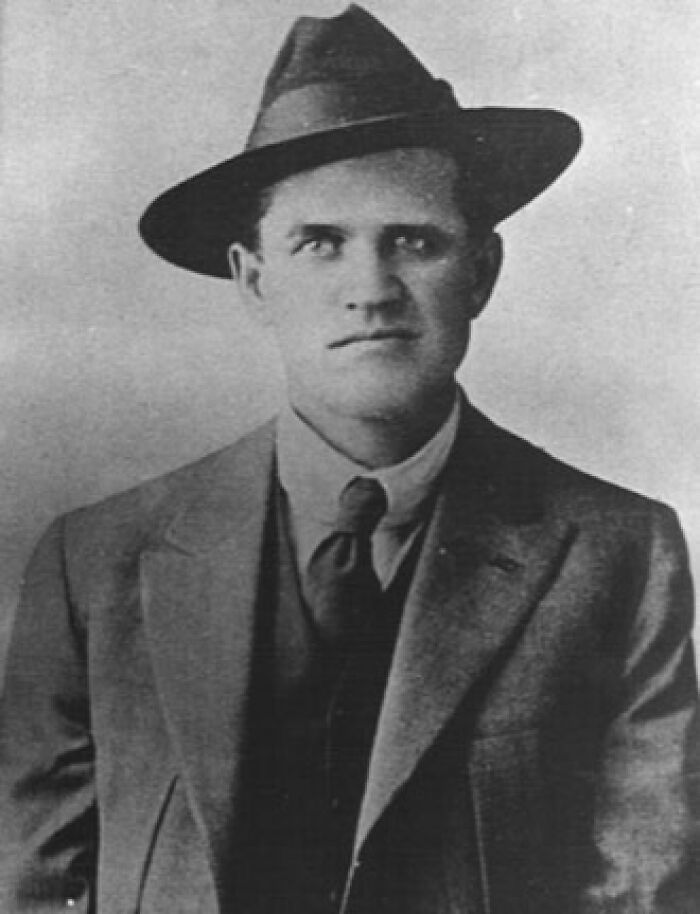
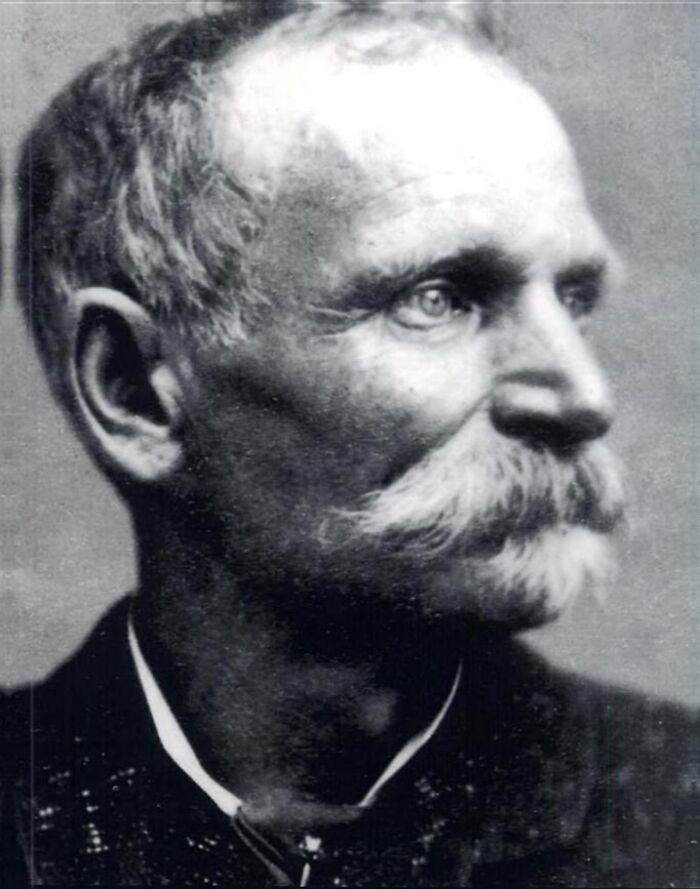
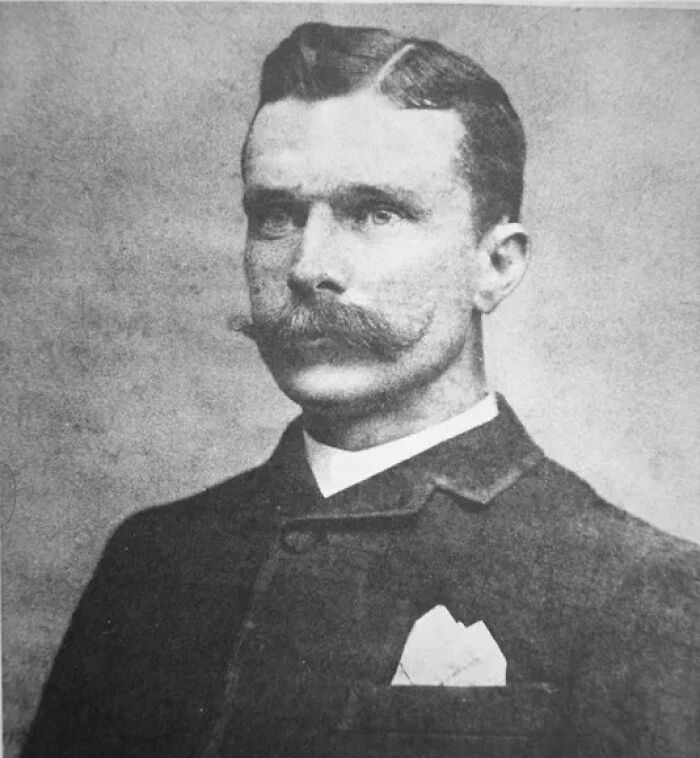
As a fiery organizer for the Industrial Workers of the World, Frank Little was a vocal opponent of World War I and a fierce advocate for workers' rights. In August 1917, six masked men abducted him from his hotel room in Butte, Montana. They brutally beat him, tied him to the back of a car, and lynched him from a railroad trestle, pinning a threatening note to his chest. His m**der, a brutal act of anti-union violence, remains unsolved and serves as a grim final chapter in the life of a dedicated labor martyr.
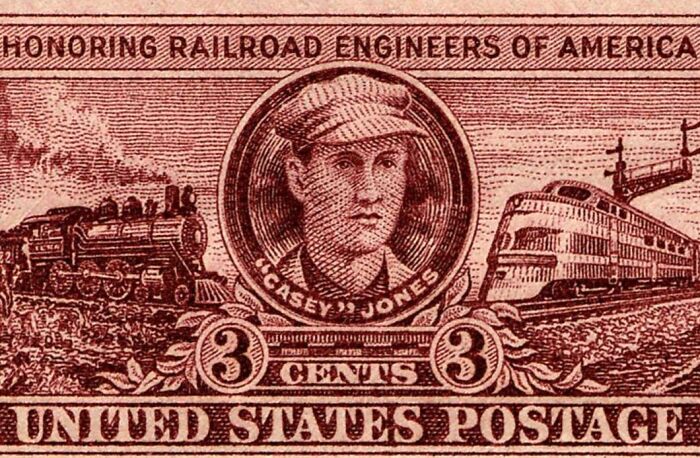
On the foggy night of April 30, 1900, locomotive engineer Casey Jones was determined to make up for lost time on his passenger route. As his train sped toward a siding in Vaughan, Mississippi, he suddenly saw the caboose of a stalled freight train on the tracks ahead. Ordering his fireman to jump to safety, Jones stayed at the controls, desperately trying to slow his train and save his passengers. He was the only person k***ed in the crash, and his final act of selfless bravery immortalized him as a folk hero of the American railroad.

A true American folk hero. Forced by a capitalist company to work overtime to the point of sleep deprivation. Had to take personal risks to make up for organizational shortcomings, recovering a 75 minutes delay in order to avoid severe personal penalties, something he had to do on the regular. Put in hazard way by his company mistakes and cost cutting when poor maintenance led to a broken down train on the line, poor organization led to another delayed train unexpectedly on the junction, and in all of that no one bothered to post a signalmen to stop traffic. Ultimately, he was the only one blamed for the accident (he did not see a likely nonexistent flagmen) while the organization who caused all those risk factor shrugged away without a second thought. Take example, kids!
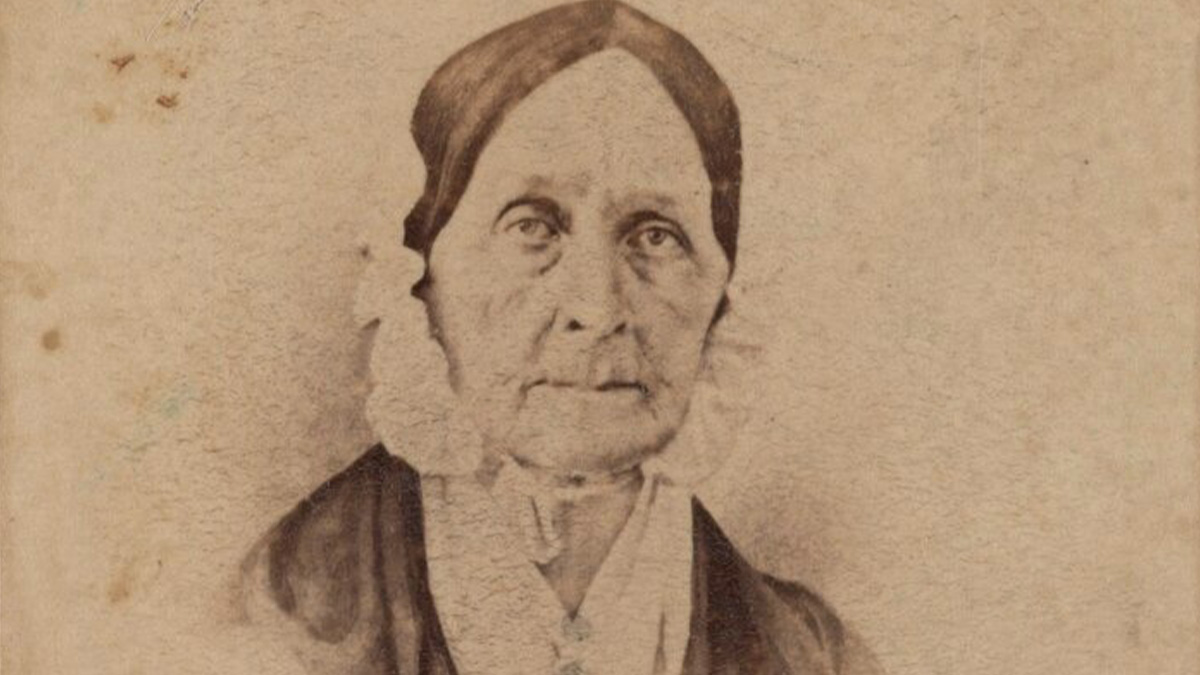
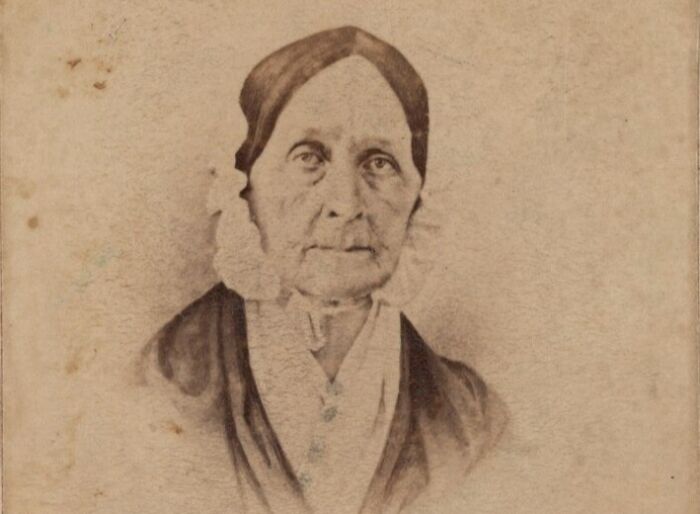
Barbara Fritchie became a patriotic folk hero at the age of 95, immortalized in a John Greenleaf Whittier poem for supposedly waving a Union flag at Confederate troops. The reality of her final days was far less dramatic. Already frail and suffering from illness, the national attention from the poem brought a constant stream of visitors to her home, exhausting her. She d**d just three months after the poem was published, overwhelmed by the sudden and demanding fame that defined the very end of her long life.
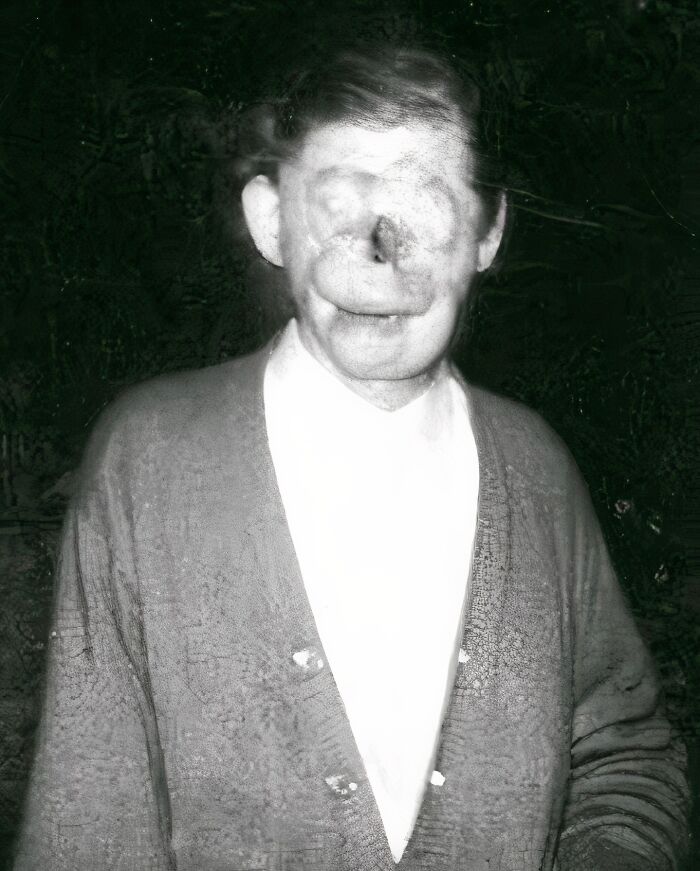
Known as the "Green Man" or "Charlie No-Face," Raymond Robinson became a living urban legend in western Pennsylvania. He suffered severe facial disfigurement in a childhood electrical accident and, as a result, only walked the rural roads at night to avoid frightening people. Locals would drive out to catch a glimpse of him, but this fame often brought cruelty, and he was hit by cars multiple times. He eventually retired from his nightly walks and died in a geriatric center at age 74.
Known for his polite stagecoach robberies and the poetry he left behind, Black Bart became a gentleman bandit of the Old West. After serving four years in San Quentin, he was released and promptly vanished. His final years are a complete mystery, with theories suggesting everything from a quiet d**th in obscurity to a new life in Japan. The outlaw who had cultivated such a public persona simply disappeared, leaving his ultimate fate as another one of his unsolved legends.
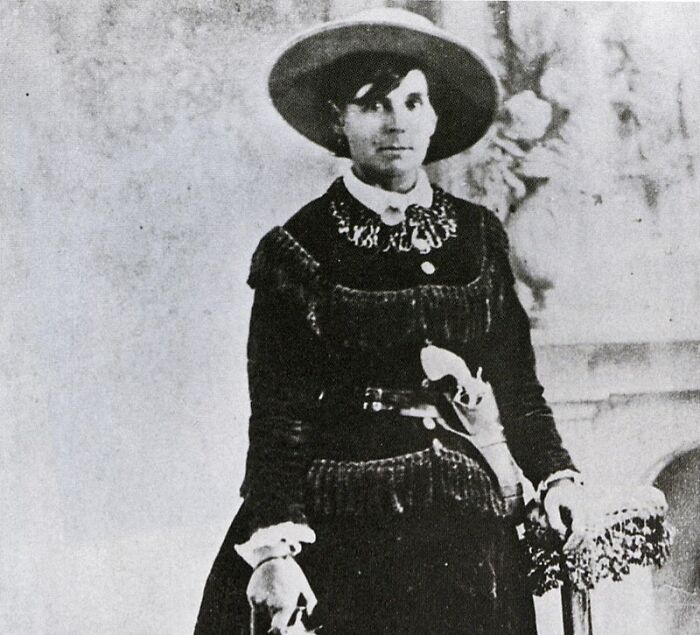
Belle Starr, the infamous "Bandit Queen" of the West, lived a life entangled with outlaws and crime. Just two days before her 41st birthday, she was ambushed while riding home to her Oklahoma ranch. An unknown assailant shot her from behind with a shotgun, knocking her from her horse. As she lay wounded on the ground, the attacker s**t her again, ki***ng her. Though suspicion fell on several men, including her own husband and son, her m***erer was never identified, and her d**th remains an unsolved crime.

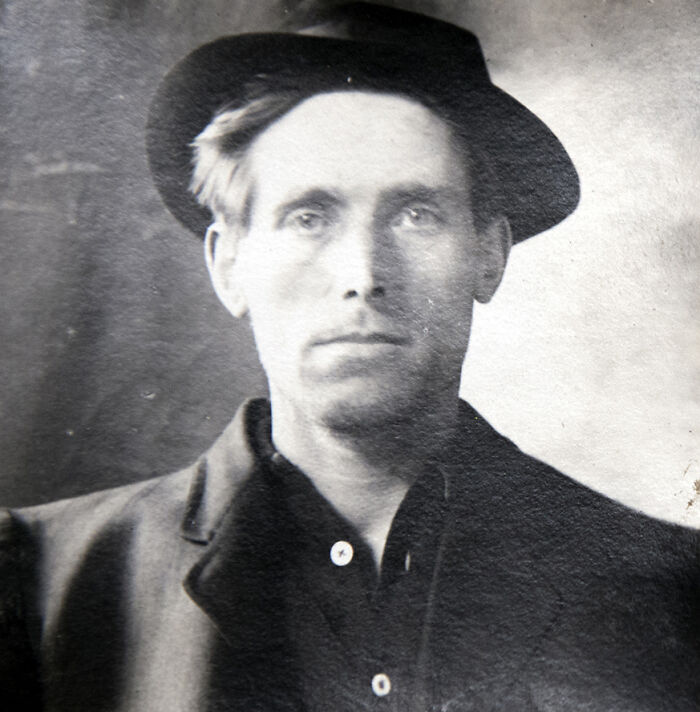
Swedish-American labor activist and songwriter Joe Hill was executed by a Utah firing squad in 1915 for a double m**der he insisted he did not commit. He was convicted on circumstantial evidence after seeking treatment for a g**shot wound on the same night as the crime, a wound he refused to explain. In his final telegram to a fellow union leader, he wrote his most famous line: "Don't waste any time in mourning. Organize!" His e*******n transformed him into a powerful martyr for the labor movement.
US m******d many who advocated for equitable treatment of anyone except for the wealthy
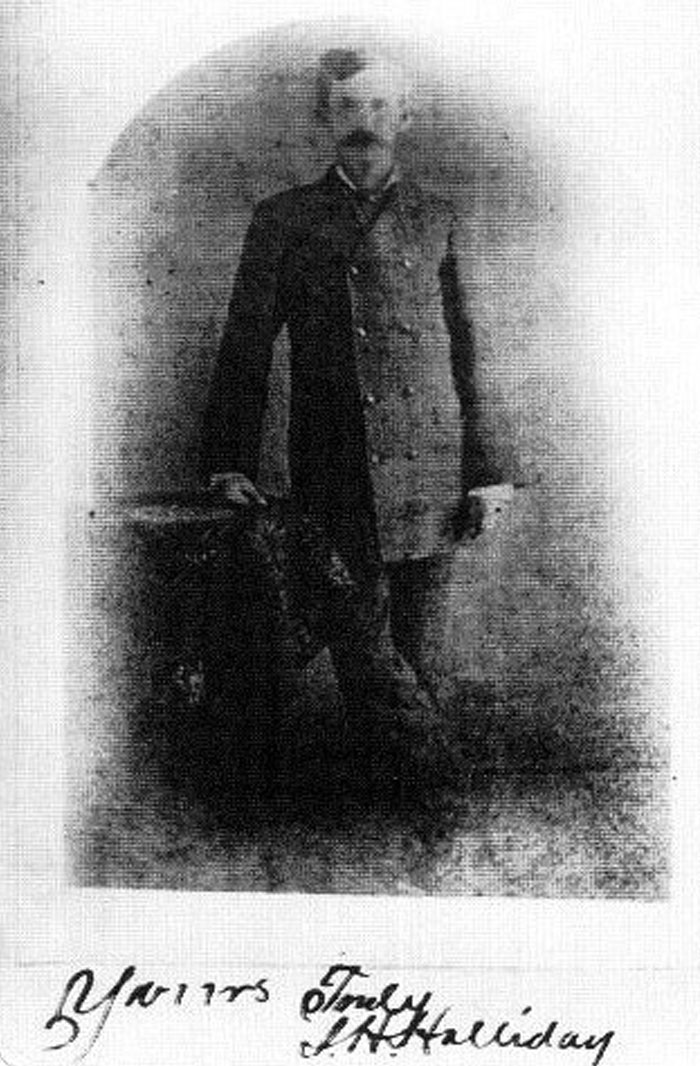
Notorious gunslinger and gambler Doc Holliday, a man who had survived the s***tout at the O.K. Corral and numerous other violent encounters, ultimately could not outrun his lifelong battle with tuberculosis. He spent his final days in a Colorado hotel, wasting away from the disease. Just before he d**d at the age of 36, he reportedly looked down at his bootless feet in surprise and whispered, "This is funny," having always expected to die a violent d**th with his boots on.

His grave is in Glenwood Springs, CO because allegedly the thin cold air in CO is good for TB. I think that turned out not to be true. He wasn't at at a hotel but a hospital in Glenwood Springs.
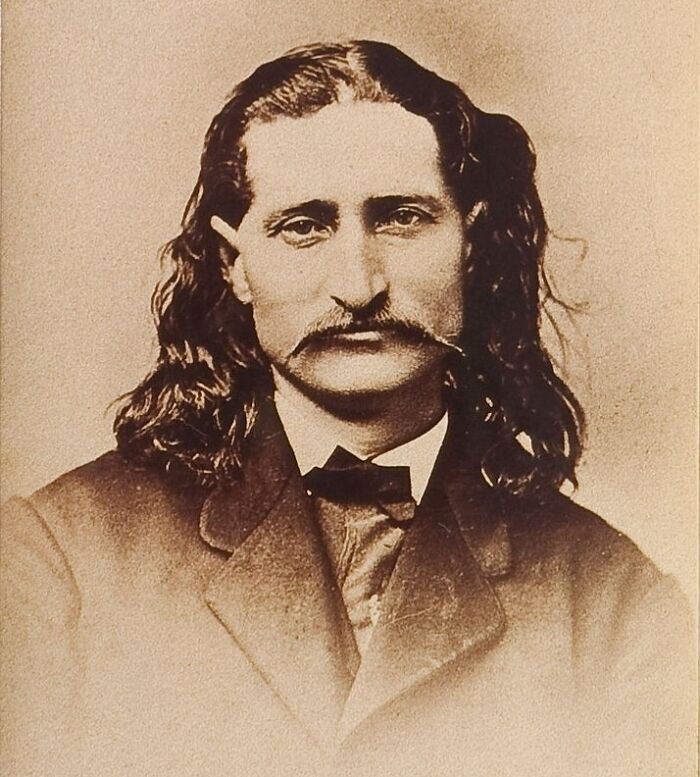
Legendary lawman and gunslinger Wild Bill Hickok met his end not in a dramatic sh***out, but while playing cards. On August 2, 1876, in a saloon in D**dwood, South Dakota, he broke his own rule and sat with his back to the door. A disgruntled gambler named Jack McCall walked in, drew his pistol, and s**t Hickok in the back of the head, ki***ng him instantly. At the moment of his d**th, Hickok was holding a two-pair poker hand of black aces and eights, which has been known ever since as the "d**d man's hand."

He ambushed and shot a pair of brothers, my relatives - he was never charged.
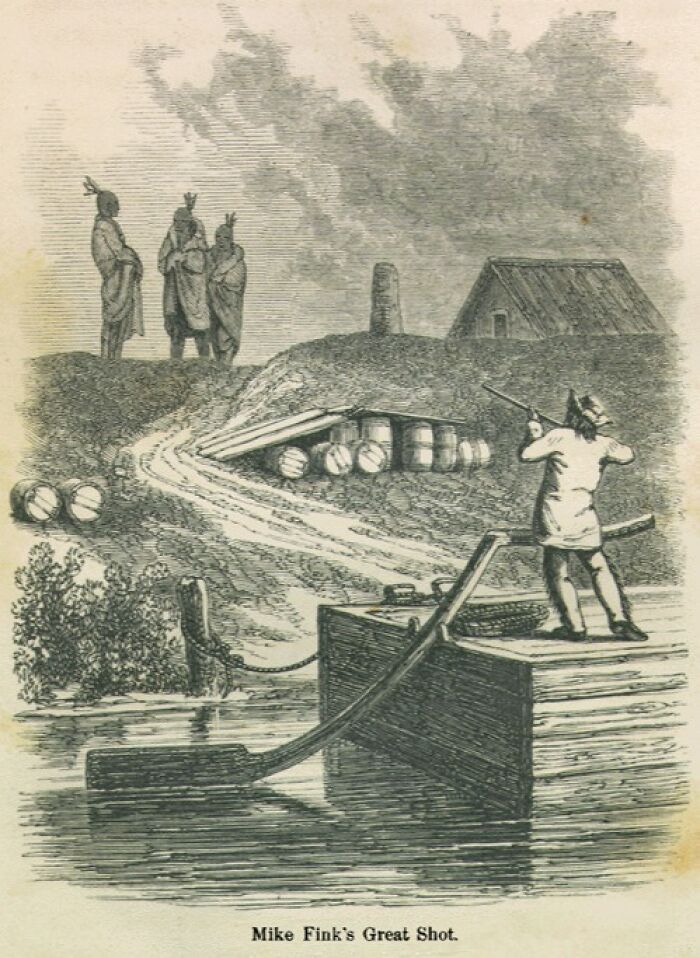
Legendary riverboat brawler and marksman Mike Fink met a violent end that cemented his fearsome reputation. During a drunken argument with a friend named William Carpenter over a woman, Fink challenged him to a s***ting contest where they would s**ot a cup of whiskey off each other's heads. Fink shot first and k***ed Carpenter, claiming it was an accident. A month later, Carpenter's friend, a man named Levi Talbot, confronted Fink, accused him of m***er, and shot him d**d in an act of revenge.
I remember the Mike Fink Keel Boats at Disneyland. I don't remember them mentioning this
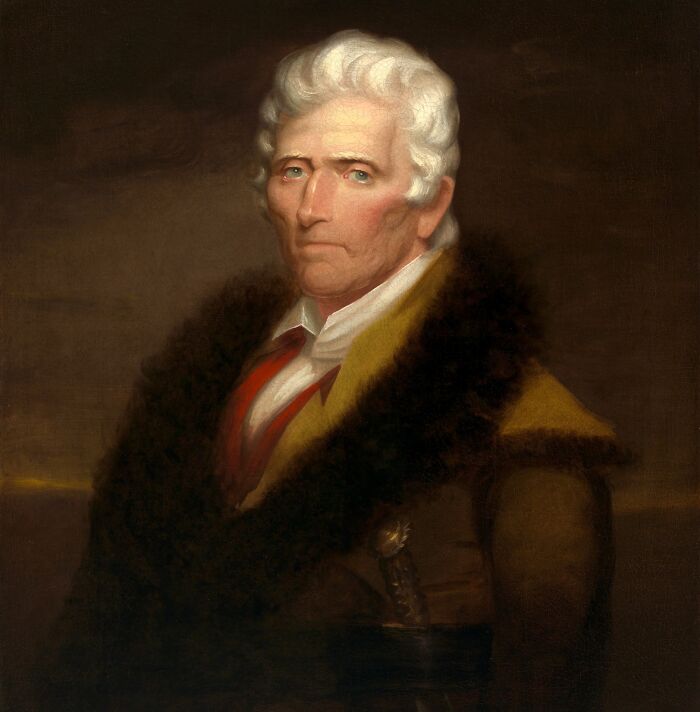
The legendary frontiersman Daniel Boone, whose name was once synonymous with the American wilderness, spent his final years in a state of financial ruin. After losing his vast Kentucky land claims to legal disputes and bad investments, he resettled in Missouri, living a quiet life as a hunter and trapper. He passed away in 1820, a celebrated but impoverished pioneer who had opened the West for others but was ultimately unable to secure a piece of it for himself.
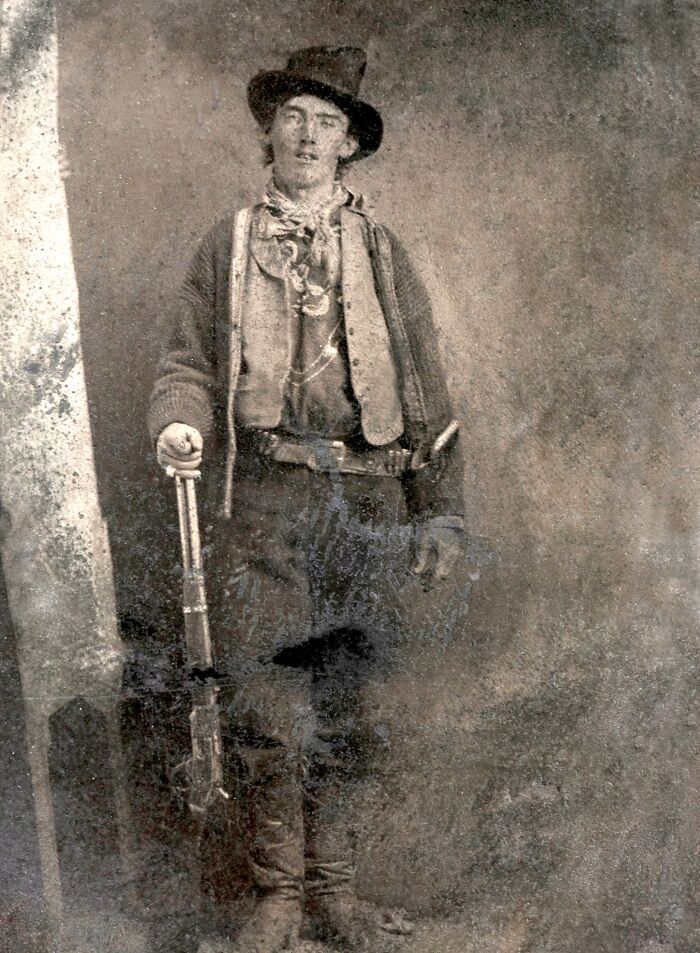
Outlaw and gunslinger Billy the Kid became a legendary figure of the American West, credited with k***ing over 20 men by the age of 21. After escaping from jail, where he was awaiting e*****ion for m**der, he was hunted down by Sheriff Pat Garrett. In July 1881, Garrett tracked him to a dark room in Fort Sumner, New Mexico. Surprised and unable to see his target clearly, Billy the Kid asked, “¿Quién es?” (“Who is it?”) before Garrett shot him d**d, ending his notorious career in an unceremonious and abrupt fashion.

Thanks to one of the early Simpsons halloween episodes, we all know his name is William Bonnie. Now play me some pianonee music!
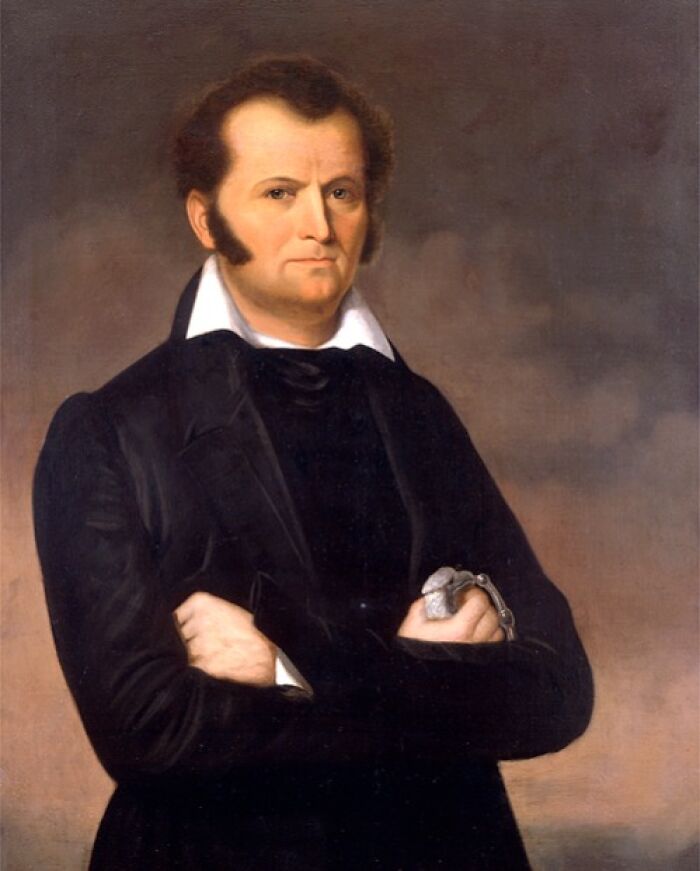
Confined to a sickbed with what was likely typhoid fever, frontiersman Jim Bowie was unable to stand and fight during the final a**ault on the Alamo. When Mexican soldiers finally breached the walls and stormed into the room where he lay, he reportedly fought back with his pistols and iconic knife. Despite his fierce resistance, the soldiers ultimately overwhelmed and bayoneted him to d**th, ending his legendary life not in a duel, but while he was incapacitated by illness.
Another one. Eff the Alamo they were fighting for slavery. I am glad my people, Mexicans got them.
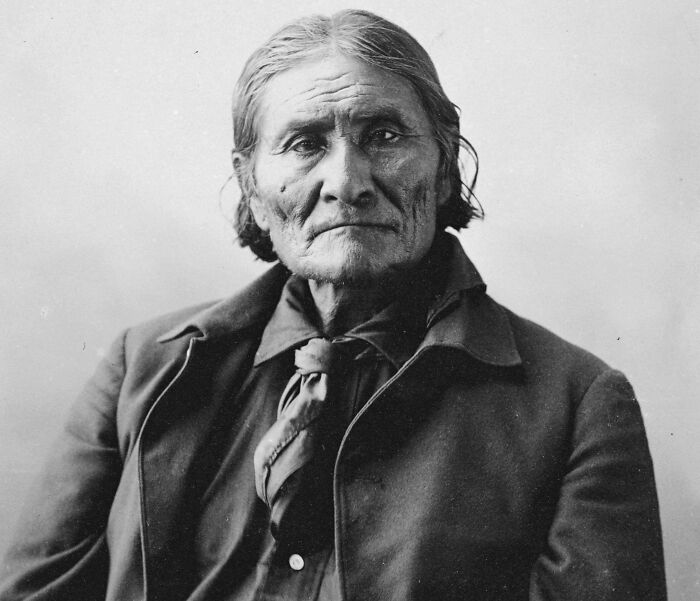
After decades of fighting fiercely to defend his people's land against both Mexican and U.S. forces, the legendary Apache warrior Geronimo finally surrendered in 1886. Instead of a warrior's d**th, he was condemned to a life of humiliation as a prisoner of war. He spent his final years being paraded around at fairs and exhibitions, forced to sell autographs and souvenirs to the very people who had destroyed his way of life. He died of pneumonia at Fort Sill, Oklahoma, a celebrated but ultimately defeated and captive icon of the American West.
As a stagecoach superintendent, Jack Slade was known as both a ruthlessly efficient manager and a dangerously violent drunk. After one legendary gunfight, he was said to have cut off his victim's ears and carried them in his pocket as souvenirs. His reputation for brutality and his uncontrollable, drunken rages eventually turned the community against him. In 1864, a vigilante committee in Virginia City, Montana, decided they'd had enough and unceremoniously hanged him, bringing a violent end to a man who had lived by violence.
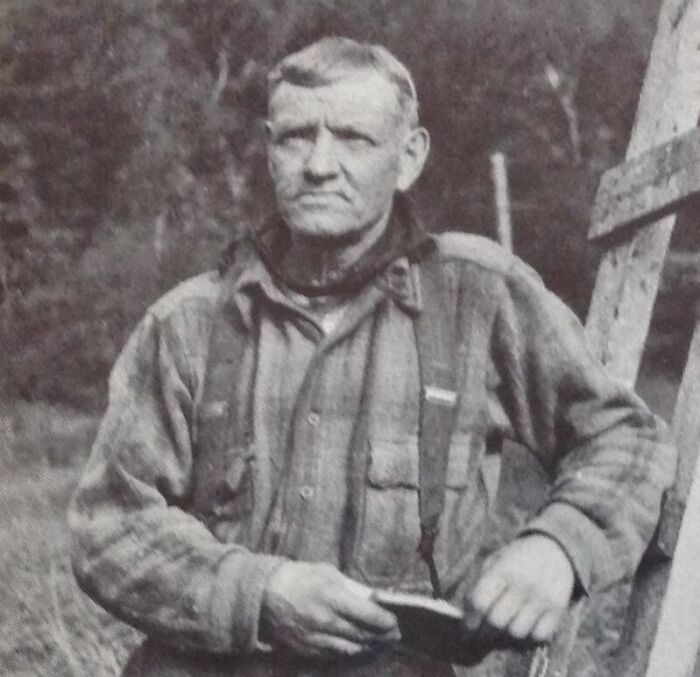
Famed for his legendary brawling and superhuman strength in New England logging camps, Jigger Johnson's later years were marked by a sad decline. After the old logging camps disappeared, he struggled to adapt to modern life and ended up a poor, lonely man in a nursing home. The once-feared woodsman spent his final days telling stories of his glory years to anyone who would listen. He passed away of cancer in 1935, a quiet and forgotten end for a man whose larger-than-life tales had once defined the rugged spirit of the North Woods.

Wiki says he "ended" due to a car crash. ¯\_(ツ)_/¯ He also worked as a trapper, a fire warden, and with the CCC (Civilian Conservation Corp).
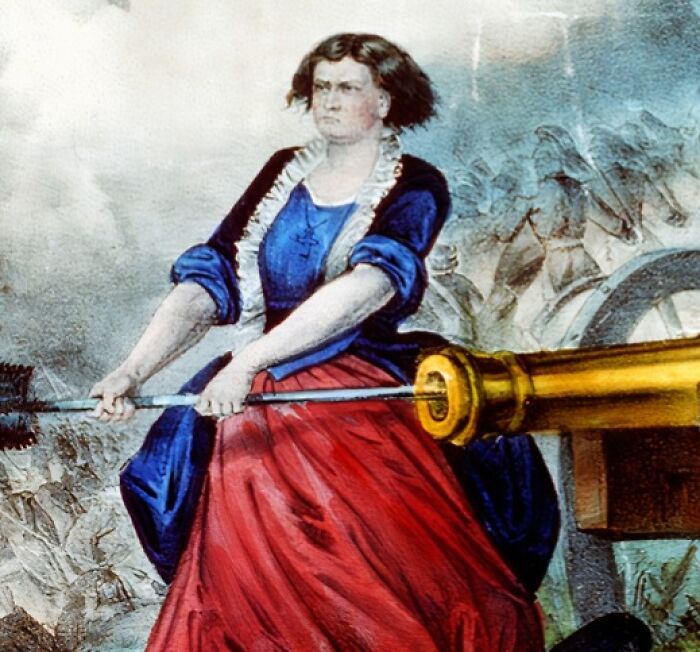
After bravely carrying water to soldiers and manning a cannon at the Battle of Monmouth, Molly Pitcher, whose real name was Mary Ludwig Hays, became a celebrated hero of the Revolutionary War. But her fame did not bring her fortune. She spent the rest of her long life working as a domestic servant and laundress, struggling with poverty and a difficult reputation for being coarse and ill-tempered. She passed in relative obscurity, a forgotten hero who received a small pension only in the final years of her life.
She was treated the same way, maybe a little better than, almost all the US’ Revolutionary war military members. Most received no pensions, none received payments for loans (except a couple of wealthy financiers), and some as my mega-great grandfather (Thomas Nelson) lost everything in loans and possessions and was reduced to poverty too. It is a long sad story of how the US treats those who fight.
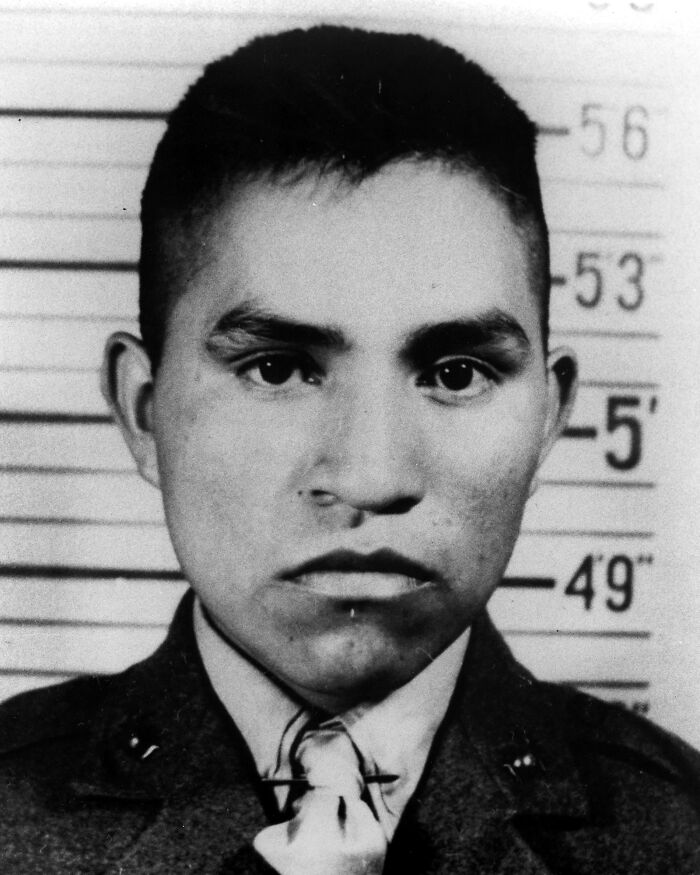
Ira Hayes, a Pima Native American, was hailed as a national hero after he was identified as one of the six Marines raising the flag on Iwo Jima in the iconic photograph. He was pulled from combat and sent on a war bond tour, where he was celebrated but felt immense guilt for surviving when so many of his friends had perished. Plagued by what is now known as PTSD and unable to escape his unwanted fame, he descended into alcoholism. Just ten years after the famous photograph was taken, he d**d of exposure and alcohol poisoning after a night of drinking, found face down in a ditch on his reservation.
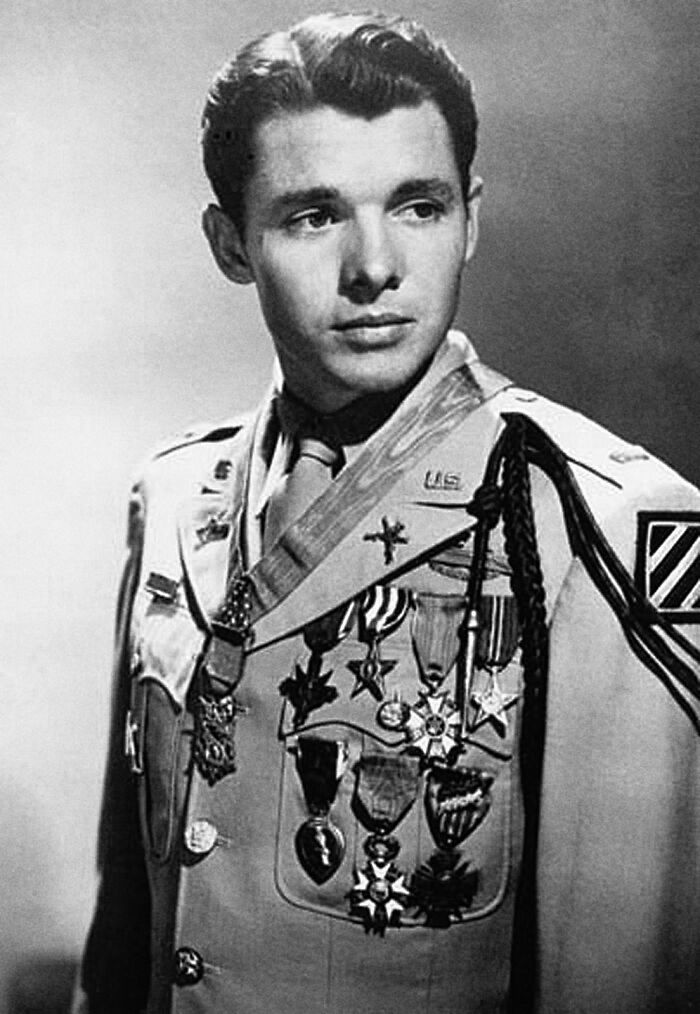
Despite being the most decorated American combat soldier of World War II, Audie Murphy's life after the war was a quiet battle against what is now known as PTSD. Plagued by insomnia and nightmares, he became dependent on sleeping pills and slept with a loaded pistol under his pillow. In 1971, the celebrated war hero and movie star d**d not in combat, but as a passenger in a private plane that crashed into a Virginia mountain during foggy weather, cutting his troubled life short just before his 46th birthday.
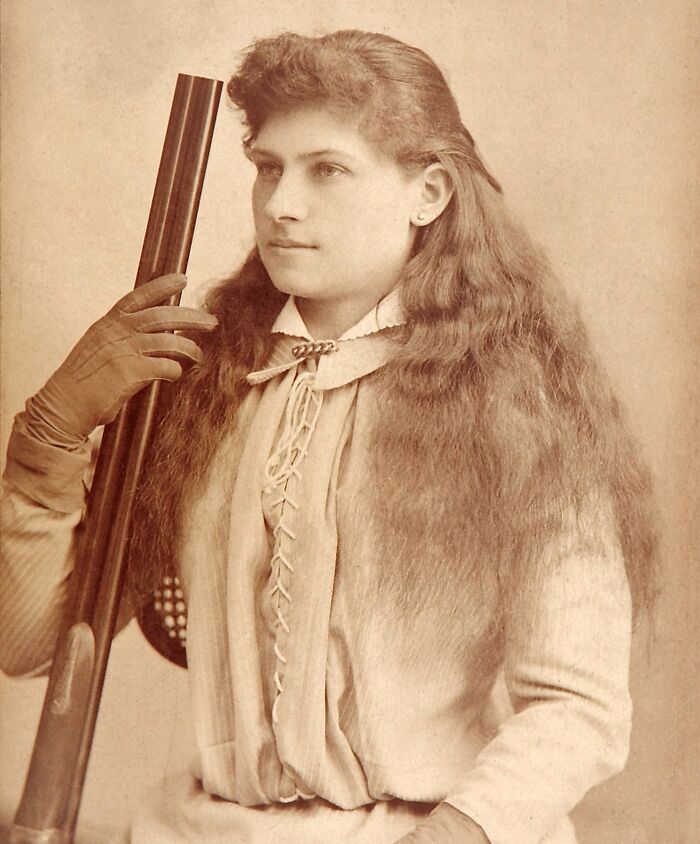
Known for her incredible marksmanship, Annie Oakley was a celebrated star who toured the world with Buffalo Bill's Wild West show. However, her life took a dark turn in 1901 when she was severely injured in a train crash, which required five spinal operations and left her with a permanent limp. Though she recovered enough to perform again, the accident marked the end of her spectacular career. She spent her final years in quiet retirement, a shadow of the vibrant, world-famous sharpshooter she had once been.
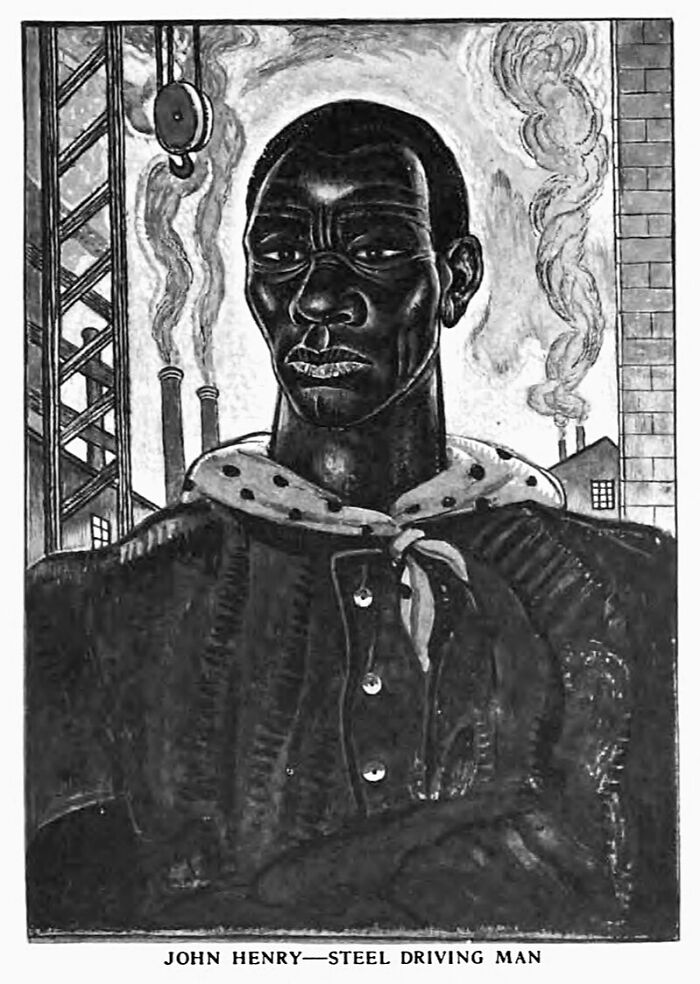
The legend of John Henry celebrates the "steel-driving man" who beat a steam-powered drill in a race, proving human strength could triumph over the machine. But the disturbing reality of the tale is that his victory was his d**th sentence. Immediately after winning the contest, he collapsed and passed from the immense physical strain, likely from a brain aneurysm or heart failure. His story isn't just one of triumph, but a grim testament to the brutal, often fatal, labor that was demanded of the men who built America's railroads.
Nope. The person was likely real (a young thief, sentenced in Virginia in 1966, later employed through prison labor at C&O rail in the 1860s where he worked on the Lewis Tunnel and became notorious for his strength. There are records for all of this), but the race with the machine is legendary fiction. There is no "reality" in his "victory", nor "triumph" simply because the contest *never happened*. According to historical record, John Henry died years later in 1873, likely of silicosis, an accumulation of rock powder in the lungs that was common for diggers and miners.
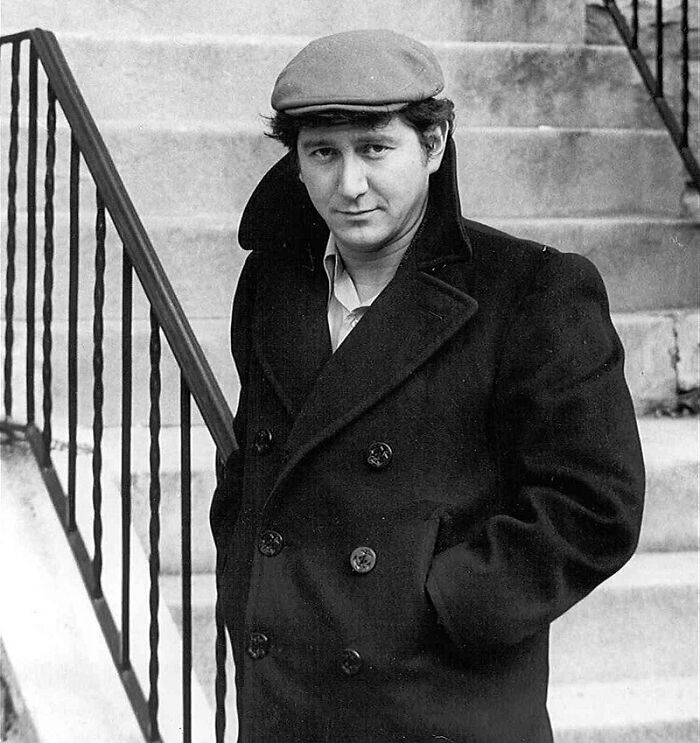
A leading voice of the 1960s protest movement, folk singer Phil Ochs wrote fiercely political songs that defined an era. But as the decade's optimism faded, Ochs descended into a severe and public battle with bipolar disorder, alcoholism, and depression. His once-prolific songwriting ground to a halt as his mental health deteriorated. In 1976, at the age of 35, the man who had passionately sung about fighting for a better world tragically hanged himself, ending his own life in despair.
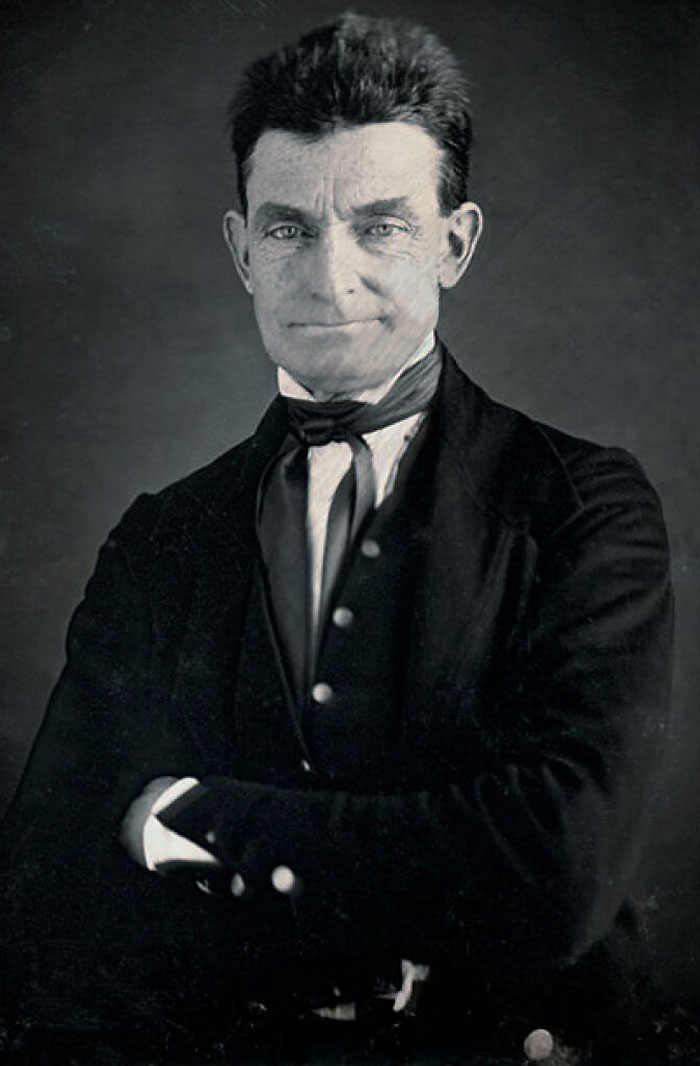
Abolitionist John Brown's c*****e against s***ery culminated in a failed raid on the federal armory at Harpers Ferry in 1859. His plan to arm ens***ed people and spark a massive rebellion was quickly crushed by U.S. Marines. Captured and convicted of treason, m**der, and inciting an insurrection, Brown was hanged in December of that year. His stoic demeanor during his trial and e*******n transformed him from a radical extremist into a martyr for the abolitionist cause, and his d**th helped push the nation closer to civil war.
After being betrayed by a member of his own g**g, outlaw Sam Bass was ambushed by Texas Rangers during a planned robbery in Round Rock. He managed to escape the s***tout but was mortally wounded. The next day, a posse found him lying helpless in a pasture after he called out to them, saying, "I'm Sam Bass, the one you are looking for." He was taken into custody and died the following day, on his 27th birthday.
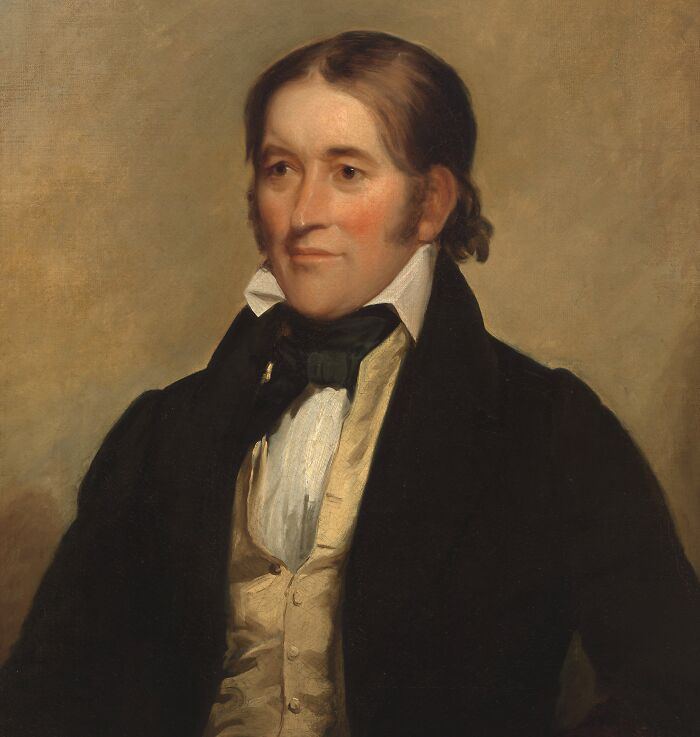
Davy Crockett, the legendary frontiersman and former congressman, met his end at the famous Battle of the Alamo in 1836. After bravely defending the fort for 13 days, he and the other Texan defenders were overwhelmed by a massive a**ault from the Mexican army. While early accounts mythologized him as fighting to the last man, most historians now believe Crockett was among a handful of survivors who were captured. He was then quickly e****ted on the orders of Mexican General Santa Anna, a grim and unceremonious end for one of America's most celebrated folk heroes.
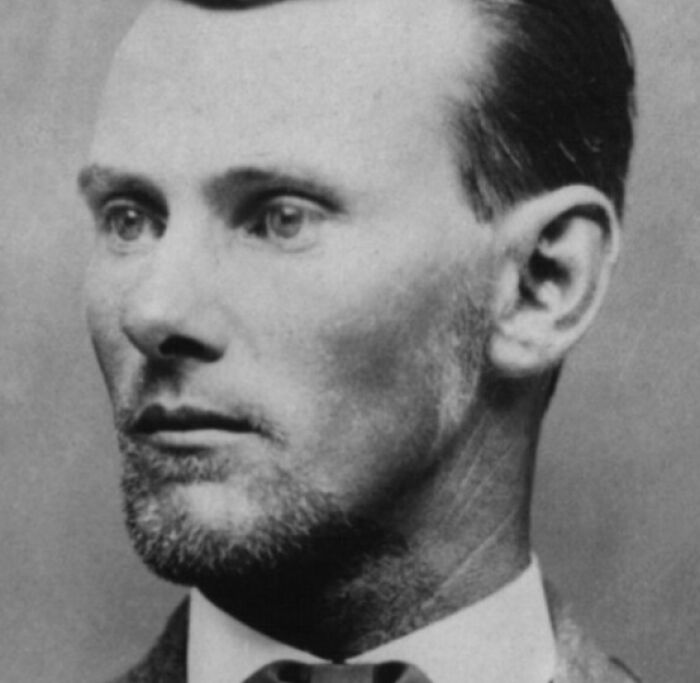
After years of evading the law, notorious outlaw Jesse James tried to settle down into a quiet life under an alias. On April 3, 1882, while standing on a chair in his Missouri home to straighten a dusty picture, he was s**t in the back of the head by Robert Ford. Ford, a new and supposedly trusted member of James's own g**g, had secretly made a deal with the governor to k**l the famous outlaw in exchange for a pardon and a reward. This act of betrayal ended the life of one of America's most infamous criminals.

And not before time. This is no "hero" by any stretch. Neither was William Bonney for that matter.
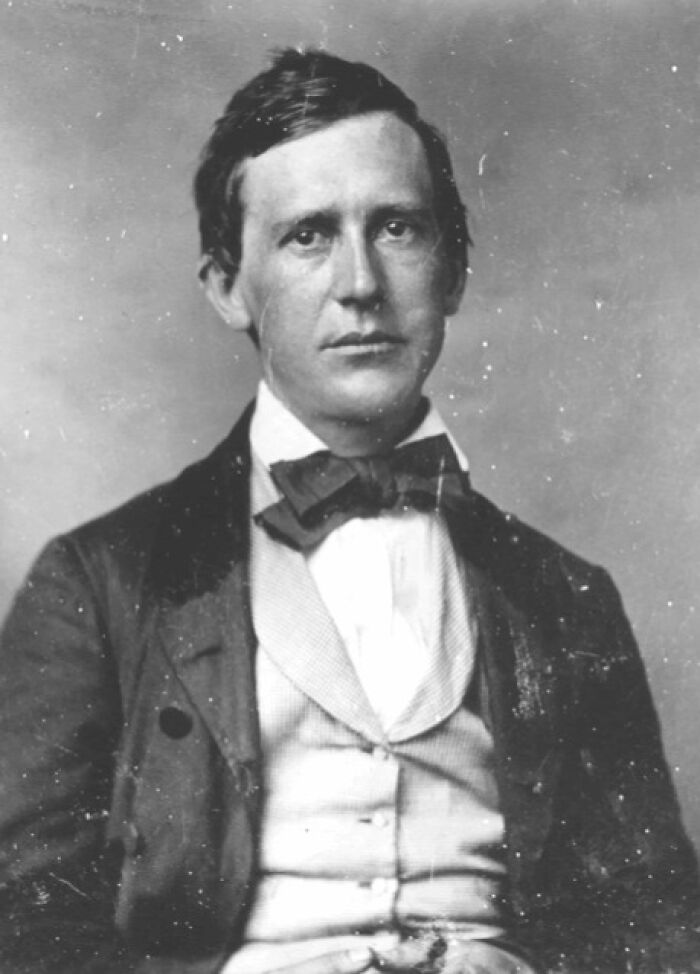
Despite composing some of America's most beloved songs, songwriter Stephen Foster spent his life plagued by poverty and alcoholism. In January 1864, he was found in his Bowery hotel room in New York City, suffering from a severe head wound and a high fever. He d**d in a charity ward just three days later with only 38 cents in his pocket and a small scrap of paper that read, "Dear friends and gentle hearts." His lonely and impoverished d**th was a tragic final note for the man often called the "father of American music."
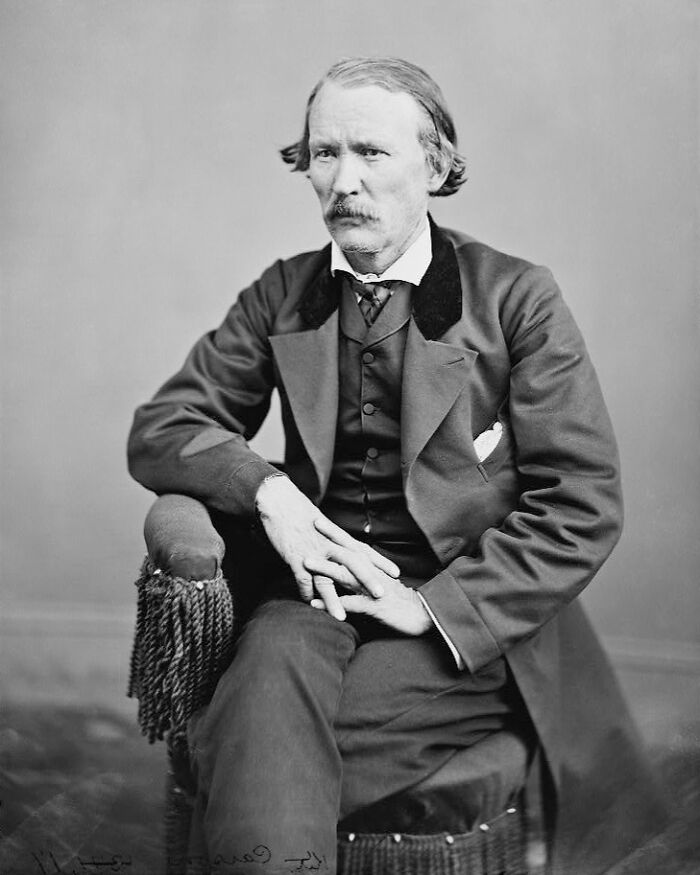
Famed frontiersman Kit Carson survived countless dangers as a trapper, guide, and soldier, but his end came from a medical complication. In his later years, he suffered from an aortic aneurysm, a condition worsened by a fall from his horse. In May 1868, at the age of 58, the aneurysm ruptured while he was eating breakfast. He d**d moments later, choking on his own blood—a sudden and agonizing end for a man who had become a legend of the American West.
From Wikipedia-According to Carson's son, Charles, "he just seemed to pine away after Mother died". The combination of a long and exhausting journey with the passing of his wife had a devastating effect on Carson. He died a month later, age 58, on May 23, 1868, in the presence of Dr. Tilton and his friend Thomas Boggs in the surgeon's quarters at Fort Lyon, Colorado. His last words were "Goodbye, friends. Adiós, compadres." The cause of his death was abdominal aortic aneurysm. His resting place is Taos, New Mexico.[124]
Tom Horn, who had once helped capture Geronimo, ended his life on the gallows for a crime he may not have committed. He was convicted of m**dering a 14-year-old boy in a controversial trial based on a drunken, coerced confession. On November 20, 1903, he was e***uted on a water-powered gallows of his own design. His calm and stoic demeanor as he faced his own d**th cemented his legend, but his e***ution remains a dark and disputed chapter in the final days of the Wild West.
From his own design? From Wikipedia-Tom Horn was one of the few people in the "Wild West" to have been hanged by a water-powered gallows, known as the "Julian" gallows. #James P. Julian, a Cheyenne, Wyoming, architect, designed the contraption in 1892#. Who is writing these?.
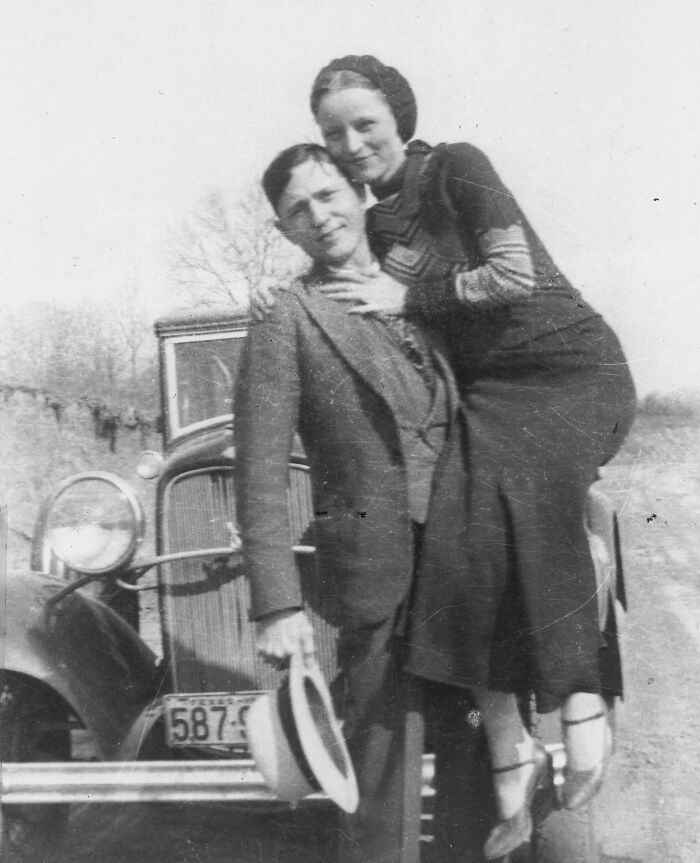
The infamous outlaw couple Bonnie Parker and Clyde Barrow met a notoriously violent end after a two--year crime spree. In May 1934, a posse of lawmen ambushed them on a rural road in Louisiana, riddling their Ford V-8 with over 130 armor-piercing bullets. The hail of gunfire was so intense that the officers continued s***ting long after both outlaws were d**d, leaving them with dozens of wounds each. Their gruesome de**hs marked a brutal and definitive end to their romanticized life of crime.
I never understand why some people feel the need to embellish stories like this. The truth of it is bad enough, but the "armor-piercing bullets" is just pure invention. All else apart, it was only really in WW2 that military armoured vehicles were developed that gave rise to the need for ammunition to penetrate said armour. The guns used in th ambush were standard automatic rifles, shotguns and pistols, using standard ammunition for the time.
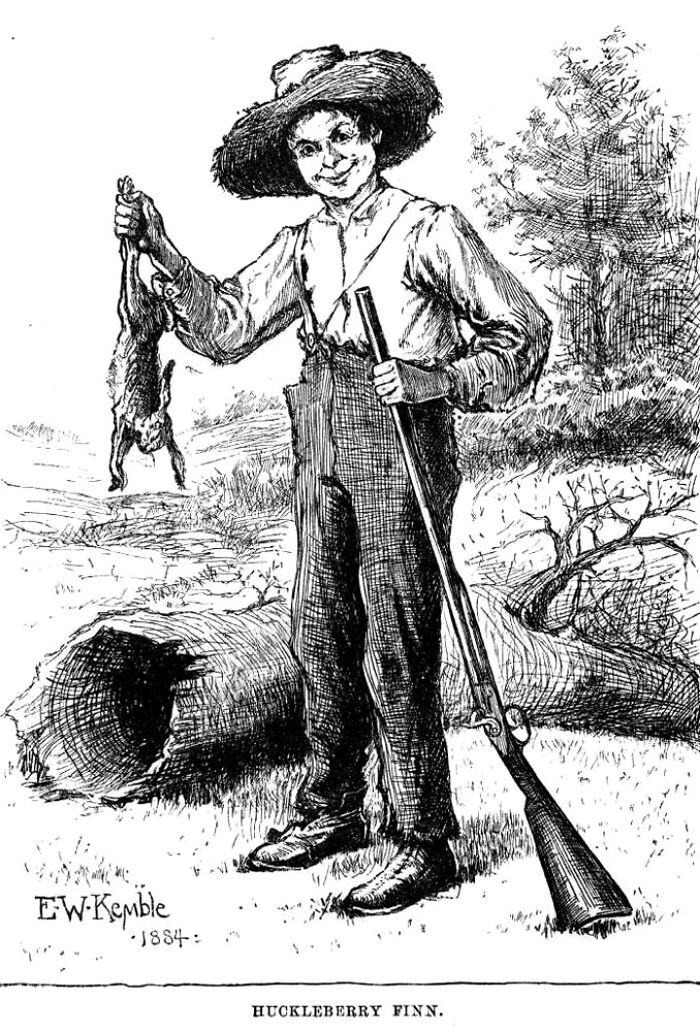
While Mark Twain's novel ends with Huckleberry Finn planning to escape "sivilization" by heading out for the Territory, the true, disturbing end to his story lies in its historical context. In reality, the West he dreamed of was rapidly disappearing, soon to be crisscrossed by railroads, telegraph lines, and the very same violent, hypocritical society he was fleeing. His planned escape is ultimately a fantasy; there would have been no place left for a boy like Huck to "light out" to, leaving him forever trapped by the advancing civilization he so desperately wanted to leave behind.
Born and raised Texan, we have a lot of pride in the Alamo. In retrospect, Mexico was probably the ‘good guy’ as Texans were fighting to maintain slavery after it was abolished in Mexican territories. Not exactly a heroic story.
Mexico was the victim of land stealing, slave owning, criminals.
Load More Replies...
A good compendium of information, made nearly illegible with the continued and increasing idiocy of ridiculous censorism.

So many "folk heroes" who were killers, drunks and outlaws. Why are they so revered? It's not like they were Robin Hood and stole from the rich to give to the poor, they stole from the rich and kept it (and killed their victims). Not something to celebrate at all.
Born and raised Texan, we have a lot of pride in the Alamo. In retrospect, Mexico was probably the ‘good guy’ as Texans were fighting to maintain slavery after it was abolished in Mexican territories. Not exactly a heroic story.
Mexico was the victim of land stealing, slave owning, criminals.
Load More Replies... A good compendium of information, made nearly illegible with the continued and increasing idiocy of ridiculous censorism.
So many "folk heroes" who were killers, drunks and outlaws. Why are they so revered? It's not like they were Robin Hood and stole from the rich to give to the poor, they stole from the rich and kept it (and killed their victims). Not something to celebrate at all.
















 No fees, cancel anytime