Get Premium
Dark mode theme is available exclusively for premium users. Learn more about the benefits of subscribing.
No fees, cancel anytime.

 Dark Mode Ad-Free Browsing Unlimited Content
 Ad-Free Browsing Unlimited Content Dark Mode
Join 1.2 million Panda readers who get the best art, memes, and fun stories every week!
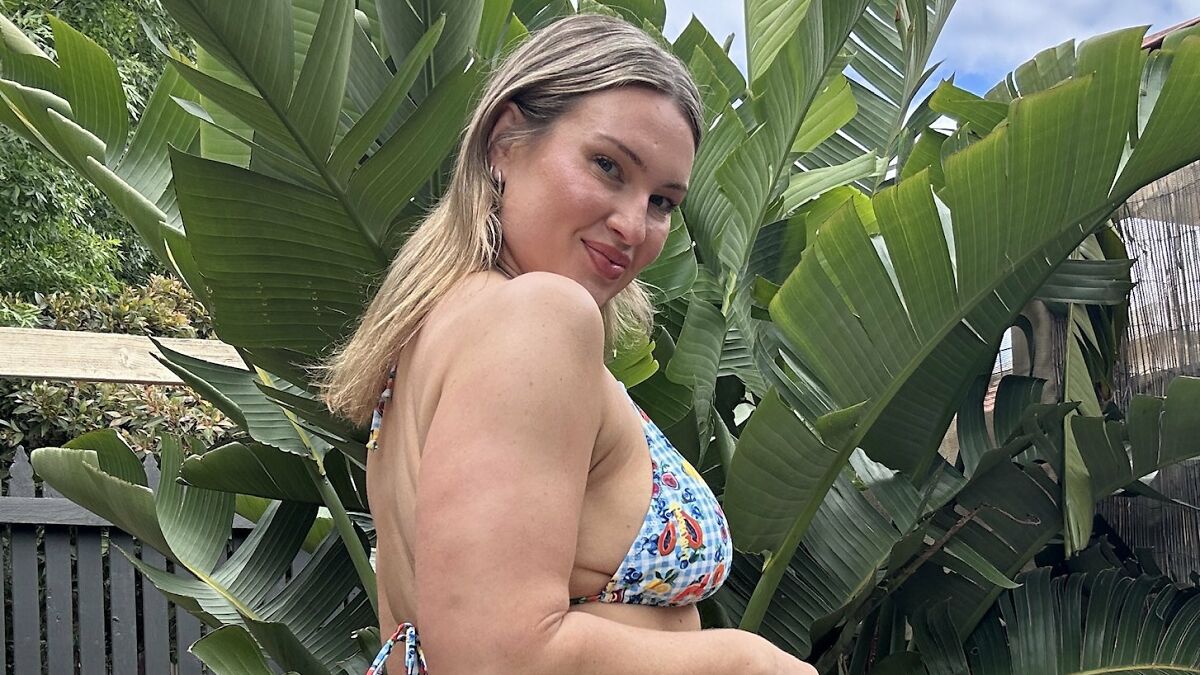
A single sentence is all it takes to set a wave of outrage online, even if it’s meant to embrace real bodies in all their forms.
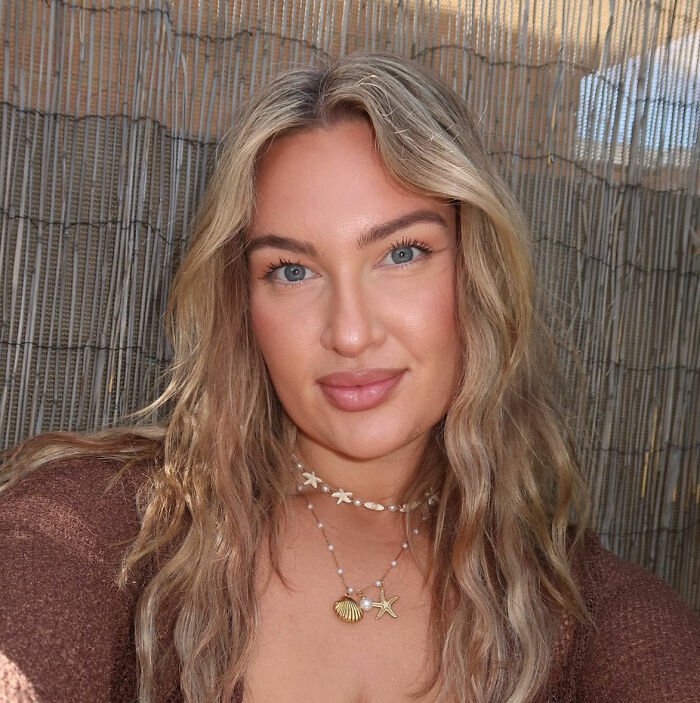
When self-described “curve model” Mikaela Reidy shared photos of herself to celebrate “real bodies,” the internet jumped to call her “lazy” and “grossly obese.”
The intensity of the backlash raises a bigger question: why does something as simple as body acceptance provoke such strong and, sometimes, hostile reactions? Experts have shared their thoughts on the subject.
Image credits: _____mkay
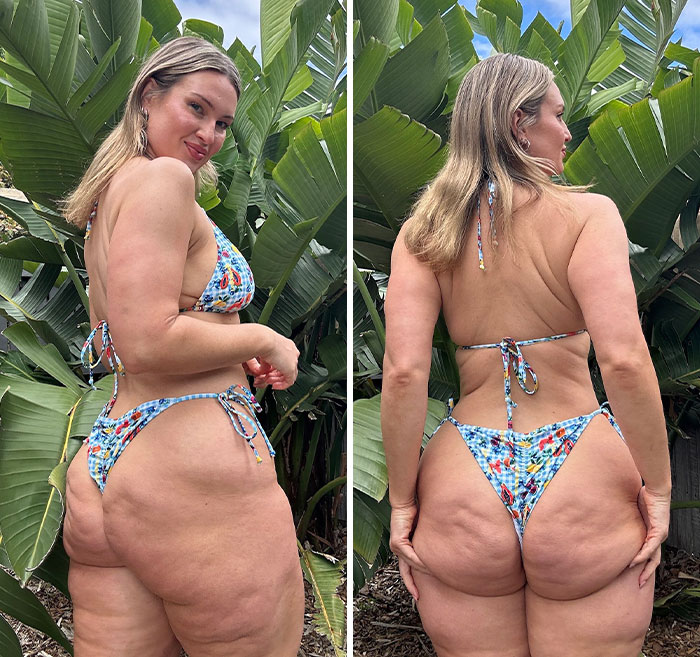
In recent weeks, Mikaela shared a tweet with pictures of herself wearing a bikini.
“Your reminder that real bodies look like this,” the Melbourne-based model said alongside the four pictures of herself.
Her post racked up 5.4 million views and thousands of comments from strangers who found it normal to make remarks about the body of someone they don’t even know.
“This is what fat, lazy, and gluttony looks like,” one said, while another wrote, “The bodies of lazy gluttons maybe. Modernity was a mistake.”
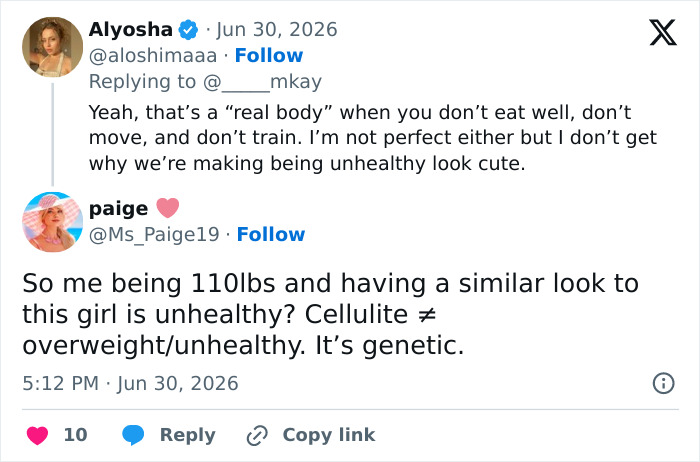
“Yeah, that’s a ‘real body’ when you don’t eat well, don’t move, and don’t train. I’m not perfect either but I don’t get why we’re making being unhealthy look cute,” wrote another.
“Grossly obese? That’s a choice,” another said. “No one looked like that when I was growing up except the single obligatory fat kid in grade school.”
Image credits: _____mkay
In the wake of the backlash, Mikaela shared another tweet with pictures of herself in a bathing suit. “Wow people getting so worked up over a woman’s natural body just existing,” the Australian model said.
The content creator is known for her body-positive content, and she “ultimately uses her platforms to show that you can wear whatever you want, whenever you want, with any body type and look absolutely incredible!” according to her bio on ICON.
Body positivity is a social movement that promotes accepting and respecting bodies of all shapes, sizes, appearances, abilities, genders, and skin tones. But it is more than just aesthetics; it emerged in response to narrow and often unrealistic beauty standards.
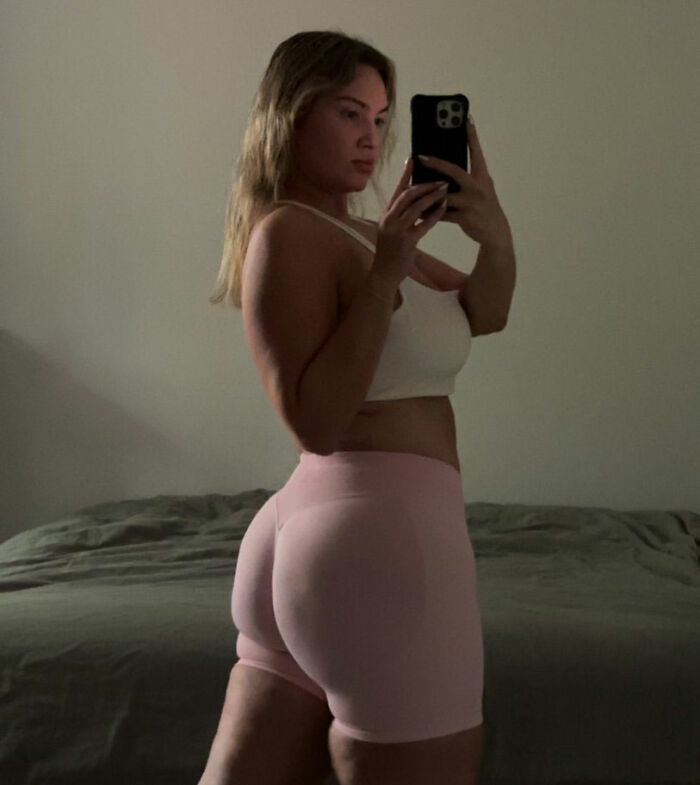
Image credits: Ms_Paige19
“Originating from early feminist activists, the body positivity movement is a reaction to unrealistic beauty ideals that lead many people to experience body dissatisfaction and appearance-related self-criticism,” Dr. Cortney S. Warren, PhD, ABPP, Board Certified Clinical Psychologist and author of the book Letting Go of Your Ex (2023), told Bored Panda.
“Its original intent was to promote body acceptance to prevent the negative psychological consequences of negative body image, which include eating disorders, depression, anxiety, substance use, and general mental health concerns,” she said.
Yet, instead of universal support, the movement often meets resistance. It would seem logical that most people would support body positivity, especially since so many people in Western cultures are “dissatisfied with their looks and weight,” Warren said. But “the truth is that many people are often reactive to body positivity content, even suggesting that if a person is deemed ‘overweight’ or ‘unattractive’ they should personally feel badly about it,” she continued.
Image credits: _____mkay
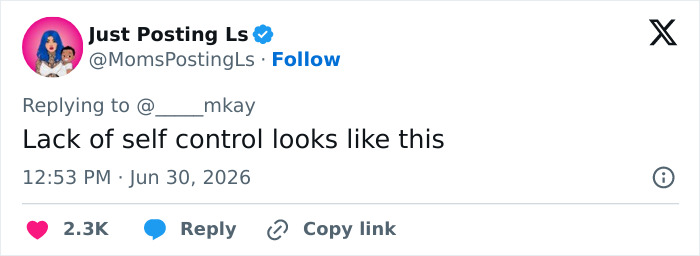
Image credits: MomsPostingLs
“One reason that people are reactive to people in larger bodies representing the beauty ideal—even professional models—is that they have internalized anti-fat attitudes,” Warren said.
“When we live in a culture with such negative views of people in larger bodies and make weight/appearance a moral issue—one in which someone is lacking in character, will-power, and overall value as a human being—it’s easy to learn and believe that they are true.”
Dr. Rebecca L. Pearl, who directs the Body Image and Stigma (BIAS) lab at the University of Florida, said nowadays, we are constantly exposed to “societal messages that having a larger body is a sign of weak character and is unattractive and undesirable.”
“As a result, it’s not surprising that these kinds of stigmatizing beliefs become deeply ingrained for many people,” she told Bored Panda. “Body positive content challenges those beliefs, which may lead to strong reactions.”
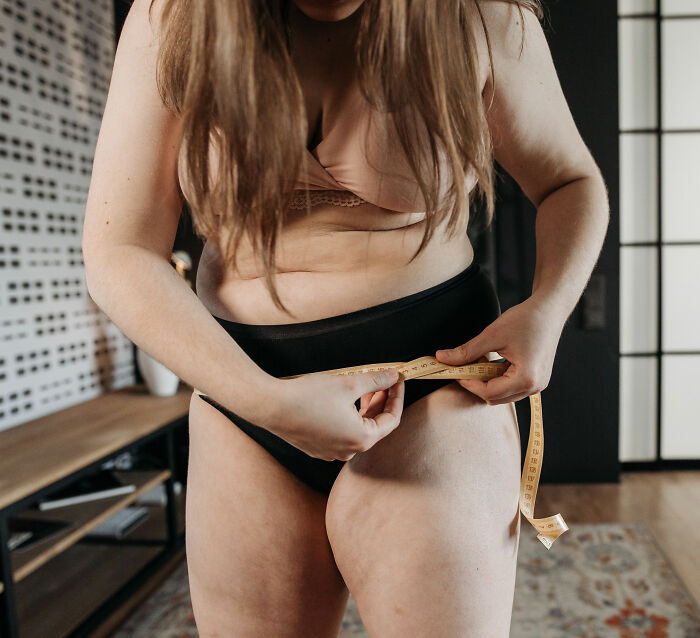
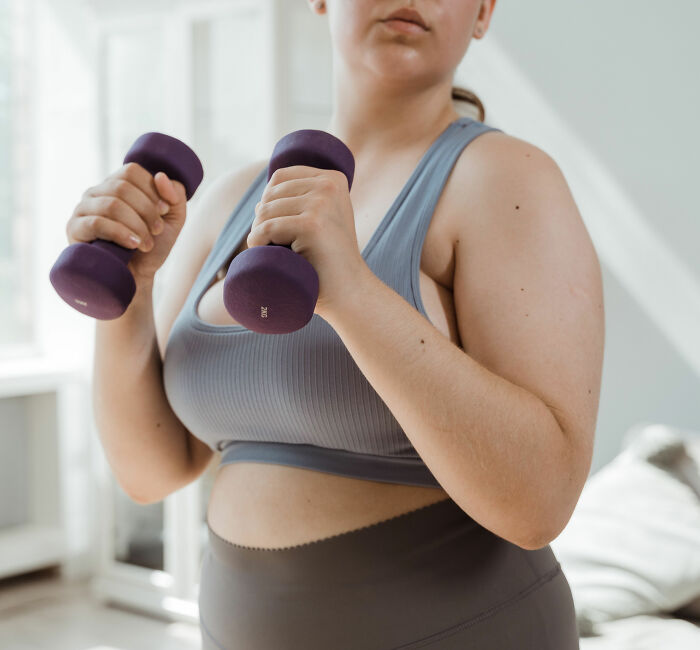
Image credits: Pavel Danilyuk/Pexels (not an actual photo)
While scrolling through the comments section of almost any viral body-positivity post, one would notice a pattern in the language, with words like “lazy” or “lack of self-control” often appearing.
“There is a widespread misconception that weight is entirely within an individual’s control,” Pearl said. “As a result, people think that having a larger body is a choice, and that people could lose weight if they wanted to ‘put in the effort’ of eating healthy foods and exercising.”
Pearl, who conducts research on health and appearance-based stigma, said people often make derogatory comments in a “misinformed effort to ‘motivate’ them to lose weight.” But it is well established that a person’s body weight is influenced by a combination of complex factors. These include genetic, biological, social, psychological, and environmental factors, Pearl said.
@healthyishanna A reminder you might need today 🤍 #fyp#bodypositivity#gymtok#gymmotivation#gymgirl#oneractive#oneractivefamilia♬ ceilings – Sped Up Version – Lizzy McAlpine
“We also know from decades of research that stigma and shame do not motivate people to lose weight and improve their health – they have the opposite effect of increasing risk for poor mental and physical health outcomes,” she added.
People also believe weight and appearance are “controllable” because in the US, residents are used to a highly individualistic culture with a strong emphasis on personal independence, individual choices, and self-reliance. This “places great value on personal responsibility,” Warren said.
“People also tend to believe that weight and appearance are ‘controllable’—that we are largest able to modify or change our looks through self-determination and effort,” she continued.
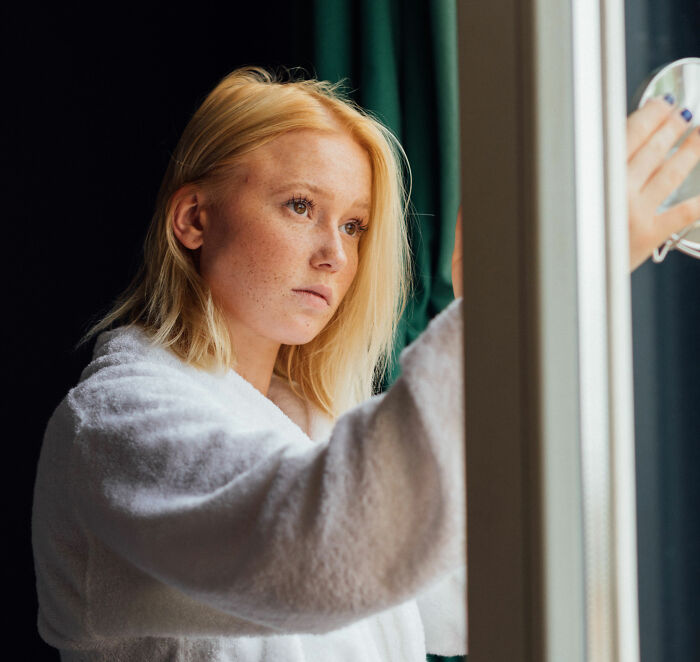
Image credits: mart-production/Pexels (not an actual photo)
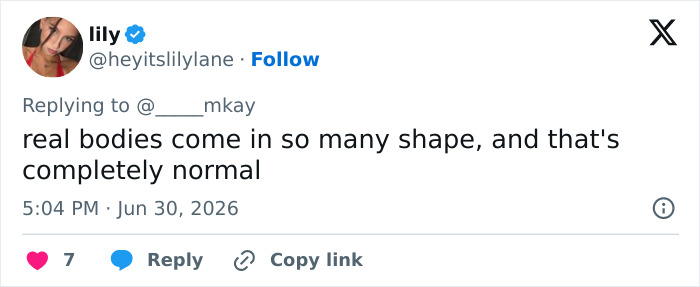
Image credits: heyitslilylane
“Taken together, when someone is overweight or obese, our cultural value system concludes that it is a moral failure of the individual to take responsibility for their health and looks.”
Moreover, Warren noted that people feel uninhibited about saying things online as they hide behind their screens.
“In general, I think the internet allows people to have distance and detachment from personal accountability for what they say. For example, it’s harder to tell a stranger to their face that they believe they are ‘lazy’ or ‘gross’ than to post an aggressive comment in an unknown platform online,” she said.
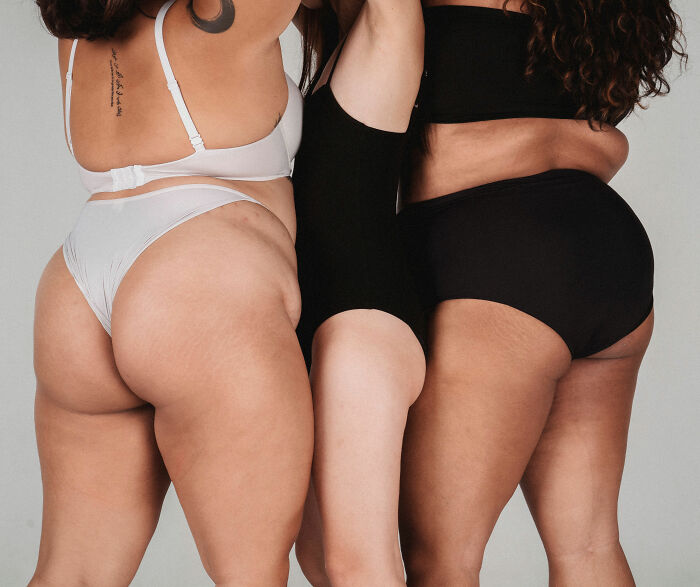
Image credits: KoolShooters/Pexels (not an actual photo)
When asked whether someone in a larger body can still be metabolically healthy, Pearl answered: “Yes.”
She noted that one’s size and body weight are not good metrics to evaluate their health.
“You cannot tell what someone’s health status is just by looking at them (someone in a larger body can be metabolically healthy, just as someone in a smaller body can be metabolically unhealthy),” she said. “No one should make assumptions about another person’s health based on weight or appearance.”
Image credits: Roberto Hund/Pexels (not an actual photo)
In Warren’s opinion, the topic of whether larger bodies can still be metabolically healthy is “highly debated.”
“Some professionals argue that people can be physically healthy at any weight. For example, the Health at Any Size Movement aims to promote health by targeting weight-bias in healthcare, promote body acceptance and autonomy, and focus on aspects of health other than weight status.
“Conversely, many medical communities highlight the well-established health risks of being overweight and obese. For example, obese individuals are at higher risk for a host of medical issues, including Type 2 Diabetes, high blood pressure, and heart disease,” she continued.
On one side, there is a growing push for body acceptance and inclusivity. On the other, there is a long-standing belief system that ties appearance to discipline, worth, and health.
So maybe the way forward isn’t about choosing one side over the other, but shifting the tone of the conversation altogether.
“As an eating dis**der expert, what I would say is that weight is one (of many) metrics of health. Living in a body that is significantly underweight or overweight is associated with many medical health risks,” Warren said. “That said, living in a culture that moralizes weight, idealizes unrealistic appearance standards, places paramount importance on physical looks, and makes judgmental conclusions about people based on outward appearance is not helpful for anyone.”
She also noted that it is a “lifelong journey” to create a healthy relationship with food, physical appearance, and body.
“It’s an incredibly important relationship that begins internally but also interacts with the outside world constantly because people respond to the way we look, eat, and portray ourselves,” she said. “What I believe to be most important is respectful and empathic—to ourselves and others—as they navigate that journey over the course of life.”
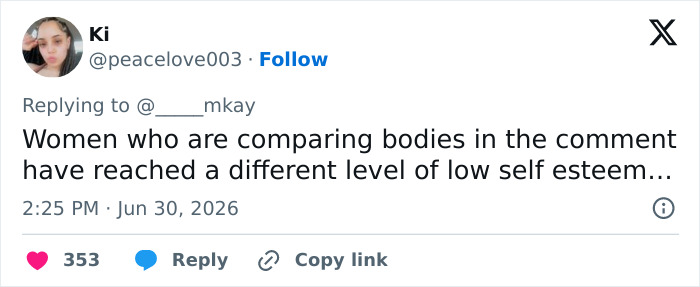
Image credits: peacelove003
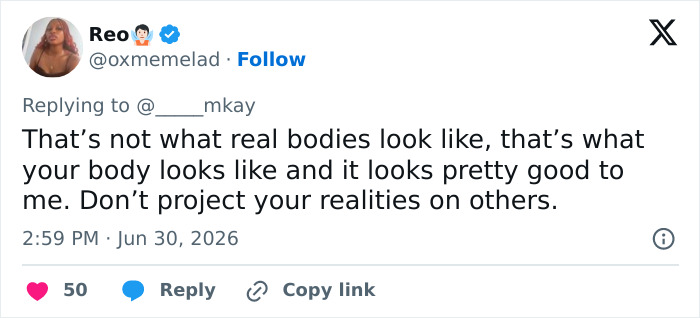
Image credits: oxmemelad
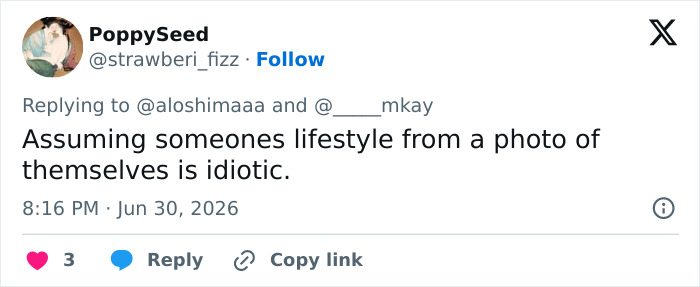
Image credits: strawberi_fizz
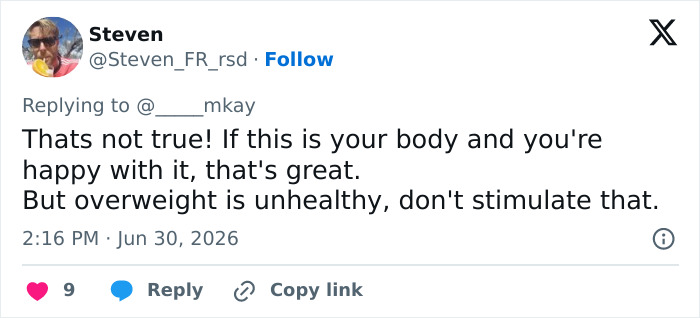
Image credits: Steven_FR_rsd
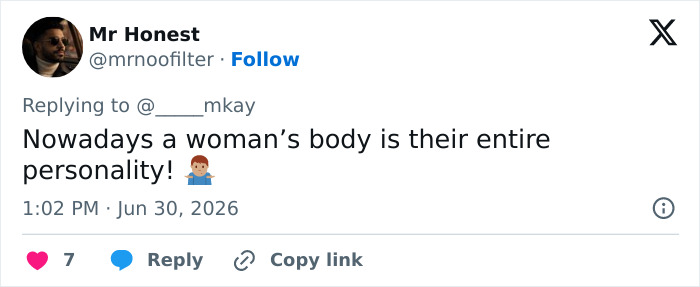
Image credits: mrnoofilter
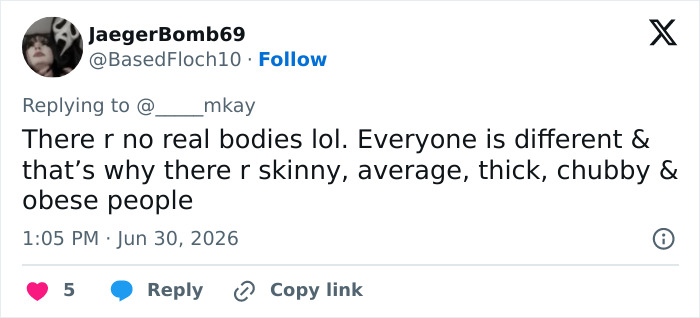
Image credits: BasedFloch10
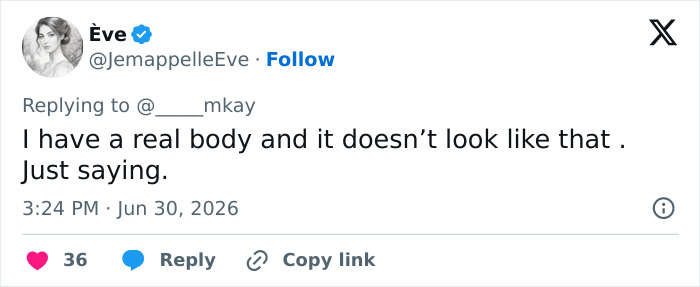
Image credits: JemappelleEve
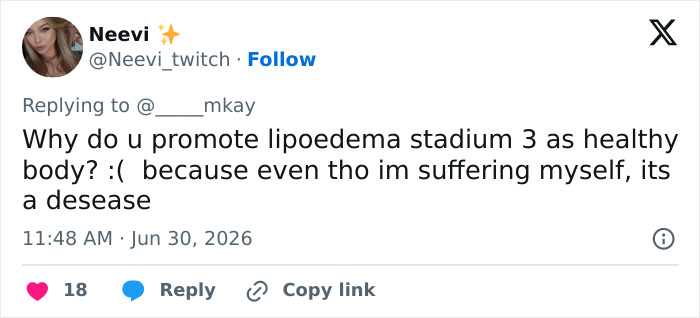
Image credits: Neevi_twitch

By entering your email and clicking Subscribe, you're agreeing to let us send you customized marketing messages about us and our advertising partners. You are also agreeing to our Privacy Policy.
Thank you! You've successfully subscribed to newsletters!



Yes, she is considered "plus size", so are most adult women in the world! Those calling her "morbidly obese" have a warped and distorted view of what obesity is.
I want to get my two cents in before anyone gets a chance to bleat “but fat is unhealthy.” Yes, we know that being overweight increases the risk of a lot of unhealthy conditions. We also know that overweight and obesity are caused by multiple factors, and that losing weight is difficult, almost impossible for some. Losing weight requires lifestyle changes and can take a very long time. The body positivity movement promotes acceptance of those of us who are less than magazine-approved. This positive attitude is essential to overcoming fatness. It’s long past time for people to stop criticizing others' appearance. Criticism makes the problem worse.

I like what you say. I am overweight. Technically morbidly obese at 200 at 5'7". I am trying to be positive about it. Not to self hate. Because I want to lose the weight. And if I am depressed, I won't have the motivation. I don't want to hate myself as I am but I don't accept this weight either. I want to like myself enough to give myself the gift of less weight.
Load More Replies... Yes, she is considered "plus size", so are most adult women in the world! Those calling her "morbidly obese" have a warped and distorted view of what obesity is.
I want to get my two cents in before anyone gets a chance to bleat “but fat is unhealthy.” Yes, we know that being overweight increases the risk of a lot of unhealthy conditions. We also know that overweight and obesity are caused by multiple factors, and that losing weight is difficult, almost impossible for some. Losing weight requires lifestyle changes and can take a very long time. The body positivity movement promotes acceptance of those of us who are less than magazine-approved. This positive attitude is essential to overcoming fatness. It’s long past time for people to stop criticizing others' appearance. Criticism makes the problem worse.
I like what you say. I am overweight. Technically morbidly obese at 200 at 5'7". I am trying to be positive about it. Not to self hate. Because I want to lose the weight. And if I am depressed, I won't have the motivation. I don't want to hate myself as I am but I don't accept this weight either. I want to like myself enough to give myself the gift of less weight.
Load More Replies...






 No fees, cancel anytime




16
29