Get Premium
Dark mode theme is available exclusively for premium users. Learn more about the benefits of subscribing.
No fees, cancel anytime.

 Dark Mode Ad-Free Browsing Unlimited Content
 Ad-Free Browsing Unlimited Content Dark Mode
Join 1.2 million Panda readers who get the best art, memes, and fun stories every week!
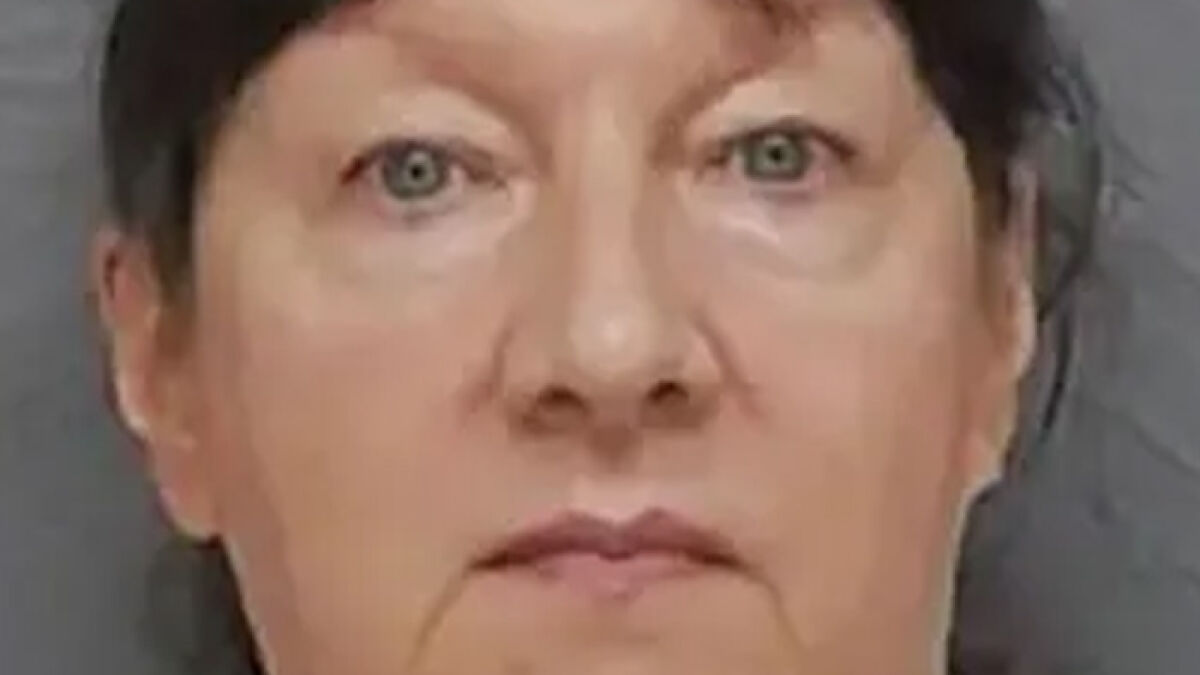
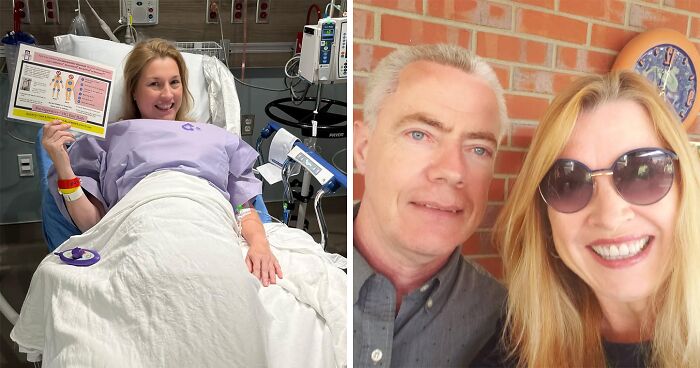
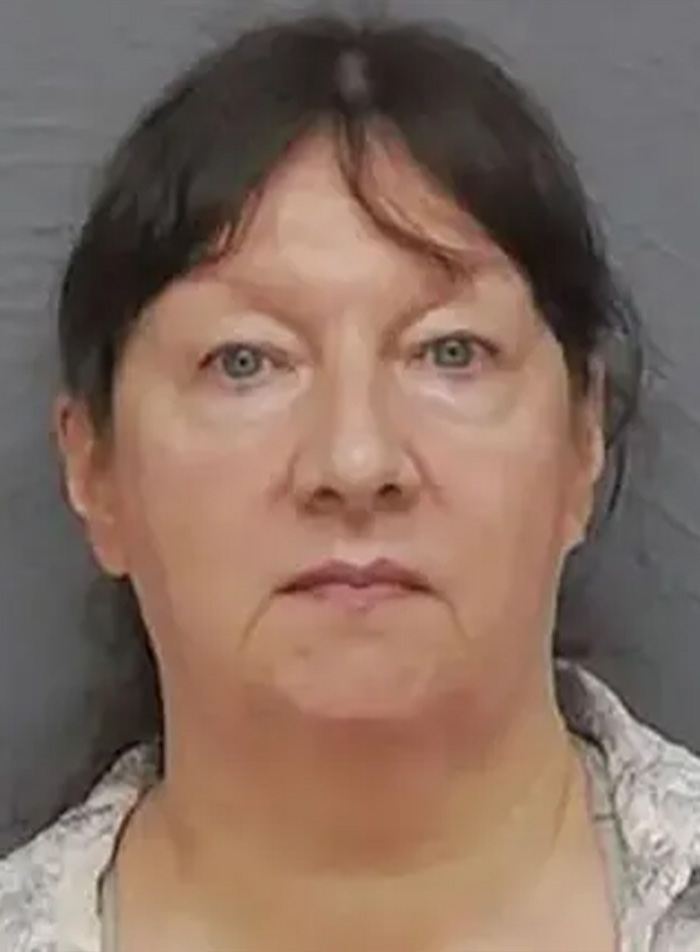
Nancy Gerwatowski, a 58-year-old Michigan woman, was arrested in July 2022 over a crime dating back 25 years after investigators followed a DNA trail linked to an ancestry test taken by her estranged granddaughter, Jenna Rose.
She was charged with open homicide, involuntary manslaughter and concealing an individual’s demise.
The case has now resurfaced in light of fresh scrutiny surrounding the practice of using DNA for criminal prosecution, as a former Colorado analyst is due to be sentenced to up to 16 years in September.
For Jenna Gerwatowski, the DNA test was never supposed to have anything to do with a crime. She ordered it merely after a friend’s experience sparked her curiosity.
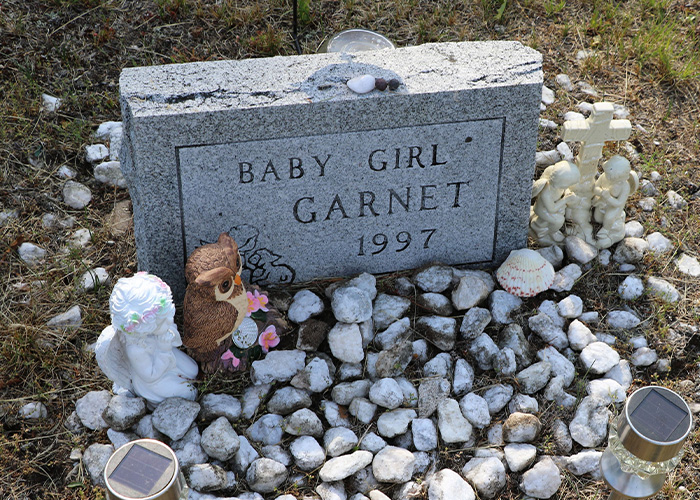
She, however, ended up helping crack a cold case from 1997, when the body of a newborn was found inside a pit toilet at Garnet Lake Campground in Newberry, Michigan.
The baby could not be identified despite investigators’ best efforts and became known as Baby Garnet.
In 2017, however, authorities decided to take a second look at the case and obtained a DNA profile from a partial femur belonging to the victim.
That profile was sent to Identifinders International, a company specializing in genetic genealogy investigations.
By tracing relatives through genealogy databases, investigators eventually reached Jenna’s test and determined that she was the infant’s half-niece, while her mother, Kara, was the baby’s half-sister.
That discovery pointed investigators toward someone Jenna had never met and whom Kara had been estranged from since she was 18 — Nancy Gerwatowski.
Nancy, who was living in Wyoming in 2022, was questioned by local police before her arrest.
Prosecutors allege that she gave birth alone at her home and that the newborn passed away from asphyxiation without receiving medical attention.
The defense disputes that account, arguing that Nancy unexpectedly went into labor, lost consciousness during a traumatic delivery, and only delivered a deceased baby.
She remained largely out of the public spotlight while awaiting trial. However, a case from earlier this year brought her back into focus.
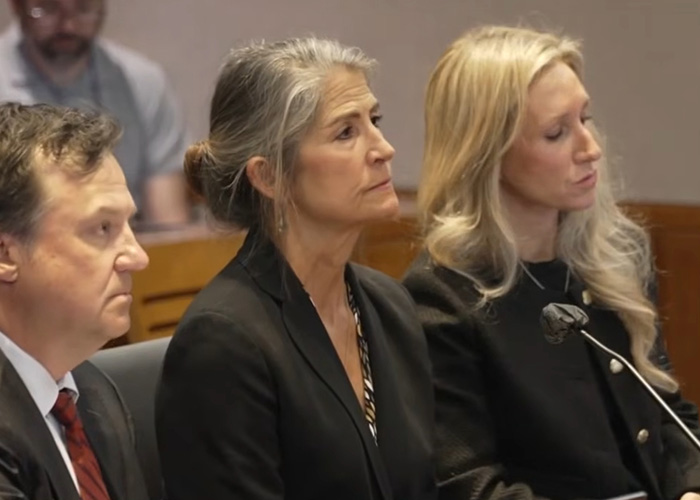
Concerns surrounding genetic evidence have gained fresh attention following the latest developments in the case of Yvonne “Missy” Woods, a former forensic analyst with the Colorado Bureau of Investigation.
She recently pleaded guilty to four felony counts after authorities accused her of manipulating and omitting information from DNA tests.
Prosecutors said she altered data, deleted information showing problems with testing, and failed to properly document some of her work.
The allegations have cast doubt over evidence used in hundreds of criminal cases handled during her decades-long career.
CO Bureau of Investigation finds DNA scientist manipulated data in hundreds of cases over decades. CBI released the findings of the investigation into Yvonne “Missy” Woods Friday, which concluded Woods’ handling of DNA testing data affected 652 cases🤬”All the innocent people!” pic.twitter.com/jVctX0GQXh
— Sumner (@renmusb1) March 10, 2024
The fallout has already been significant, with one homicide conviction overturned after lawyers argued that DNA evidence in the case had been mishandled.
In at least two cases, both involving homicides, defendants received lesser sentences under plea deals than they could have faced if they had gone to trial because prosecutors feared Woods’ involvement could lead to acquittals.
Woods is due to be sentenced in September 2026 and faces between eight and 16 years in prison under her plea agreement.
Her case is different from the Baby Garnet investigation, but it highlights a related issue: DNA evidence can be extremely powerful, yet the conclusions drawn from it still depend on how the evidence is collected, analyzed, and interpreted.
The Baby Garnet investigation highlights a less obvious issue with consumer DNA testing: your genetic information can reveal things about other people, too.
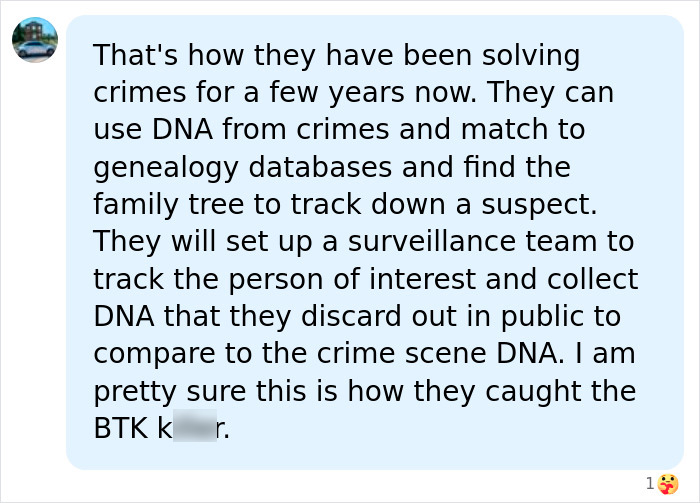
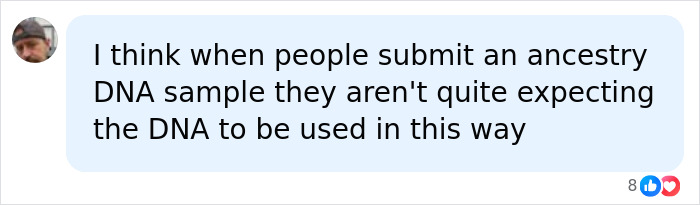
When someone submits their DNA to a genealogy service, they are not only revealing information about themselves. Because relatives share genetic material, their results can potentially help investigators identify family members who have never taken a test themselves.
Researchers have previously shown how powerful this approach can be.
A 2018 study cited by the Public Broadcasting Service found that people of European ancestry could often be identified through relatives who had submitted their information to genealogy databases.
Researchers were able to use distant relatives to build family trees and narrow down the identities of people who had not necessarily placed their own genetic information online.
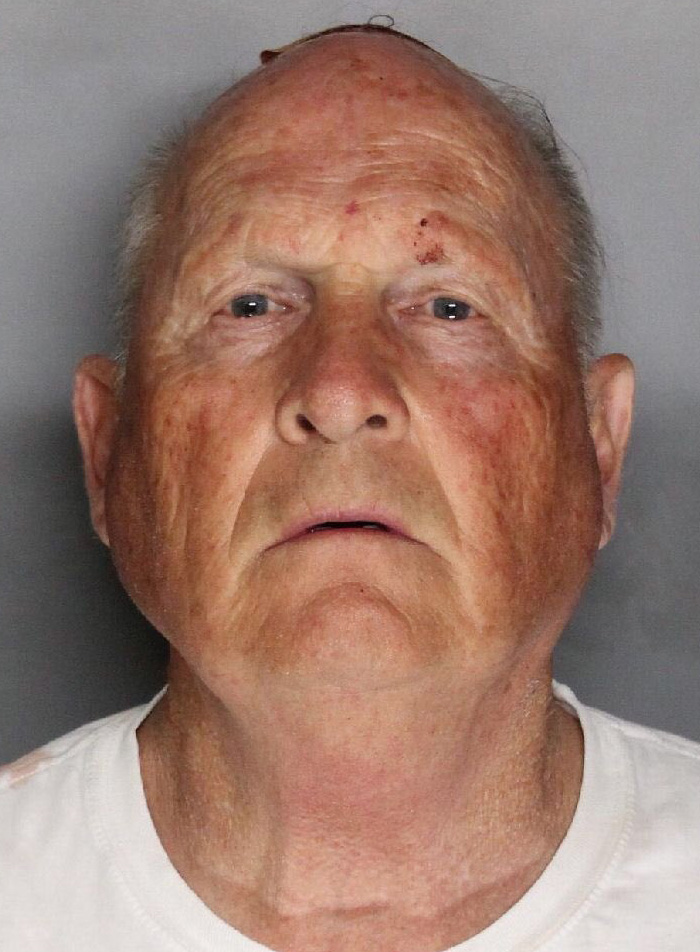
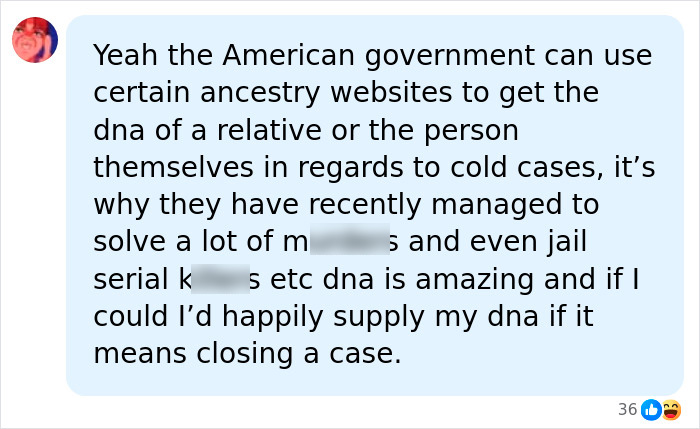
The technique became widely known after investigators used it to identify James DeAngelo, who terrorized California between 1974 and 1986, committing at least 13 homicides, 50 incidents concerning violations of women, and 120 burglaries.
@__jennarose__ sorry this video is so long, but thank you if you stuck around to watch the whole thing. its time we start talking. #foryou #foryourpagetiktok #fyppp #foryourpage #fyp #truecrime #ancestrydna #ancestry #michigan ♬ original sound – jennarose🧿🪬
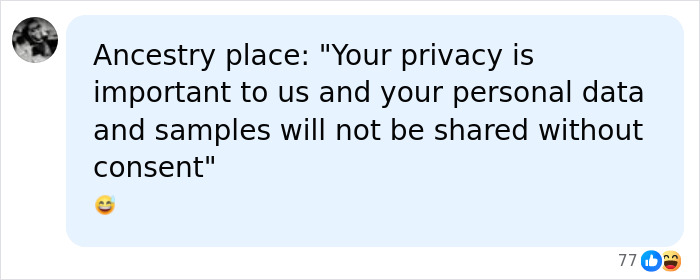
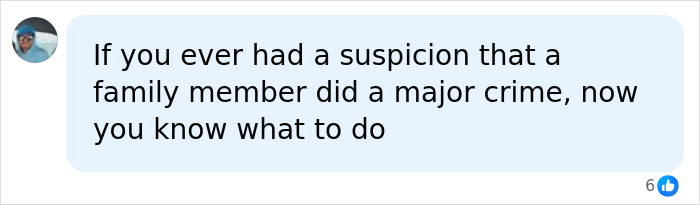
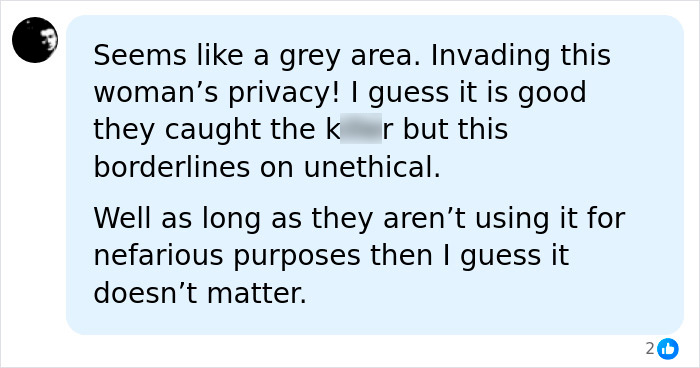
The success of such investigations has made genetic genealogy an attractive tool for solving cold cases, but it has also raised a basic privacy question: What happens when your DNA test helps authorities investigate someone else?
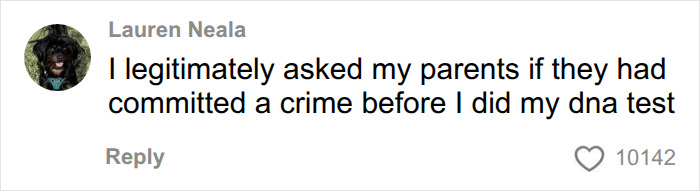
A person may agree to share their genetic information simply for fun, only to unexpectedly become part of a criminal investigation.

By entering your email and clicking Subscribe, you're agreeing to let us send you customized marketing messages about us and our advertising partners. You are also agreeing to our Privacy Policy.
Thank you! You've successfully subscribed to newsletters!


It's important to keep in mind that this technology isn't just identifying offenders, it is identifying human remains as well, giving victims their names and a degree of dignity back, providing answers to loved ones who have sometimes waited for decades. Also, consider that advances in forensic science are not new, and emerging technologies often catch people unaware. Imagine if the first criminals identified by fingerprint were to protest that the evidence shouldn't apply to them, because they were unaware that they were leaving prints behind or that they should have worn gloves? Cold cases are routinely solved using techniques that didn't exist, that weren't even anticipated, at the time of the crime.
Now, I am wary of cases involving newborn d*aths in particular, especially long-cold cases where evidence may be compromised, and where there is no opportunity to assess the mental state of the accused at the time of the birth. There is evidence that some traumatic pregnancy and birth situations can cause extreme mental distress, especially in very young mothers, and that needs to be considered. It is also true that these cases are often politicized in problematic ways. In the absense of clear evidence for intentional harm, I think it is better not to assume harm occurred. Overall, though, I don't think k*llers have a right to complain if they can be identified through the DNA evidence they left behind and their familial relationships, online or off.
Load More Replies...
I personally like the idea of law enforcement being able to use with permission DNA databases to solve crimes. I signed up for a free DNA service, GEDmatch, that matches uploaded DNA profiles (in my case AncestryDNA) to others. All profiles can be used to identify Jane and John Does. I also opted in to the Genetic Witness Program that allows my DNA data to be searchable by law enforcement attempting to identify perpetrators. Just my preference.
It's important to keep in mind that this technology isn't just identifying offenders, it is identifying human remains as well, giving victims their names and a degree of dignity back, providing answers to loved ones who have sometimes waited for decades. Also, consider that advances in forensic science are not new, and emerging technologies often catch people unaware. Imagine if the first criminals identified by fingerprint were to protest that the evidence shouldn't apply to them, because they were unaware that they were leaving prints behind or that they should have worn gloves? Cold cases are routinely solved using techniques that didn't exist, that weren't even anticipated, at the time of the crime.
Now, I am wary of cases involving newborn d*aths in particular, especially long-cold cases where evidence may be compromised, and where there is no opportunity to assess the mental state of the accused at the time of the birth. There is evidence that some traumatic pregnancy and birth situations can cause extreme mental distress, especially in very young mothers, and that needs to be considered. It is also true that these cases are often politicized in problematic ways. In the absense of clear evidence for intentional harm, I think it is better not to assume harm occurred. Overall, though, I don't think k*llers have a right to complain if they can be identified through the DNA evidence they left behind and their familial relationships, online or off.
Load More Replies... I personally like the idea of law enforcement being able to use with permission DNA databases to solve crimes. I signed up for a free DNA service, GEDmatch, that matches uploaded DNA profiles (in my case AncestryDNA) to others. All profiles can be used to identify Jane and John Does. I also opted in to the Genetic Witness Program that allows my DNA data to be searchable by law enforcement attempting to identify perpetrators. Just my preference.






















 No fees, cancel anytime












32
4