Get Premium
Dark mode theme is available exclusively for premium users. Learn more about the benefits of subscribing.
No fees, cancel anytime.

 Dark Mode Ad-Free Browsing Unlimited Content
 Ad-Free Browsing Unlimited Content Dark Mode
Join 1.2 million Panda readers who get the best art, memes, and fun stories every week!



The history of humankind is also the history of our relationships with the natural world. For centuries and millennia, some animal companions have been more than just wholesome pets. They were expected to fulfil certain roles alongside their owners.
Today, our team at Bored Panda is featuring some of the most iconic working animals from the past. Check out their stories and vintage photos below. They might help you see history from a different perspective.
This post may include affiliate links.
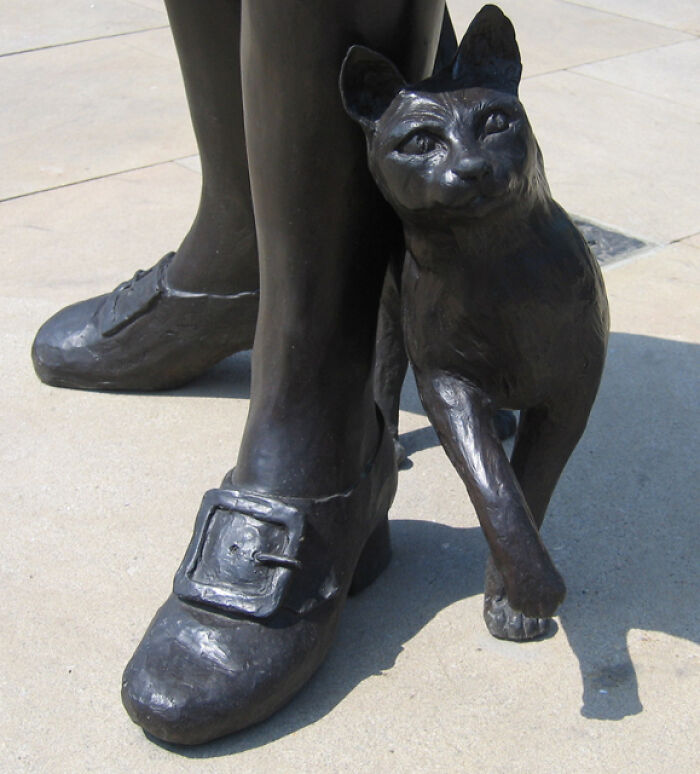
Trim (1799–1804) was a black and white cat known for his strong survival instinct and intelligence, who accompanied a Royal Navy officer named Matthew Flinders on his voyages. Since Trim was faithful, affectionate, and even a little bit cheeky, everyone on board adored him, and Flinders even wrote a biography about him as well as other tributes and poems.
Trim was known to join the captain at his table and sometimes even tried to swipe food off the forks while folks ate. Apart from this, he served as a wonderful furry companion to everyone and even started behaving like a fearless seaman in no time.
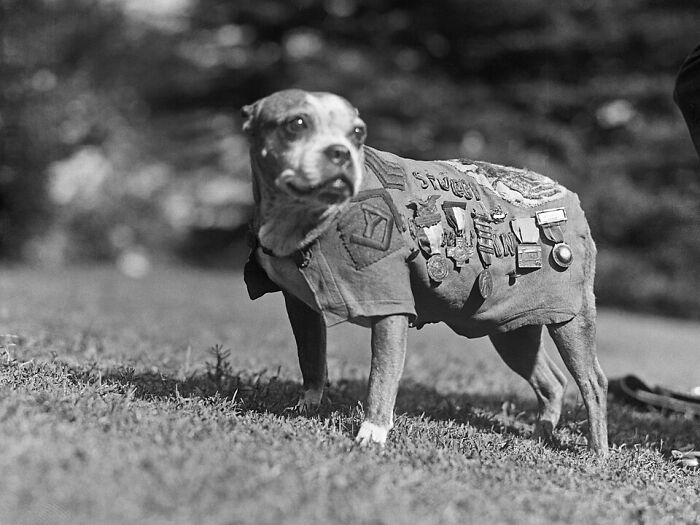
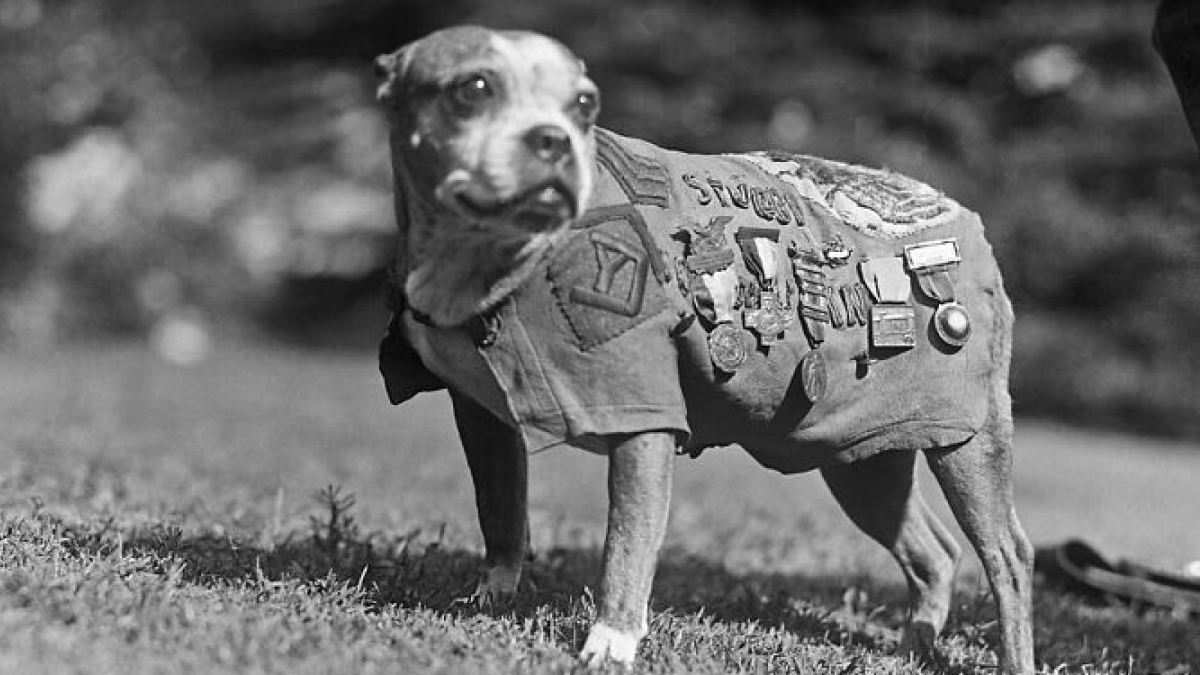
Sergeant Stubby (1916-1926) was a canine soldier who became the unofficial mascot of the 102nd Infantry, 26th Yankee Division due to his bravery in World War I. It all began when he was found wandering around during an army training session, and a soldier, Corporal Robert Conroy, took a liking to him.
He accompanied the corporal aboard a ship to France and protected his fellow army men by using his keen sense of smell to detect dangerous chemicals. He also took on the role of a mercy dog and comforted injured soldiers. By the end of the war, Stubby had served in 17 battles and even learned the bugle calls and drills done by the armymen.
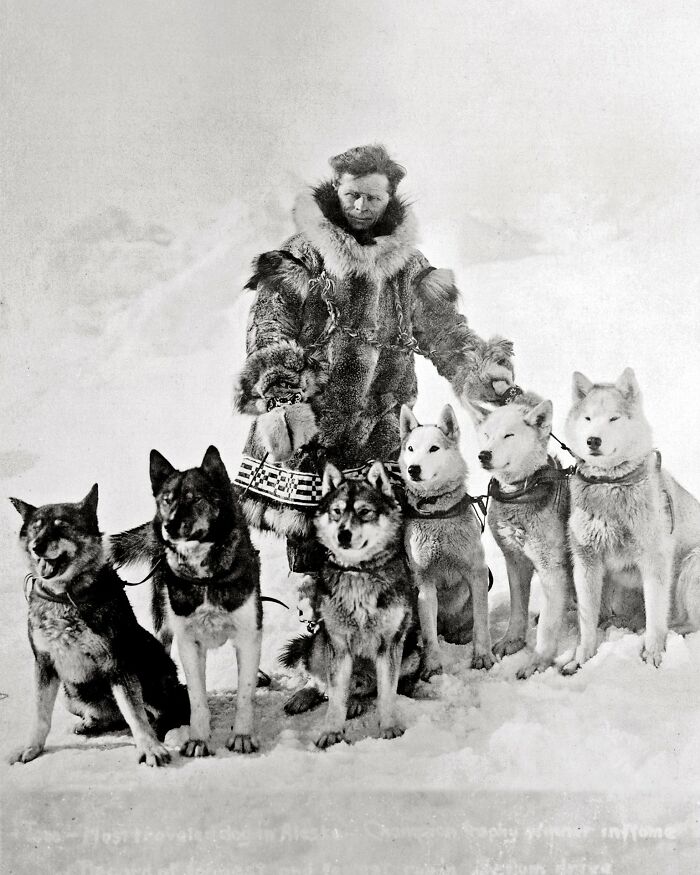
Togo (1913-1929) was a sled dog who helped save a small Alaskan town in 1925 by leading a sled team. This wonderful canine, who was once considered a puppy troublemaker, eventually grew up to show natural intelligence and leadership traits.
That’s why in 1925, when diphtheria broke out in Nome, Alaska, and there were no other ways to get the antitoxin, Togo and the other sled dogs did what nobody else could. They began the ‘Great Serum Run’ in freezing temperatures (-85F wind chill) and almost complete darkness, with Togo cleverly avoiding cracks in the ice and open water.

Again, another half-story. Balto and Togo were the heroes and are worthy of a more lengthy tribute. Togo lived his life well after being adopted ...
As the BBC notes, aside from dogs guiding their owners or catching criminals, there are lots of other animals that have jobs.
For instance, donkeys have been used as working animals for at least a jaw-dropping 5,000 years. Over 40 million donkeys are living on our planet, and most of them can be found in underdeveloped countries. These animals are very intelligent, stubborn, and avoid doing things that scare them.
Meanwhile, another well-known working animal is the truffle pig. As the name suggests, this creature hunts for truffles, edible fungi that are incredibly prized in the gastronomic world.
“The pigs have such a good sense of smell they can sniff out a truffle even when it is buried a metre underground. Truffles are found buried between fallen leaves and soil in the forests of Europe and North America. They are a very expensive food, popular in Middle Eastern, French, Spanish, Italian and Greek cooking,” the BBC explains.
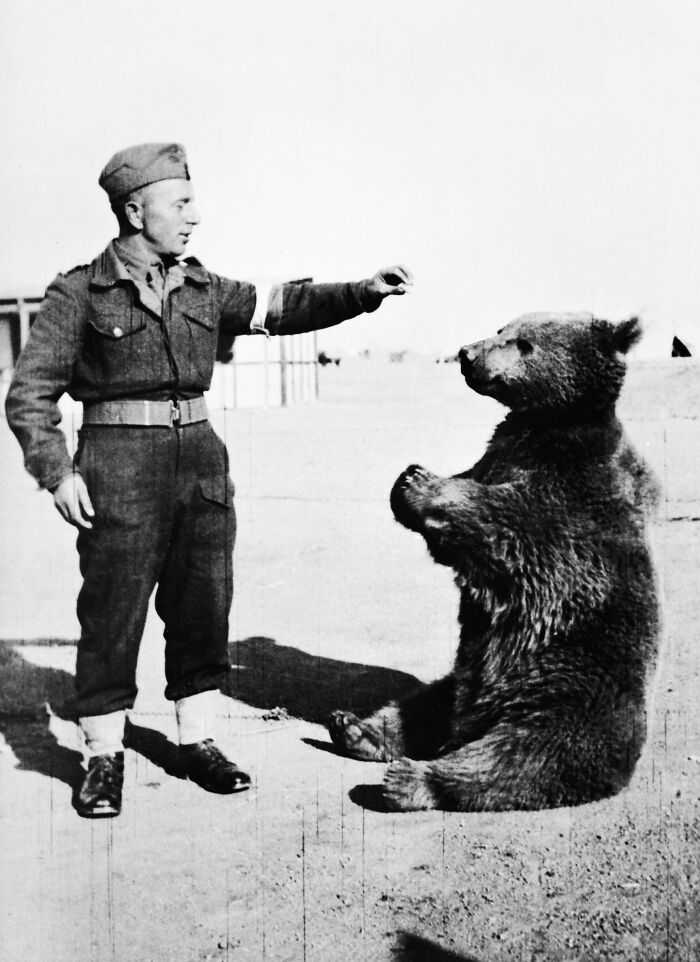
Wojtek was a Syrian brown bear who served as a private in the Polish army. He was given to the soldiers as a gift by an Iranian shepherd during World War II and ended up serving with the 22nd Artillery Supply Company.
Over time, this clever bear learned how to imitate its human companions and ended up carrying artillery shells and ammo crates during the Battle of Monte Cassino in May 1944. His courageous work during the war got him promoted to the rank of corporal, and eventually, in 1947, he was sent to Edinburgh Zoo, where he lived out the rest of his life in comfort.
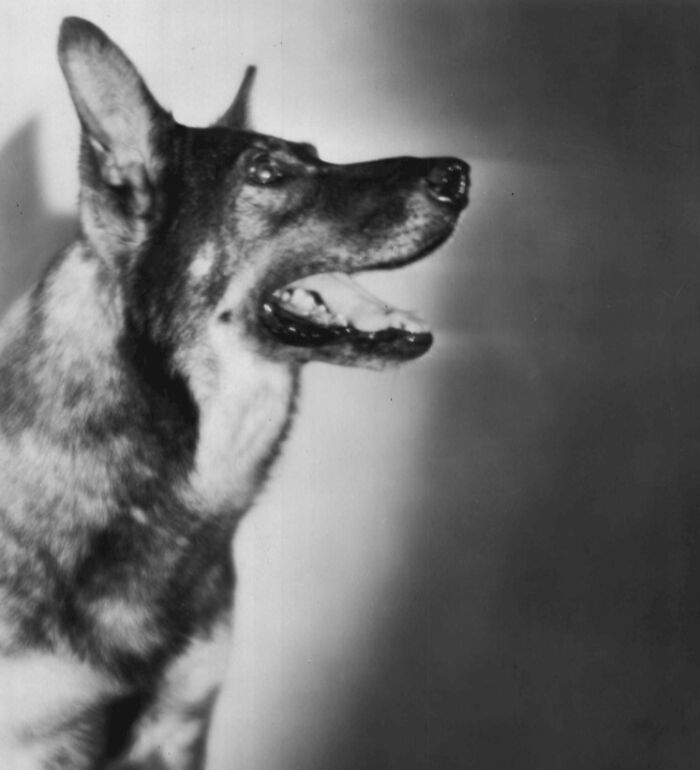
Rin Tin Tin (1918-1932) was a German Shepherd born in Flirey, France, who became an International motion picture star. He was rescued from a World War I battlefield by a soldier called Lee Duncan, who named him after the small, good luck doll charms that French children made and gave to soldiers.
Duncan was a quiet man with a great ability to train dogs, and after he noticed Rin Tin Tin’s calmness and intelligence, he decided to get him roles in films. This kick-started the canine’s career, and he ended up starring in 27 Hollywood films, which gained him worldwide fame. Rinty’s roles also helped increase the popularity of German Shepherds as family pets.
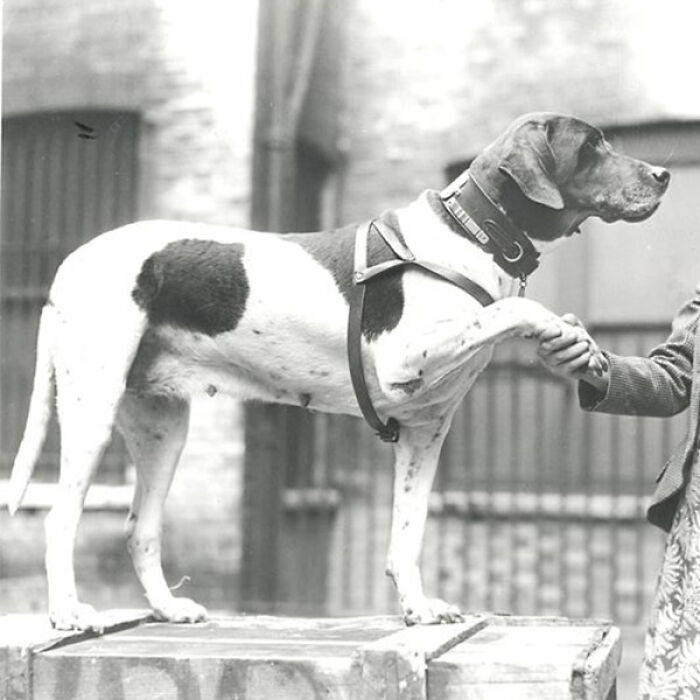
Judy (1936-1950), a Royal Navy ship dog, became the first canine to ever bark live on air, and also the only known animal taken as a Prisoner of War. She was purchased from a kennel to live with the HMS Gnat’s crew and slowly but steadily adapted to their way of life.
When they were marooned on an uninhabited island with no water, Judy was able to locate a freshwater spring to drink from. She also had a keen sense of hearing that helped her alert her crew to incoming aircraft, but unfortunately, she and the rest of the people were taken as prisoners of war by Japanese forces until they surrendered.
And in countries like Mozambique, Cambodia, and Angola, rats are actually trained to find land mines, buried in the ground. Because of their small weight and light movements, these rats don’t set these mines off.
“They wear a small harness which is hooked to a roped-off minefield. The rats then dart back and forth, sniffing. When they smell a mine they freeze and make quick scratches on the ground to signal where it is so it can be removed," the BBC writes.
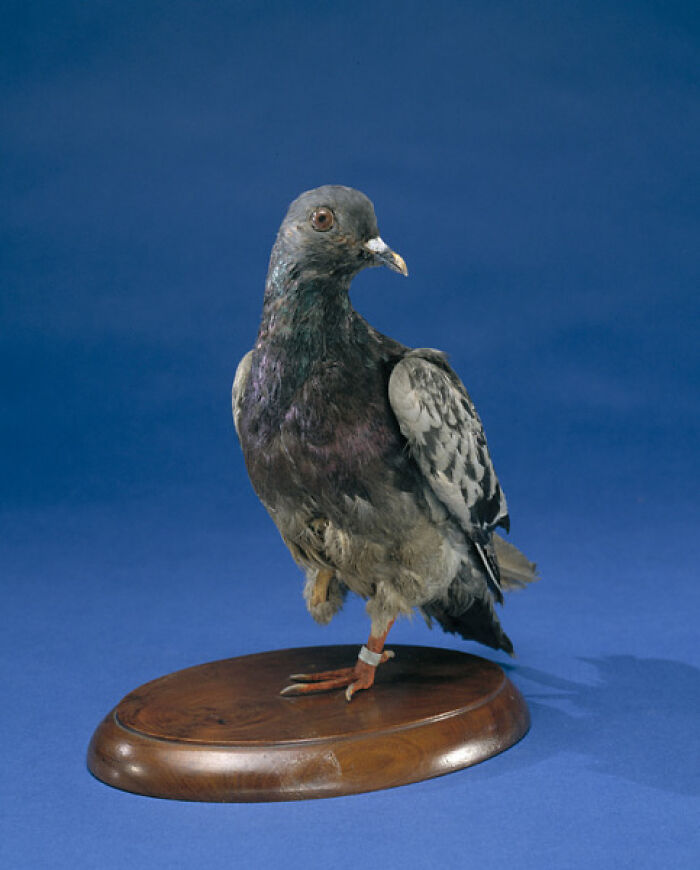
One of the most unlikely heroes in this list might be Cher Ami, a male homing pigeon (1918-1919) who served in World War I. His name means ‘dear friend,’ and that’s exactly what he was to the soldiers of the ‘Lost Battalion’ 77th Division in the Argonne, when he dodged German bullets to deliver a message that saved their lives.
Before that, Cher Ami had worked in 12 successful missions, which is a high success rate among homing pigeons. It was during the Meuse-Argonne Offensive in 1918 that he did his best work yet by covering 25 miles in 25 minutes, in the most dangerous conditions, despite being wounded, to deliver his message to the American base.
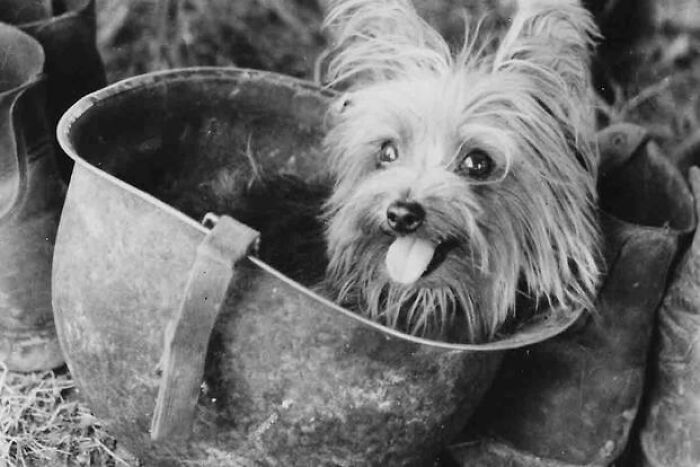
Smoky (1943-1957), a Yorkshire Terrier who served with the Allied Forces in World War II, earned the title of the first therapy dog because of the way she brought smiles to everyone who saw her and interacted with her.
She was found by a soldier named Bill Wynne and accompanied him on combat flights, took part in twelve missions, and received eight battle stars. There are reports of this little dog even parachuting from 30 feet out of a tree, using a parachute made just for her. She also helped support people suffering from PTSD.
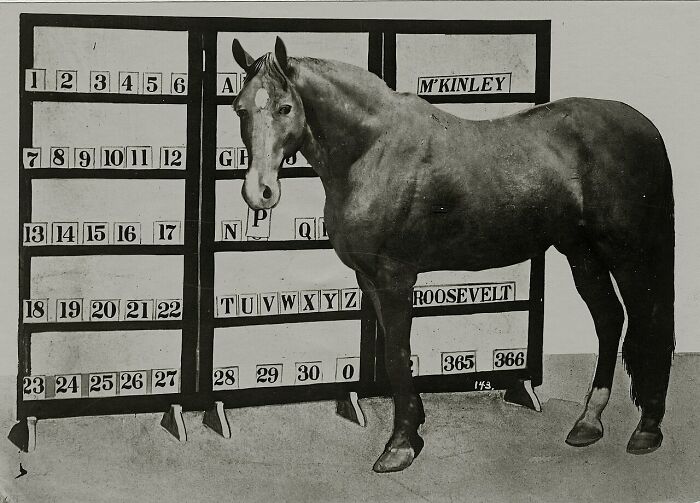
Beautiful Jim Key (1889-1912) was a sickly foal who was nurtured to good health by Dr. William Key, an African American man who had a natural way with horses. Dr. William noticed that Jim Key had an unusually clever mind and slowly taught him to read, write, count, and even tell time.
That’s how this amazing animal came to be known as the ‘world’s most educated horse,’ and he was taken to many places so that he could perform for people. He once even beat sixth graders in a spelling contest.
Well, great story but it was found out the trainer/handler/owner had subtle clues to show the horse when to stop or start. Nice though...love horses.
What are some animals with jobs that impress you in this day and age? What are some iconic working animals from history that you look up to? Do you keep any farm animals? Do your pets have any ‘jobs’ at home? If you feel like sharing your thoughts, feel free to do so in the comments below.
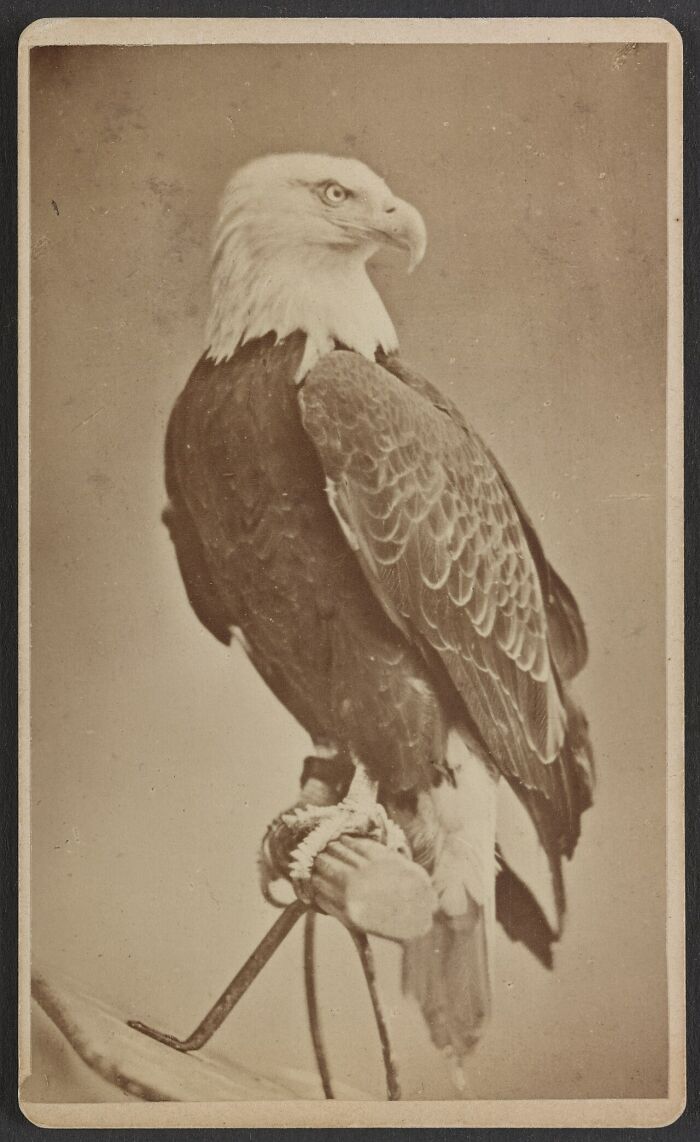
Old Abe (1861-1881) was a bald eagle who witnessed 37 battles and became the mascot of the 8th Wisconsin Volunteer Infantry Regiment in the American Civil War. He was owned by a Chippewa man named Ahgamahwegezhig, who then sold him to a group of Civil War volunteers. They named him Old Abe, after the president, and took him with them on many expeditions.
Since he was always by their side and never shied away from battles, he was classified as a war relic by the state of Wisconsin, and the government even made a special “Eagle Department” in the Capitol building for him. This came with a two-room living arrangement, a custom bathtub, and a personal caretaker.
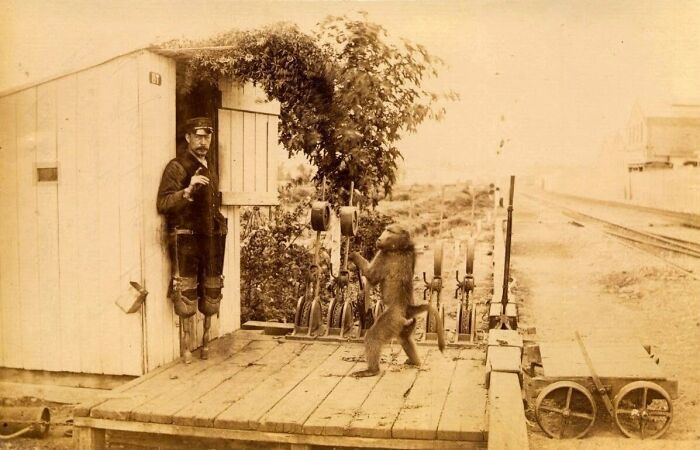
Jack the baboon was also called ‘Signalman Jack,’ who was lauded for never making a mistake while operating railway signals. It all began when a double amputee named James Wide chanced upon a baboon driving an oxcart and was impressed by the primate's skills, so he decided to adopt him and name him Jack.
James began training Jack to push his wheelchair and even operate the railway signals under supervision. Eventually, the primate could do it all singlehandedly and even help with household chores. The primate also received an official employment number and was paid 20 cents a day and half a bottle of beer weekly while he worked the rails for nine years without ever making a mistake.
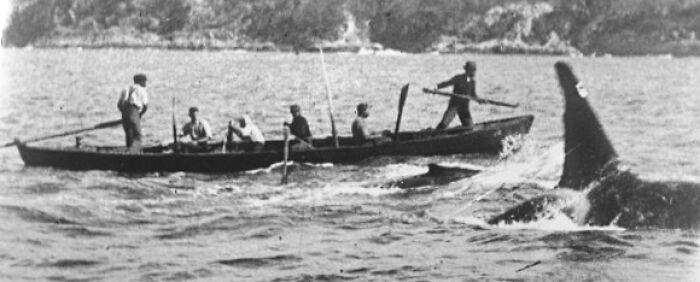
Old Thom (1860/1895-1930) was a 30-foot orca who cooperated with and assisted whalers in the port of Eden, on the southeast coast of Australia. He was easily recognised because of his tall and distinctive dorsal fin, and also because he’d regularly be seen with a pod of dolphins.
This curious, solitary behavior of the orca and the fact that he’d alert hunters to whales made him the favorite of many. Old Thom was also known to play pranks, and sometimes he would jump on top of a rope fastened to a harpooned whale and hang on to it to be towed around like a sea anchor.
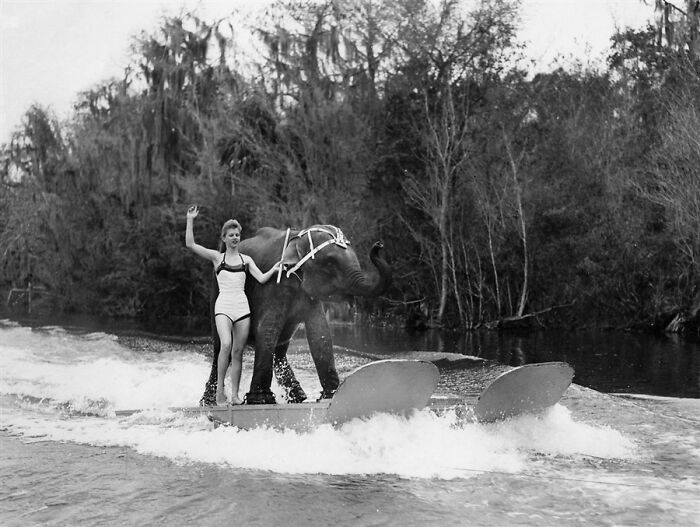
Queenie (1952-2011) was a captive female elephant known for her waterskiing abilities and musical skills. She was only 6 months old when her owner, Liz Dane, began training her to water ski at a Florida theme park.
From then on, for nearly 15 years, she performed three or four times a day to music and also learned how to play the harmonica. People would love seeing the huge elephant standing on skis at the edge of the water, and also spraying folks for laughs. Her amazing talents garnered her international fame in the late 1950s and early 1960s.
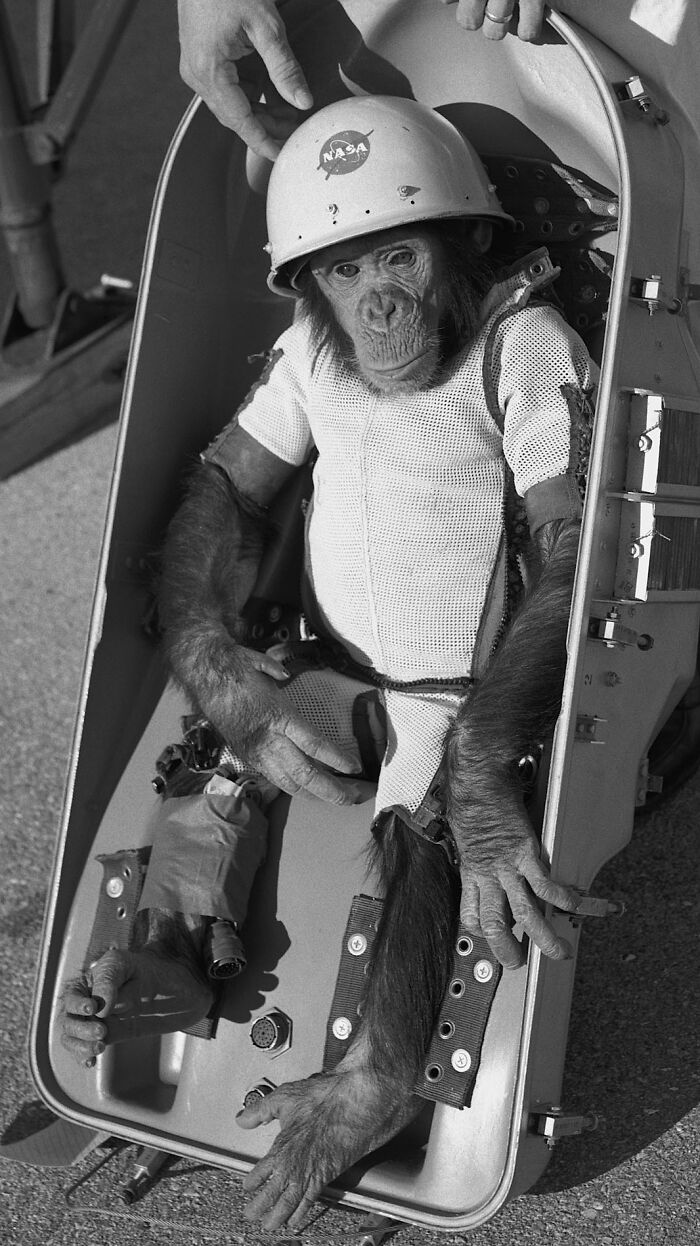
Albert II was the first primate and mammal to travel to outer space, and he did so aboard a V-2 rocket on 14 June 1949. This was done as part of the United States’ “Albert” program that launched monkeys into space from New Mexico so that they could study the effects of a space flight on humans' closest animal relatives.
Albert II’s rocket managed to reach an altitude of 83 miles (134 km), but on return, his parachute malfunctioned, which led to the loss of this brave primate. Before his travel to space, the only known living beings to reach there were fruit flies, which had been launched on February 20, 1947.

I sincerely hope that innocent animals will no longer be dragged into people's stupid wars. Sure, they're heroic, but that's not really what animals are supposed to do.

The same could be said for people
Load More Replies... I sincerely hope that innocent animals will no longer be dragged into people's stupid wars. Sure, they're heroic, but that's not really what animals are supposed to do.
The same could be said for people
Load More Replies...




















 No fees, cancel anytime