Get Premium
Dark mode theme is available exclusively for premium users. Learn more about the benefits of subscribing.
No fees, cancel anytime.

 Dark Mode Ad-Free Browsing Unlimited Content
 Ad-Free Browsing Unlimited Content Dark Mode
Join 1.2 million Panda readers who get the best art, memes, and fun stories every week!



If you want to build a positive workplace culture that genuinely motivates your employees, some things are fundamental. Things like fairness, trust, competent and empathetic leadership, growth opportunities, and… inclusion. When you feel excluded, unsupported, and isolated by your colleagues, you’re likely not going to want to stick around at that company for long.
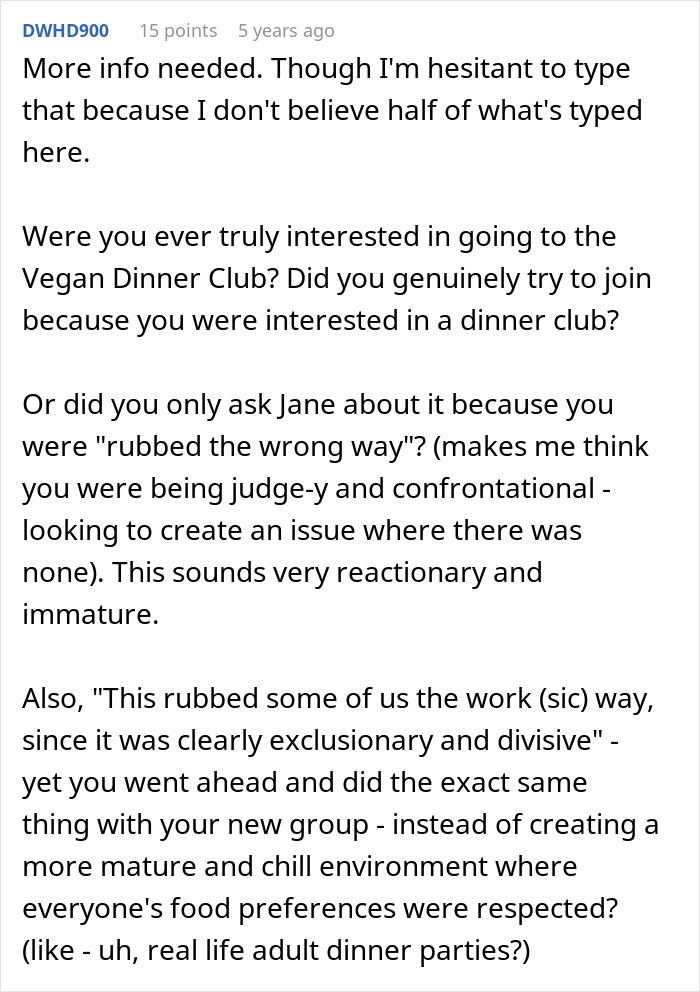
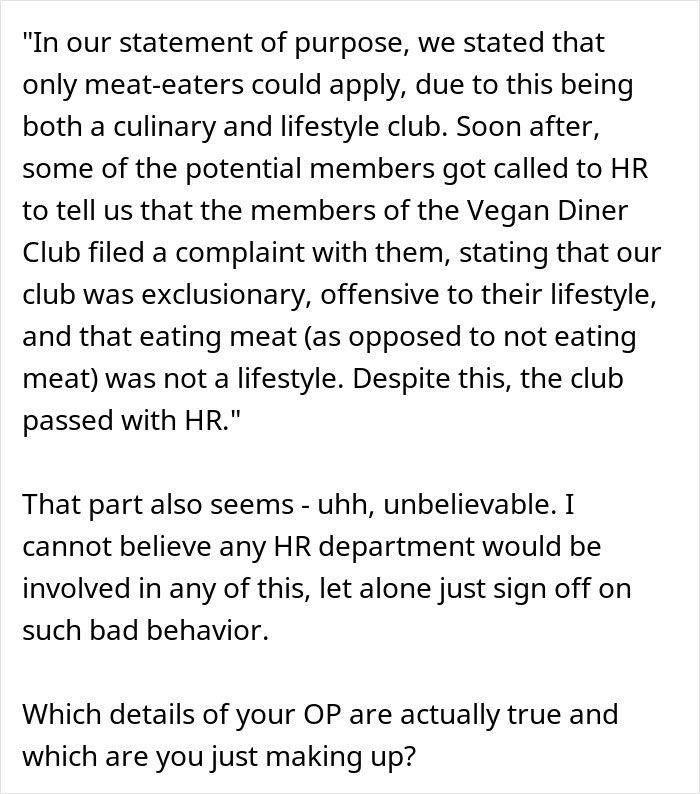
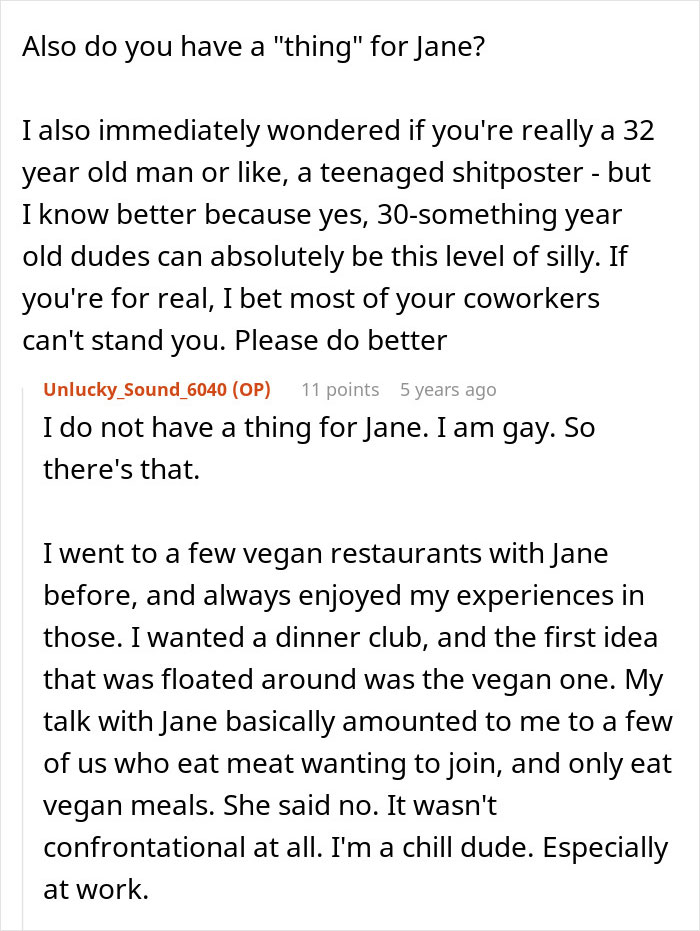
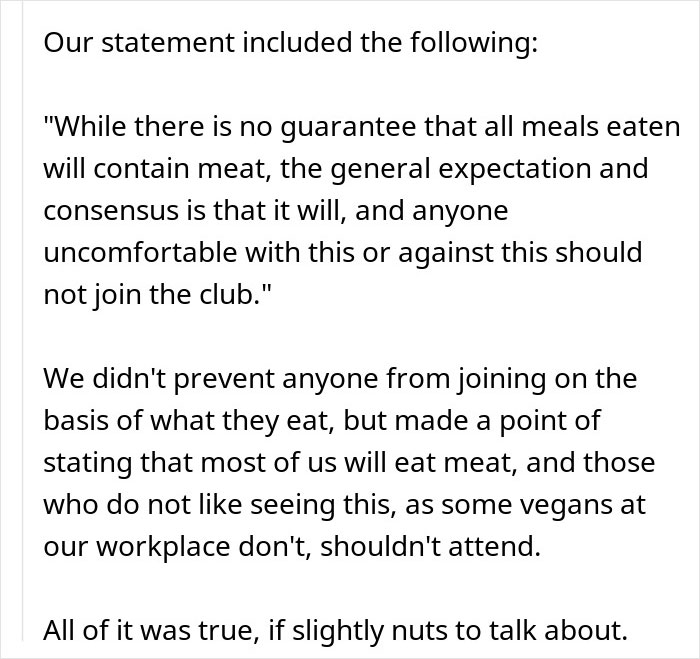
One worker asked the AITA community to weigh in and decide if they were a jerk for starting a company ‘lifestyle’ club just for meat-eaters. This was their answer to an incredibly exclusionary and divisive club that their vegan colleagues had formed earlier. Scroll down for the full story and to see what the internet had to say about all the drama.
Image credits: Sander Dalhuisen / Unsplash (not the actual photo)
Image credits: Andrej Lišakov / Unsplash (not the actual photo)
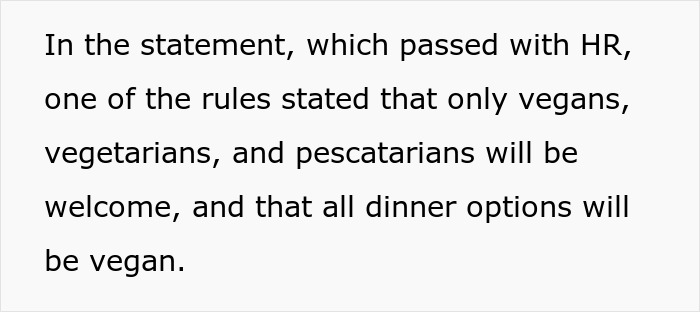
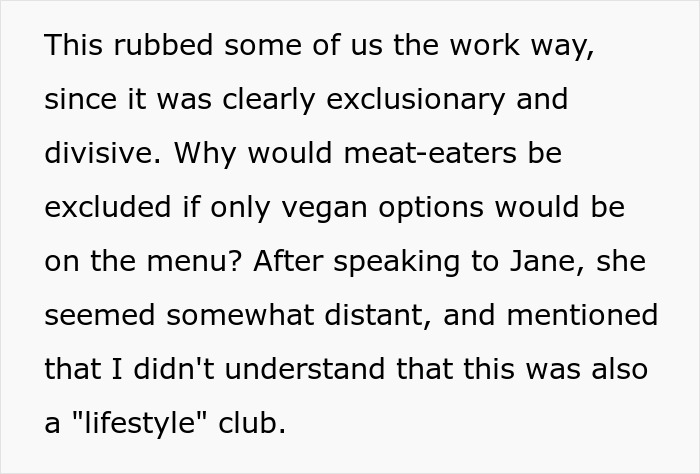
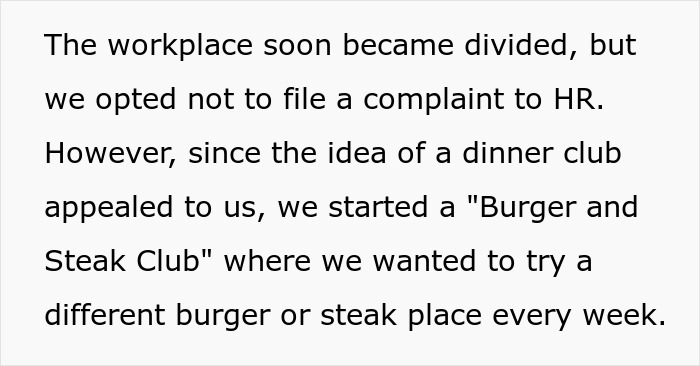
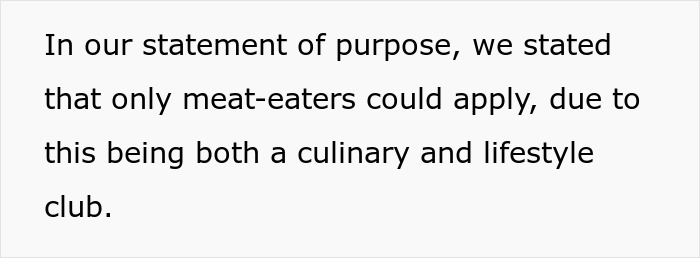
Image credits: Getty Images / Unsplash (not the actual photo)
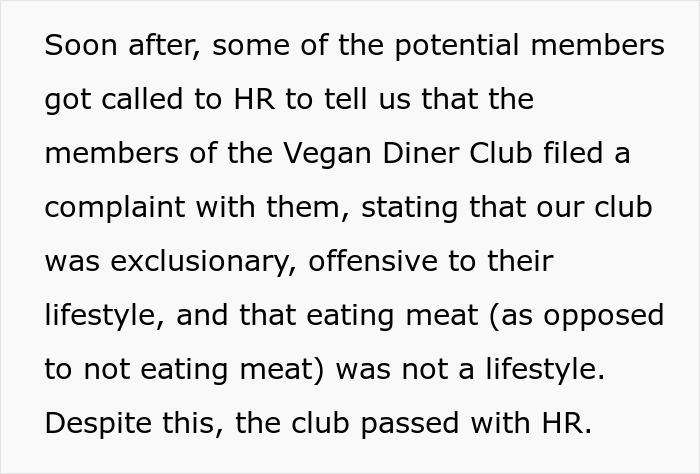
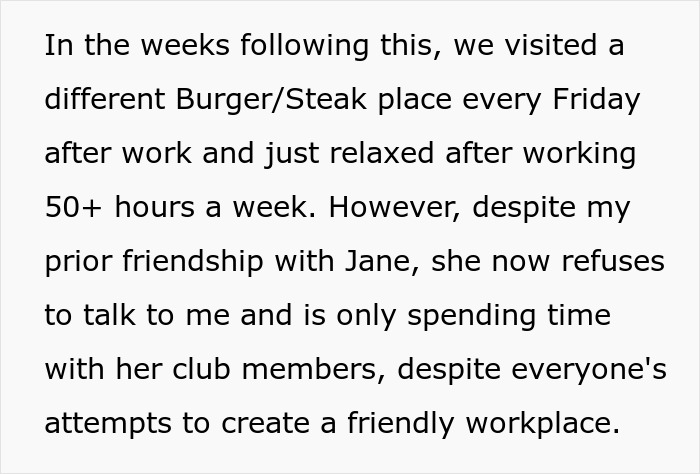
Image credits: Unlucky_Sound_6040
Image credits: Getty Images / Unsplash (not the actual photo)
In a nutshell, when you create a truly inclusive environment at work, your colleagues feel valued, empowered, and know that their voices matter. What’s more, you prioritize collaboration, the free exchange of ideas, and encourage everyone to be more empathetic.
This is great for team spirit, as well as for the company as a whole. Motivated and energetic employees who can rely on their colleagues tend to get better results and innovate. It’s a win-win situation for the staff as well as the business.
On a very basic, human level, you probably don’t want to feel like you’re excluded from spending time with your colleagues because you’re different. It’s not a fun experience. You probably expect working professionals to be, well, professional and not make you feel like you’re back at school, trying to figure out who’s in what clique.
As Forbes stresses, inclusion in the workplace can help you attract top talent to your company and then retain it.
“Jobseekers will be drawn to your company if they know it celebrates diversity and provides equal access to opportunities. Moreover, inclusive workplaces tend to retain talent more effectively because employees are more likely to stay in environments where they feel supported and respected.”
What’s more, by being inclusive in the workplace, you’re creating an environment that promotes a sense of belonging and community. Your employees feel that they can meaningfully contribute to the organization as a whole. This, in turn, drives employee engagement, morale, job satisfaction, and overall well-being.
Inclusion can also boost innovation and creativity while sidestepping biased, suboptimal, or groupthink-oriented decisions. According to Forbes, workers might hesitate to share their concerns or voice their dissent if they’re scared to disrupt the harmony of the group. “While teams engaged in groupthink may make quick decisions, the speed doesn’t guarantee the best choice.”
Image credits: Alex Kotliarskyi / Unsplash (not the actual photo)
Furthermore, when you have a more diverse, inclusive company, you can potentially tap into greater customer satisfaction and stronger business relationships.
On top of that, managers must keep in mind that they have to abide by the law. Discriminating against employees is likely illegal where you are. This sort of illegal behavior can, in turn, harm your company’s reputation, push away your most talented producers, and hurt your overall profits.
According to a recent Bentley University-Gallup Business in Society survey, 69% of American adults say that it is extremely or somewhat important for businesses to promote diversity, equity, and inclusion. This is down from 78% in 2022 since tracking began. So, broadly speaking, fewer Americans see these things as top business priorities. That being said, many employees still see a relationship between diversity and greater innovation, as well as bigger profits.
As per the survey, 61% of respondents say that diverse workforces are more profitable. Meanwhile, 64% believe that they are more innovative. On the flip side, 35% of American adults see diverse workforces as leading to more conflict and discrimination.
Based on the findings of the survey, the vast majority of United States-based employees have big expectations for corporate responsibility beyond diversity, equity, and inclusion. For instance, a jaw-dropping 95% state that companies should provide quality healthcare to their workers.
What’s more, 95% of respondents say that companies should support local communities, 91% stress that they should operate sustainably, 91% say that they should offer mental health support, and 90% note that companies ought to improve the world more broadly.
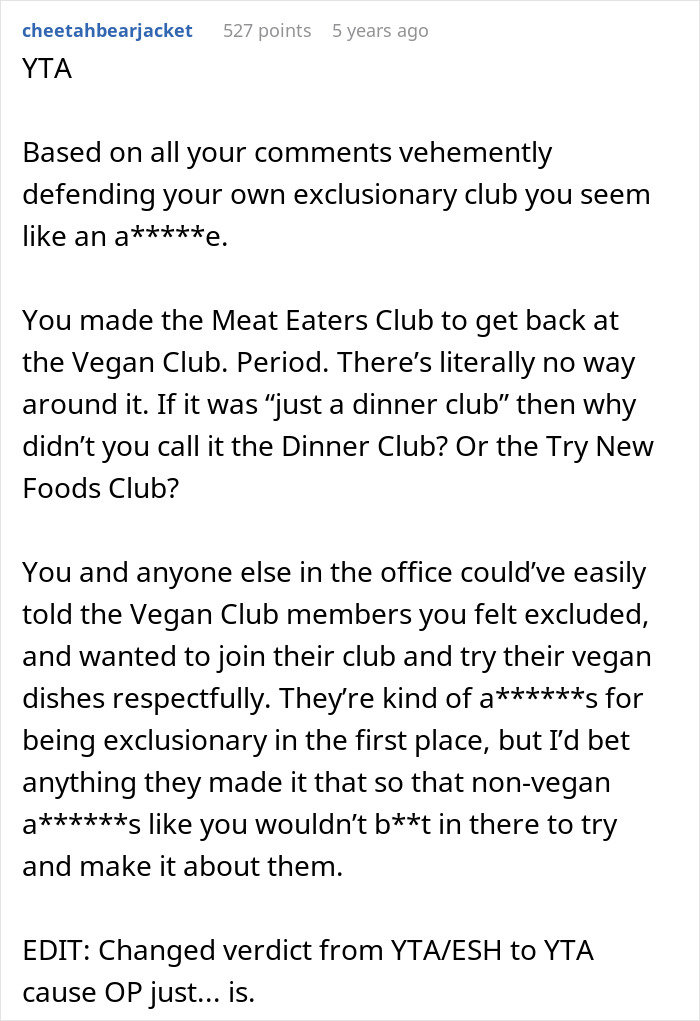
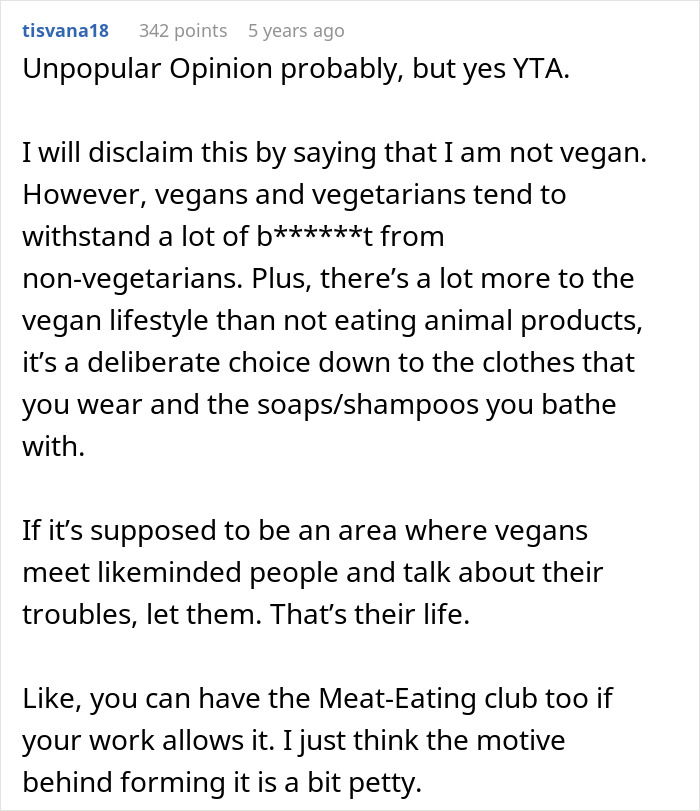
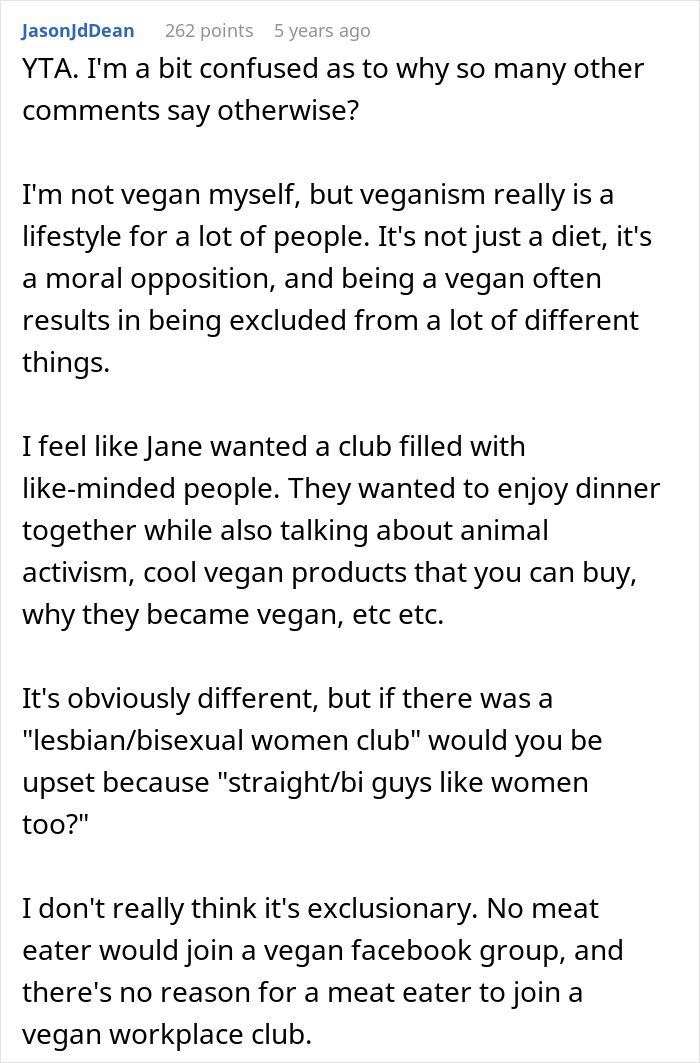
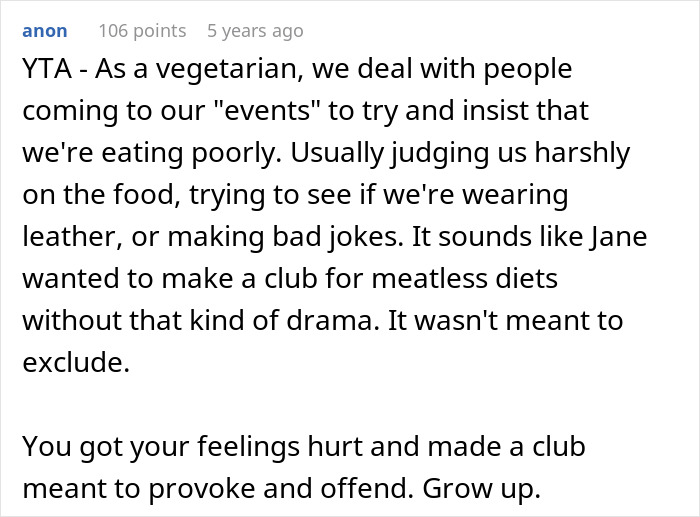
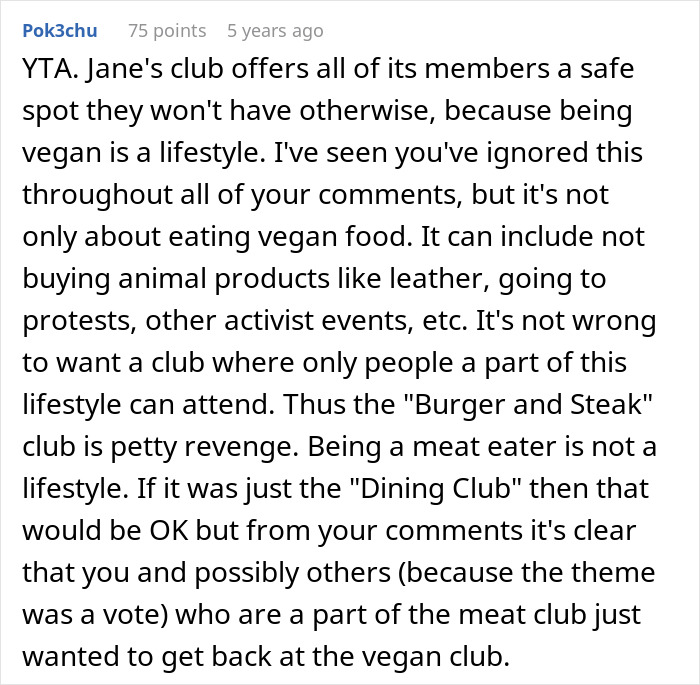
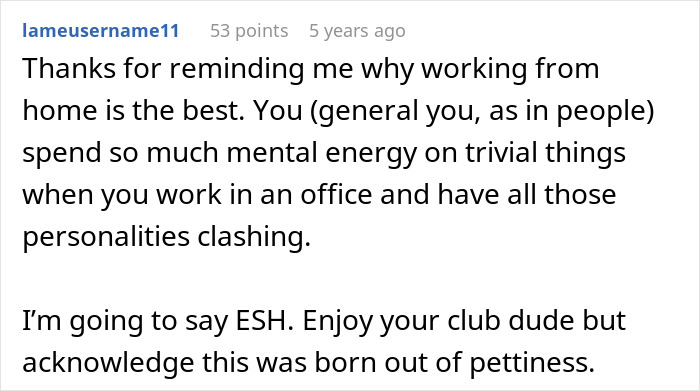
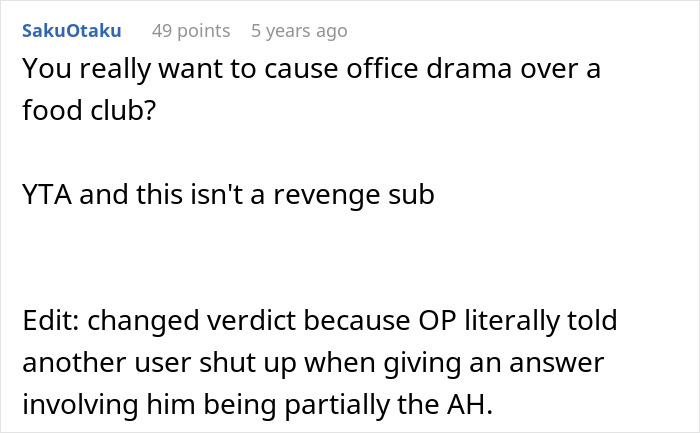
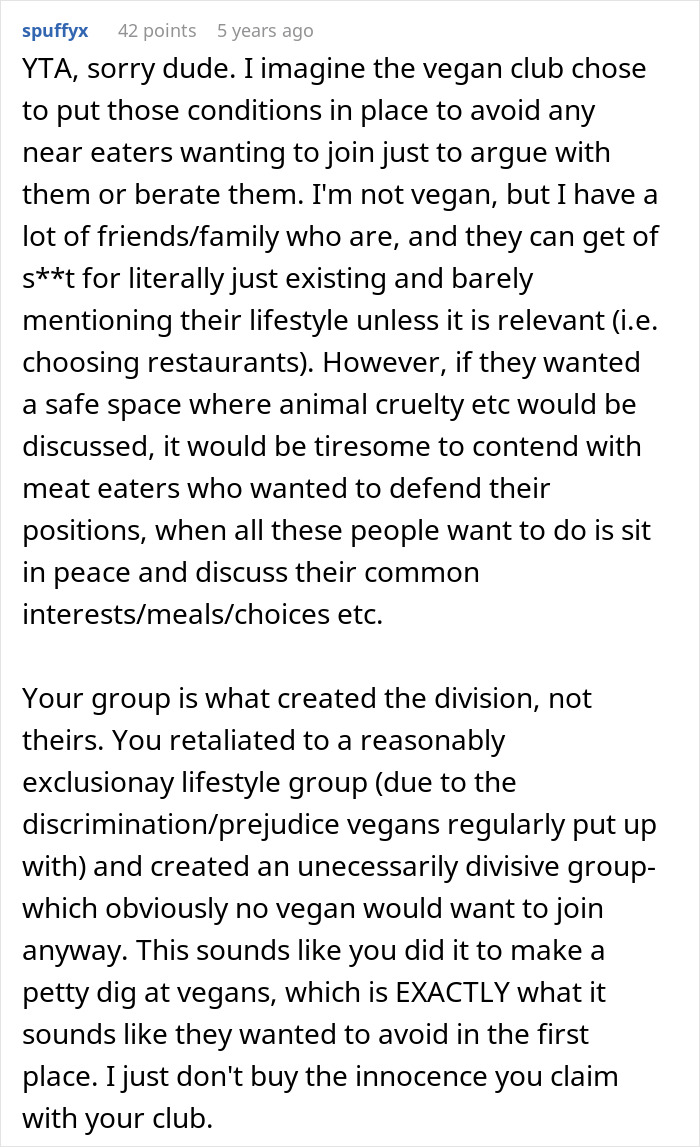
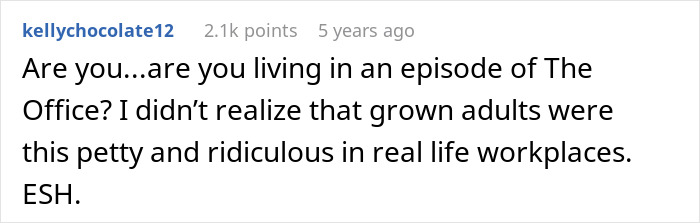
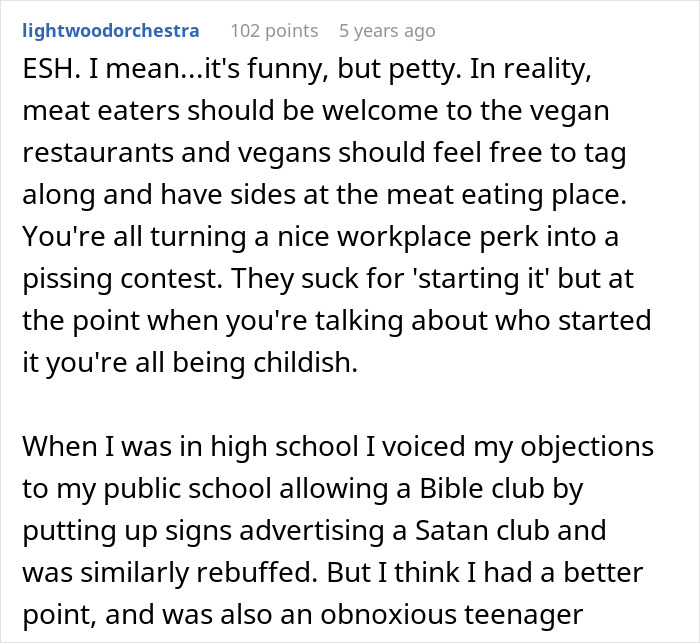
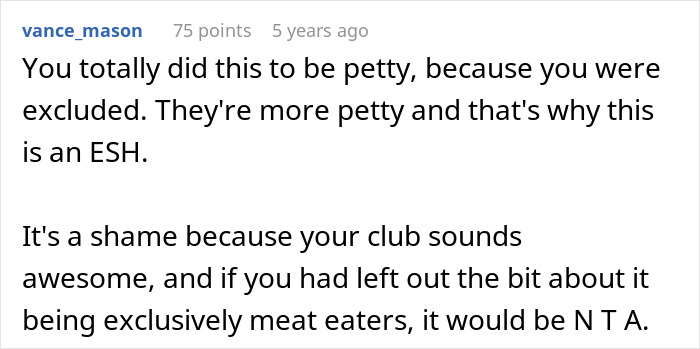
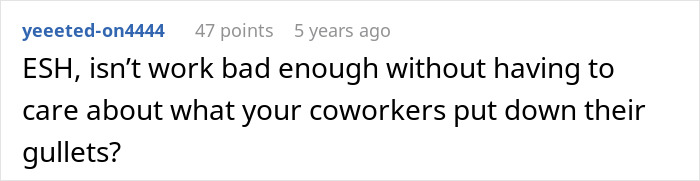
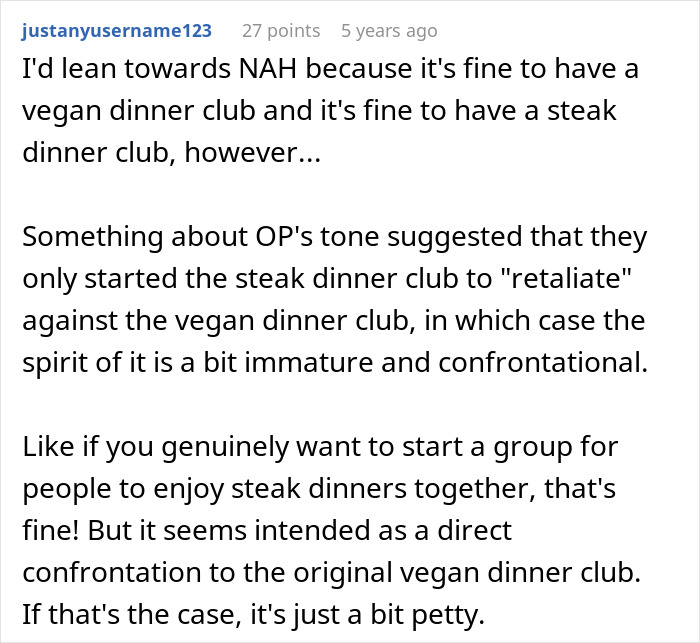
What are your thoughts, Pandas? How would you react to some of your colleagues creating an exclusive club in the office, barring you from joining? Do you think that it’s a big deal, or would you be okay with it? What do you do to be more inclusive and collegial at work? We’d like to hear your thoughts, and you can share yours in the comments down below.





By entering your email and clicking Subscribe, you're agreeing to let us send you customized marketing messages about us and our advertising partners. You are also agreeing to our Privacy Policy.
Thank you! You've successfully subscribed to newsletters!


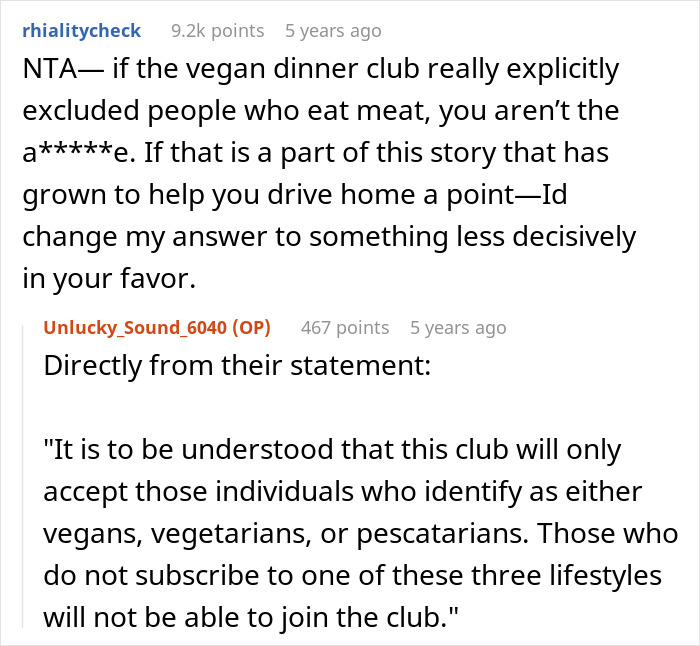
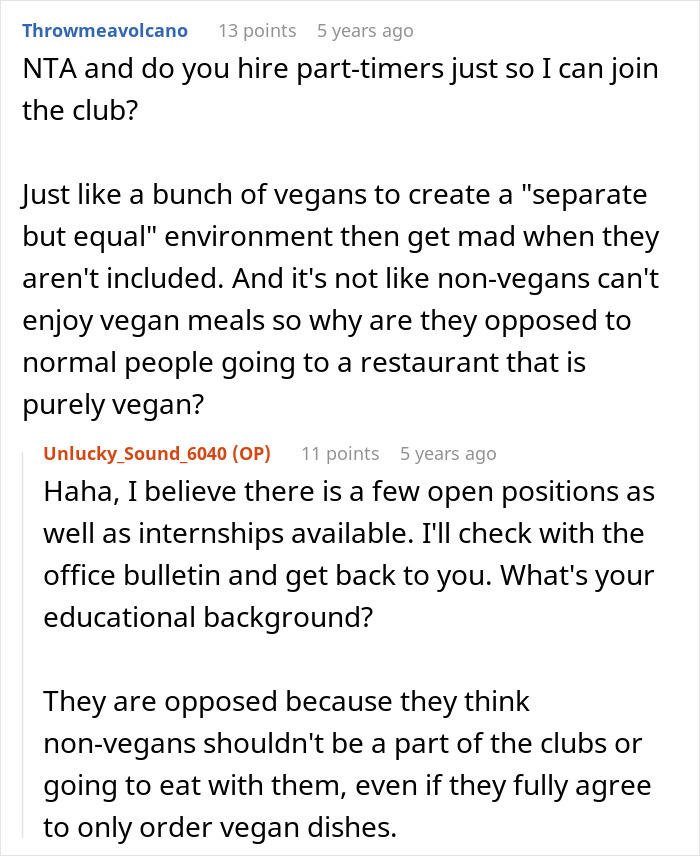
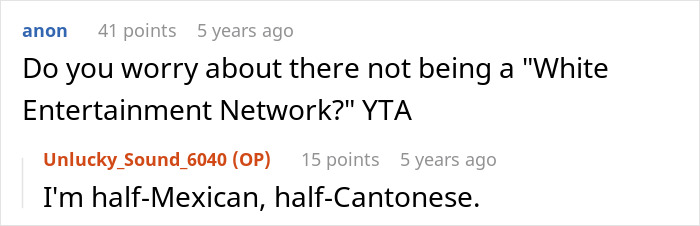
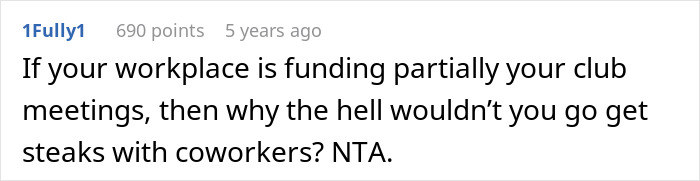
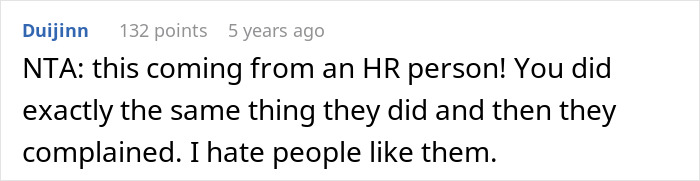
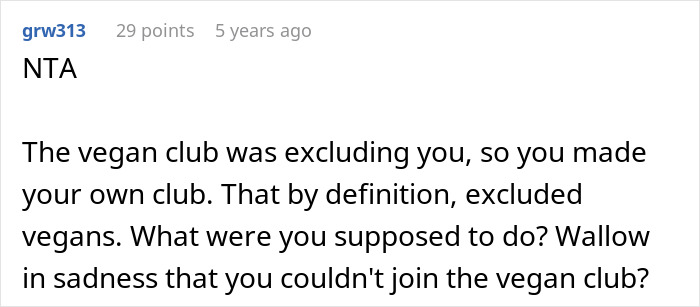
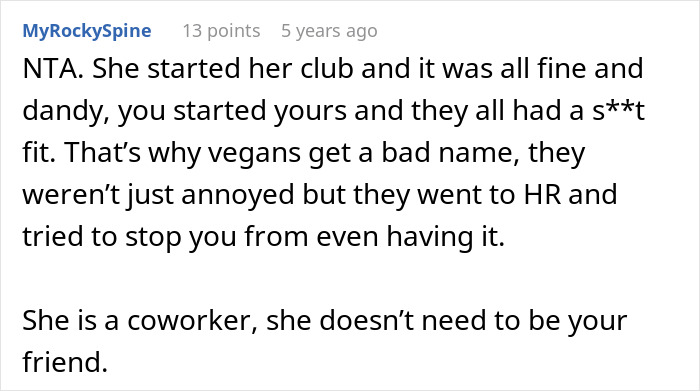
So its okay to exclude people who aren't vegan, but if they get excluded its offensive? Double standards at its finest. NTA

Vegans weren't excluded from the meat club. Non-vegans were excluded from the vegal club though, so you are absolutely correct on the double standard.
Load More Replies...
Apparently OP also posted this in r/pettyrevenge, proving this was purely about making a point and that he got bútthurt about an innocent club.

It reminds me of when some men ask why there isn't a men's history month
Load More Replies...
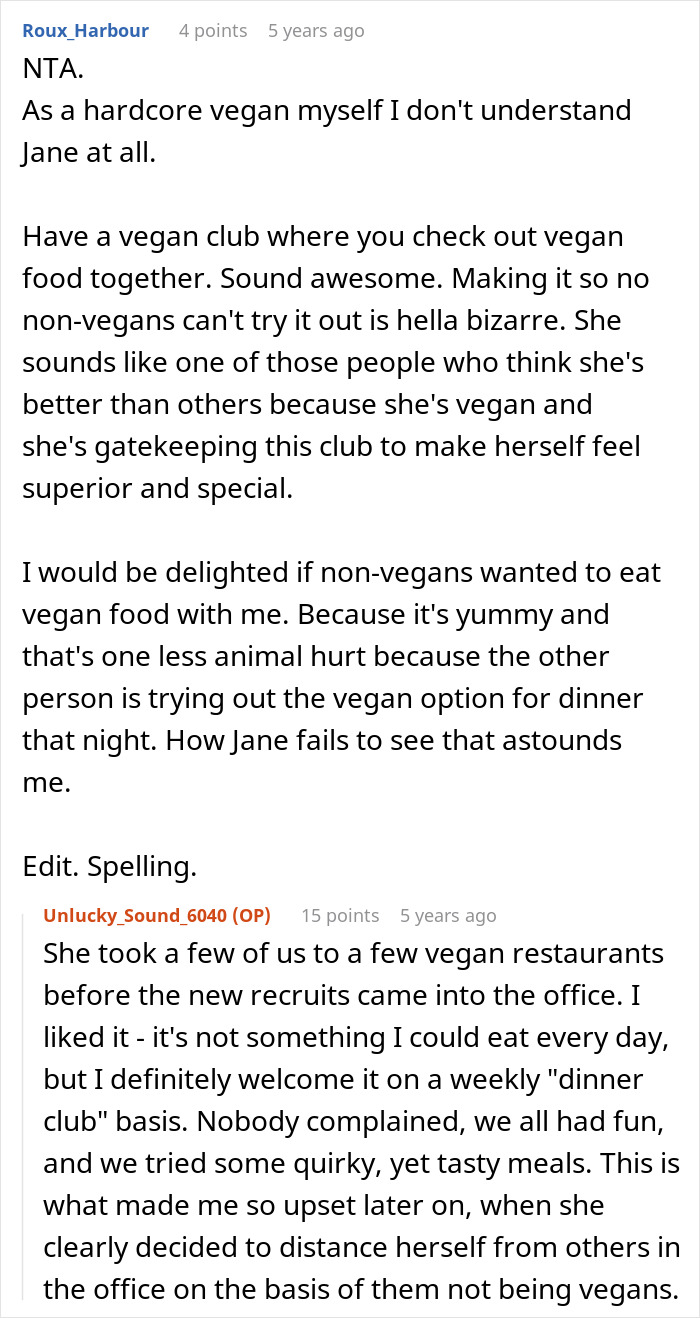
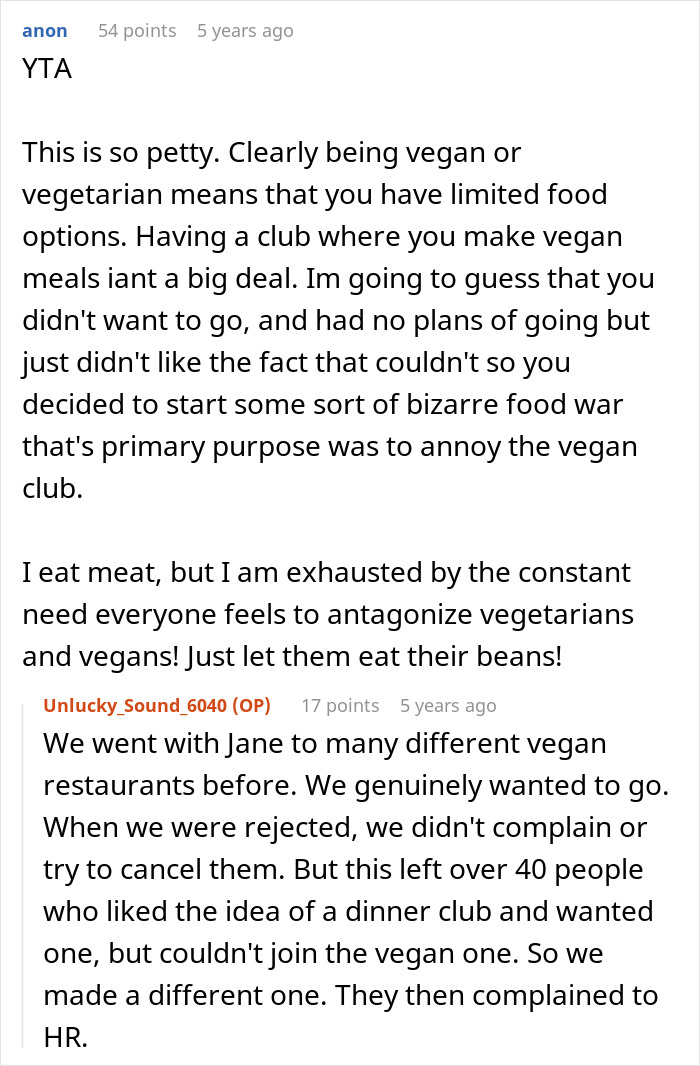
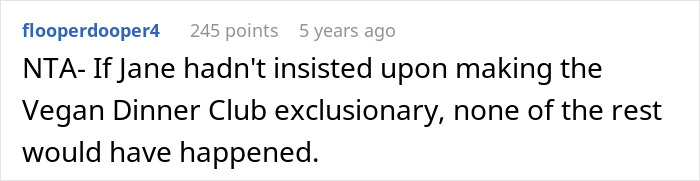
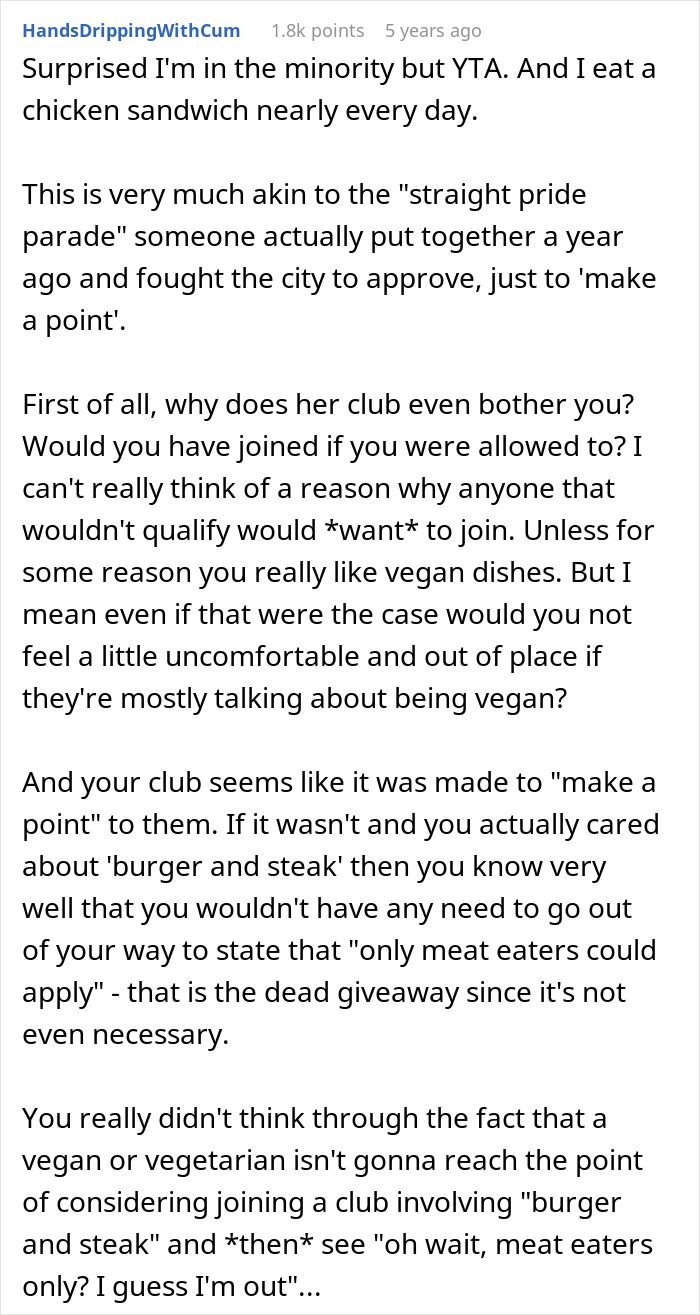
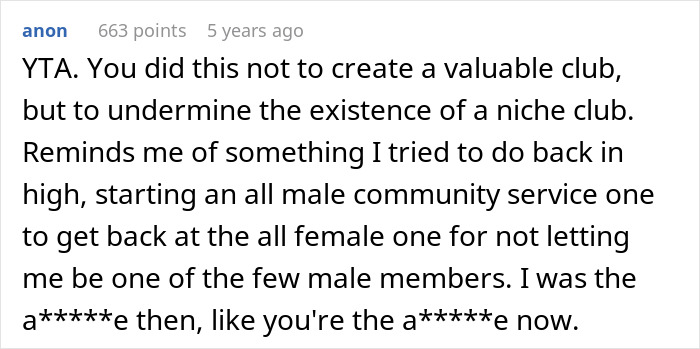
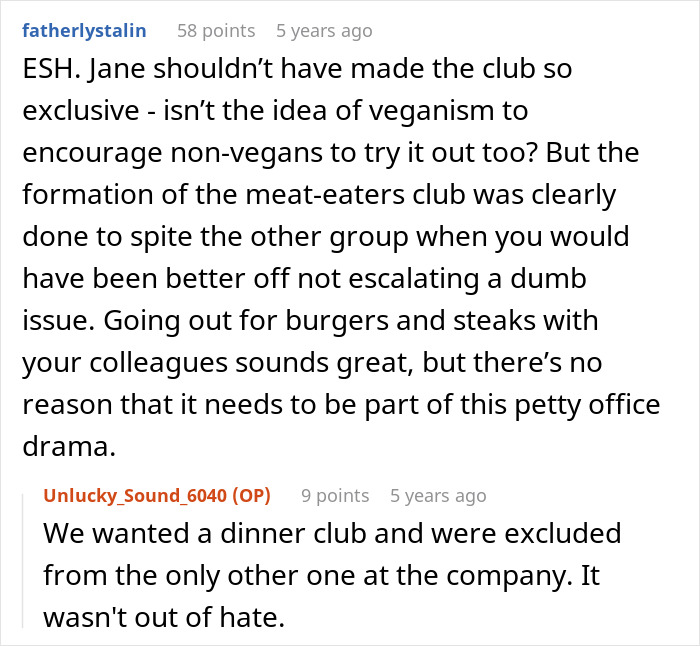
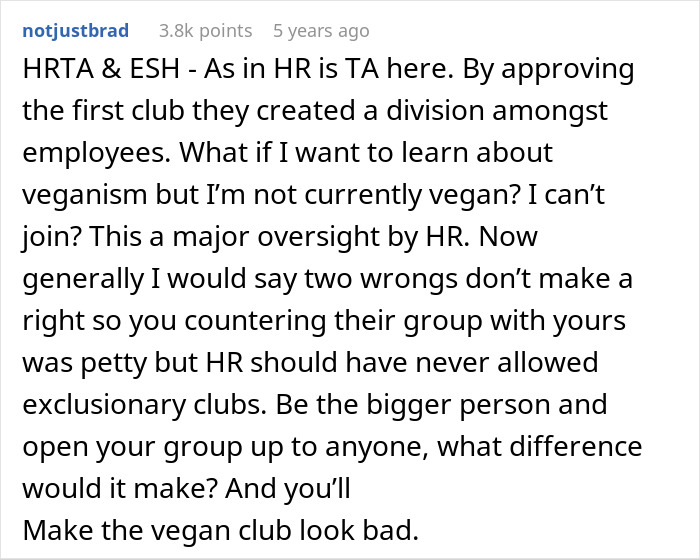
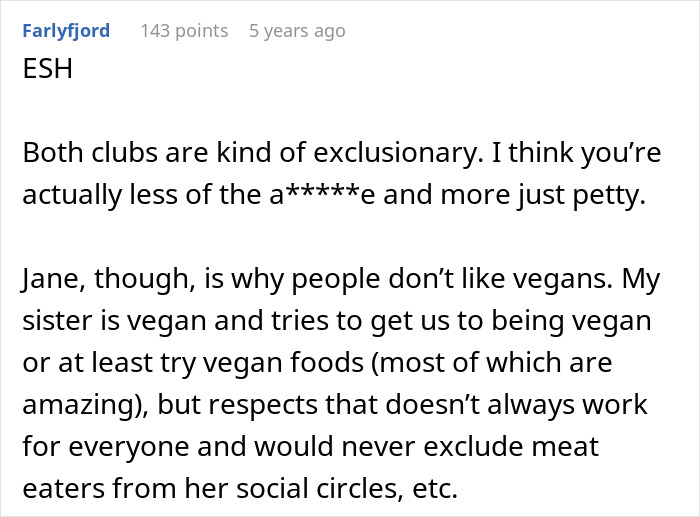
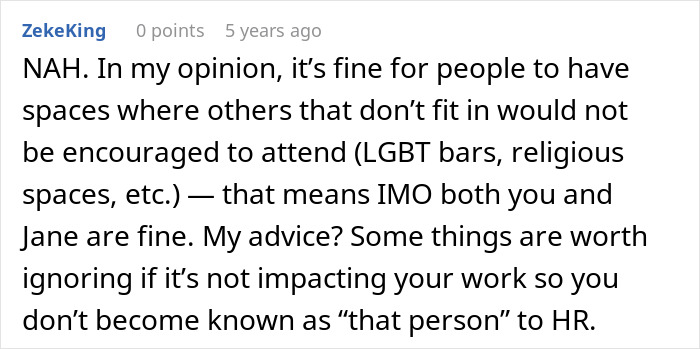
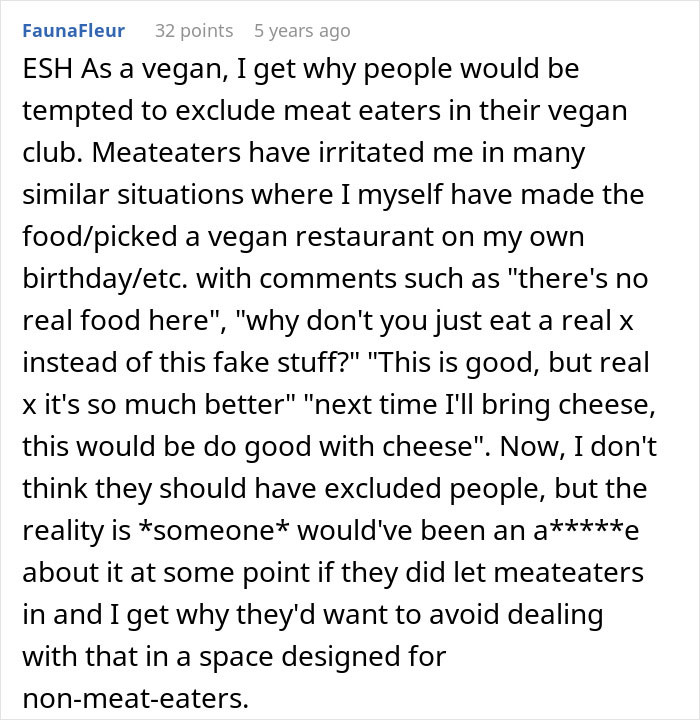
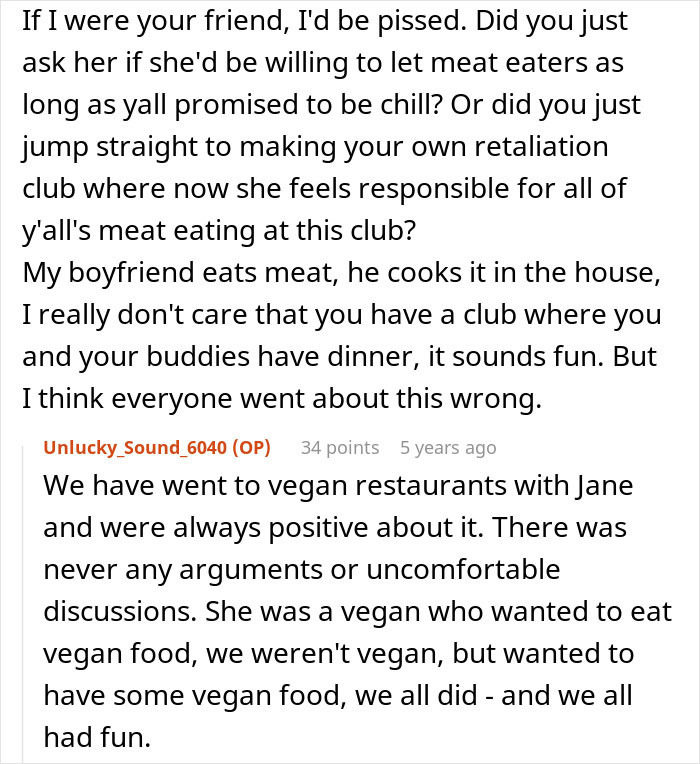
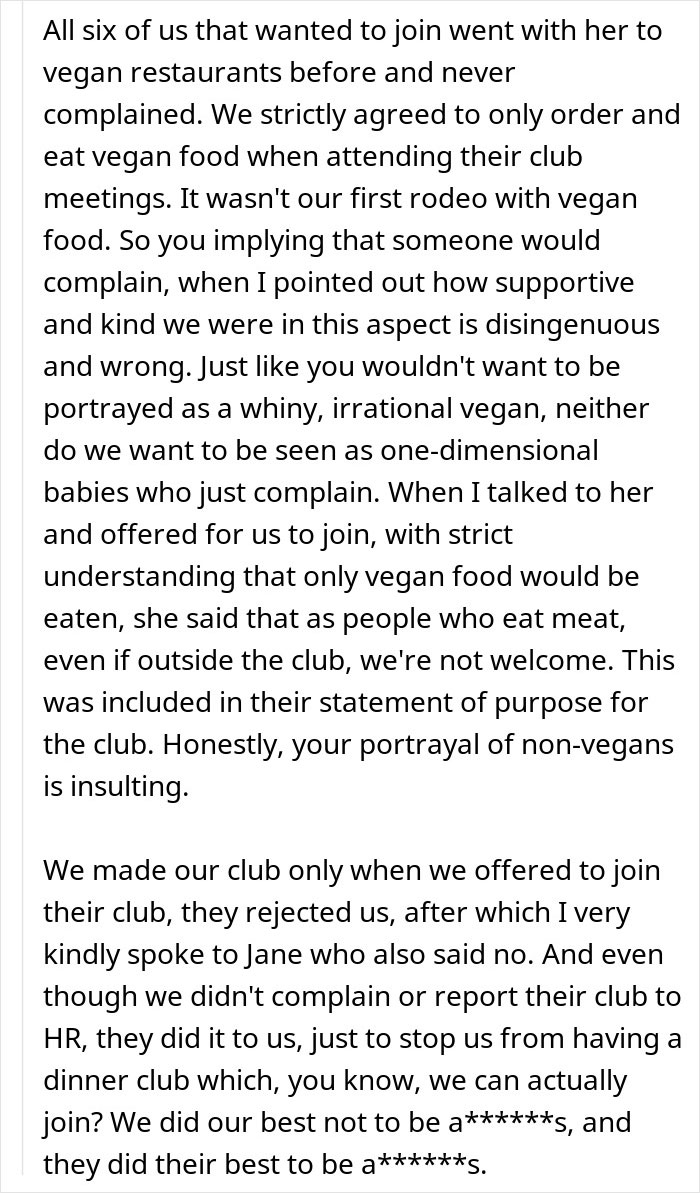
If Jane really wanted to encourage more vegans and vegetarians, she kinda blew it. According to OP, people were willing to join and go to the vegetarian restaurants but she said no, they had to already be committed vegetarians. That shut the door on some curious people who could have been eased into the lifestyle. It was also a bad move on HR's part to approve the club because it dictated people's behavior and identity outside of the club activities and workspace. That's how you wind up with a divisive, hostile workplace. A decent work social club is open to all those who are interested and does not presume to gatekeep beyond that. OP's response was a pretty predictable result.

So its okay to exclude people who aren't vegan, but if they get excluded its offensive? Double standards at its finest. NTA
Vegans weren't excluded from the meat club. Non-vegans were excluded from the vegal club though, so you are absolutely correct on the double standard.
Load More Replies... Apparently OP also posted this in r/pettyrevenge, proving this was purely about making a point and that he got bútthurt about an innocent club.
It reminds me of when some men ask why there isn't a men's history month
Load More Replies... If Jane really wanted to encourage more vegans and vegetarians, she kinda blew it. According to OP, people were willing to join and go to the vegetarian restaurants but she said no, they had to already be committed vegetarians. That shut the door on some curious people who could have been eased into the lifestyle. It was also a bad move on HR's part to approve the club because it dictated people's behavior and identity outside of the club activities and workspace. That's how you wind up with a divisive, hostile workplace. A decent work social club is open to all those who are interested and does not presume to gatekeep beyond that. OP's response was a pretty predictable result.


























 No fees, cancel anytime
 then open in external browser


 and click "Open in External Browser"










32
31