Get Premium
Dark mode theme is available exclusively for premium users. Learn more about the benefits of subscribing.
No fees, cancel anytime.

 Dark Mode Ad-Free Browsing Unlimited Content
 Ad-Free Browsing Unlimited Content Dark Mode
Join 1.2 million Panda readers who get the best art, memes, and fun stories every week!
A 51-year-old homicide case from Utah got resolved on Wednesday, April 1, as authorities linked the crime back to one of America’s most notorious criminals, Ted Bundy.
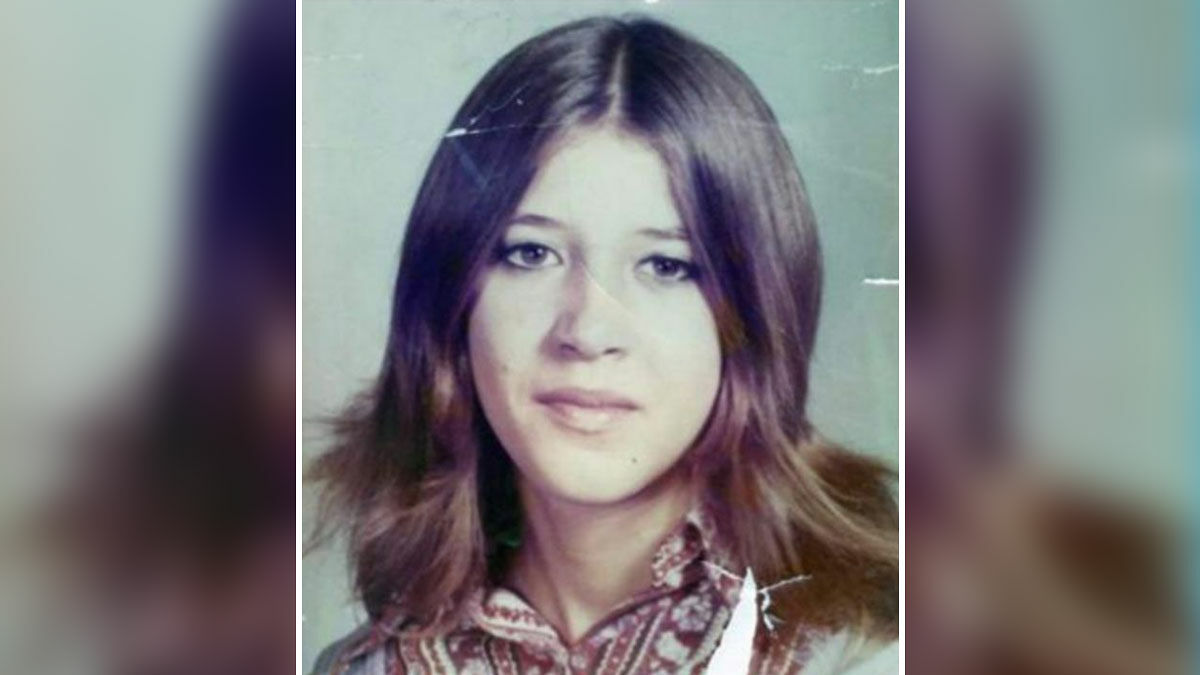
Laura Ann Aime was 17 when she disappeared after leaving a Halloween party on October 31, 1974. Her body was discovered about one month later by hikers in the American Fork Canyon.
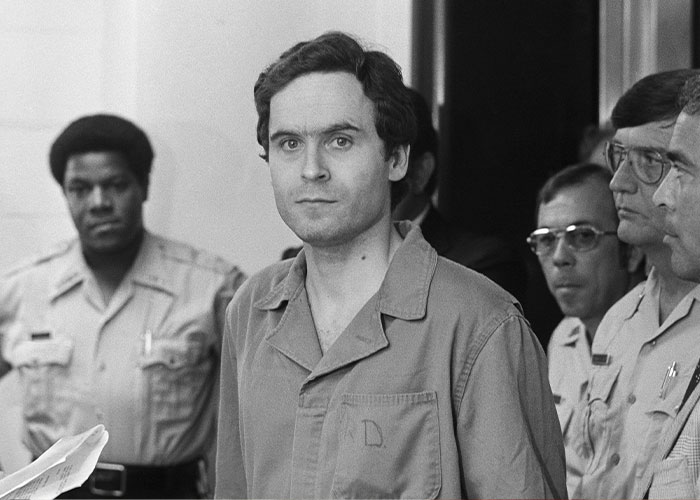
Bundy, who claimed the lives of 30 women between 1974 and 1978, admitted to eliminating Aime before he took the electric chair in 1989. However, since he refused to divulge details, officials kept the investigation going.
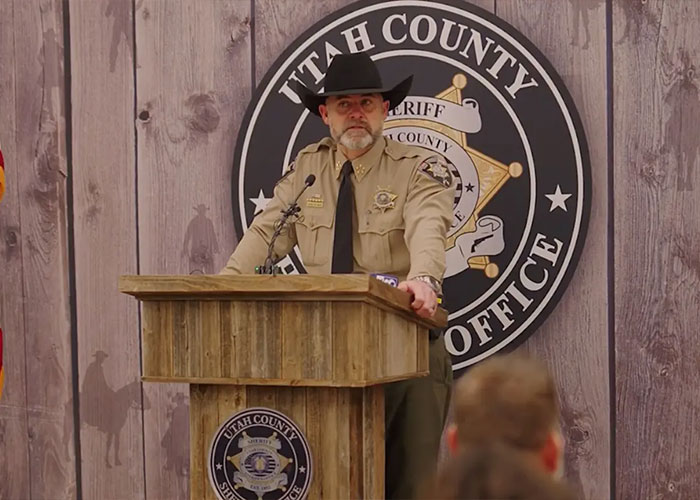
Utah County Sheriff Mike Smith declared the case “officially closed” yesterday after confirming a DNA match between evidence from Aime’s body and Ted Bundy.
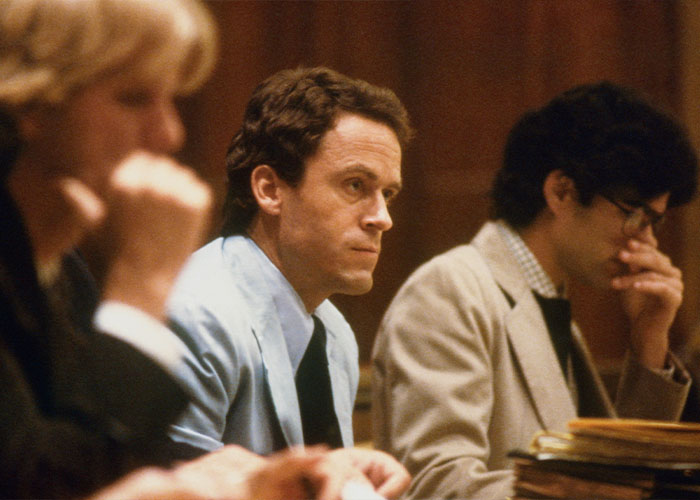
Image credits: Getty/Bettmann
The teen’s body showed signs of severe, repeated beatings when it was discovered, and investigators later determined that she had been strangled with a nylon stocking in her final moments.
The trauma that Aime suffered fell in line with Bundy’s tactic of subjecting his victims to extreme violence and then asphyxiating them.
Image credits: The Mount Pleasant Pyramid
The Utah Sheriff’s Office, in their Wednesday press release, informed that they sent the evidence from Aime’s case to the Utah Bureau of Forensic Services in hopes that the new technology acquired by them in 2023 — allowing DNA extraction from even degraded samples and separation of DNA from mixed profiles — would help identify the culprit.
The technology did not disappoint investigators, as it isolated a single male DNA profile, leading them to Bundy.
Image credits: KSL News Utah
The sheriff’s office called the finding “magnificent,” adding that if Bundy were still alive, they would have pursued the maximum penalty for him.
Bundy had moved to Salt Lake City, just an hour outside of Utah County, in the fall of 1974 to study law at Utah University.
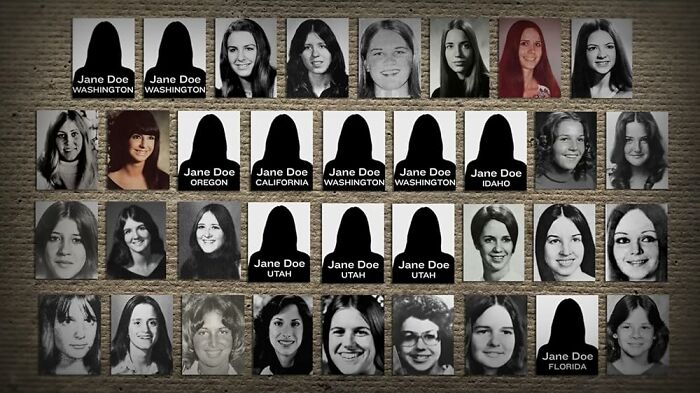
By then, nine women in Washington, Oregon, and Idaho had already fallen victim to him.
He was later linked to five other homicides in Utah — all female victims — making Aime his sixth confirmed victim in the state.
Image credits: Getty/Bettmann
Speaking to The Salt Lake Tribune, Michelle Impala, Aime’s sister who was five years her junior, said Aime would be “really happy to know” her wrongdoer was identified over 50 years later.
“It’s really quite amazing that people are still interested in the case,” she added.
Image credits: Conversations with a Killer: The Ted Bundy Tapes,
During the news conference confirming the closure of the case, Impala remembered being “really close” with Aime and sharing a room with her.
“We rode horses together. She was very passionate about animals. She took me everywhere. It was pretty cool to hang out with my older sister,” she said.
@cnnNew DNA testing has definitively linked the unsolved death of a Utah teenager in 1974 to the infamous serial killer Ted Bundy, the local sheriff’s office said Wednesday. Bundy was eventually convicted of three murders and executed in 1989.♬ original sound – CNN
The rest of Aime’s surviving family members, according to the sheriff’s office, remembered her as “one who found joy in everything she did.”
She sought to share her “abundant compassion” with all, including using her pocket money to buy treats for her siblings, “because she enjoyed watching the happiness in their eyes.”
Image credits: State Library and Archives of Florida
“Just in time… sheriffs should be complimented for only taking five decades,” a detractor wrote, while another added, “Despite a confession? Ridiculous system.”
“They wanted proof. They didn’t have DNA testing until 1985, and even then, it wasn’t as advanced as it is now,” a supporter noted.
“He lied constantly about his crimes in his final days to try to beat the chair. They couldn’t believe what he said,” another echoed.
Image credits: Getty/Bettmann
“Henry Lee Lucas confessed to hundreds of m*rders he didn’t commit,” educated a third.
The next, meanwhile, simply said “well done to the officers who kept the case alive” despite scarce technology.
Conversation on social media also focused on bashing Bundy, with one saying, “It’s horrible they are still discovering victims from this monster.”
“I hope the electric chair was extremely painful and overwhelmingly terrifying for Bundy,” a second said.
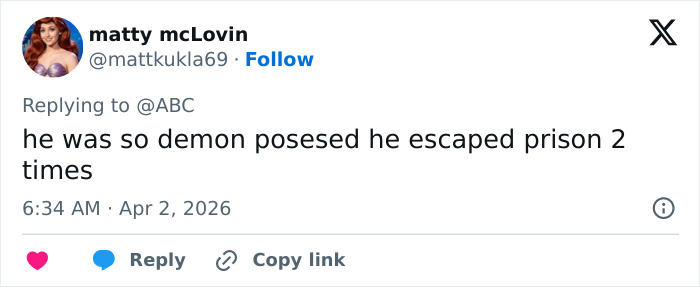
A third called him “Satanic,” while a fourth expressed, “It’s too bad he can’t be punished again.”
Image credits: mattkukla69
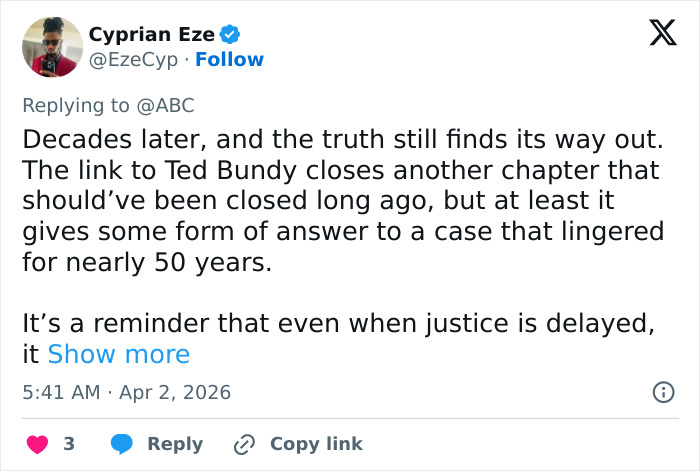
Image credits: EzeCyp
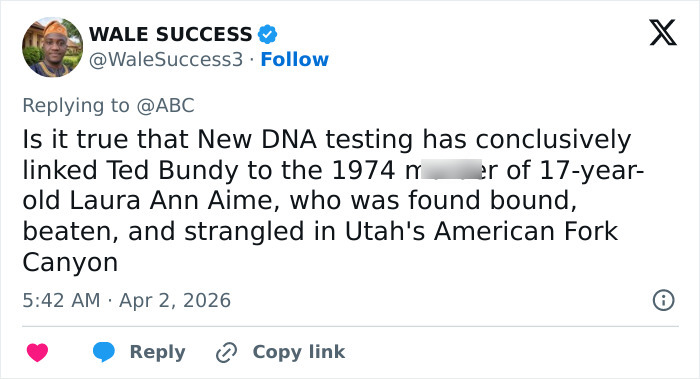
Image credits: WaleSuccess3
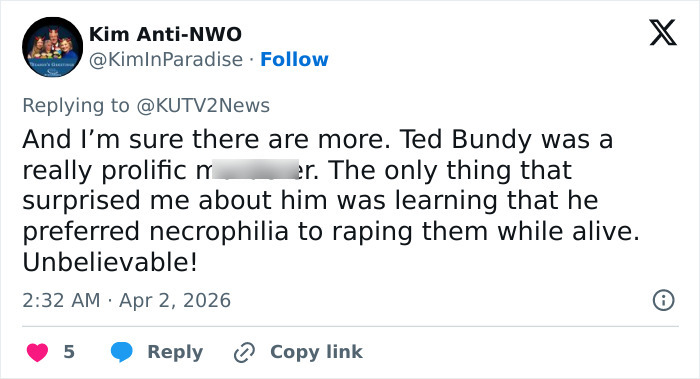
Image credits: KimInParadise
Image credits: DubemNwobodo
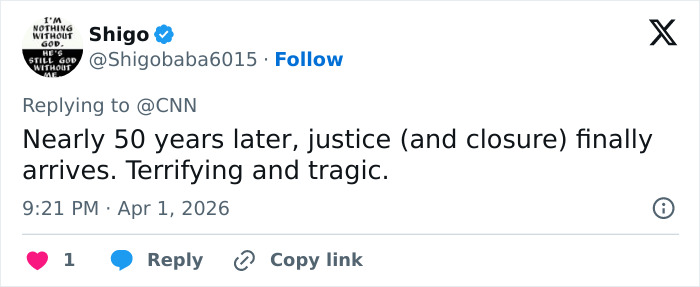
Image credits: Shigobaba6015
Image credits: itzgreatken
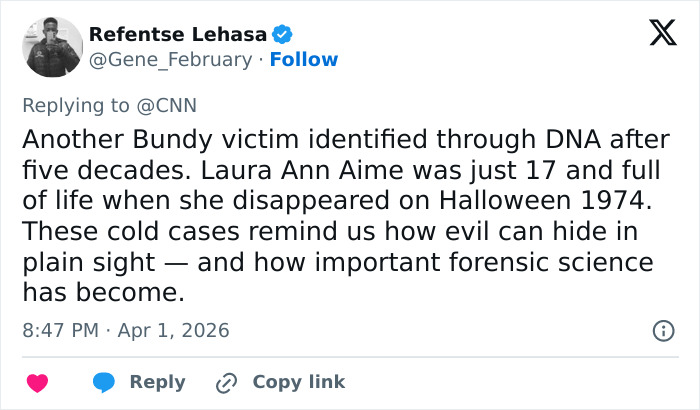
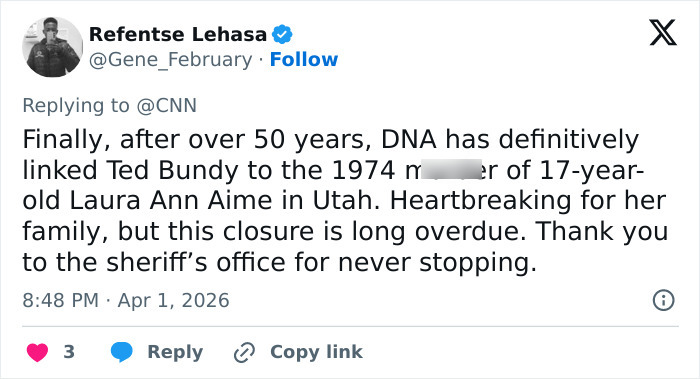
Image credits: Gene_February
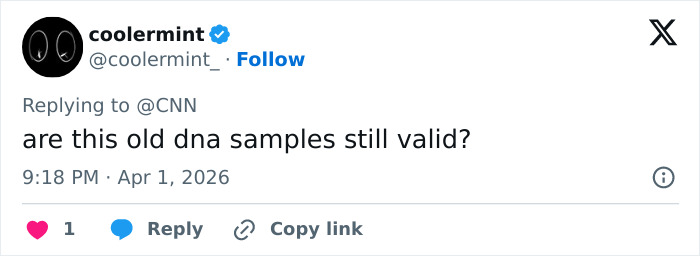
Image credits: coolermint_
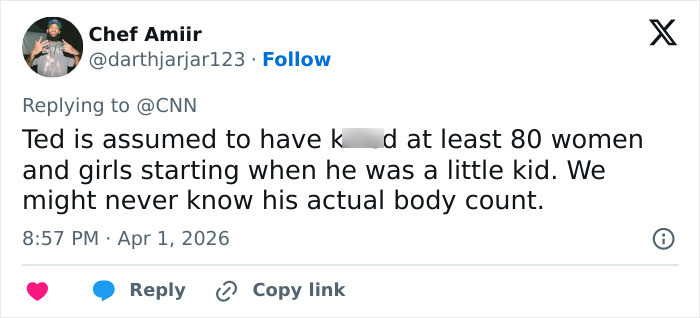
Image credits: darthjarjar123
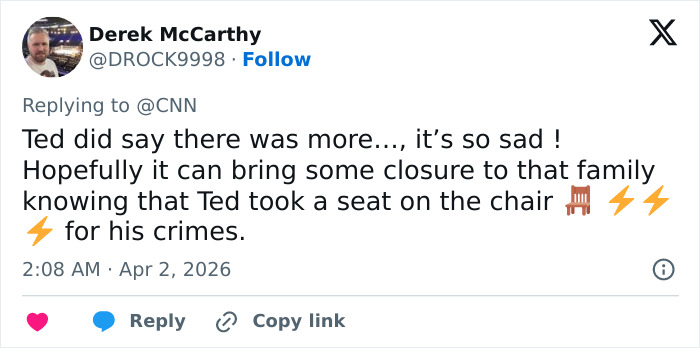
Image credits: DROCK9998
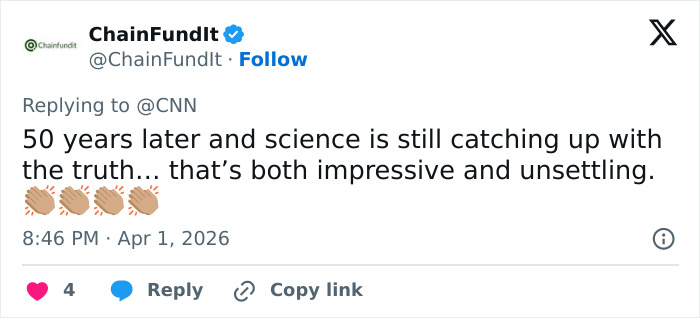
Image credits: ChainFundIt
Image credits: Gene_February
Image credits: yummytreatlagos

By entering your email and clicking Subscribe, you're agreeing to let us send you customized marketing messages about us and our advertising partners. You are also agreeing to our Privacy Policy.
Thank you! You've successfully subscribed to newsletters!





















 No fees, cancel anytime










28
0