Get Premium
Dark mode theme is available exclusively for premium users. Learn more about the benefits of subscribing.
No fees, cancel anytime.

 Dark Mode Ad-Free Browsing Unlimited Content
 Ad-Free Browsing Unlimited Content Dark Mode
Join 1.2 million Panda readers who get the best art, memes, and fun stories every week!

Different disciplines attempt to explain our world in different ways. The humanities and social sciences explore the morality and ethics behind why people act a certain way. The arts focus more on expressing how people feel and see the world. And the sciences attempt to systematize and understand our world through numbers, data, and statistics.
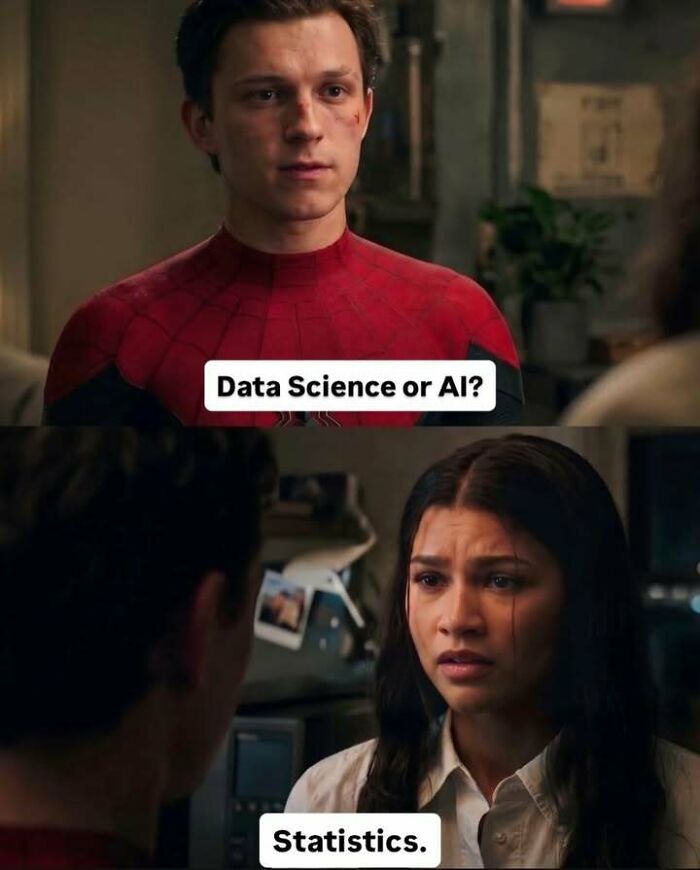
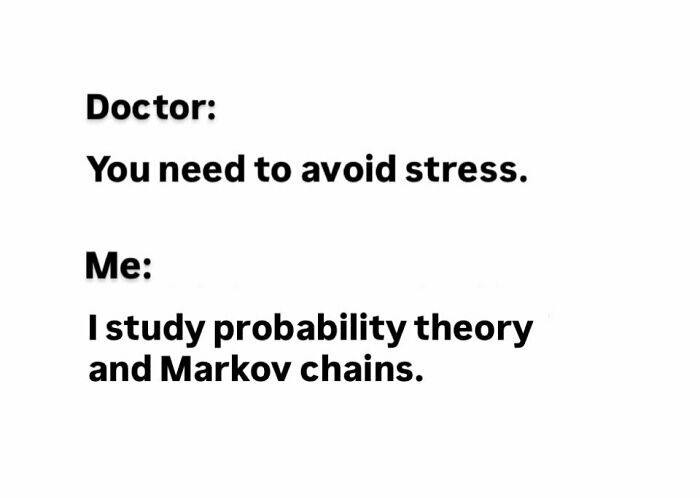
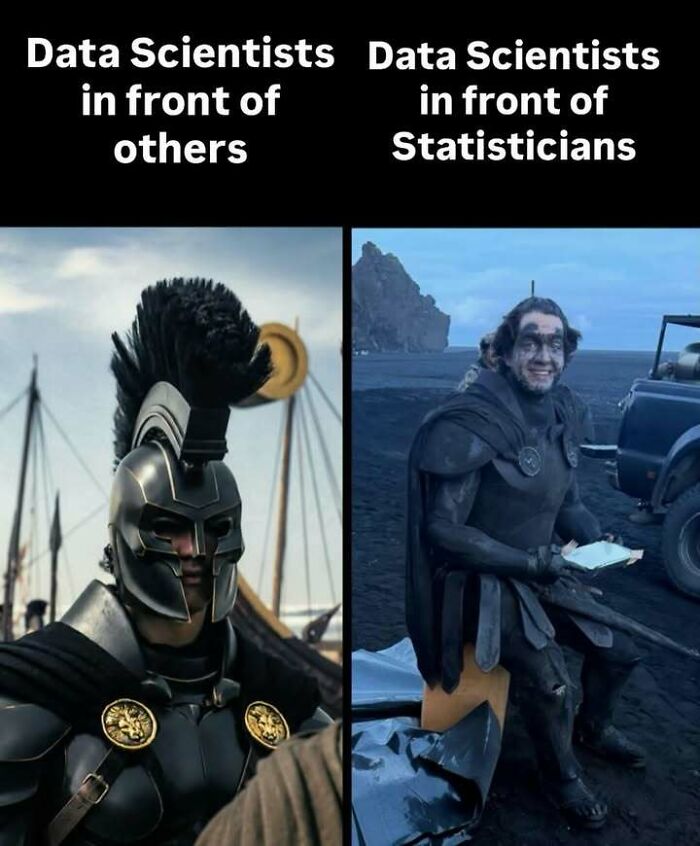
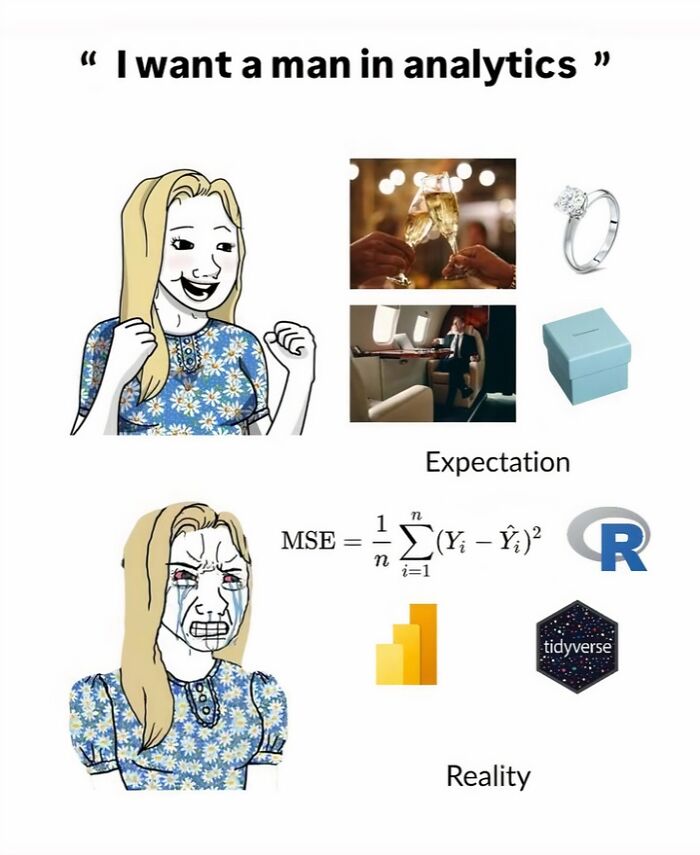
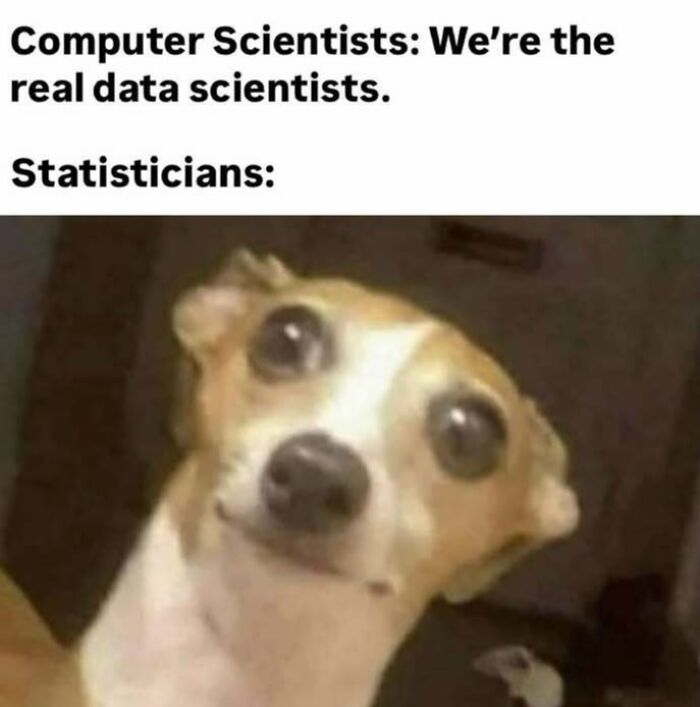
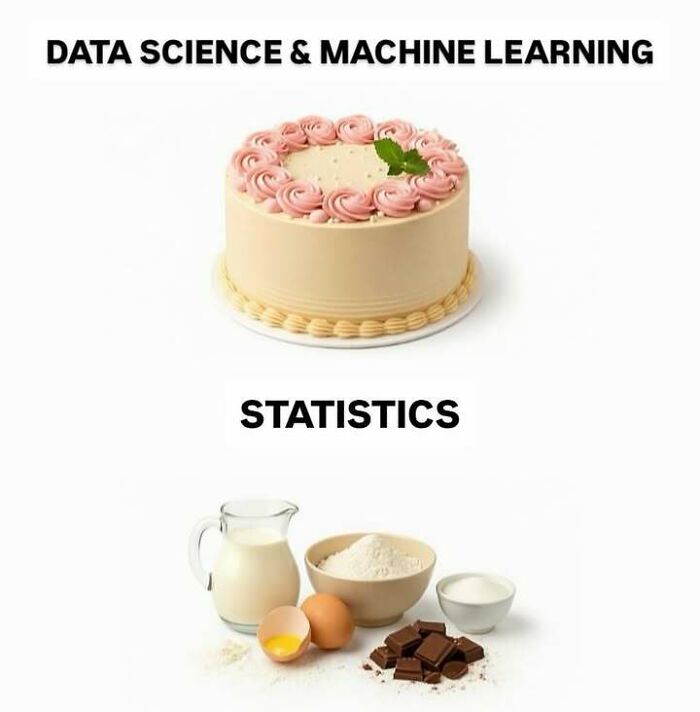
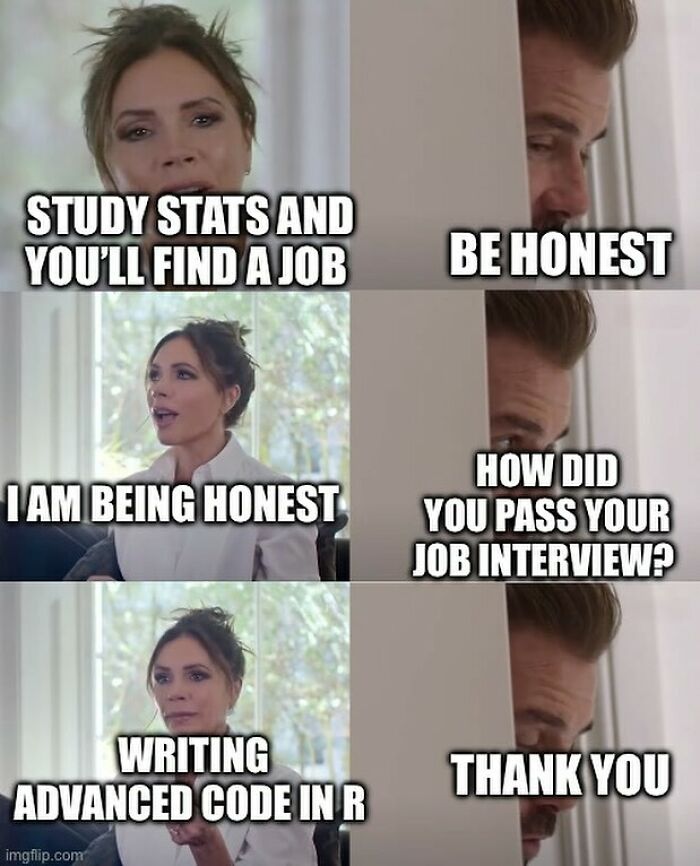
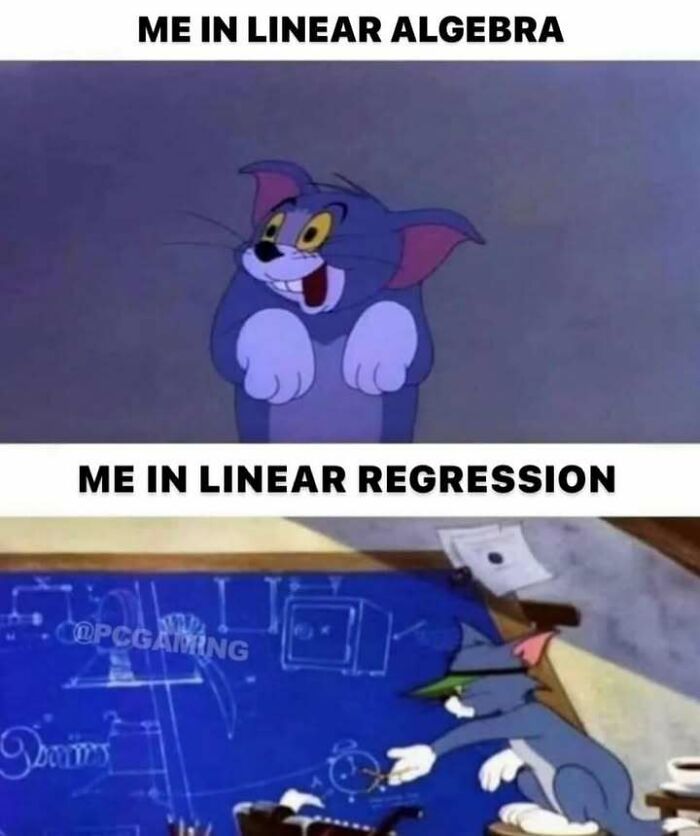
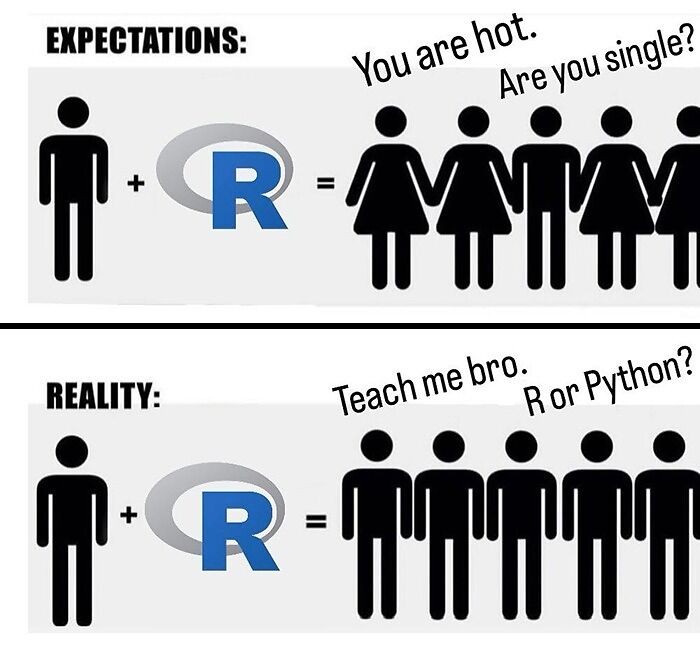
If you’re in the field of the latter, these memes might be exactly for you. From the Facebook page “Statsystem,” this collection of statistician memes requires a certain set of skills and a dedication to data science. So, if you know the difference between R and Python, know the struggle of working out probabilities, and can’t help but see formulas under your eyelids when you go to sleep, this selection of memes is right up your lane!
More info: Facebook
This post may include affiliate links.

If someone has ever told you that statistics are boring, they clearly lied. We have some interesting, entertaining statistical facts we think you should know. For example, have you ever heard about the myth of the above-average driver? It’s about the fact that, when asked to self-assess, 93% of drivers think they’re above average.
In reality, that’s mathematically impossible. Only 50% of people in a group can be above average, so people tend to see themselves as better drivers than they really are. Statistically, 50% of people are below-average drivers, and 50% are above-average drivers. Psychologists also call this superiority illusion the Lake Wobegone effect, and it also applies to leaders, university professors, and egocentric people in general.
If you had to bet on something, would you choose to bet on the same thing 26 times in a row and expect to win? You might think that it’s statistically impossible to win every time, yet it’s happened before. In 1913, the roulette ball at the famous Monte Carlo casino fell black 26 times in a row, proving that the Gambler’s Fallacy is real.
Most people think that such coincidences aren’t probable. So, when they had to bet, most gamblers at the casino bet on red. Imagine their surprise when, time after time, they had to watch the ball land on black and lost all their money. Reportedly, some people even lost millions of dollars. The Gambler’s Fallacy can be summed up in one example: no matter how many times before a coin toss landed tails, the probability of heads still remains 50%.


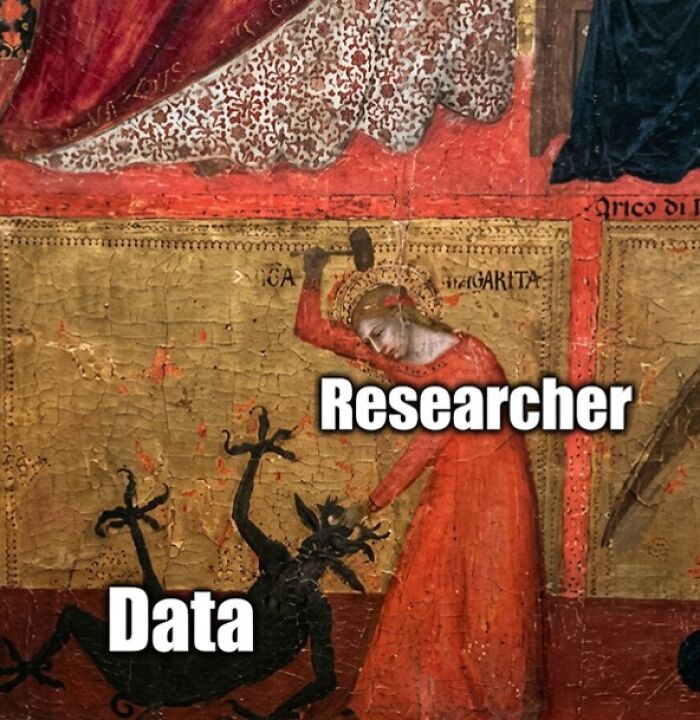
Hacksaw necessary too, sometimes a jackhammer is needed to unearth particularly stubborn data.
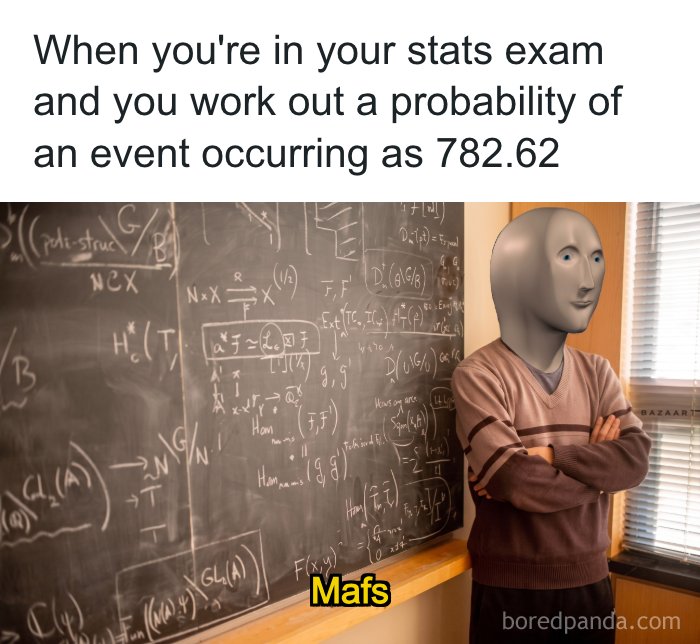
The Monty Hall problem may trick our brains in a similar way. There are three doors that a contestant has to choose from. Behind one of the doors is a prize, and behind the other two — nothing. When the contestant picks an empty door, they can change their original answer or stick with the door they chose. Most of us interpret the theory of probability wrong and think that changing our answer gives us a better chance of winning the prize.

The chances of winning if you choose another door when there are only two doors left aren’t 50-50; they’re actually 2/3. The probability that the prize is behind the original door is 1/3, and the probability that it’s behind one of the two doors left later is 2/3. It’s conditional probability — the likelihood of an event might change when we know more information.

I don't know what that graphic means, but I don't care enough to search it.
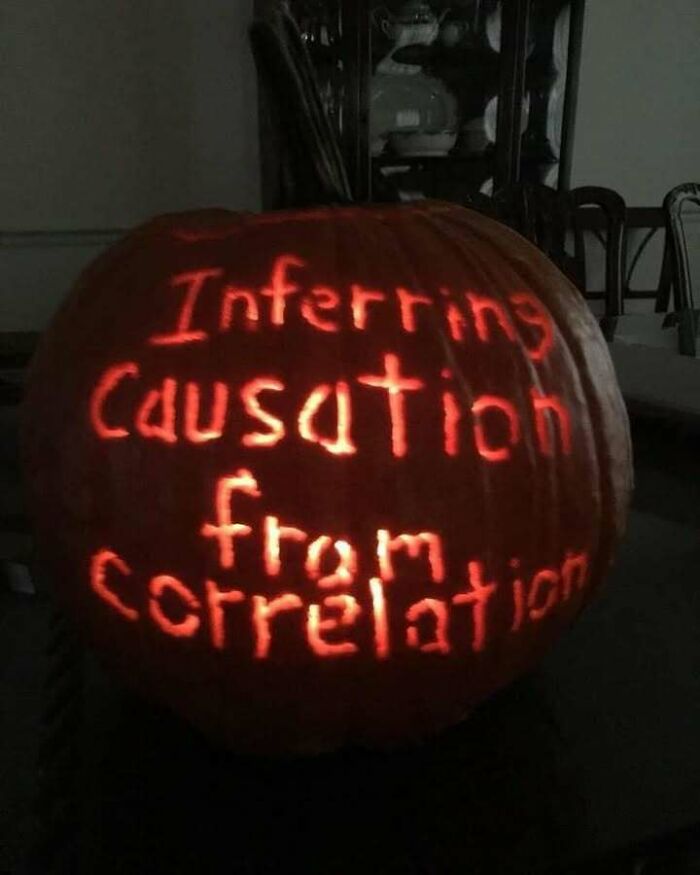
What do shark attacks and ice cream sales have in common? Surprisingly, statistically, they peak at similar times of the year. While there is no direct correlation, both shark attacks and ice cream sales increase during the summer months. It’s one of the best examples that correlation does not equal causation. Both phenomena are unrelated; it’s just that people swim more in the summer and eat more ice cream during hot summer months.
This looks like a Bugs Bunny cartoon, but ordered on Wish 🤔
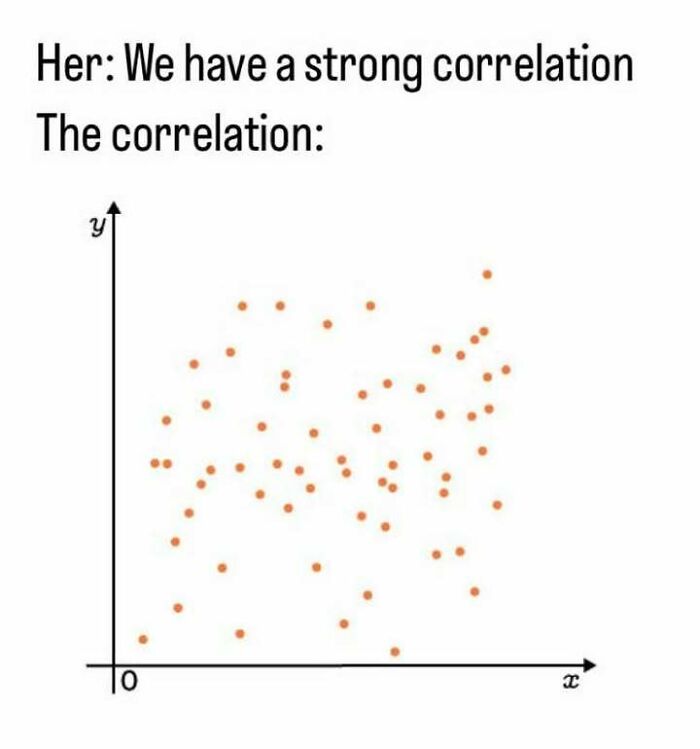
The “correlation doesn’t mean causation” rule has some other funny examples. Like the fact that the divorce rate in Maine has decreased at almost the same pace as margarine consumption in the U.S. Similarly, but not any less hilariously, the popularity of the “This Is Fine” meme correlates with the number of public school students in the U.S. Except for 2021, when the popularity of the meme dropped significantly for some reason.
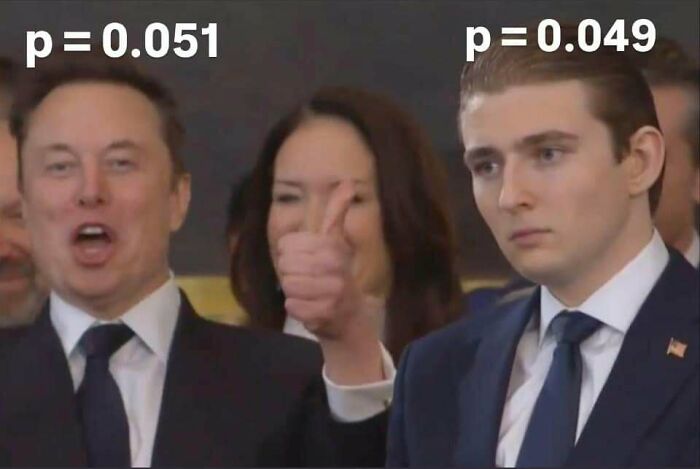
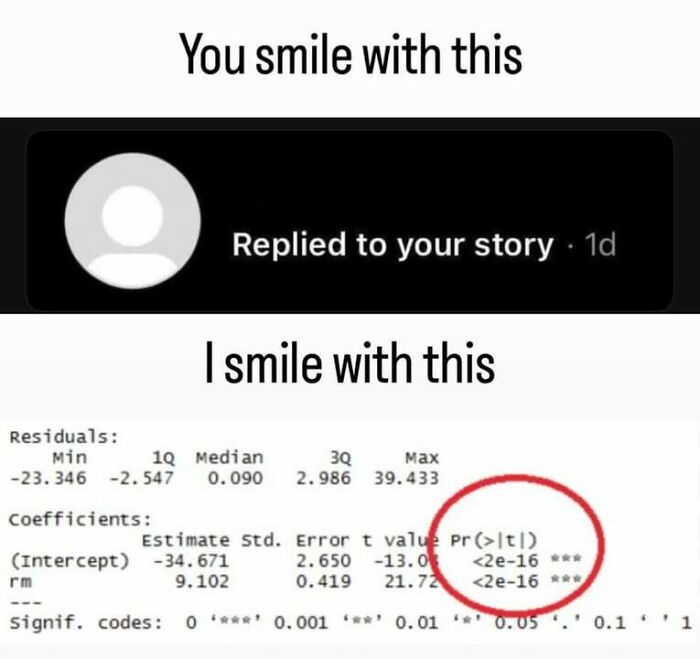
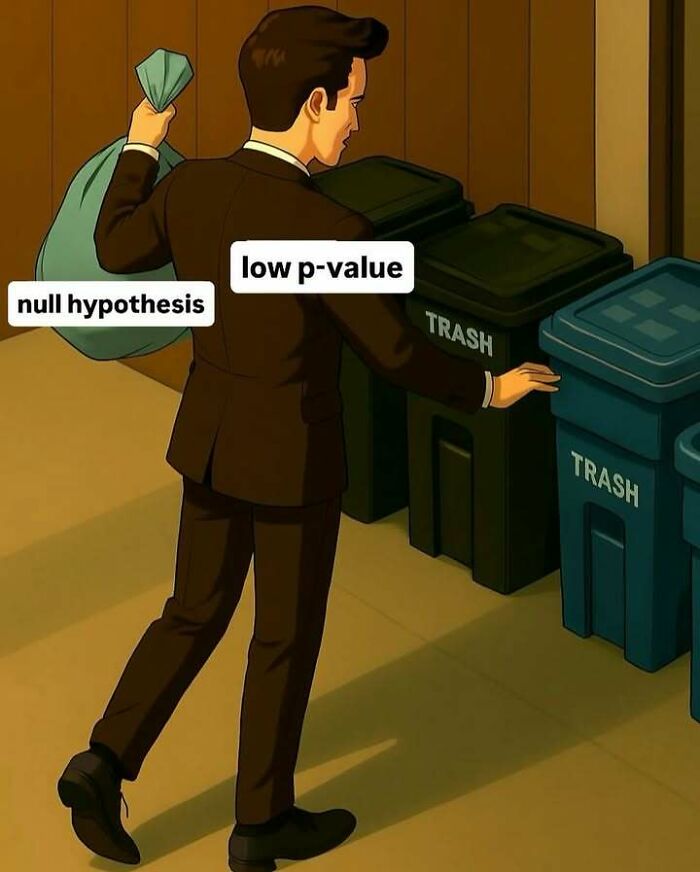
The arbitrary cutoff of p=0.05 for significant vs insignificant results.
If you had to guess, would you say that there are two arms for every person in the world on average? That would be the logical assumption, right? However, you probably hadn’t taken into account that a percentage of people on Earth have lost a limb; therefore, the mean for arms per person in the world isn’t two. So, technically, if you have two arms, you have more than the global average!

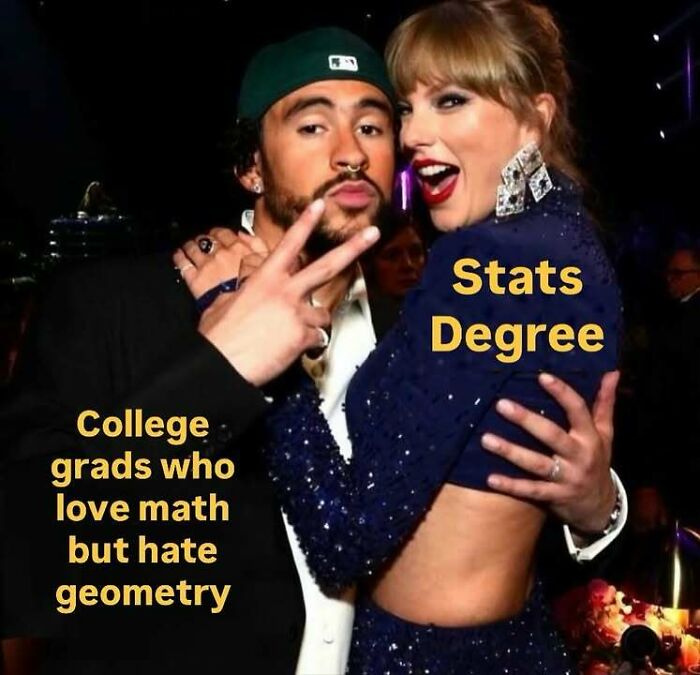
Choose either non-Euclidean geometry or topology. They’re very interesting.
What’s your favorite interesting fact in statistics, Pandas? Share it with us in the comments! And while you’re here, don’t forget to check out these statistics comics about life and insignificant things and learn some crazy stats about the world here, like the fact that you’re more likely to get bitten by a stranger in New York than by a shark anywhere else in the U.S.
I learnt an interesting word recently, "winsorizing". It's better than using the mean here. Slightly.
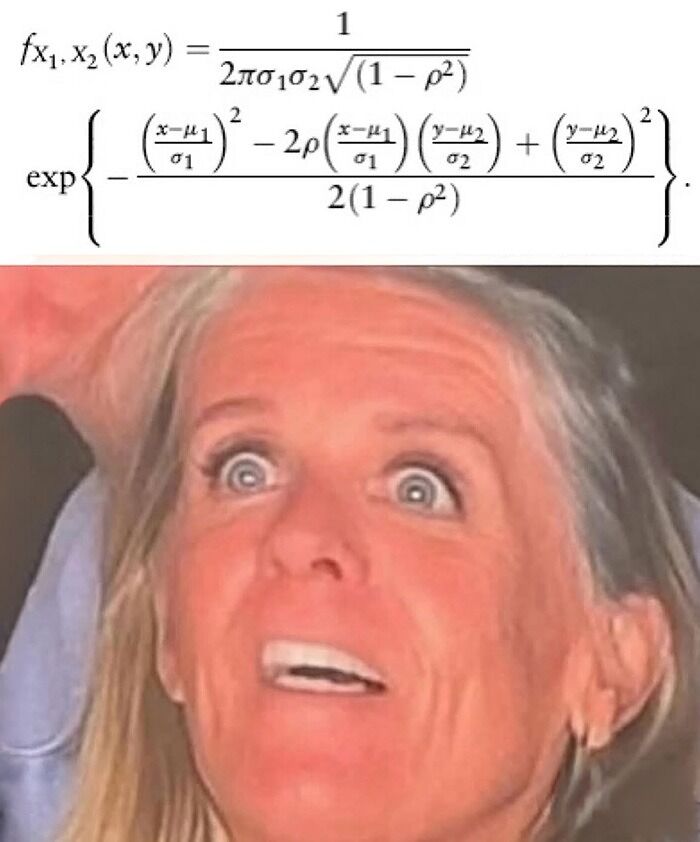
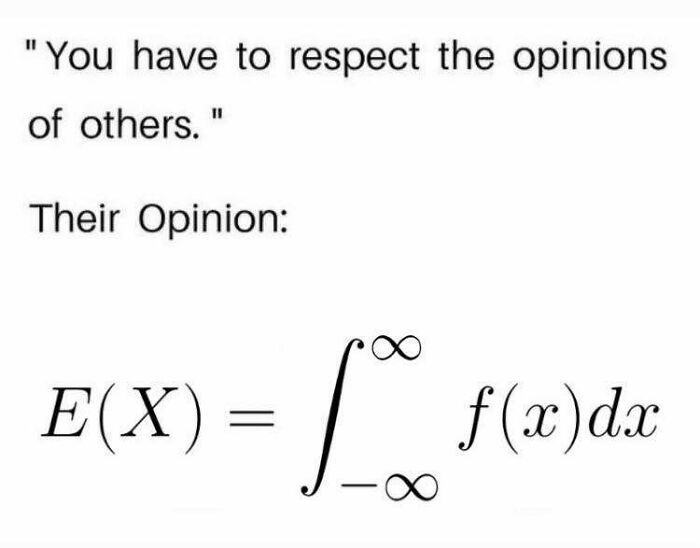
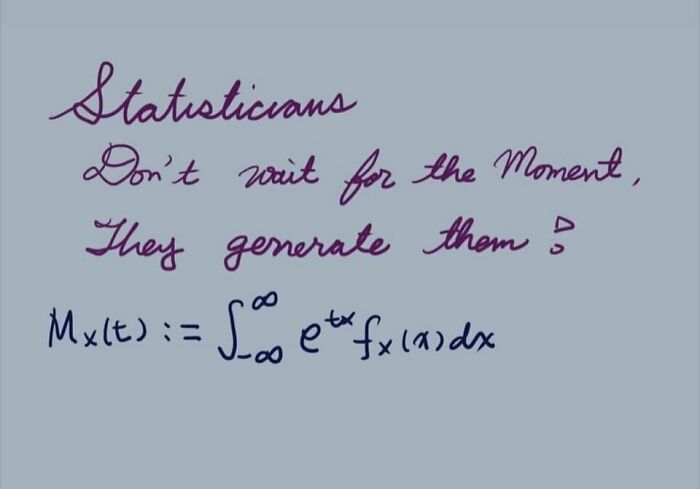
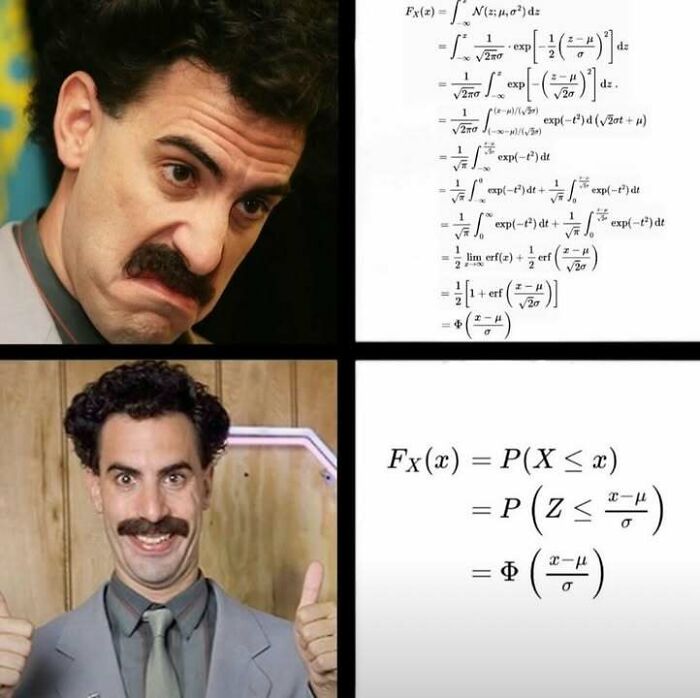
Great joke! For those who don't see it, it's missing an x inside the integral. Otherwise, they're calculating the expected value of the constant one.
Yes. Moment generating function or, if you're being fancy, characteristic function.
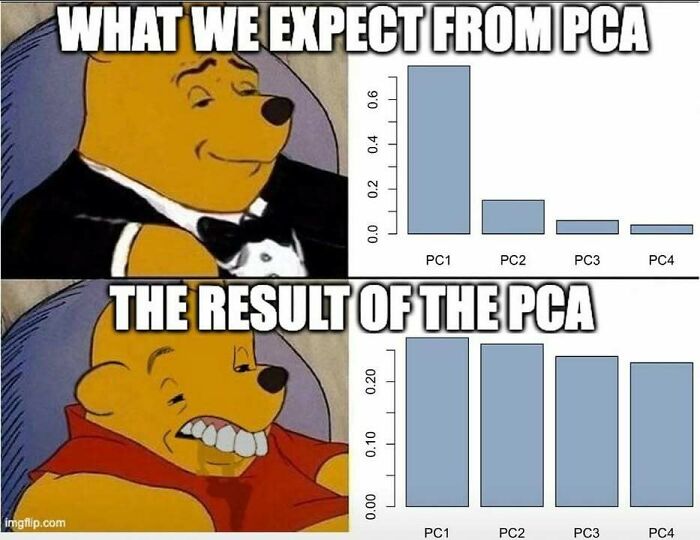
Principal component analysis. You only want one dominant principal component.
Change of variable. You can do it the easy way or you can do it the hard way.

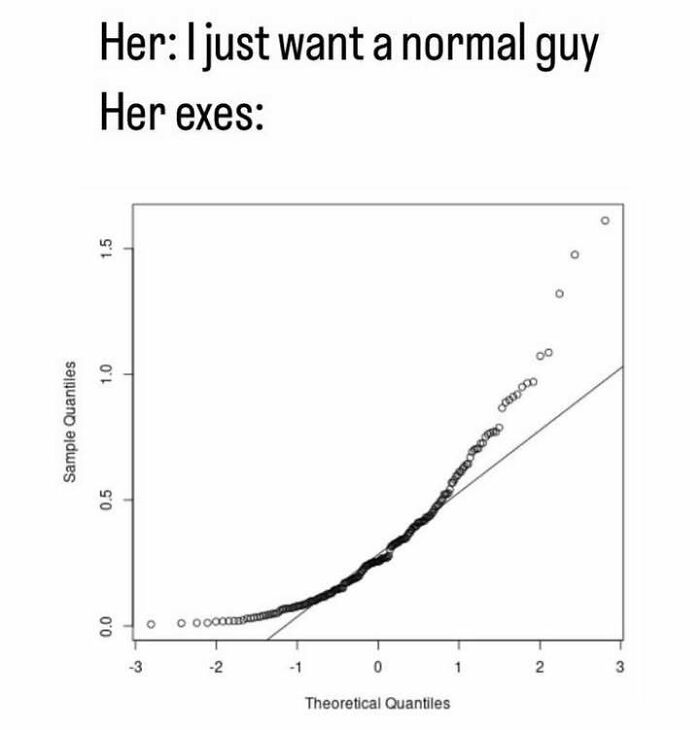
Important to remember that "ex" stands for "exponential". Exes have to be plotted on a log-linear chart.


I worked in statistics for decades, but most of these go way over my head. (Or possibly under it, IYSWIM). Here's something to think about: most of the statisticians and stats programmers really have no idea what they're doing, they just use tools like some of those mentioned to do standard things because they know that the standard things are what they need to produce. And many of them can't actually do any of the maths themselves.
Like all maths, it's like the Irishman looking for a lost object under a streetlight, not because the object was lost there but because the streetlight is the only tool he knows for finding it.
Load More Replies... I worked in statistics for decades, but most of these go way over my head. (Or possibly under it, IYSWIM). Here's something to think about: most of the statisticians and stats programmers really have no idea what they're doing, they just use tools like some of those mentioned to do standard things because they know that the standard things are what they need to produce. And many of them can't actually do any of the maths themselves.
Like all maths, it's like the Irishman looking for a lost object under a streetlight, not because the object was lost there but because the streetlight is the only tool he knows for finding it.
Load More Replies...





































 No fees, cancel anytime