Get Premium
Dark mode theme is available exclusively for premium users. Learn more about the benefits of subscribing.
No fees, cancel anytime.

 Dark Mode Ad-Free Browsing Unlimited Content
 Ad-Free Browsing Unlimited Content Dark Mode
Join 1.2 million Panda readers who get the best art, memes, and fun stories every week!
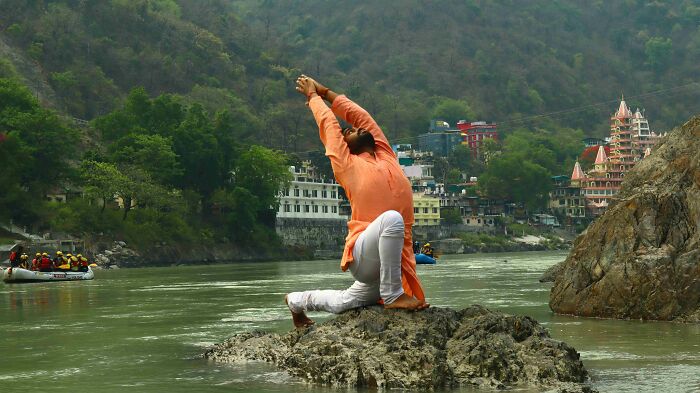
There’s a particular kind of quiet that arrives when you wake before dawn, unroll your yoga mat beside the river, and watch the light change on water that feels older than any map you carry.
I’ve been traveling through India for more than a decade now. I still chase mountain passes, coastal roads, and off-beat trails, but what keeps drawing me back is something quieter and slower. Not packaged spirituality, and not something built for tourists, but the kind you inhale over time, the kind that subtly changes how you pay attention, how you listen, and what you remember from a place.
More info: footloosedev.com | Instagram | Facebook
My first long stay in Rishikesh, two months at the Sivananda Ashram, taught me that spirituality can be just as much about daily practice as dramatic pilgrimage.
Morning satsangs, simple meals, the steady rhythm of seva (service), and long walks along the Ganga quietly reshaped the way I travel. Trips slowly became retreats, and temples turned into places of attention rather than photo opportunities.
Image credits: Saurabh Kumar
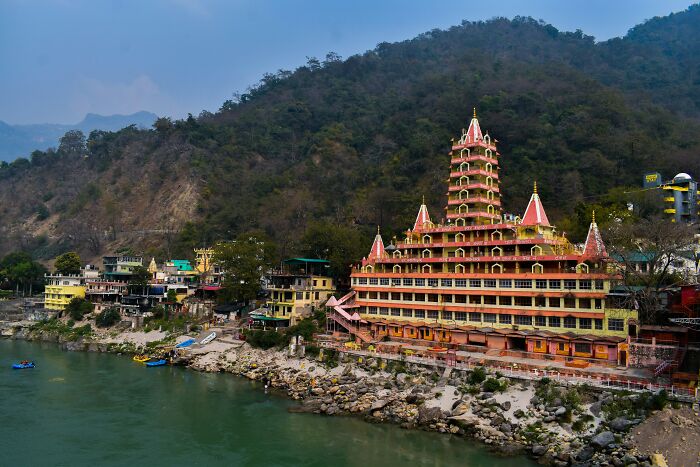
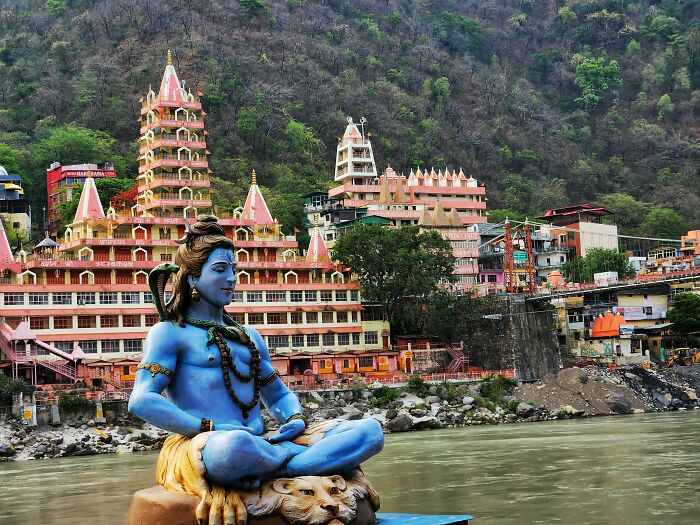
Rishikesh itself feels like a place stitched together from contrasts—yoga schools and bohemian cafés beside ancient shrines, river rafters moving through streets shared with wandering sadhus.
Image credits: Naitek Bhardwaj
You can sense the town’s two hearts: one modern, outgoing, and loud; the other slow, meditative, and centuries old. For me, evenings on the riverbanks, watching the Ganga aarti or sitting quietly as pilgrims light candles and release them into the water, have become some of my most enduring memories. That moment somehow captures the delicate border between grief, gratitude, and celebration.
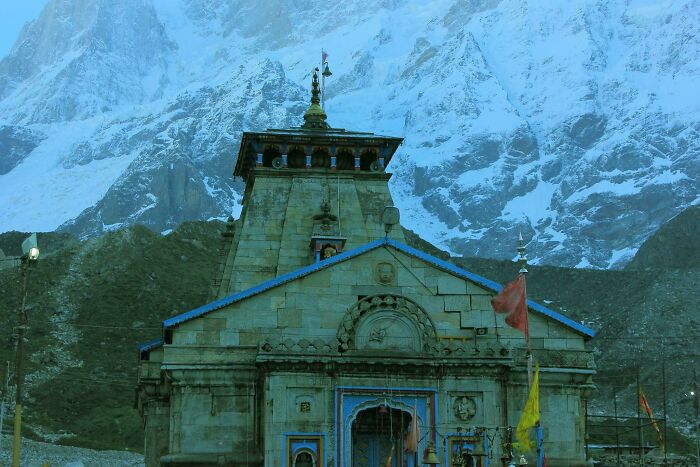
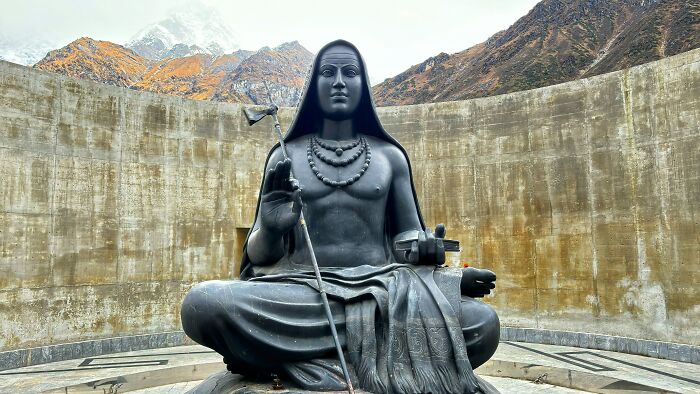
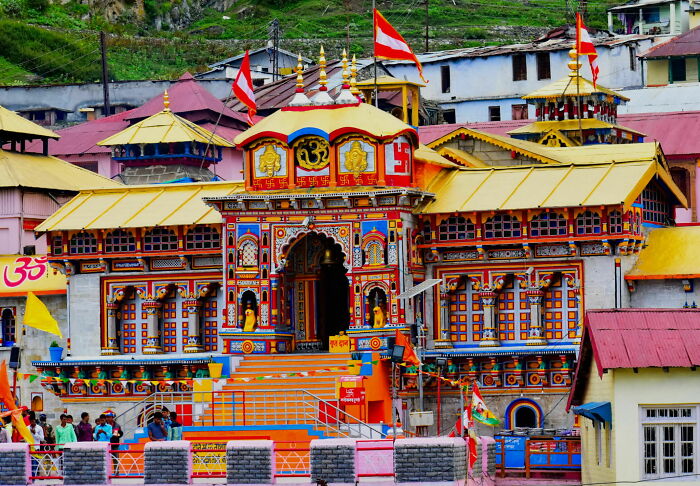
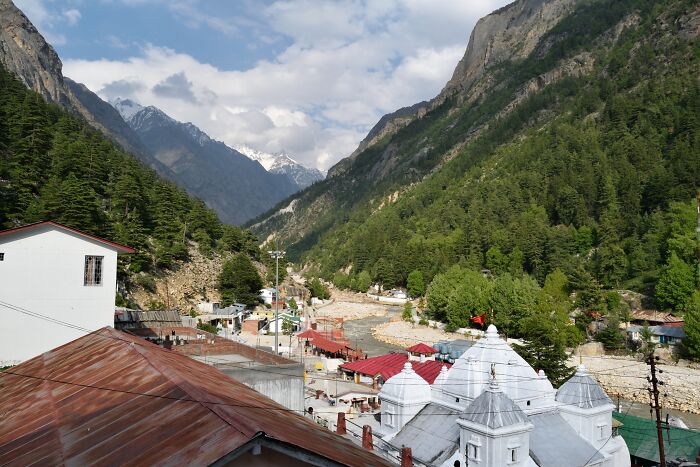
A few years after Rishikesh, I set out on the Char Dham circuit: Yamunotri, Gangotri, Kedarnath, and Badrinath.
The yatra has an almost magnetic pull for people who grew up with its stories. For me, it became a test of both physical endurance and devotion. Driving through the high Himalaya, every mountain pass felt like a line in a prayer—sudden clearings framing small temples like fragile offerings left open to the sky.
Image credits: Rohan Nigam
Image credits: Saravanan Rajaraman
That journey quietly rewired my sense of time. Days were measured by first light on a temple spire, nights by the steady pulse of a conch shell. I later wrote a longer insight into the experience, simply because it felt necessary to slow everything down and place those feelings into words.
Image credits: Nancy Yu
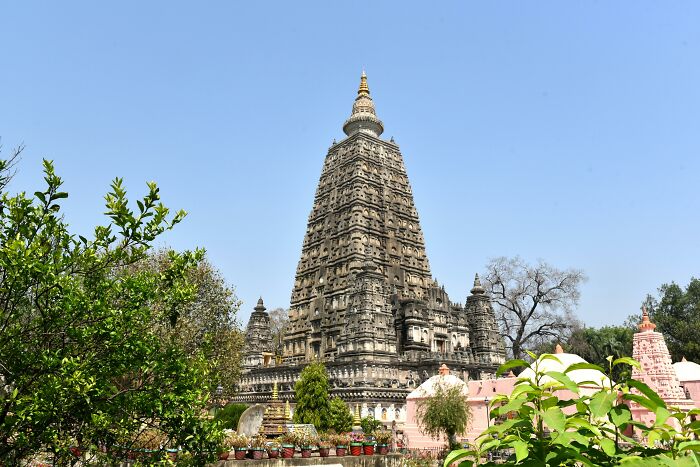
Further east, in Bodh Gaya, where the Mahabodhi Temple marks the place of the Buddha’s enlightenment, the atmosphere carries a hush unlike anywhere else I’ve experienced. It isn’t complete silence. It’s a careful softening of voices, as if mindfulness itself were contagious.
The temple complex, a UNESCO World Heritage site, hums with a quiet discipline brought by pilgrims from every Buddhist tradition and every continent. Standing beneath the Bodhi Tree, I remember thinking that pilgrimage is often less about arrival and more about allowing a place to rearrange your priorities.
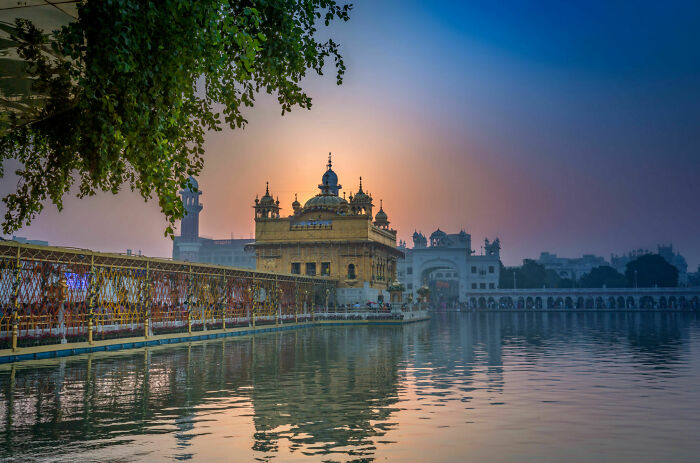
In Amritsar, the Golden Temple offered me a very different lesson—spirituality as inclusion in its most practical form.
The langar, the community kitchen that feeds thousands of people every day, feels like a lived philosophy rather than a symbol. You sit, you eat, and for a moment, the usual social separations dissolve. It is warmth, food, and quiet equality. Places like the Golden Temple remind me that devotional architecture is not only meant to inspire awe, but it also quietly repairs communities.
Image credits: Vince Russell
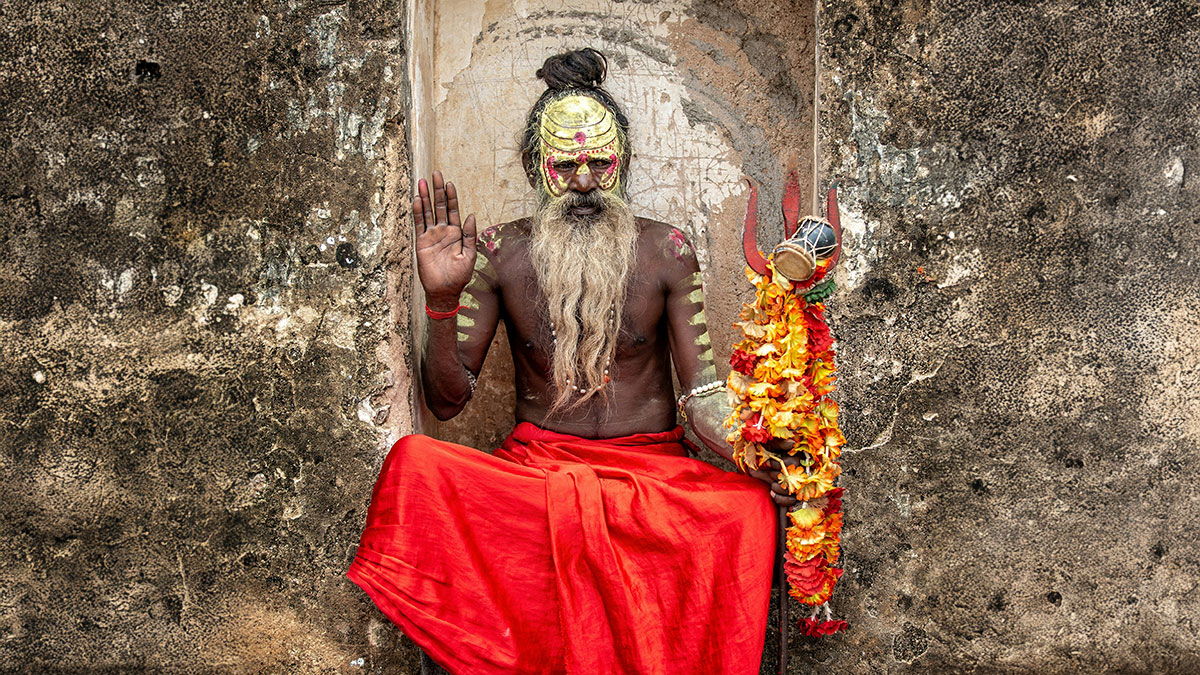
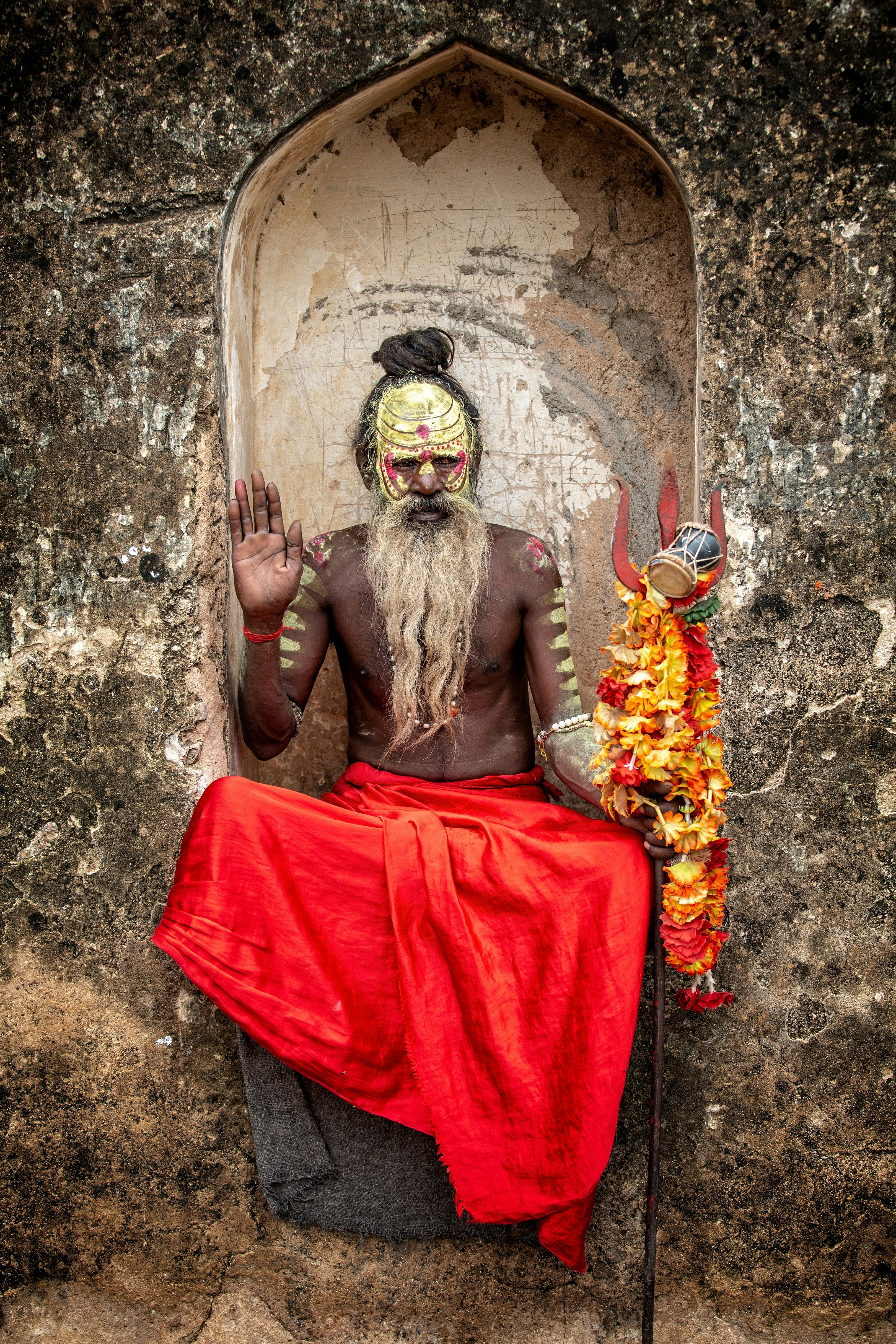
Over the years, I’ve sat with sadhus on cold Himalayan mornings, meditated in temples wilting under the afternoon sun, and watched entire towns pause for the evening aarti.
What stays with me is rarely the photogenic moment. It’s the ordinary rituals people return to for comfort and connection: repeated mantras, shared meals, and the steady rhythm of pilgrimage seasons.
Image credits: Vivek V
Spiritual tourism in India is not a single style or tradition. It is layered and varied. There are silent retreats that teach you how to listen to your breath, busy temple towns that teach you how to move through crowds without losing your center, and monastic traditions that teach humility through routine.
Image credits: Sudev Kiyada
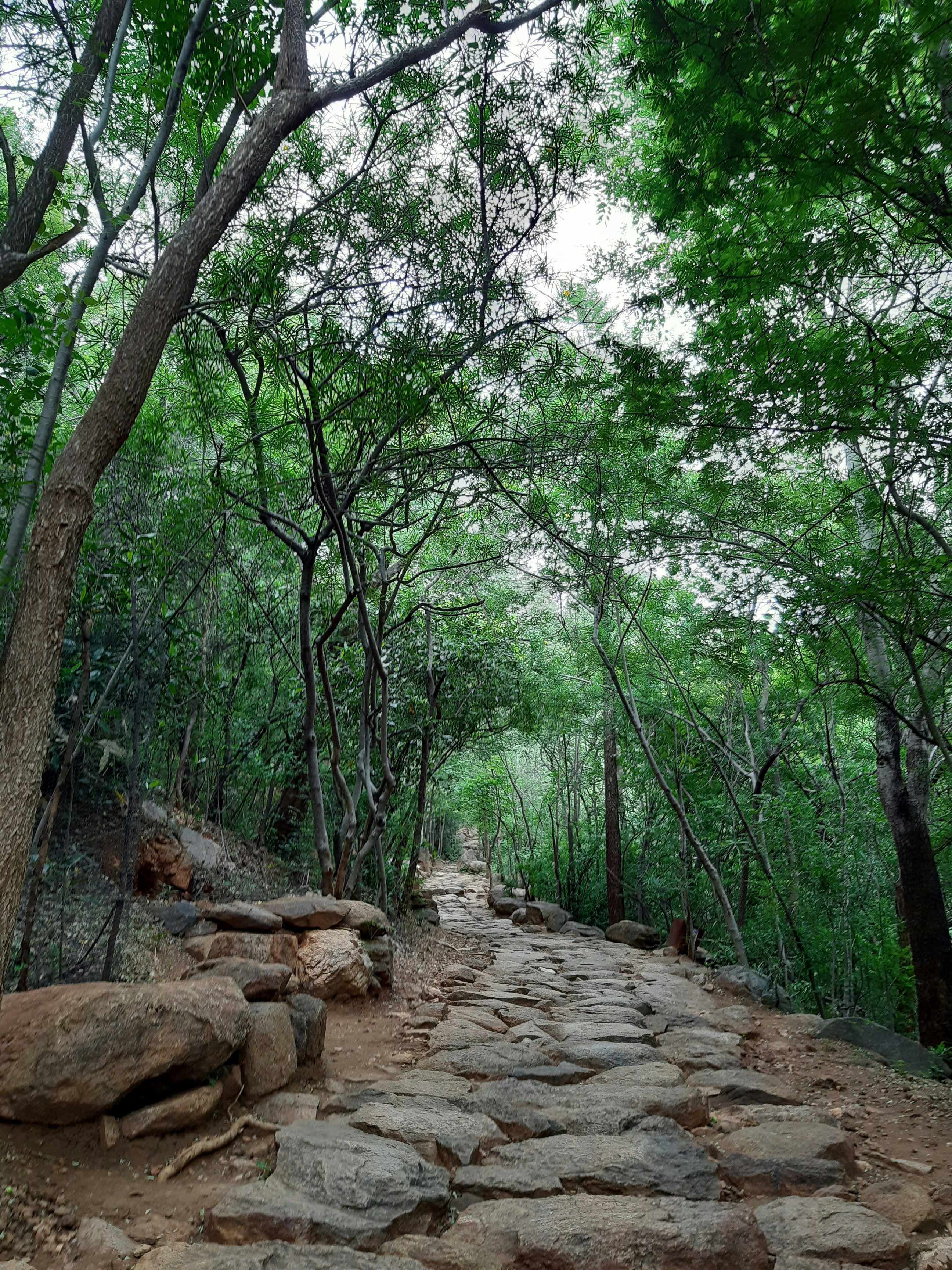
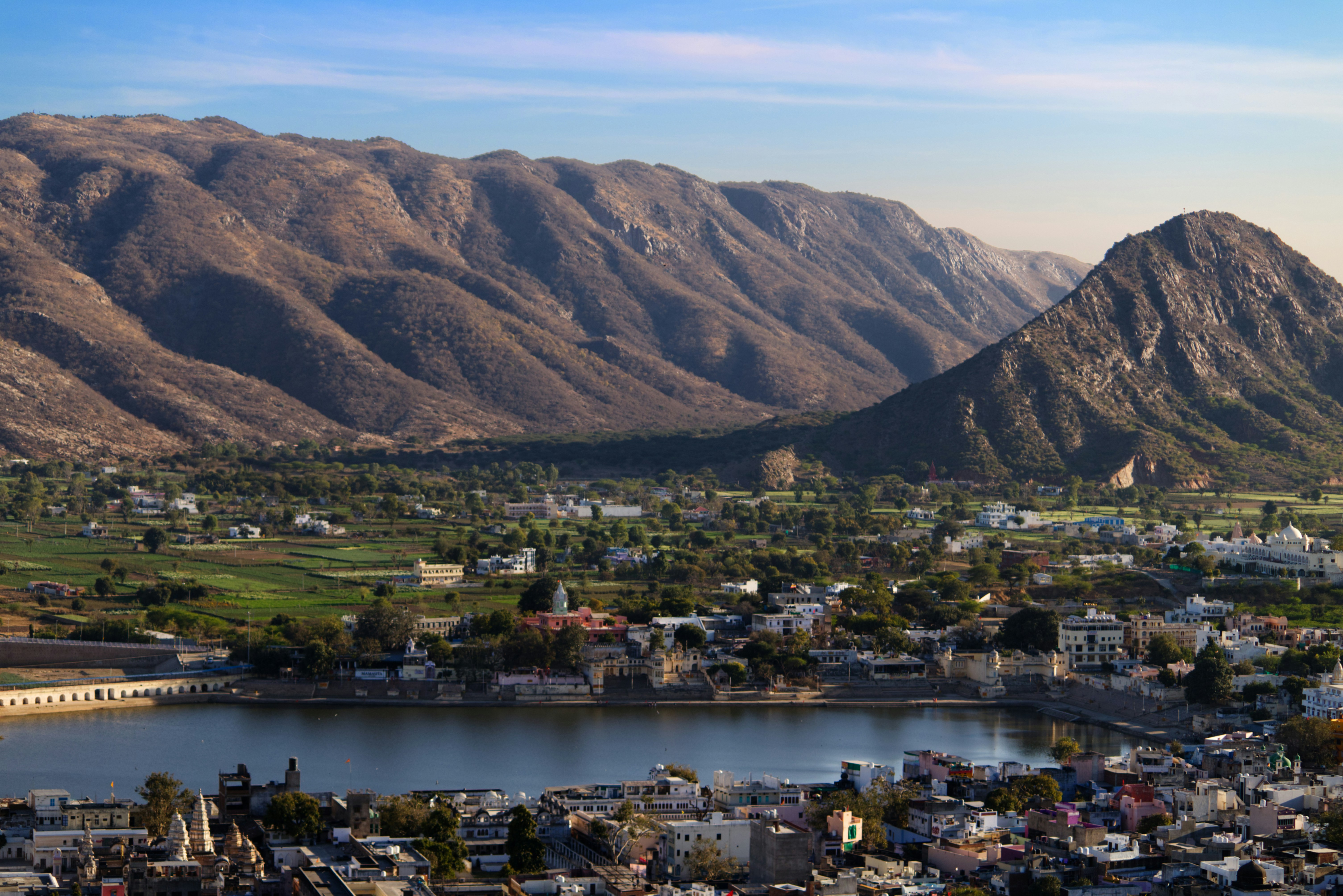
Because I travel with a yoga mat and a curiosity for stillness, I notice the small rituals. In Kerala, a temple lamp slowly passed from hand to hand. In Pushkar, there’s chanting drifting across the lake after dark. In Tiruvannamalai, a mountain that becomes a pilgrimage itself as people walk around it again and again, offering their steps and their stories.
Each region carries its own grammar of devotion—and each grammar quietly shifts the traveler’s posture, from tourist to witness, and from consumer to pilgrim.
Image credits: Rishav chandra
Spiritual travel is not always serene. There have been moments when I felt frustrated by commercialization around certain shrines, or by the sheer density of people during major festivals.
At the same time, the rawness of belief—private grief, sudden generosity, visible joy—often restores perspective. The friction created by crowds and commerce can, unexpectedly, sharpen a traveler’s resolve to be kinder, slower, and more receptive.
If I had to distill what these years have taught me, it would be this: humility becomes the true currency of pilgrimage, patience slowly turns into devotion, and the most meaningful spiritual journeys are quiet enough to let the place do the teaching.
There is also a gentle reciprocity at work. The places you visit change you, and you carry something back in return—a practice, a blessing, or simply a revised sense of what is enough.
For anyone reading who feels curious, spiritual travel does not require conversion. You don’t need to adopt a creed or follow a specific tradition. What it really asks for is a willingness to slow your intake, to trade checklists for pauses, selfies for silence, and speed for presence.
And presence is not always neat. Sometimes it looks like a long conversation with a monk about his childhood. Other times, it is nothing more than sitting on a crowded ghat and letting the sound of the river turn into a private mantra.
Image credits: Keith Lobo
I always end up offering the same advice to travelers: honor the spaces you enter. Respect local rituals, remove your shoes when asked, accept that some moments are too sacred for photographs, and eat where local people eat.
It is a small form of attention, but in places shaped by devotion, small attention is often the most meaningful offering of all.

By entering your email and clicking Subscribe, you're agreeing to let us send you customized marketing messages about us and our advertising partners. You are also agreeing to our Privacy Policy.
Thank you! You've successfully subscribed to newsletters!







































 No fees, cancel anytime







28
1