Get Premium
Dark mode theme is available exclusively for premium users. Learn more about the benefits of subscribing.
No fees, cancel anytime.

 Dark Mode Ad-Free Browsing Unlimited Content
 Ad-Free Browsing Unlimited Content Dark Mode
Join 1.2 million Panda readers who get the best art, memes, and fun stories every week!
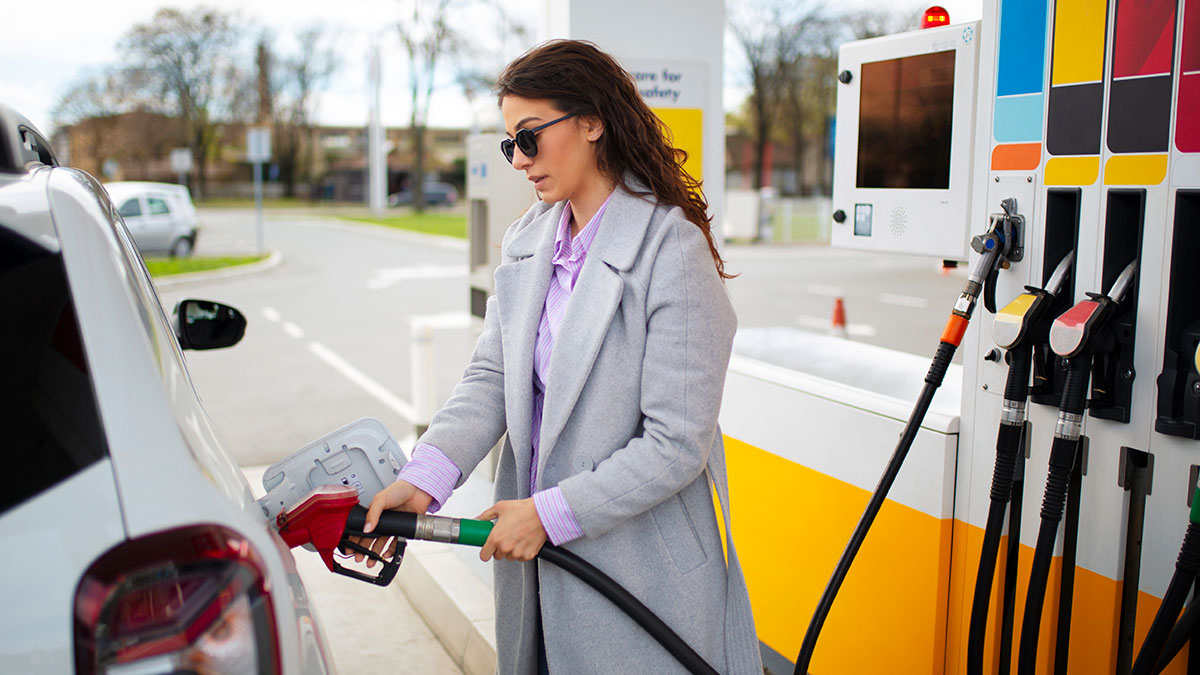
Like a waterproof watch or good insurance, some things seem rather useless until that one time they really pay off. Unfortunately, while crime has become increasingly rare, that doesn’t mean one shouldn’t still exercise some amounts of precaution.
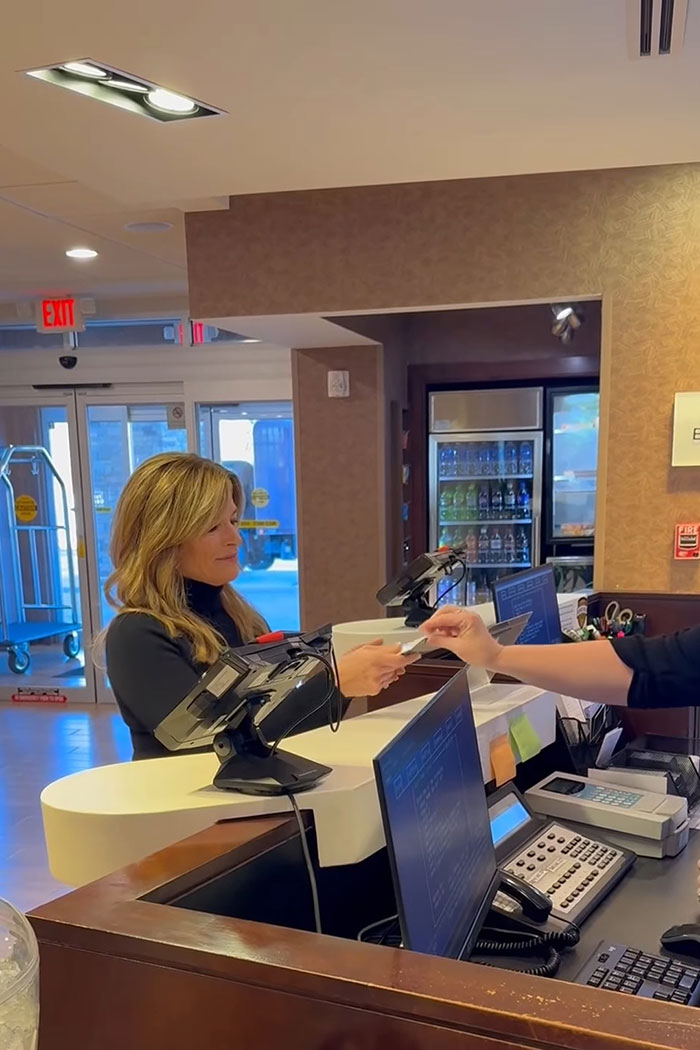
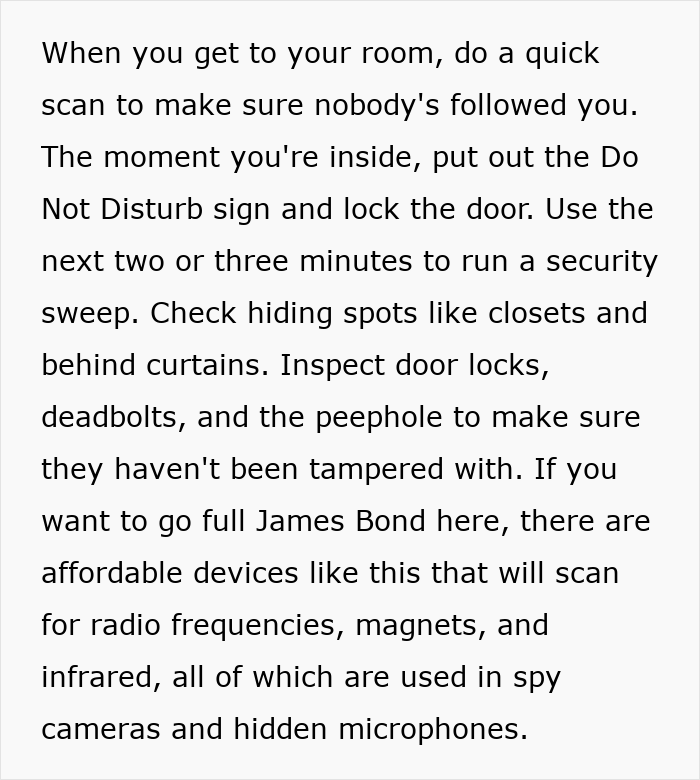
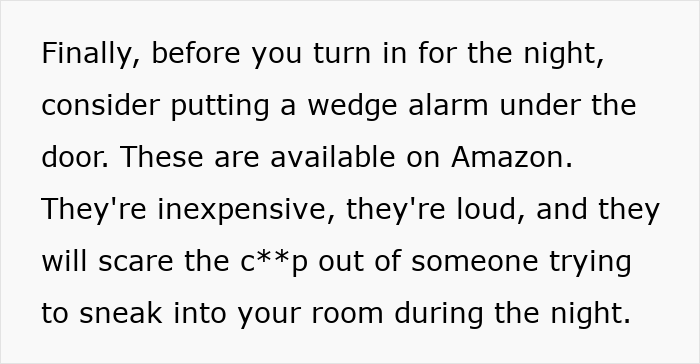
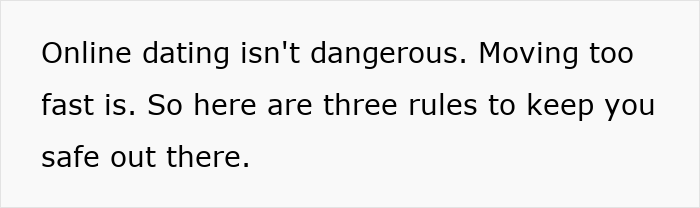
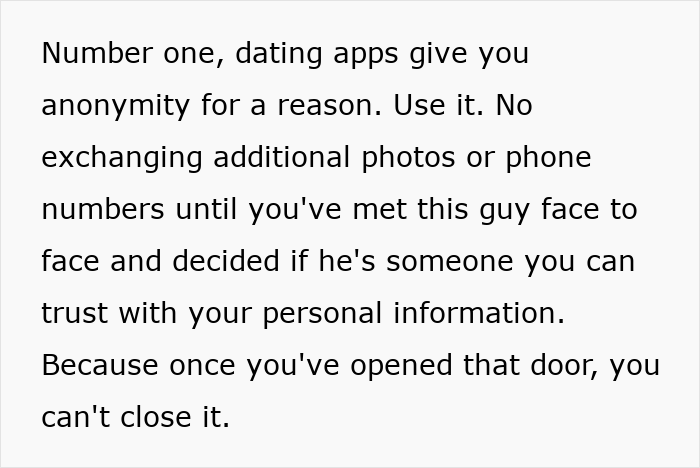
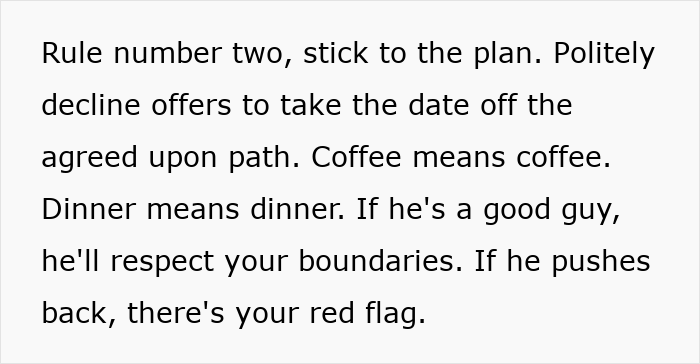
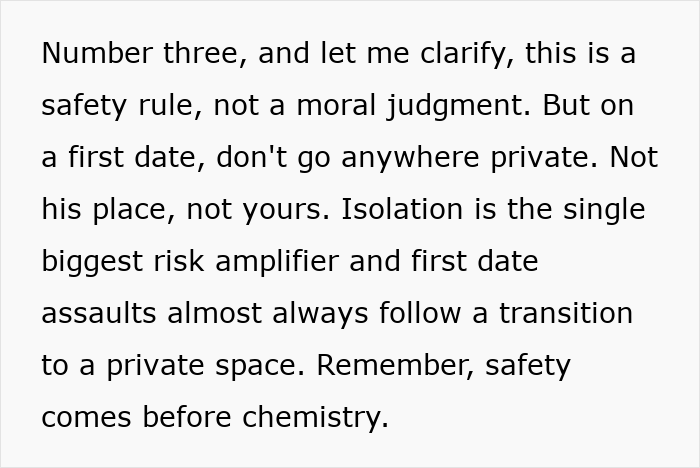
An ex-FBI agent went viral for sharing a series of safety tips predominantly for women, but also useful for anyone else. So get out your favorite method of taking notes, take a quick glance behind your back and be sure to leave your own ideas and experiences in the comments down below.
More info: Instagram
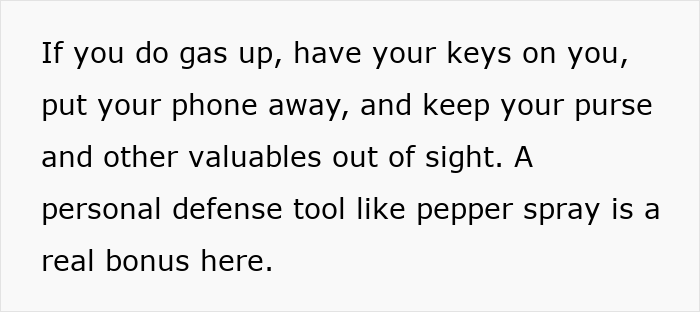
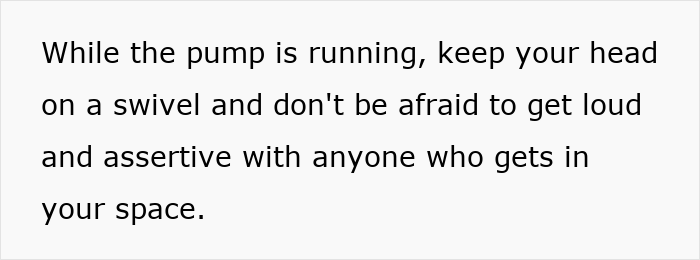
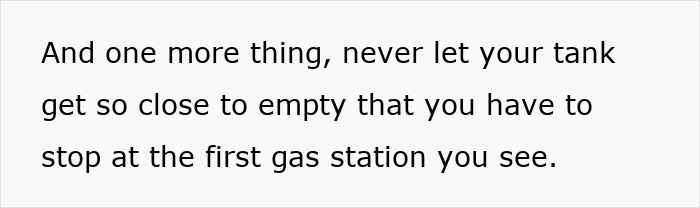
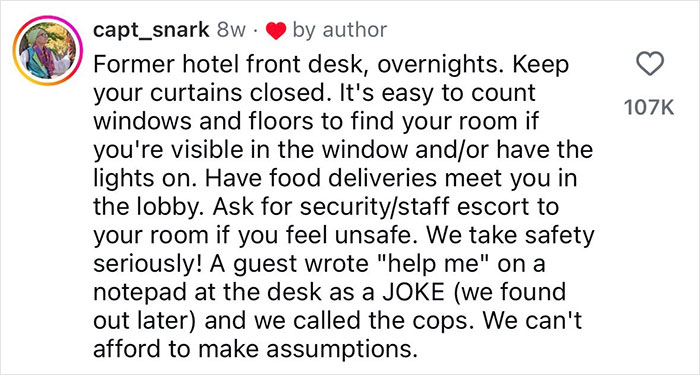
Image credits: steve_lazarus_books
Image credits: steve_lazarus_books
Image credits: steve_lazarus_books
Image credits: Elena Helade (not the actual image)
Image credits: steve_lazarus_books
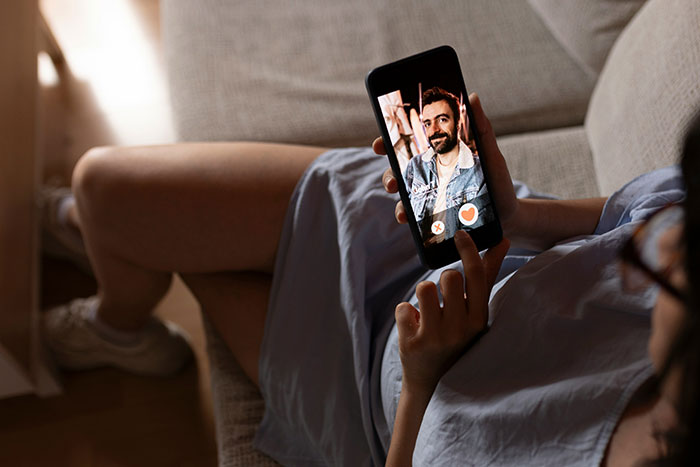
Image credits: freepik (not the actual image)
Image credits: steve_lazarus_books
Image credits: freepik (not the actual image)
Image credits: steve_lazarus_books
View this post on Instagram
Personal safety in public spaces is a matter of proactive risk management rather than a reaction to immediate threats. While modern society is generally safer than in decades past, data from the FBI Crime Data Explorer indicates that property crimes and personal larcenies remain a consistent reality in urban environments, necessitating a disciplined approach to how we navigate our daily lives.
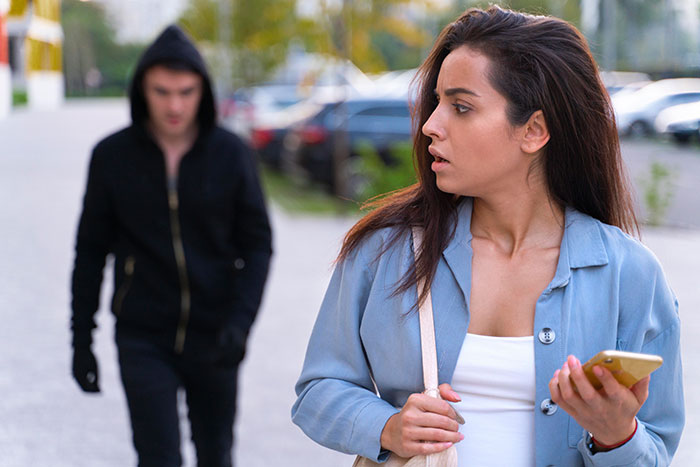
Maintaining safety begins with the psychological transition from a state of total distraction to one of active observation. Research conducted by the National Safety Council suggests that “distracted walking,” primarily caused by smartphone usage, has led to a significant increase in pedestrian accidents and a decrease in environmental awareness. When an individual is focused on a screen, they effectively forfeit their ability to detect subtle environmental changes or suspicious behavior, making them a more viable target for opportunistic crime.
To mitigate these risks, safety professionals often recommend the implementation of the OODA Loop, Observe, Orient, Decide, Act, a decision-making framework originally developed for military combat but highly applicable to personal security. By observing the flow of people and the layout of a street, you can orient yourself to potential hazards such as poorly lit areas or blocked exits. This level of situational awareness allows you to make decisions long before a situation escalates. Statistics show that individuals who exhibit high levels of awareness are rarely chosen as targets. A seminal study by Grayson and Stein in 1981 demonstrated that potential offenders evaluate targets based on non-verbal cues. Those who walked with a short or awkward stride, displayed downward-looking eye contact, or showed signs of hesitation were significantly more likely to be perceived as vulnerable. Conversely, walking with a steady, purposeful gait and maintaining a neutral but alert posture projects a sense of capability that acts as a natural deterrent.
Beyond physical presence, the routes we choose and the timing of our travels play a critical role in statistical safety. Data from urban planning studies suggest that crimes are disproportionately concentrated in “hot spots” characterized by low natural surveillance and poor lighting. It is advisable to stick to primary thoroughfares where there is a consistent flow of both pedestrian and vehicular traffic. Even if a shortcut through a park or an alley saves five minutes, the statistical risk increase rarely justifies the time saved. If you find yourself in an unfamiliar area, using a navigation app is useful, but it is safer to memorize the next three turns or use a single earbud for audio directions rather than walking with the phone held out in front of you. Keeping your hands free is essential for maintaining balance and responding to your environment, carrying heavy bags or keeping hands buried in pockets reduces your reaction time significantly.
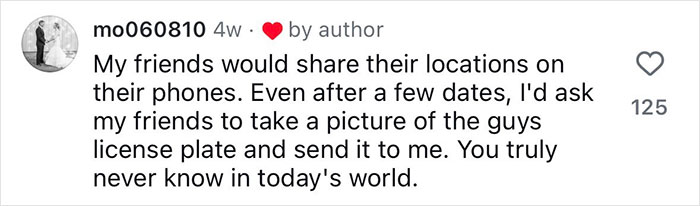
Digital tools should be used as a secondary layer of protection to enhance your physical security measures. Many modern smartphones include emergency SOS features that can be triggered discreetly, and sharing your real-time location with a trusted contact provides a digital safety net. For those utilizing public transportation or rideshare services, the protocols must be even more stringent. According to various rideshare safety reports, the most vulnerable moments occur during the initial pickup. It is a vital safety standard to verify the vehicle’s license plate and the driver’s identity before entering. Once inside, checking that the child safety locks are not engaged and tracking your own progress on a personal map ensures you are being taken to the correct destination. These small, repetitive actions form a comprehensive safety habit that reduces the likelihood of human error or predatory behavior.
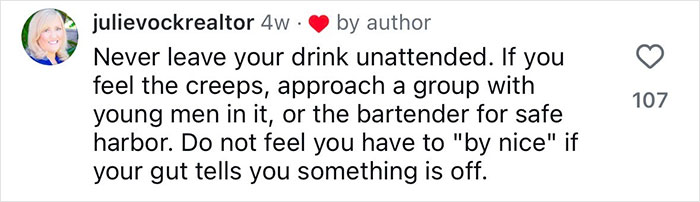
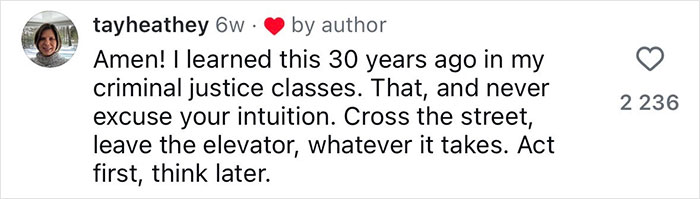
The final and perhaps most important component of personal safety is the acknowledgment of the body’s physiological warning systems. The human brain is highly evolved to detect patterns that do not fit a safe environment, often manifesting as a “gut feeling” or a sense of unease. In the book The Gift of Fear, safety expert Gavin de Becker argues that intuition is a cognitive process that happens faster than conscious thought. Ignoring these signals in favor of social politeness is a common mistake that can lead to dangerous outcomes. If a situation feels incorrect, the most logical and serious advice is to remove yourself from that environment immediately. Safety is not a matter of luck, it is a calculated discipline of observing data, trusting your instincts, and maintaining a physical presence that communicates you are not a passive observer, but an active participant in your own security. By integrating these practices into your daily routine, you move through the world with a grounded, statistical advantage that prioritizes your well-being.

By entering your email and clicking Subscribe, you're agreeing to let us send you customized marketing messages about us and our advertising partners. You are also agreeing to our Privacy Policy.
Thank you! You've successfully subscribed to newsletters!

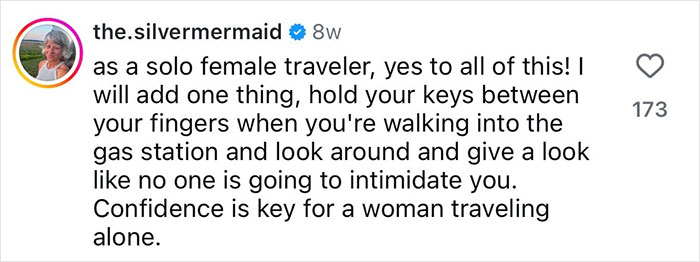
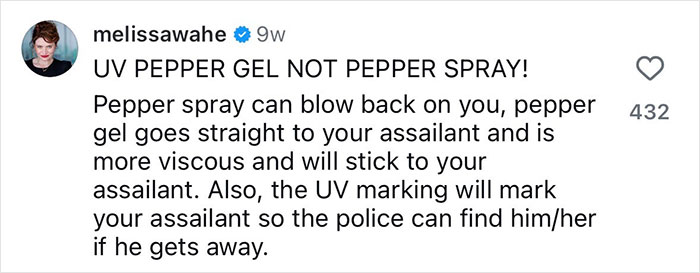
I travel a lot for business and second all of these suggestions. I would add carry a Birdie alarm and pepper gel (not spray). Keeping your head on a swivel is key.

I got Birdie alarms for my wife, stepdaughter, and daughter... but they don't carry them. 😕
Load More Replies...
I travel a lot for business and second all of these suggestions. I would add carry a Birdie alarm and pepper gel (not spray). Keeping your head on a swivel is key.
I got Birdie alarms for my wife, stepdaughter, and daughter... but they don't carry them. 😕
Load More Replies... 


























 No fees, cancel anytime





























35
4