Get Premium
Dark mode theme is available exclusively for premium users. Learn more about the benefits of subscribing.
No fees, cancel anytime.

 Dark Mode Ad-Free Browsing Unlimited Content
 Ad-Free Browsing Unlimited Content Dark Mode
Join 1.2 million Panda readers who get the best art, memes, and fun stories every week!
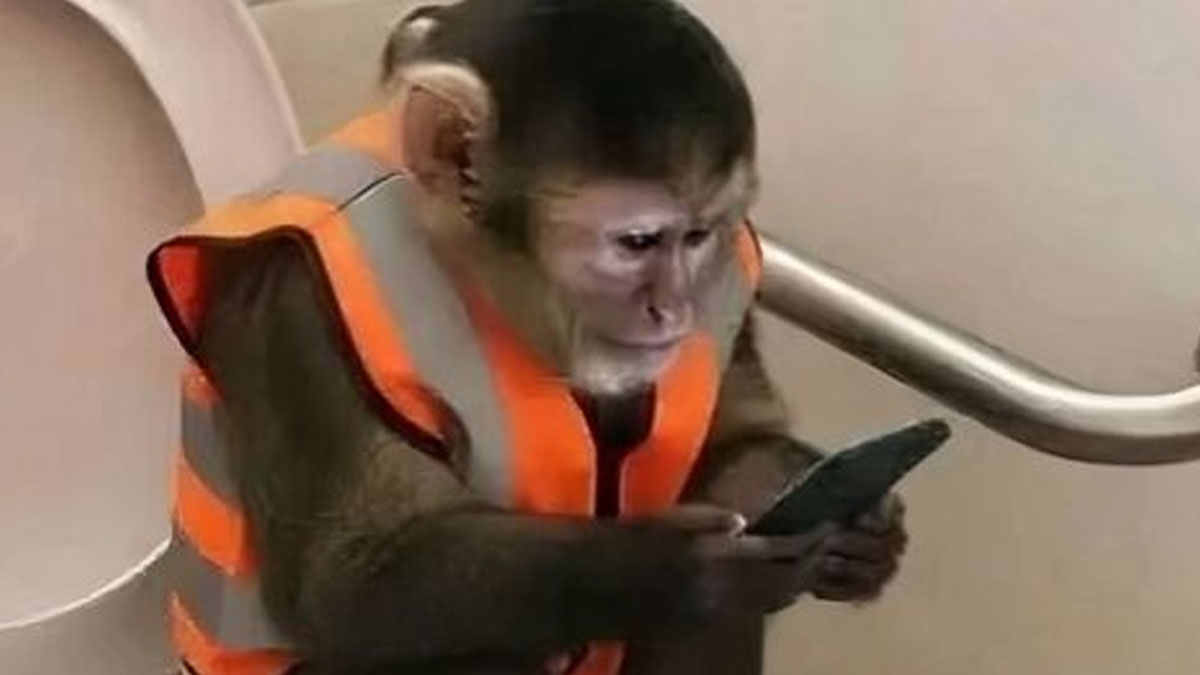
If you’re looking for a quick breather from your afternoon slump, or just want to start your week with a sunny, positive mood, we’ve got just the thing for you here.
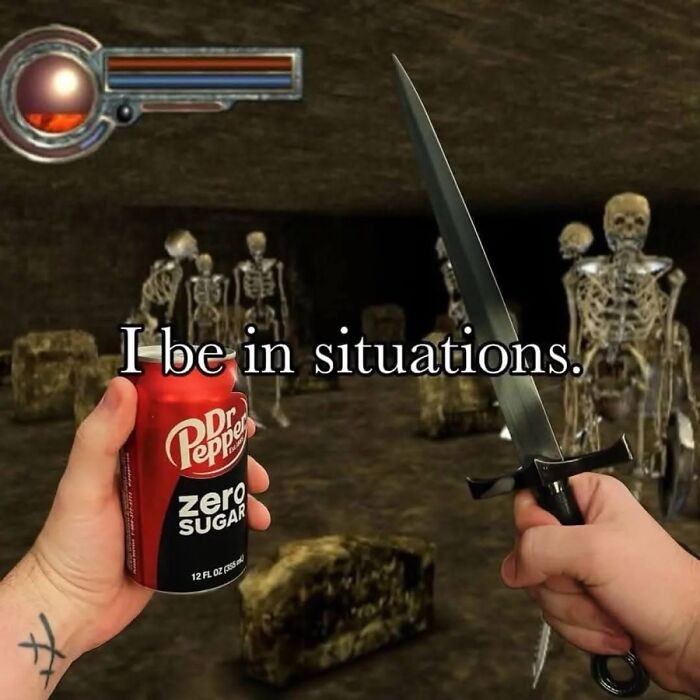
These memes don’t require expertise in some specific fandom, culture, or generation… they’re literally for everyone.
If you have a sense of humor, you’re already qualified to understand these absolute best gems that we collected from the @tiedyehomie page, which is known for delivering pure and unadulterated joy.
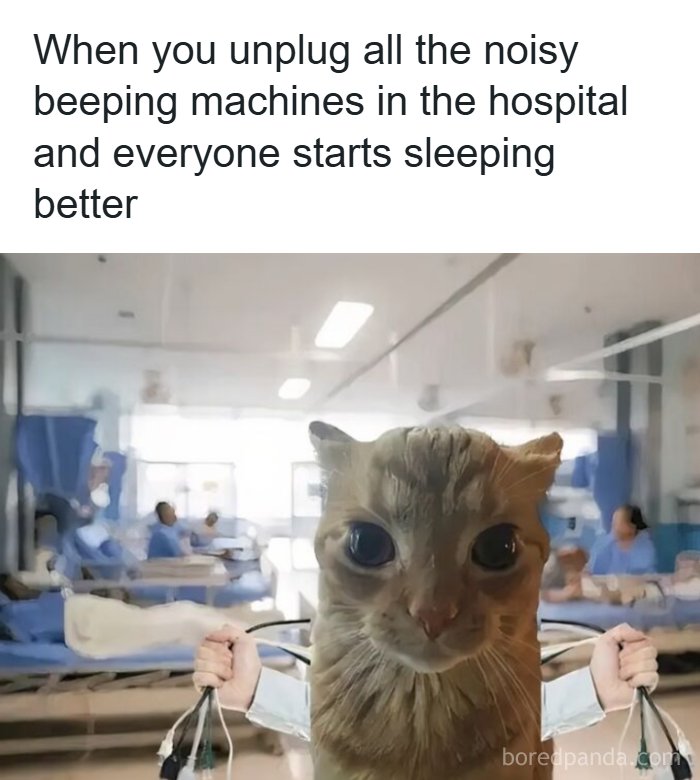
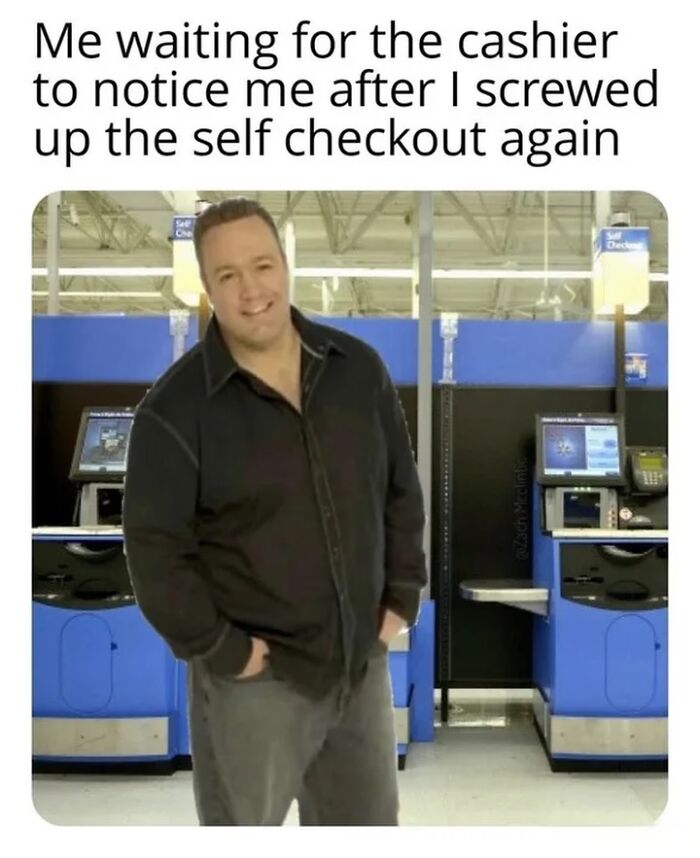
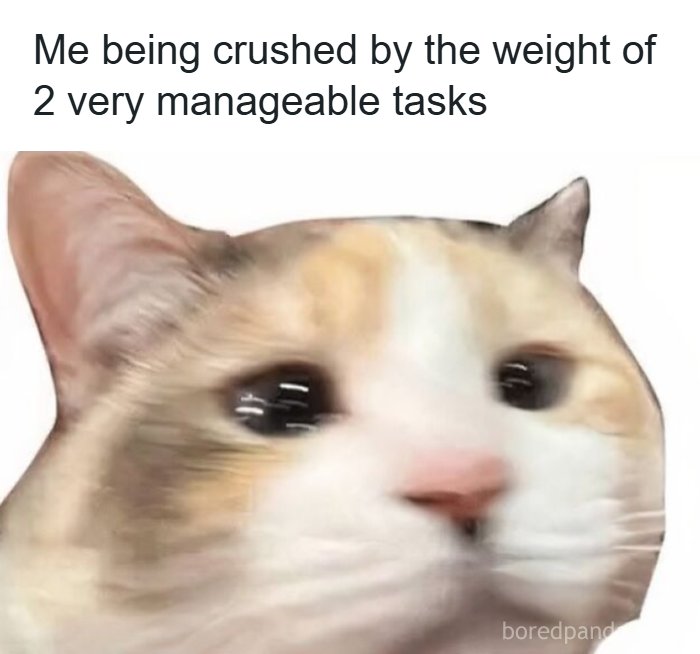
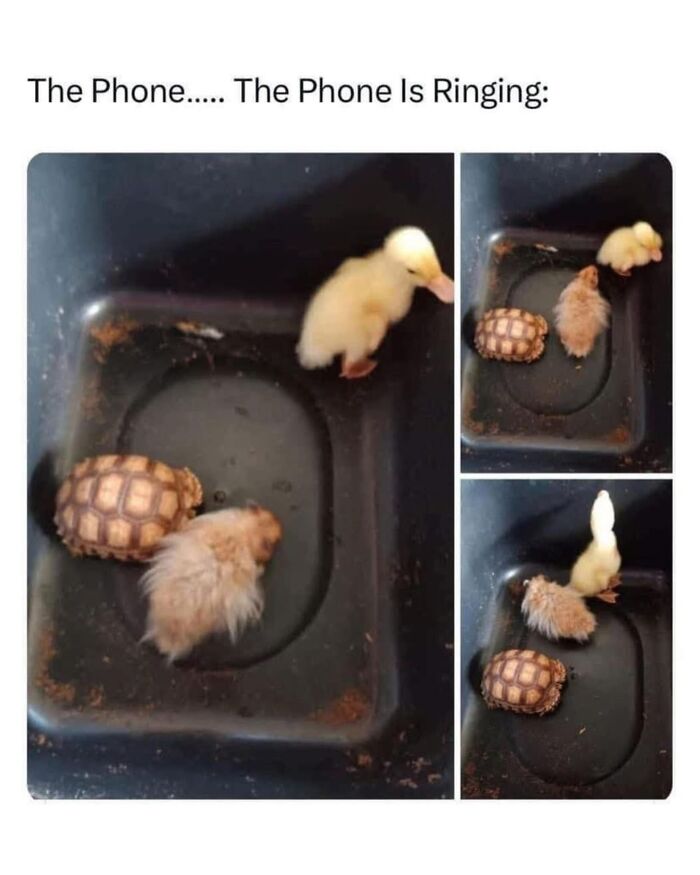
One minute you’ll be scrolling through relatable work jokes; the next you’ll find yourself laughing at dramatic cats that paint your exact mood.
This post may include affiliate links.

When evolutionary biologist Richard Dawkins coined the word meme in his 1976 book The Selfish Gene, he wasn’t thinking about internet humor. He was talking about cultural survival.
According to Dawkins, for any piece of culture to successfully spread from person to person, it must hit a specific trifecta: copy-fidelity, fecundity, and longevity.
This means a piece of content must be easy to replicate without losing its core meaning. It also needs to spread at breakneck speed. And it has to possess enough staying power to survive a rapidly shifting timeline.

Dawkins explained that the absolute best memes do something extra. They perfectly tap into a specific cultural need or collective vibe.
They basically capture the zeitgeist — the general intellectual, moral, and cultural climate of an era.
From a sociological perspective, these hyper-successful memes come straight out of our collective consciousness. They are born out of our shared beliefs and attitudes and operate as society’s invisible glue.
Recent studies show that sharing these hyper-specific and weird memes triggers an instant sense of social belonging.
Gen Z and Millennials often use abstract visuals as emotional shorthand to stay connected without the pressure of actual small talk. In fact, the frequent use of memes is linked to stronger intimacy and better relationship maintenance.
Internet memes are a “sort of a ready-made language with many kinds of stereotypes, symbols, situations. A palette that people can use, much like emojis, in a way, to convey a certain content,” says Paolo Gerbaudo, director of the Center for Digital Culture at King's College London.

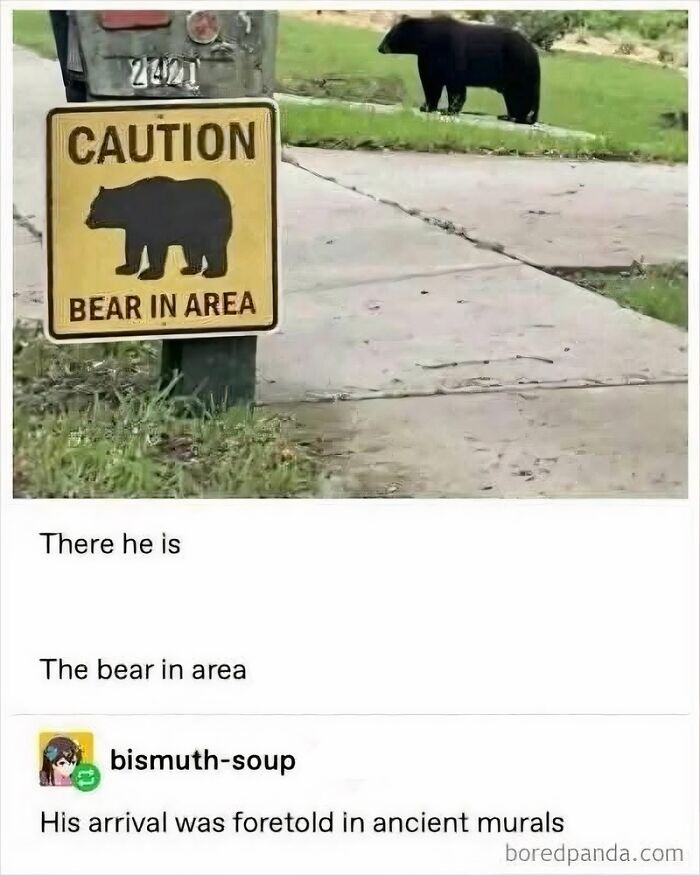
Have had increasing instances of bear/ human conflicts here in Michigan. "They are in our tree/yard. They are invading our spaces." Actually, Brenda...

The color was named after the fruit. Before that it was considered a shade of red.
While some critics worry that dark memes may risk normalizing or trivializing mental illness, others argue that they can also serve a meaningful psychological function.
For people dealing with severe anxiety or depression, self-deprecating memes act as a vital tool for emotional processing and peer support. They are sort of a coping mechanism.
Experts say that memes which address typically difficult-to-communicate themes like depression or isolation give people a safer, and even socially sanctioned, way to shed some of the burden.
There’s also a ton of research that shows finding humor in tough situations can take some of the power away from these otherwise taboo feelings.
A study done during the pandemic found that people who looked at memes felt more positive emotions afterward.
“What we found was that if you viewed memes, you were in a better mood, which made you feel more confident in your ability to cope with life during the pandemic… Memes, particularly those that relate to a highly stressful context, may help support efforts to cope with the stressor,” said Jessica Myrick, professor of media studies at the Donald P. Bellisario College of Communications.
Memes are also gradually replacing traditional water cooler chats. With more people working from home, dropping a funny image into a team channel builds actual camaraderie.
Workplace memes are becoming increasingly common, with surveys reporting that many younger employees use memes and reaction GIFs in professional communication channels.
In a survey, over half of all digital workers (52%) said they rely on memes to chat with colleagues.
It is a quick way to vent about shared frustrations and maintain human connection in a screen-dominated world.
Considering how much time people spend online, it’s hardly surprising that memes have become a staple of everyday digital life.
According to Statista, Americans spend around 2 hours and 20–24 minutes per day on social media, where memes compete for attention alongside videos, photos, and other content.
And people aren’t just consuming memes; they’re actively sharing them.
A survey found that 75% of people aged 13 to 36 post memes, with more than half sharing them at least once a week and nearly a third doing so daily.
Experts are building a whole field called memetics to study how these digital macro-images mutate and spread like viruses.
Decades from now, historians might even decode our weirdest memes to understand us.
So keep scrolling and sharing… you’re literally archiving human history.

I like proper rain when it rains, not that annoying stuff where it's too dry to put the wipers on or carry an umbrella, but it's just slightly too wet not to.
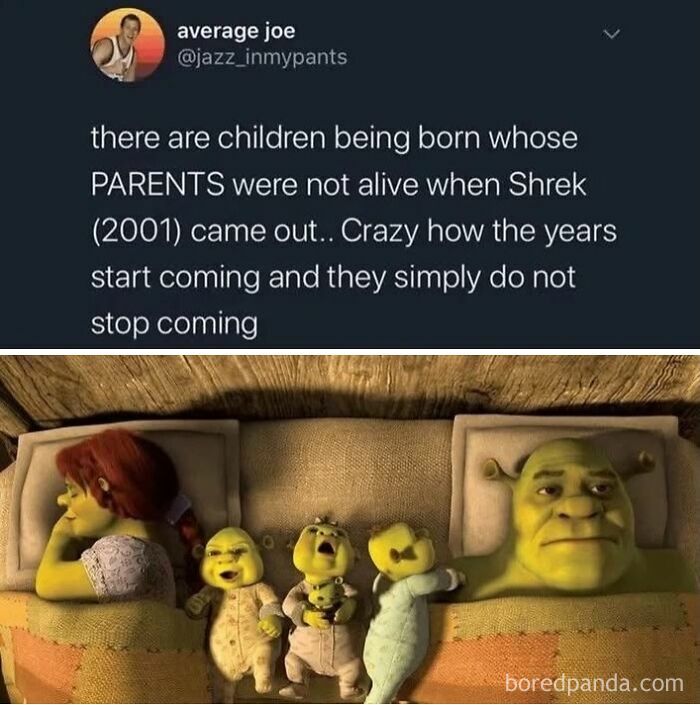
A while back at work. Made a reference to Buffy. She'd "heard of it" but hadn't watched it because "I wasn't born yet". Me -> ⚰️
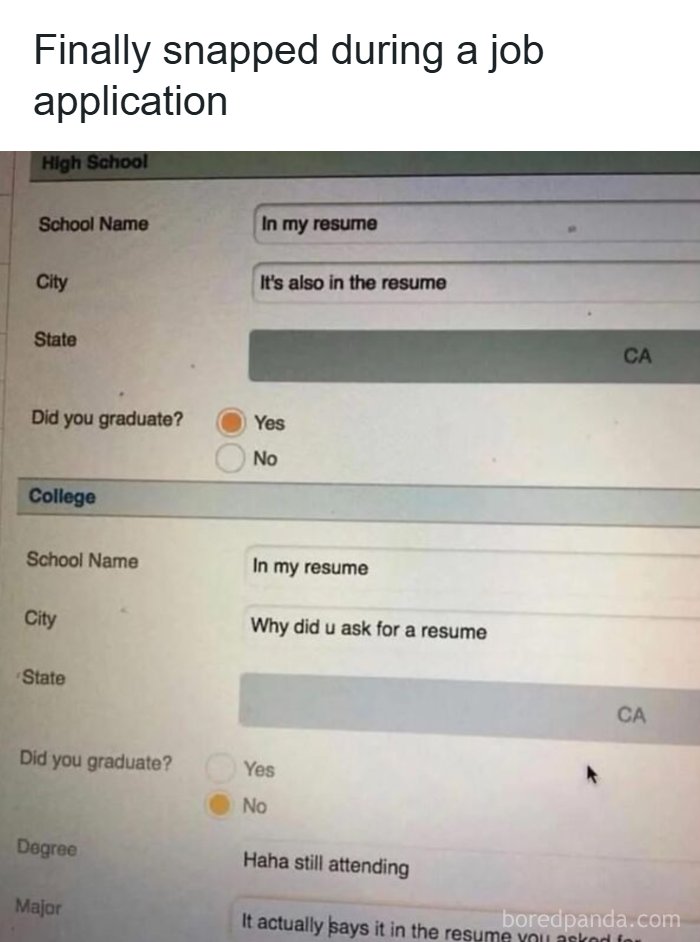
Well OBVIOUSLY here at "enter corporate name" we are far too busy and important to actually read the resumes we insist on...

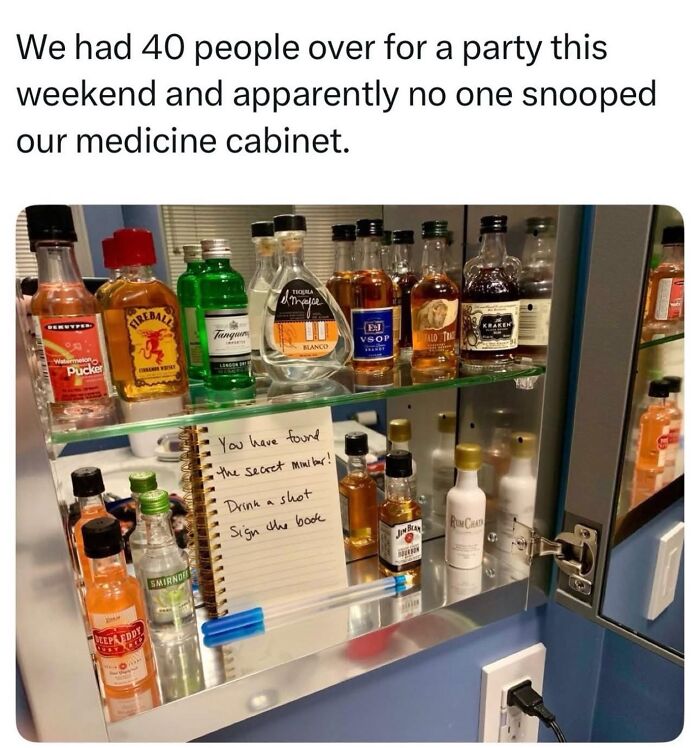
Good company ...or, they did find it but didn't want to admit to snooping the drúg cabinet 🤔

Snort laughing when it comes back again later (and again, and again)

I've seen the documentary The Blackadder. When Prince Edmund becomes Archbishop of Canterbury he calls his father My Son. The King calls Edmund Father.... :-)
I thought i had had enough of this, but through thorough thought i realised i had not. Just sayin..
I met someone the other day who didn't like cheese or chocolate. Now that's an ew in my book.
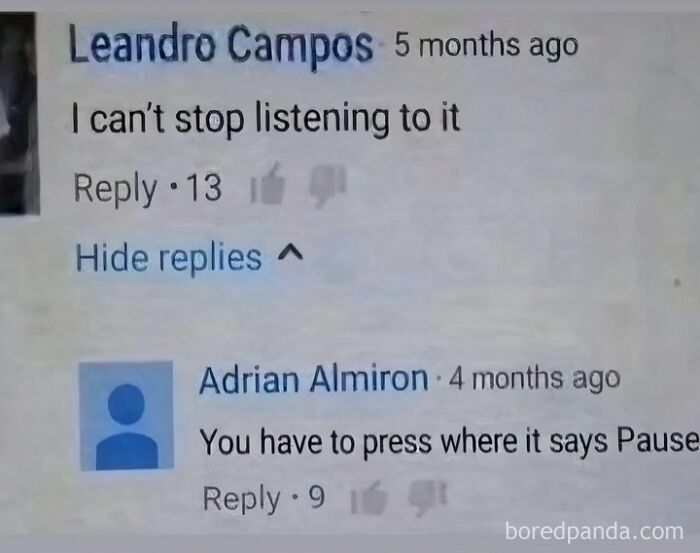
Then maybe next time you should communicate
*looks out the window at my almost 30-year-old truck I bought 9+ years ago for $700*
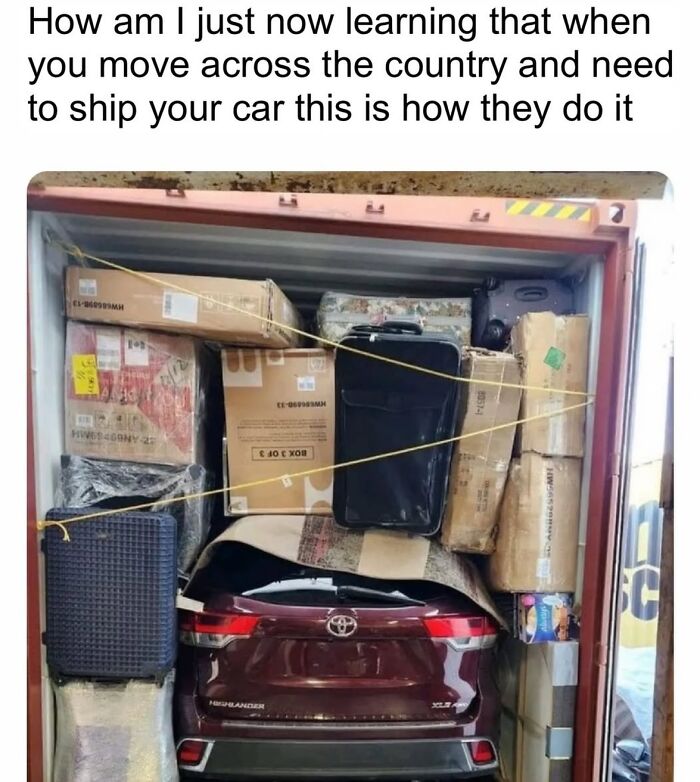
I just rented a trailer to put my car on and towed it behind the U-Haul.

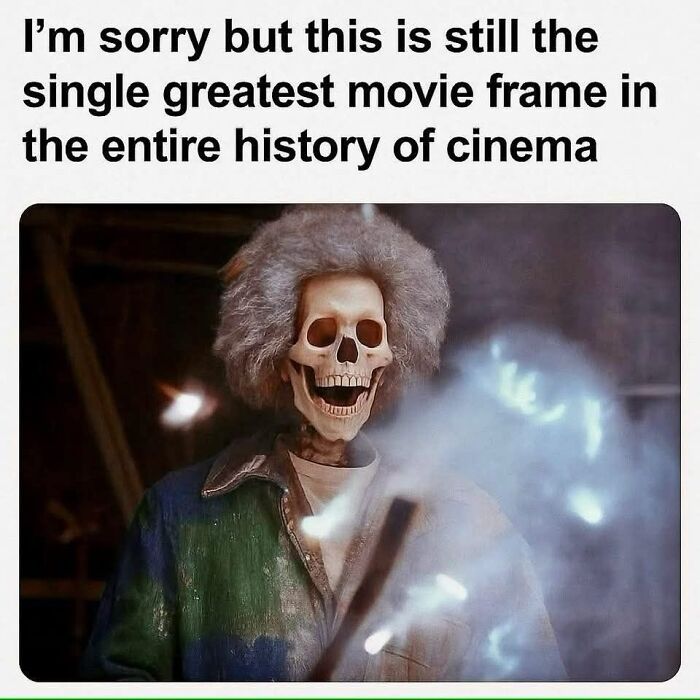
I would suggest any of a number of frames from a certain segment early in the movie 'Lifeforce' (1985). If you can find a copy that hasn't been bowdlerized.









 No fees, cancel anytime