Get Premium
Dark mode theme is available exclusively for premium users. Learn more about the benefits of subscribing.
No fees, cancel anytime.

 Dark Mode Ad-Free Browsing Unlimited Content
 Ad-Free Browsing Unlimited Content Dark Mode
Join 1.2 million Panda readers who get the best art, memes, and fun stories every week!
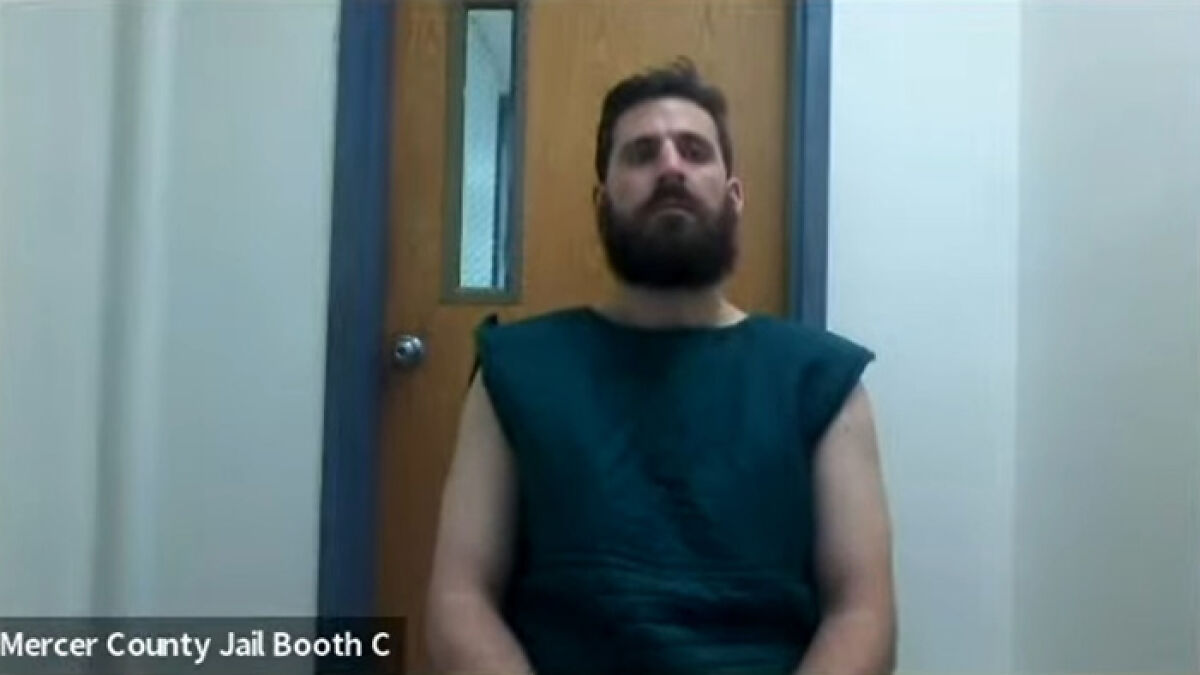
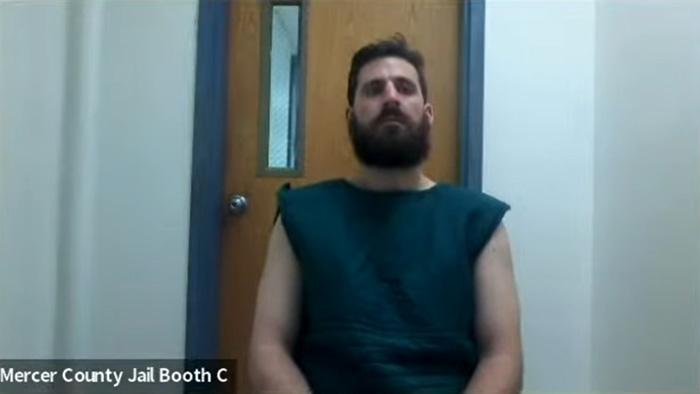
Matthew Hertgen, the former Wesleyan soccer player who was found not criminally responsible for taking his younger brother’s life during a psychotic episode, has been found lifeless inside his New Jersey jail cell.
The 32-year-old lost his life less than two months after a judge ruled that he was not criminally responsible due to severe mental illness in the homicide of his 26-year-old brother, Joseph Hertgen.
Matthew consumed his brother’s eyeball in the process.
Hertgen’s passing came before he could be transferred into New Jersey’s psychiatric hospital system. The incident is being treated as voluntary, though officials have not released a formal cause of passing.
Image credits: Mercer County Prosecutor’s Office
Joseph Hertgen was fatally wounded on the night of February 22, 2025, inside the Michelle Mews apartment complex, a high-end Princeton development near Princeton University where the brothers lived.
Police arrived at the apartment around 11:16 pm after Matthew called 911 himself, reporting both a fire and a lifeless body.
Inside, officers found Joseph’s body lying in a pool of blood. They also discovered the charred remains of the family’s cat.
Image credits: Law&Crime Network/YouTube
Authorities said Joseph, a former University of Michigan soccer player, had been stabbed and beaten with a knife and a golf club. But the brutality of the attack did not end there.
Investigators later recovered a fork and plate at the scene, evidence prosecutors cited while alleging that Matthew may have removed and eaten one of his brother’s eyeballs.
The Hertgen brothers had grown up in a $1.1 million home in Toms River before the family moved to the luxury Princeton apartment complex.
Matthew had been a soccer player at Wesleyan, one of the most expensive private universities in Connecticut, while Joseph had played at the University of Michigan.
Matthew was initially charged with first-degree homicide, multiple weapons offenses, ndird-degree animal cruelty for the burning of their cat.
Image credits: umichsoccer/x
The court case later centered on whether Matthew could be held legally responsible for Joseph’s homicide.
Hertgen waived bail and agreed to remain in custody during pre-trial proceedings. A week after his February 2025 arrest, he attempted to hang himself inside his Mercer County Jail cell.
That attempt became part of the psychiatric evidence in the case.
We are heartbroken and saddened to hear about the tragic passing of former soccer student-athlete, Joseph Hertgen. He was a wonderful young man and teammate who will always have a special place in our hearts. Our thoughts, prayers and love go out to his parents. pic.twitter.com/kgku3cOXiM
— Michigan Men’s Soccer (@umichsoccer) March 5, 2025
Forensic psychologist Dr. Gianni Pirelli testified that Hertgen had suffered from years-long schizophrenia, with delusions and hallucinations that existed long before the attack.
According to Pirelli, Hertgen experienced “prophetic and divine visions” and believed at different points that he was Jesus Christ, the Antichrist, God, or a person with multiple souls.
“Anytime he closes his eyes, he’s seeing tremendous visions,” Pirelli said.
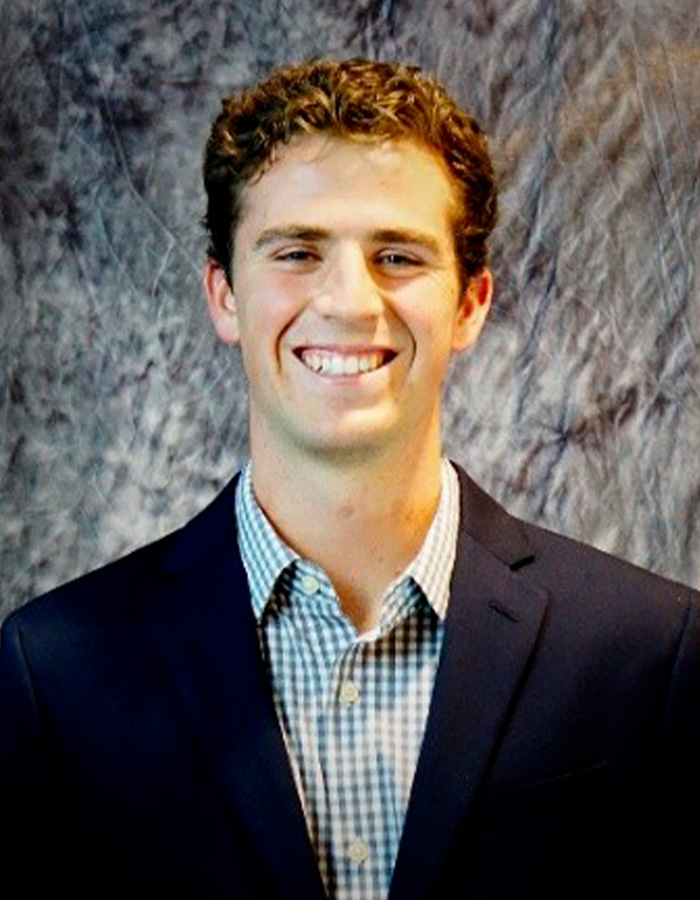
Image credits: Joe Hertgen/LinkedIn
The psychologist also told the court that Hertgen believed the world was close to the apocalypse and that only a “sacrificial m*rder could save it.”
Pirelli said Hertgen had been influenced by a chapter in Swiss psychologist Carl Jung’s Red Book titled “The Sacrificial M*rder.”
“It kind of clicks for him and he puts two and two together,” Pirelli said.
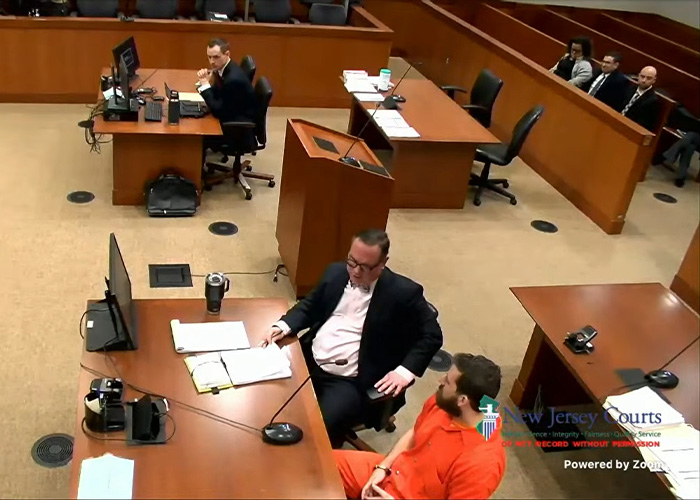
Image credits: Fox News/YouTube
The testimony also described Hertgen’s belief that an evil spirit was attacking him and that he needed to “save his own soul” through sacrifice.
During his jail attempt to harm himself, Pirelli said, Hertgen had another “vision of prophetic and divine nature” and believed he needed to end his own life to save the world.
On March 19, 2026, Mercer County Superior Court Judge Robert Lytle found Hertgen not criminally responsible due to severe mental illness.
The ruling meant the court accepted that Hertgen had attacked Joseph, but that his schizophrenia and delusions left him legally insane at the time.
Experts for both the prosecution and defense agreed that Hertgen lacked the ability to understand the wrongfulness of his actions when the attack occurred.
Prosecutors said they could not contest the finding.
Image credits: Fox News/YouTube
As a result, Hertgen was expected to be committed to a state psychiatric hospital instead of being sentenced to prison. Judge Lytle had set a May hearing to address the conditions of that commitment and determine where Hertgen would be held.
That hearing never happened.
Hertgen was still inside Mercer County Jail when he was found lifeless on May 8.
His family later described him in his obituary as a “caring and loving person” who had struggled with “severe and profound mental health issues” in his later years.
“During his later years, Matthew struggled with severe and profound mental health issues; yet he expressed sorrow, remorse, and repentance in many ways,” the obituary stated.


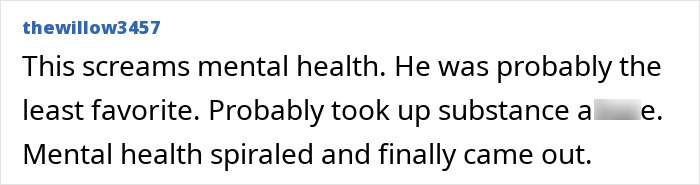
The comments cited in-article go to show that far too many people remain deeply ignorant and/or misinformed when it comes to mental health. Schizophrenia is not caused by wealth, parental neglect, trauma, sunstances (though this one could exacerbate the condition), or any imagined devil or evil. It is an organic condition. How does anyone in 2026 not grasp that? This is a tragedy for all involved, including Matthew Hertgen, who did not choose or deserve his mental illness.

Quite so. The bigger question in my mind is why, if everyone knew about his schizophrenia, with the visions, the psychoses, he was not receiving appropriate treatment for it?
Load More Replies...

The comments cited in-article go to show that far too many people remain deeply ignorant and/or misinformed when it comes to mental health. Schizophrenia is not caused by wealth, parental neglect, trauma, sunstances (though this one could exacerbate the condition), or any imagined devil or evil. It is an organic condition. How does anyone in 2026 not grasp that? This is a tragedy for all involved, including Matthew Hertgen, who did not choose or deserve his mental illness.
Quite so. The bigger question in my mind is why, if everyone knew about his schizophrenia, with the visions, the psychoses, he was not receiving appropriate treatment for it?
Load More Replies... 

































 No fees, cancel anytime



















25
6