Get Premium
Dark mode theme is available exclusively for premium users. Learn more about the benefits of subscribing.
No fees, cancel anytime.

 Dark Mode Ad-Free Browsing Unlimited Content
 Ad-Free Browsing Unlimited Content Dark Mode
Join 1.2 million Panda readers who get the best art, memes, and fun stories every week!
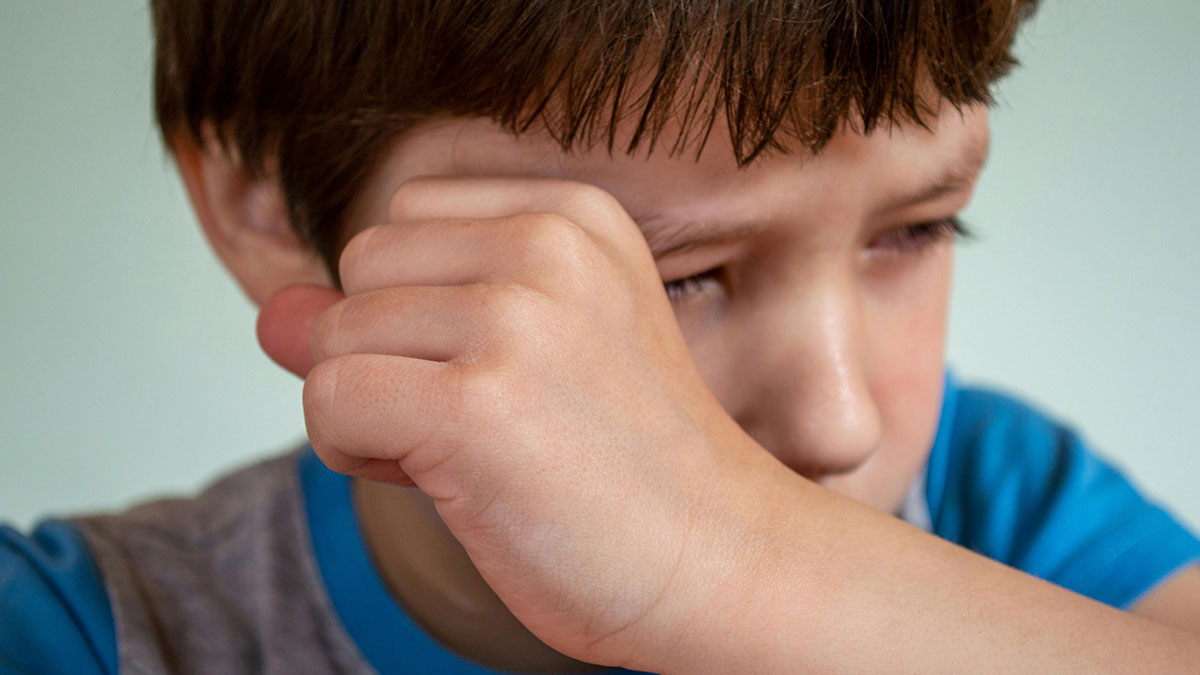
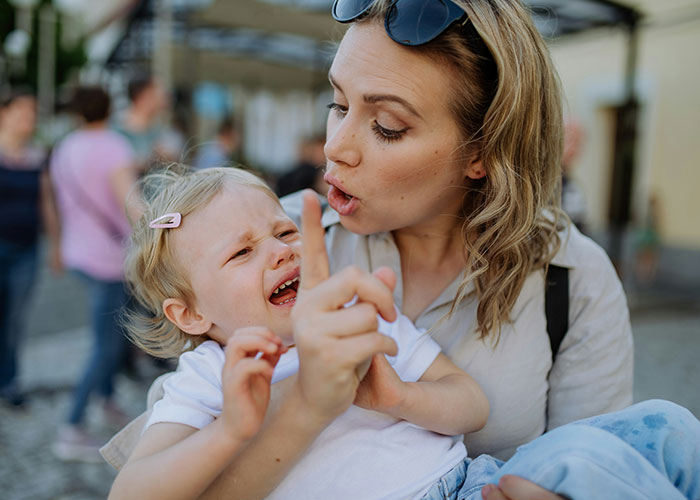
No matter how positive, gentle, or respectful parents try to be, sometimes emotions can get the best of them. Especially when kids push the buttons they didn’t even know they had. And before they realize it, they find themselves raising their voices. While feelings of parental frustration are normal, frequent yelling, according to parent coach Tia Slightham, can have long-lasting effects on little ones.
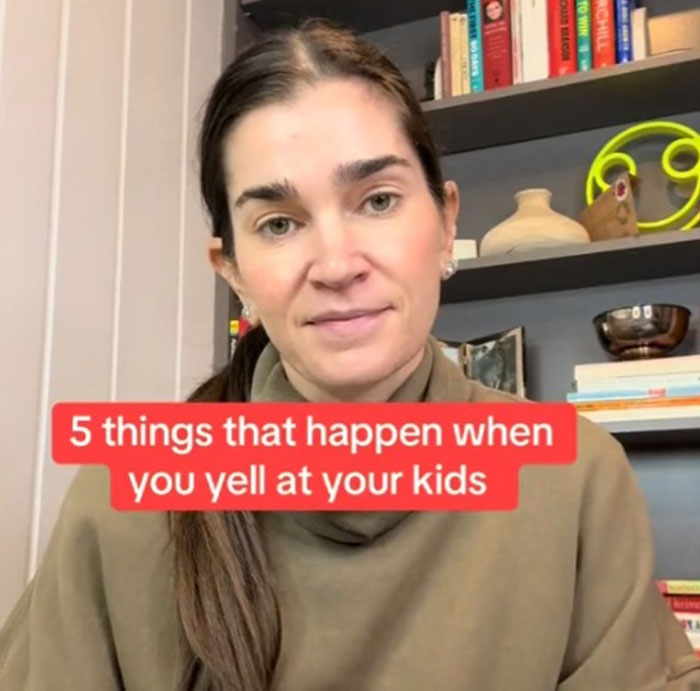
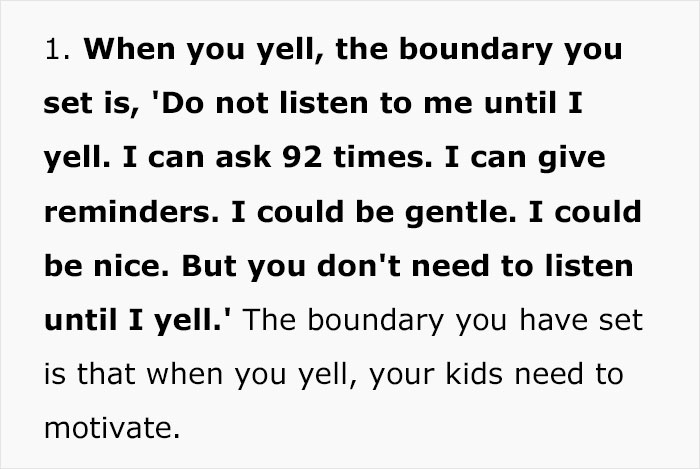
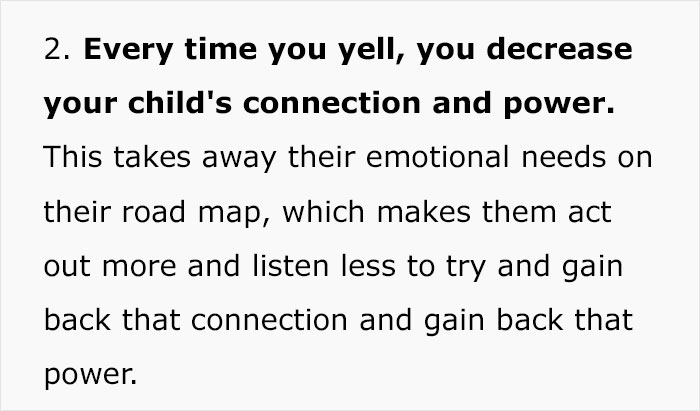
Recently, on her TikTok account, she shared 5 consequences that can happen when parents shout at their children. She created and posted the short video to help parents understand why they must avoid doing that for the benefit of their kids. Scroll down to find the full video below and don’t forget to tell us your thoughts about it in the comments.
While you’re at it, make sure to check out a conversation with founder of Mommy Groove, Olivia Bergeron, LCSW, PMH-C, who kindly agreed to share a few tips on how parents can manage their emotions and avoid yelling.
Image credits: Getty Images / unsplash (not the actual photo)
Image credits: parentingcoach
Image credits: Curated Lifestyle / unsplash (not the actual photo)
Image credits: parentingcoach
Image credits: parentingcoach
@parentingcoach 😳😳5 things that happen when you yell at your kids that teach them to listen less and act out more Trust me you NEED TO LISTEN if you yell! JOIN ME UPCOMING TRAINING ➡️ LINK ON HOMEPAGE #parenting#positivediscipline#parentingcoach#motherhood#parentingtips#momlife#parenthood#consciousparenting#parentingishard#parentingskills#positiveparenting♬ original sound – Tia Slightham M Ed. Certified
Even though parents aren’t proud of raising their voice, they do it because they feel like there’s no other option to get through to their kids, says founder of Mommy Groove, Olivia Bergeron, LCSW, PMH-C.
“It’s a reaction, not a response. Very often, parents yell when they were yelled at themselves as children. It becomes ingrained as the go-to response to anger and frustration,” she explained.
“Unfortunately, I’ve worked with many clients who remember how upsetting it was to have someone twice your size erupt in angry yelling. They swear never to yell at their own children, only to become yellers themselves when they get upset because they don’t have access to other tools in the moment.”
Such a parenting strategy is far from effective. A loud voice rarely makes the message clearer and usually has the opposite of a desirable effect. When parents raise their voices at their children, their brains feel threatened and unsafe, which prevents them from learning the lesson parents are trying to teach. That’s why it might seem that children refuse to listen when parents raise their voices.
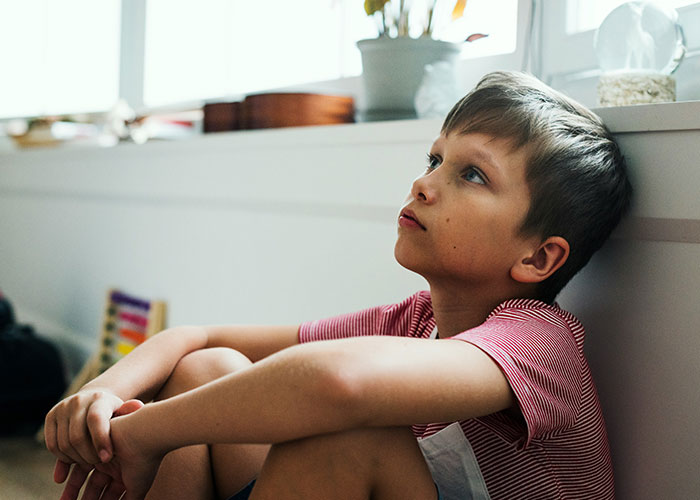
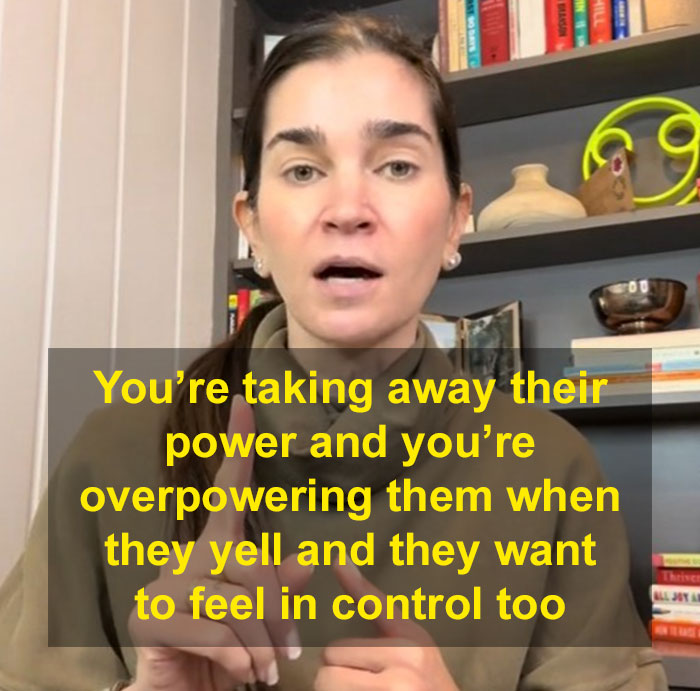
When kids are yelled at, they can also start to feel devalued and lose their self-worth. This might further break the connection between the child and the parent, making the little one lose a sense of security and trust in their primary caregiver. All of this combined can result in increased pushback since children feel like they’re being overpowered.
“Children that are yelled at oftentimes become parents who yell as well,” adds Bergeron. “Moms and dads are modeling how to parent. Children witnessing the acceptability of a yelling response to anger internalize this reaction. When these kids grow up and become parents themselves, yelling becomes their go-to response because this is what’s ‘normal.'”
Image credits: Getty Images / unsplash (not the actual photo)
On the other hand, calmness is reassuring, which makes children feel loved and accepted no matter how they behave. “Peaceful and calm communication helps a child feel safe and makes them more receptive to the lesson we’re teaching,” says clinical psychologist Dr. Laura Markham.
According to Bergeron, the first step towards being more zen and handling anger is to cope ahead. “If you know you have certain frustrations—which all parents have—think about how you want to respond to those triggers ahead of time. Map out your danger zones when you’re most likely to lose it on your kids: is it when you’re getting everyone ready in the morning? When you pick up your children in the afternoon? Before or during meals? Then plan how you want to respond,” she advises.
She further suggests thinking about behaving in a way that will feel good afterward. “Think about your child needing help in those moments instead of feeling aggravated and attacked. Your child is having a hard time, not giving you a hard time. Instead of going on the offense and yelling, consider what needs your child is signaling they have, and try to meet those needs. They’ll be grateful and your job as a parent will be much easier!” Bergeron reassured.
Changing the habit of yelling can take a lot of work, so it’s understandable if caregivers slip up and raise their voices. The most important thing is that they own up to it and apologize, showing a good example to their children. What can make this process easier is building stronger bonds and connections with kids. Doing it outside aggravating situations is a great place to begin.
“Changing generations of yelling behavior is hard but so worth it,” said Bergeron. “When your child learns they can trust you with their big feelings when they feel warmly connected, their behavior improves, lessening the yelling triggers we parents feel,” she concluded.
Image credits: Getty Images / unsplash (not the actual photo)

By entering your email and clicking Subscribe, you're agreeing to let us send you customized marketing messages about us and our advertising partners. You are also agreeing to our Privacy Policy.
Thank you! You've successfully subscribed to newsletters!

Clinical child psychologist here, and I have to agree with this. Yelling is to alert someone of immediate danger and that's it. The only other thing it does is alert the child that the adult is temporarily out of control. That isn't to say one can't be somewhat emotional when upset, but if something bad has happened there needs to be at least one calm person in the mix for learning to come out of the situation. In my humble opinion.

Definitely. My mother was always yelling at me for the stupidest tiny things (like having a small glass of wine at a friends party when I was 16,5, I told her because I wanted to be honest and she screamed at me non-stop for 2 hours with the entire family present until I left). Now I’m an adult and she still has the audacity to yell and try to assert dominance or something instead of apologizing when she made a mistake and I get upset, I just yell at her too and as an adult I’m not holding anything back. Now she can’t stop complaining about how much I’ve changed and how I used to be so sweet and easy-going, but somehow it never clicks that I only have extreme fights like this with her and my father while people outside of our house have never even seen me angry.
Load More Replies... People need to be more mindful when interacting with others, especially kids. What parents who yell never seem to get is that their yelling at their kids might just have been a rough Tuesday at work that they’ve long forgotten, but their volume and tone of voice, plus the things they said and did, have stuck with and adversely affected their kid(s) FOREVER. You need to be mindful when dealing with anybody, tbh, but children especially. Most adults can shrug off your unhinged rants and yelling as you just being an a*****e, plus they can just leave. Kids can’t. They’re stuck having to live with you for a minimum of 18 years—-if CPS isn’t called—-and can’t just leave and not deal with you. Not to mention the conflict of you being their parent, who they love and look to for everything, which you are supposed to give them, ffs, as a parent, so when you act irrationally, which is terrifying to a child, they don’t understand you had a rough day at work coupled with an inability to control your emotions and impulses, so you take it out on the easiest targets in the world—-your family. The people you know will take it from you and forgive you because they love you. Just don’t bank on that being permanent, though, as everyone has their limits. After treating your children and spouse like whipping boys for enough years, you will find yourself all alone and miserable. And most parents like that always seem to be totally mystified as to why their kids want nothing to do with them. Oh, and of course when it comes to people like that, their ex was the horrible person in the relationship. In fact, ALL their exes were.
You just exactly described my mother. My father (her ex) is definitely a horrible person but she isn’t great either, she just can’t resist comparing herself to him and endlessly praising herself for her superior parenting skills.
Load More Replies...
As a former child raised in a house where both my parents were yelling at me (& at each other) several times per day - I fully agree. Yelling at your child rarely comes alone, it's usually accompanied by threats, insults and/or humiliation (and sometimes beatings). Over the years I developed depression (1st attempt to unalive myself at 10 y.o.), anxiety, insomnia, bruxism and several emotional issues. Why would you do that to your child - whom you love "more than anything else" (as most parents claim)?

Hugs, my friend. I went through the same thing - though (at least? lol) I only had one parent doing the yelling (my mom) - and, as you mentioned, she accompanied the yelling with physical, mental, and emotional abuse as well. (She pressed a gun to my throat when I was maybe 6 and said she'd unalive me if my dad went on a business trip. I told my teacher the next day, and my mom lied to the principal and said I'd seen it in a movie.) Perhaps unsurprisingly, I have had/still have all of the same issues that you have faced, including unaliving-myself attempts and bruxism/jaw clenching (both of my temporomandibular joints are utterly wrecked at this point.) I was fortunate my dad was a fantastic dad to me (though my mom abused him physically/verbally as well and he never stopped her. He never really escaped - he had an accident when I was 18 and died 21 years later.) I hope you are doing as well as you can be now and have found a measure of peace <3
Load More Replies... Clinical child psychologist here, and I have to agree with this. Yelling is to alert someone of immediate danger and that's it. The only other thing it does is alert the child that the adult is temporarily out of control. That isn't to say one can't be somewhat emotional when upset, but if something bad has happened there needs to be at least one calm person in the mix for learning to come out of the situation. In my humble opinion.
Definitely. My mother was always yelling at me for the stupidest tiny things (like having a small glass of wine at a friends party when I was 16,5, I told her because I wanted to be honest and she screamed at me non-stop for 2 hours with the entire family present until I left). Now I’m an adult and she still has the audacity to yell and try to assert dominance or something instead of apologizing when she made a mistake and I get upset, I just yell at her too and as an adult I’m not holding anything back. Now she can’t stop complaining about how much I’ve changed and how I used to be so sweet and easy-going, but somehow it never clicks that I only have extreme fights like this with her and my father while people outside of our house have never even seen me angry.
Load More Replies... People need to be more mindful when interacting with others, especially kids. What parents who yell never seem to get is that their yelling at their kids might just have been a rough Tuesday at work that they’ve long forgotten, but their volume and tone of voice, plus the things they said and did, have stuck with and adversely affected their kid(s) FOREVER. You need to be mindful when dealing with anybody, tbh, but children especially. Most adults can shrug off your unhinged rants and yelling as you just being an a*****e, plus they can just leave. Kids can’t. They’re stuck having to live with you for a minimum of 18 years—-if CPS isn’t called—-and can’t just leave and not deal with you. Not to mention the conflict of you being their parent, who they love and look to for everything, which you are supposed to give them, ffs, as a parent, so when you act irrationally, which is terrifying to a child, they don’t understand you had a rough day at work coupled with an inability to control your emotions and impulses, so you take it out on the easiest targets in the world—-your family. The people you know will take it from you and forgive you because they love you. Just don’t bank on that being permanent, though, as everyone has their limits. After treating your children and spouse like whipping boys for enough years, you will find yourself all alone and miserable. And most parents like that always seem to be totally mystified as to why their kids want nothing to do with them. Oh, and of course when it comes to people like that, their ex was the horrible person in the relationship. In fact, ALL their exes were.
You just exactly described my mother. My father (her ex) is definitely a horrible person but she isn’t great either, she just can’t resist comparing herself to him and endlessly praising herself for her superior parenting skills.
Load More Replies... As a former child raised in a house where both my parents were yelling at me (& at each other) several times per day - I fully agree. Yelling at your child rarely comes alone, it's usually accompanied by threats, insults and/or humiliation (and sometimes beatings). Over the years I developed depression (1st attempt to unalive myself at 10 y.o.), anxiety, insomnia, bruxism and several emotional issues. Why would you do that to your child - whom you love "more than anything else" (as most parents claim)?
Hugs, my friend. I went through the same thing - though (at least? lol) I only had one parent doing the yelling (my mom) - and, as you mentioned, she accompanied the yelling with physical, mental, and emotional abuse as well. (She pressed a gun to my throat when I was maybe 6 and said she'd unalive me if my dad went on a business trip. I told my teacher the next day, and my mom lied to the principal and said I'd seen it in a movie.) Perhaps unsurprisingly, I have had/still have all of the same issues that you have faced, including unaliving-myself attempts and bruxism/jaw clenching (both of my temporomandibular joints are utterly wrecked at this point.) I was fortunate my dad was a fantastic dad to me (though my mom abused him physically/verbally as well and he never stopped her. He never really escaped - he had an accident when I was 18 and died 21 years later.) I hope you are doing as well as you can be now and have found a measure of peace <3
Load More Replies...


























 No fees, cancel anytime












-4
30