Get Premium
Dark mode theme is available exclusively for premium users. Learn more about the benefits of subscribing.
No fees, cancel anytime.

 Dark Mode Ad-Free Browsing Unlimited Content
 Ad-Free Browsing Unlimited Content Dark Mode
Join 1.2 million Panda readers who get the best art, memes, and fun stories every week!
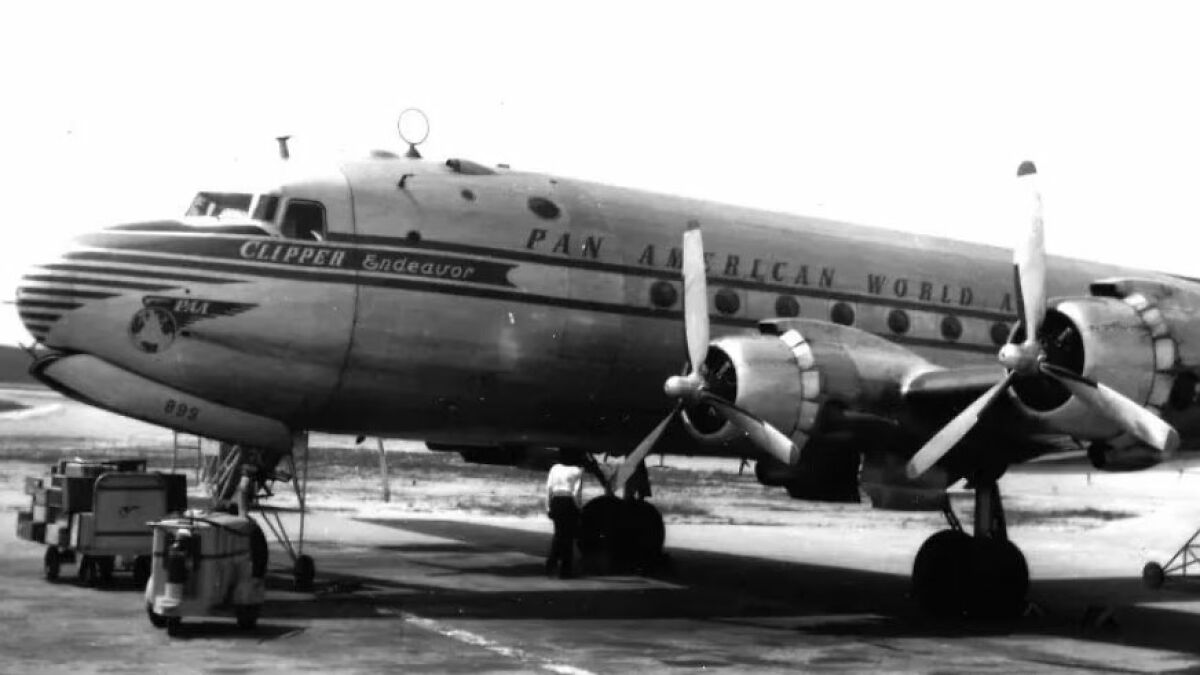
The wreckage of a Pan American World Airways aircraft that disappeared beneath the Atlantic Ocean more than seven decades ago has finally been found, bringing closure to one of aviation’s oldest unsolved mysteries.
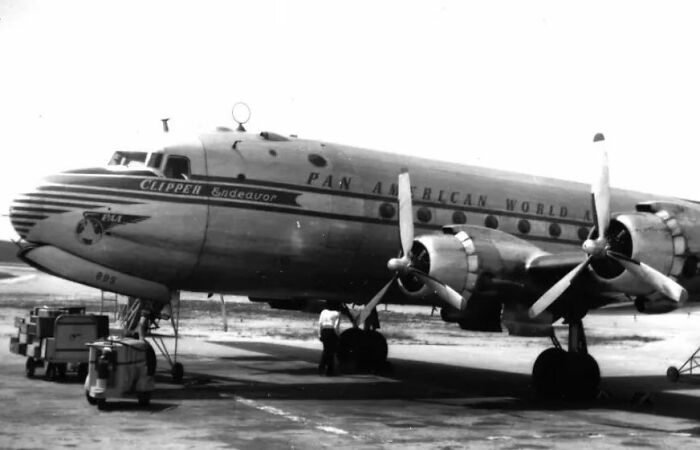
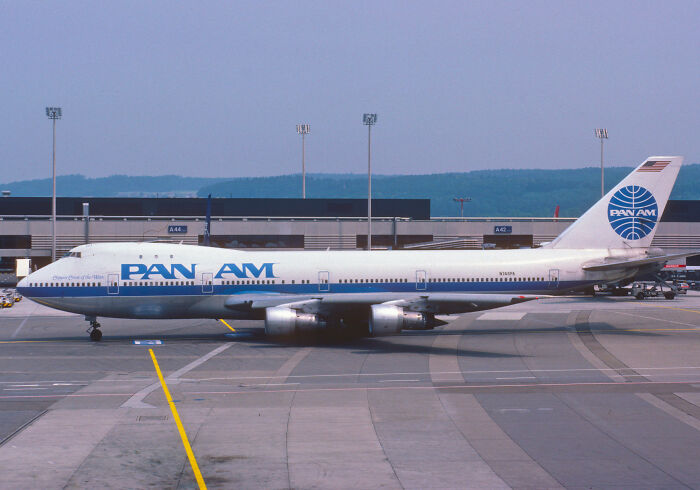
The wreckage of Pan Am Flight 526A, a Douglas DC-4 known as the Clipper Endeavor, was discovered beneath the waters off Puerto Rico on June 2, 2026.
While the discovery marks a historic breakthrough, the disaster forever transformed commercial airline safety procedures as we know them today.
Image credits: Pan Am Historical Foundation
The tragedy unfolded on Good Friday, April 11, 1952, when Pan Am Flight 526A departed from San Juan, Puerto Rico, bound for New York City with 64 passengers and five crew members onboard.
Just minutes after takeoff, the flight suffered a catastrophic dual-engine failure on its right side, leaving no chance of returning safely to the airport.
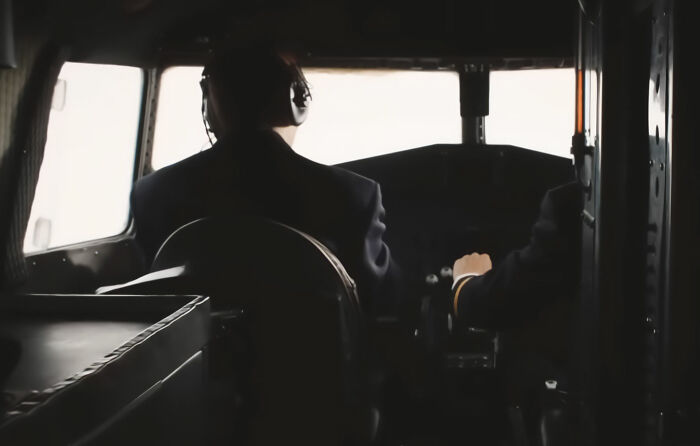
Faced with an impossible situation, the captain made the split-second decision to perform an emergency water landing approximately 11 miles north of San Juan.
Image credits: Discovery Channel
Image credits: 160TF
Remarkably, every one of the 69 people onboard survived the aircraft’s impact with the ocean.
But since commercial airlines in 1952 did not conduct mandatory pre-flight safety demonstrations, many passengers had no idea where life jackets were stored or how to use them properly.
Frightened travelers struggled to understand instructions due to a language barrier that complicated communication between the crew and many Spanish-speaking passengers.
Image credits: AirSea Heritage Foundation and Deep Sea Vision
As water rapidly poured into the cabin, the crew managed to deploy only one life raft before the aircraft broke into two pieces and disappeared beneath the Atlantic in less than three minutes.
Although rescue teams reached the scene quickly, only 17 people, 12 passengers and all five crew members, survived, while 52 others drowned.
Despite extensive searches in 1952, investigators were never able to pinpoint the plane’s final resting place after it disappeared beneath the Atlantic.
Image credits: Discovery Channel
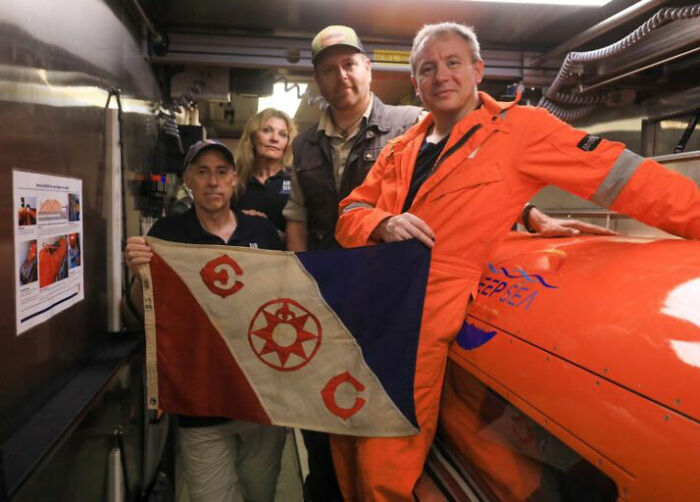
Decades later, on June 2 this year, researchers from the Air/Sea Heritage Foundation, working alongside deep-sea exploration company Deep Sea Vision and the Discovery Channel’s Expedition Unknown, finally located the wreckage resting approximately 2,000 feet (610 meters) below the ocean’s surface off Puerto Rico’s northern coast.
According to the investigation team, years of historical research helped narrow the enormous search area to a manageable 10-square-nautical-mile section of the seabed.
Image credits: AirSea Heritage Foundation and Deep Sea Vision
Image credits: w36480_chuck
Researchers cross-referenced official U.S. Coast Guard records with a hand-drawn chart created by U.S. Air Force pilots, who had witnessed the aircraft’s emergency ditching from a nearby training flight in 1952.
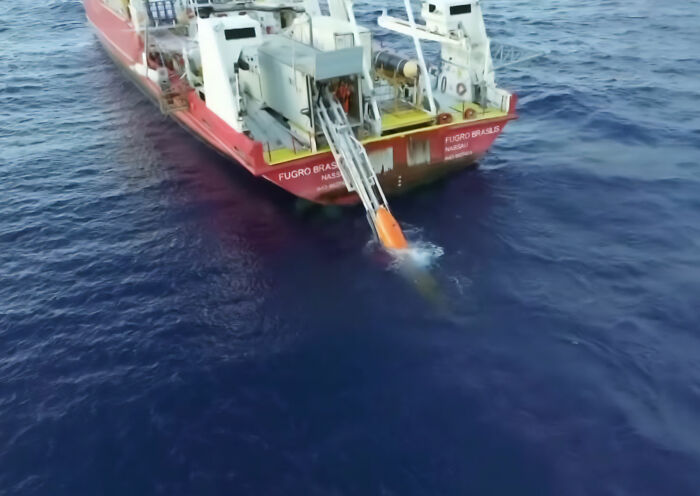
Armed with that information, the team deployed a sophisticated HUGIN autonomous underwater vehicle, a sonar-equipped drone more commonly used to map ocean-floor mineral deposits.
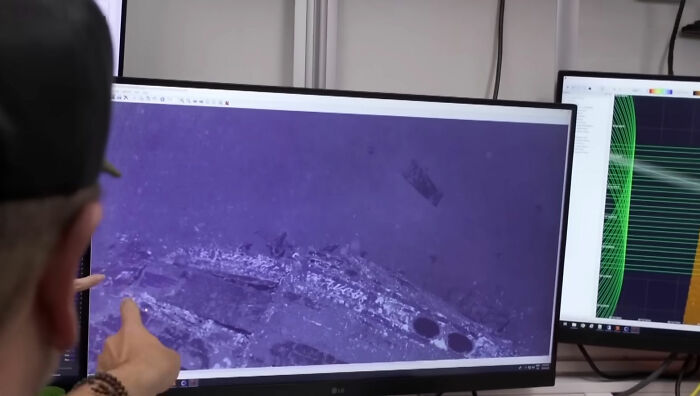
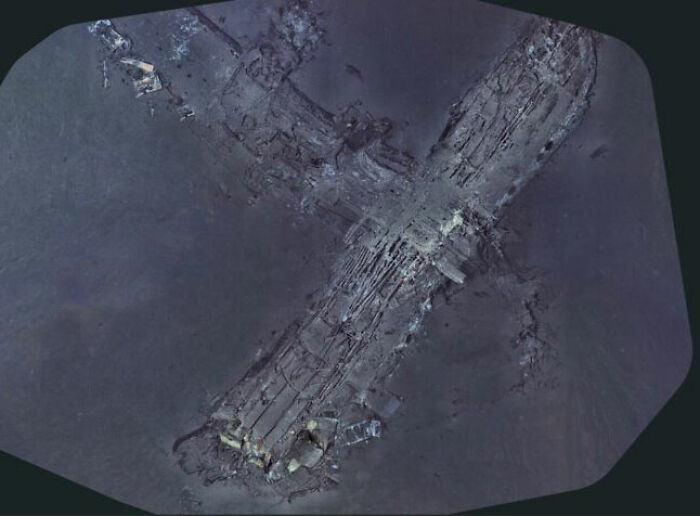
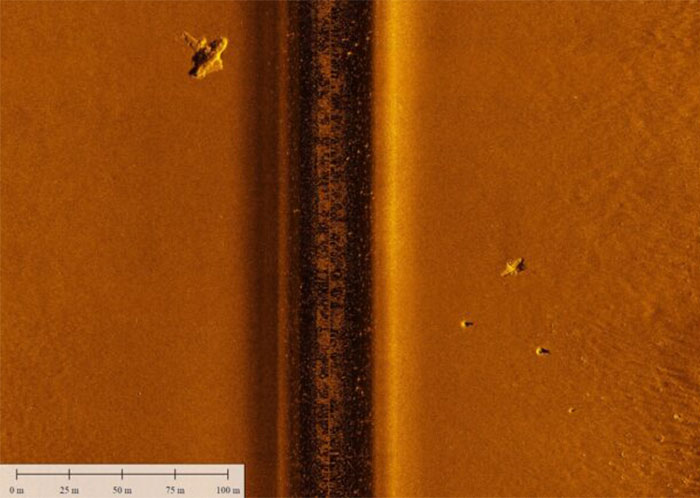
During its very first sweep of the designated search zone, the sonar captured unmistakable images of a large aircraft resting on the seabed.
Image credits: Discovery Channel
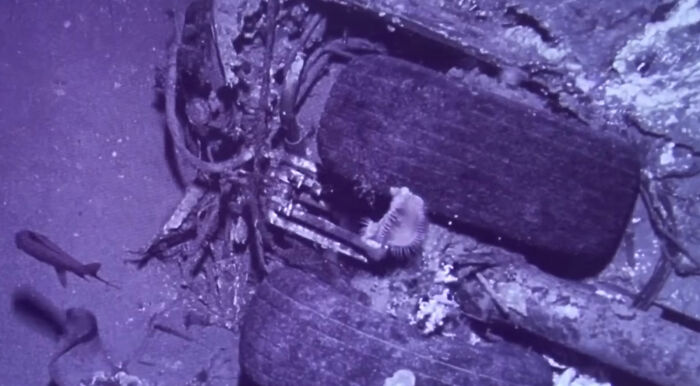
Later, high-resolution photographic surveys confirmed what investigators had hoped for all along.
Even after spending 74 years underwater, the aluminum fuselage still bore the aircraft’s iconic winged Pan American logo, while the words “Clipper Endeavor” remained astonishingly legible on its side.
The remarkable discovery was publicly announced on Tuesday, July 21, with the full expedition set to air on the Discovery Channel’s Expedition Unknown later this year.
A Pan Am passenger plane that crashed into the Atlantic Ocean in 1952 has been found 74 years later by a Discovery Channel team.
The crash killed 52 people and led airlines to adopt the preflight safety briefings passengers hear before takeoff today. pic.twitter.com/mWLHQoHrdT
— FearBuck (@FearedBuck) July 22, 2026
Image credits: tslamoon1
Reflecting on the moment, the show’s host Josh Gates said in a statement, “Every time you step onboard an airplane today, you are safer because of what happened to ‘Clipper Endeavor’ and her passengers three-quarters of a century ago.”
Investigators concluded that most of the victims survived the emergency water landing itself but drowned during the frantic evacuation that followed.
Passengers struggled to locate life jackets, several did not understand the crew’s emergency instructions, and widespread panic erupted inside the rapidly flooding cabin.
Image credits: Discovery Channel
The disaster ultimately became what aviation historians describe as a “rallying cry” for sweeping safety reforms.
In response, the Civil Aeronautics Board, the predecessor to today’s Federal Aviation Administration (FAA), introduced several measures that would eventually become standard on commercial flights worldwide.
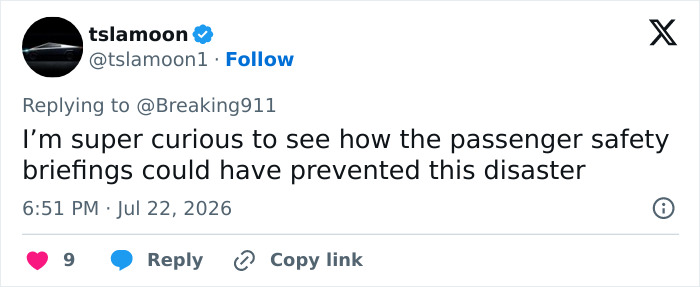
Among the most significant changes were mandatory pre-flight safety briefings, ensuring flight attendants explained emergency procedures before every departure.
Image credits: Discovery Channel
Image credits: Esteelavinaa
Airlines also began requiring life vest demonstrations, clearly showing passengers where flotation devices were located and how to use them.
Doug Miller of the Pan Am Historical Foundation explained why the reforms proved so important, telling CNN, “Having had the cabin crew establish their authoritative position before a flight would make both their task and their message more effective when it mattered most.”
Image credits: Discovery Channel
He added, “Eyewitness accounts of the tragedy indicated that the passengers refused to understand the gravity of their situation, despite what they were hearing from the crew.”
What was once considered a heartbreaking aviation failure ultimately became one of the industry’s most influential catalysts for change, helping protect millions of airline passengers.
Despite finally solving one of aviation’s oldest mysteries, investigators have made it clear that the Clipper Endeavor will not be brought back to the surface.
Image credits: AirSea Heritage Foundation and Deep Sea Vision
Instead, the wreckage will remain on the ocean floor as a permanent memorial to those who lost their lives, with the site believed to be the final resting place of many of the victims.
Of the 52 people who perished, 39 bodies were never recovered.
To ensure it remains protected, the search team is now working with the government of Puerto Rico to establish legal protections for the site.
Image credits: Aero Icarus
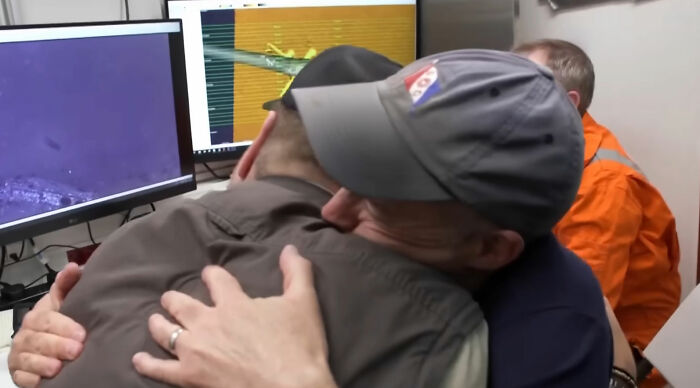
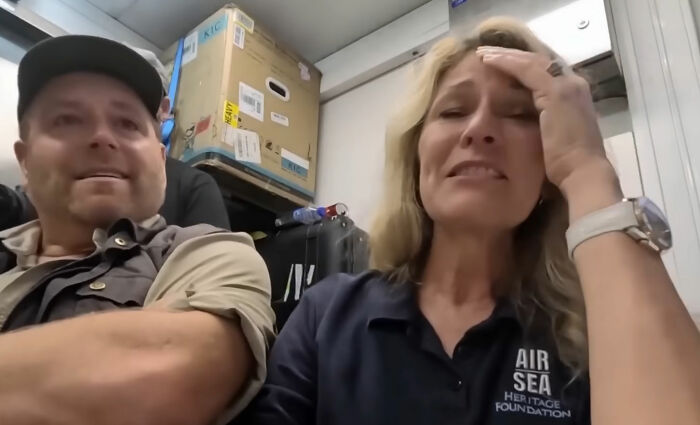
Reportedly, before publicly announcing the discovery, members of the expedition also contacted the last two known living survivors of the disaster to share the news privately.
For families who spent generations wondering where the aircraft had disappeared, the discovery offered a long-awaited sense of closure.
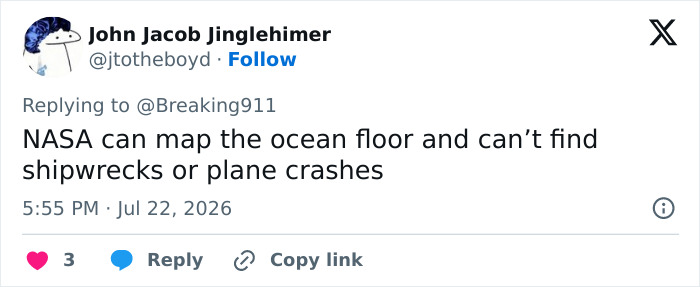
Image credits: jtotheboyd
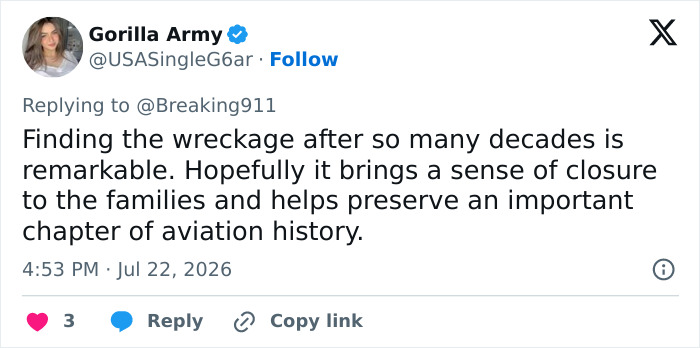
Image credits: USASingleG6ar
Image credits: BanjoPill
Image credits: eduardocuyar
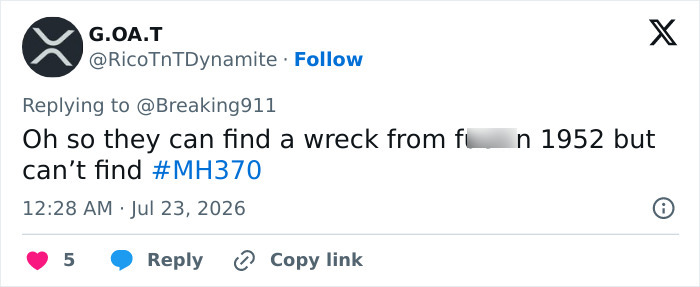
Image credits: RicoTnTDynamite
Image credits: RedQReckoning
Image credits: LyleClown
Image credits: FitnessLarah
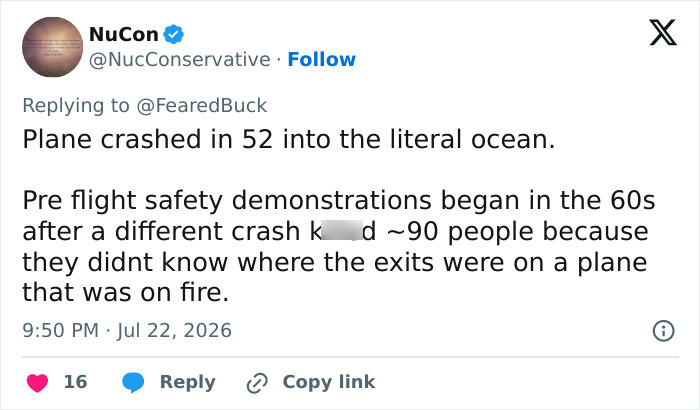
Image credits: NucConservative
Image credits: vladoku

By entering your email and clicking Subscribe, you're agreeing to let us send you customized marketing messages about us and our advertising partners. You are also agreeing to our Privacy Policy.
Thank you! You've successfully subscribed to newsletters!


The more painful part for me is realizing that 52 wasn't 50 years ago and actually has been 72 years now -_-


From the comments it seems many people have no clue how big the ocean is and how relatively small an aircraft is.

The more painful part for me is realizing that 52 wasn't 50 years ago and actually has been 72 years now -_-
From the comments it seems many people have no clue how big the ocean is and how relatively small an aircraft is.





































 No fees, cancel anytime












36
10