Get Premium
Dark mode theme is available exclusively for premium users. Learn more about the benefits of subscribing.
No fees, cancel anytime.

 Dark Mode Ad-Free Browsing Unlimited Content
 Ad-Free Browsing Unlimited Content Dark Mode
Join 1.2 million Panda readers who get the best art, memes, and fun stories every week!
While it’s easy enough to find a lot of relatability in the past, the truth is that humans have a very large capacity to be simply weird one way or another. So it stands to reason that a time traveler would probably encounter situations, norms and rules that would seem deeply bizarre.
Someone asked “What is something that was normal in medieval times, but would be weird today?” and internet historians shared their favorite examples. So get comfortable as you scroll through, upvote your favorites and be sure to add your own thoughts and examples in the comments below.
This post may include affiliate links.

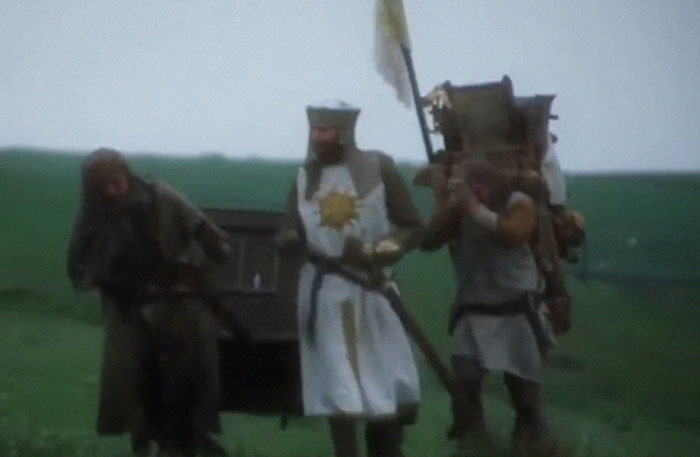 Wielding supreme executive power because some watery tart threw a sword at you.
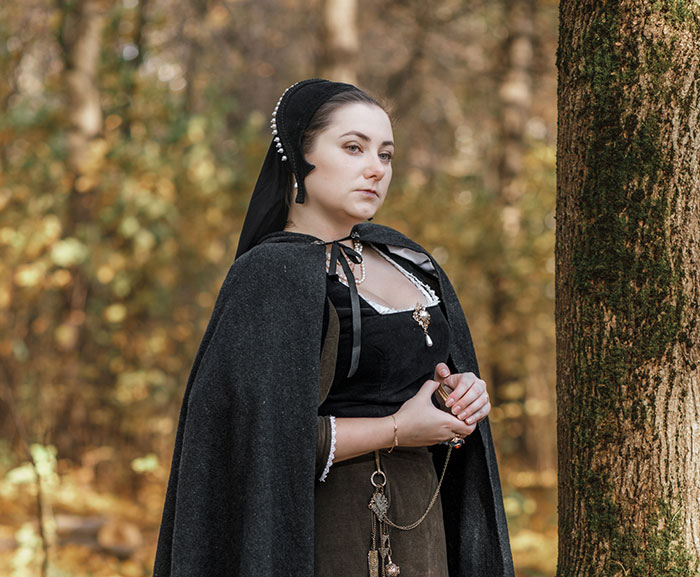 Wearing cloaks
I don't understand why cloaks are amazing
we should bring cloaks back.
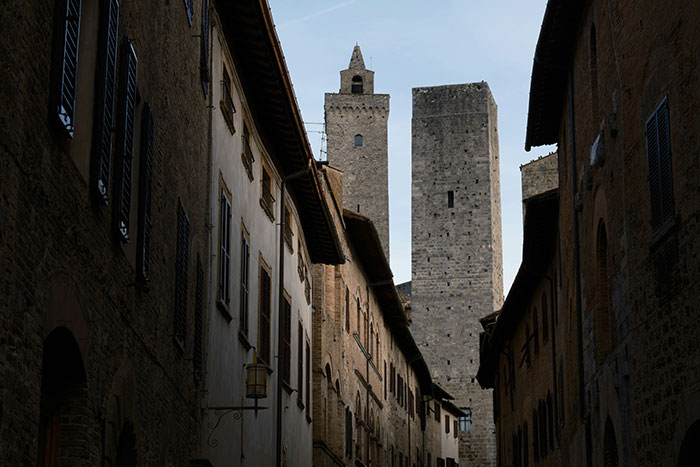 In the medieval period, it would be not at all unheard of for a people oppressed by economic means and force alike, to rise up and gut their leaders.
No person living is under an obligation to suffer torment without equal and opposite response, although the written law may say otherwise. Leaders and those with authority would do well to recall and respect the fact that their position is given them by consent, and should they misuse it, they have more to lose than those positions, and deserve to lose more than those positions.
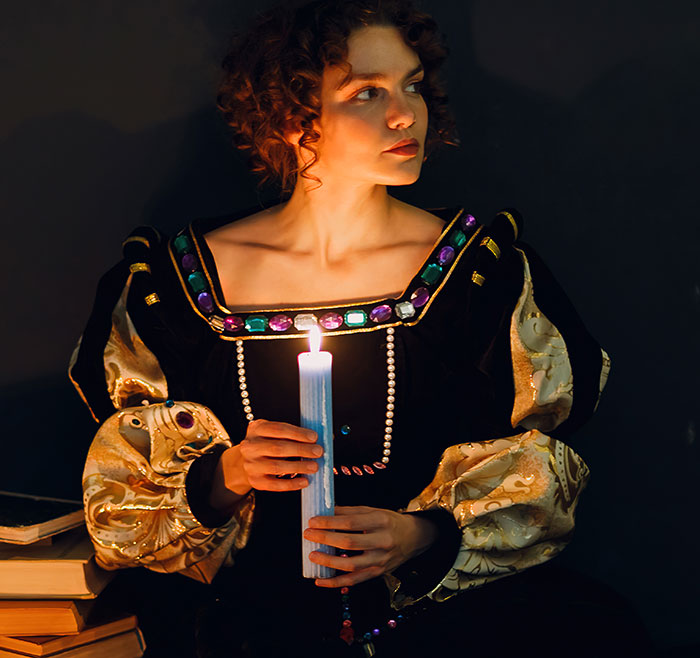 Going to sleep as soon as it gets dark, waking up and hanging out with your family for a few hours in the middle of the night, and going back to bed until sunrise.

I hope not it was done like that in summertime here.. right now it's night 8.7h, and keeps getting longer days, at midsummer it's only 5.3h "night".
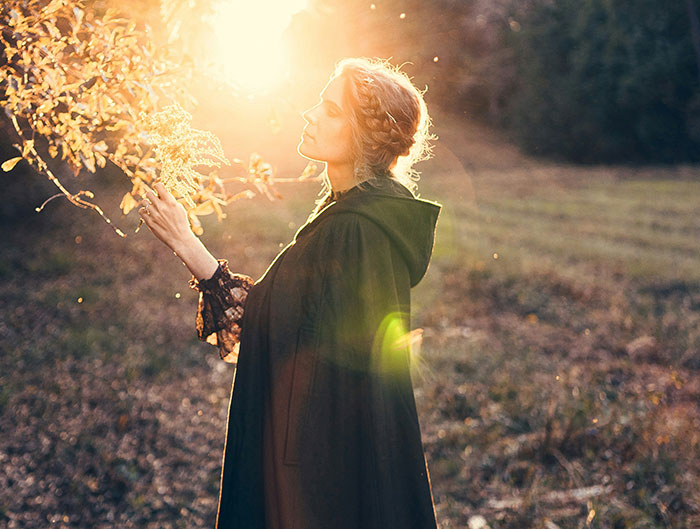 Inheriting clothes being a big deal.
Things weren't really disposable back then - people wore, turned, refreshed, re-sewed, cut down and re-sewed, stripped into trimming and then into rags every piece of clothing they owned. There was a thriving second hand market, and a lot of money in carefully re-using good bits of cloth, cutting off worn out buttonholes and re-sewing garments, re-using trim, etc. Even the upperclass did this to an extent, you had to get to ridiculously wealthy Royalty level for clothing to be abundant and completely new all the time. You rarely find whole garments in archeological digs, but you find all sorts of bits and pieces that were cut off an otherwise whole garment.
This was because making cloth was insanely time consuming, especially in the earlier periods when the primary looms were upright and sheep weren't yet fully modernized and produced smaller amounts of wool, of various qualities. Linen was even more time consuming, cotton wasn't a thing yet (and cotton is seriously annoying to process by hand), and silk was out of reach for most people.
So, people willed cloth to relatives when they died, as well as specific garments. These days you sell off all Grandma's old WalMart clothes, or sometimes get some cool vintage stuff you wear occasionally, but back then getting a few ells of worsted wool cloth was a huge score. There are garments that were passed down several times, because they were just that valuable - and clothes show up in the wills of people from many different classes. It was entirely normal for your daughter to be wearing a dress made from her great-grandmother's old overgown that had been willed down through the family and the good cloth re-purposed until it was only fit for rags. There were whole industries devoted to re-finishing cloth that had gotten a bit worn so new garments could be sewn from it.
Imagine today getting excited because your Aunt died and left you four pairs of jeans. But, in the Medieval period, that would have been a truly great score of an inheritence.
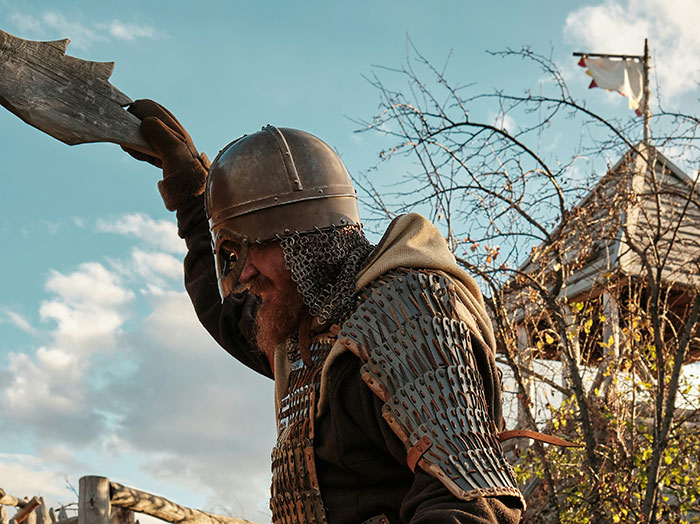 The name Lance isn't popular in this day and age, but back in medieval times people were called Lancelot.


Poor kid. I hear he shortened his name to Aboil but people still laughed at him.
Load More Replies...







People imitated him because they were trying to establish an equivilance.
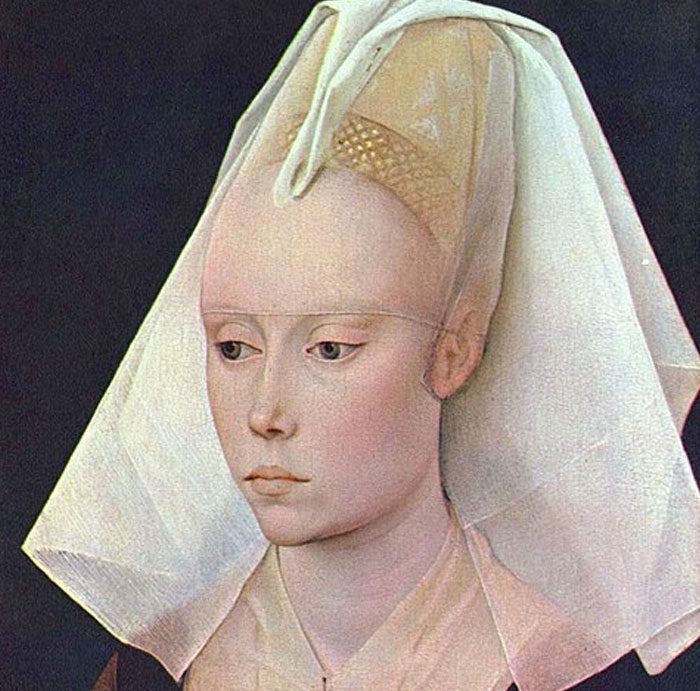 Women plucking their hairline to make their forehead bigger. In the C13th, there was this whole European aesthetic about women's s**y, s**y foreheads. So women would pluck their hair to make the forehead bigger and sexier.
Whenever I tell my classes about this they go "ew" but they are all manscaping and waxing other body parts.

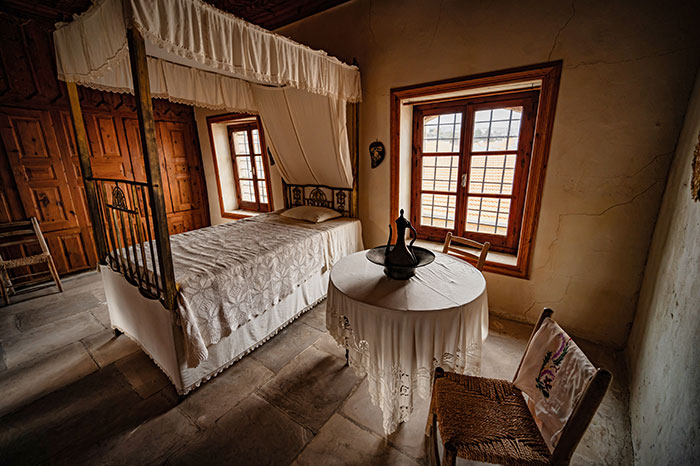 Sleeping with your entire family in one bed.
Or if you are a king, sleeping in the same bed with a rival king to cement your friendship and respect for each other, as brothers.
Privacy was just not really a thing in the middle ages!
Edit: I came at this with a pretty western perspective obviously. Many families around the world still sleep together in the same bed/space. However in modern western culture, it isn't considered as normal as it would have been in previous centuries.
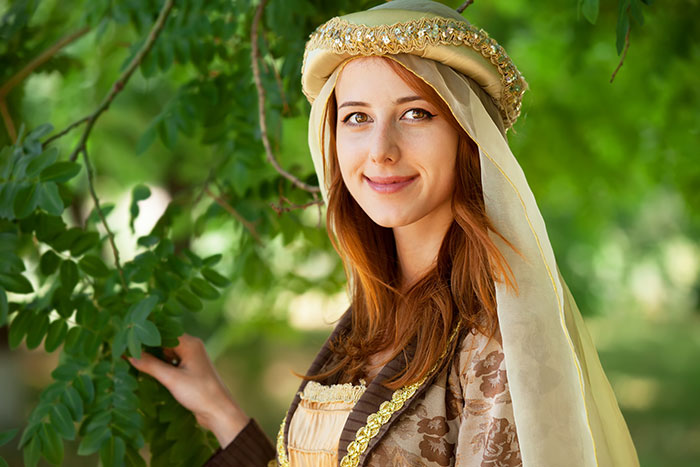 This was a love potion recipe from the 10th century:
A woman will lay a cloth on the ground and cover it in grain. She will then strip her clothing off and cover her body in honey. After that, she will roll around on the cloth and try to get covered in grain.
Afterwards, she will get up and take the grain stuck to her body over to the mill and ground that into flour. She will then use that flour to bake bread and give it to her husband to eat.
There was also another love potion that involves a wife presenting her naked butt to her husband who then rolls bread dough on it that will be turned into bread.
Edit: Did not expect this to blow up. I read this in an excerpt of Burchard of Worms book “The Corrector” (or alternatively “The Physician”). He was a bishop in southern Germany who wrote books on canon law. Book 19 (this one) covered a lot of popular pagan rituals.
 Boiling fruit before you eat it.
(People in medieval times thought raw fruit was bad for you - so they boiled their fruit before eating it. Boiling removes vitamin C from fruit. This habit is thought to be one of the reasons why there were high rates of scurvy in medieval times. One of the symptoms of scurvy is hallucinations. Scurvy-induced hallucinations are thought to be one of the reasons why so many people in medieval times were documented to have had religious visions. LPT - if you want to see Jesus, stop ingesting vitamin C. Possible side effects include loss of teeth, bleeding gums, aforementioned hallucinations, suppression of immune system, and death).

Ergot (a fungus that grows on rye and other grains) was also a very popular hallucinogen.
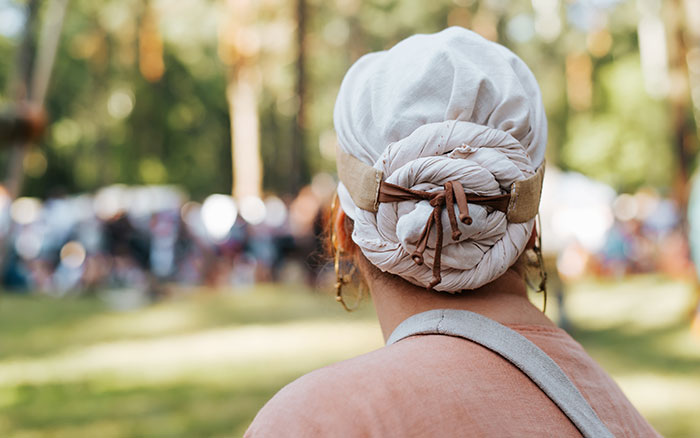 Having rules about what colors and what type of clothing and hats you could wear, based on your occupation or social level.
Still exists in the US. Cheeto lovers all wear horrid red MAGA hats. /s
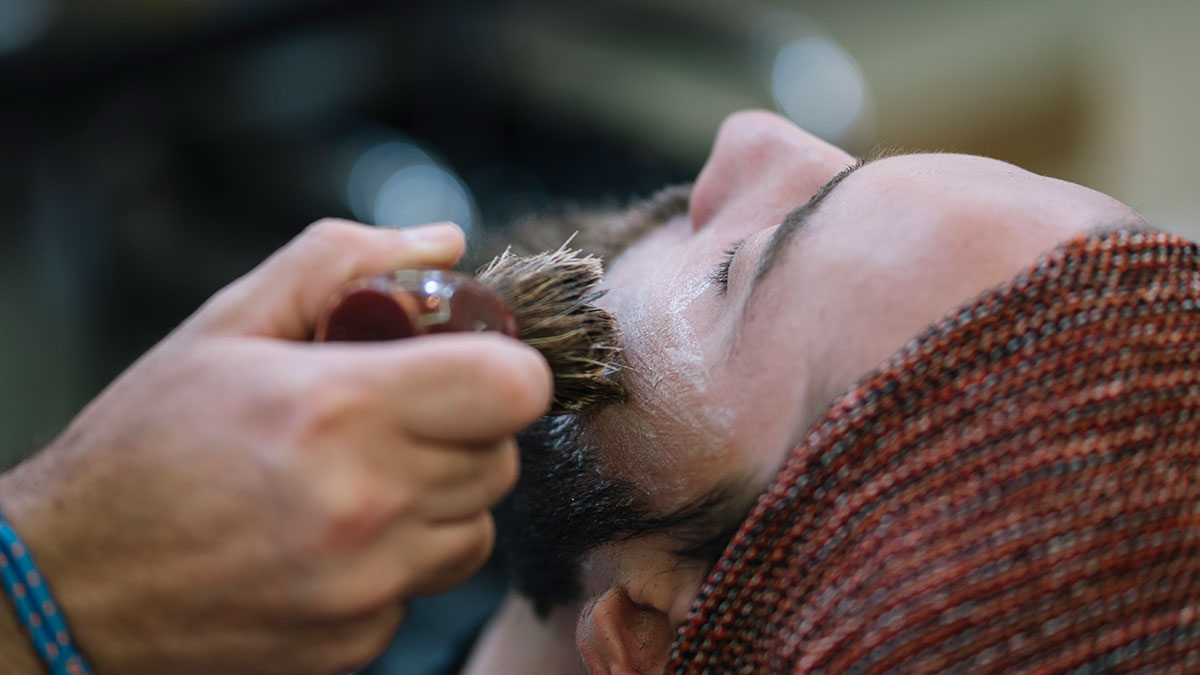
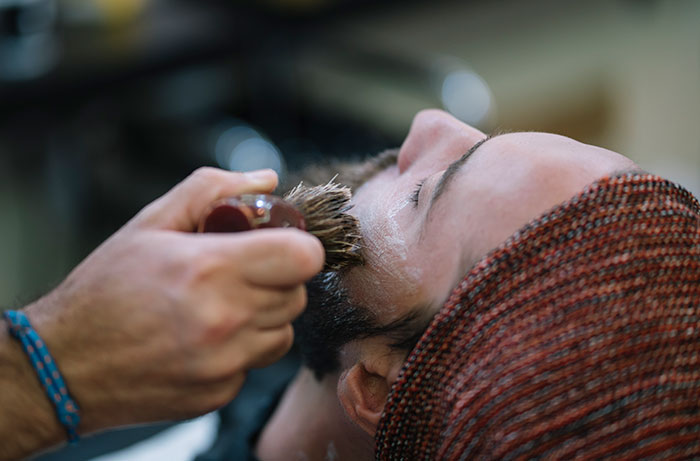 A barber doing surgery.
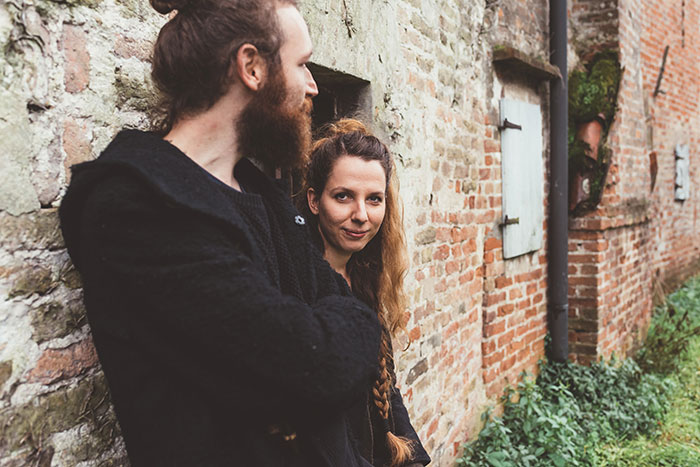 Fight instead of divorce
Why waste time on courts and child support? In medieval Germany, if a husband and wife reached a dead end on some important issue, they entered the ring.
The rules, of course, equalized the forces of men and women. In the ring, the man was in a hole, one hand was tied behind his back, so that he could strike with only one hand. And the wife was given a bag of coal, with which she struck.
Whoever wins the fight (inflicts serious injury or the defeated one asks for mercy) is, therefore, right in the dispute.
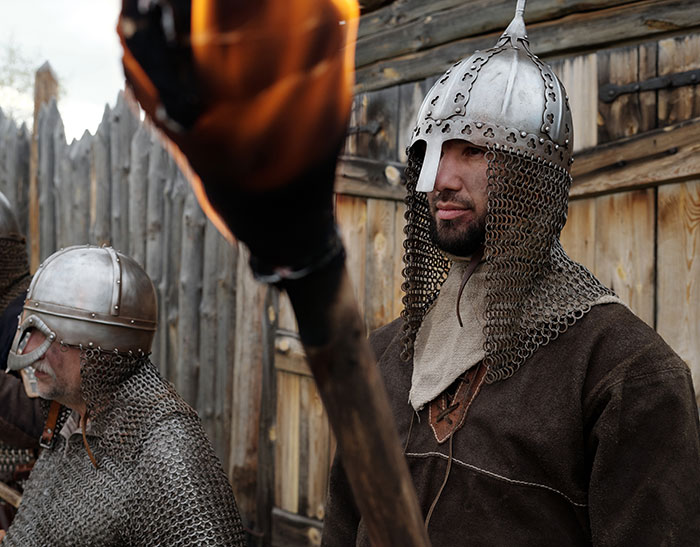 Outlawry, which stripped a person of all legal rights and allowed anyone to k**l them with impunity.
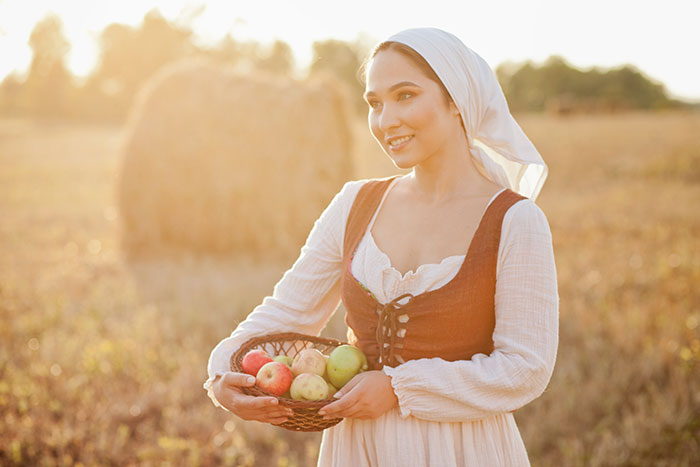 Assuming that most women you meet can't read.
Assuming that most men you meet either can't read or can also read Latin.
Not going more than 20 miles from where you were born.
Salt being extremely expensive. (Getting some comments here - expensive is a relative statement, and when you consider that less than three hours of minimum wage buys a 50 lb bag of salt today... it's safe to say that a modern person would be surprised at how expensive salt was. Additionally, salt in West Africa was expensive even in absolute terms.)
Barbers also being doctors and performing surgery.
Marrying second cousins. When nobody travels and villages are small... it's pretty much unavoidable.
Huge age disparities between husband and wife, both of whom are getting married for the first time.
Paying different taxes based on religion.
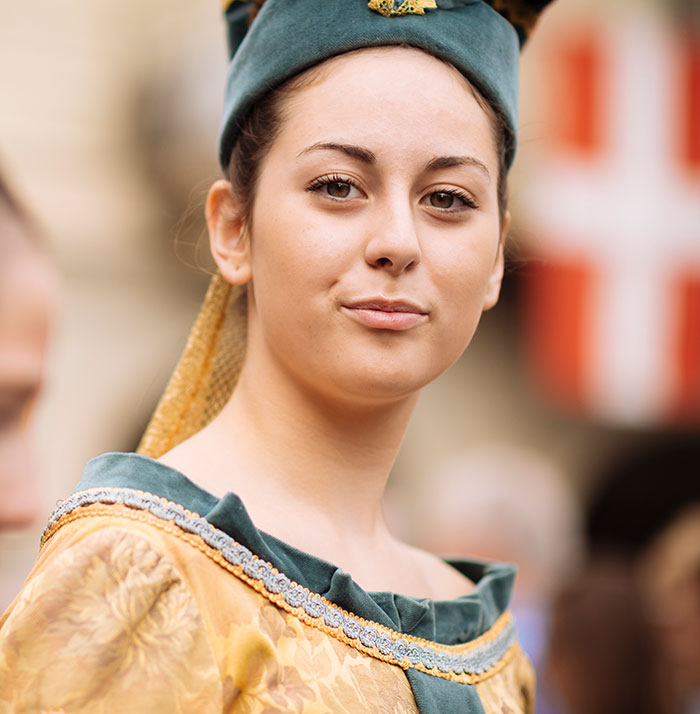 I’ve taken medieval literaturein college. There’s a lot of strange things that was normal for them but strange for us. Selling off your daughter so the rest of your family can eat, putting iron near your baby to protect them from Changelings, et cetra et cetra.
My great-grandmother was sold as a housemaid when she was a child. Basically indentured servitude where her parents profited.
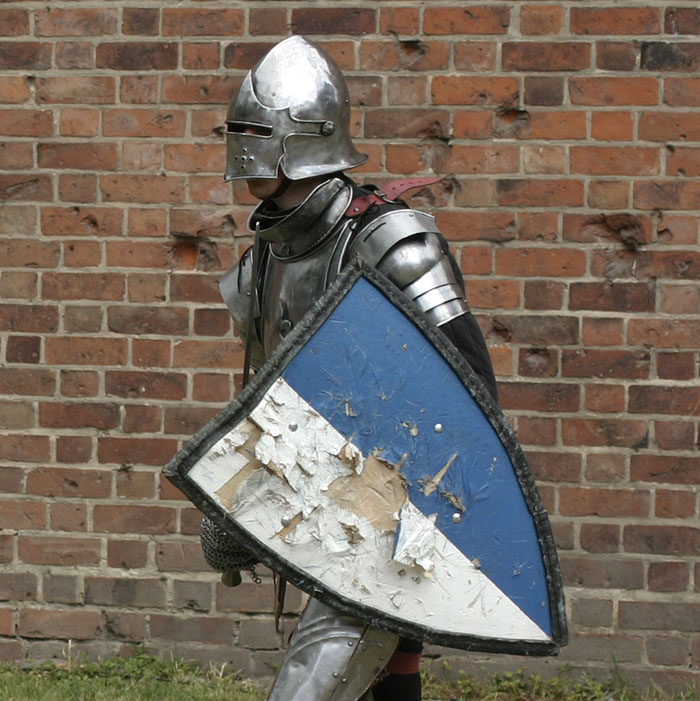 You have insulted my honor , I challenge you to a duel !
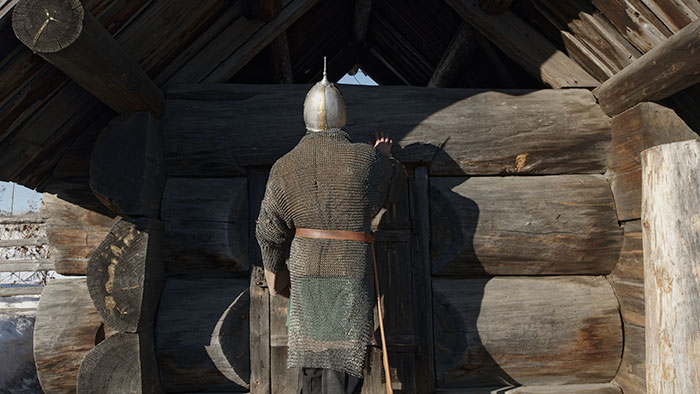 The hue and cry. Literally shouting that someone stole something and having the whole village chase after them.
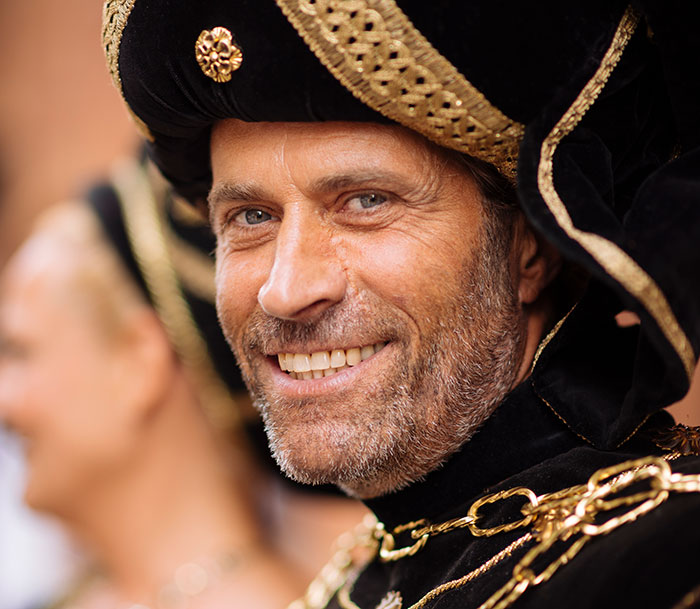 Brushing your teeth with a stick.
I have my grandmother's "toothbrush" stick. She was born in the Carolina's in the late 1880 and was dirt poor most of her life. Dunno why Mom saved it, but the mantle has been passed to me, so there you go.
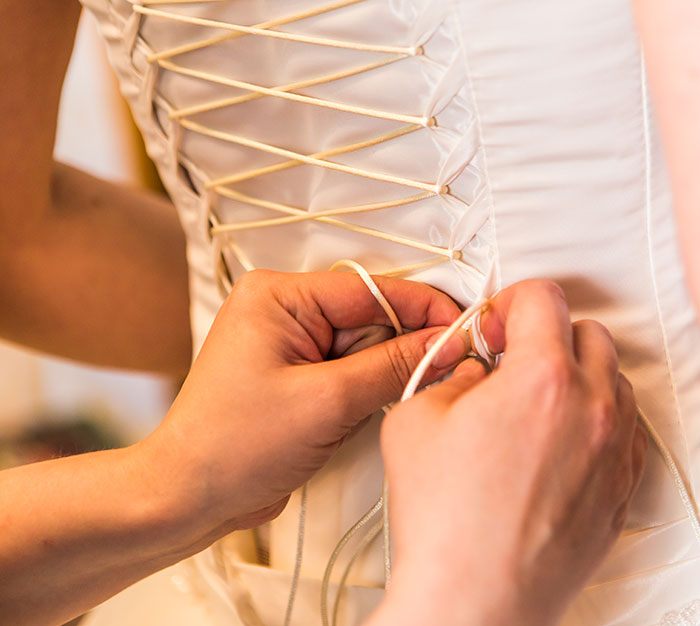 Having people help you get dressed and undressed as an adult.
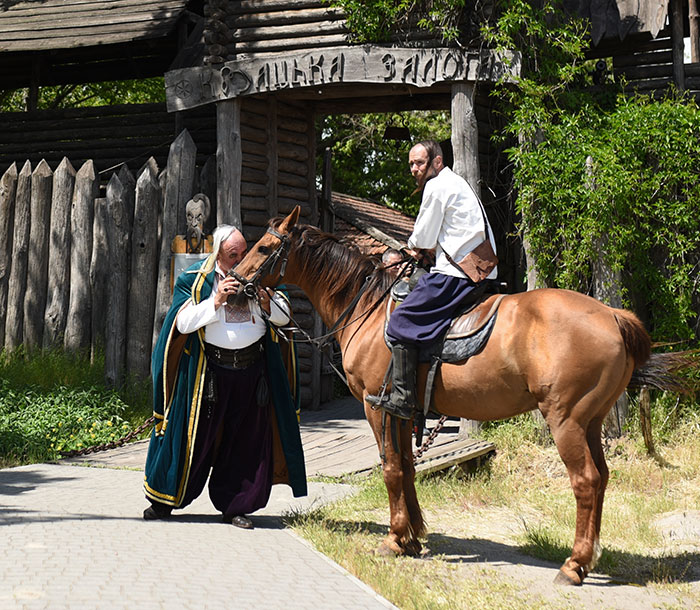 Never traveling more than a few miles outside of your village or town.

Honestly, until the advent of the automobile (the train helped... some), this was a very common thing, as you were limited in how far you could go by either how far you could walk in a single day, or how far your horse could carry you.
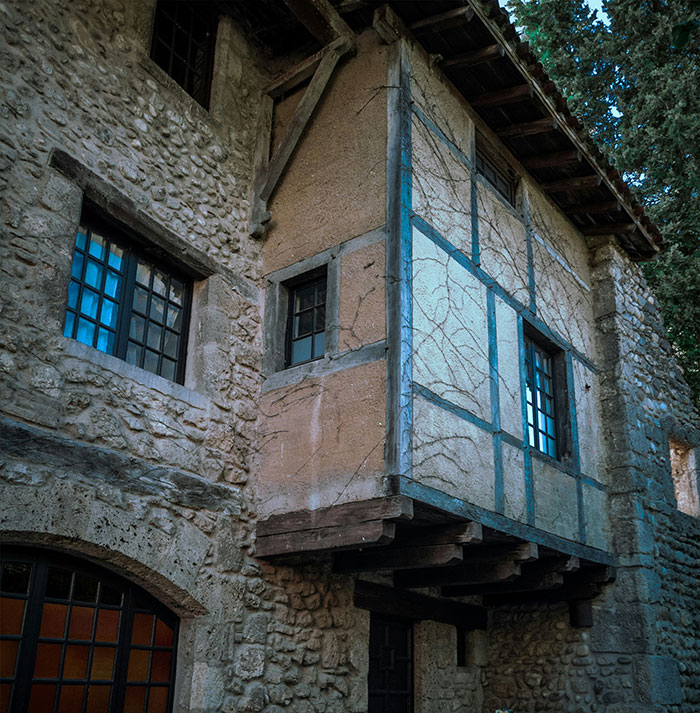 The whole family waking up at midnight to drink and b******t for an hour or two before going back to bed.
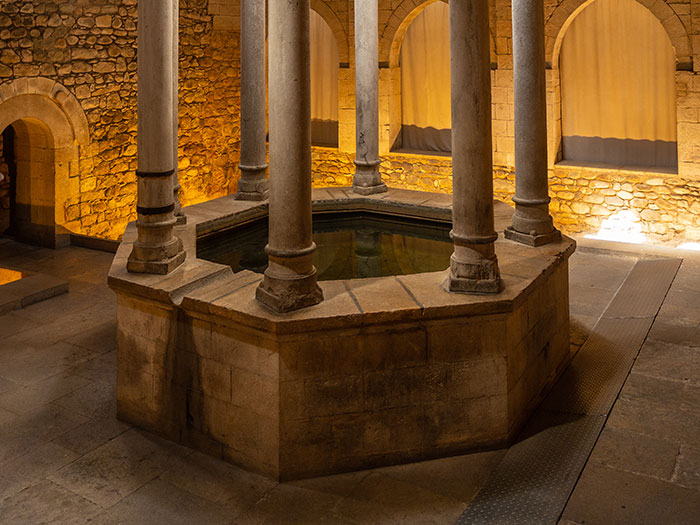 Public baths. Not on the same scale as they were in Rome, but it was still pretty common to have a bathhouse in medieval Germany and surrounding places to bathe in a group in a large tub of hot, fragrant water, called a "Zuberbad" in German. Now everyone's all hung up nudity. even among friends, so it's way less common (although you can still enjoy a public Zuber bath at medieval markets and renaissance fairs in Germanic countries).
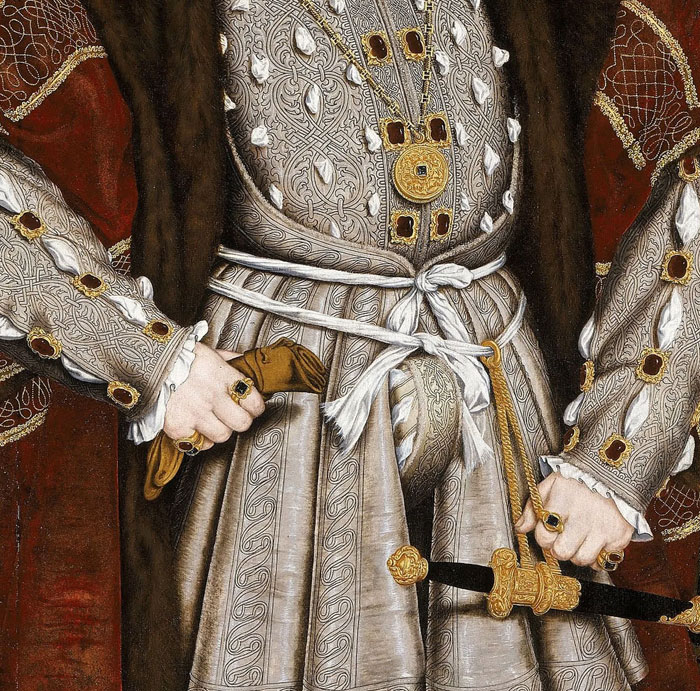 Wearing a codpiece.
 Carrying a sword.

Only knights and noblemen could, and just in certain places. If you were a commoner, *owning* a sword, let alone carrying one, would have you hanged, as it was assumed you had stolen it.
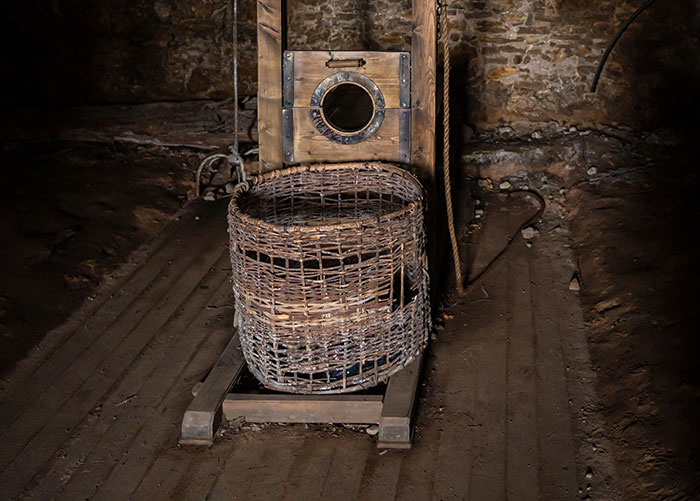 Public executions.
For most of history, for the average person, getting married was as simple as agreeing to be married. The ceremony, witnesses, and engagement were only really important for people who were afraid of being deceived. A wealthy person, with a lot to lose, would typically announce their upcoming wedding to allow time for any issues to be discovered, like a previous marriage, financial ruin, or an affair that could call into question legitimacy of any heirs.
Witnesses were useful because a marriage by agreement is truly and he said/she said set up until the marriage becomes common knowledge. If party A claimed to be married to party B and party B denied it, they would call on witnesses to confirm or deny each senario. The more witnesses or the higher their status, the more reliable the testimony would be. So, say a local noble denied that he married a lower class girl, and it's him and his family against her and her family. The girl's family would likely lose. But if a priest married them, his word would be final. Having people sign a church register was a natural extension that occurred more frequently over time. Similarly though, they could go to a local public place and tell people together that they were married and the marriage would become common knowledge, which is hard to deny.
Basically all the wedding layers that we enjoy as romance and tradition are just levels of security.
True fact: The surprise marriage proposal was invented by the diamond business as a promotion to sell more diamond engagement rings (before they were common). Reference: The Drum, Carnyx Group Limited. (2016). 1948: De Beers 'A diamond is forever' campaign invents the modern day engagement ring.
From an American context (and possibly other places too idk), the amount of time off work in Medieval times would be utterly bizarre compared to now. The idea that the peasantry toiled dawn to dusk in the fields before dying of exhaustion and plague at age 45 is incorrect.
Farmers worked the land when it needed work, and the calendar dictates that schedule. Festivals, harvest, Religious holidays, and every day life took up more time than work did. We've disillusioned ourselves into thinking that our ancestors lived to work so we should too.

*Medieval peasants in England typically worked around 150 to 180 days out of the year. This included work on their own land and labor for the lord of the manor. There were also numerous religious holidays and periods of rest, especially during winter. *
 Burning People because the church finds them *ahem* sus.
Burning at the stake for witchcraft (what the person here is implying) actually wasn't as common as it's made out to be. Witchcraft was a felony in both England and its American colonies, and therefore witches were hanged, not burned. In Catholic Europe, burning did take place, but it was more on a limited basis. The Spanish I*********n, surprisingly enough, executed only two witches in total. The idea that it was common, is something that is presented more in fiction, than in fact.
I read a book from the 1930's about life in Medieval England, one of the thing that really stuck out was the level of animal cruelty, and I don't just mean beasts of burden and what not. In one section on the types of games played at fairs there was one for example which involved tying a Rooster to a peg and then the contestants took turns throwing stones at it, whoever killed it was the winner. Bear baiting, bull baiting and baiting just about any kind of animal, usually ending in it being killed was the height of wholesome fun.
It's part of the whole ideology of humans being the only sentient form of life (and in medieval times, many of the lords and ladies thought their serfs to be non human)
 Animal Courts. By far the most serial offenders were pigs, accused and convicted of chewing off body parts and even eating children. Most were found guilty and sentenced to death by hanging or being burned at the stake. In 1386, a convicted pig was dressed in a waistcoat, gloves, drawers and a human mask for its e*******n. .
Gruesome executions that took a while to actually k**l someone.
Seriously medieval people WTF is it with sentencing people to be burned at the stake or crucified or drawn-and-quartered?
A swift beheading was the most benevolent way to k**l someone in the old days but not widely practiced as it turns out.
Eat foods without processed sugar.
Sleeping twice.
In medieval times life effectively revolved around the sun. But particularly in the winter, there was far too much time in the night to fill with just sleeping.
It was still common for people to go to sleep at dusk, after a hard day's work. But they would wake up in the middle of the night and do something (chat to the neighbors, have s*x in front of the whole family, have a snack, etc.
Then you'd go back to bed for your second sleep, waking up with the sun.
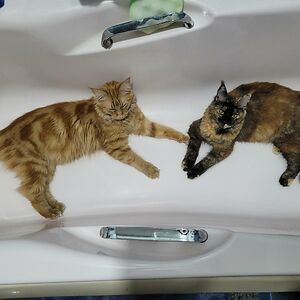
I gather that waking up at around 03.30, pottering around for an hour or two or three, dusting, washing the floor, whatever, then going back to sleep, was pretty normal in medieval times. It suits me today, as long as I don't do anything to wake husband up!
 People getting burned alive for witchcraft allegations.

When really they were women who either cared for animals, didn't like men, preferred being single, used their knowledge of herbs etc, showed their intelligence, and so on.
Let's sleep on some hay on the floor.

It was a lot better than sleeping on branches, which was frequently the alternative.
Walking in what were basically leather socks. Tyler's a great video showing how people used to walk, and it is surprisingly different.
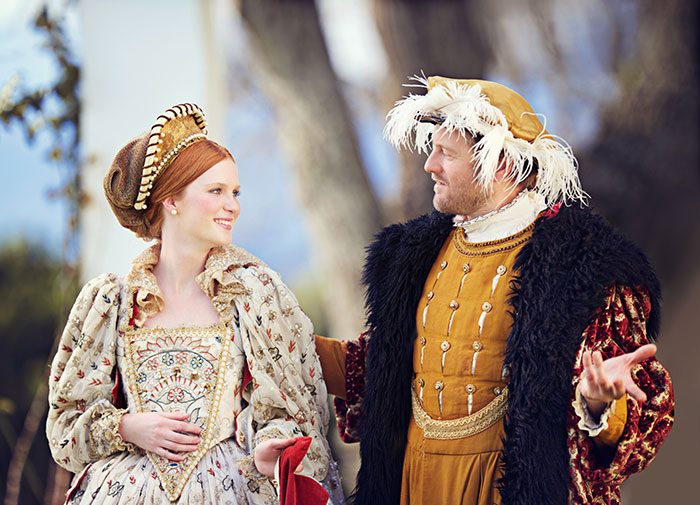 When a girl asks you to treat her like a princess so you marry her to a stranger to strengthen the alliance with Poland. Something that is normal today but would be wierd in medieval times is washing.

Much more likely to form alliances between any two of England, Portugal, Spain, France, Netherlands, Prussia or the Holy Roman Empire. Poland wasn't a big player in Medieval Europe.
The concept of k*****g the wife by burning when the husband dies, called as Sati.
Suttee/sati, a Hindu practice, was banned in India by the British, in 1829.
Having multiple children, over many years, while living in a 1 room dwelling.
Eta: I had answered the question assuming op was talking about the socio-economic and cultural experience that the time period was, and not the time all over the world. My bad.
Leeches, bloodletting and general medical hocus pocus.
They didn't have toilet paper either. My point being is that doctors practiced what they believed at that time. Lots of discoveries since, and they have changed their practise.
I haven't k****d an english man in 5 days
(William Wallace).
Having a low carbon footprint.

A doctor taste testing urine.
A primitive way to detect sugar in urine, indicative of what we now know as diabetes.
The concepts of paying a bride price or a dowry (they're the exact opposite).
Back then you had to pay to get married; now you just pay after you're married.
This is pissing me off on a personal level right now.
Load More Replies... I'm actually impressed by the amount of specific knowledge shown by these responses. Good job, BPers!
All very entertaining, but just in case anyone's going to repeat these anywhere, nearly all of them are massive exaggerations and extrapolations from very rare events that may have happened a few times over a few hundred years. but almost none of them were 'normal' everyday things.
I disagree. Normal doesn't mean it happens every day, just that when it happened, that's what was done. It's normal to have general elections these days, but they only happen every 4 or 5 years.
Load More Replies...
men wearing what would be considered today as dresses

The more fabric the better as it showed your wealth and status. This actually is early Mediaeval. Women and men were only distinguishable from the neck up at one point.
Load More Replies... I like history lists but I do wonder what BP thinks Mediaeval means? That Era stops by Tudor times. Actually, I realise this is English-centric and I'd be interested to know what other European countries define as the Middle Ages. https://www.english-heritage.org.uk/learn/story-of-england/medieval/

People shaving their teeth down to get veneers. But nobody is that dumb now to ruin their real teeth for some fake looking results
This is pissing me off on a personal level right now.
Load More Replies... I'm actually impressed by the amount of specific knowledge shown by these responses. Good job, BPers!
All very entertaining, but just in case anyone's going to repeat these anywhere, nearly all of them are massive exaggerations and extrapolations from very rare events that may have happened a few times over a few hundred years. but almost none of them were 'normal' everyday things.
I disagree. Normal doesn't mean it happens every day, just that when it happened, that's what was done. It's normal to have general elections these days, but they only happen every 4 or 5 years.
Load More Replies... men wearing what would be considered today as dresses
The more fabric the better as it showed your wealth and status. This actually is early Mediaeval. Women and men were only distinguishable from the neck up at one point.
Load More Replies... I like history lists but I do wonder what BP thinks Mediaeval means? That Era stops by Tudor times. Actually, I realise this is English-centric and I'd be interested to know what other European countries define as the Middle Ages. https://www.english-heritage.org.uk/learn/story-of-england/medieval/
People shaving their teeth down to get veneers. But nobody is that dumb now to ruin their real teeth for some fake looking results



































 No fees, cancel anytime
 then open in external browser


 and click "Open in External Browser"