Get Premium
Dark mode theme is available exclusively for premium users. Learn more about the benefits of subscribing.
No fees, cancel anytime.

 Dark Mode Ad-Free Browsing Unlimited Content
 Ad-Free Browsing Unlimited Content Dark Mode
Join 1.2 million Panda readers who get the best art, memes, and fun stories every week!
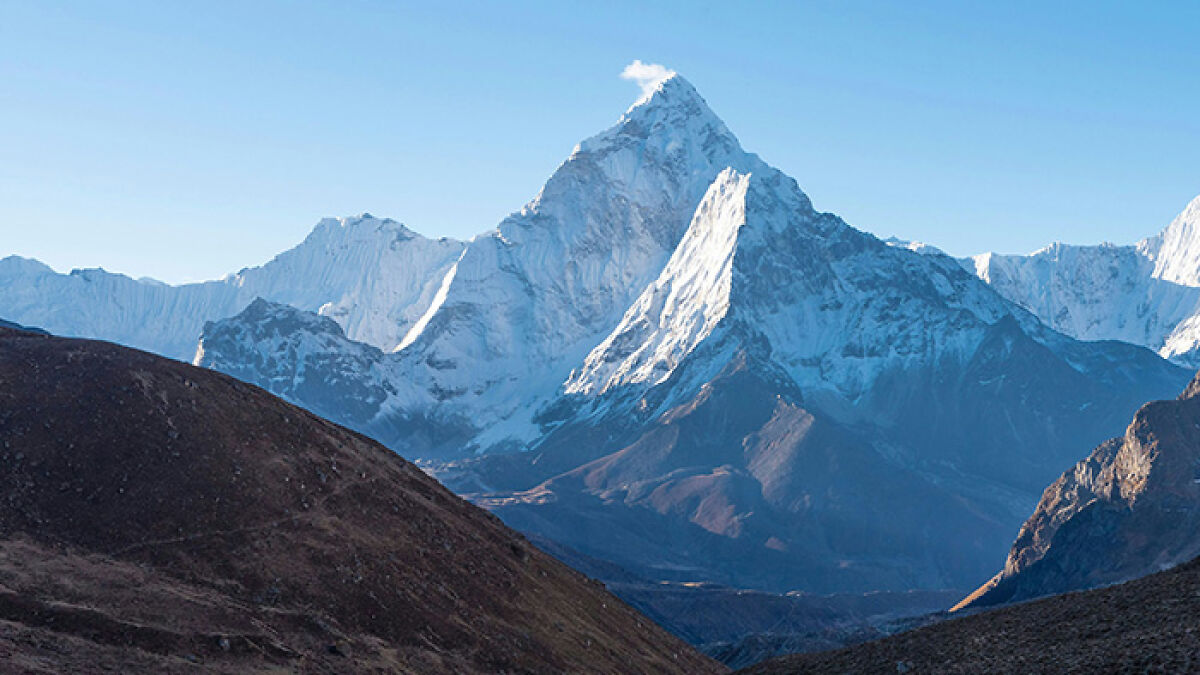
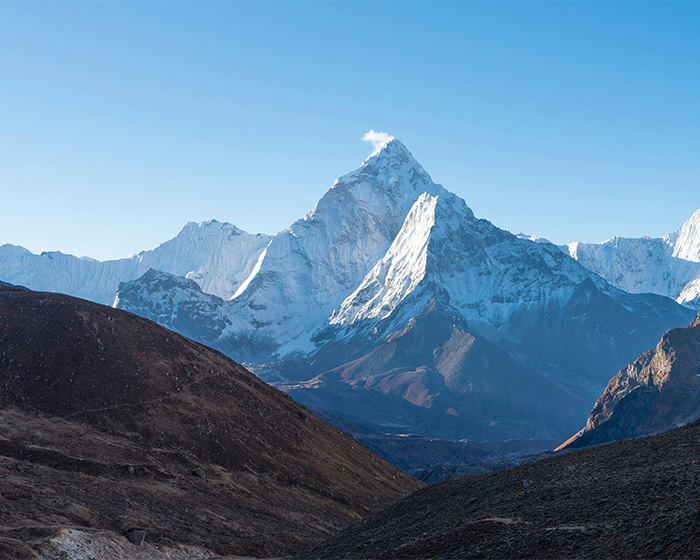
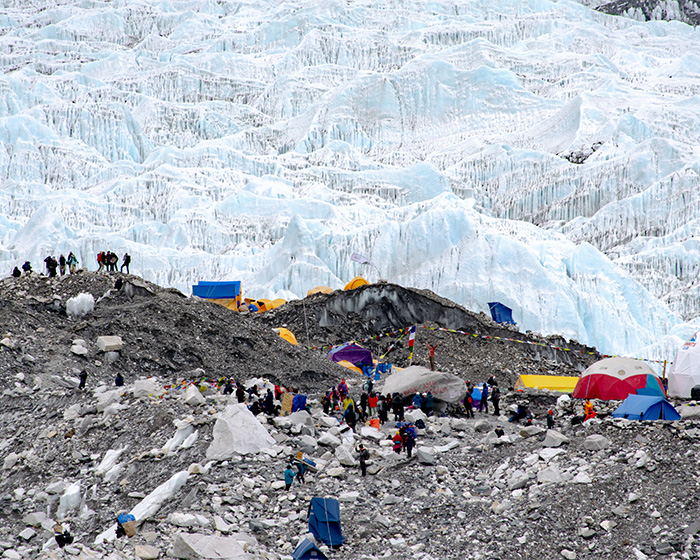
Kathmandu Police recently reopened old files related to a multi-million dollar insurance fraud allegedly committed by Mount Everest guides.
In 2018, the Nepalese government uncovered a widespread network of trek operators, guides, helicopter companies, and hospital staff who were involved in swindling foreign insurance companies by forcing emergency air evacuations.
The investigation found evidence that many guides tried to convince trekkers to opt for a helicopter pickup at the slightest inconvenience.
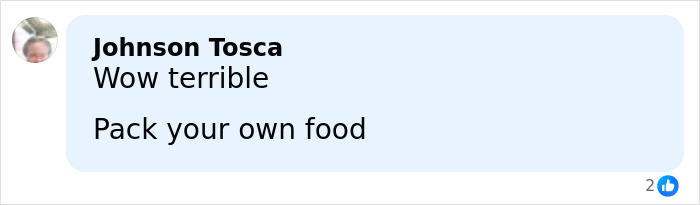
In some cases, if the trekkers refused, the guides would allegedly go so far as to make them ill by spiking their food.
Image credits: Getty Images
Over the years, several international insurance agencies have voiced their suspicion of foul play after their clients were pushed to opt for helicopter evacuation.
In July 2018, a government fact-finding committee submitted a 700-page report to the late tourism minister, Rabindra Adhikari. It mentioned claims by trekkers that guides tampered with their food to make them sick, so they would be compelled to avail themselves of helicopter pickup services.
Image credits: Daniel Oberhaus
The report further revealed that dishonest tourism operators pocketed millions of dollars by filing multiple claims for a single helicopter ride and falsifying medical documents.
The committee investigated six hospitals, 10 helicopter companies, and 36 travel agencies. On average, each insurance claim cost as much as $40,000, including helicopter pickup, hospital admission, and other false charges.
Employees at every level were found to participate in the operation, forging the relevant documents and manipulating the details of their operations.
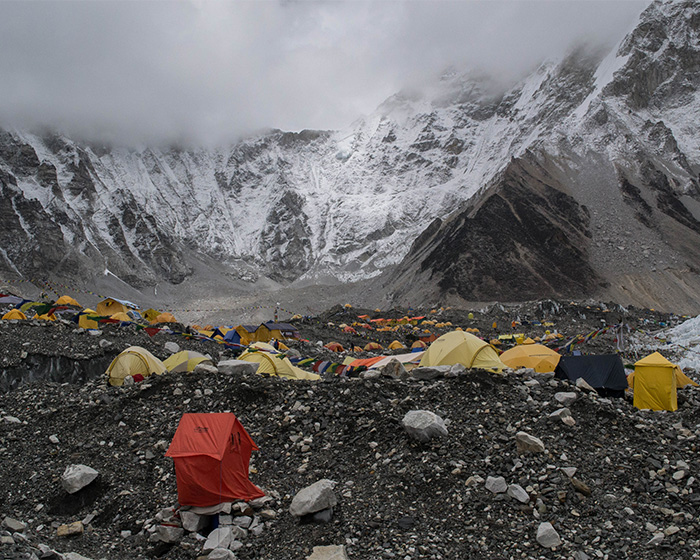
Image credits: Sebastian Pena Lambarri/Unsplash (Not the actual photo)
Each person involved was compensated at a previously agreed-upon rate when the insurance money arrived.
In one of the cited cases, a local agency issued two separate bills for a single rescue, charging nearly $100,000, along with an additional $24,000 for hospital treatment.
The government’s 2018 attempt to curb fake rescues failed, according to Nepal’s Central Investigation Bureau (CIB).
“The scam continued due to lax punitive action,” CIB chief Manoj Kumar KC, who is now in charge of the cases, told the press after the old files were reopened last year.
“When there is no action against crime, it flourishes. The insurance scam, too, flourished as a result.”
The CIB investigation identified two different methods by which the fraudulent rescues were kick-started.
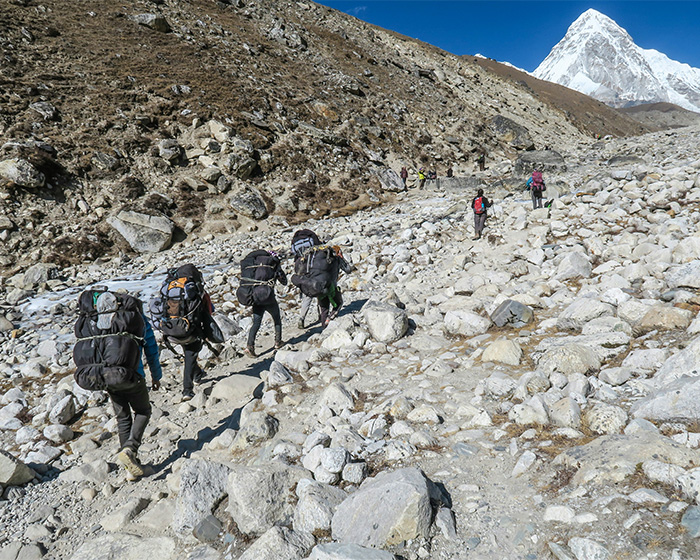
Image credits: Institute of Physics (Not the actual photo)
The first involved advising the tourists to pretend to be sick after a demanding stretch of the trek. If they refused, the second, more disturbing method was administered.
Acute Mountain Sickness (AMS) is a common condition caused by rapid ascent to high altitude, typically above 2,500 meters, that most climbers suffer from. It occurs due to lower oxygen levels and can cause headaches, nausea, dizziness, fatigue, and insomnia.
However, rest, hydration, and in worst cases, a dose of acetazolamide usually takes care of the issue.
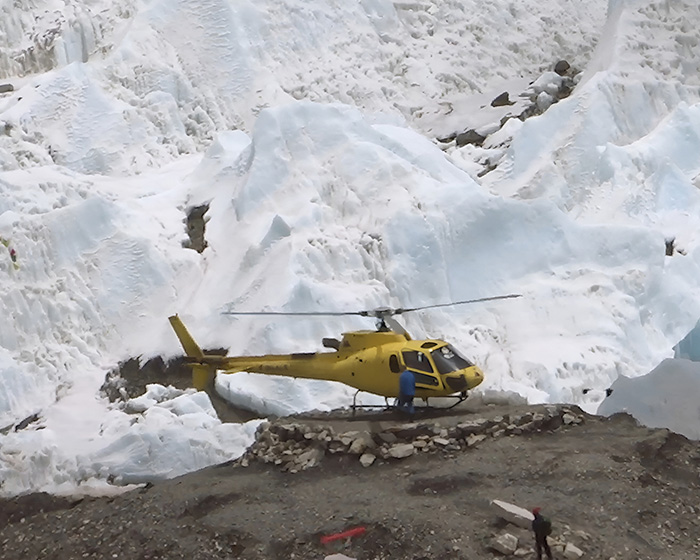
Image credits: Luis Echeverri Urrea/Adobe Stock (Not the actual photo)
According to CIB, the guides seized the opportunity when a trekker experienced AMS and terrified them. They told the trekkers that they were at fatal risk and that only emergency evacuation would help save their lives.
In some extreme cases, the guides mixed baking soda or an excess dose of Diamox (acetazolamide) tablets to induce extreme symptoms like vomiting and gastric issues. Most trekkers would succumb to the conditions at this point and agree to be rescued.
After the “rescue,” the financial documents, such as flight manifests, load sheets, and hospital bills, were falsified to justify the claim.
Dr. Girwan Raj Timilsina of Shreedhi Hospital admitted during the investigation that his hospital paid a total of Rs. 12.1 million ($130,000 approx.) in commissions to a helicopter company, a tour operator, and a charter service in just one case.
Image credits: deepshikha/Adobe Stock (Not the actual photo)
In January 2026, the CIB arrested six people, according to The Kathmandu Post: Jayaram Rimal and Bibek Pandey of Mountain Rescue Service Pvt. Ltd.; Rabindra Adhikari and Bibek Raj Thapaliya of Nepal Charter Service Pvt. Ltd.; and Mukti Pandey and Subhash KC of Everest Experience and Assistance Pvt. Ltd.
The arrests were made based on CIB investigations into these individuals conducted between mid-2022 and 2025. All of them were senior officials of their respective companies and were allegedly involved in faking documents for fraudulent insurance claims.
According to the police, the tourism companies collectively defrauded insurance firms of nearly $20 million during the period of investigation. The three agencies combined orchestrated 317 fake rescues, as per suspicion.
“They colluded. They prepared forged and manipulated documents, including passenger and cargo manifests, fabricated or altered invoices, and falsely claimed that rescues had been conducted,” the CIB said in a statement.

By entering your email and clicking Subscribe, you're agreeing to let us send you customized marketing messages about us and our advertising partners. You are also agreeing to our Privacy Policy.
Thank you! You've successfully subscribed to newsletters!



















 No fees, cancel anytime

















28
0