Get Premium
Dark mode theme is available exclusively for premium users. Learn more about the benefits of subscribing.
No fees, cancel anytime.

 Dark Mode Ad-Free Browsing Unlimited Content
 Ad-Free Browsing Unlimited Content Dark Mode
Join 1.2 million Panda readers who get the best art, memes, and fun stories every week!

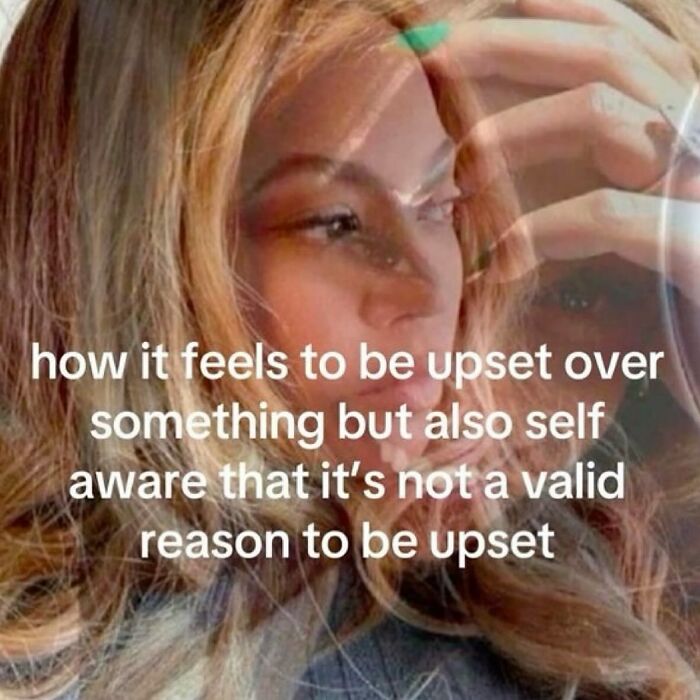
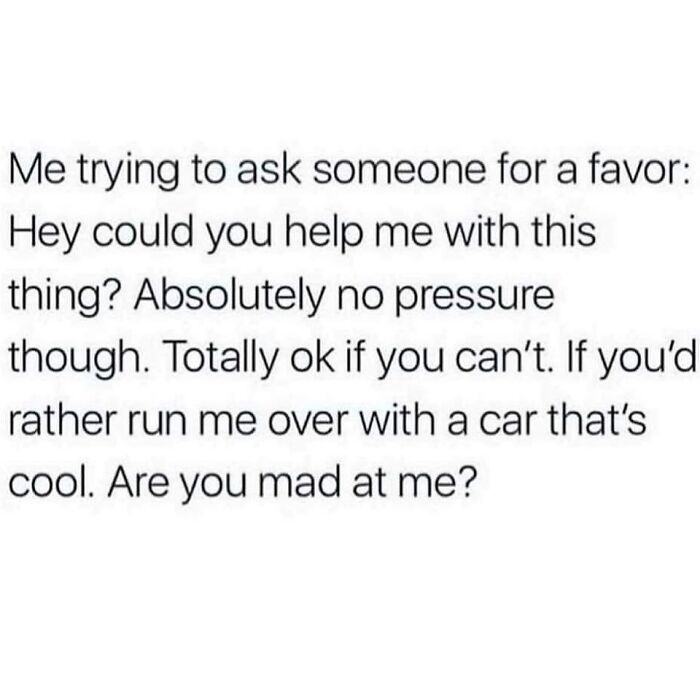
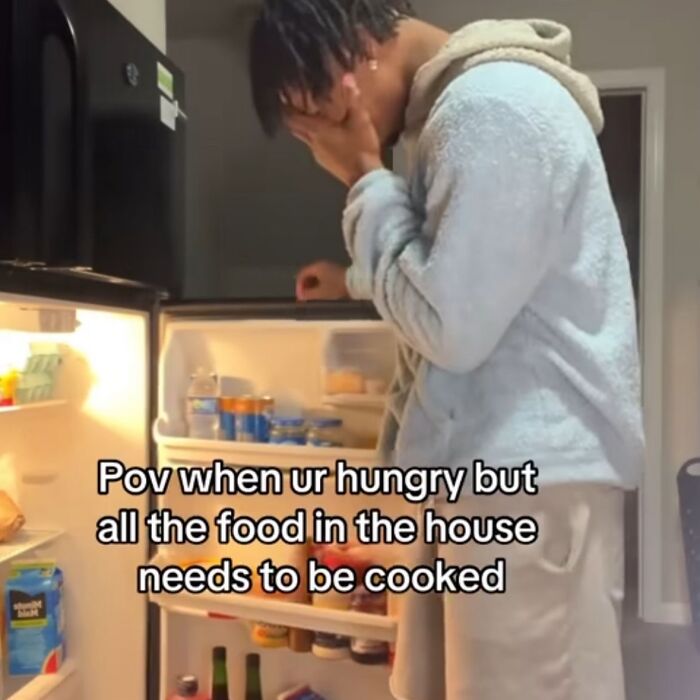
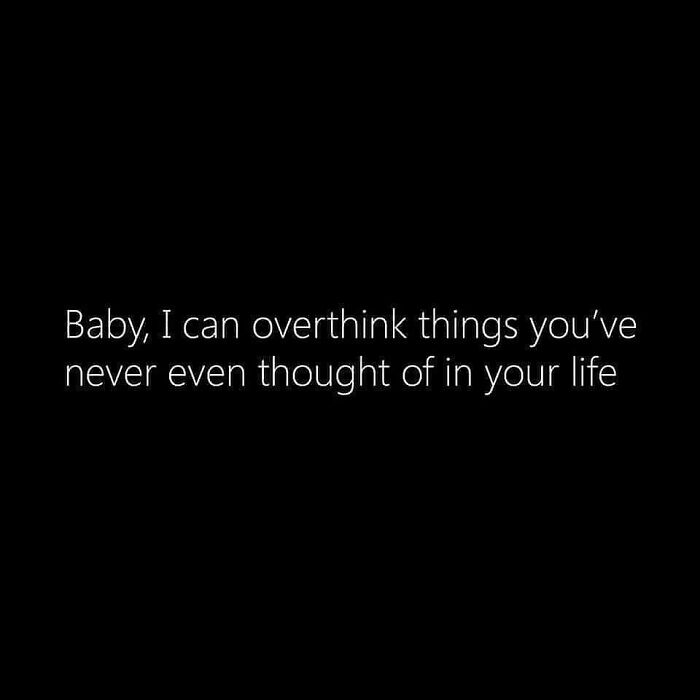
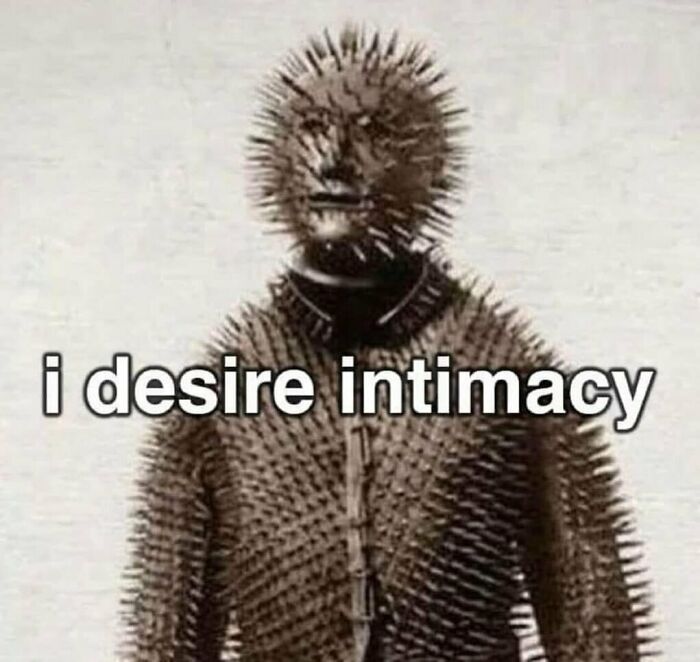
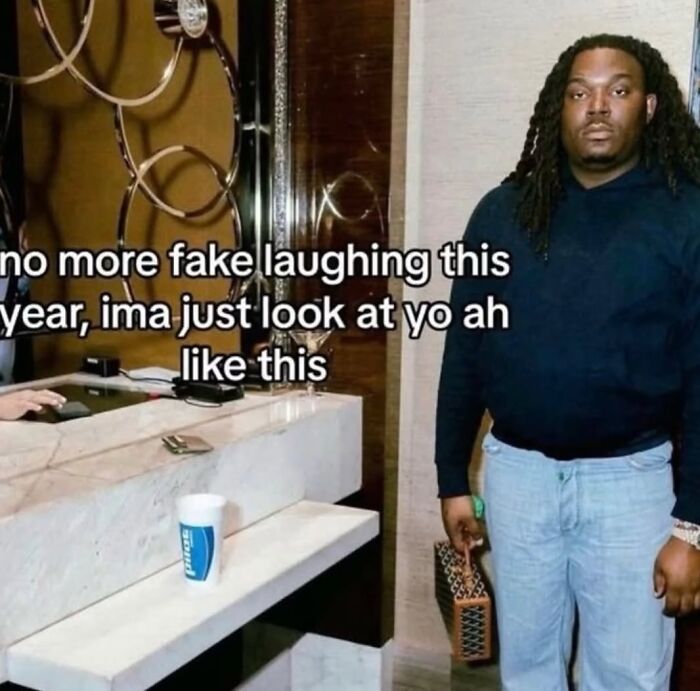
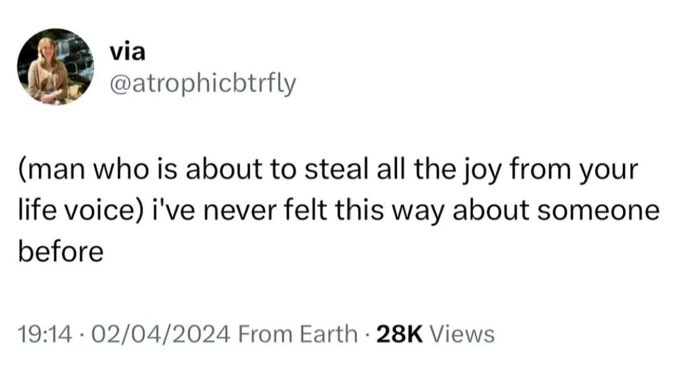
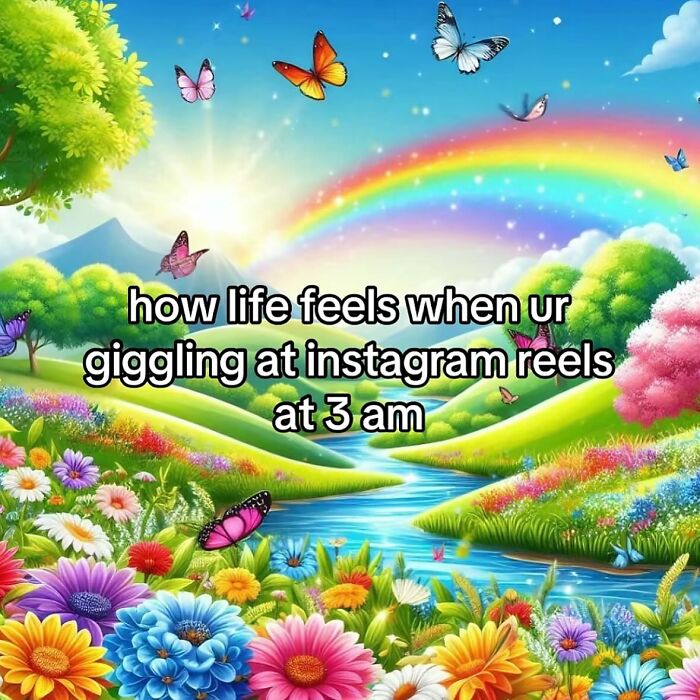
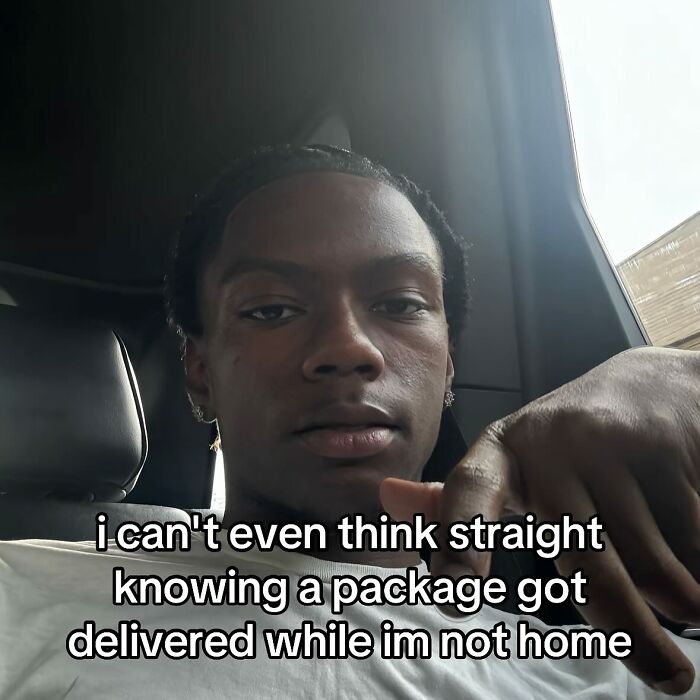
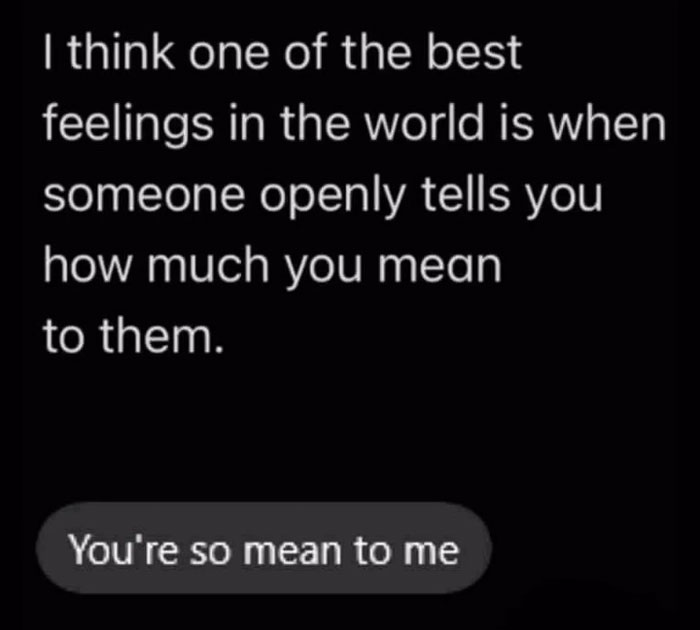
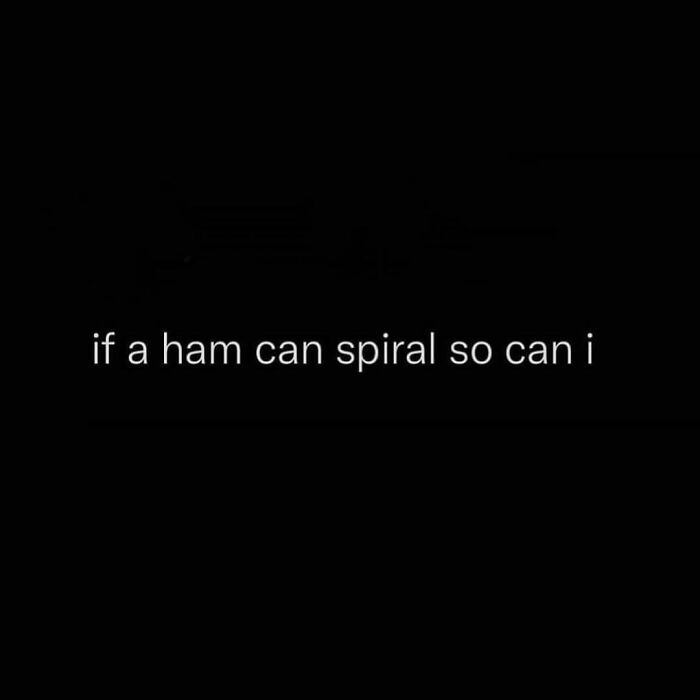
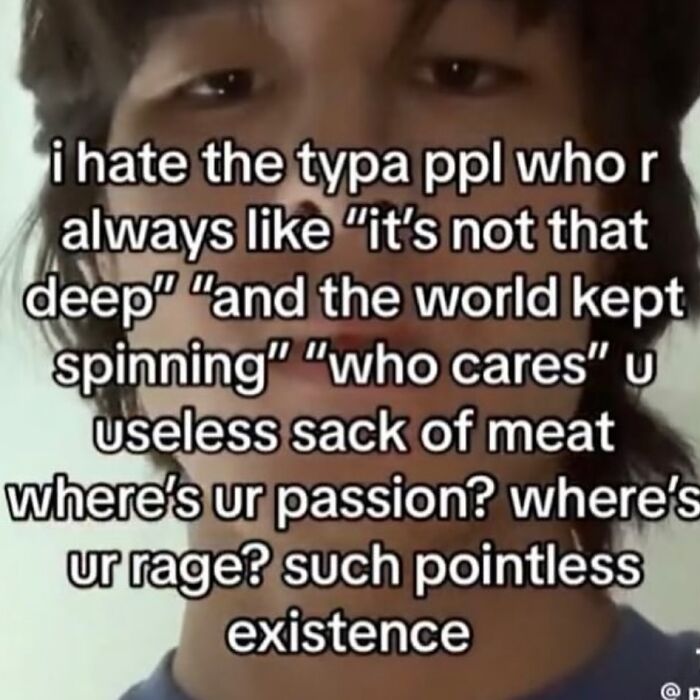
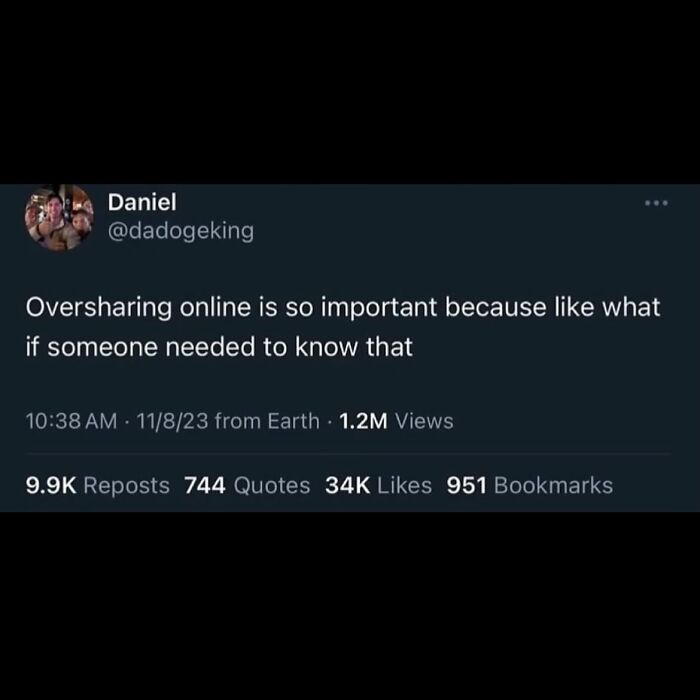
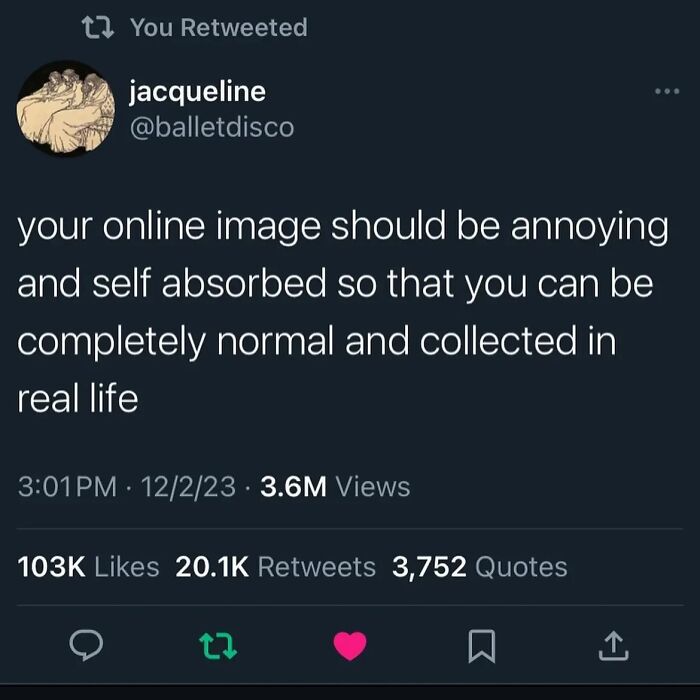
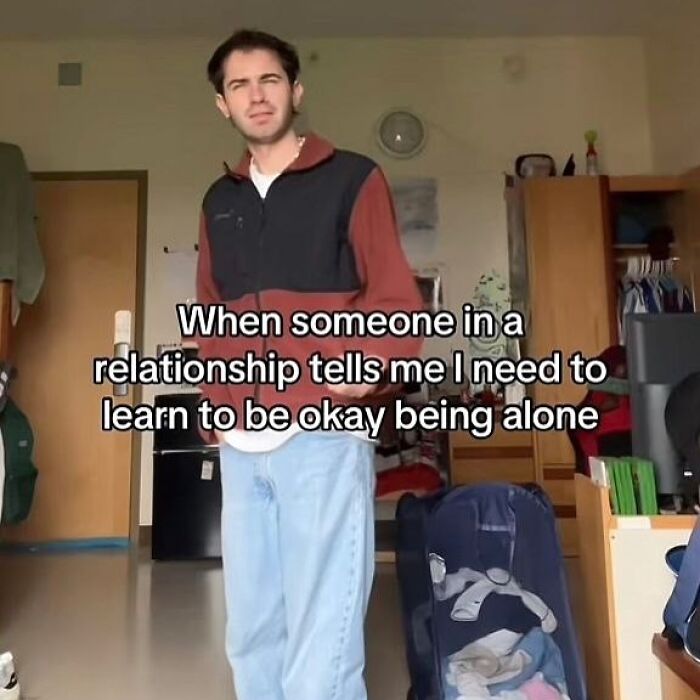
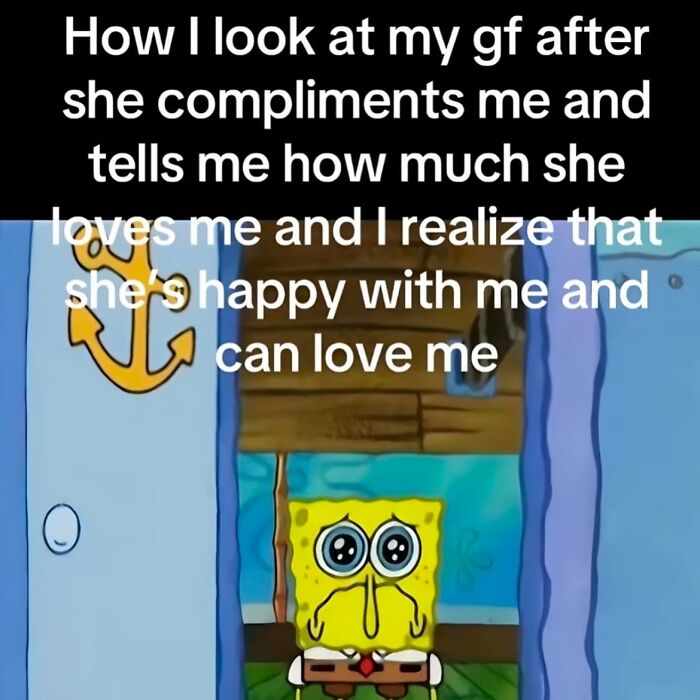
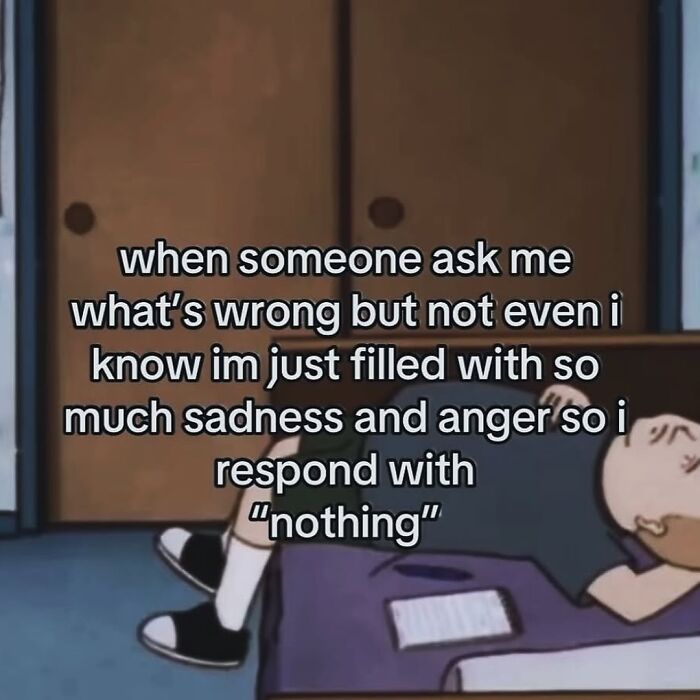
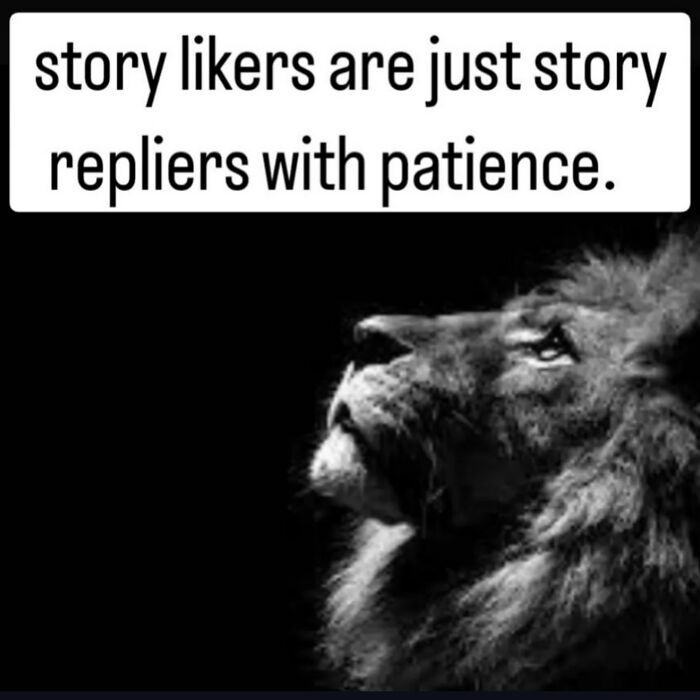
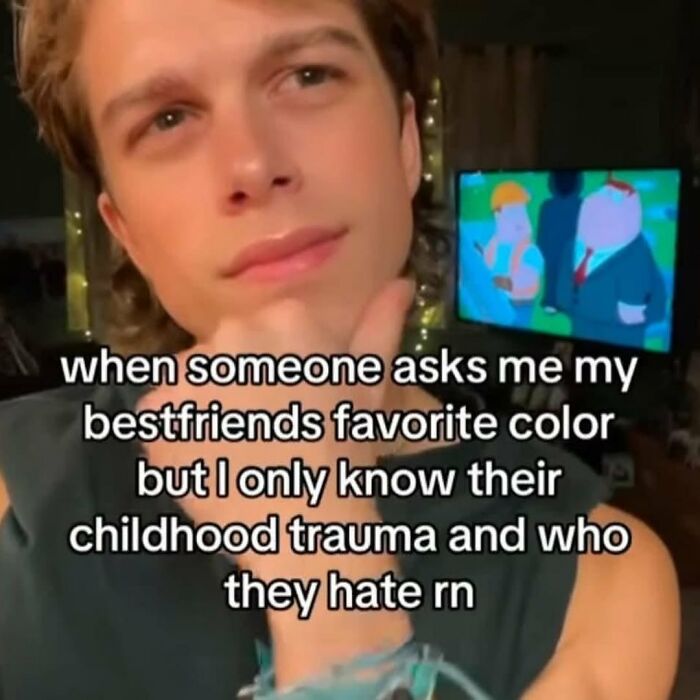
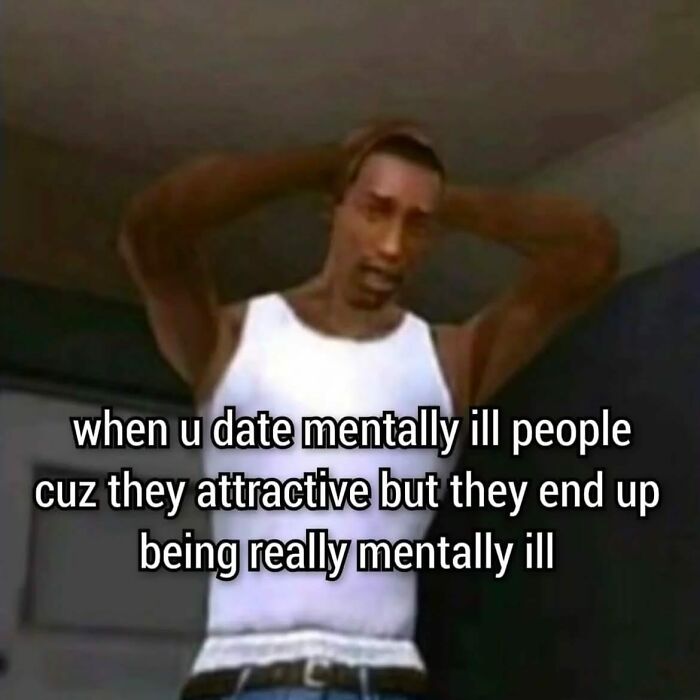
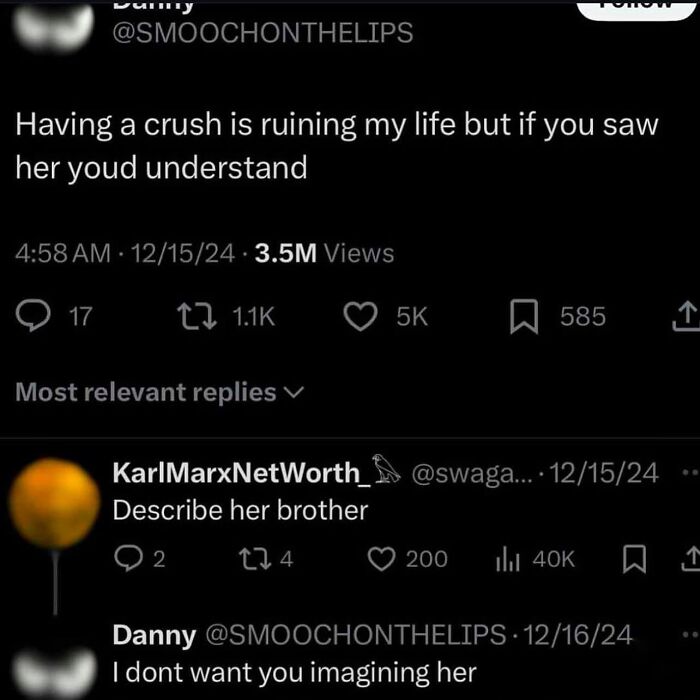
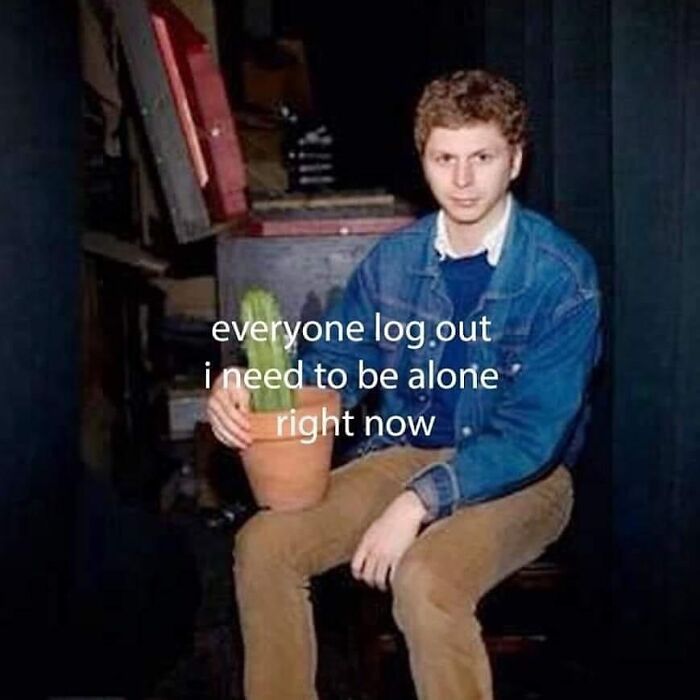
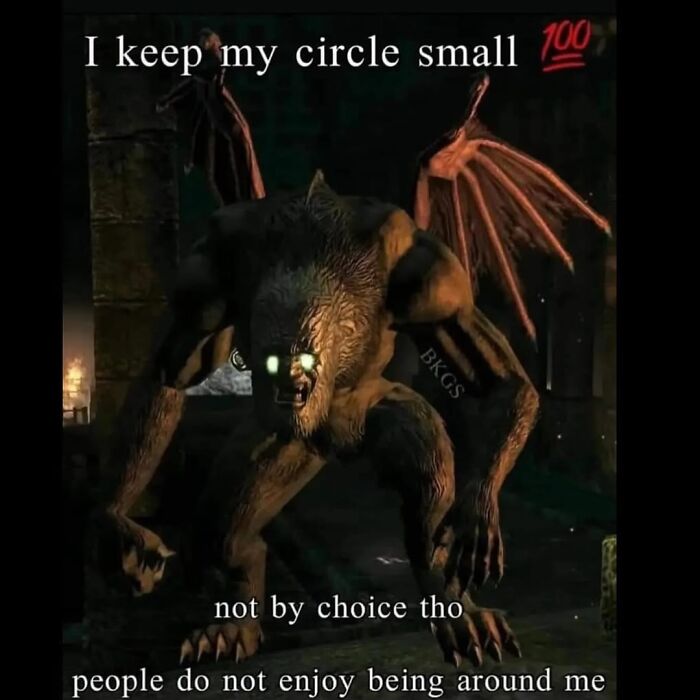
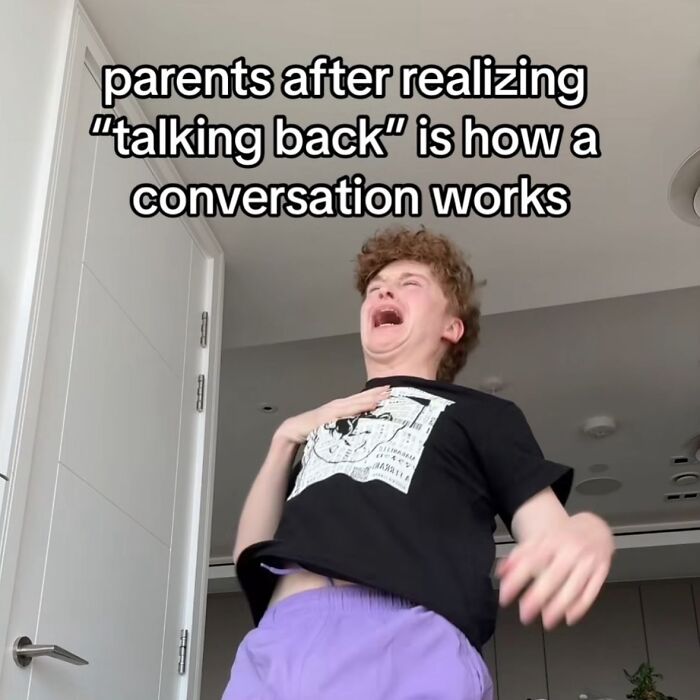
Sometimes you see a post online that manages to perfectly encapsulate a feeling you know is real, but have been unable to put into words. It’s probably one of the main causes of someone immediately hitting that share button and sending said post to a friend with the caption “me,” just another method of wanting to be understood.
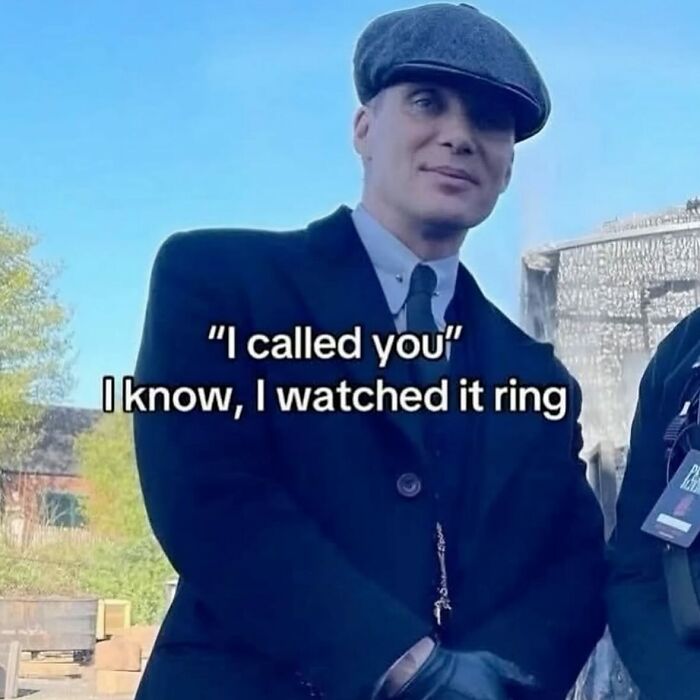
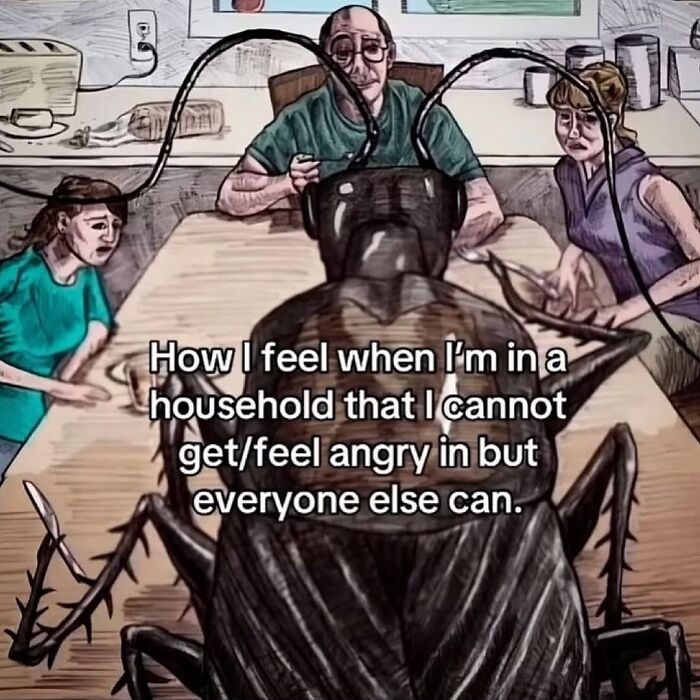
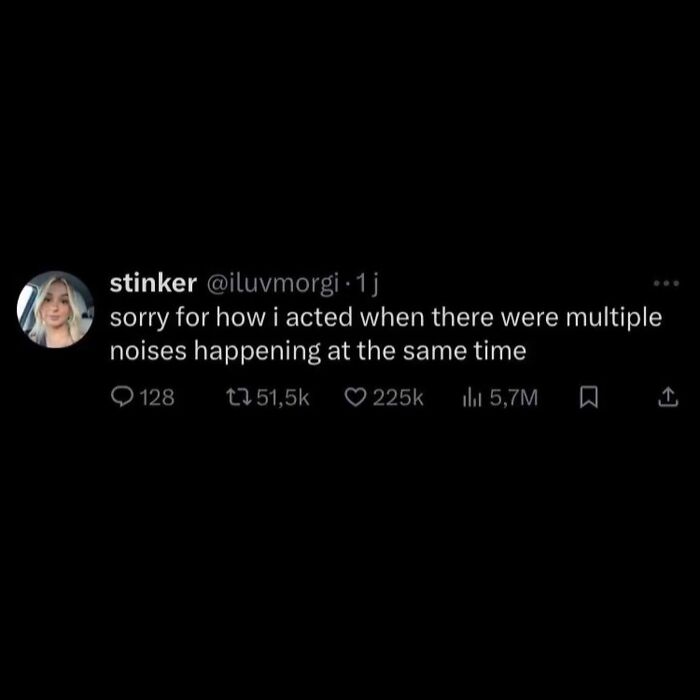
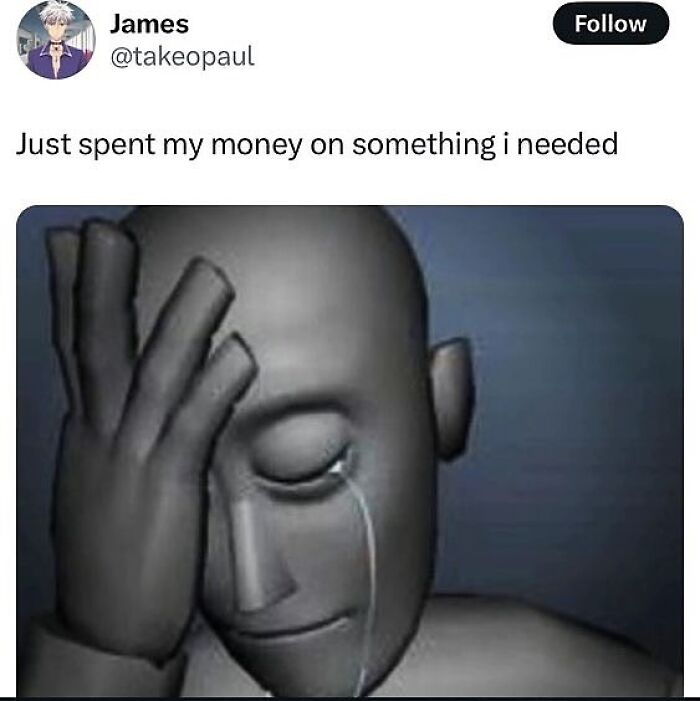
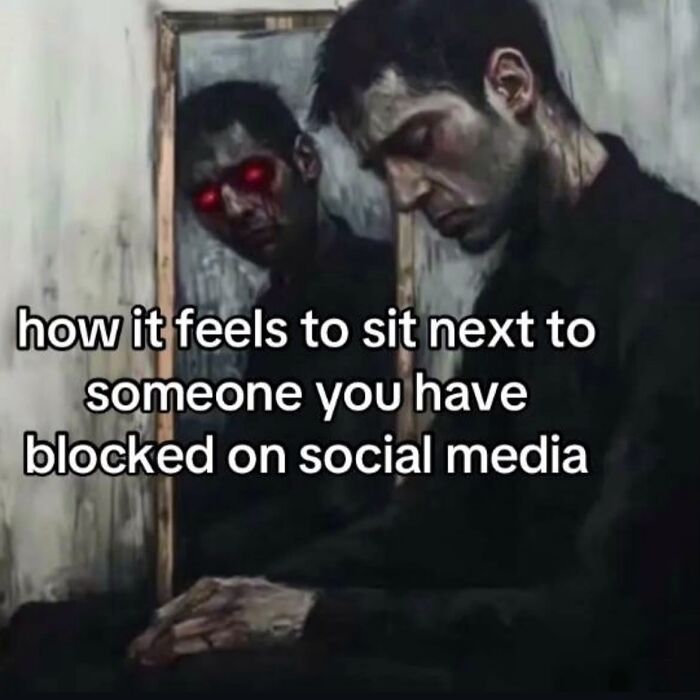
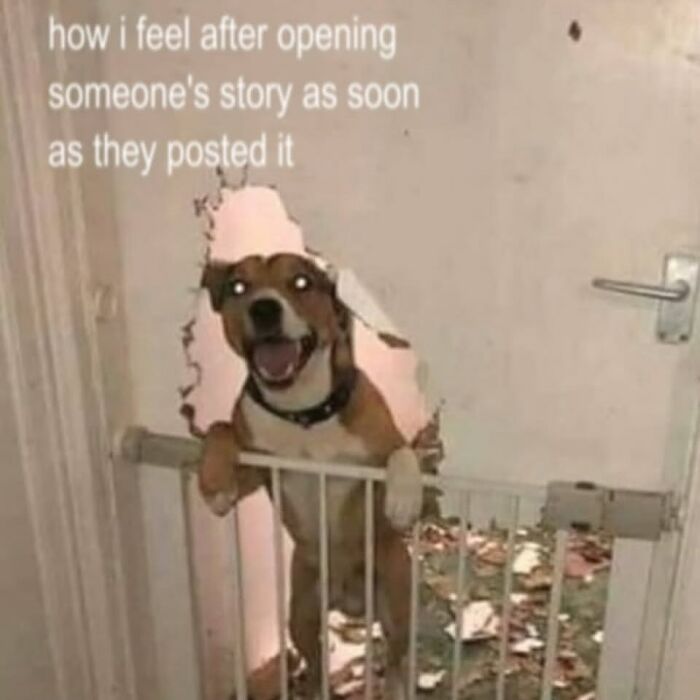
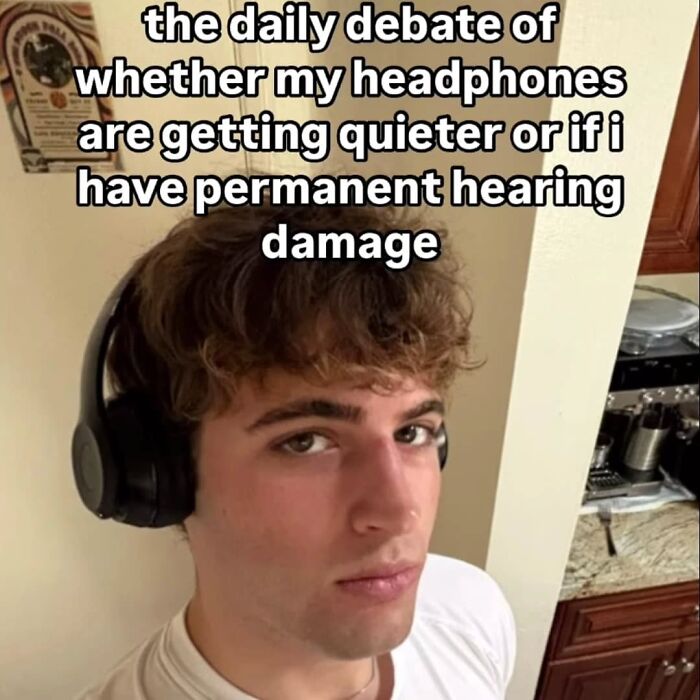
The “Cheerful Pessimism” Instagram page is dedicated to memes and posts that are a bit hard to pin down, but still entertaining in their own special way. If that’s not relatable, I don’t know what is. So get comfortable as you scroll through, upvote your favorites and be sure to share your own thoughts in the comments down below.
More info: Instagram
This post may include affiliate links.
There's something almost magical about scrolling through your feed, stumbling across a post, and thinking "wait, that's literally me." That moment of recognition, of seeing your own oddly specific experience reflected back at you through a stranger's words or a perfectly captioned image, is one of the most satisfying feelings the internet has reliably produced.
But why does it hit so hard? The answer turns out to be equal parts psychology, human biology, and the universal weirdness of being alive. At the core of it is something researchers call social validation. Humans are wired to look for evidence that they're normal, that their thoughts and behaviors are shared by others.
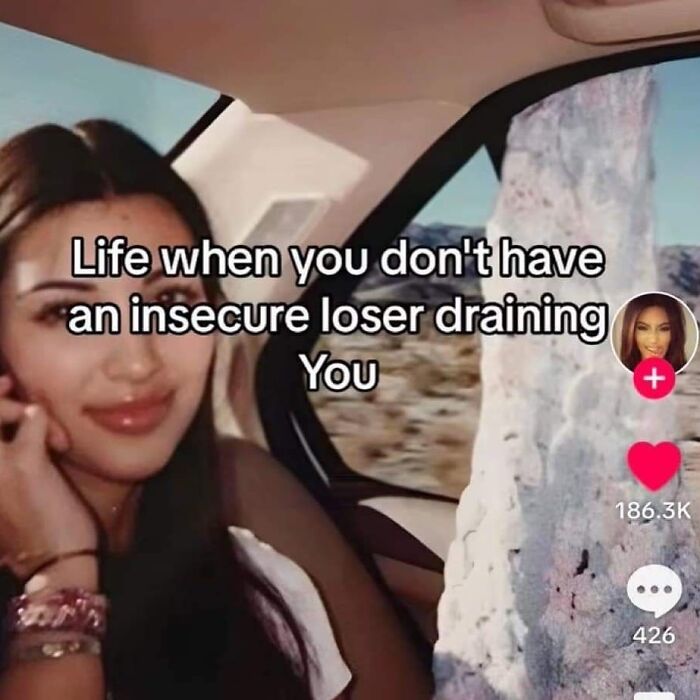
For most of human history, that reassurance came from family, neighbors, or the village. Now it comes from a post getting 200,000 likes because it perfectly describes the way you narrate your own life in your head like you're the main character of a documentary. Same outcome, different medium.

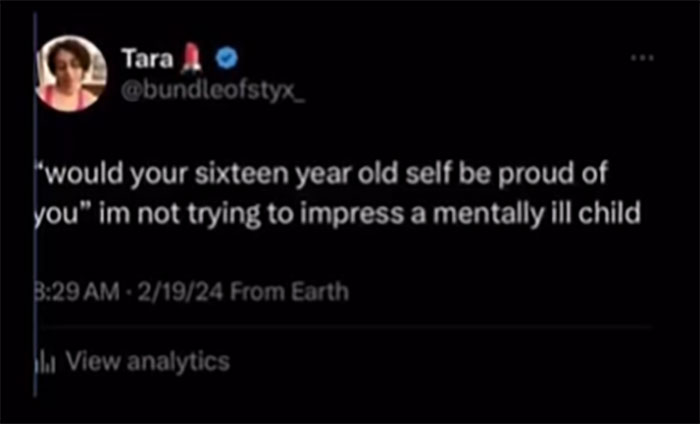
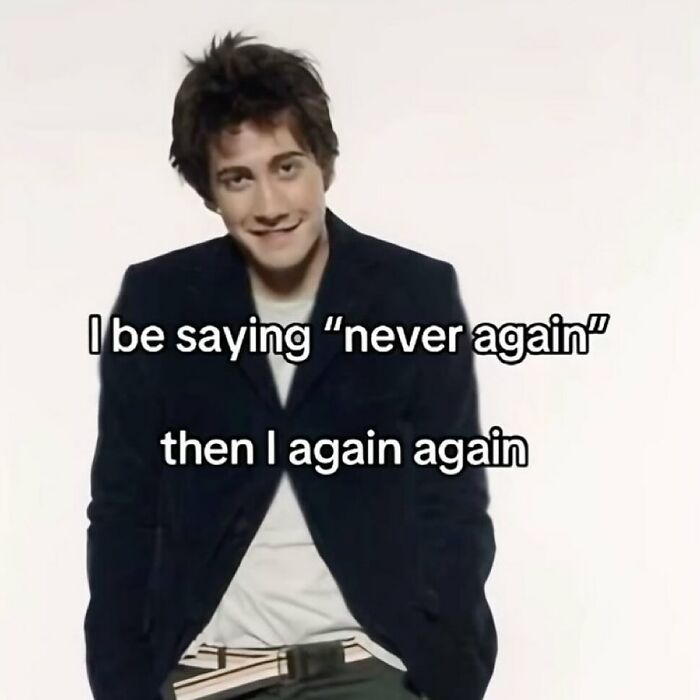
I try to not remember what my 16-year old self thought about most anything.
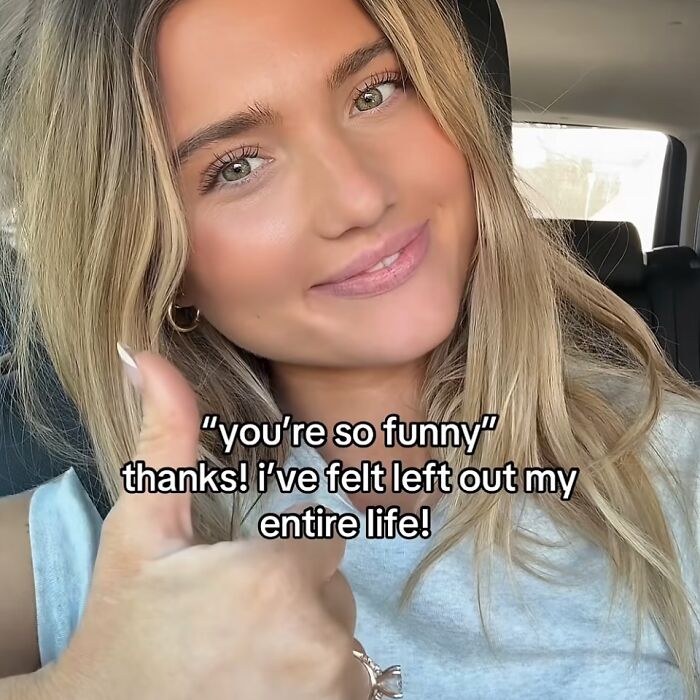
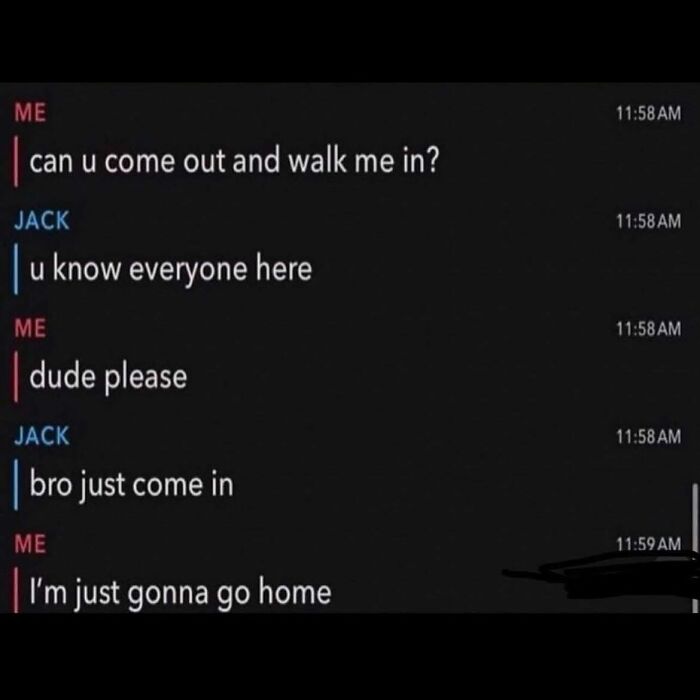
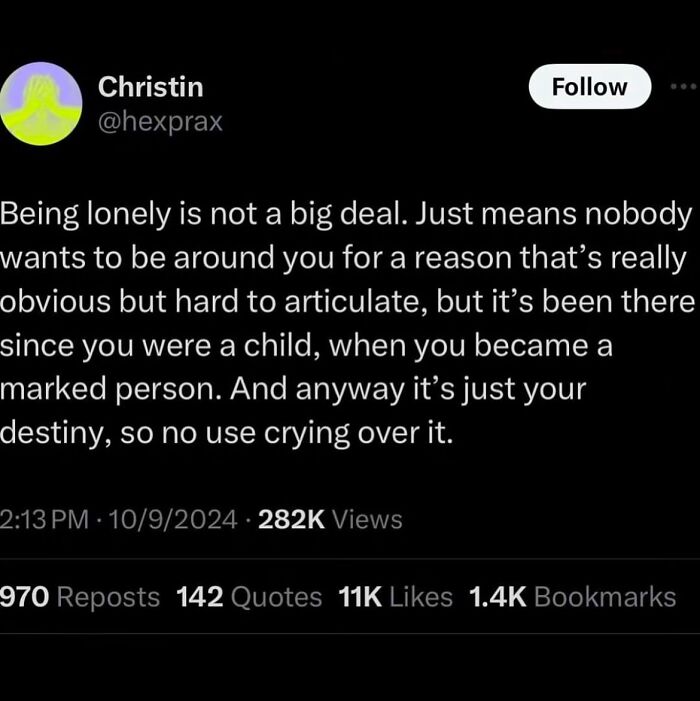
Relatability also does something clever with loneliness. A lot of the experiences people share online are the ones they assumed were too weird or too specific to bring up in real life. The way you do a full internal monologue when you walk past someone you vaguely know.

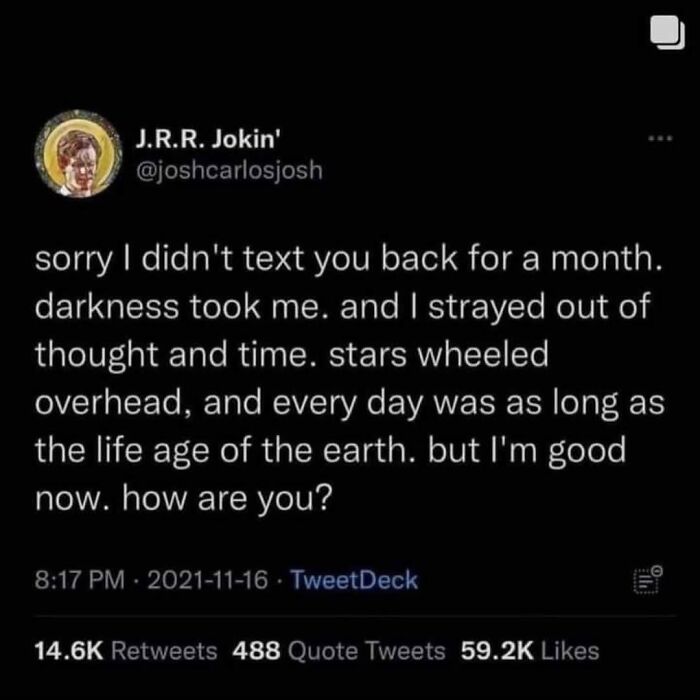
The guilt of leaving a text on read for four days because you simply did not have the emotional bandwidth to respond. The strange grief of finishing a TV series. These things feel deeply personal, almost embarrassingly so, which is exactly what makes them land when someone else puts them into words. Suddenly you're not weird. You're part of a very large, very relatable club.
There's also a dopamine loop at play. When you encounter content that reflects your experience, your brain gives you a small reward. You feel seen, you feel good, and your brain nudges you to keep scrolling in search of that feeling again. Platforms are well aware of this, which is why recommendation algorithms are essentially just very sophisticated relatability machines, trained to serve you an endless stream of content that mirrors you back to yourself.

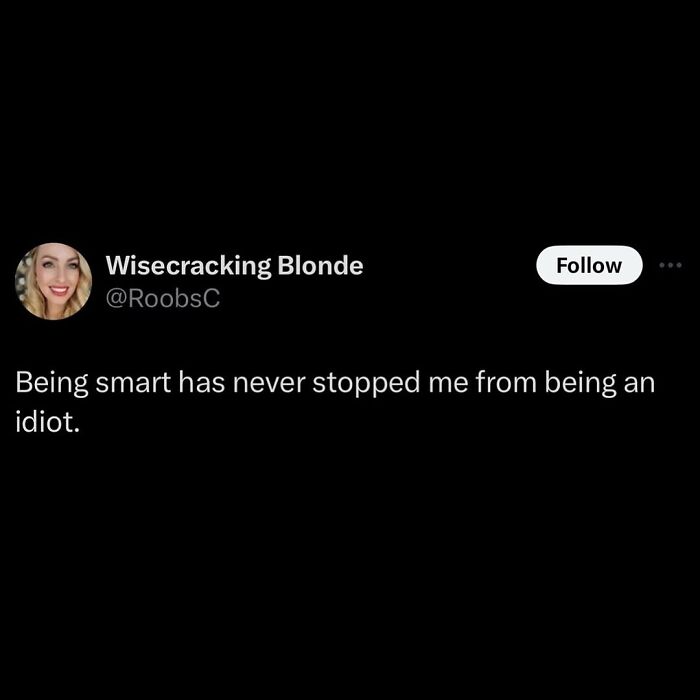
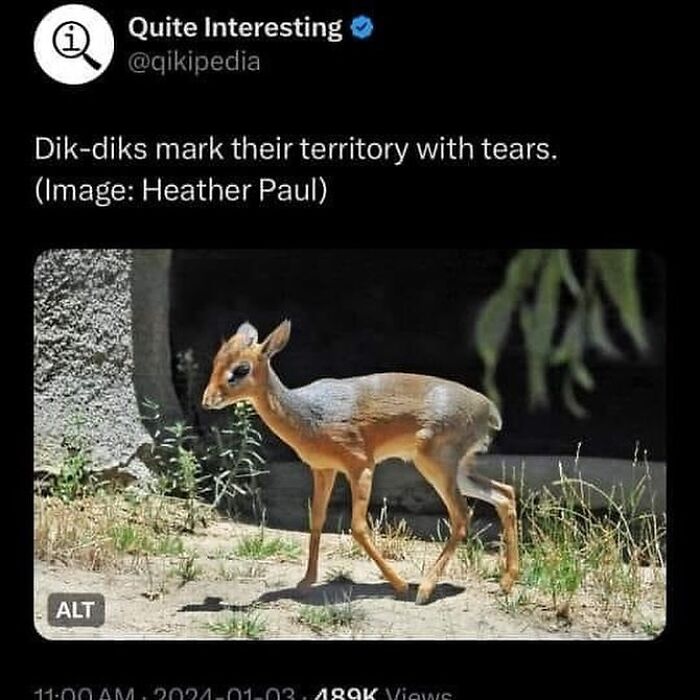
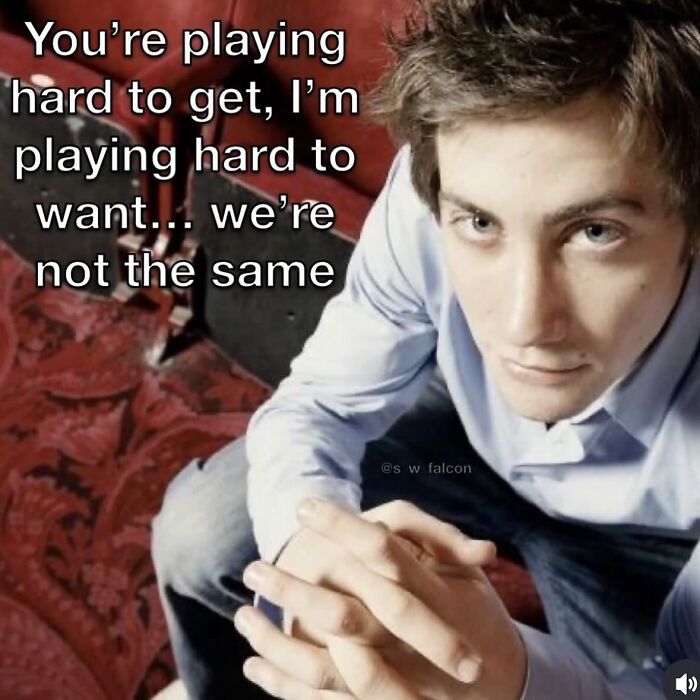
That's not how it works. As if intelligence is some one-dimensional scale.

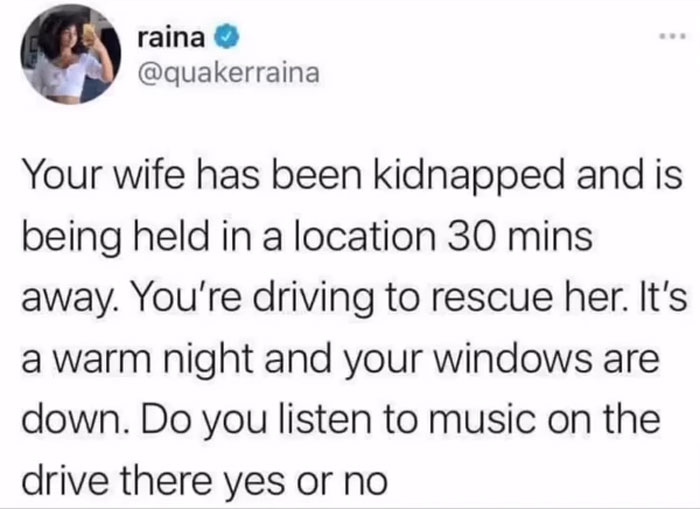
I'm gonna listen to some black metal, so I can greet the kidnappers with the correct mindset.
But it goes beyond the individual. Relatable content also builds community. Sharing a meme with a friend is a way of saying "this reminded me of you" or "we are the same kind of person" without having to articulate any of that. It's a low-effort, high-meaning form of connection. Meme culture in particular has become a kind of shorthand language, where a single image can communicate something complex about your current mood, your sense of humor, or your worldview, faster than any paragraph ever could.
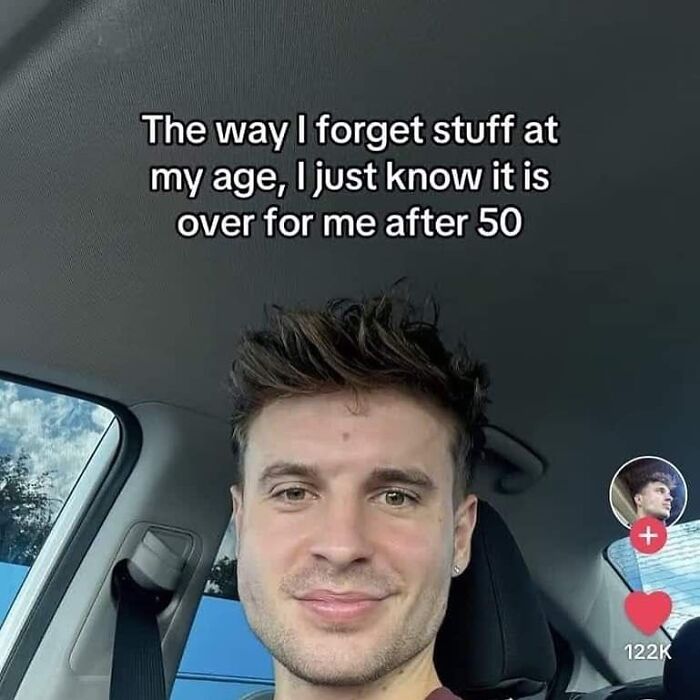
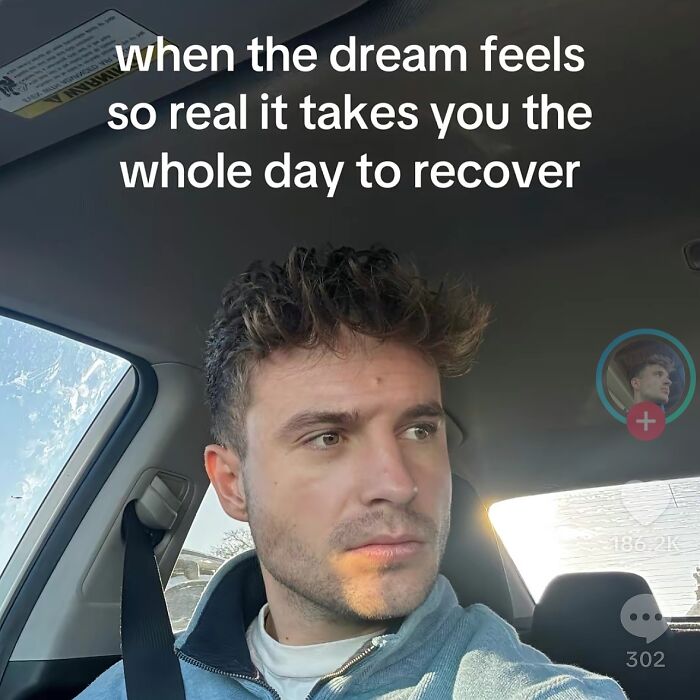
Yeah, but you also forget what you forgot, so it doesn’t seem so bad.
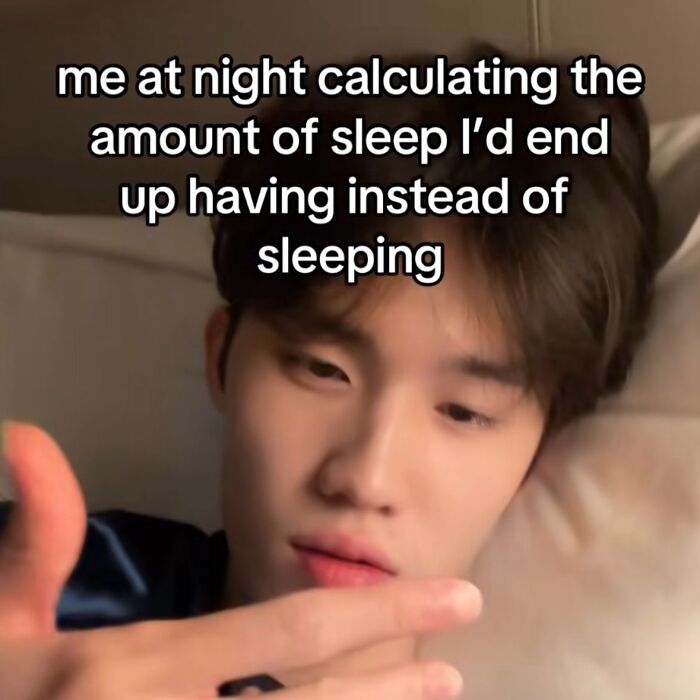
There's also the comedy factor, which is not a small thing. A lot of relatable content is funny specifically because it frames mundane or frustrating experiences as universally absurd. The struggle of trying to fall asleep

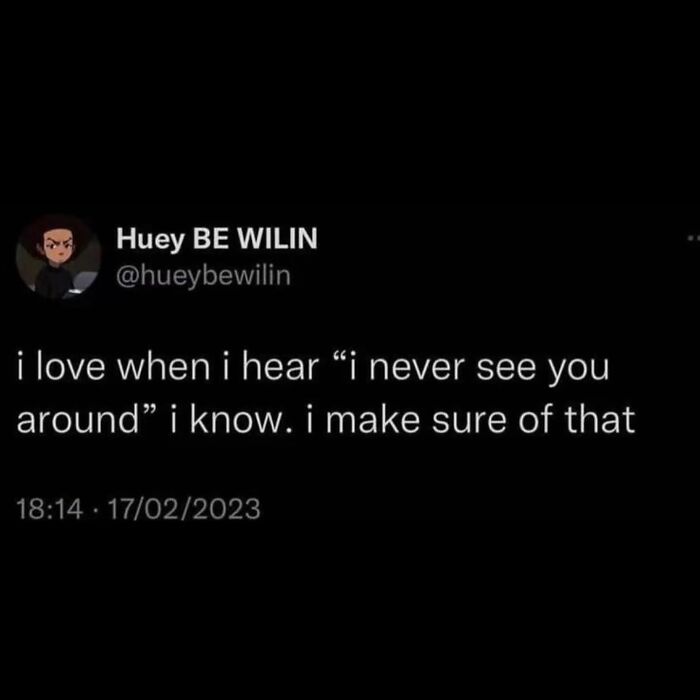
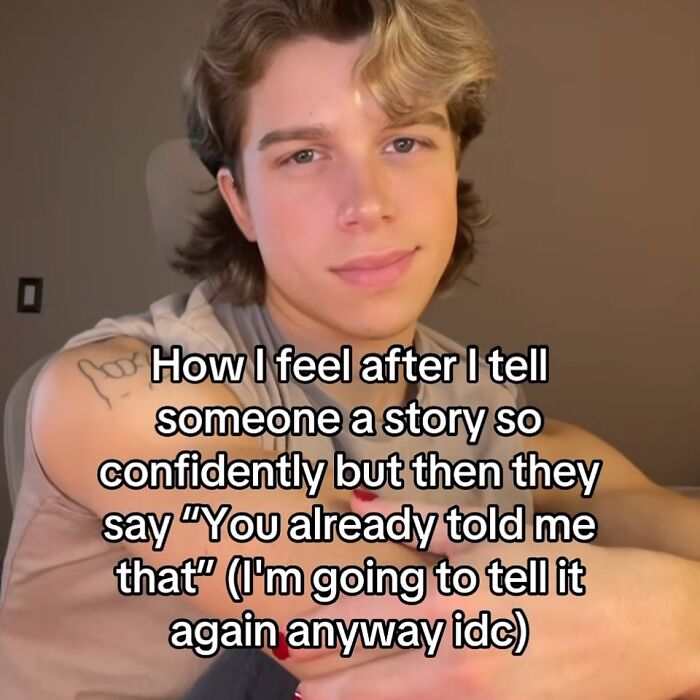
And when it comes up again, I act all surprised because it's genuinely the first time I'm hearing it.
while your brain decides to replay every awkward moment from the last decade is objectively not hilarious when it's happening to you at 2am. But packaged into the right format, it becomes a shared joke about the chaos of being human. Humor and shared experience are deeply linked, and laughing together, even with strangers on the internet, creates a genuine sense of closeness.
What all of this points to is that relatable content thrives because it meets a need that is as old as human beings themselves. The need to feel understood, to feel less alone, and to find company in the middle of your own strange, specific, very personal experience of existence. The internet just turned out to be a surprisingly good place to do that. One perfectly captioned post at a time.

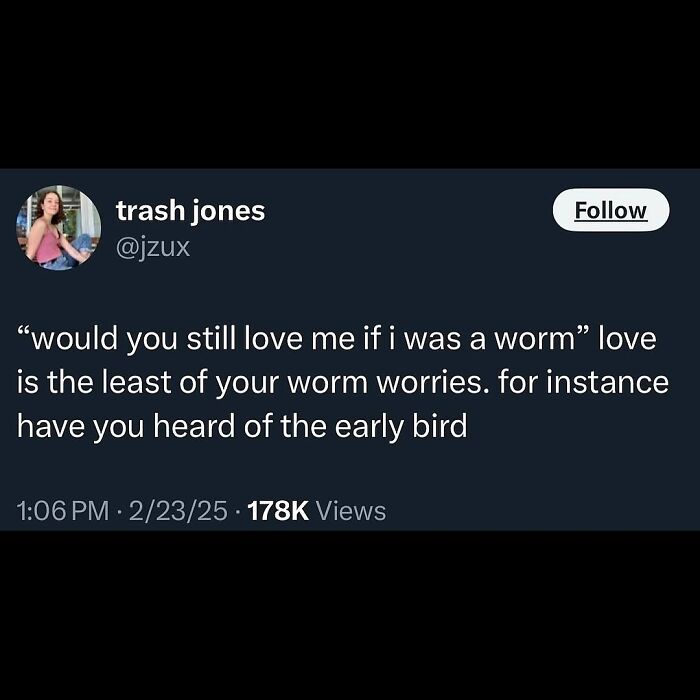
that might take a while... i'd start with the water, just in case :)



















 No fees, cancel anytime