Get Premium
Dark mode theme is available exclusively for premium users. Learn more about the benefits of subscribing.
No fees, cancel anytime.

 Dark Mode Ad-Free Browsing Unlimited Content
 Ad-Free Browsing Unlimited Content Dark Mode
Join 1.2 million Panda readers who get the best art, memes, and fun stories every week!

When it comes to cartoons, what defines the difference between a boy and a girl if the character is an animal? Moreover, is there a need to clearly define the character’s gender anyway? Apparently, the studio executives behind the most popular cartoons think that it’s crucial, but the portrayal of female animal characters in cartoons is giving some people a serious headache.
Just a few years ago, there were even articles on popular news and entertainment outlets suggesting lists of drawn female characters that “sparked” someone’s “sexual awakening”. “I feel like I’m not the only one who would have this as their cartoon crush,” one person wrote while talking about Jessica Rabbit.
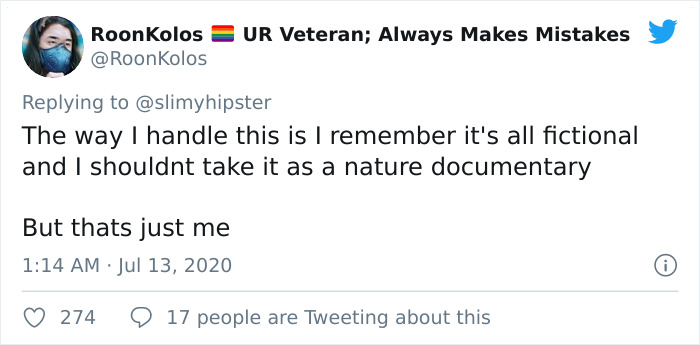
Apparently, when it comes to the question, people are divided into two groups: one group has had enough of “sexy” cartoon characters, while the other group finds nothing wrong with it. “The way I handle this is I remember it’s all fictional and I shouldn’t take it as a nature documentary,” one person wrote on Twitter. Nothing wrong with that, but when other Twitter users started posting examples of sexualized cartoon animals, it was apparent that there was a pattern.
More info: Twitter
Image credits: slimyhipster
Image credits: slimyhipster
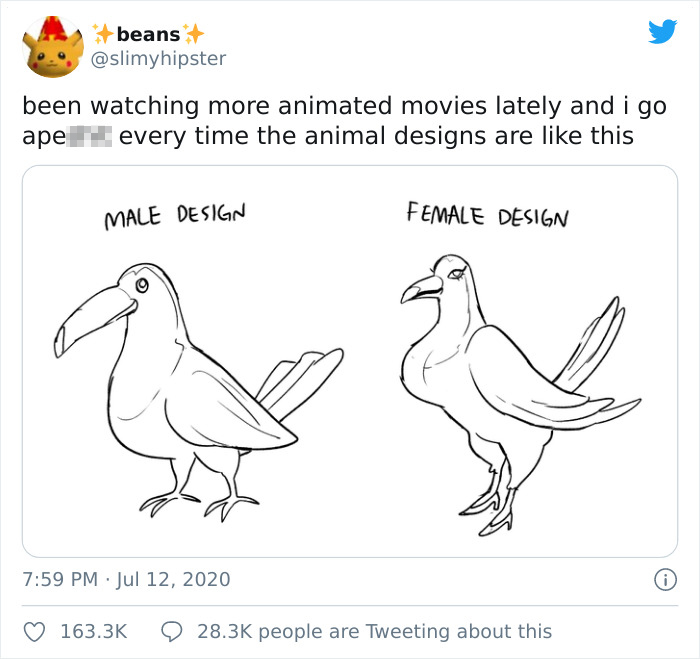
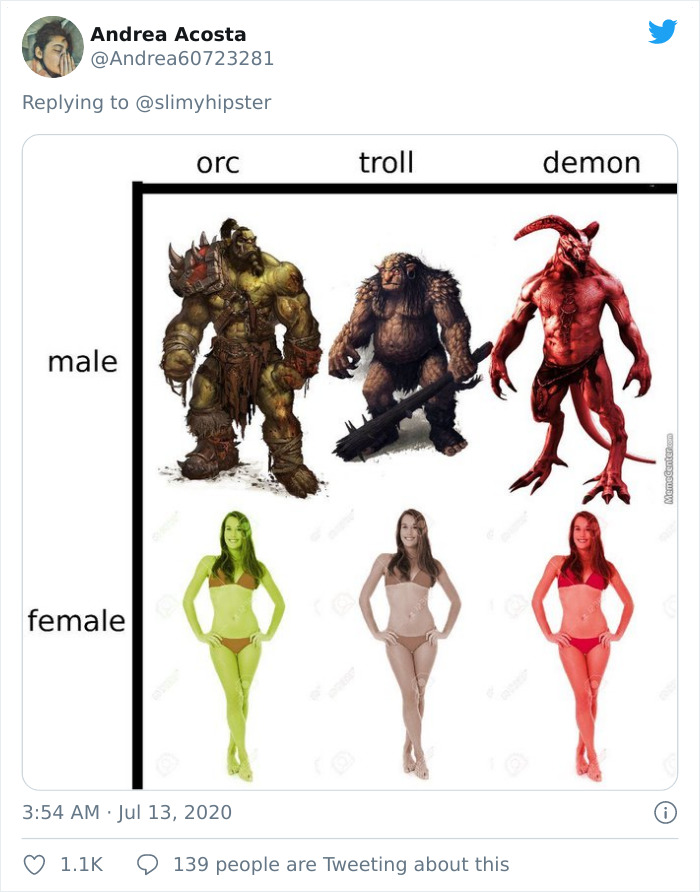
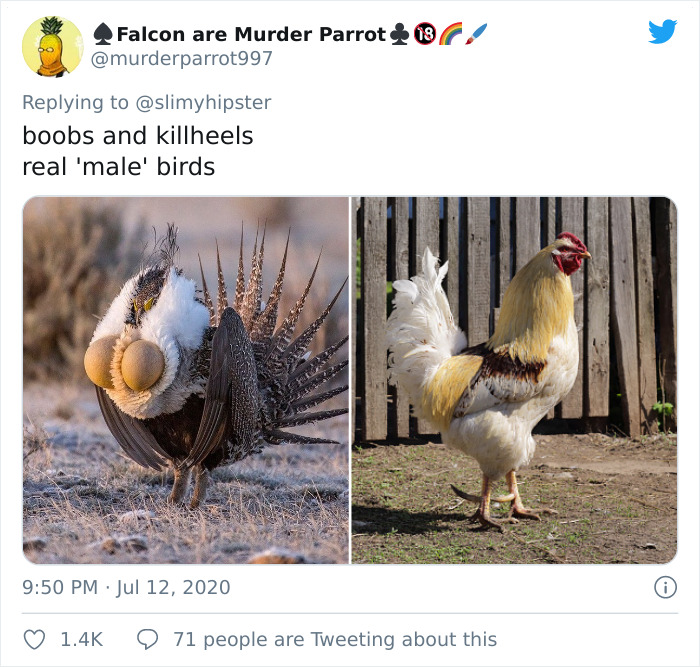
“Been watching more animated movies lately and I go [wild] every time the animal designs are like this,” Twitter user slimyhipster wrote upon sharing a drawn picture of a male and female design of a character. “Like okay, there’s always been criticism of fantasy species and the females always look like recolored human women versus the males that look like actual cool monster designs,” the person continues. “But this… when they’re based on *real animal species* and the differences between male and female are not like this. Argue for “stylistic choice” all you want but when the consistent design trait that is used across the board for animated female creatures is boobs and eyelashes then we have a problem.”
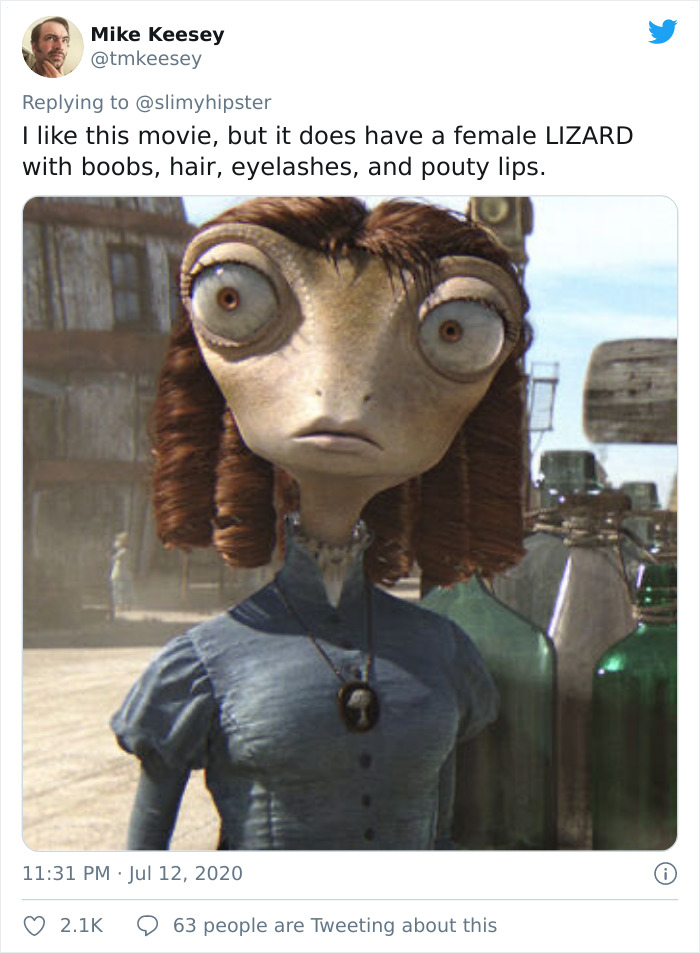
Image credits: tmkeesey
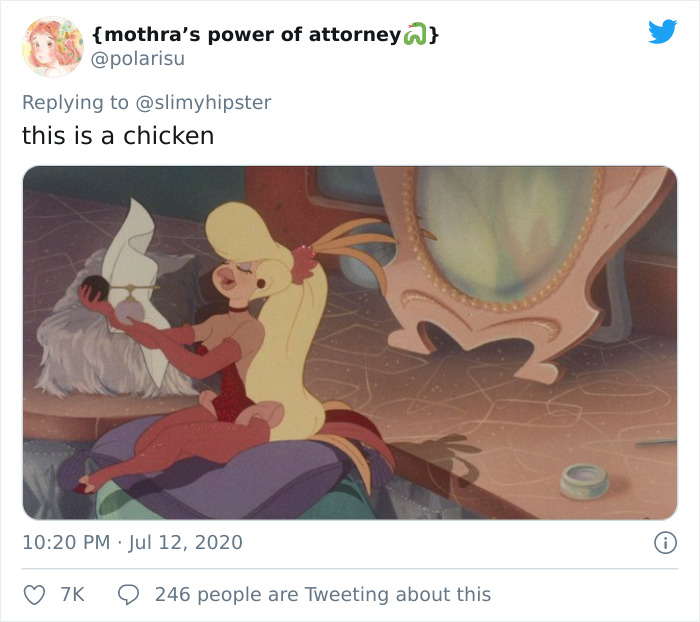
Image credits: polarisu
Image credits: ufopossum
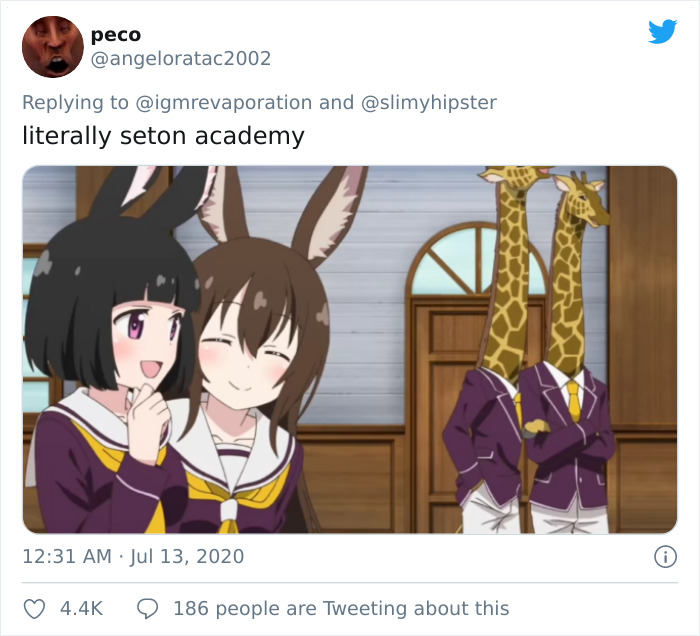
Image credits: angeloratac2002
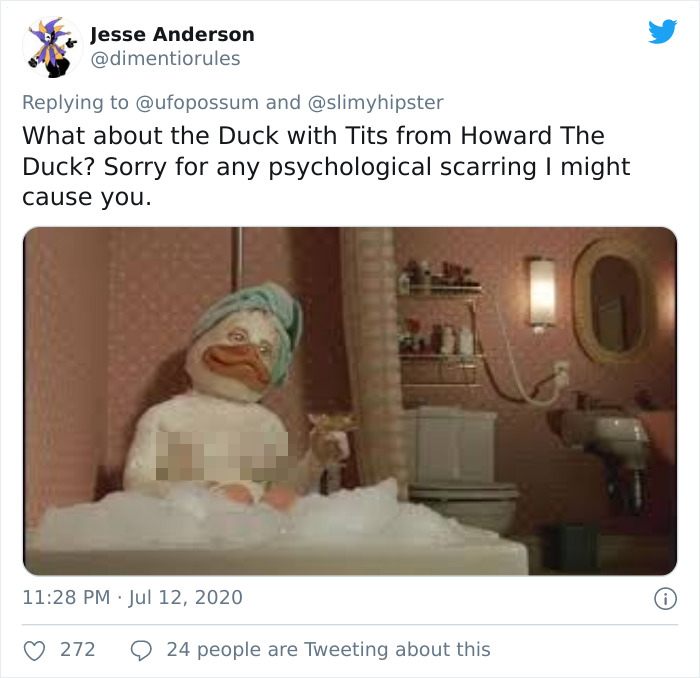
Image credits: dimentiorules
Click here for the uncensored version (at your own risk of sanity).
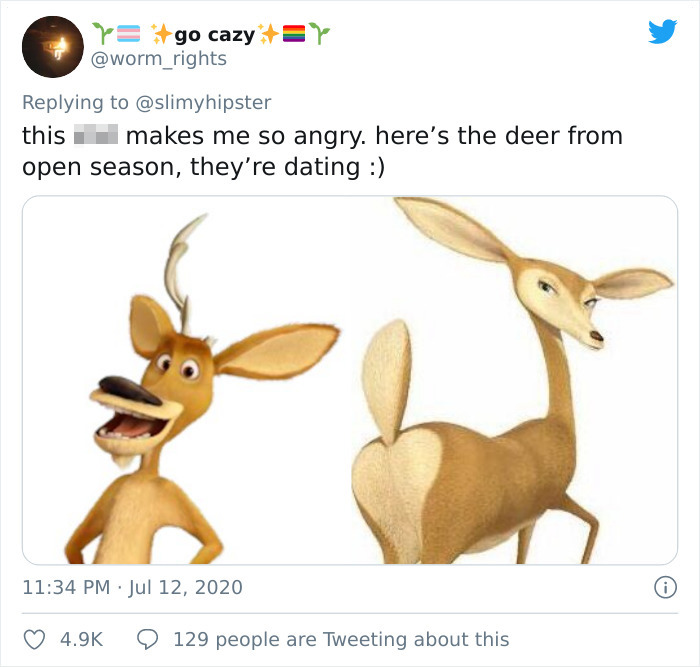
Image credits: worm_rights
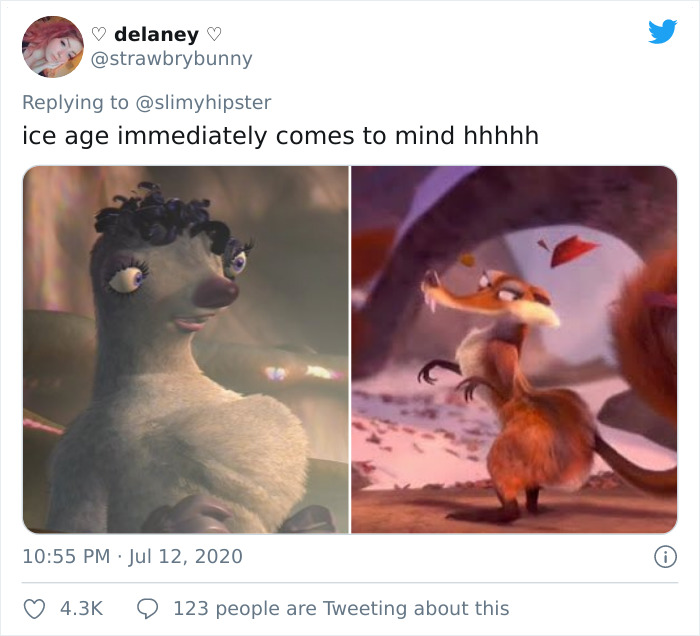
Image credits: strawbrybunny
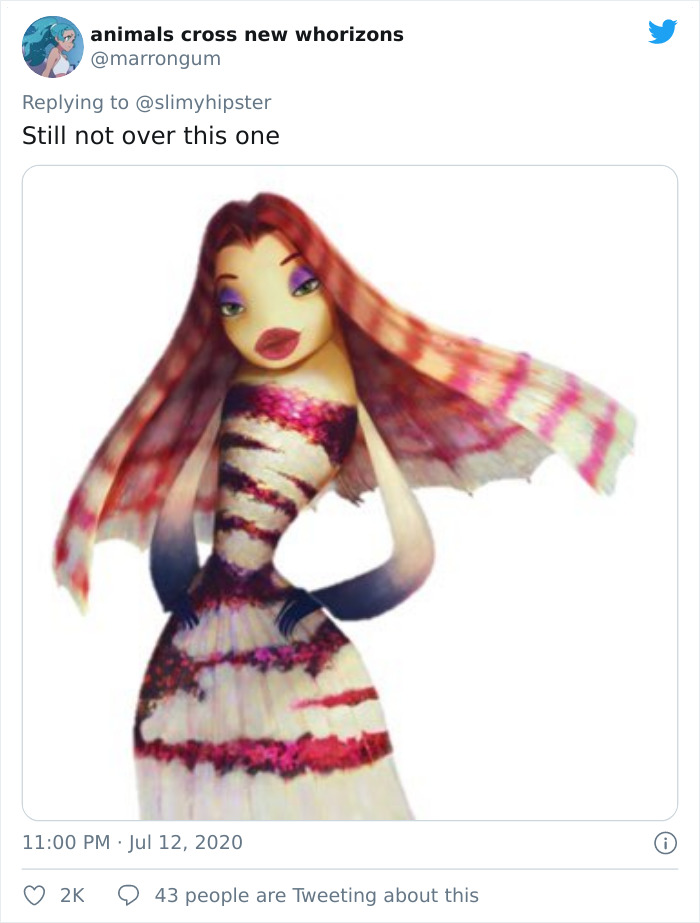
Image credits: marrongum
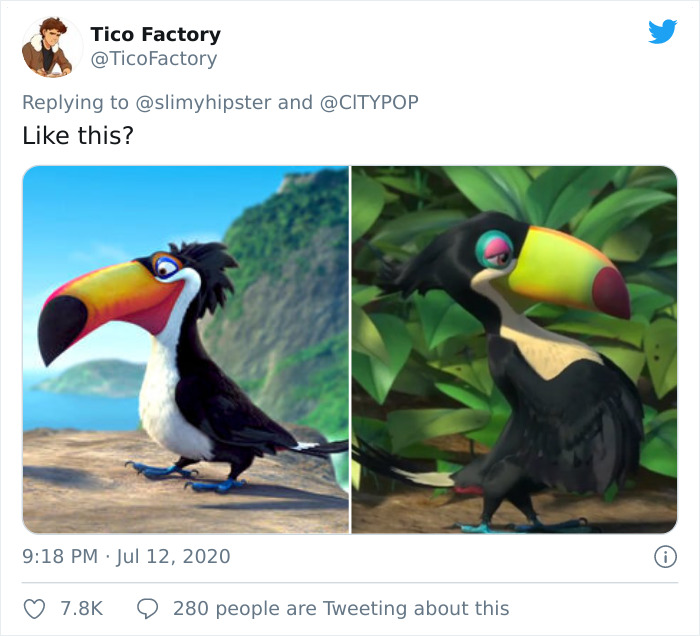
Image credits: TicoFactory
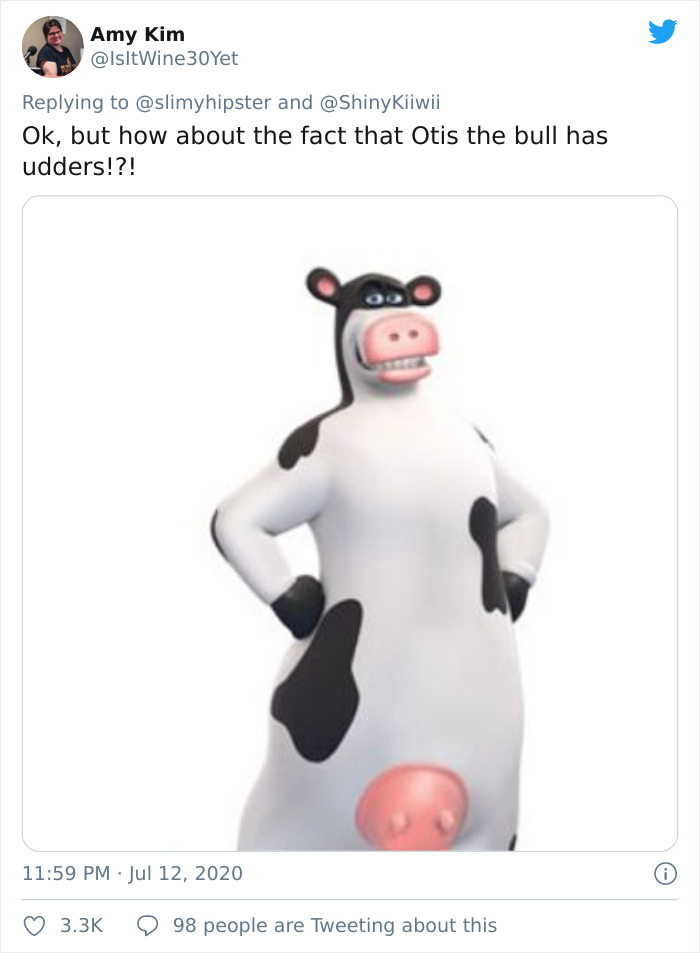
Image credits: IsItWine30Yet
Image credits: Beyond_Cake
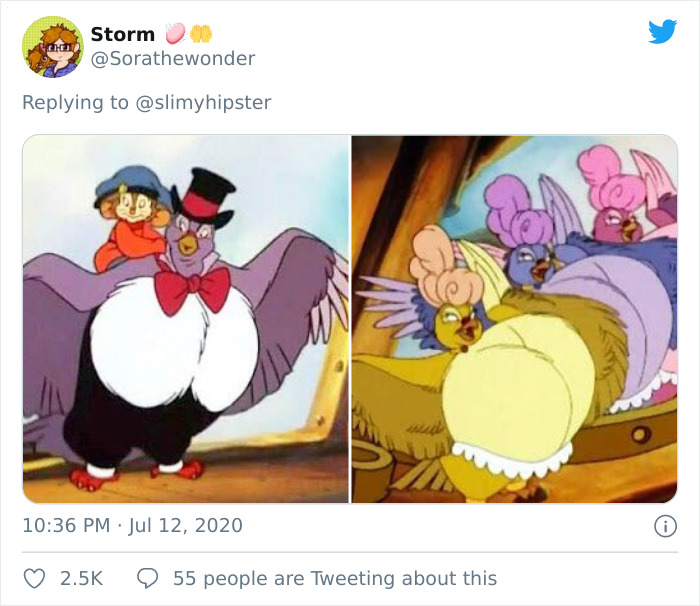
Image credits: Sorathewonder
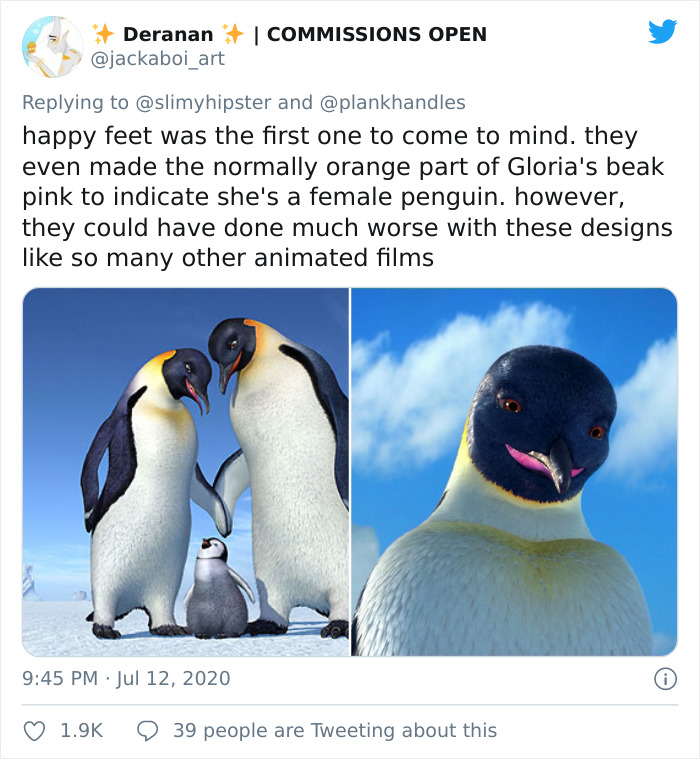
Image credits: jackaboi_art
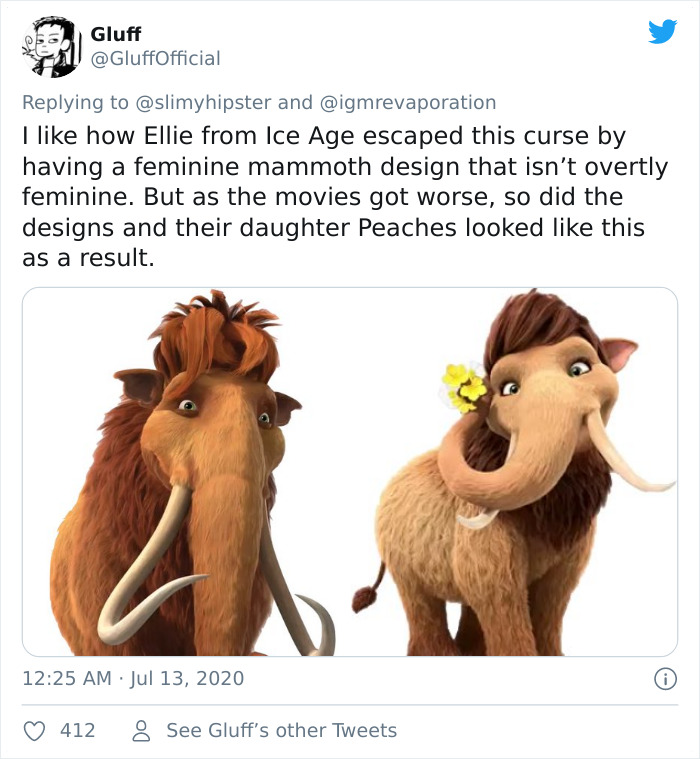
Image credits: GluffOfficial
Surprisingly, there was already some research done on the topic. Katia Perea, a Ph.D. of sociology, writes in her paper: “Disney’s pedagogy and gender coding set the stage for the princess master narrative that has come to be associated with animated women; young, thin, demure, attractive, orphaned heroines and their cute animal friends who passively await rescue from an unknown prince.”
“This image fitted into Disney’s feminine triptych, perpetuating heteronormative gender coding in the form of the princess, the witch, and the fairy godmother. To compete with the overwhelming appeal of the symphonic Disney style of sentimental and cute, rival Warner Bros. animators transformed their cartoons into a cacophony of the surreal. Whereas Disney portrayed its young women as conservative and beautiful damsels, Warner Bros. portrayed them as sexualized broads and dames,” she continued.
“These feminine characters’ gendered demarcations were shown through sexualized attributes such as breasts and curves, as well as feminine clothing, hairstyles, and long eyelashes. Although Warner Bros. women differ from Disney in their sassy attitude and overt sexual appearance, the message remains the same: women exist as the male object of desire. Disney’s damsels, like Snow White and Cinderella, reinforced domestic gender roles whereas Warner Bros.’ sarcastic and sexy dames, like Petunia Pig or Bugs Bunny in lingerie drag, reinforced women’s objectification and, at times, like the girl cat being chased by the boy skunk Pepe Le Pew, violence against women,” Katia argues in her paper published back in 2018.
Image credits: RoonKolos
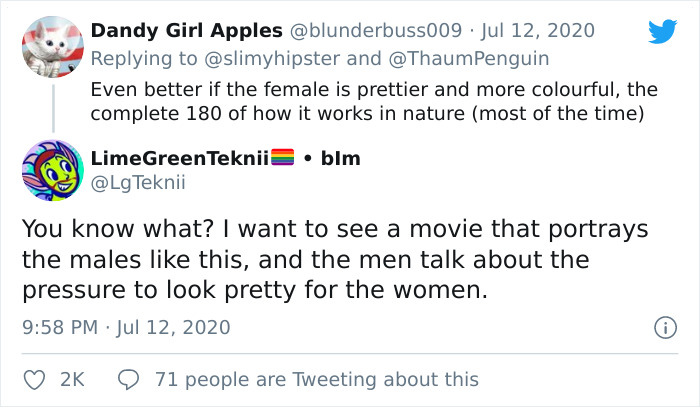
Image credits: LgTeknii
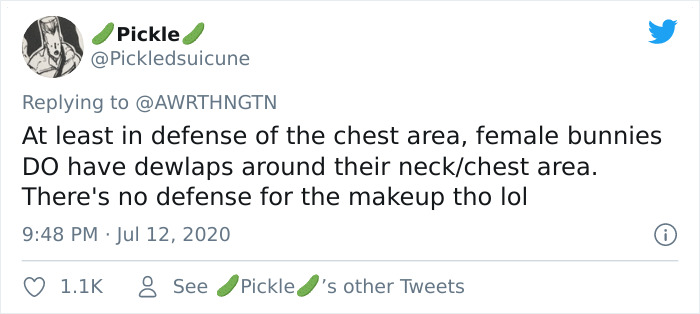
Image credits: Pickledsuicune
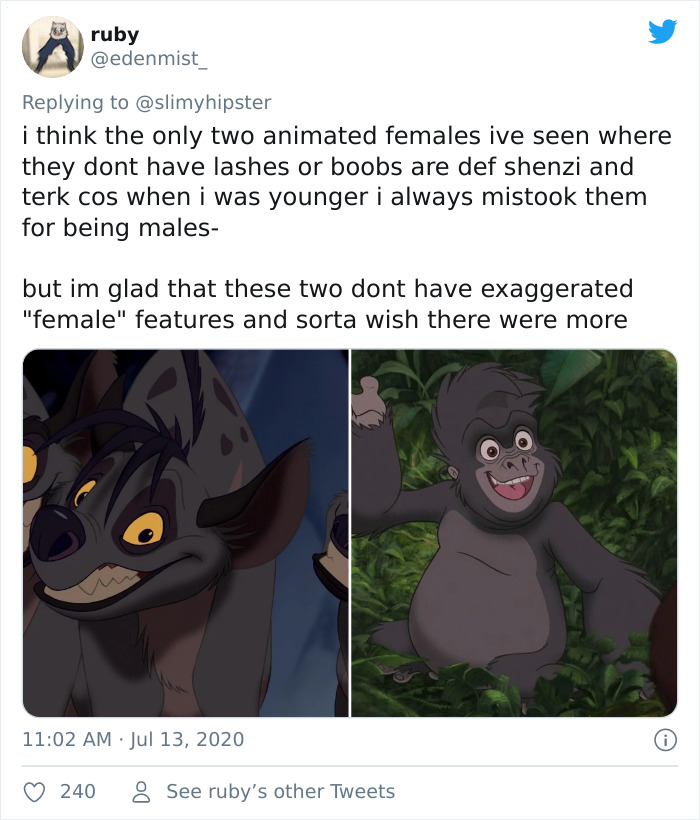
Image credits: edenmist_
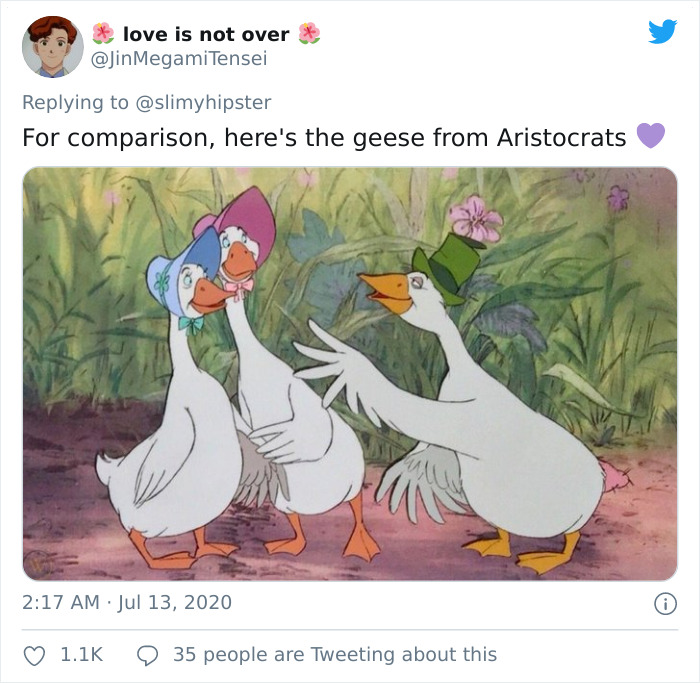
Image credits: JinMegamiTensei
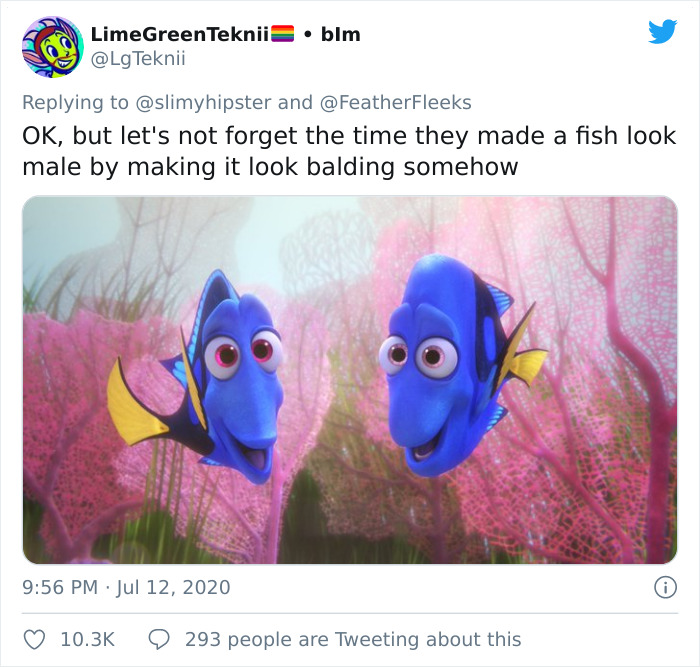
Image credits: LgTeknii
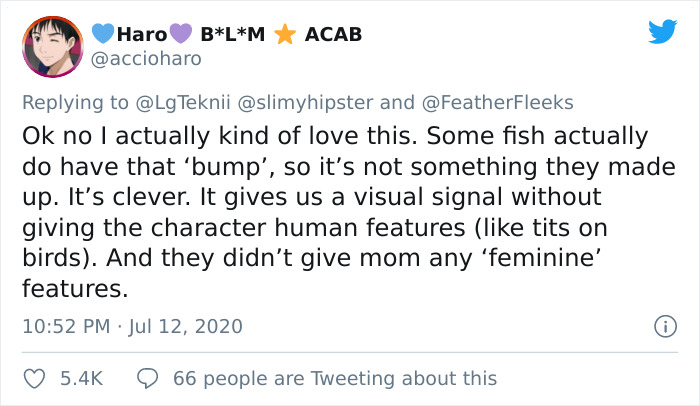
Image credits: accioharo
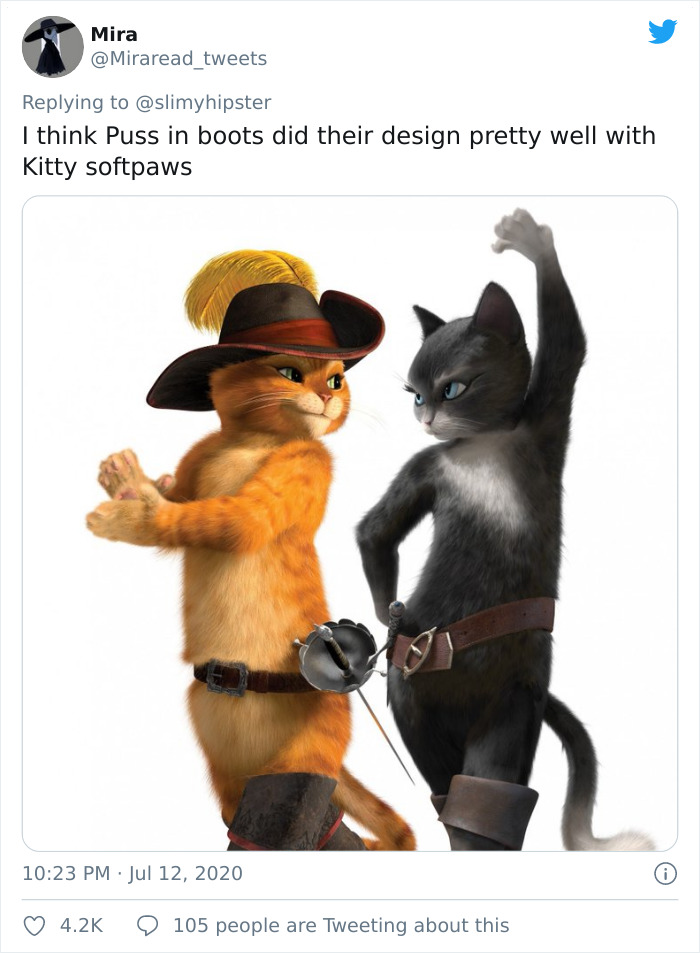
Image credits: Miraread_tweets
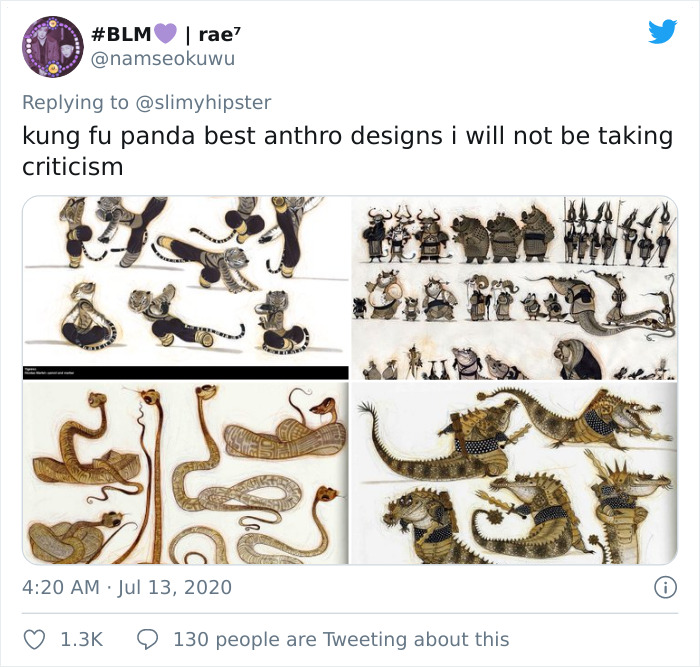
Image credits: namseokuwu
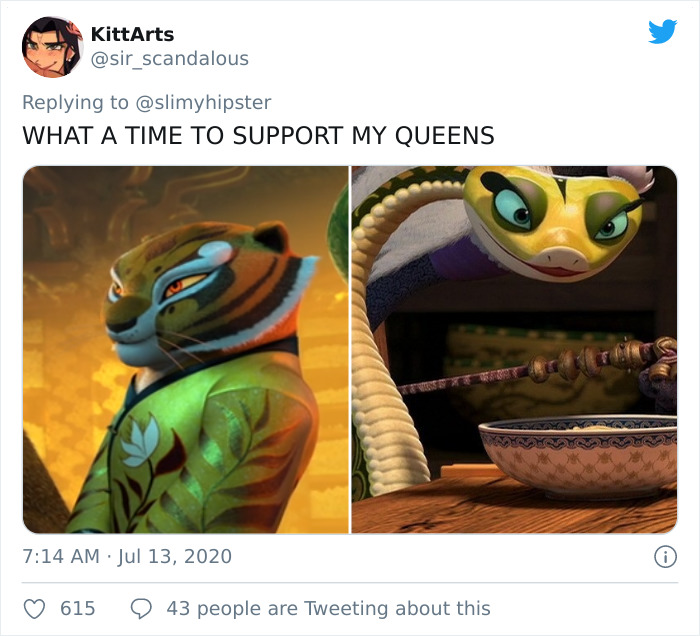
Image credits: sir_scandalous
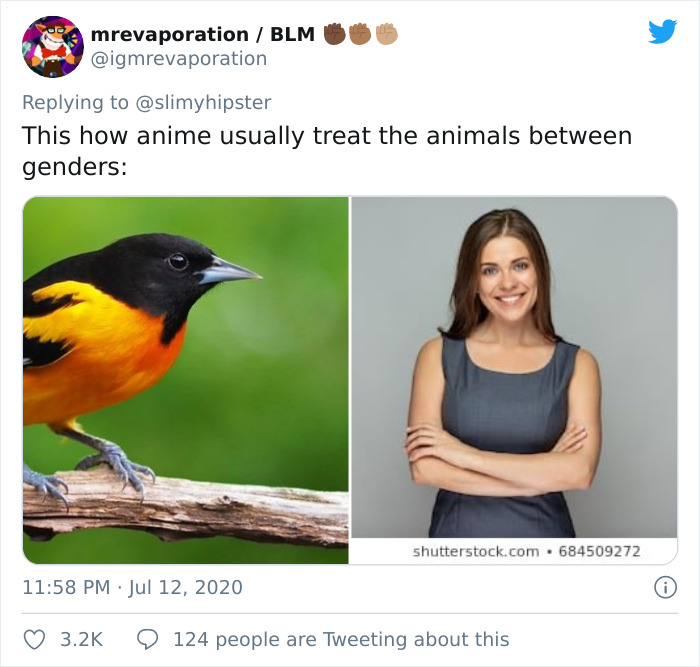
Image credits: igmrevaporation
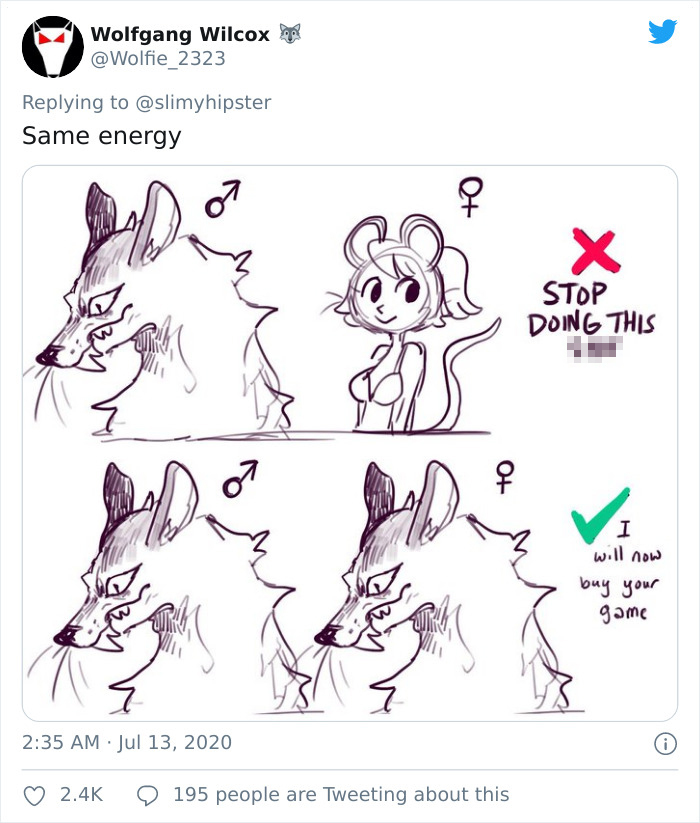
Image credits: Wolfie_2323
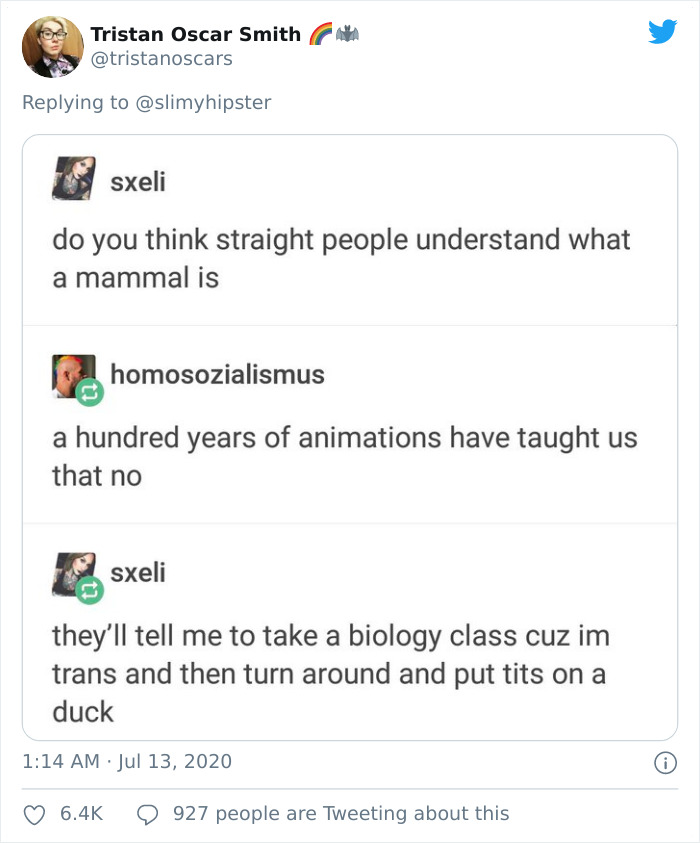
Image credits: tristanoscars
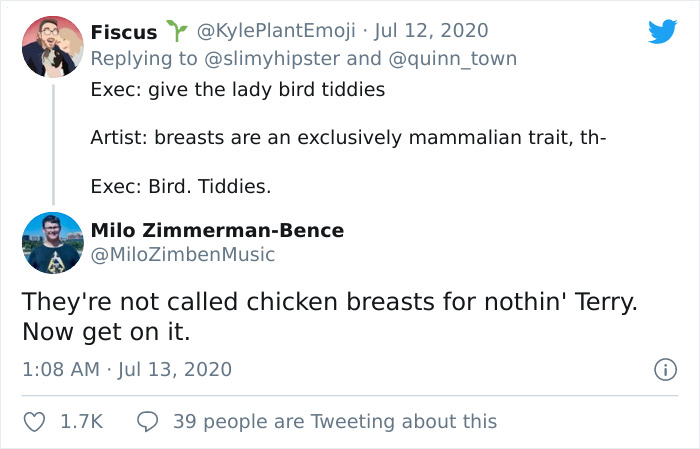
Image credits: MiloZimbenMusic
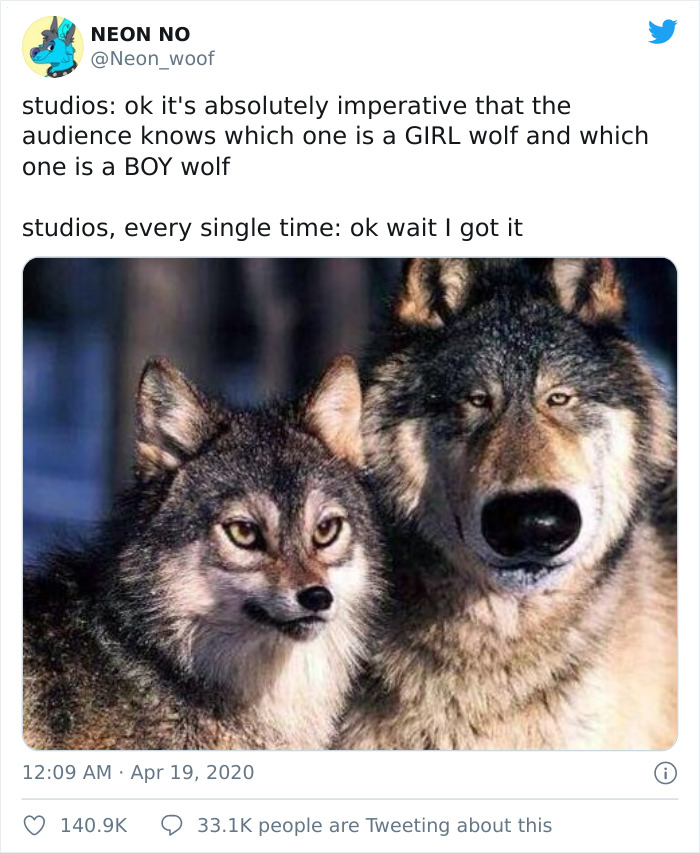
Image credits: Neon_woof
Image credits: Andrea60723281
Image credits: murderparrot997
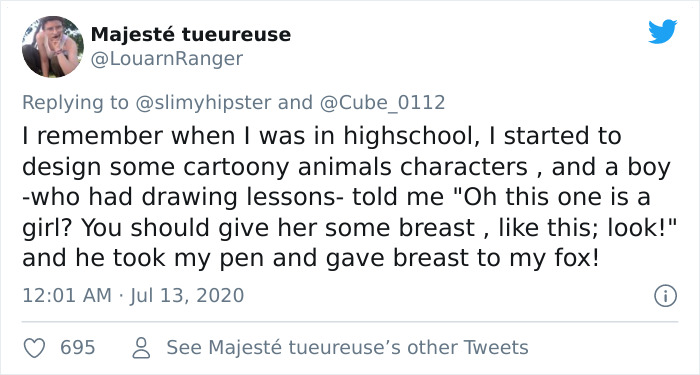
Image credits: LouarnRanger
309Kviews
Share on Facebook

Jessica Rabbit isn't a rabbit. She's human (an exaggerated cartoon human, but still a human). Her last name is Rabbit because she's married to Roger Rabbit. Now THAT'S the part that's weird.
Sigh, people need to stop with their outrage. Are some of these ridiculous? Sure, but if they all look the same it is hard to follow the story. And we are already anthropomorphizing them by giving them human specific emotions and story lines... video games are a whole different thing. Give a lady some armor!!!
That I can agree with. Female armour in rpgs is a running joke. I hold out hope for an rpg maker including bikini armour for the male characters too. The Chain Mail Beach Thong of protection + 1 would be epic.
Load More Replies... Really? People are having trouble with female character shorthand like a more puffed up chest an bigger hips? Its basic cartooning to make characters identifiable, like the barrel chest, big hands and chin a strong character gets (Montaray Jack f.e) or the thin slender built a sneaky character gets. Ok some instances are exaggerated, but most of the time there is a reason for it in the story.

The importance of this discussion is that evidences that being male is the “default/ neutral/normal” in our Society. That being female is considered a specific characteristic, as if women weren’t 50% of the population. ----------------------------- This has important implications in law making, politics and economics. Being man the “neutral” form means that the thought process is usually focused in men’s needs and men’s reality, and that the reality and the needs of women are considered “different”, exceptions from normality. And, because of that, a lot of the times are not considered at all.
Load More Replies... Jessica Rabbit isn't a rabbit. She's human (an exaggerated cartoon human, but still a human). Her last name is Rabbit because she's married to Roger Rabbit. Now THAT'S the part that's weird.
Sigh, people need to stop with their outrage. Are some of these ridiculous? Sure, but if they all look the same it is hard to follow the story. And we are already anthropomorphizing them by giving them human specific emotions and story lines... video games are a whole different thing. Give a lady some armor!!!
That I can agree with. Female armour in rpgs is a running joke. I hold out hope for an rpg maker including bikini armour for the male characters too. The Chain Mail Beach Thong of protection + 1 would be epic.
Load More Replies... Really? People are having trouble with female character shorthand like a more puffed up chest an bigger hips? Its basic cartooning to make characters identifiable, like the barrel chest, big hands and chin a strong character gets (Montaray Jack f.e) or the thin slender built a sneaky character gets. Ok some instances are exaggerated, but most of the time there is a reason for it in the story.
The importance of this discussion is that evidences that being male is the “default/ neutral/normal” in our Society. That being female is considered a specific characteristic, as if women weren’t 50% of the population. ----------------------------- This has important implications in law making, politics and economics. Being man the “neutral” form means that the thought process is usually focused in men’s needs and men’s reality, and that the reality and the needs of women are considered “different”, exceptions from normality. And, because of that, a lot of the times are not considered at all.
Load More Replies...



 No fees, cancel anytime












158
324