Get Premium
Dark mode theme is available exclusively for premium users. Learn more about the benefits of subscribing.
No fees, cancel anytime.

 Dark Mode Ad-Free Browsing Unlimited Content
 Ad-Free Browsing Unlimited Content Dark Mode
Join 1.2 million Panda readers who get the best art, memes, and fun stories every week!

It's the golden age of K-Pop. "Golden" from "KPop Demon Hunters" just won an Oscar for Best Original Song earlier this year, K-Pop's biggest boy band BTS just kicked off their long-awaited record-breaking comeback tour, and Korean became the sixth most popular language to learn on Duolingo.
Some call K-Pop fans obsessive, others prefer the term "loyal," but there's no denying that the genre has amassed a considerable following. Where there are fans, there are memes – and K-Pop fans are one of the most creative bunches out there. Check out these funny posts about the K-Pop world and see inside the mind of a K-Pop stan.
More info: Instagram
This post may include affiliate links.
K-Pop is not a new thing; if you're an OG fan, you might know some groups from the 2000s and even the 1990s. However, 2020 is the year many experts mark as the points when K-Pop exploded in popularity globally, especially in the U.S. One only has to look at the sheer number of tweets on X (formerly Twitter) to understand how many fans engage with K-Pop related content every day.
In 2020, about 6.7 billion tweets globally were related to K-Pop. By 2021, that number rose to 7.2 billion tweets. According to the platform itself, most of them come from Indonesian fans, followed by K-Pop fans in Japan, the Philippines, South Korea, and the United States. Back then, the most tweeted about group was BTS, and the boy band retains their crown in 2026. BTS members also have several tweets in the official list of most-retweeted posts ever, with the youngest member Jungkook's tweet "Never Not [purple heart]" being retweeted 1.7 million times.

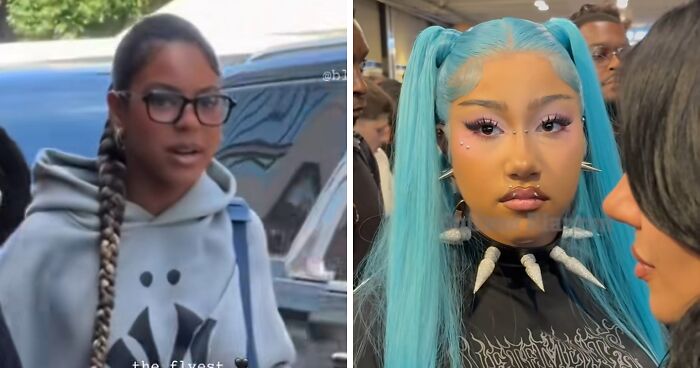
I feel like 95% of caricaturists just do big crooked noses and then either big lips or big ears. Idk, this caricature doesn't look at all like the subject, it changed the shape of the nose radically, did meh on the mouth, the eyes are just Asian eyes from a 60s comic, when they were caricaturable features such as his Adam's apple, hexagonal jaw, kinda d**d eyes.
The world of K-Pop can be confusing. From an outsider's perspective, it's very different from the Western celebrity and entertainment world. Still, in essence, it's a fandom, and just like any other fandom, it's got its own jargon, references, inside jokes, memes, and vocabulary.
The life of a K-Pop idol is incredibly fast-paced, and the length of their careers in groups is quite short. Some fans estimate that the average career of a K-Pop star is 7 years. While wildly popular worldwide, BTS are today considered "sunbaes" or seniors. It's not surprising to see comments like "Uncs still got it" under their videos and witness members of younger groups treat them with reverence and respect.

In the K-Pop fandom, groups are separated into different generations based on when they debuted and were the most popular. First Generation groups were popular in the late '90s and early 2000s. These included the likes of H.O.T., S.E.S., Sechs Kies, Fin.K.L, g.o.d, and Shinhwa. Back then, K-Pop was a niche interest for many outside of Korea and Asia in general.
Second Generation K-Pop managed to get more popular worldwide, especially in the U.S. As a person who somewhat dabbled in K-Pop since her teenage years, I have to admit that the 2nd Gen were my first idols. Groups like BIGBANG, SHINee, Girls' Generation (SNSD), Super Junior, 2NE1, Wonder Girls, and TVXQ are the ones many adults today are nostalgic for.
BIGBANG just performed both weekends at Coachella for their 20th anniversary, 2NE1 had a long-awaited comeback last year, and others like SHINee, Super Junior, and SNSD are still active as groups and releasing new material, even if some members are no longer active.

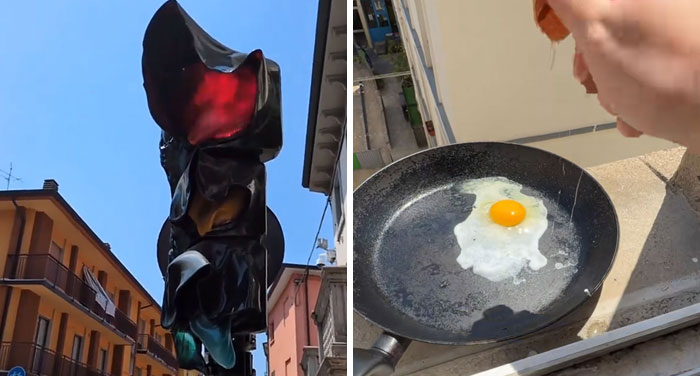
Maybe those are actually bears, just dressed up like human photographers to fool the bees.
Third Gen K-Pop was the one that was undoubtedly the most successful in making it into the USA market. BTS, GOT7, BLACKPINK, EXO, TWICE, MONSTA X, NCT, and SEVENTEEN were massively popular internationally. Some attribute that success to the digital-first marketing. Many groups would have their own entertainment and variety shows on YouTube, Weverse, and other platforms in addition to music. Idols would also chat and communicate with their fans during livestreams on the now-defunct V-Live platform.
2018 or 2019 is often the starting point for the 4th Generation of K-Pop. The most popular groups of that Gen include ATEEZ, Stray Kids, TXT, NewJeans, aespa, LE SSERAFIM, ITZY, and ENHYPEN. This generation enjoyed the privilege of coming into the entertainment industry when K-Pop was an internationally-recognized genre. Stray Kids, for example, did a stadium tour across Latin America, Japan, North America, and Europe in 2025, and sold out SoFi Stadium in Los Angeles, Tottenham Hotspur Stadium in London, and the Incheon Asiad Main Stadium.

You're probably wondering what the secret sauce in K-Pop is. Why are the fans so passionate, why there are so many of them, and how do they form such strong attachments to their favorite groups and idols? The psychology of K-Pop "stan culture" is fascinating. Sociologists and psychologists say that the management companies are geniuses at marketing, using social media to curate fans' emotional attachment and real-time feedback loops.

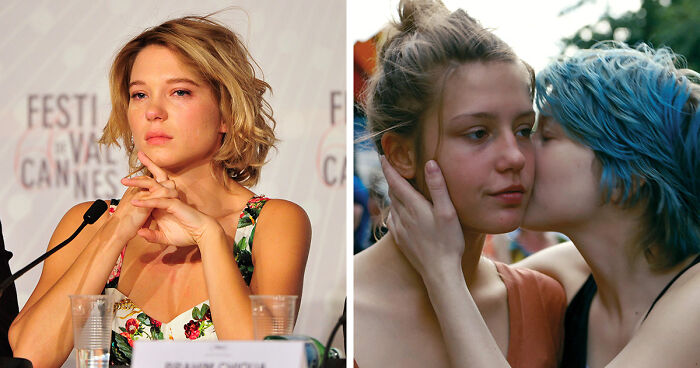
Cocona! They are non binary AFAB i think and go by he/they pronouns!
Western actors, singers, and other celebrities lack the kind of approachability and level of engagement that K-Pop idols offer their fans. The parasocial relationships that K-Pop fans form with their idols are unparalleled. Fans go to crazy lengths to help their groups reach number one on the charts, buy VIP concert tickets for hundreds (sometimes even thousands) of dollars, and spend even more for a chance to have a video call with their favorite idol.
But being a K-Pop fan is not all bad. And not all people in their group's fandom are delusional, crazy, and detached from reality. K-Pop can also just be a hobby. There is a unique sense of community that comes with being a K-Pop fan, either online or when meeting up with fellow fans at concerts. The number of inside jokes one can accumulate throughout the years of being a K-Pop fan is almost infinite. Many fans are also very self-aware: they know how ridiculous the music, the parasociality, and everything in between can be.

With that in mind, I invite you, Pandas, to give K-Pop a chance. As Azrin Tan writes for Vogue Singapore, what's not to love? "It's a running joke amongst most self-aware fans that the parasocial relationship they share with their idols is one that's stable, filled with love and unlike real-life relationships, they'll never disappoint you because you're not actually expecting anything from them," she writes. "[K-Pop] is an entire universe you would always appreciate being a part of. A little world—promising an indescribable happiness of its own."


To put it in Leslie Knope's words: "The thing about youth culture is - I don't get it."

No, that's just your experience in the USA. Don't try speaking on behalf of the entire western world.
Load More Replies... To put it in Leslie Knope's words: "The thing about youth culture is - I don't get it."
No, that's just your experience in the USA. Don't try speaking on behalf of the entire western world.
Load More Replies...






















 No fees, cancel anytime