Get Premium
Dark mode theme is available exclusively for premium users. Learn more about the benefits of subscribing.
No fees, cancel anytime.

 Dark Mode Ad-Free Browsing Unlimited Content
 Ad-Free Browsing Unlimited Content Dark Mode
Join 1.2 million Panda readers who get the best art, memes, and fun stories every week!
I’ve always found it strange how quickly we decide what makes someone beautiful. A certain body shape becomes fashionable or a particular feature becomes desirable. Everyone seems to want to look like that. But those ideals never seem to stay the same for very long.
Curvy silhouettes were celebrated in one era, while ultra-slim figures were favored in another. Fashion, entertainment and popular culture are merciless when changing beauty standards.
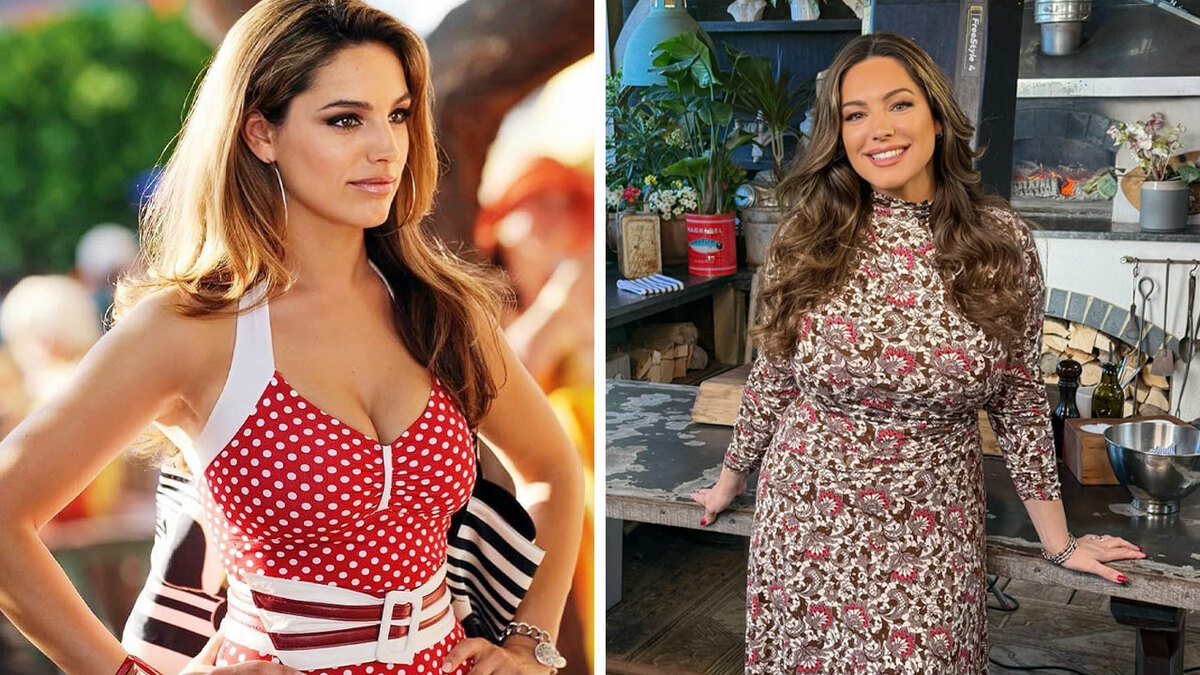
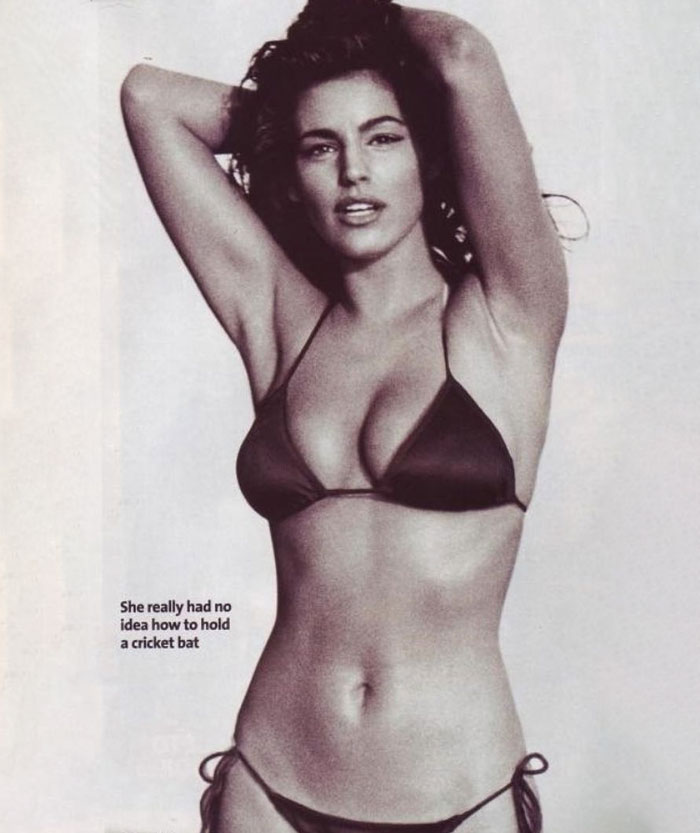
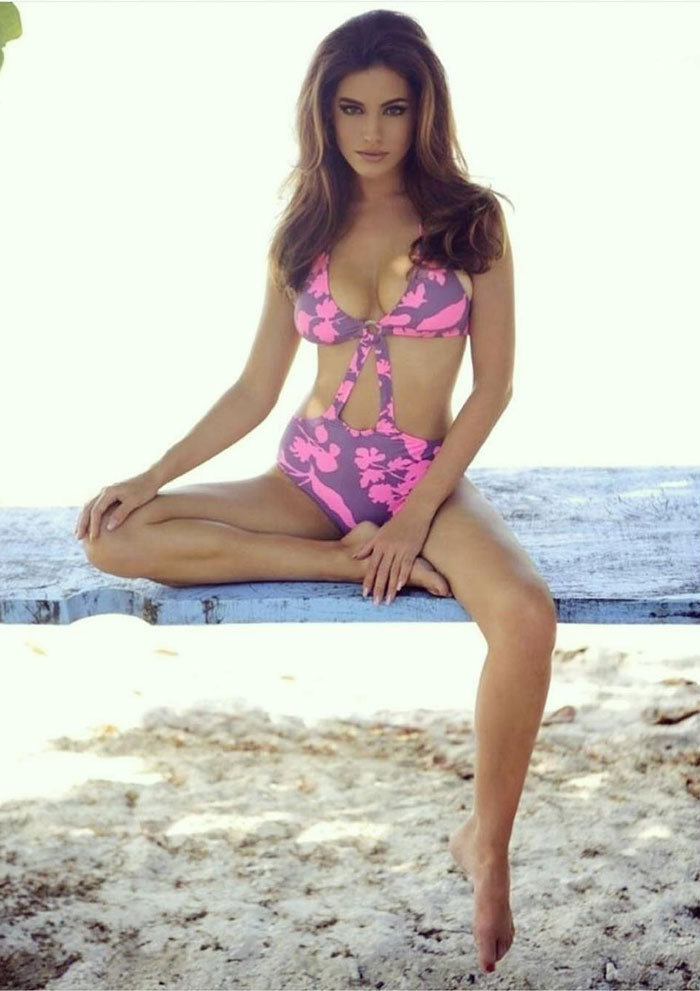
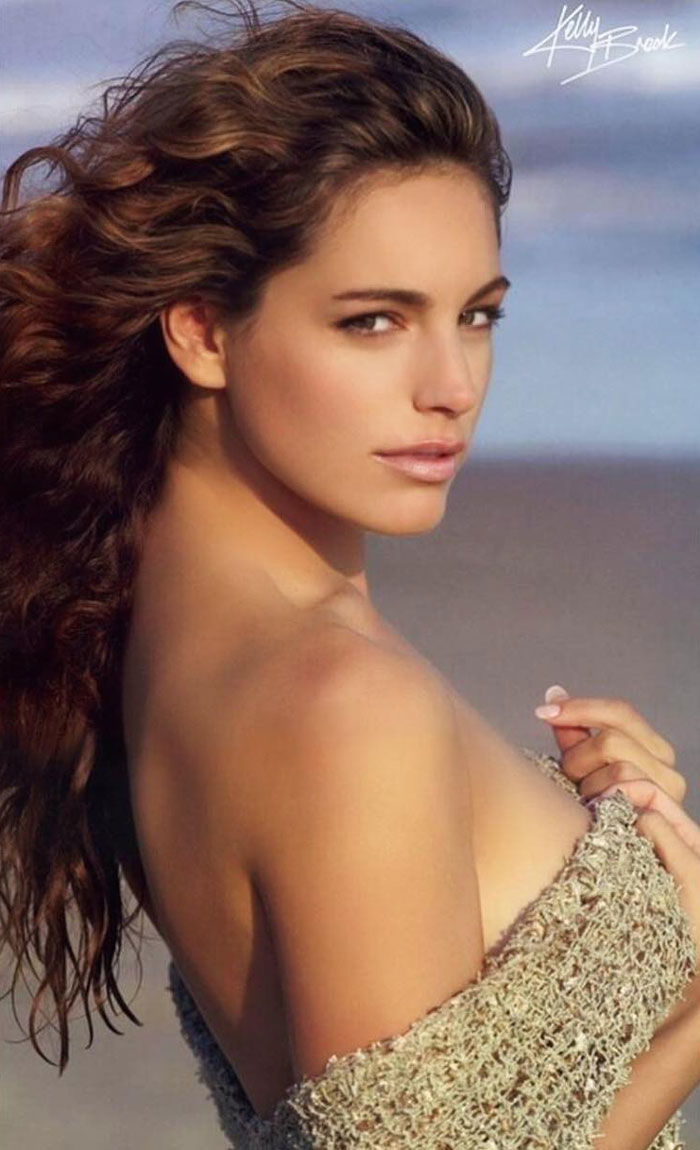
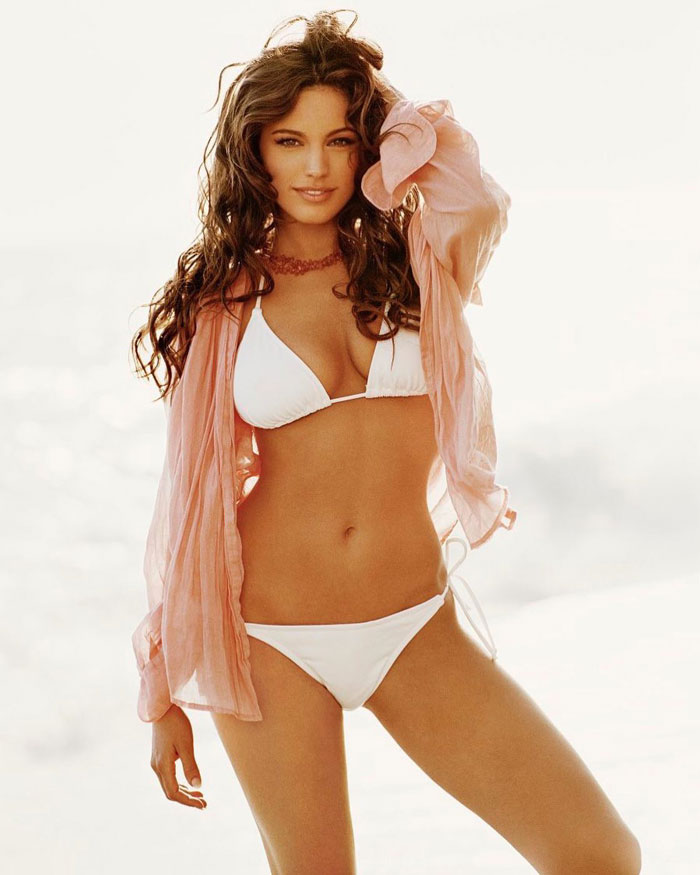
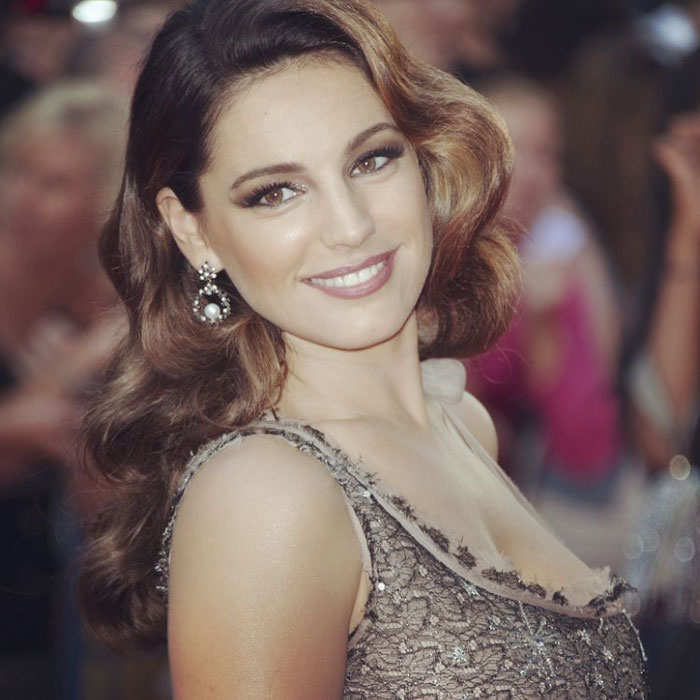
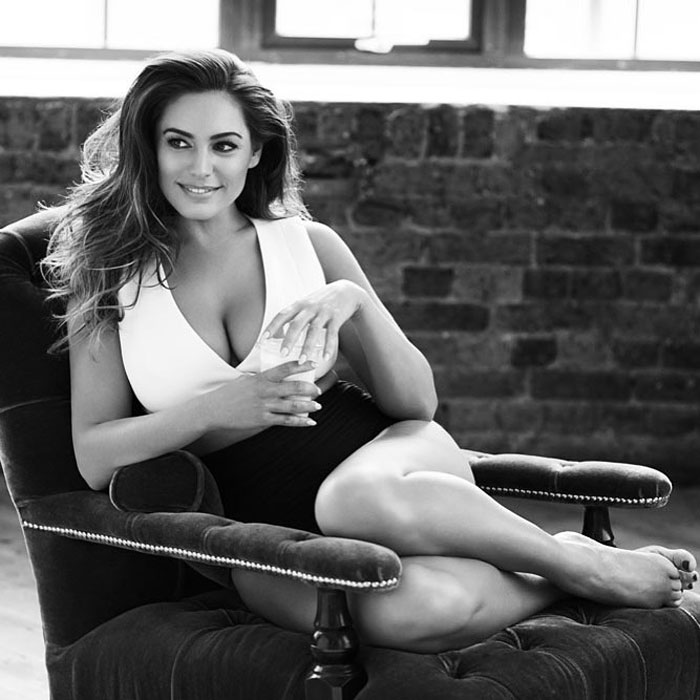
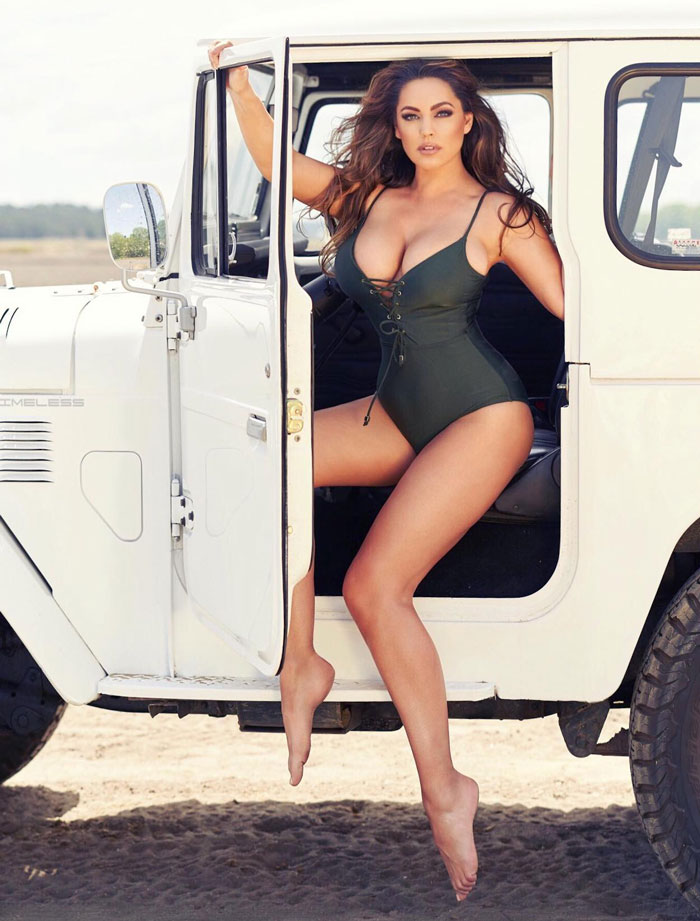
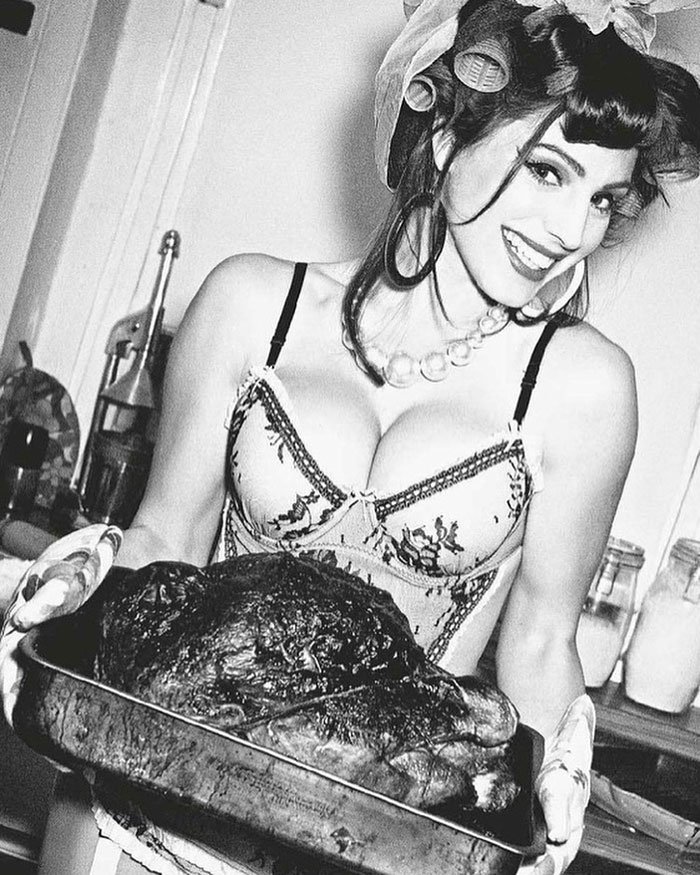
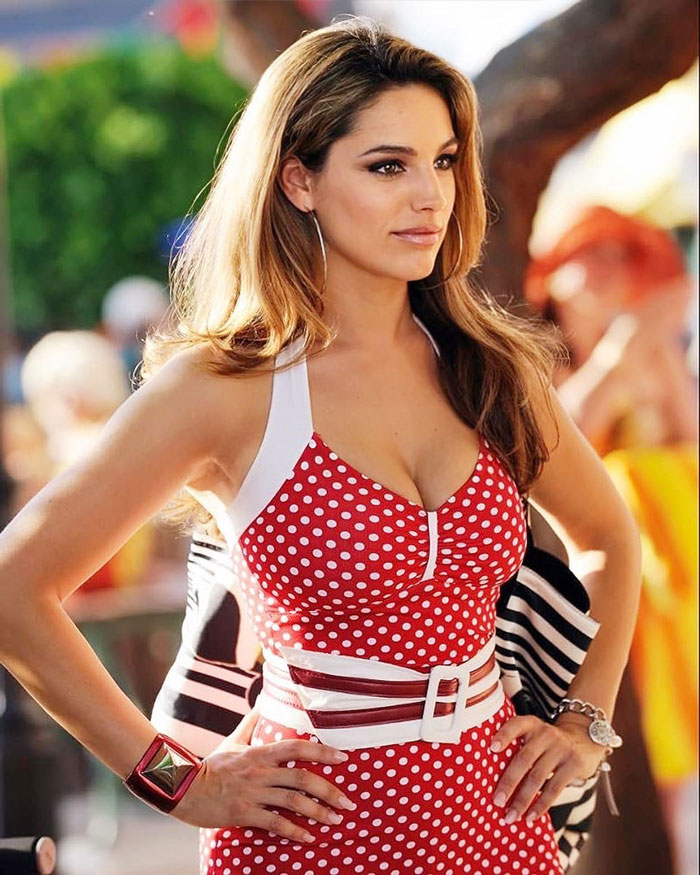
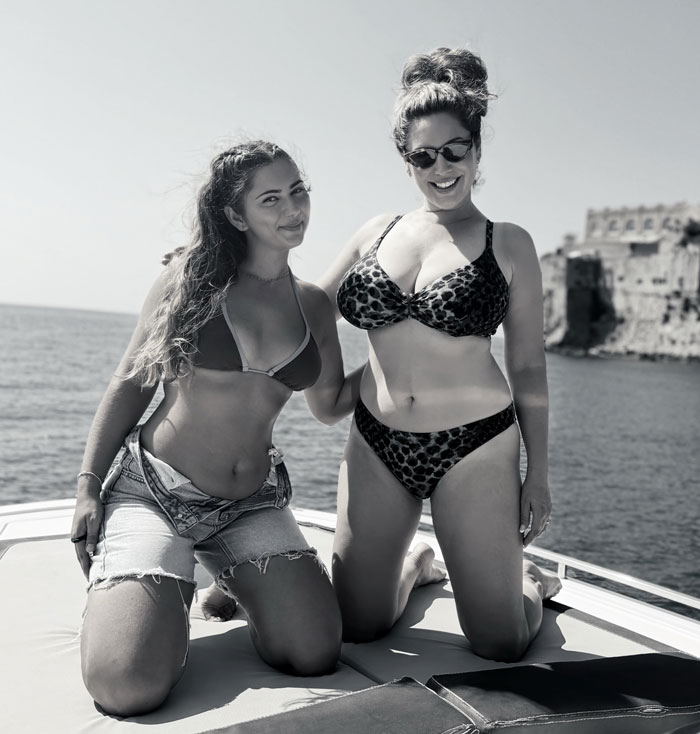
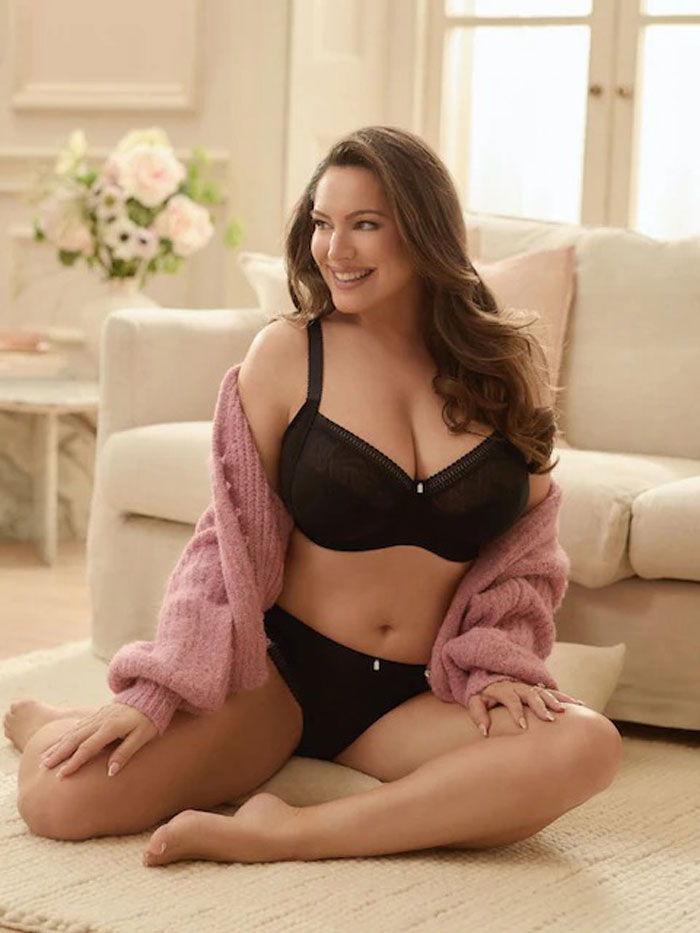
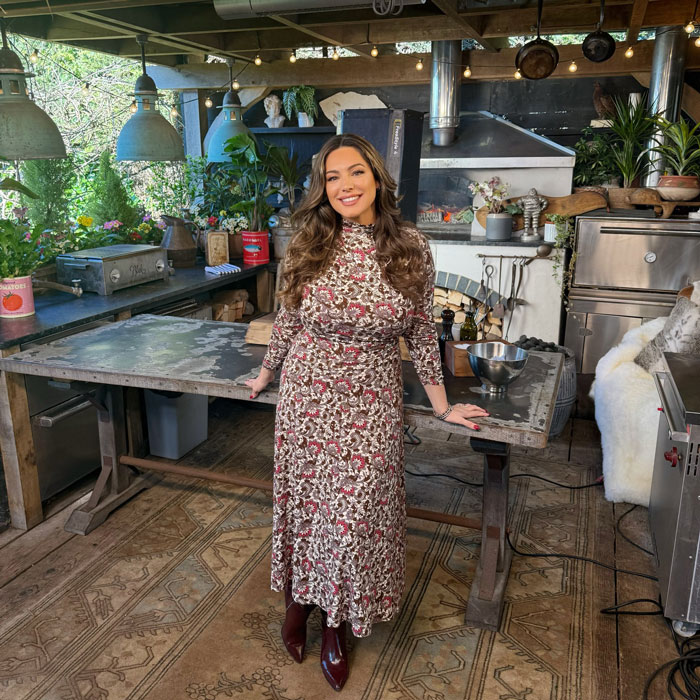
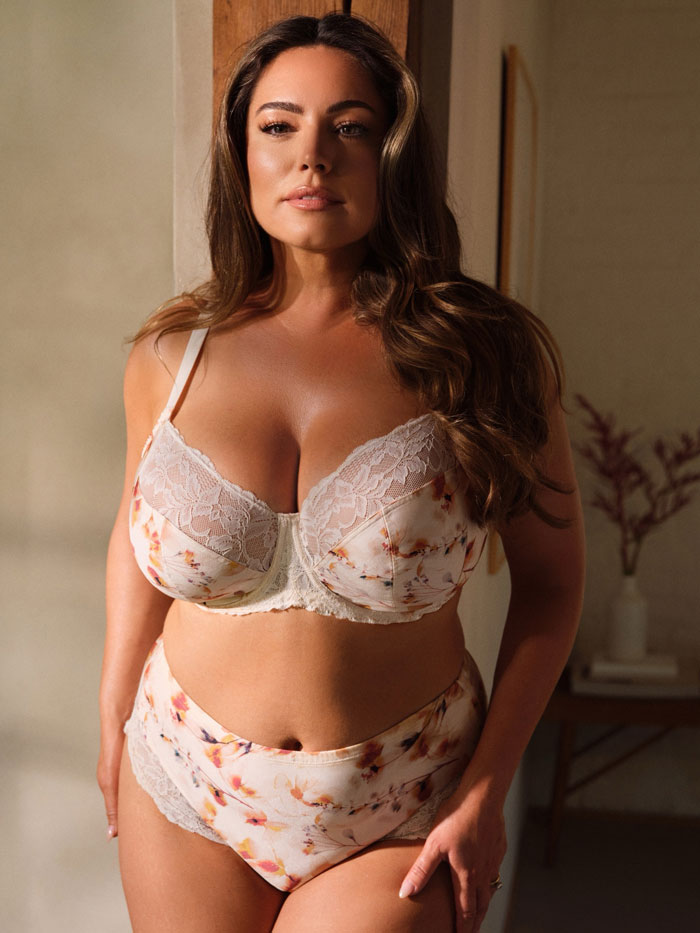
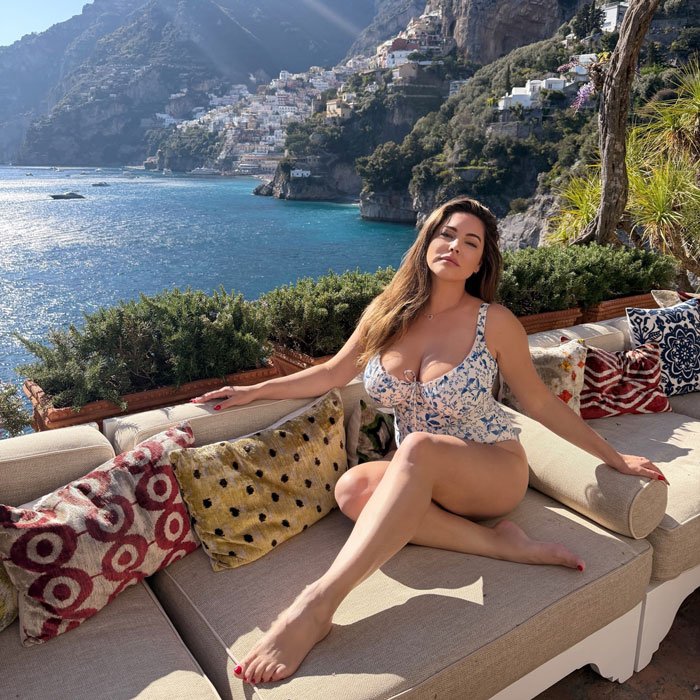
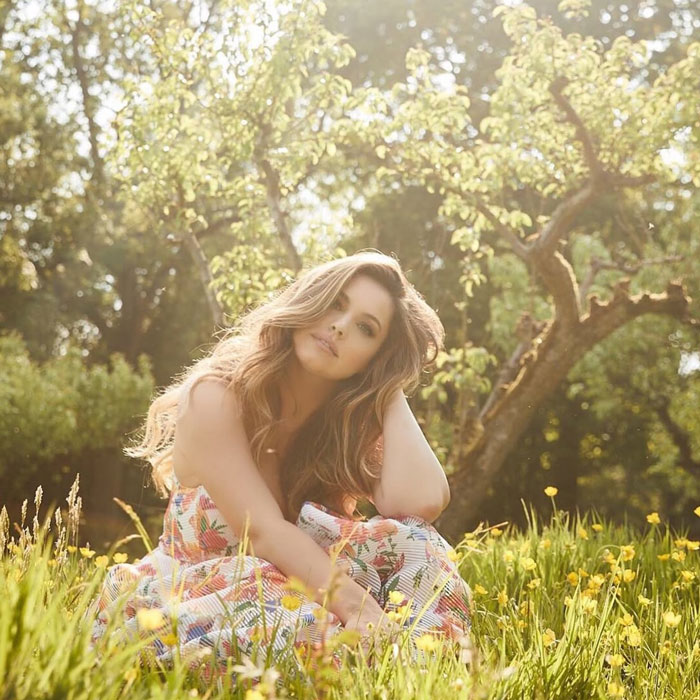
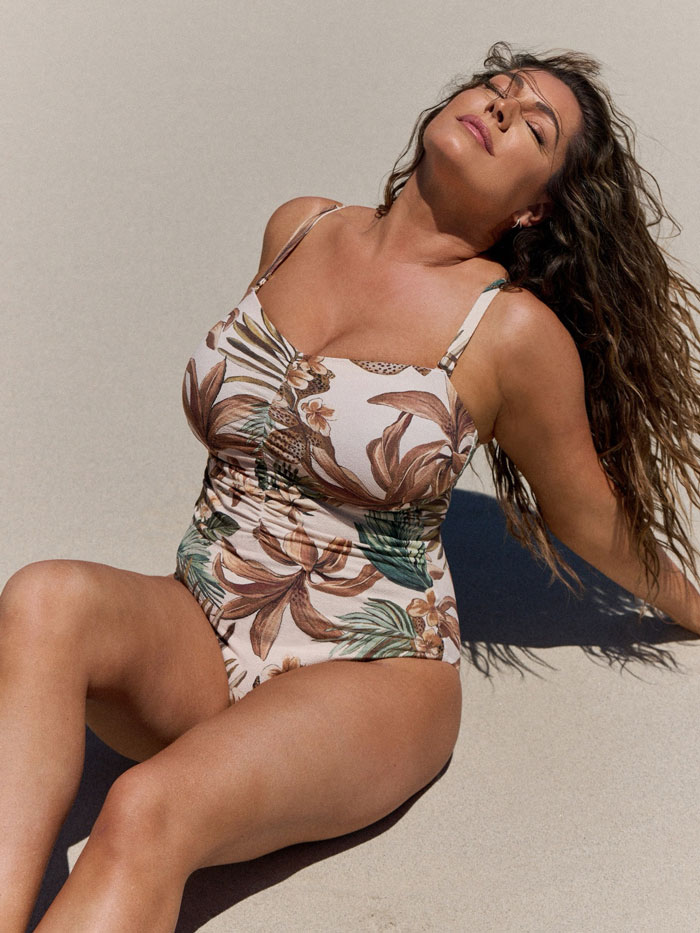
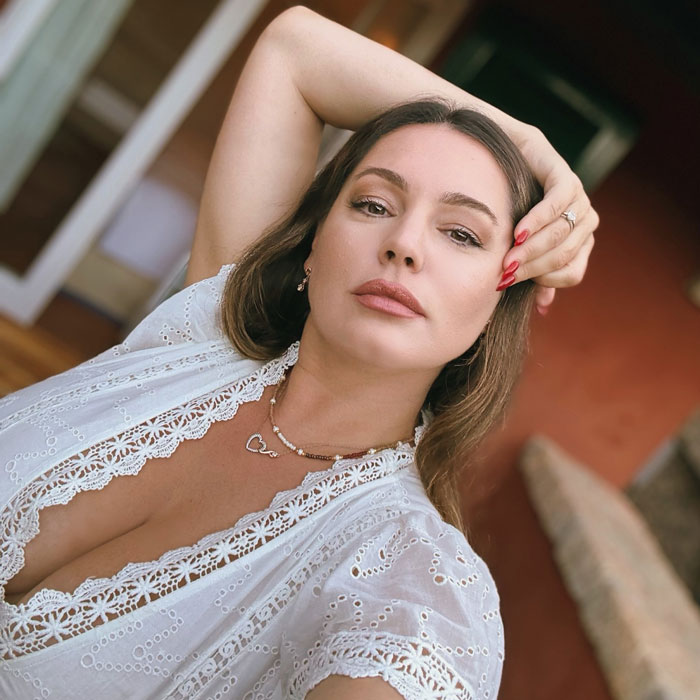
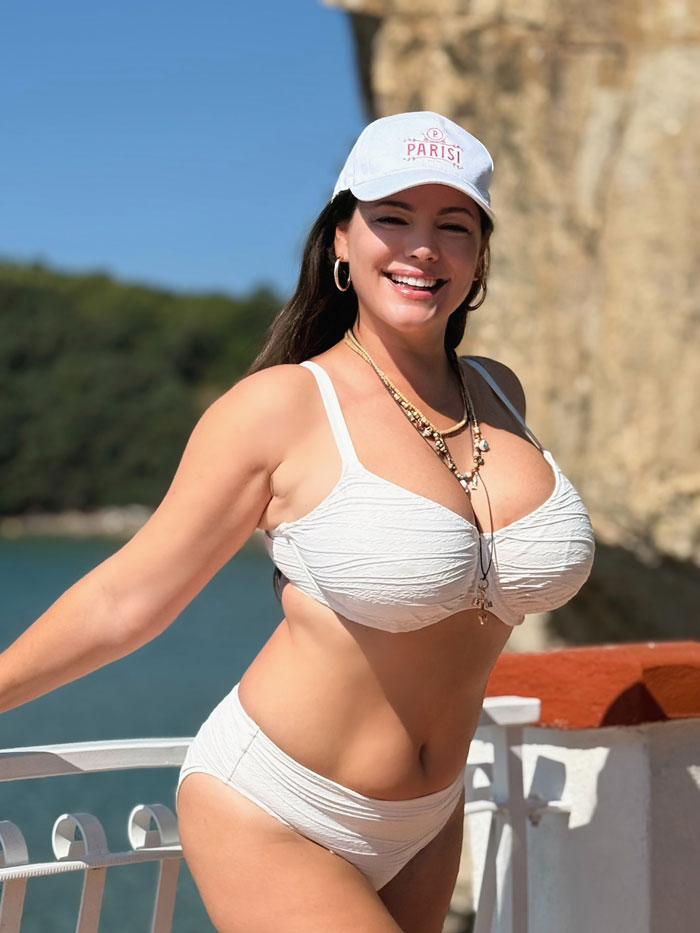
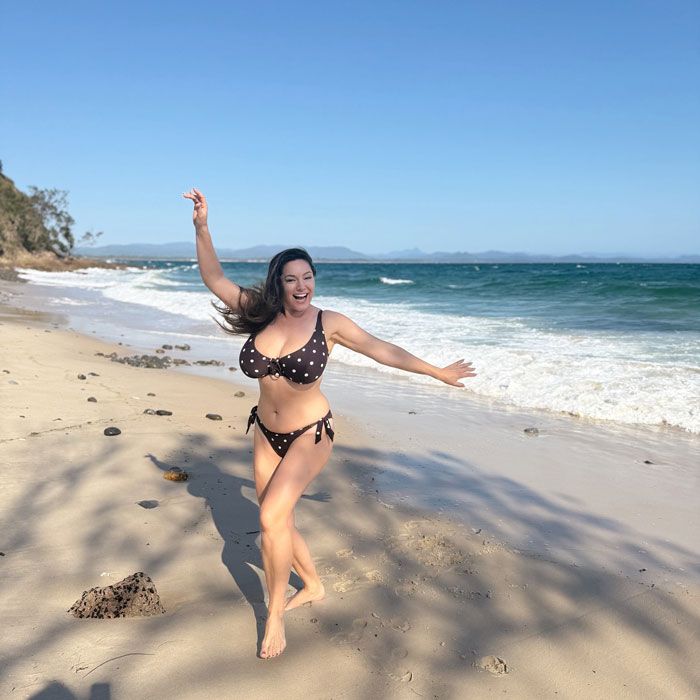
Kelly Brook knows a thing or two about changing beauty standards. The British model and television personality became well known for her figure, and later was dubbed as the ideal female body. Nearly two decades later, at 46, her story offers a chance to look at where those claims came from and why there will never be such a thing as a perfect body.
Kelly Brook, born Kelly Anne Parsons in Rochester, Kent, began modelling as a teenager after studying at the Italia Conti Academy of Theatre Arts. At 16, she landed her first advertising campaign, then built a profile through swimwear and lingerie modelling before moving into television and becoming a familiar face in Britain.
In 2005, Kelly Brook reached another peak in her modelling career when FHM readers chose her as the magazine’s most admired woman. Her curvy figure became a defining part of her public image, and years later, media reports would connect her proportions to the ideal female body.
Brook expanded beyond modelling into acting and television presenting, appearing in films including The Italian Job and Piranha 3D and hosting programmes such as The Big Breakfast and Love Island. She later moved into radio, joining Heart London’s Drivetime show in 2019, adding another long-running role to her entertainment career.
Now 46, Brook continues to attract attention for her appearance and personal life. Her participation in I’m A Celebrity… Get Me Out of Here! in 2025 brought renewed media interest, including speculation about cosmetic procedures. Brook has also spoken publicly about choosing not to have children, another subject that has prompted considerable discussion around her.
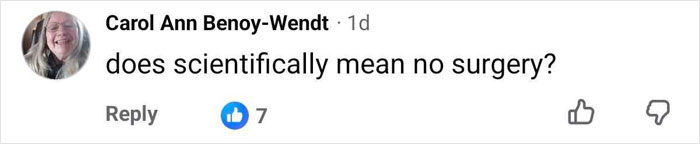
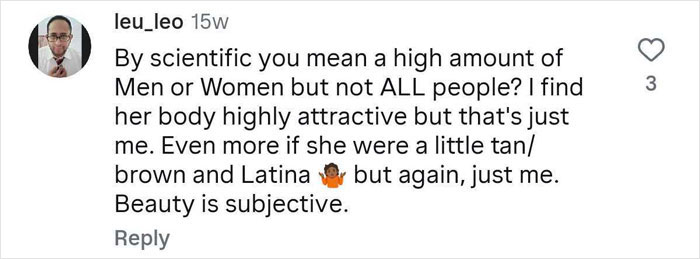
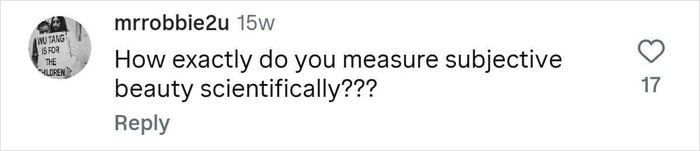
Kelly Brook became associated with the “scientifically perfect” body after media reports linked her 1.68-meter height and 99-63-91 measurements to University of Texas research. The 2015 study actually examined how lumbar curvature influenced attractiveness, finding that male participants preferred curves approaching a theoretically optimal 45.5-degree angle.
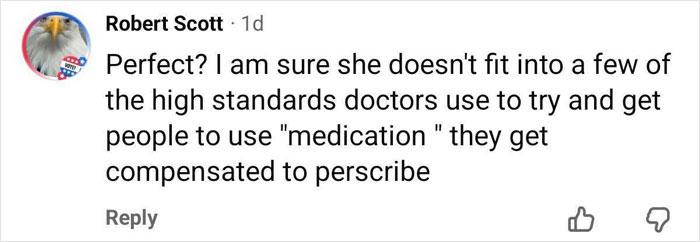
However, there is no single formula for a perfect body, because people naturally come in different shapes, sizes and proportions. Someone that fits one beauty ideal may look completely different from another. Sure, studies can identify patterns in how people rate attractiveness, but they cannot turn one body type into a universal definition of perfection. It just doesn’t work like that.
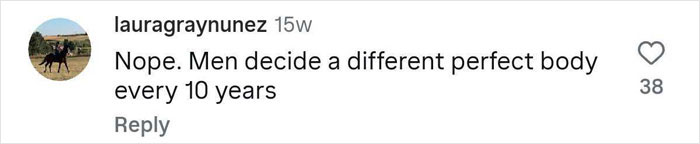
Mostly because beauty ideals have varied across history. In medieval Europe, religious attitudes often shaped how artists represented the body. During the Renaissance, classical influences brought greater attention to the nude, while portraits often emphasized pale skin, blonde hair, high foreheads and long necks as desirable feminine traits.
By the late 20th century, popular culture had created new ideals around the female body. The slender, polished look promoted by fashion, celebrities and beauty contests increasingly competed with the earlier hourglass ideal, while the 1990s brought a particularly thin silhouette into the mainstream.
Today, beauty standards can spread far beyond magazines and television through social media, where users encounter constant messages about appearance. Online trends promote different ideals at once, while the hectic circulation of edited and unrealistic images can make these standards harder to escape.
Fashion has played a major role in shaping beauty standards, and researchers have studied this for years. One analysis of over 793,000 ads, magazine covers, runway shows, and editorials found that fashion and media often promote narrow ideals. Thinness is especially common among top models in the industry.
Fashion also affects how people see their own bodies. In a study of 299 French and Italian women, those who already felt unhappy with their bodies felt even worse after seeing very thin models compared to seeing average-size models.
Social media has made it even harder to avoid beauty standards because people are always seeing content focused on looks and comparing themselves to others. A review of 83 studies with over 55,000 people found that more online comparison was linked to more worries about body image and eating disorder symptoms, and lower positive body image.
Body acceptance questions the belief that everyone should change themselves to match one beauty standard. The National Eating Disorders Association supports body diversity and reminds us that bodies naturally come in many shapes and sizes. They encourage people to stop judging themselves based on strict cultural ideas about looks.
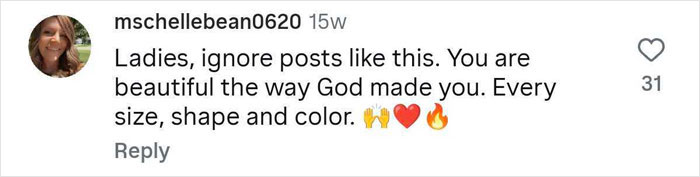
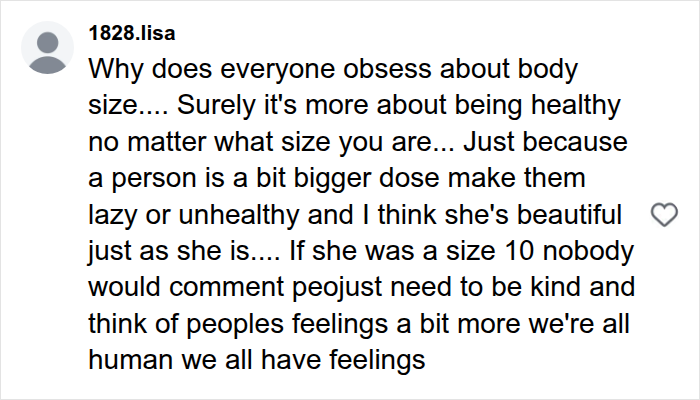
Beauty standards come from culture and do not define a person’s value. Noticing that online images are often edited, chosen carefully, or do not show reality can help people question these ideals instead of comparing themselves to them. The aim is not to find a new ‘perfect’ body, but to accept all kinds of bodies.
Kelly Brook’s story shows that the idea of the perfect body keeps changing over time. Our bodies do not have to follow constant and ever-changing rules. There is no perfect shape, only countless ways to look like ourselves.
What do you think about the changing standards of beauty? Do you think people should stop chasing an “ideal” body? Share your thoughts in the comments!
View this post on Instagram

By entering your email and clicking Subscribe, you're agreeing to let us send you customized marketing messages about us and our advertising partners. You are also agreeing to our Privacy Policy.
Thank you! You've successfully subscribed to newsletters!

I can't wrap my head around the modern fashion trend of wearing your fly splayed open. It just looks like you forgot. I guess in ten years we'll be seeing folks purposefully sticking a trail of toilet paper to their shoes and we can debate over whether left or right is more on trend. :)

Well positive note! We stopped hiking thongs above our pant line and switched to boxers or compression shorts which is pretty darn classy, if you ask me!
Load More Replies... Shes beautiful but in regards to beauty standards and opinions I found this to be kinda surprising. Tho im 5'7, those are my EXACT measurements. In my 36 yrs of life, never have I been called "curvy" busty, yes but imo I dont think you can be called "curvy" with a 25 in waist and a size 2 jeans. As a queer woman, if you get my hopes up telling me youre "curvy"...then go buy a size 4 jeans at American Eagle- im gonna be a bit disappointed 😆
I can't wrap my head around the modern fashion trend of wearing your fly splayed open. It just looks like you forgot. I guess in ten years we'll be seeing folks purposefully sticking a trail of toilet paper to their shoes and we can debate over whether left or right is more on trend. :)
Well positive note! We stopped hiking thongs above our pant line and switched to boxers or compression shorts which is pretty darn classy, if you ask me!
Load More Replies... Shes beautiful but in regards to beauty standards and opinions I found this to be kinda surprising. Tho im 5'7, those are my EXACT measurements. In my 36 yrs of life, never have I been called "curvy" busty, yes but imo I dont think you can be called "curvy" with a 25 in waist and a size 2 jeans. As a queer woman, if you get my hopes up telling me youre "curvy"...then go buy a size 4 jeans at American Eagle- im gonna be a bit disappointed 😆












 No fees, cancel anytime



















20
3