Get Premium
Dark mode theme is available exclusively for premium users. Learn more about the benefits of subscribing.
No fees, cancel anytime.

 Dark Mode Ad-Free Browsing Unlimited Content
 Ad-Free Browsing Unlimited Content Dark Mode
Join 1.2 million Panda readers who get the best art, memes, and fun stories every week!
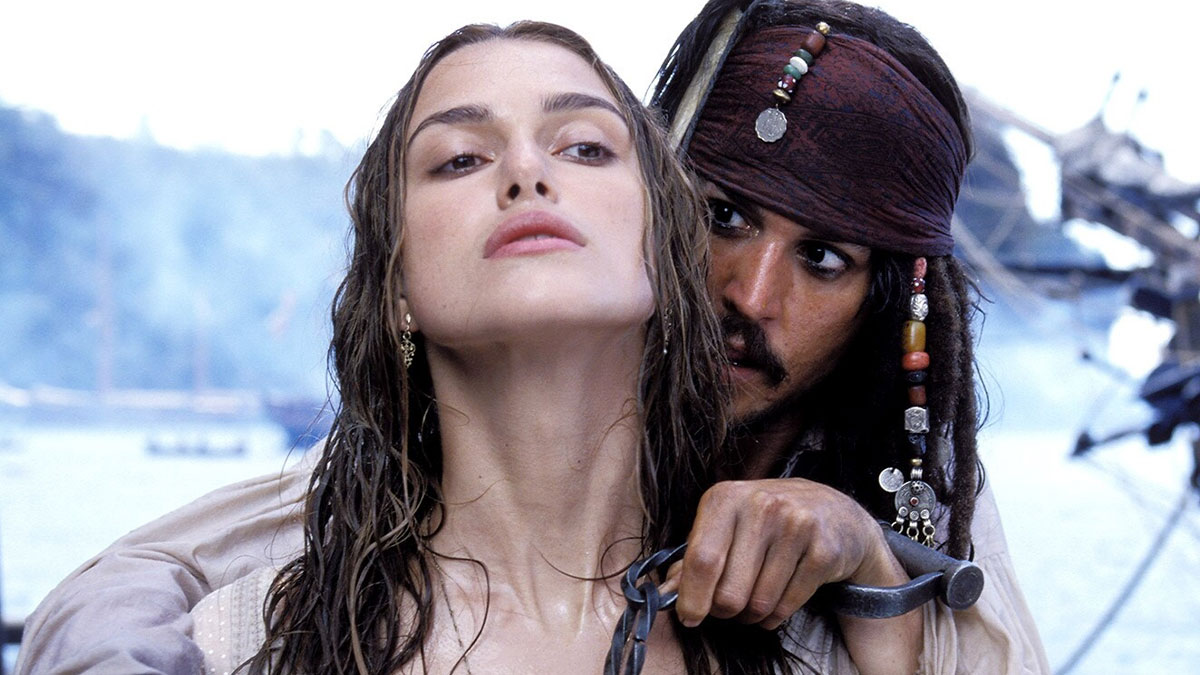
Being a teenager is already a lot. Your brain is not fully formed, your skin is doing things nobody asked for, every emotion feels like the end of the world, and every mistake feels permanent. It is, by design, one of the most disorienting periods of a human life. Now imagine doing all of that while the entire planet is watching…
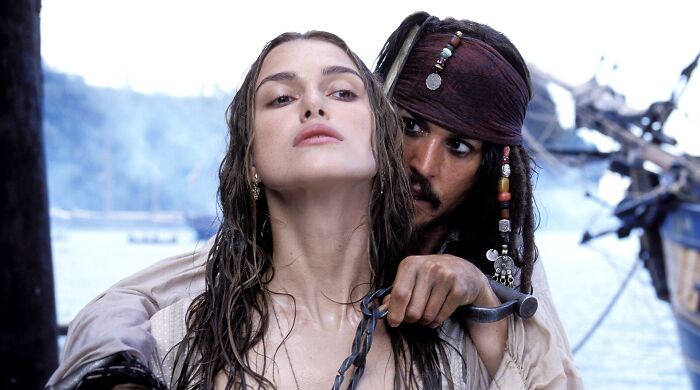
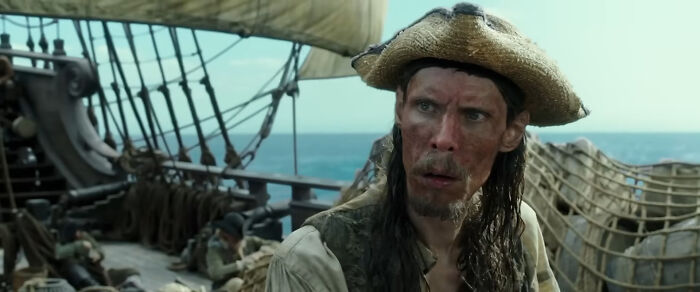
Keira Knightley knows exactly what that feels like. The British actress was just 17 years old when Pirates of the Caribbean turned her into one of the most recognizable faces on Earth overnight. This is a level of fame that most adults would struggle to process, let alone a teenager still figuring out who she was. In a candid interview, Knightley got remarkably honest about it all.
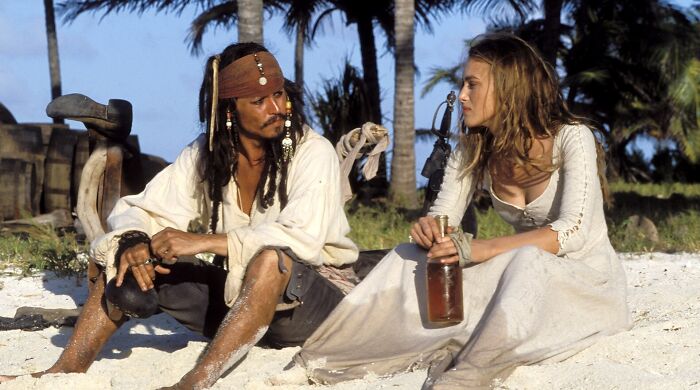
Image credits: Rotten Tomatoes Classic Trailers / YouTube
Knightley opened up about her experience in an interview with Variety, and she did not sugarcoat a single word of it. Speaking about the overnight fame that followed Pirates of the Caribbean, she was direct: “I found it pretty horrific. I’m not an extrovert, so I found that level of scrutiny and that level of fame really hard.”
It is easy to forget she was only 17 at the time of the film’s release. “It was an age where you are becoming, you haven’t become, and you need to make mistakes,” she said. “It’s a very precarious age, particularly for women. You’re in some ways still a child.” But she is far from ungrateful for it all. “It was traumatic,” she said. “But it set up the rest of my career.”
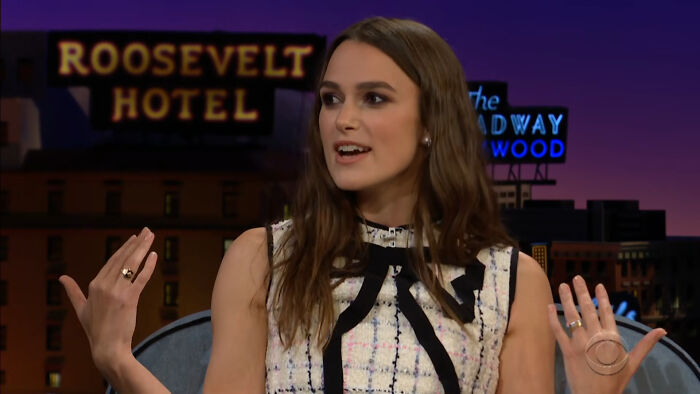
Image credits: The Late Late Show with James Corden / YouTube
By the time she was 22, the pressure had built to a breaking point. Knightley suffered a full mental breakdown and was subsequently diagnosed with post-traumatic stress disorder. She was forced to take an entire year off. For someone who described herself as “utterly single-minded,” “so ambitious,” and “so driven,” stopping completely was not a choice she made lightly. It was the only option left.
Up to 20 paparazzi at a time would follow her, baiting her for a reaction. Leaving the house became, in her own words, “a sense of battle” every single day. At one point, she did not leave the house for three months. She had to undergo hypnotherapy just to be able to attend the BAFTAs in 2008 without having a panic attack.
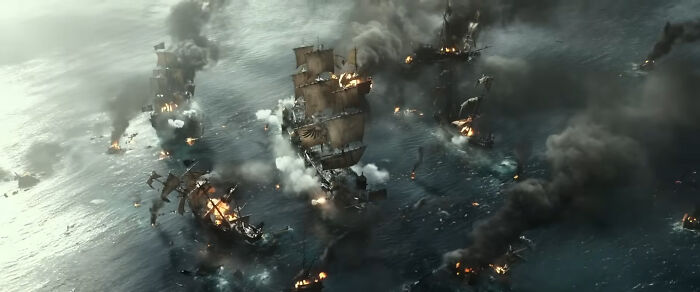
Image credits: Rotten Tomatoes Trailers / YouTube
“If you weren’t breaking down in front of them, then it was worth their while to make you break down in front of them,” she said. “So suddenly there was a level of violence, it felt, in the air. That is not a thing that anybody would react to well.” What makes it all the more painful is that this was happening at the peak of what looked, from the outside, like an unstoppable career.
Bend It Like Beckham. Pirates of the Caribbean. Love Actually. A Best Actress Oscar nomination for Pride and Prejudice. Hit after hit after hit. “From the outside you’re like, ‘Woah, that was hit after hit after hit!'” she told the Hollywood Reporter Awards Chatter podcast. “But from the inside, all you’re hearing is the criticism, really.”
Image credits: Rotten Tomatoes Classic Trailers / YouTube
Despite the nominations and the box office numbers, Knightley said she “literally felt worthless.” During her year off, she went, as she put it, “deep into therapy.” When she returned to work in 2010, something had shifted. She felt good. And for the first time, she genuinely did not care what anyone else thought.
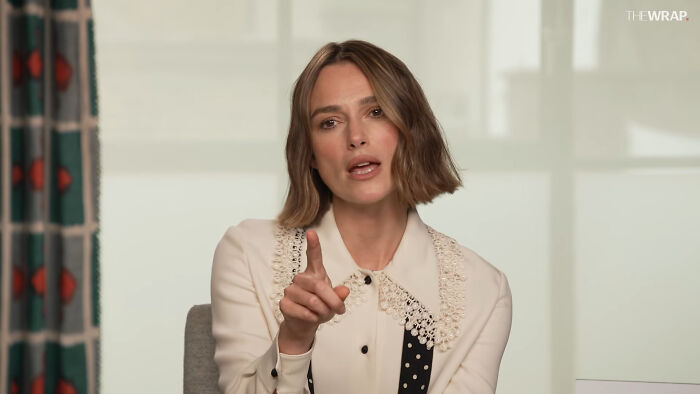
Image credits: TheWrap / YouTube
Image credits: Rotten Tomatoes Trailers / YouTube
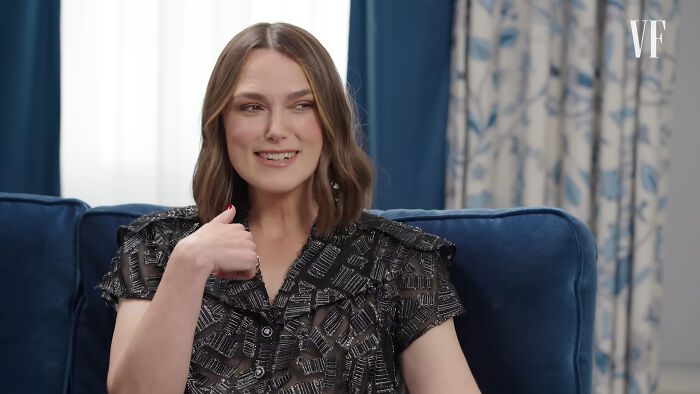
Knightley’s feelings about her own daughter potentially following in her footsteps say everything about how she truly processes those years. “I really, really, really hope she doesn’t get into acting,” she said. Three reallys, which is the polite British version of absolutely not. Her preference? “I hope she’s going to be an environmental lawyer or something spectacular.”
And in the same breath, she was careful to add that she would ultimately be supportive of whatever her daughter chose to pursue. But the instinct was clear. A woman who lost her youth to fame does not look at her child and think, yes, I hope she gets a taste of this. The therapy worked. The career survived. But some lessons, you just do not wish on the people you love most.
Image credits: Vanity Fair / YouTube
Knightley’s candor is striking, but it is part of a broader and increasingly open conversation that celebrities have been having about the damage that public life can do to a person’s mental health. Britney Spears’ very public unraveling in 2007 became one of the most discussed cases of fame-induced breakdown, one that the world largely watched and monetized in real time.
Prince Harry has spoken extensively about the PTSD he developed following his mother’s fate and the years of media intrusion that followed, eventually leaving the royal family entirely in search of something quieter. Selena Gomez also stepped away from music at the height of her career to check into a mental health facility, citing anxiety, panic attacks and depression.
Naomi Osaka withdrew from the French Open in 2021 to protect her mental health, sparking a global conversation about the pressure placed on athletes and public figures to perform wellness alongside everything else. And the GOAT, Simone Biles, walked away from the Olympic floor mid-competition in Tokyo that same year, choosing herself over the gold medal.
What connects all of them is that fame, at scale, without support, is a truly dangerous thing. And the people who come out the other side and talk about it are doing everyone who comes after them a significant favor.
Do you think you could handle the pressures of fame, or is it simply part of the deal? Share your thoughts in the comments!

By entering your email and clicking Subscribe, you're agreeing to let us send you customized marketing messages about us and our advertising partners. You are also agreeing to our Privacy Policy.
Thank you! You've successfully subscribed to newsletters!

Paparazzi are one of the most worthless forms of life on planet earth. They are garbage human beings with no soul. You should be able to shoor them for harassing you IMO. Just vermin.


So rich people have no rights to be depressed or to have privacy?! You sound like you don't have a lot of empathy once you know someone's bank balance, that's pretty weak.
Load More Replies... Paparazzi are one of the most worthless forms of life on planet earth. They are garbage human beings with no soul. You should be able to shoor them for harassing you IMO. Just vermin.
So rich people have no rights to be depressed or to have privacy?! You sound like you don't have a lot of empathy once you know someone's bank balance, that's pretty weak.
Load More Replies...










 No fees, cancel anytime










24
6