Get Premium
Dark mode theme is available exclusively for premium users. Learn more about the benefits of subscribing.
No fees, cancel anytime.

 Dark Mode Ad-Free Browsing Unlimited Content
 Ad-Free Browsing Unlimited Content Dark Mode
Join 1.2 million Panda readers who get the best art, memes, and fun stories every week!
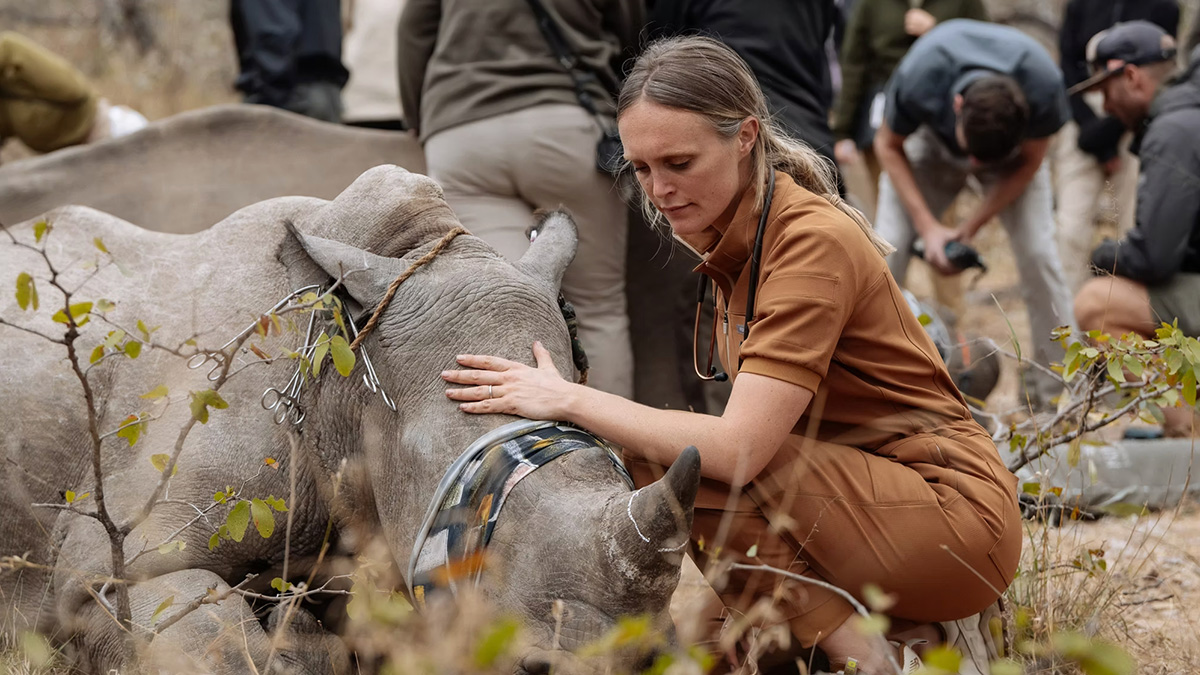
Most people picture a vet cuddling puppies in a clinic. But out in the wild? My work has involved sedating rhinos from helicopters, dodging revenge plots from darted chimps, and fixing butterfly wings with tweezers and glue.
I’m an Australian wildlife veterinarian who’s spent the past decade working everywhere from African savannahs to the rainforests of Central America. And I’ve learned that wildlife medicine is full of moments that sound completely unbelievable — until you’re the one doing them.
Here are ten of the wildest, weirdest, and most unexpectedly meaningful parts of my job.
More info: jungledoctor.org | Instagram | youtube.com
This post may include affiliate links.
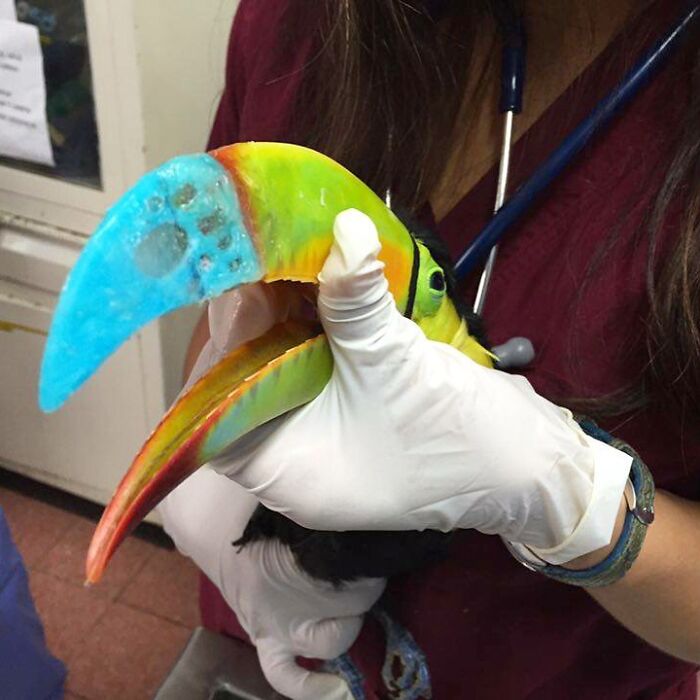
Wildlife prosthetics have transformed the lives of countless animals: toucans with 3D-printed beaks, elephants with prosthetic legs after landmine injuries, turtles with custom-designed flippers.
These devices often mean the difference between lifelong suffering, euthanasia, or a return to the wild — and the engineering behind them is nothing short of incredible.
Working as a wildlife vet means thinking on your feet, inventing solutions on the fly, and adapting to moments that make you laugh out loud one second and swallow a lump in your throat the next. These strange stories aren’t just amusing field notes — they’re small windows into the larger, complicated world of conservation.
Every butterfly wing painstakingly mended, every rhino guided safely across a landscape, every chimp treated without fear or force becomes part of a much broader effort to safeguard the planet’s most vulnerable species.
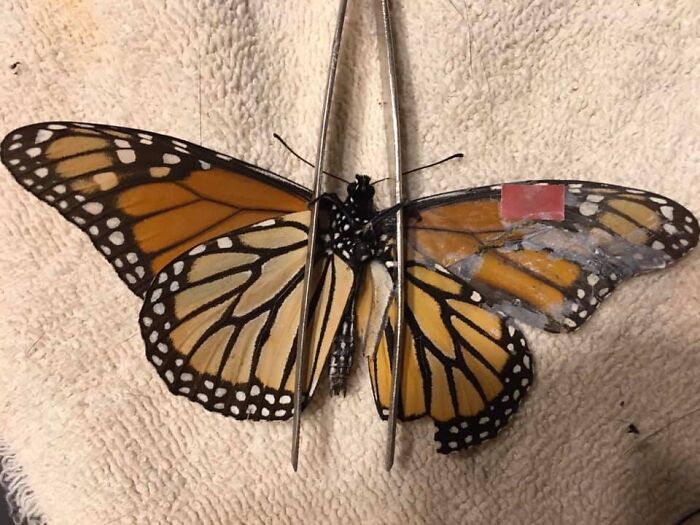
A torn butterfly wing might look like the end of the road — but with patience, magnification, and the tiniest dab of glue, you can repair it. These delicate surgeries help injured butterflies continue pollinating and doing their vital ecological work.
It’s fiddly, joyful, and one of the gentlest things you can possibly imagine doing as a vet.

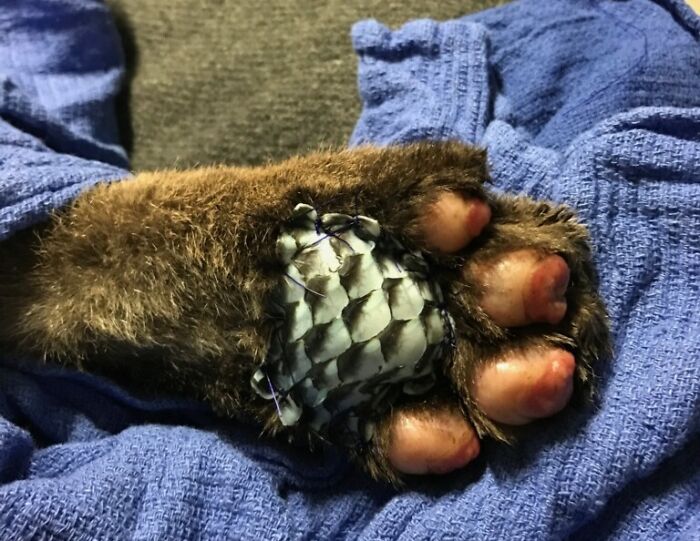
Fish skin, especially from species like tilapia, is full of collagen and makes an incredible natural bandage for burns and severe wounds. I’ve used it on everything from sloths to koalas.
It’s wild, yes, but it works. The collagen encourages healing, offers protection, and even reduces pain. Nature helping nature.
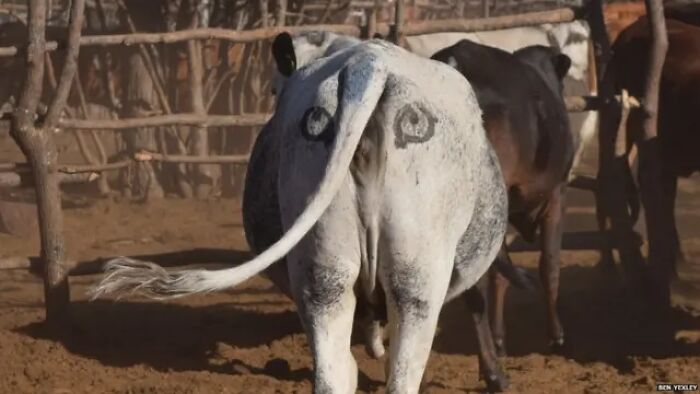
In parts of Africa, painting large eyes on the backsides of cattle helps deter lions. If a lion thinks it’s been spotted, it’s far less likely to attack.
This simple trick dramatically reduces livestock losses and prevents retaliatory killings of lions. It’s low-tech conservation at its cleverest.

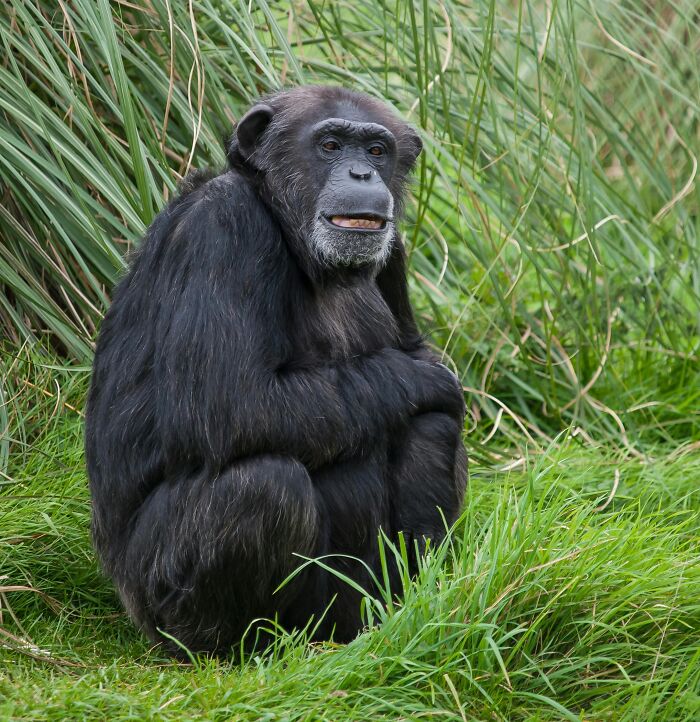
Chimps are brilliant, emotional, and absolutely capable of holding grudges. If a chimp recognises the vet who darted them last month, they won’t forget — and they’re notorious for throwing the dart right back at you with frighteningly good aim.
To avoid retribution, vets sometimes wear disguises or use a medication at the start of a procedure that blocks memory formation. It’s part medicine, part Mission Impossible… and all necessary.
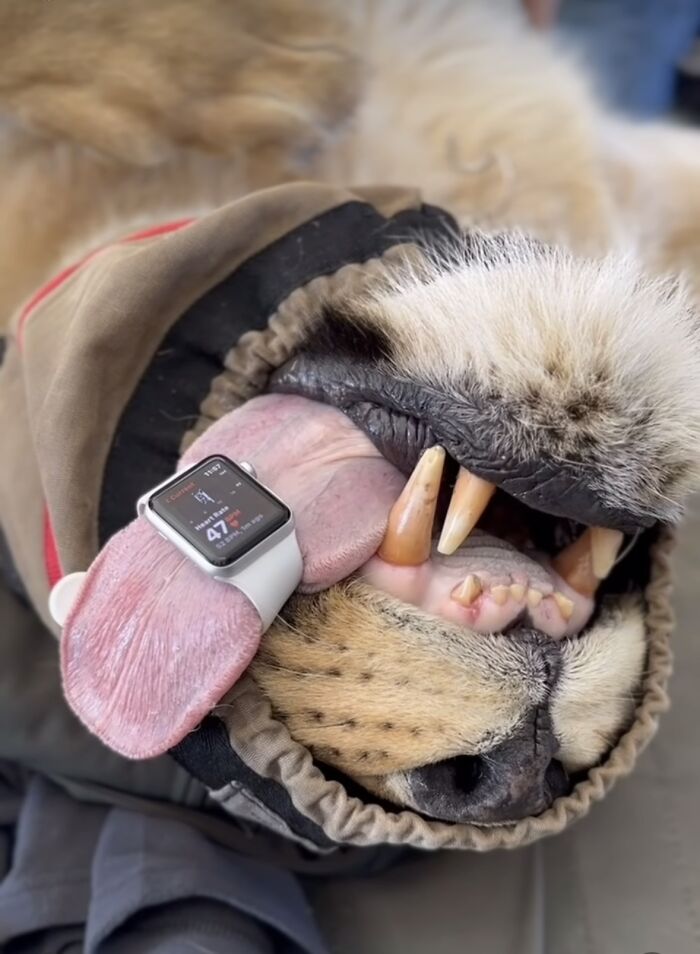
High-tech monitors don’t always make it into the field. But you know what does? A vet’s Apple Watch.
We strap them onto a chimp’s arm, hold them against a crocodile’s chest, or rest them on a lion’s tongue under anaesthesia. They pick up heart rate and oxygen levels surprisingly well — and can be the difference between guessing and knowing what’s going on inside a very large, very asleep animal.
Yes, really. Jaguars, leopards, and other big cats go wild for Calvin Klein’s Obsession for Men. Researchers spray it onto vegetation to lure cats toward camera traps or into safe research enclosures.
It’s quirky, but it helps conservationists track endangered cats, monitor their health, and protect the habitats they need to survive (and if you’re on safari, maybe skip wearing it).
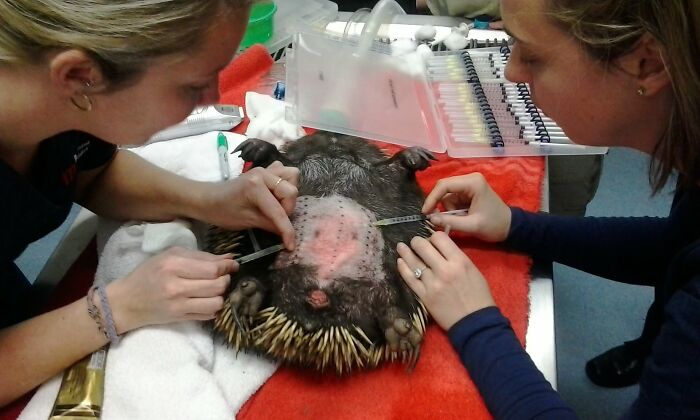
Echidnas are obsessed with ants. They’re basically walking, spiky vacuum cleaners. So imagine the shock when Matilda, an echidna at Melbourne Zoo, turned out to be allergic to them.
After months of allergy injections (and a very patient care team), she was able to enjoy her favourite snack again — hive-free.

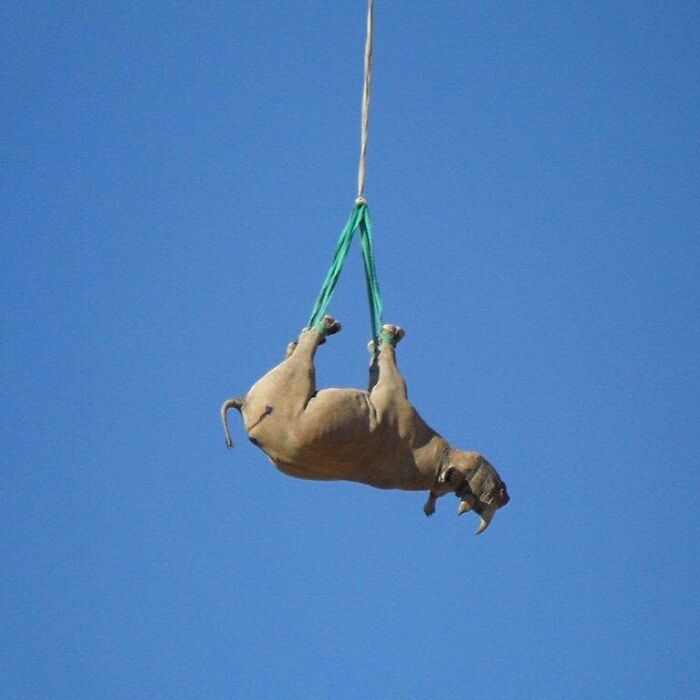
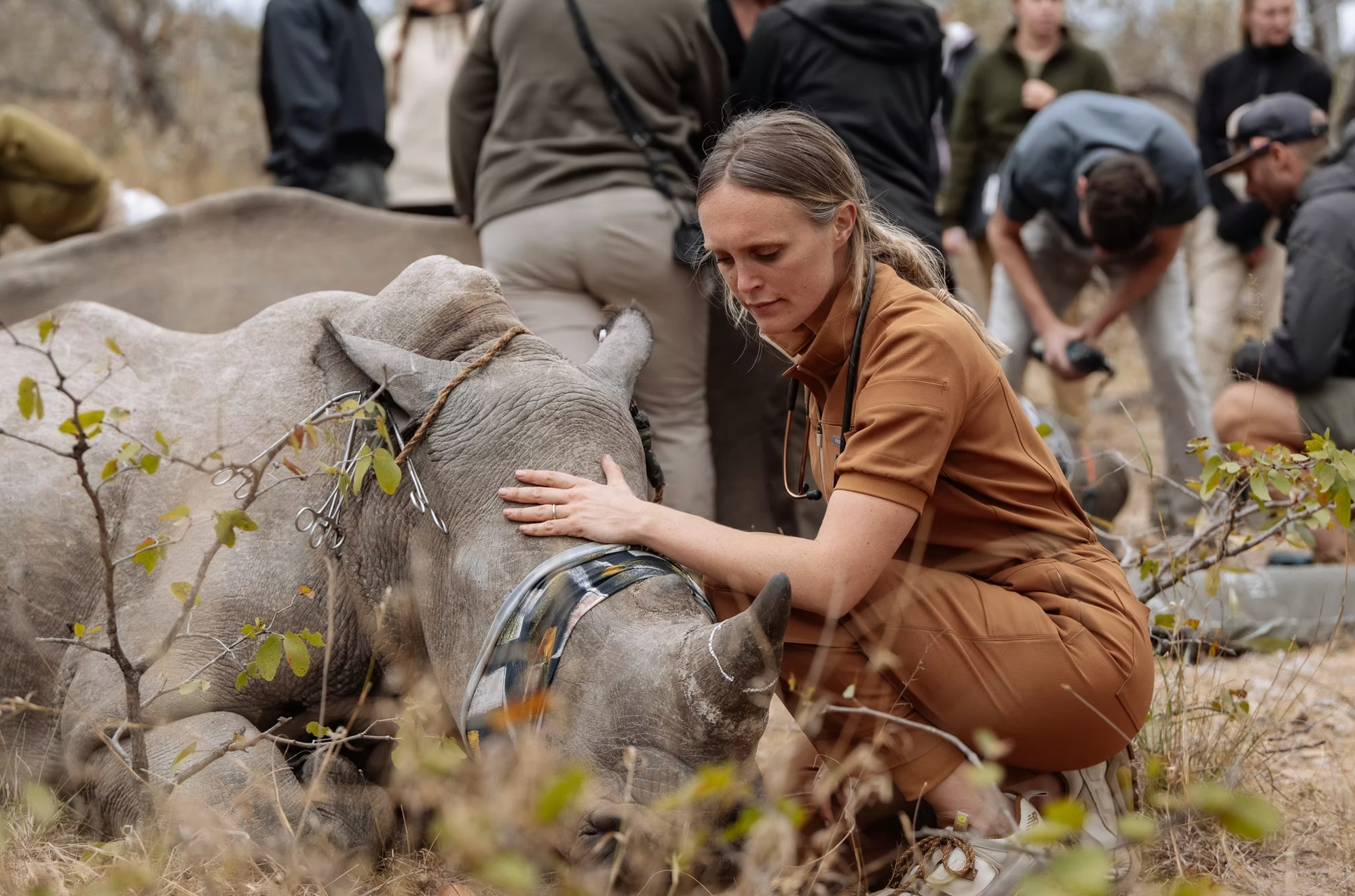
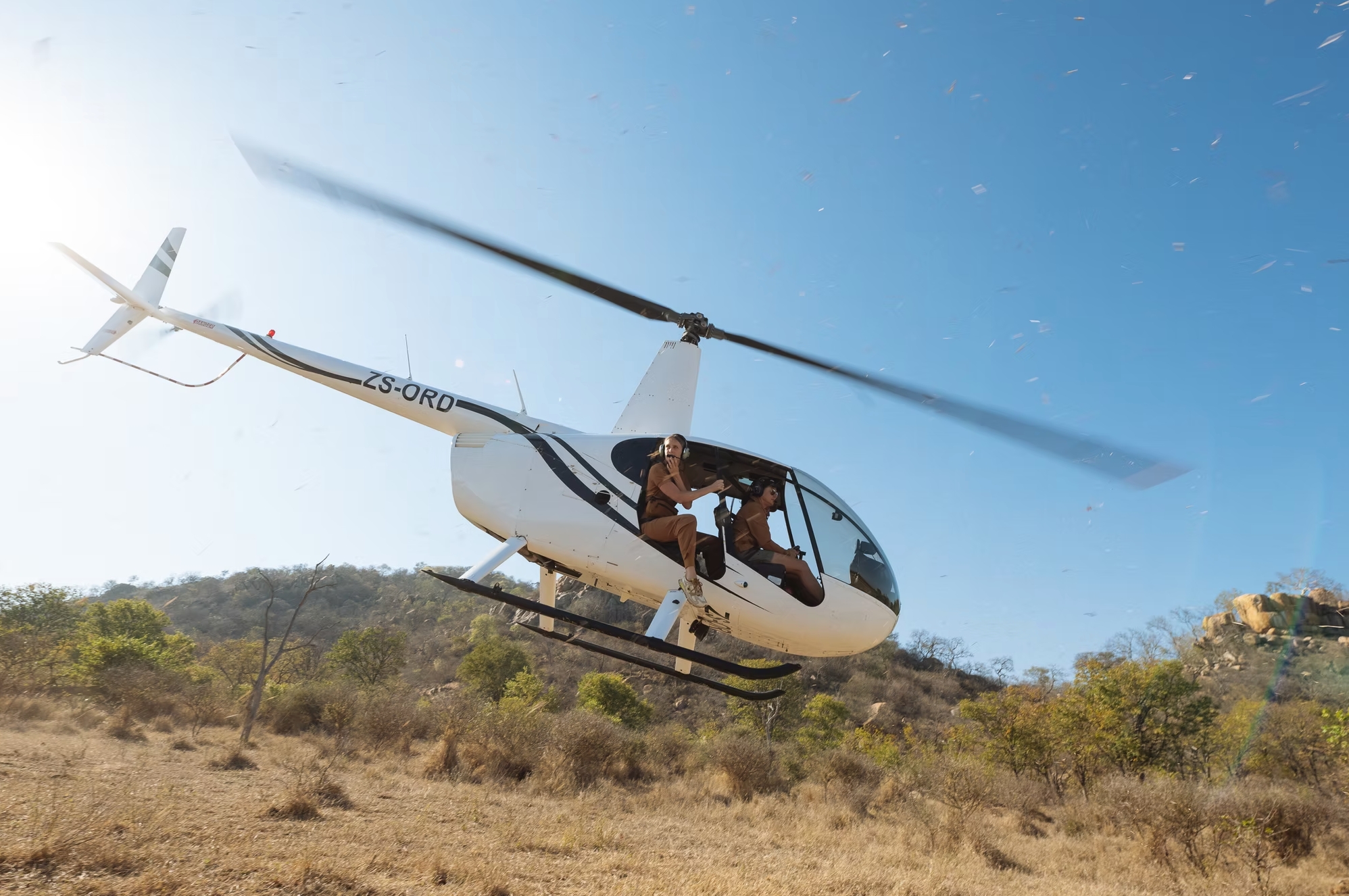
When your patient weighs more than a car and needs relocating across rugged terrain, sometimes the safest option is a literal airlift. After sedation, the rhino is carefully slung beneath a helicopter and flown to safety or to a new reserve.
Beyond looking like an action scene from a movie, these airlifts can be life-saving — helping protect rhinos from poaching hotspots and supporting critical genetic diversity.

From WWF: "As the opioid used reduces the rhinos' blood oxygen levels, it's all the more crucial to determine which flight position is best for breathing. Before settling on the upside-down position, Radcliffe and his fellow researchers tried laying the flying rhinos on boards tethered to the helicopter, which wasn't aerodynamic as the board caused excess swaying in mid-air, says Radcliffe. Then, his team tested rhinos in nets, which "aerodynamically worked a bit better, but still wasn't ideal". The net's positioning compromised the rhino's breathing. Plus, the net's metal frame added considerable weight and required even more ground personnel to place the rhinos into the net, "which defeated the purpose of having a quick and efficient transport method", explained Radcliffe."
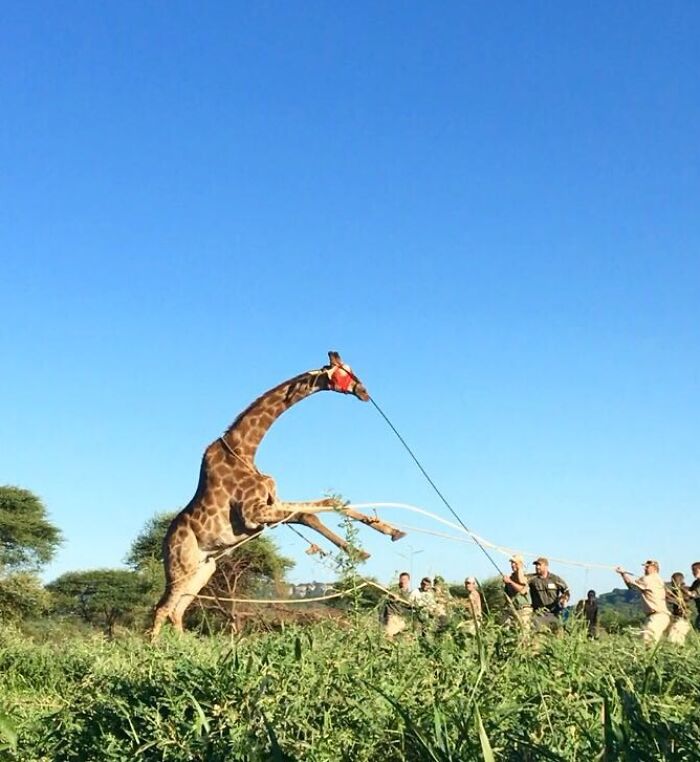
Catching giraffes in the wild is controlled chaos — and surprisingly athletic. After sedation, a trained capture team runs alongside the animal with ropes, guiding it safely to the ground. One person gently holds the giraffe’s neck still to keep it calm.
If you don’t hop off quickly enough when it stands… well, you might find yourself briefly airborne, like one unfortunate colleague of mine. (He was fine — and he still hasn’t lived it down.)

For all those asking why you have to do this in quite an accusatory tone, I don't know the answer, but d**n sure it would have to be good reason to go to all of that trouble.
And somewhere between the chaos and the quiet — the mud-slick rescues, the improvised disguises, the last-minute engineering miracles, and the occasional colleague who becomes briefly airborne — I’m reminded why this work matters so fiercely.
It keeps animals alive.
It keeps ecosystems breathing.
It keeps our connection to the living world rooted, urgent, and real.
And honestly? I wouldn’t trade it for anything.

All of these made me happy. Thank you for doing what you do. It must be such a rewarding career. I hope for the Giraffe guys birthday, you commission a cake with a Giraffe on it yelling saying "Yeet!"

All of these made me happy. Thank you for doing what you do. It must be such a rewarding career. I hope for the Giraffe guys birthday, you commission a cake with a Giraffe on it yelling saying "Yeet!"







 No fees, cancel anytime