50 Interesting Pics That Show That “Nature Was Metal” Thousands And Millions Of Years Ago (New Pics)
Interview With ExpertThe history of the Earth spans about 4.5 billion years, during which countless creatures have appeared and gone extinct thanks to evolution. The only evidence we have that they existed is their remains, such as bones, teeth, and footprints, among other things. Many of them are shared on the ‘Nature Was Metal’ community, where curious minds gather to get a look at how different our planet was long before humans came into existence.
We can bet our dear Pandas are curious too, so we compiled a list of the most fascinating photos and illustrations of creatures that became extinct millions of years ago. Scroll down to check them out for yourself, and don’t forget to upvote the ones you can’t believe are real.
While you're at it, make sure to check out a conversation with Dr. Jingmai O'Connor, associate curator of fossil reptiles, Bethany Burke, vertebrate paleontologist and CEO of BKBONES, and Mattison Shreero, paleontologist, geologist, and science communicator at Geosplore, who kindly agreed to tell us all about extinct creatures.
This post may include affiliate links.

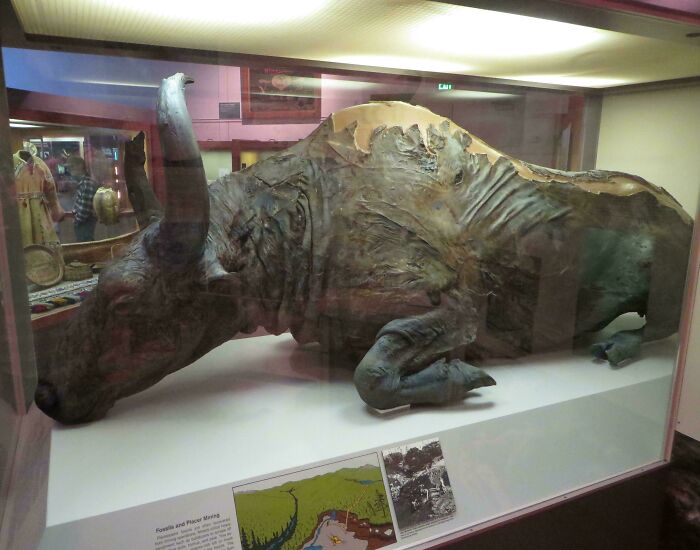
Blue Babe, A Mummified Bison Priscus (Museum Is In Alaska)
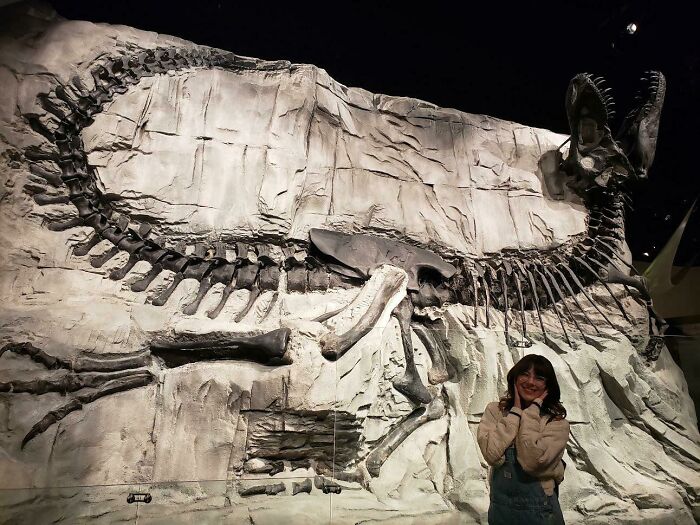
Just Saw Black Beauty - One Of The Most Complete T. Rex Skeletons Ever Found! In Classic 'Death Pose', Her Bones Are Black From A Specific Mineral Exposure During Fossilisation. Excited 5'5" Primate For Scale
The back is bent like that because of rigor mortis. I read about this fossil once and can't remember where.
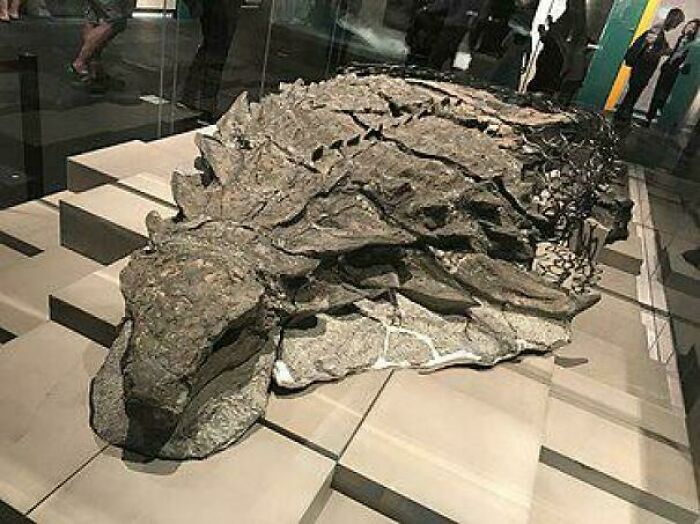
Suncor Nodosaur, One Of The Best Preserved Dinosaurs. It Even Has Some Pigmets Left
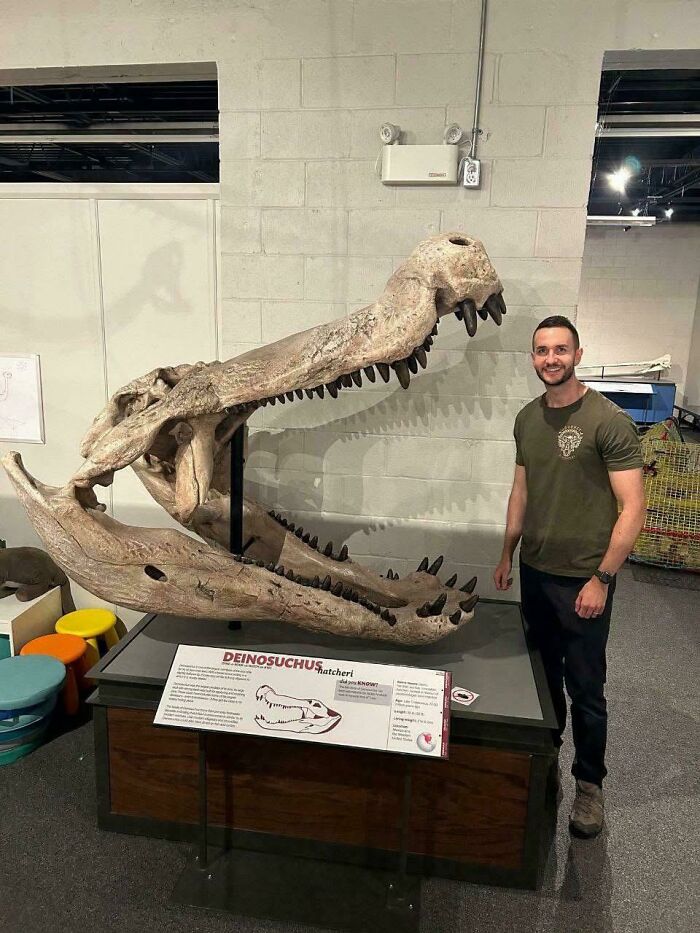
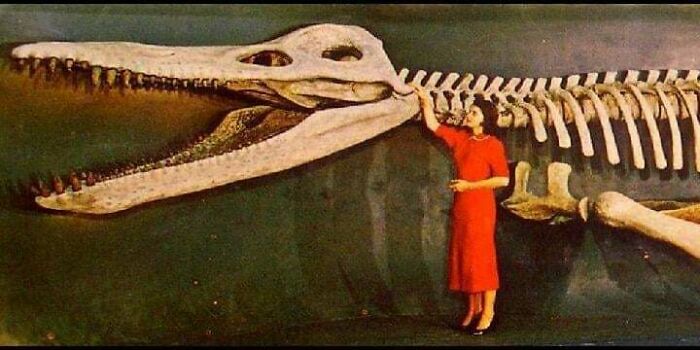
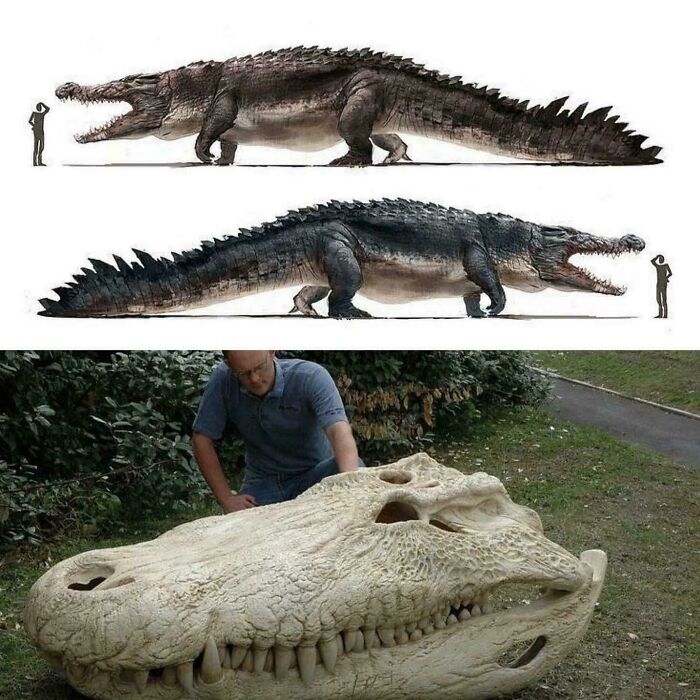
The Skull Of A Deinosuchus, Which As A Genus Are The Front-Runner To Be The Largest Known Crocodilian Of All Time
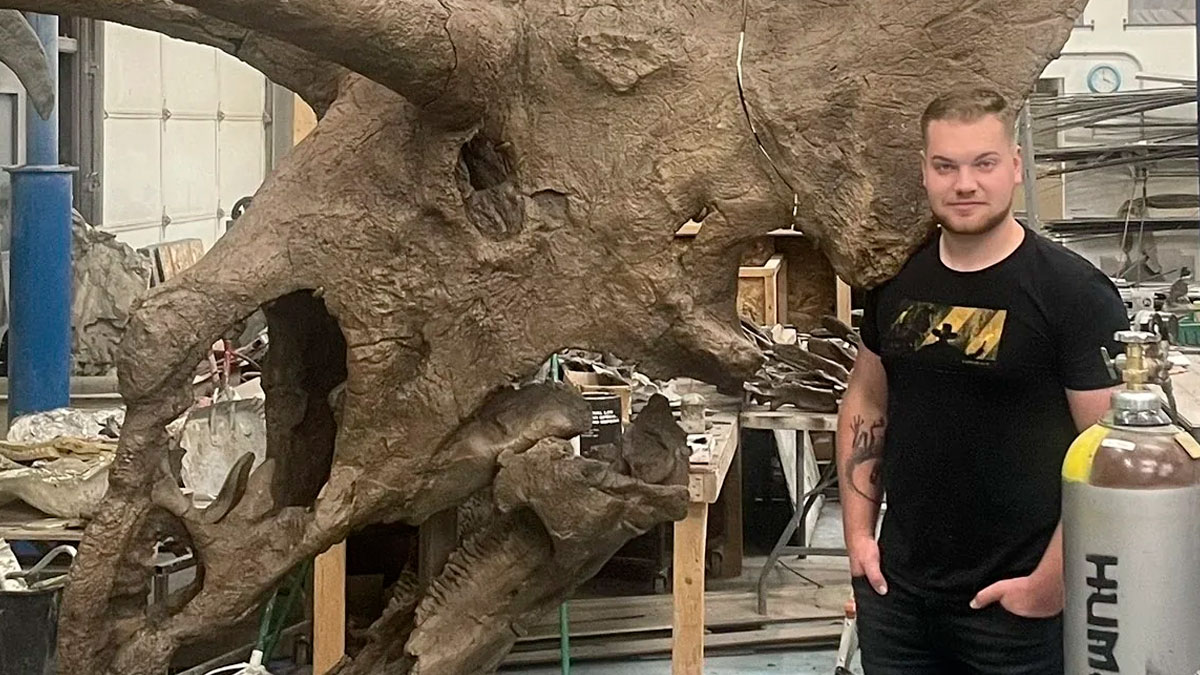
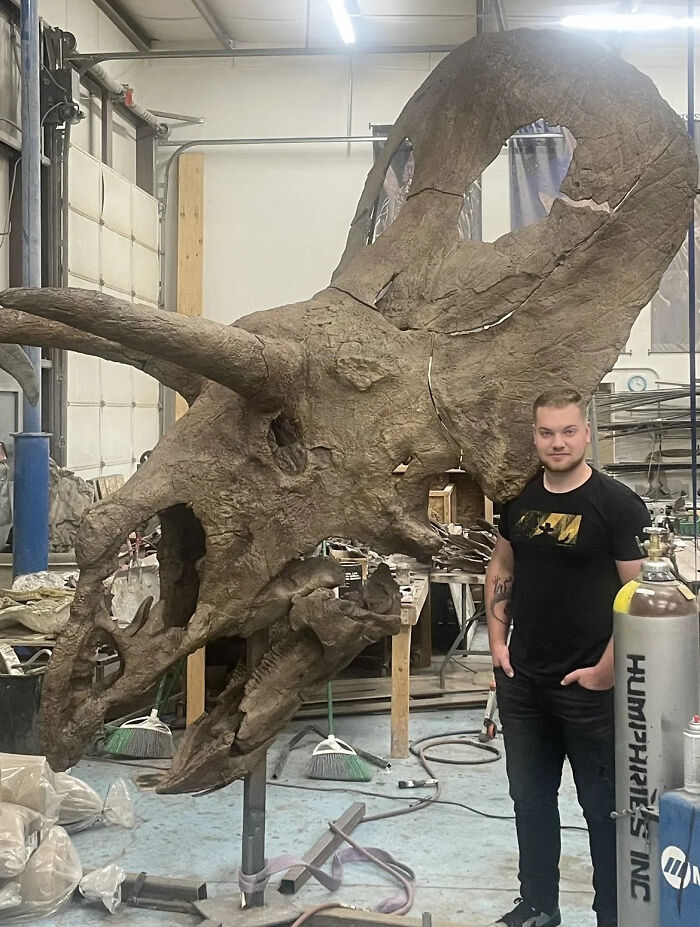
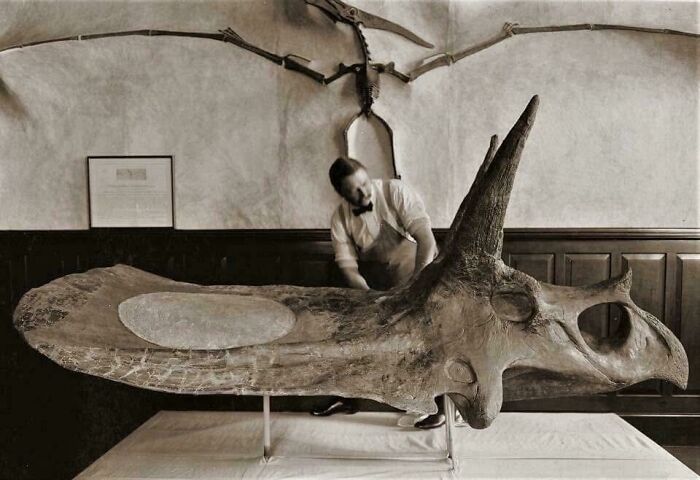
The Skull Of Torosaurus, A Late Cretaceous North American Ceratopsian
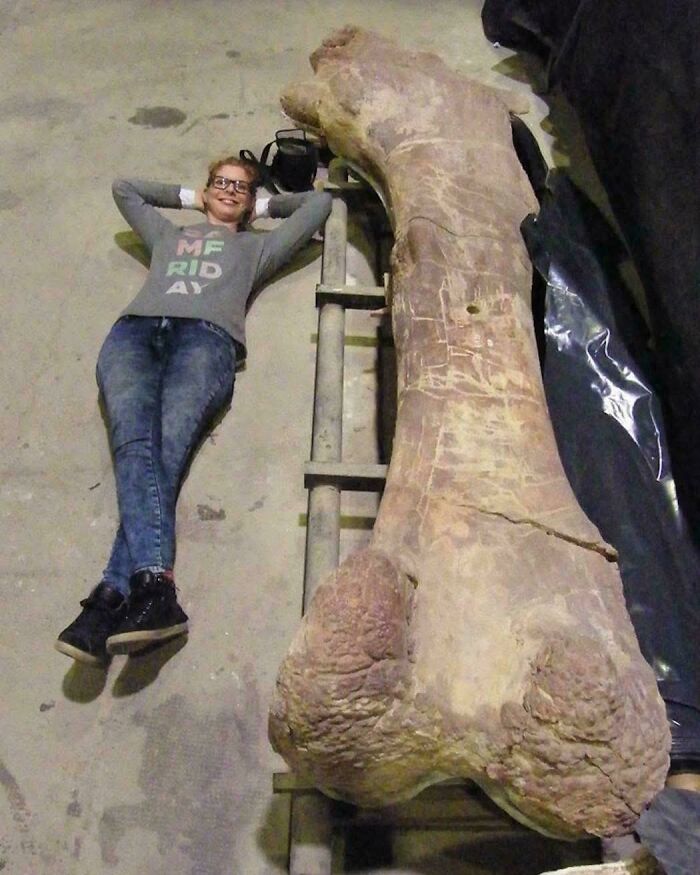
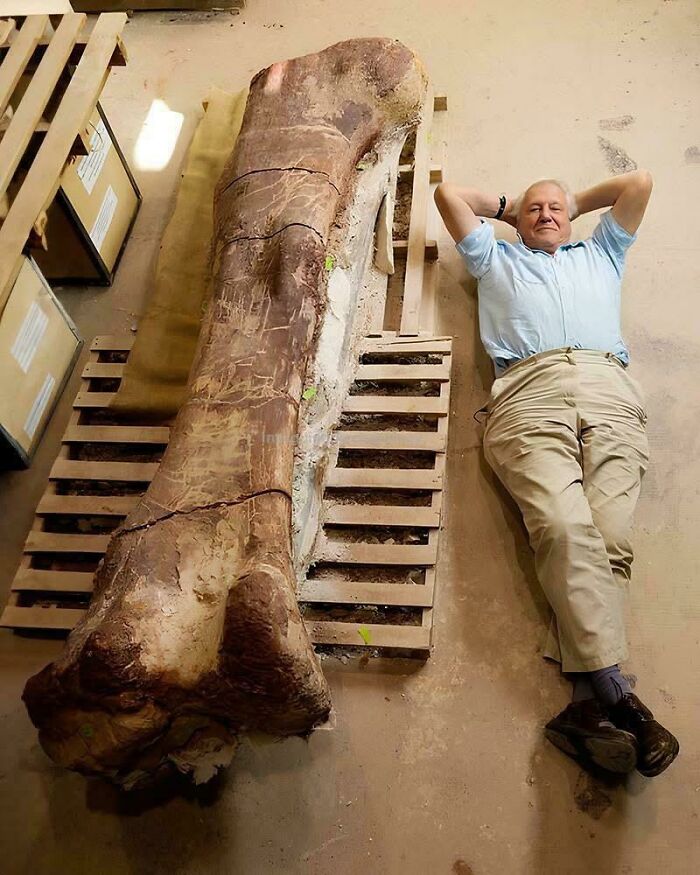
The Femur Of A Patagotitan, One Of The Biggest Dinosaurs Known To Have Existed, Next To A 1.75 M Tall Paleontologist
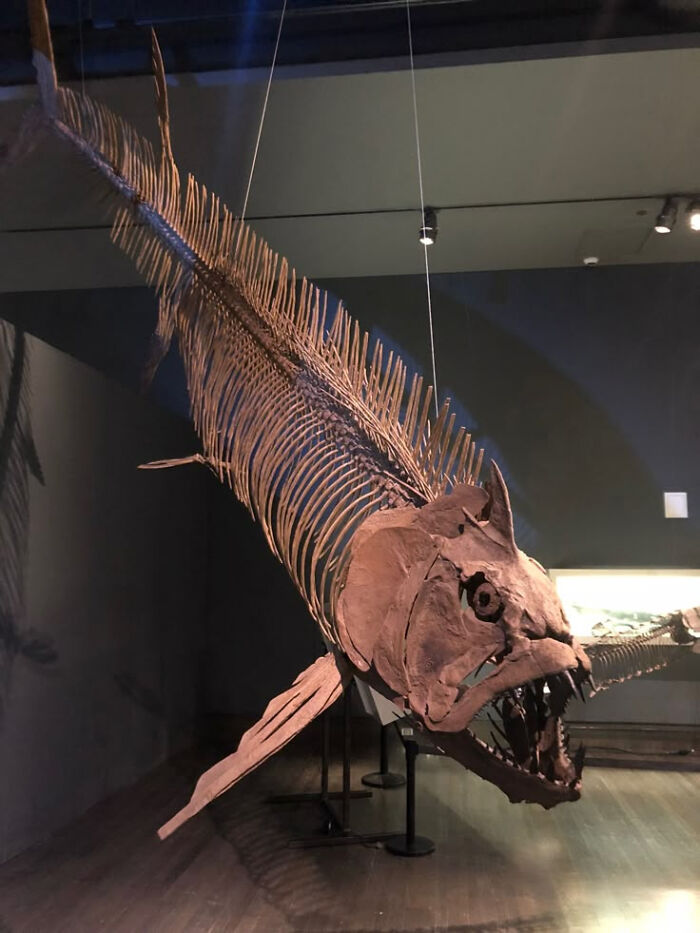
Xiphactinus, A Beautiful Specimen Of A Terrifying Sea Monster
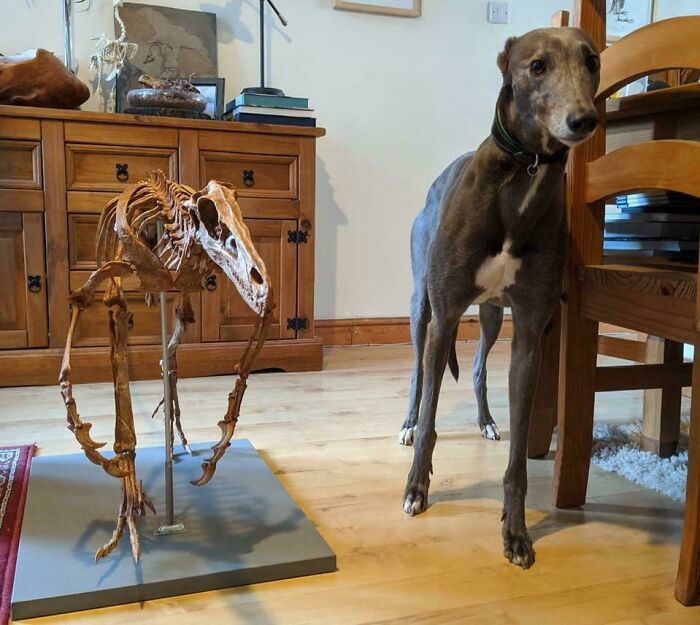
Skeletal Mount Of Velociraptor Mongoliensis Next To A 27 Kg Greyhound (Photo By Mark Witton)
Ignore Jurassic Park. They were actually not that large. We don't know if they were pack animals or not but I'd hate to run into one on a dark night.

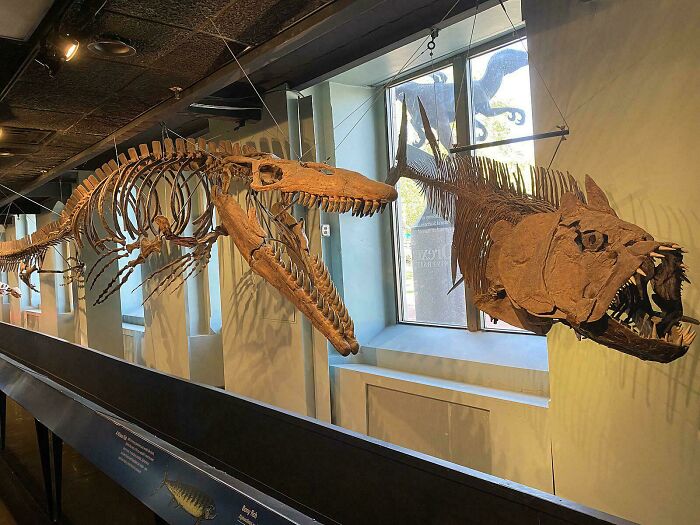
A Tylosaurus Hunting A Xiphactinus In A Long-Time Display At My Local Natural History Museum (The Academy Of Natural Sciences)
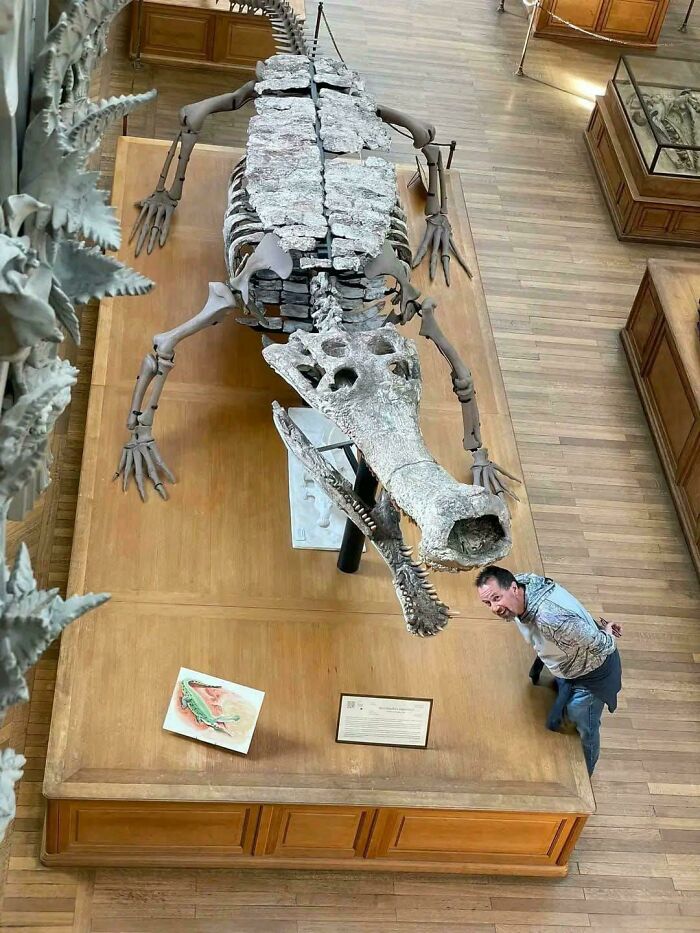
The Size Of A Sarcosuchus Mount
Dsungaripterus (Oc)
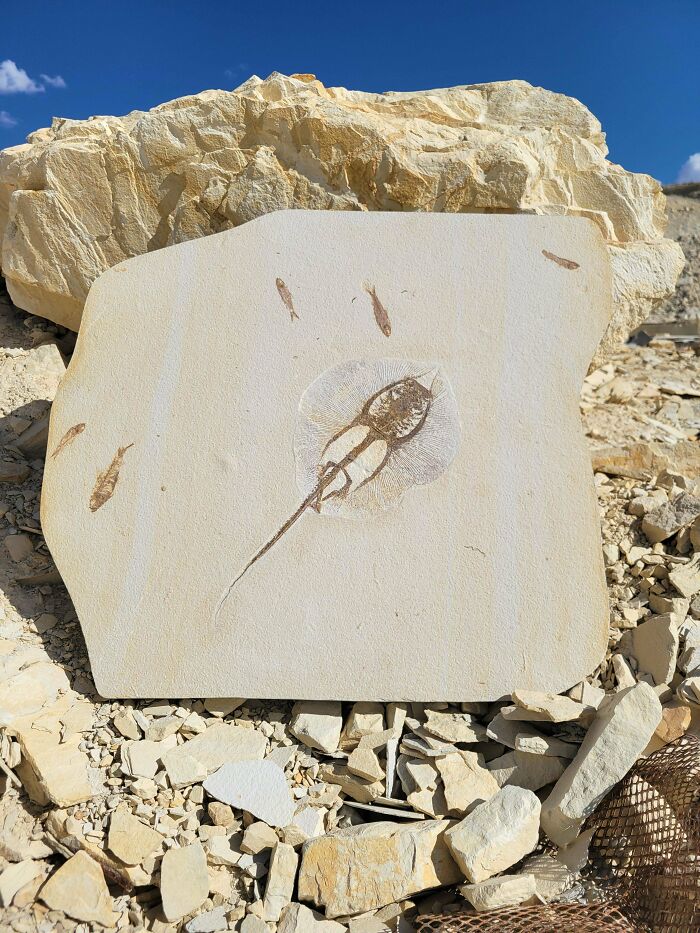
My Freshwater Stingray (Heliobatis Radians)
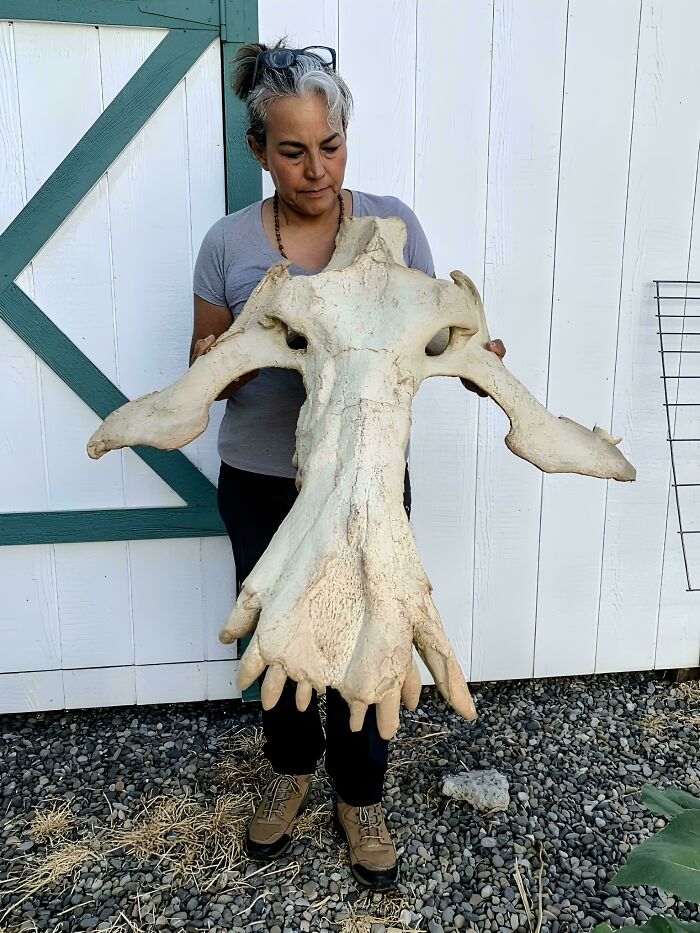
The Massive Skull Of Megachoerus, A Giant Entelodont
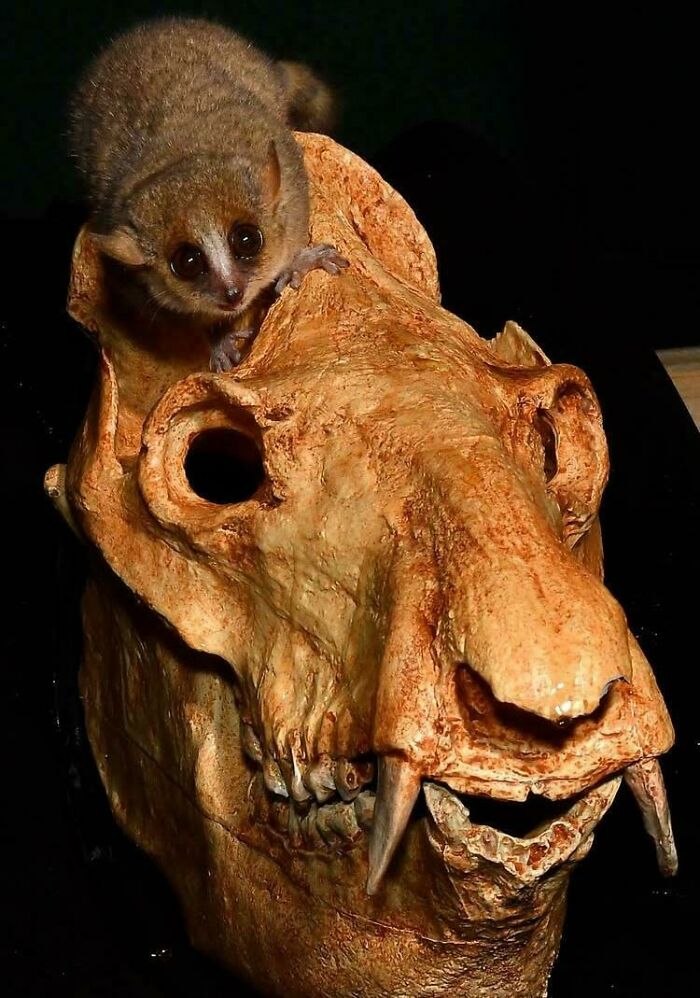
The Skull Of Megaladapis Aka The Koala Lemur Compared To The Gray Mouse Lemur
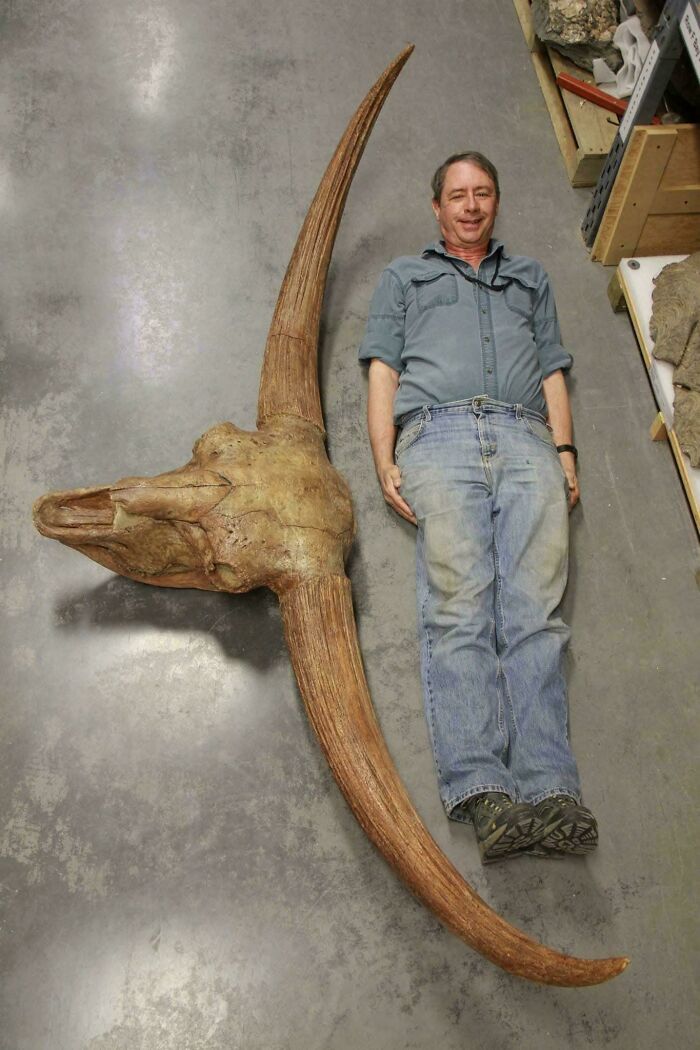
The Size Of The Skull And Horns Of A Bison Latifrons, The Giant Long-Horned Bison
"That's Me" (Art By Everydaylouie)
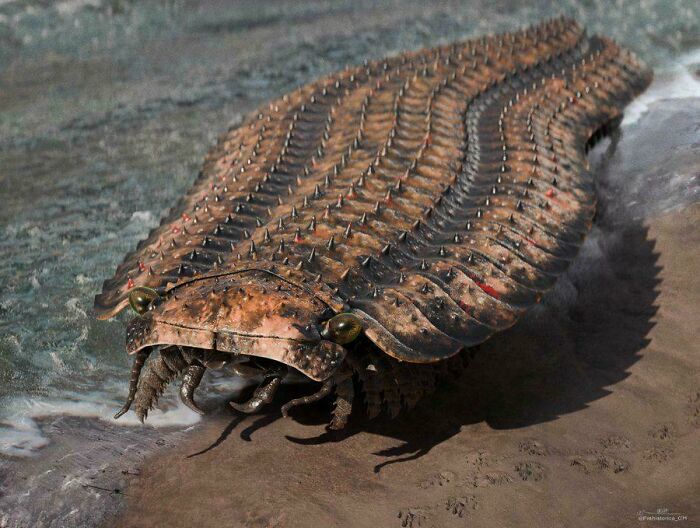
Arthropleura, The Largest Known Arthropod To Ever Exist At An Estimated 2.5 Metres Long, Walks Slowly Along An Ancient Carboniferous Coastline Looking For Food (Render By Prehistorica_cm)
David Attenborough With A Titanosaur Femur
Constance Kite, A Fossil Preparator At Harvard Seen 60 Years Apart With The Kronosaurus She Helped Put Together; This Specimen Was Est At 34 Feet, Over 15 Tons
Torosaurus, The Largest Skulled Species Of Dinosaur With A Head Measuring Up To About 10 Feet Including A Massive Frill
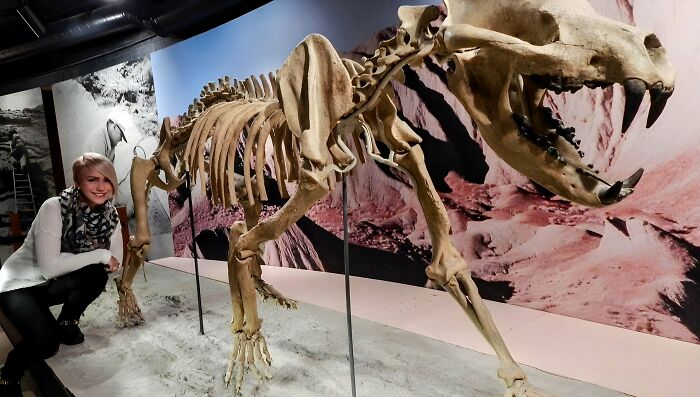
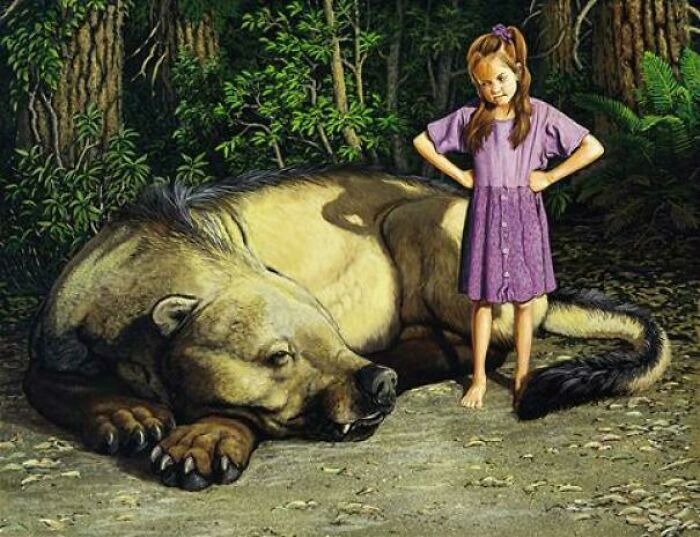
Amphicyon Ingens, The Giant Bear-Dog. At 2.5m In Length And Weighing Over 550kgs, It Is One Of The Biggest Mammalian Land Carnivores Ever
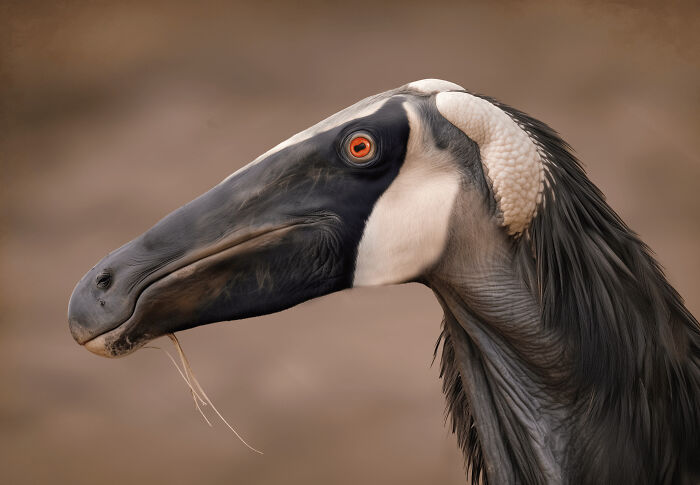
Deinocheirus Juvenile (Oc)
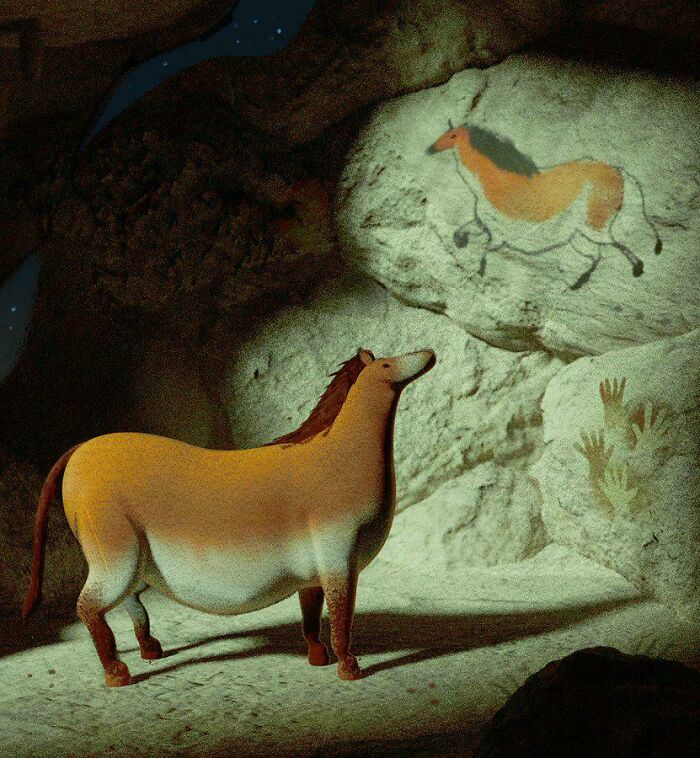
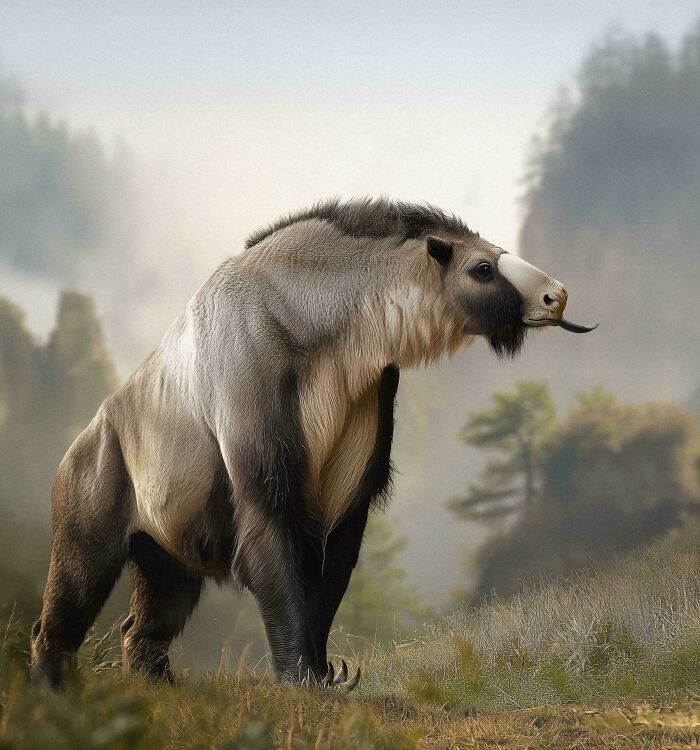
Chalicotherium (Oc)
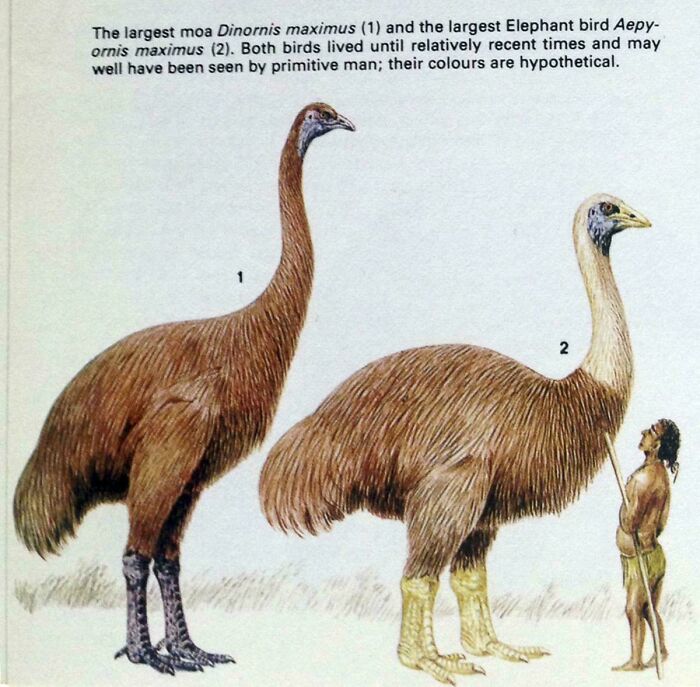
Two Giant Bird Species That Both Went Extinct Less Than 1000 Years Ago. The Giant Moa And The Elephant Bird
Purussaurus Is One Of The Largest Known Of The Giant Crocodilians, Perhaps Even Surpassing Sarcosuchus In Size. It Reigned Supreme In Central South America In The Miocene Period, 8 Million Years Ago
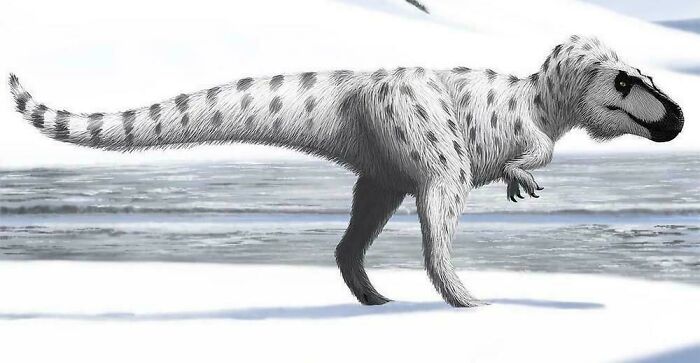
Introducing The Tyrannosaur Of The Arctic, Nanuqsaurus. It Prowled Around The Area Of Alaska And Lived During Maastrichtian Period
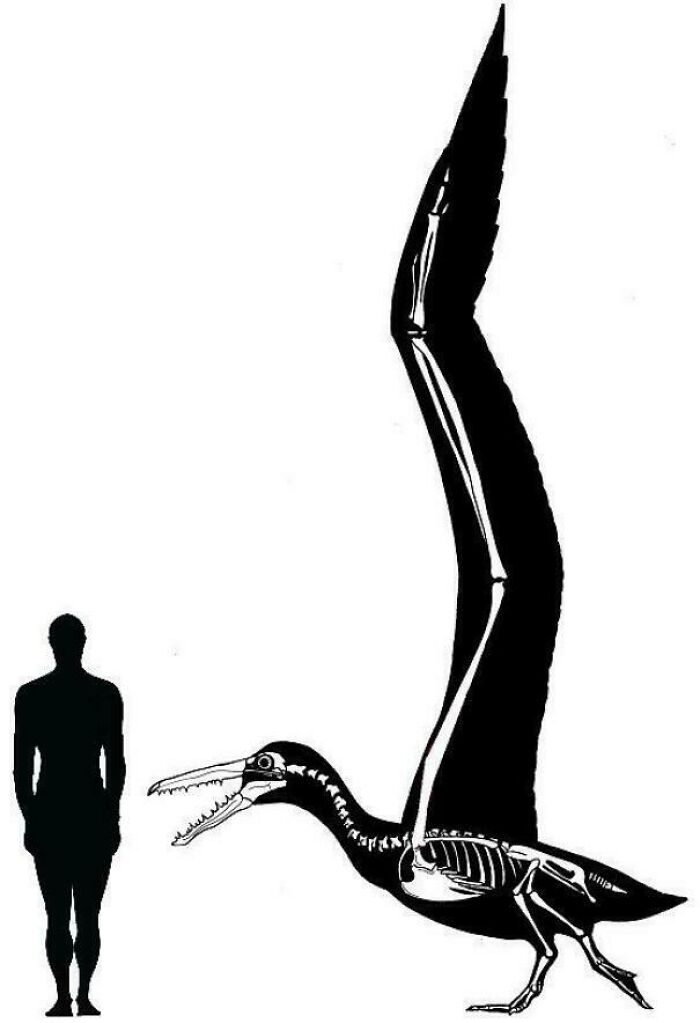
The Size Of A Pelagornis Sandersi, The Longest Winged Bird Ever Known
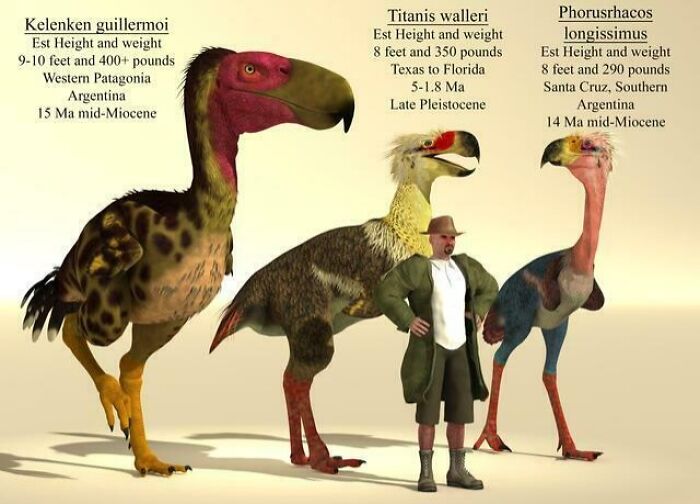
3 Pretty "Terror Birds" From South America
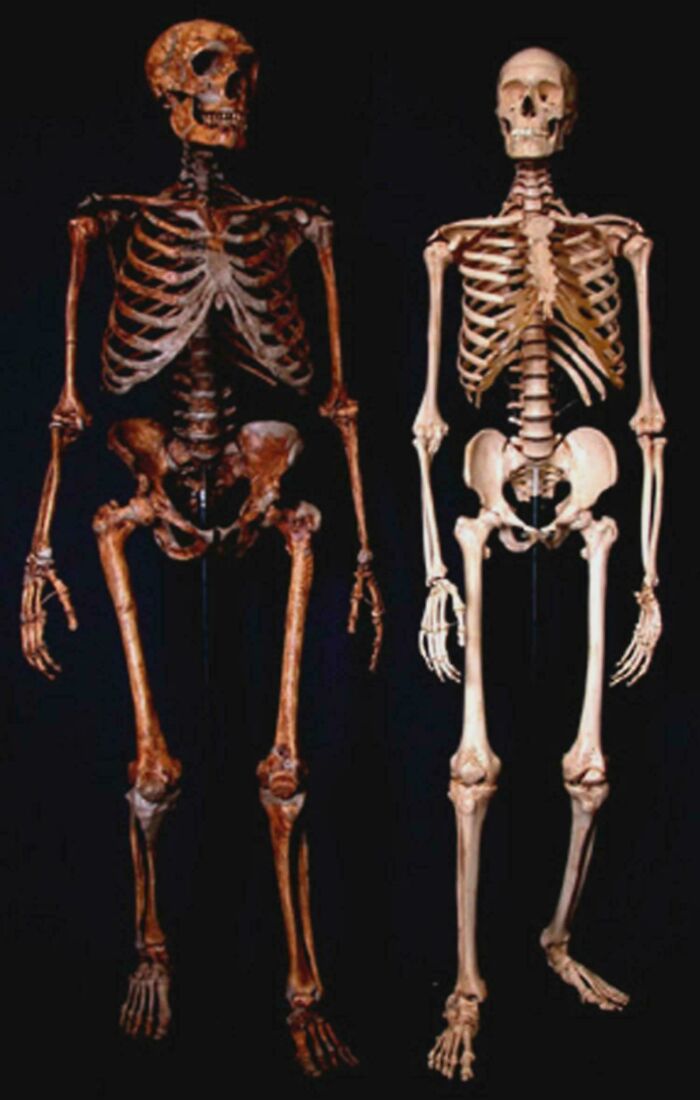
Comparison Of Theoretical Neanderthal Skeleton With Anatomically Modern Human. Ribcage And Pelvis , Is Twice As Big!
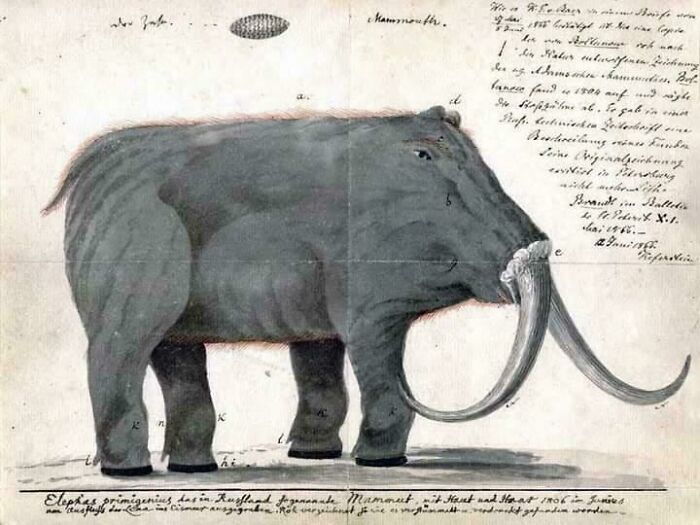
Very Early Description Of A Woolly Mammoth From 1805 Based On A Frozen Carcass Found In Siberian Permafrost
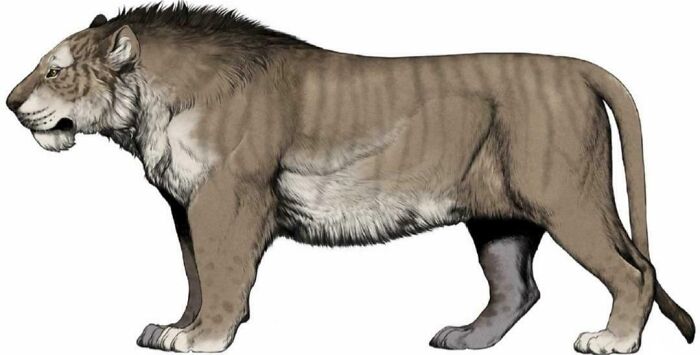
The Largest Wild Cat To Ever Exist, Sambir Lion
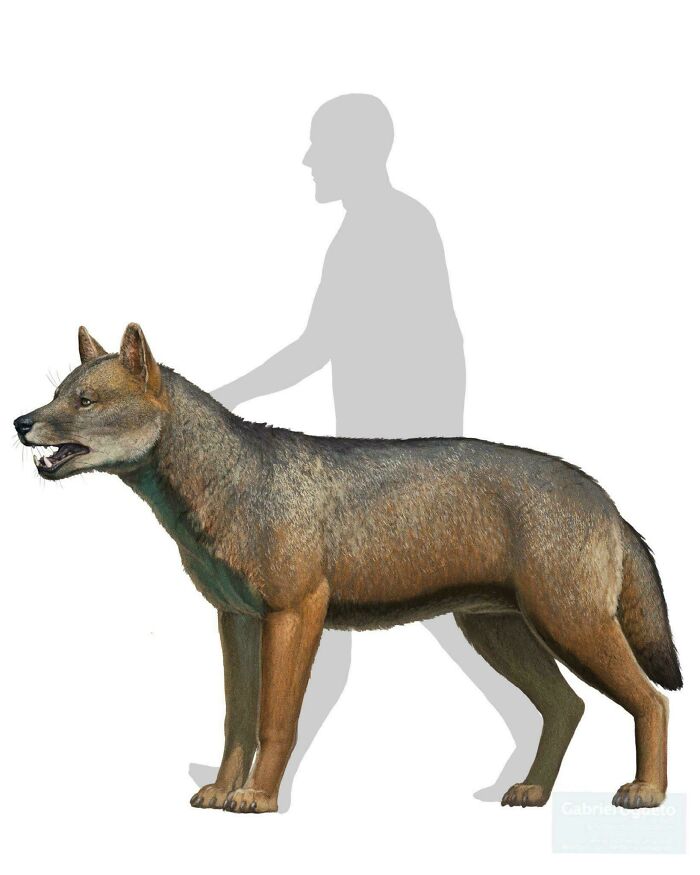
The Sheer Size Of The Dire Wolf
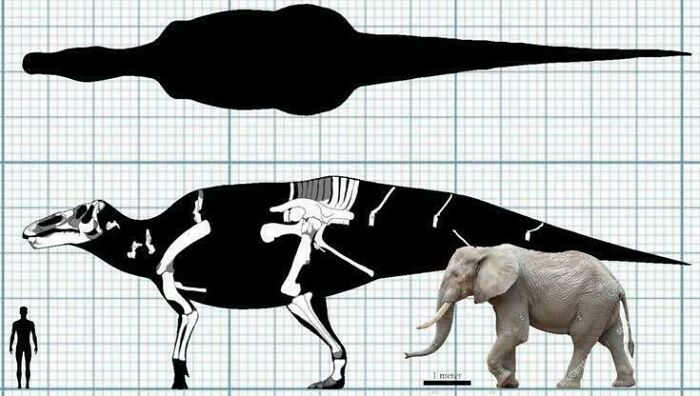
Shantungosaurus, The Largest Ornithischian And Largest Known Non-Sauropod Dinosaur, Compared To A Contemporary African Elephant
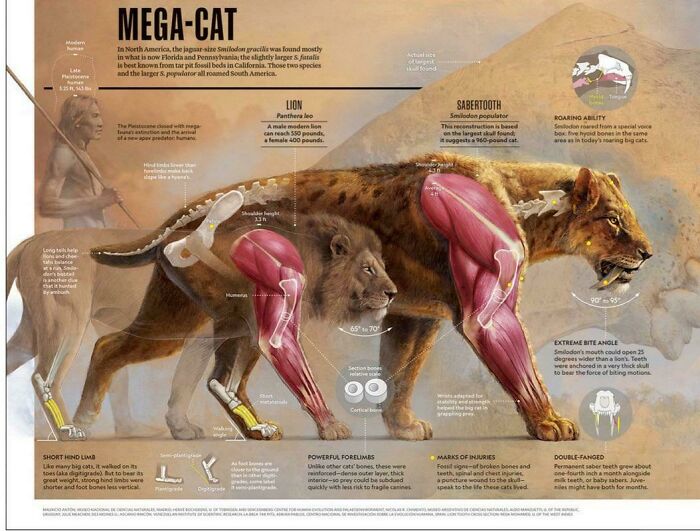
Smilodon Populator, Was Huge
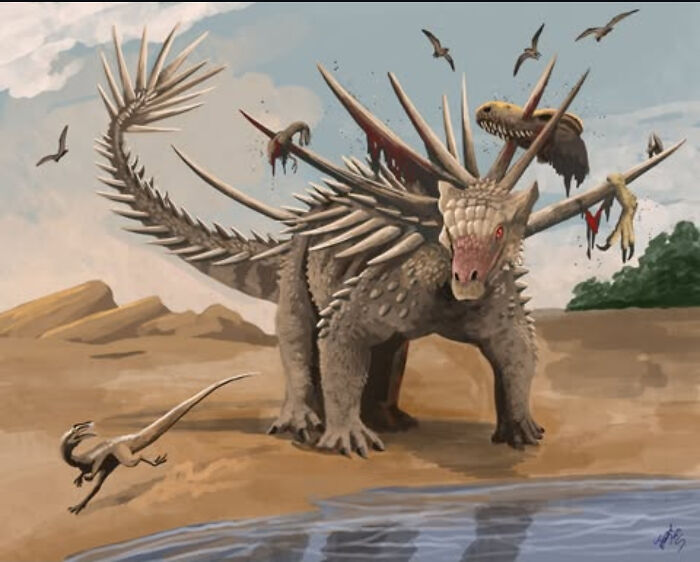
When A Spicomellus Shows Up Literally Carrying The Impaled Remains Of Its Fallen Enemies As Macabre, Decomposing Ornaments, You Don't Question- You Just Give Way :b
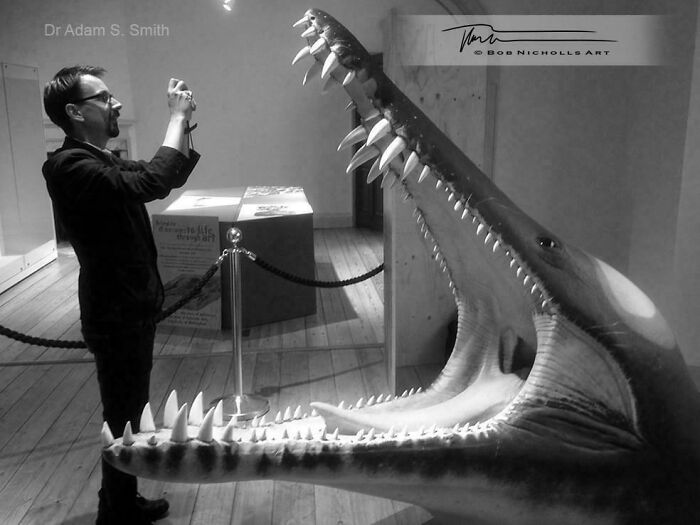
The Head Of A Liopleurodon To Scale With The Artist Who Made It, Bob Nicholls
Charlie! The Magical Liopleurodon will show us the way to Candy Mountain!

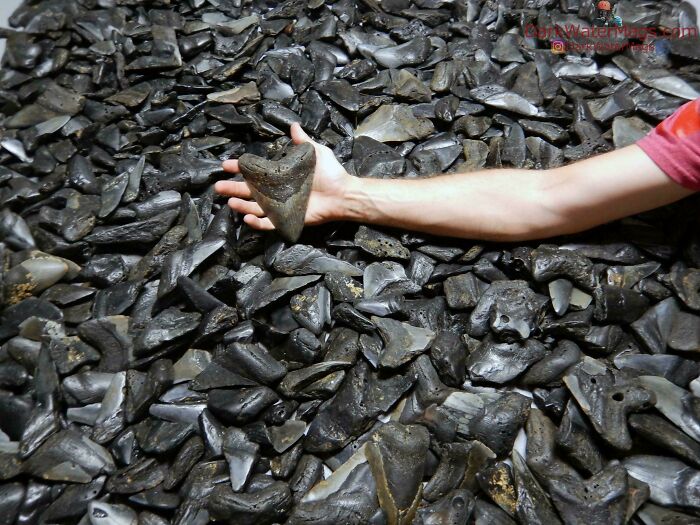
Megalodons Broke A Lot Of Their Own Teeth. May Teeth Have Been Broken By The Natural Environment Over The Last Few Million Years, But Many Were Broken By The Sharks Themselves Making It Difficult To Find One That Is Complete
Oh God
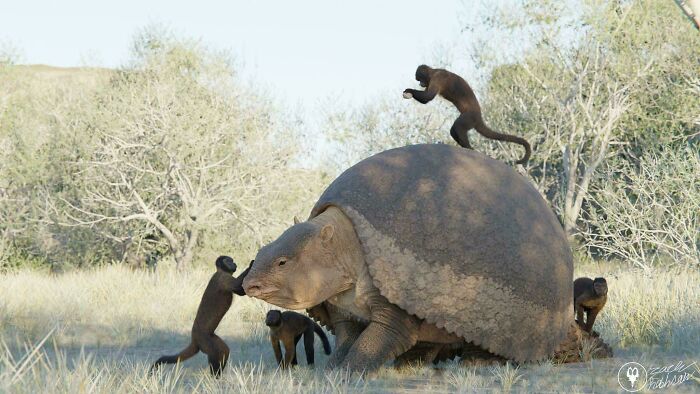
Capuchin Monkeys Using A Glyptodon’s Shell And Stones To Crack Nuts But The Giant Mammal Will Make Its Lack Of Appreciation Known (By Xtinctdesign)
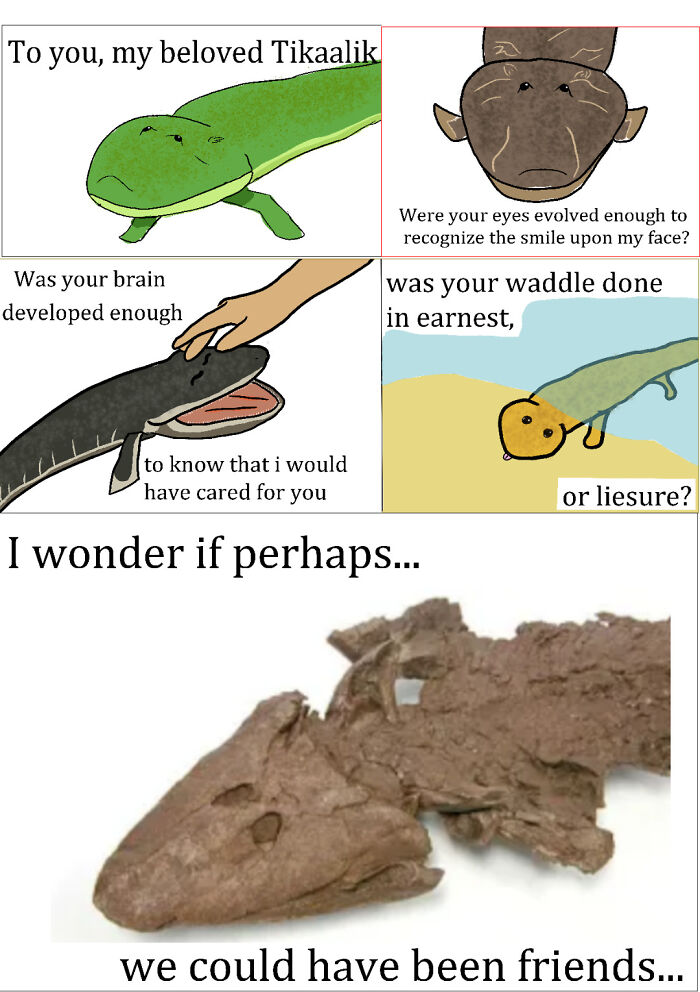
To You, My Beloved Tikaalik
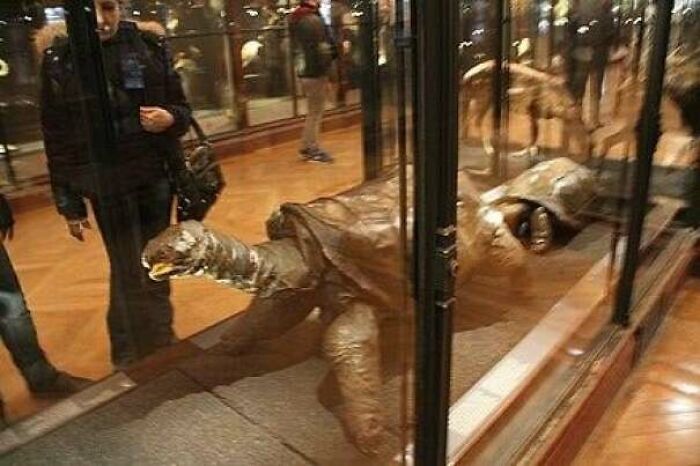
The Only Taxidermied Specimen Of Saddle-Backed Rodrigues Giant Tortoise (Cylindraspis Vosmaeri), Kept At The French National Museum Of Natural History
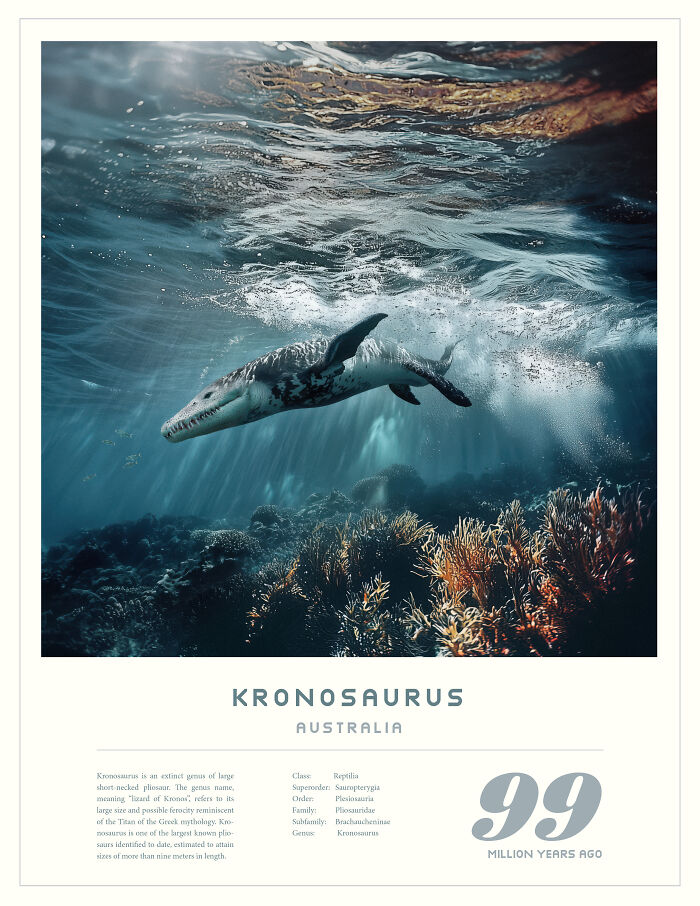
Kronosaurus (Oc)
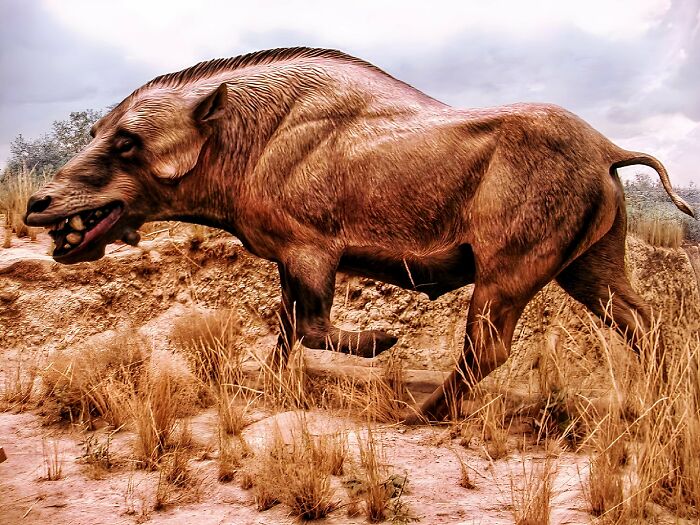
Appreciation Post For The Denver Museum's Daeodon Reconstruction. Still One Of The Best, With Only A Few Inaccuracies
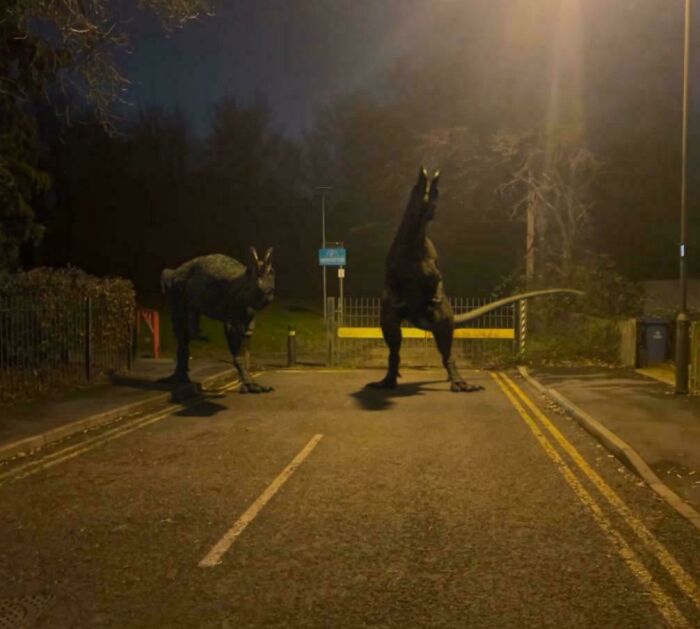
The Actual Size Of Dilophosaurus From This Dinosaur Horror Short
Here's the short if anyone's interested: https://m.youtube.com/watch?v=HtsL22NQCSg&pp=0gcJCRsBo7VqN5tD

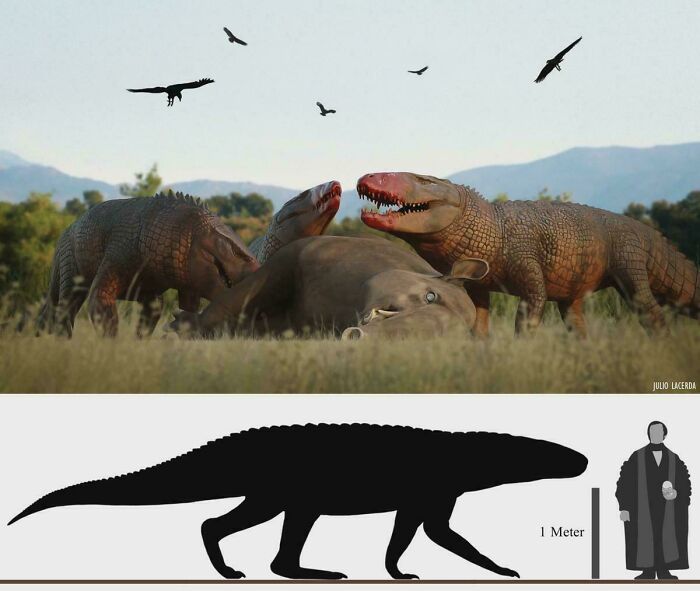
Barinasuchus, The Largest Land Predator In South America From The Late Eocene To The Middle Miocene, A 21.4 Million Year Reign
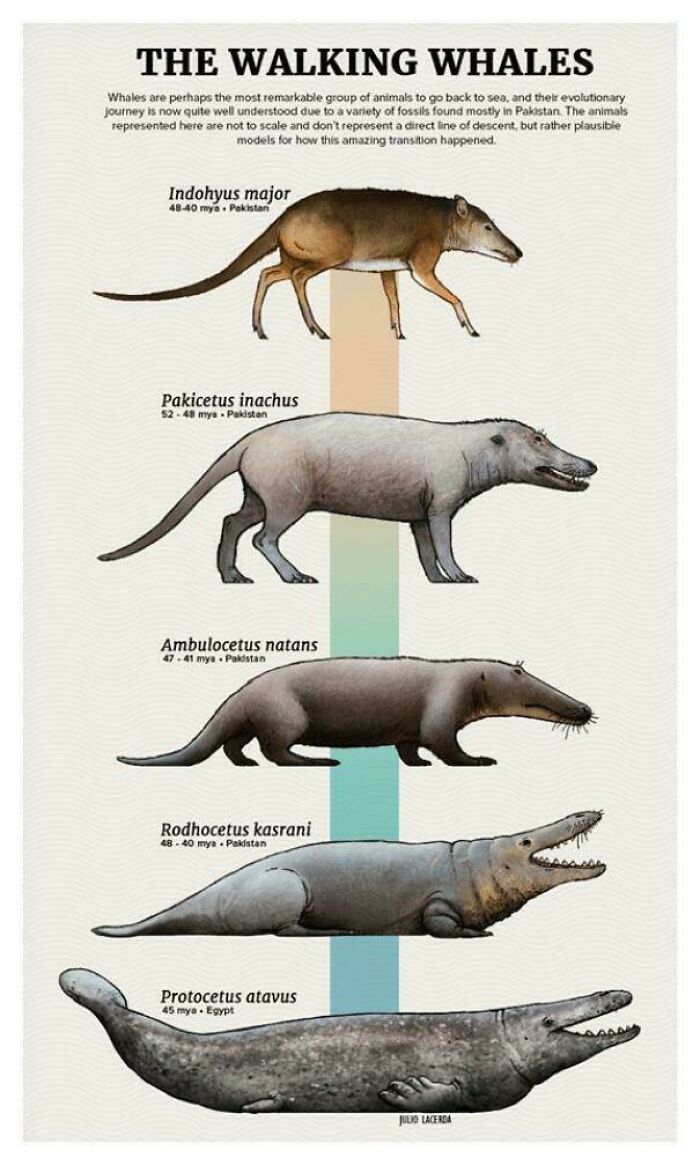
The Walking Whales By Julio Lacerda
If you can't read it: Whales are perhaps the most remarkable group of animals to go back to the sea and their evolutionary journey is now quite well understood due to a variety of fossils found mostly in Pakistan. The animals represented here are not to scale and don't represent a direct line of descent, but rather plausible models for how this amazing transition happened.

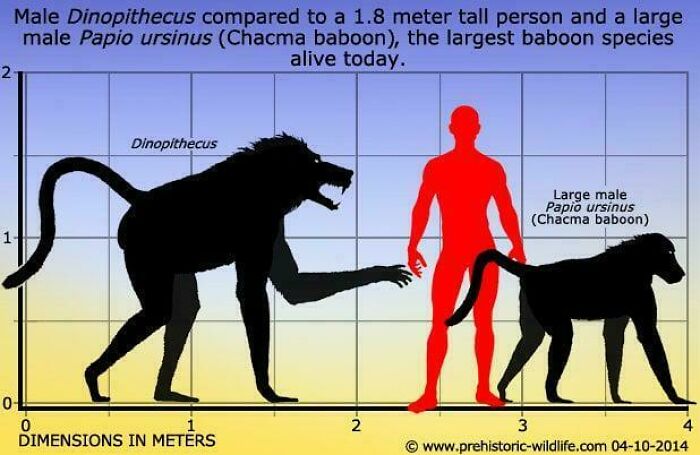
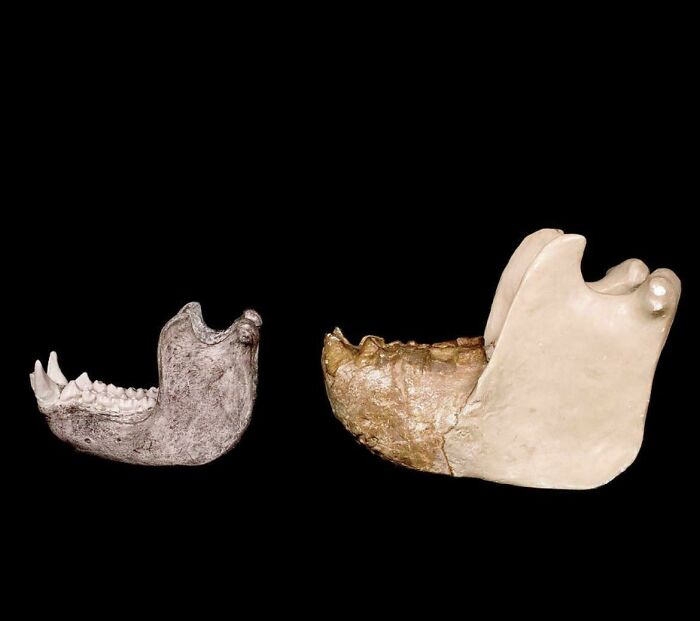
The Jaw Of Gigantopithecus Compared To That Of An Eastern Gorilla
Wikipedia says, "Only teeth and four mandibles are known currently, and other skeletal elements were likely consumed by porcupines before they could fossilise." I thought it was interesting that they called out porcupines specifically. So, I found that later in the article, it says, "Porcupines gnaw on bones to obtain nutrients necessary for quill growth, and can haul large bones into their underground dens and consume them entirely, except the hard, enamel-capped crowns of teeth." Learn something new every day!

The Sheer Size Of Megistotherium
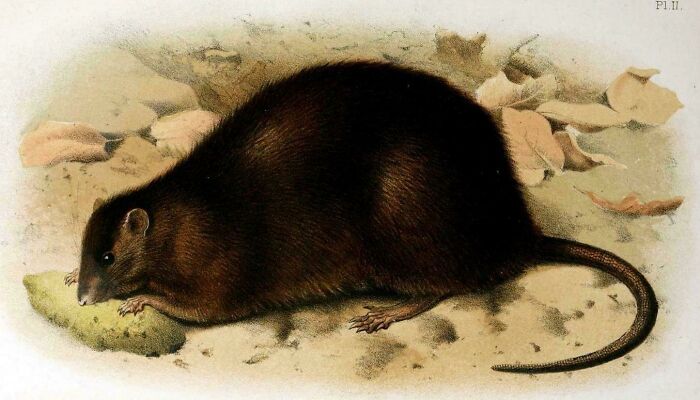
Forgotten Extinct Animals: Bulldog Rat
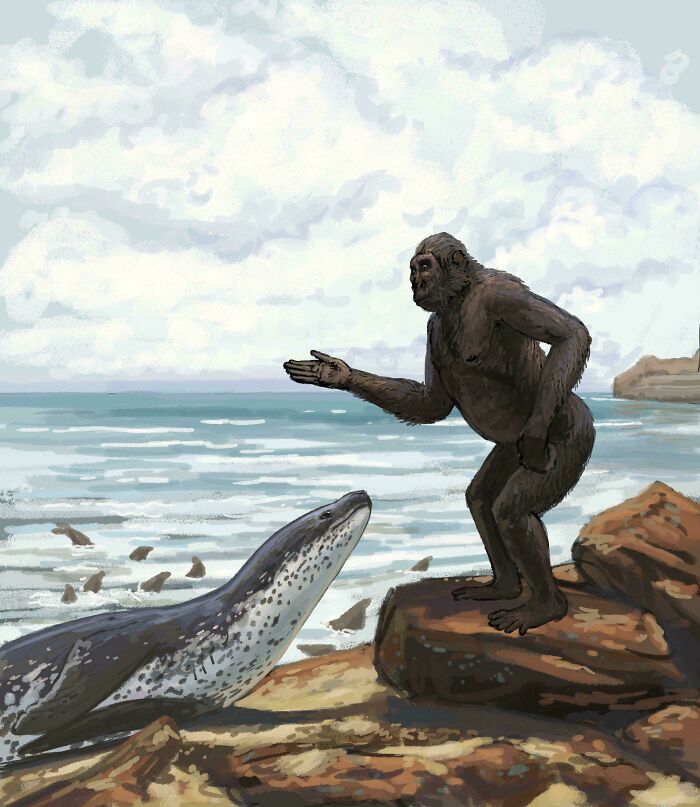
A Leopard Seal Encounters The Hominin Paranthropus On The Coast Of South Africa During The Middle Pleistocene By Joschua Knüppe
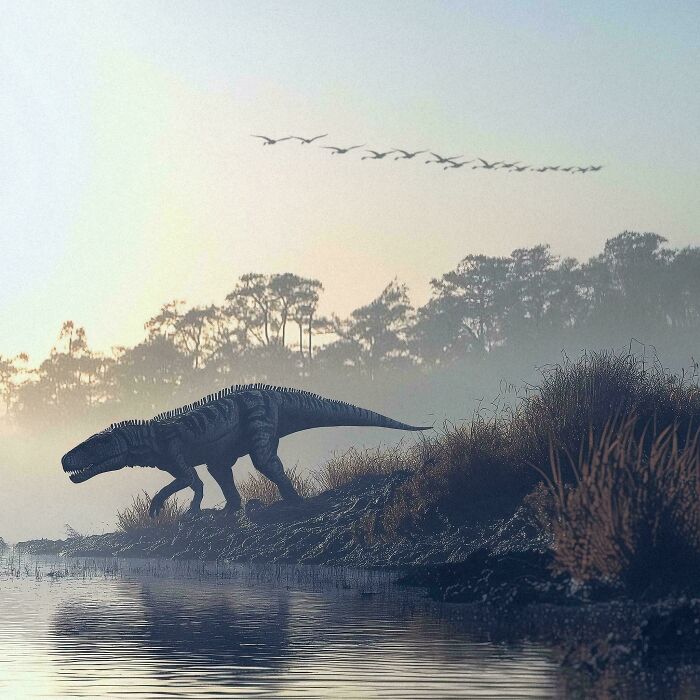
Fasolasuchus (Oc)
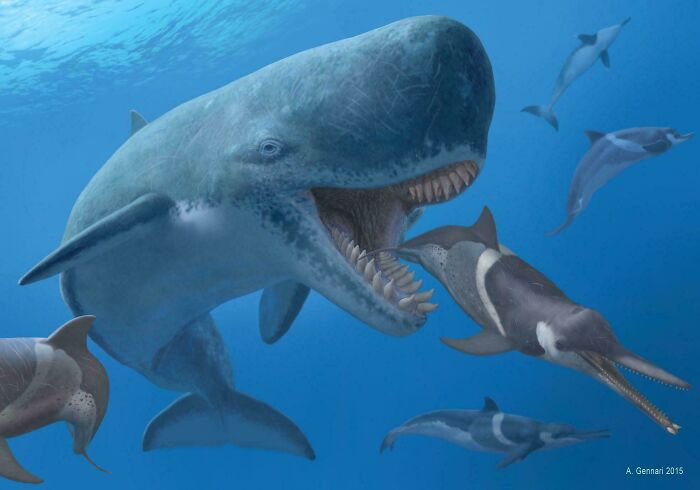
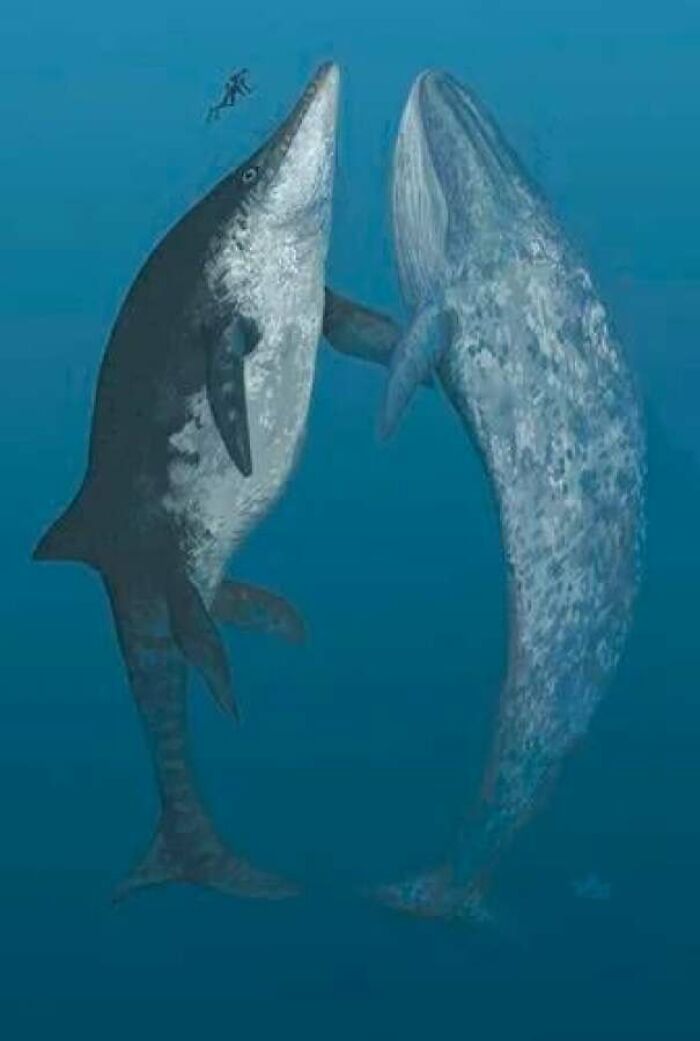
The “K****r S***m Whale” Livyatan. It May Have Hunted Megalodons
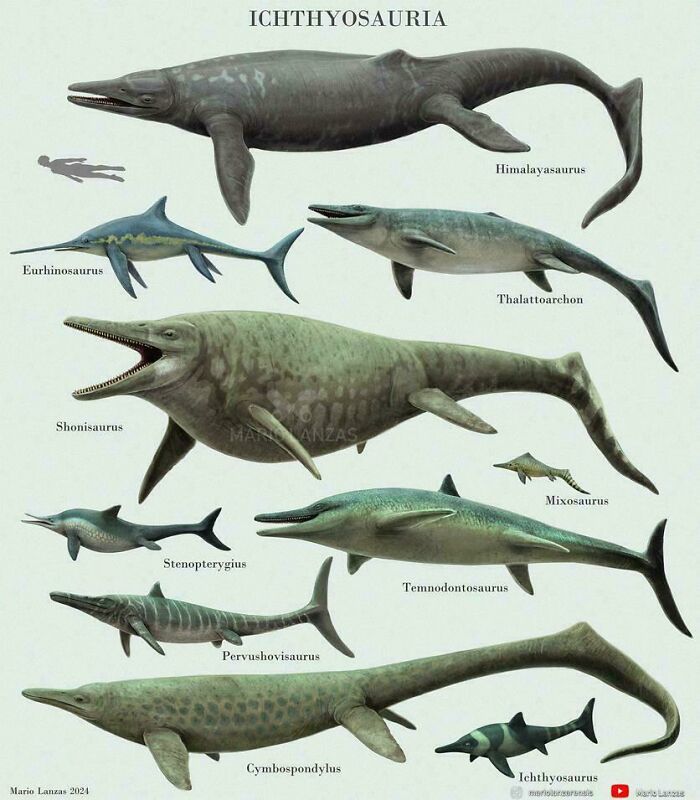
A Chart Of Many But Not All Of The Diversity Of Ichthyosaurs (By Mario Lanzas)
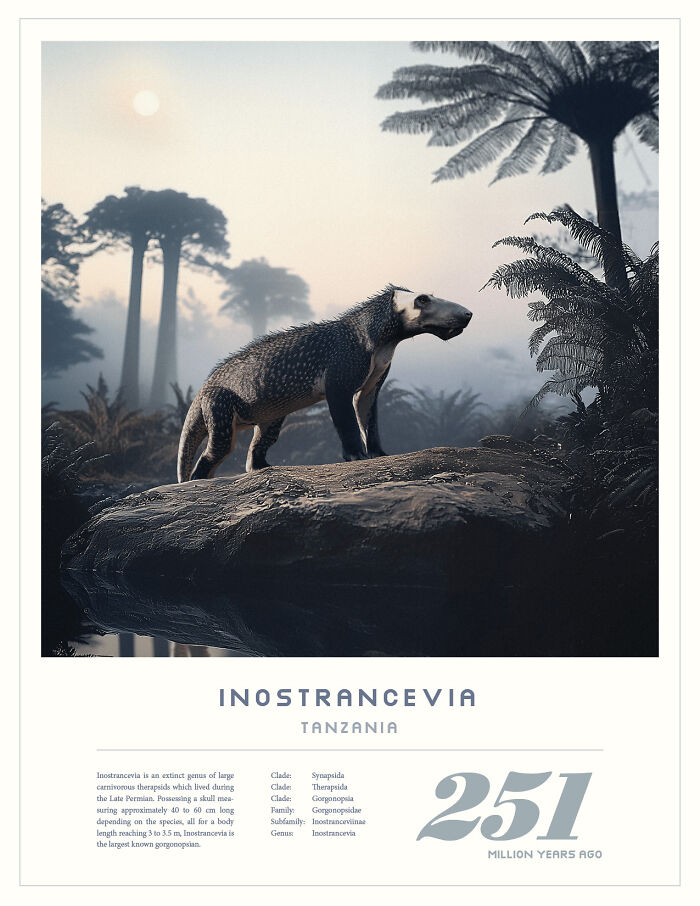
Inostrancevia (Oc)
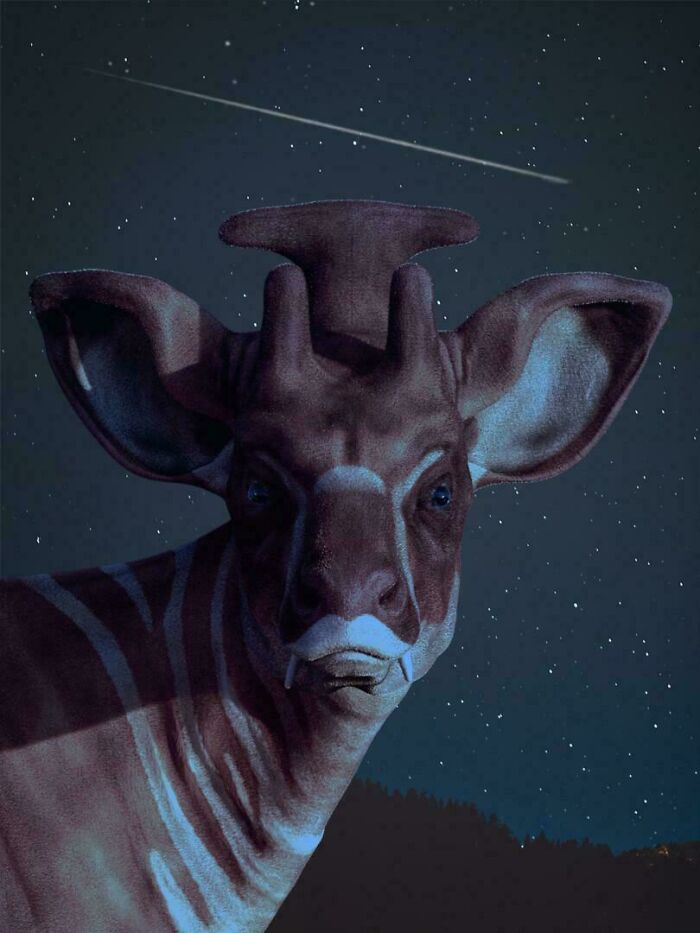
Xenokeryx Amidalae, A Ruminant Relative Of The Giraffe From Miocene Spain By David Blaya
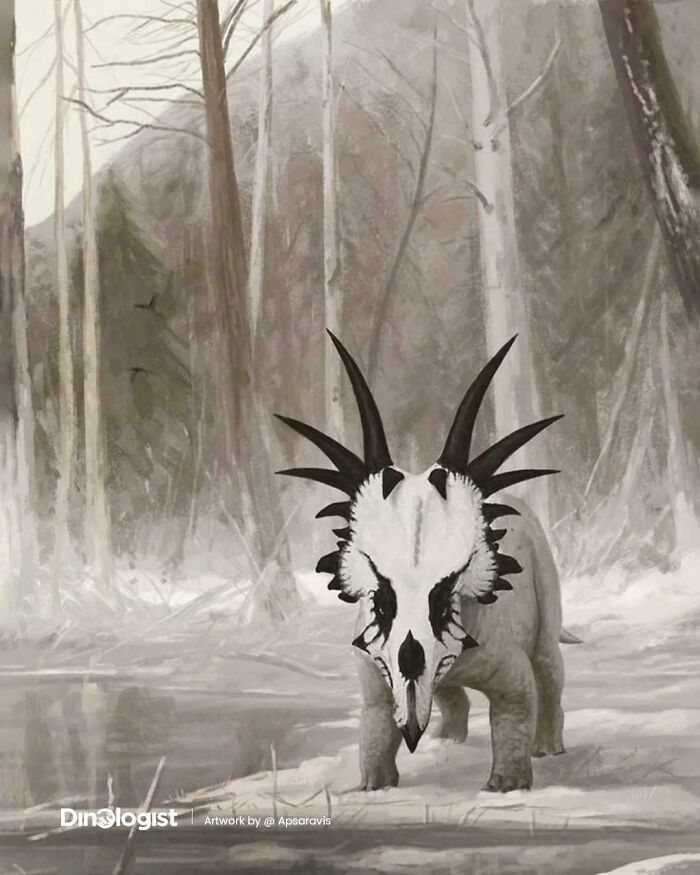
Styracosaurus Transverses A Wintery Environment (By Apsaravis)
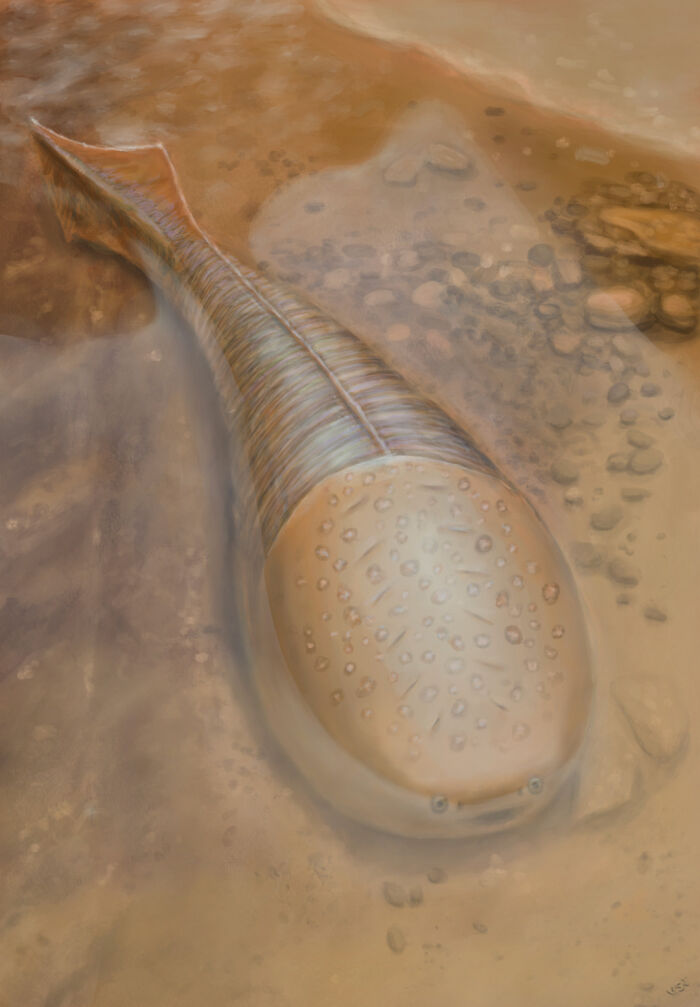
Sacabambaspis, Jawless Fish From Ordovician Trapped In A Tide Pool
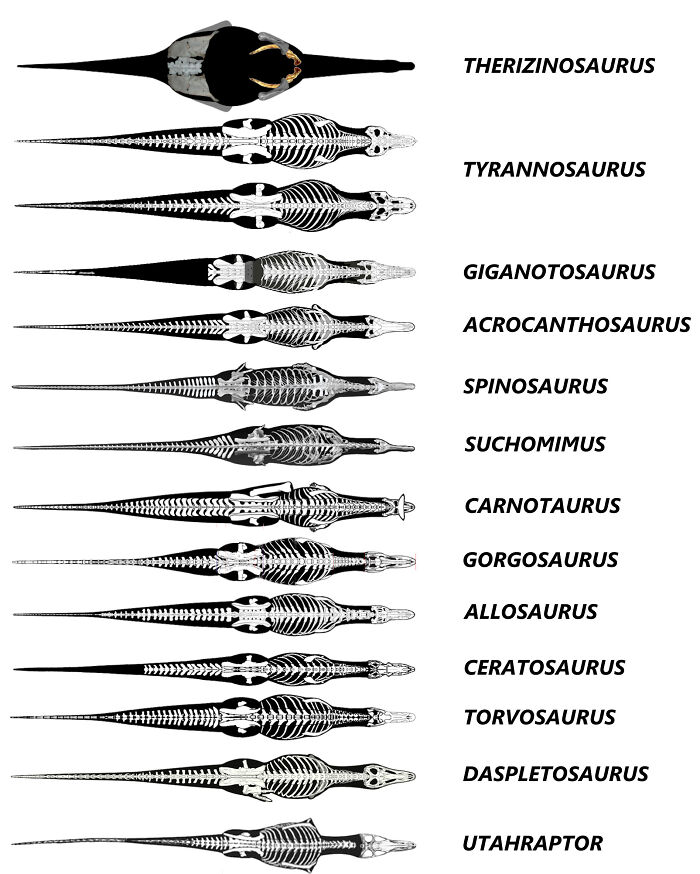
Dorsal Views Of Various Theropods
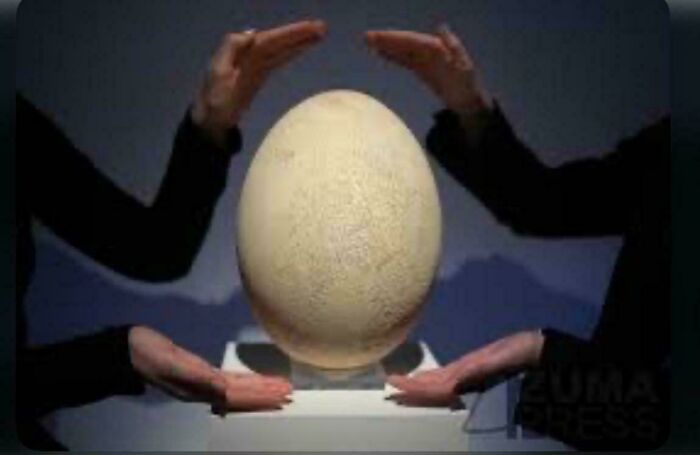
The Size Of An Egg Of An Elephant Bird, The Most Massive Eggs Known To Be Have Existed In Nature
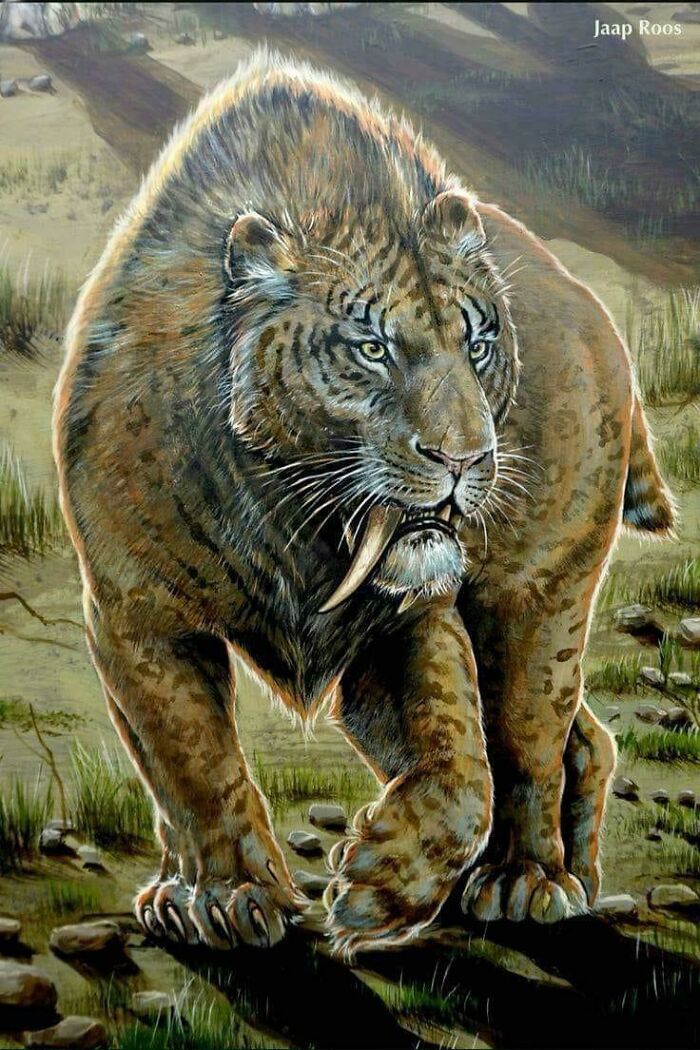
The Imposing And Muscular Frame Of Smilodon (By Jaap Roos)
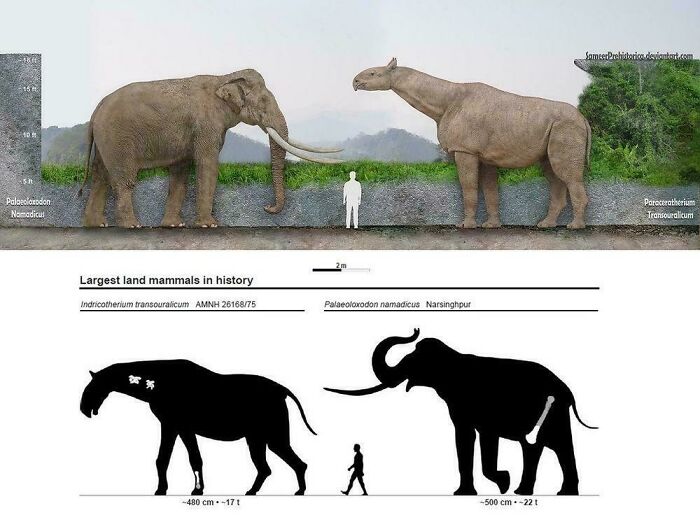
Damn The Size Of These Two Animals!!!, So Who Do You Think Takes The Crown As The Largest Land Mammal
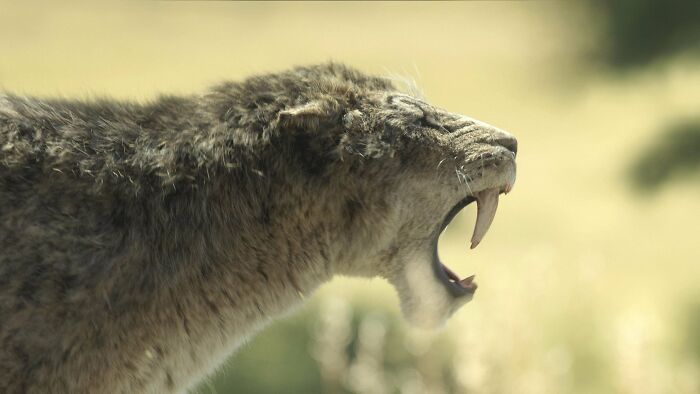
Stills From The Upcoming Prehistoric Planet: Ice Age
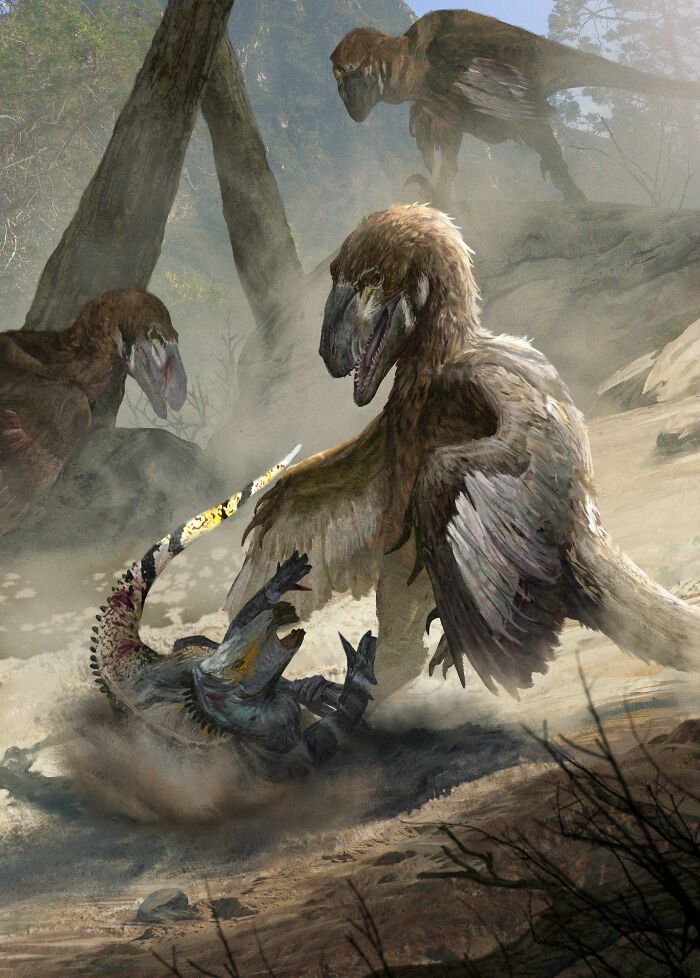
A Trio Of Utahraptor Attacking A Hippodraco
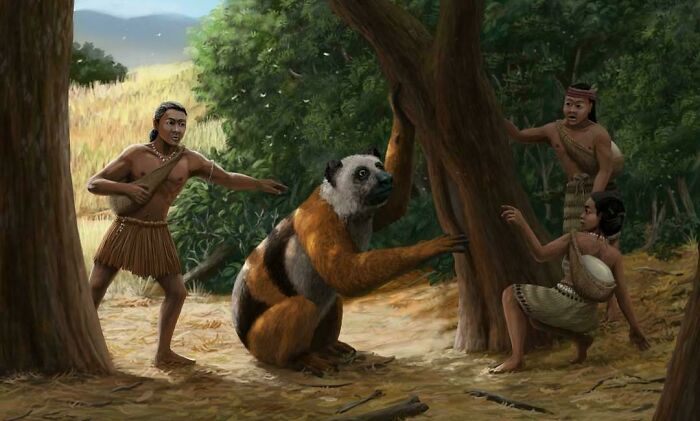
Early Malagasy People Encountering Archaeoindris, A Gorilla-Sized Lemur, For The First Time In Madagascar By Peter Nickolus
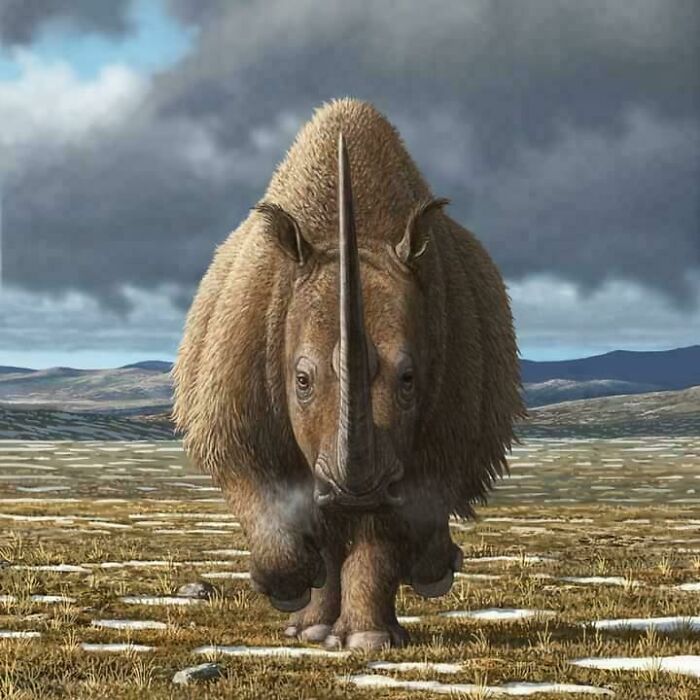
Imagine Turning Around And Seeing This 5000 Pounds Behemoth Furiously Charging At You. T**d In My Pants Would Be Massive
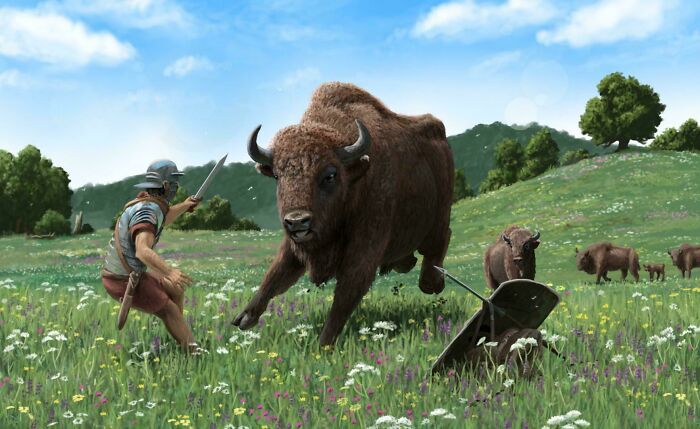
A Roman Legionary vs. A European Bison In Germany Circa 100 Ad By Paleopete
The Aust Colossus Possibly The Largest Animal To Ever Live!
That's because paleontologists name them according to specific conventions and in many cases the creatures are known only from a single fossil or group of fossils, often encountered nowhere else.
Load More Replies...That's because paleontologists name them according to specific conventions and in many cases the creatures are known only from a single fossil or group of fossils, often encountered nowhere else.
Load More Replies...