Get Premium
Dark mode theme is available exclusively for premium users. Learn more about the benefits of subscribing.
No fees, cancel anytime.

 Dark Mode Ad-Free Browsing Unlimited Content
 Ad-Free Browsing Unlimited Content Dark Mode
Join 1.2 million Panda readers who get the best art, memes, and fun stories every week!

Design is everywhere. We think of it in terms of the homes we live in, the clothes we wear, the cars we drive. But it goes further—it shapes our cities, our food packaging, even the curve of your toothbrush. It’s in the app icons we tap a hundred times a day, the chairs we sit in without a second thought, the way a grocery store aisle guides us toward the checkout. And yet we rarely stop to notice it. Not unless it’s dreadfully bad (and, let’s be honest, we’ve all seen plenty of that), or remarkably good.
That’s the strange thing about good design, though: when it works, it disappears. You don’t think about the handle of a knife that fits your hand perfectly, or a sign that leads you exactly where you need to go. It’s only when someone gets it right—unexpectedly, cleverly, beautifully—that we actually stop and pay attention.
And that’s what we’ll be looking at in what follows: designs so interesting and creative that they stop you mid-scroll. Whether they’re impressively grand, carefully considered, or quietly stunning, one thing ties them all together: imagination.
Now let yours wander as you peruse this list of our favorite designs shared by Interesting Creative Design over on Instagram, and don’t forget to upvote the ones you find most impressive.
This post may include affiliate links.
Like many things in life, design is often talked about in binary terms: it’s either “good” or “bad.”
Unlike “bad design,” something most of us have encountered so often that it needs no introduction, “good design,” the International Council of Design (ICoD) says, is rare. And while identifying bad design is a bit of a you’ll know it when you see it situation, identifying good design—though subjective and immeasurable—is arguably a little more nuanced.
While the ICoD describes it as following “a design methodology that responds to the social, cultural, economic and environmental aspects of the work,” the legendary German industrial designer Dieter Rams distilled a set of 10 now-iconic principles that offer us a fuller, more concrete picture of what good design is and does to earn this label.

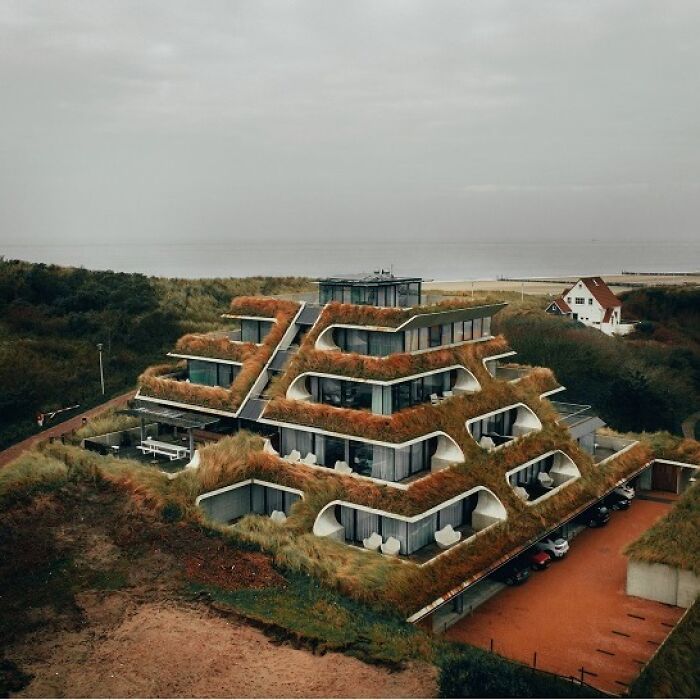
From the site -> "A hidden gem in The Netherlands 🇳🇱 As a member of the European Union, the Netherlands gives importance to climate change, sustainable products, renewable energy, and so on. So, the designers of Duinotel Tien Torens included dune vegetation on the façade in order to integrate the building with the natural landscape. 🏡 The marram grass hides the interiors and terraces of the dune. On the exterior, the architects used natural materials. 🌳 The basalt stones retain the walls and connect the dyke of Zoutelande with the hotel. The dyke of Zoutelande normally disappears in the dune. "
According to Rams, good design:

If I ever win the lottery, I'm transforming my house into this XD
A neat trick of this framework is that by defining what good design is, Rams also quietly defined what it refuses to be. Because if we invert these principles, we get a fairly accurate portrait of bad design: derivative, useless, confusing, self-important, dishonest, disposable, careless, wasteful, and cluttered.
But by these definitions, it’s genuinely difficult to know whether the designs featured in this list would qualify as “good” by expert standards—we don’t know what they feel like to use, what it’s like to live with them, or how they hold up over time. That said, that’s not what Interesting Creative Design ever set out to prove. Its name promised interesting, creative designs, and it sure delivered.
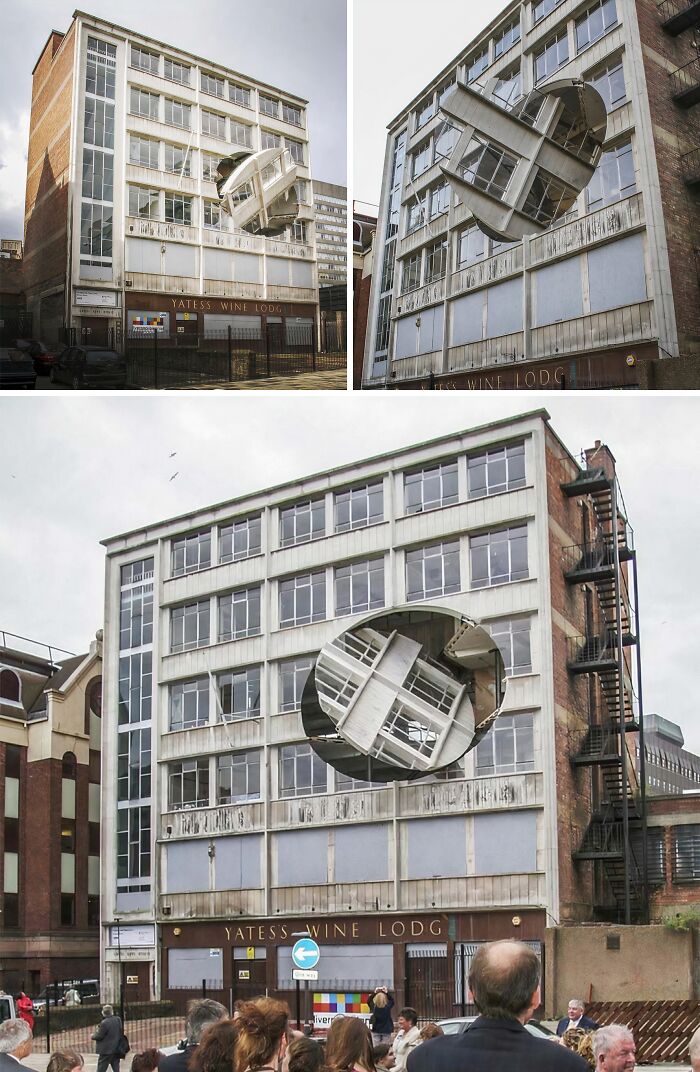
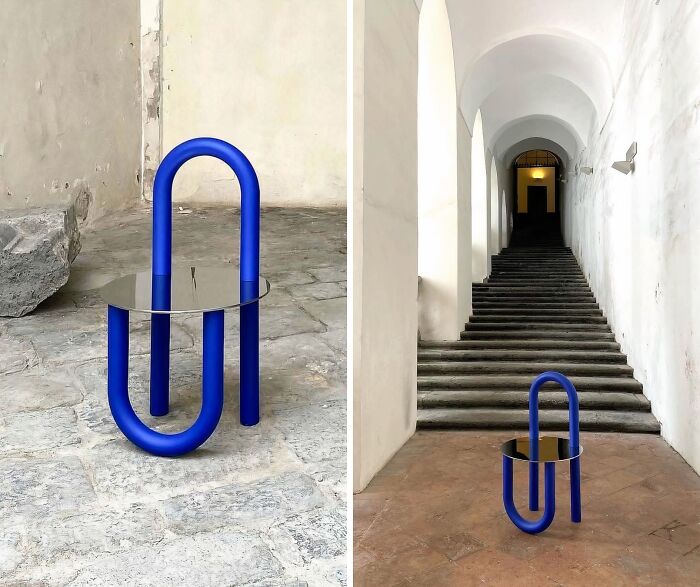
Some are a little wacky or slightly surreal—like the mirrored chair by Julia Chiaramonti, which seems to change shape entirely depending on where you’re standing, or Richard Wilson's Turning the Place Over, a chunk of an actual Liverpool building that slowly rotates in midair.
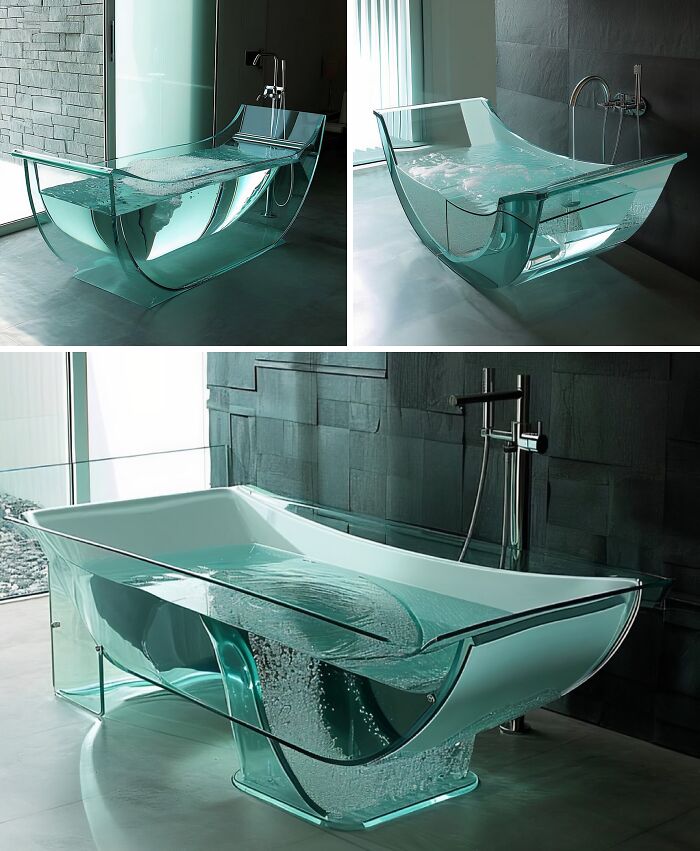
Others are simply visually satisfying, built around clever engineering you can't quite stop looking at. Others are appealing for their sheer novelty, like the fully transparent bathtub.
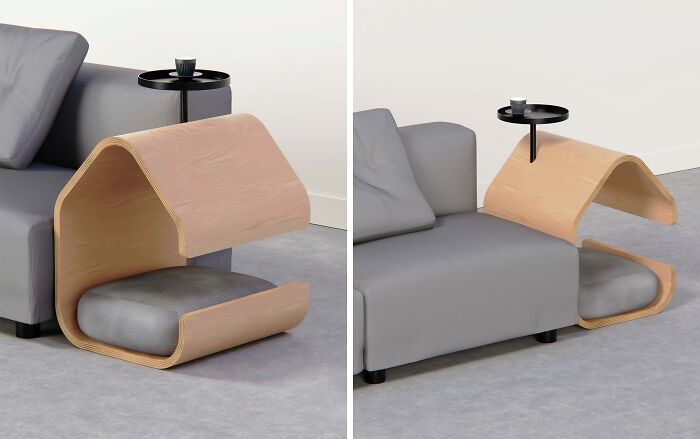
And then there are the quiet, practical ones: designs that solve a very specific, everyday problem so elegantly that you almost miss the cleverness—like the Dog Hut, a pet bed that doubles as a side table.
What makes each of these designs so enticing isn't whether they'd survive a rigorous durability test or meet a professional's checklist for "good" design. It's the creativity behind them—the willingness to look at an ordinary object and ask, "What if this worked completely differently?"

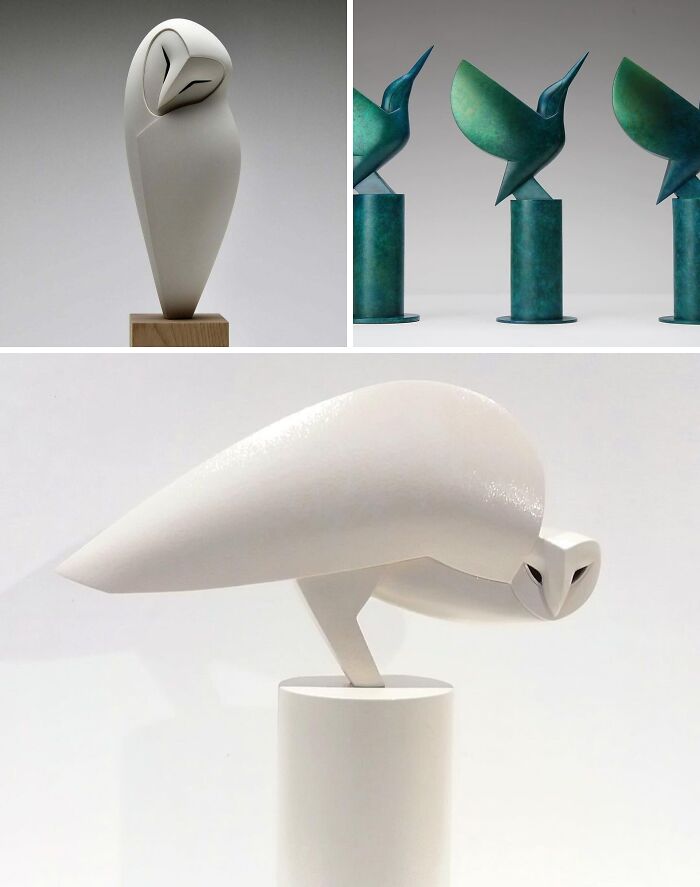
Two of my favourite birds, and I adore birds! So lovely! And also, undoubtedly, far beyond my budget.
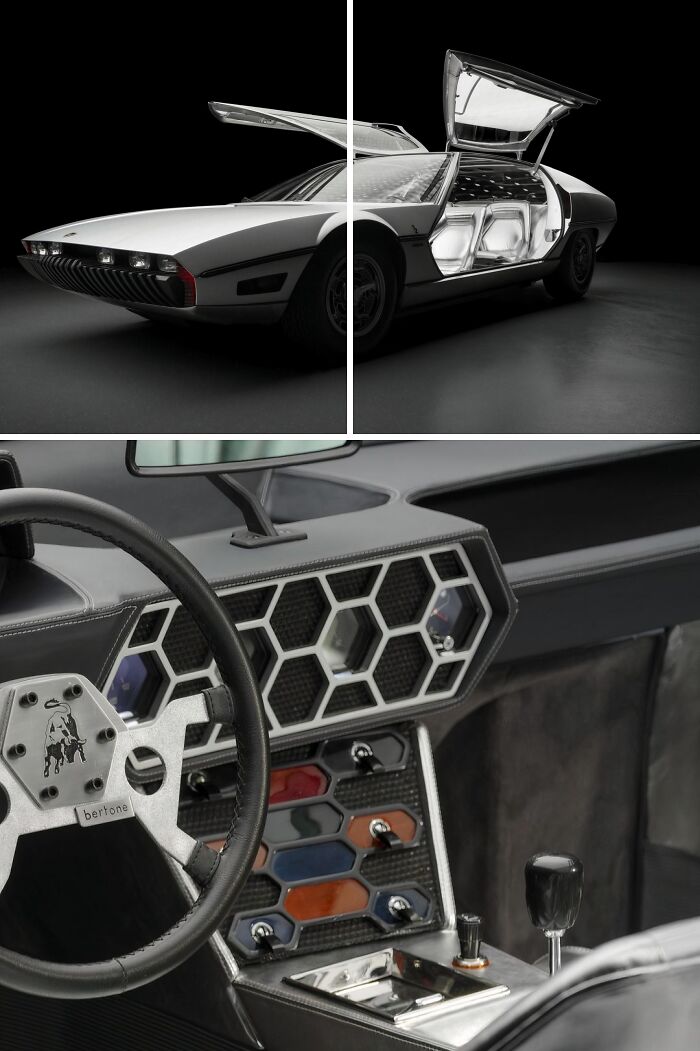
Take the “magnificently nutty” Lamborghini Marzal. It never made it past the concept stage: only one was built, and it was never intended for production. By Rams’ standards, it fails almost immediately: a car nobody can buy isn’t “useful” in any conventional sense. It doesn’t help that the thing is made with enough glass to earn it comparisons to a greenhouse, or that even Ferruccio Lamborghini himself reportedly balked at the doors, pointing out they left passengers with no privacy whatsoever and that “a lady’s legs would be there for all to see.”
And yet the Marzal shaped the design language of Lamborghinis that came after it—models people did buy and drive for decades.
And this is a good reminder: sometimes a design’s value has nothing to do with whether it works, or even whether it exists in usable form. Sometimes even impractical design is exactly what good design needs in order to happen next.
And perhaps what makes the designs on this list “useful,” to borrow Rams’ term, is precisely this: not that they necessarily solve a problem more efficiently, but that they make us see an ordinary object—a bathtub, a chair, a car—as something worth a second look, or something worth building on.
Rather than catering to conventional notions of what design should or ought to do, they invite us to notice and to imagine. And, sometimes, that’s more than enough.
From the site --> "These wooden trolls are real! 🤯 A Danish 🇩🇰 artist, Thomas Dambo, has been surprising people all around the world. He creates wooden troll sculptures and spreads them around the world, especially into the forests. So, when you go for a walk in a forest, you may encounter these sculptures. The artist constructs these wooden troll sculptures from recycled wood. We are glad to hear that Thomas Dambo places importance on the environment and sustainability. ♻ In order to find the wooden troll sculptures, you have to seek them out in the forest. 🌲 This is the main element of his project. In this way, the artist aims to create a bond between nature and seekers. While the seekers try to find the sculptures, they may start appreciating nature, animals, and plants. 😍 "
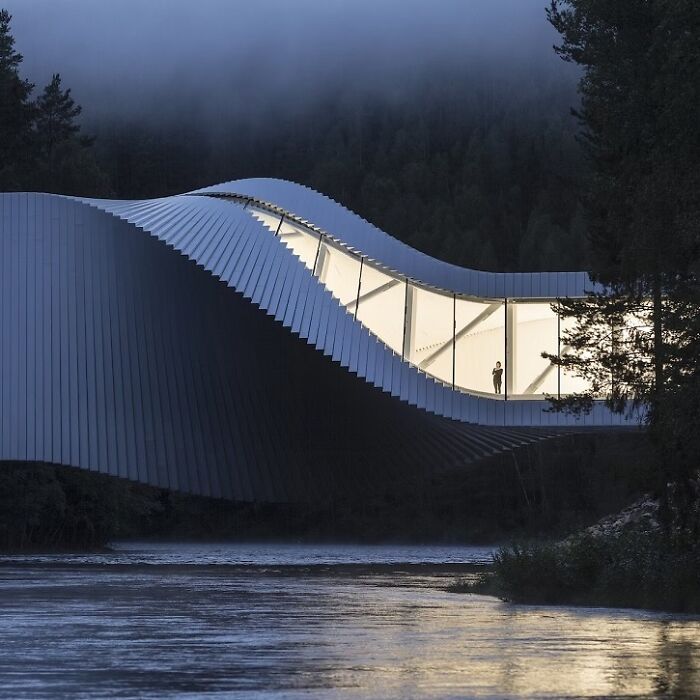
From the site --> "This is a real place! 😻 Welcome to The Twist Museum in Norway, where art and architecture combine to create a perfect experience."

Bulgaria’s Flame Monument to honor the antifascists partisans k i l l e d in July of 1944.💔

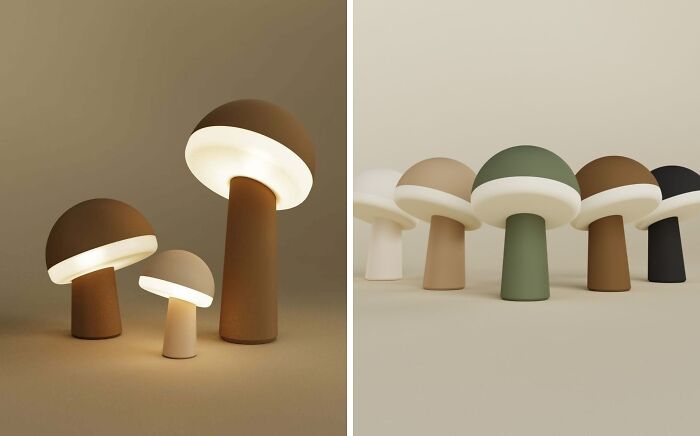
I have one! Three brightness settings, tap the top to switch on and off. Only bright enough for a night light.

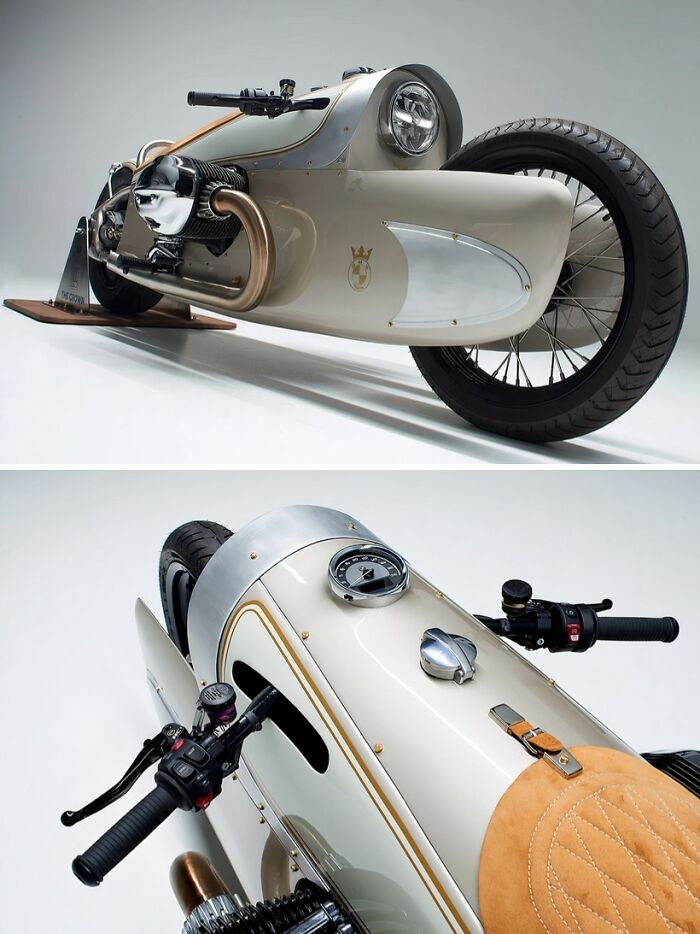
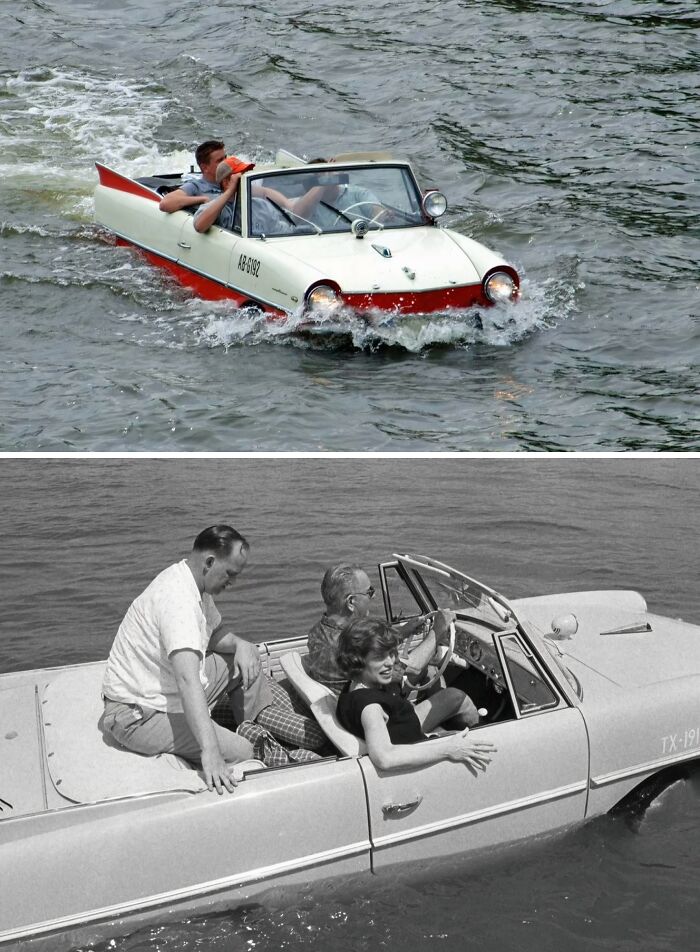
President Lyndon Johnson had a car like this. He liked to take unknowing visitors to his ranch for a ride and watch their faces as he plunged the car into a lake.

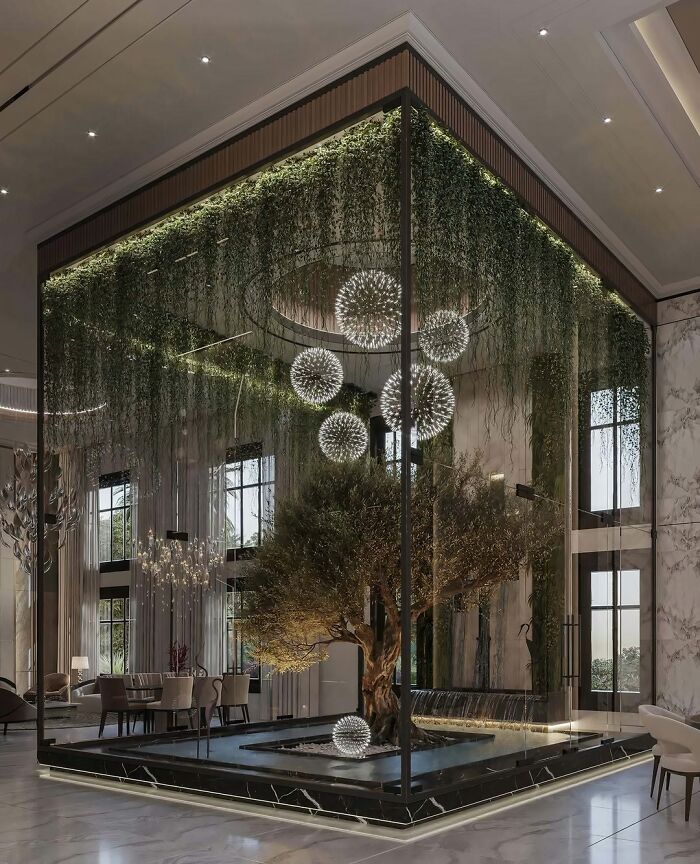
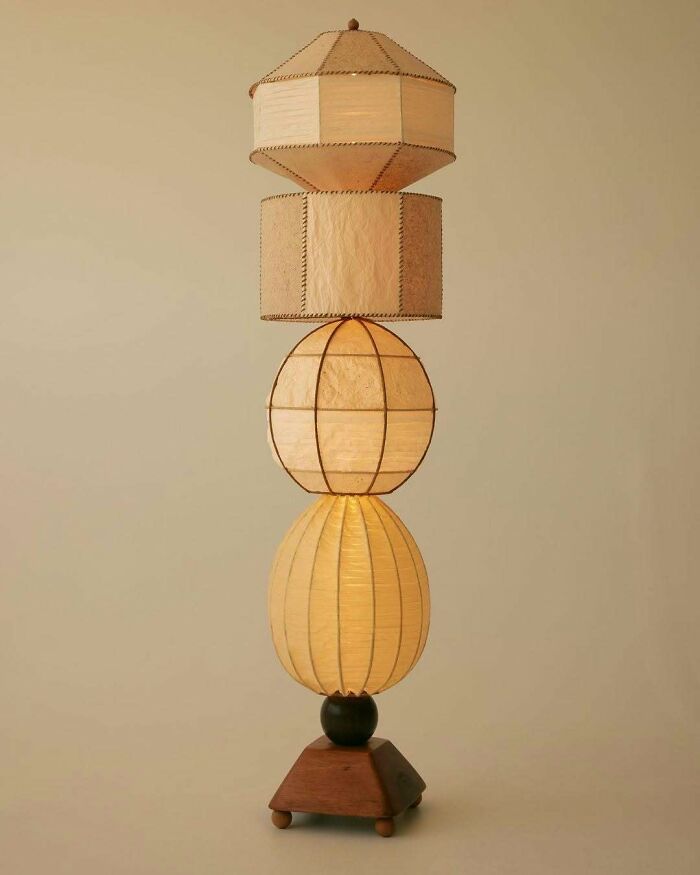
There's a chandelier like that in the bar in the station hotel Glasgow. Just one big volvox though
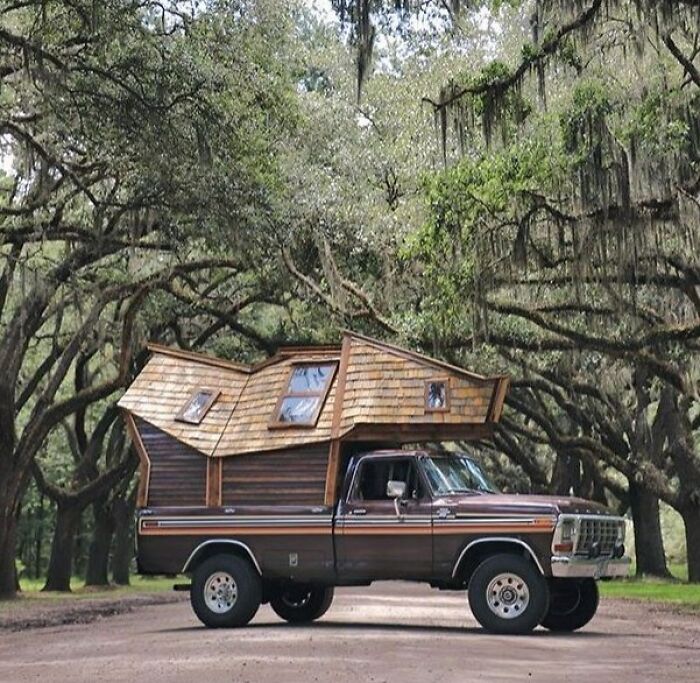
From the site --> "A cabin on wheels! 🚗 Jacob Witzling, creator of pnwcabinland, is a cabin builder (and the second-grade teacher) currently driving this eccentric and extraordinary truck cabin around the united states. built on the top of a 1979 F-250 pickup, the tiny abode accommodates a 20-square-foot loft for cozy, yet comfortable sleeping and eating... 😍"

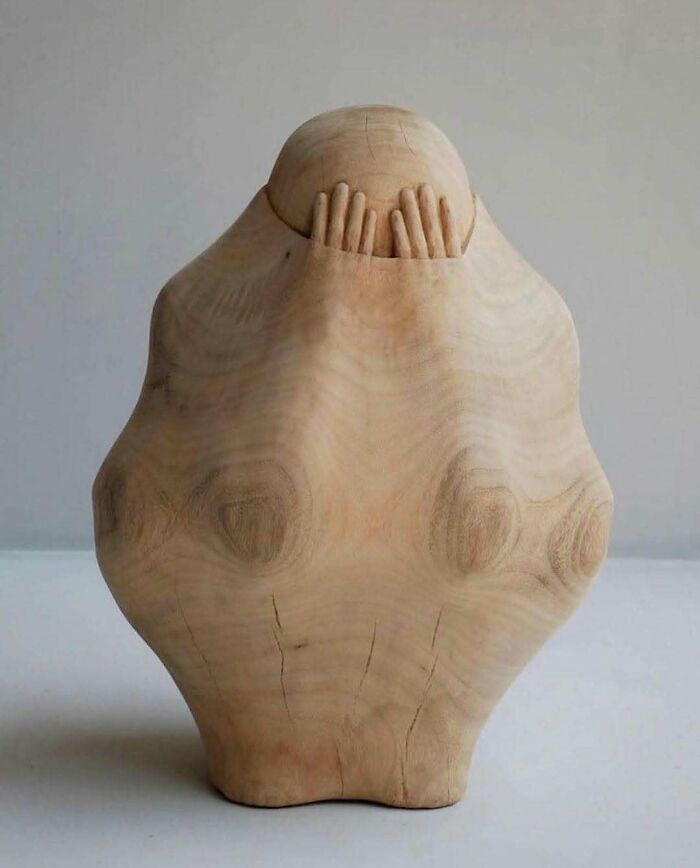
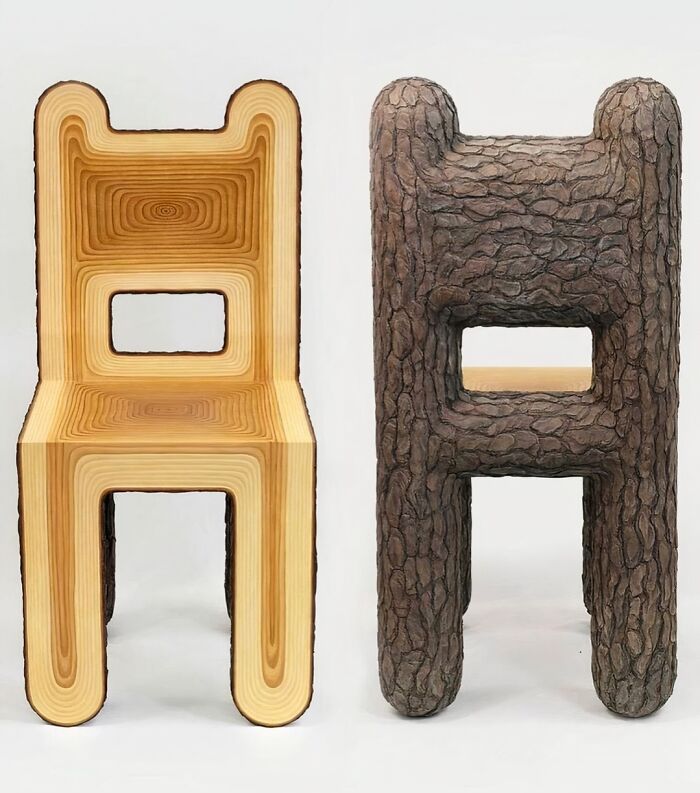
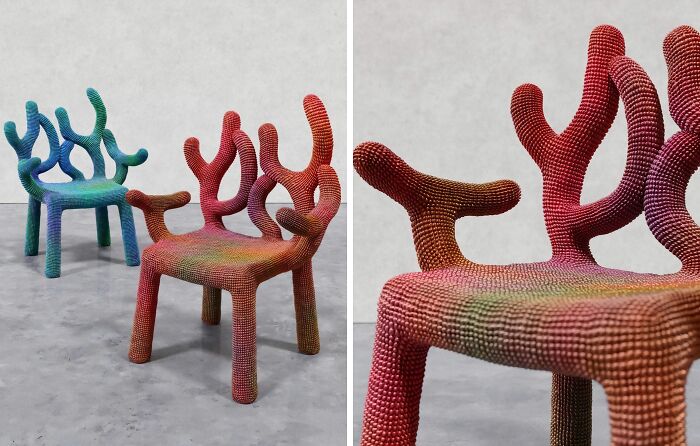
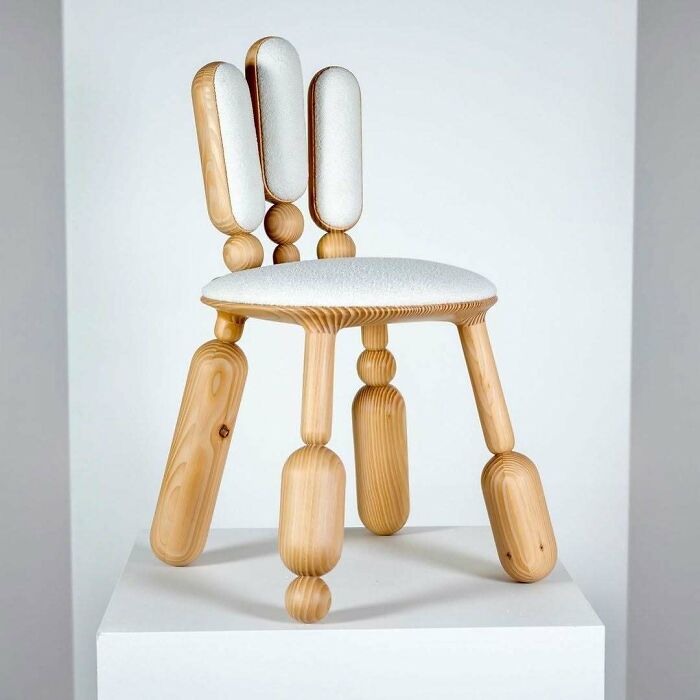
I can see this as a calming chair for when children are overwhelmed. Sit in it and run your hands over the bark or follow the patterns.
From the site --> "🖼 "Turning the Place Over" is an art installation created by British 🇬🇧 artist Richard Wilson. This unique and innovative piece was commissioned for the Liverpool European Capital of Culture celebrations in 2008. The installation is located in Liverpool's city center, specifically on Cross Keys House, Moorfields. 🤯 The artwork consists of a section of a building's facade that rotates on a pivot. The rotating section is eight meters in diameter and is cut from the corner of the building. The rotation is slow, taking about two minutes to turn 360 degrees. The entire installation is designed to give the impression that a giant circular cut-out has been lifted and is turning in the air, creating a dynamic and disorienting visual effect. "

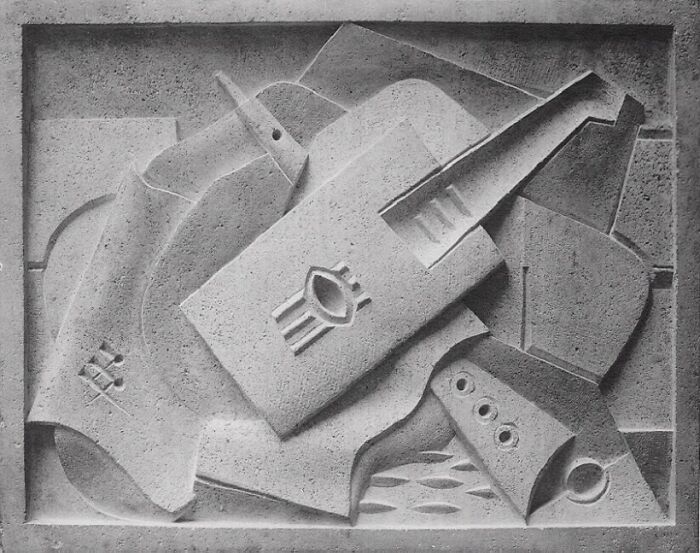
This artwork is titled Still Life (Nature Morte aux Instruments de Musique) and was created by Cubist sculptor Jacques Lipchitz in 1918.
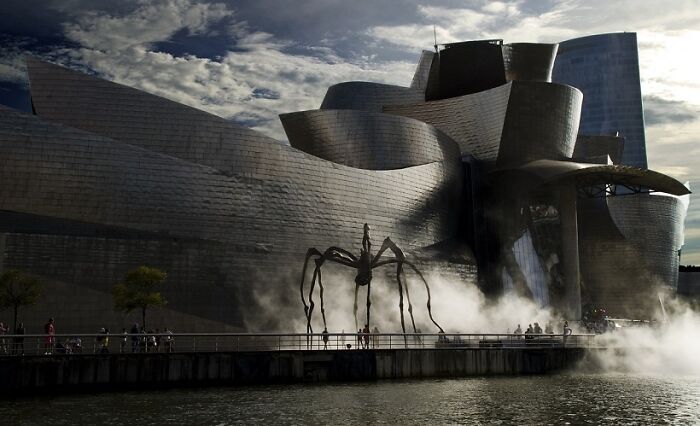
From the site --> "This is a real museum! 🤯 The Guggenheim Bilbao Museum is a mix of complex, turning shapes and compelling materials. Being one of the most interesting buildings, the museum responds to sophisticated programming and industrial urban surroundings. 😍 "
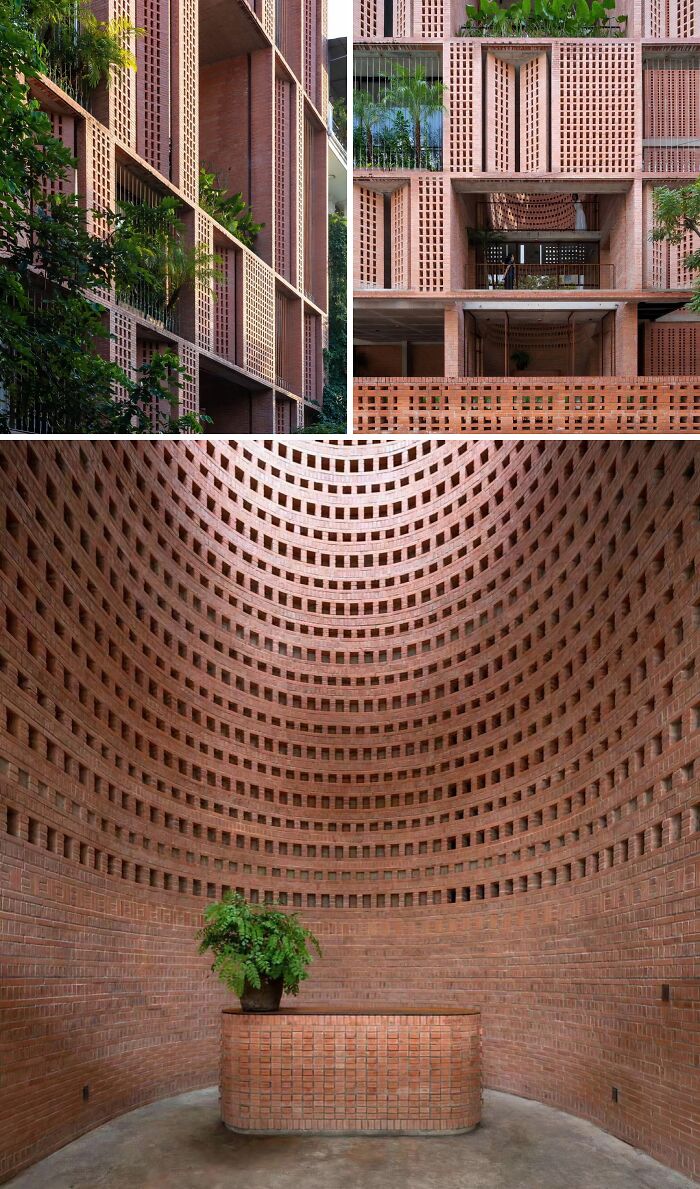
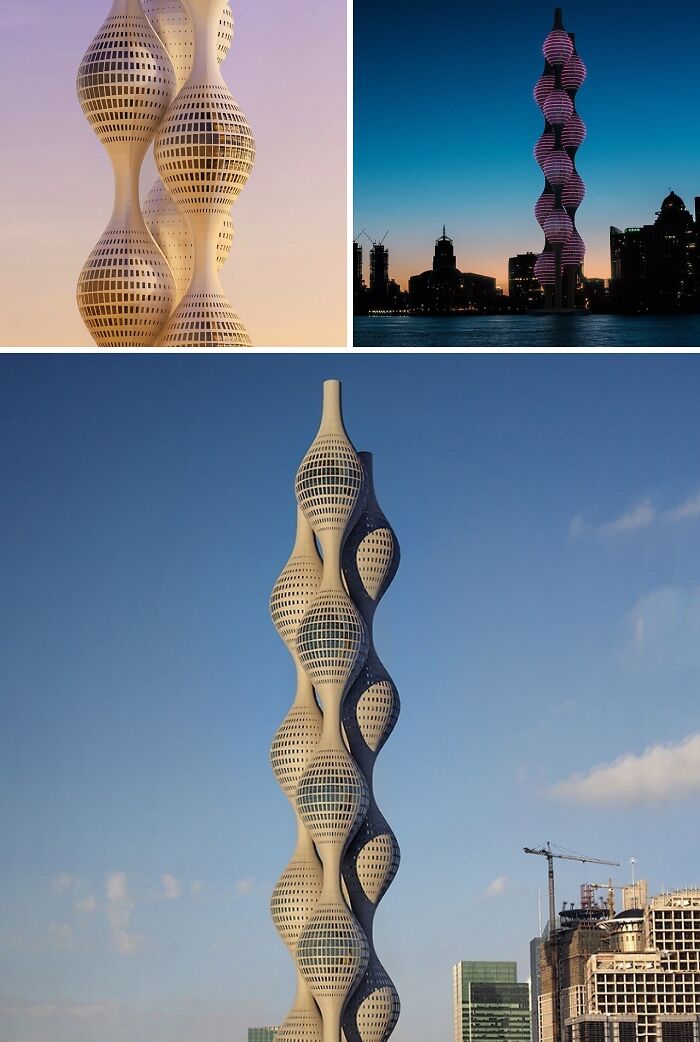
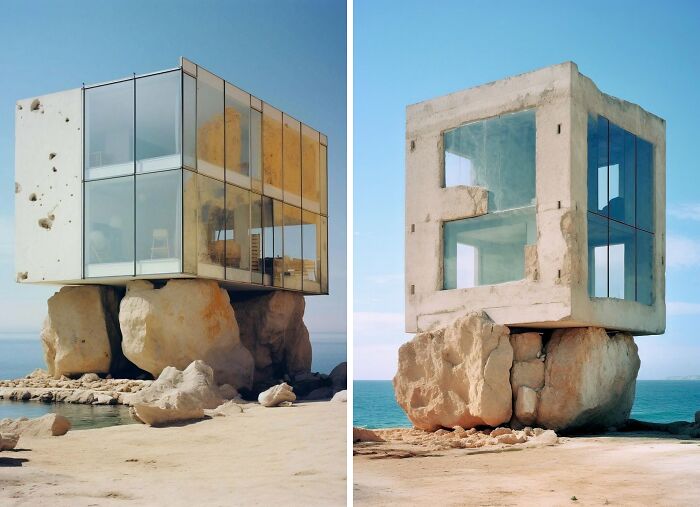
From the site --> "No, this is not made by AI! This is a real building located in Vietnam photographed by @trieuchien 😍"
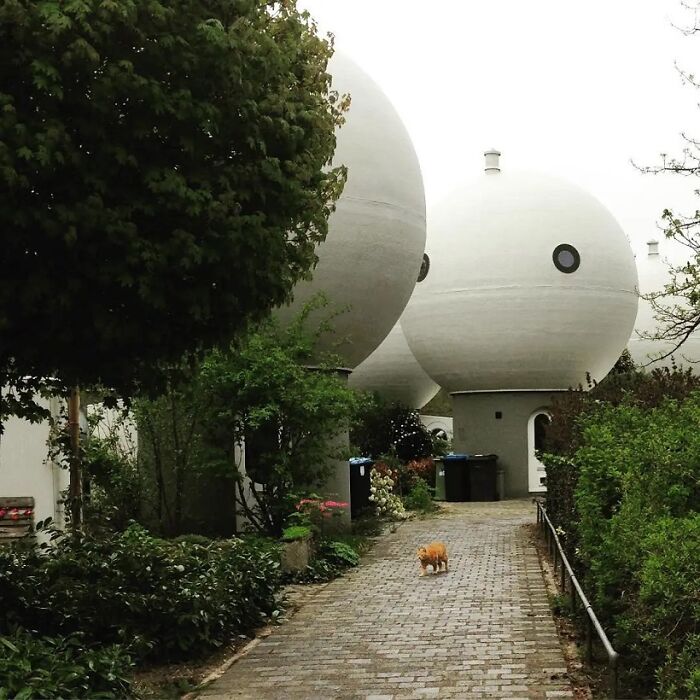
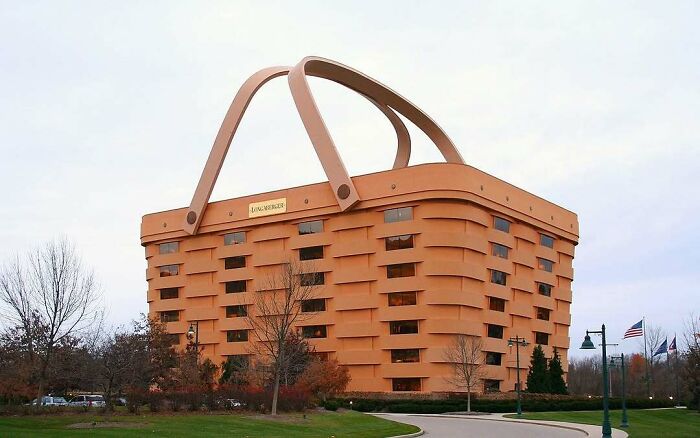
Former headquarters of the Longaberger basket company in Dresden Ohio. Currently unoccupied.
I don’t like being negative but this doesn’t look comfortable and would let in too much unwanted hot or cold air.
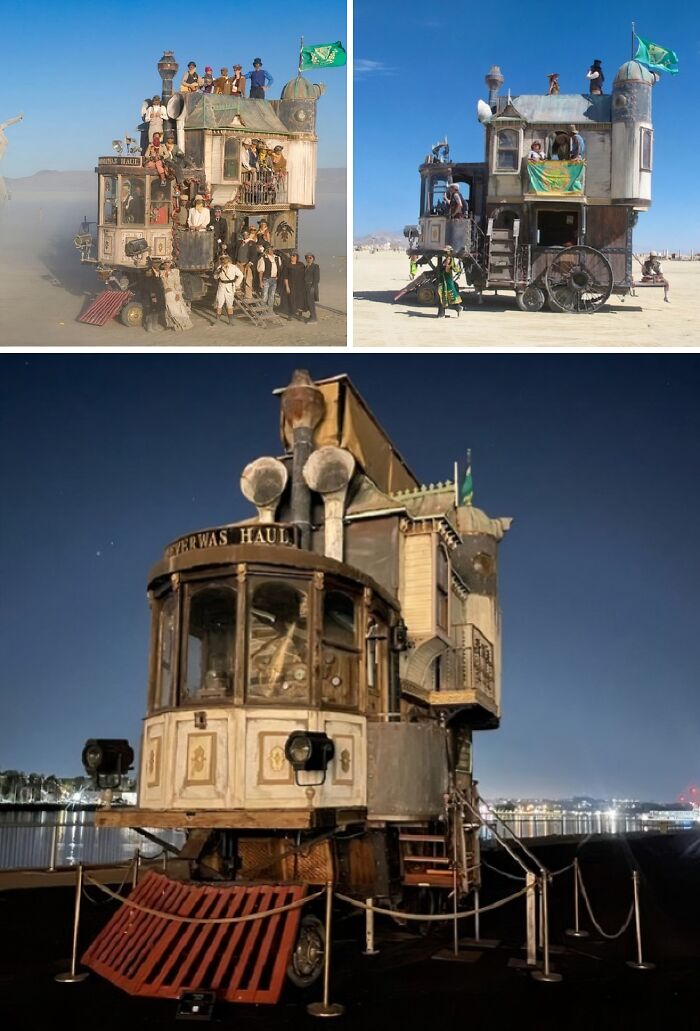
From the site --> "Shannon O’Hare is a science fiction novel admirer who was inspired by H.G. Wells and Jules Verne. Neverwas Haul is a three-story mobile Victorian house designed by O’Hare. Yes, you read it well. The house is mobile and built in Victorian style. ⚜️ ⚒️ Shannon O’Hare found volunteers to build the Neverwas Haul at the Berkeley Shipyard art space in 2006. The material of the house is 75% recycled materials. Because O’Hare built Neverwas Haul over 15 years ago, he needed to replace some worn-out parts. But the design is still the same as the original. "
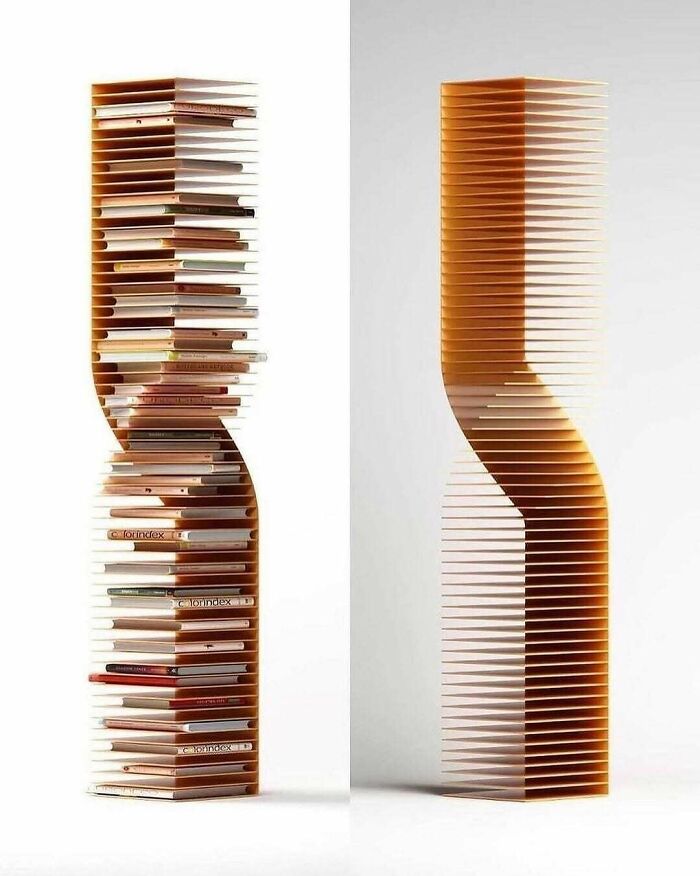
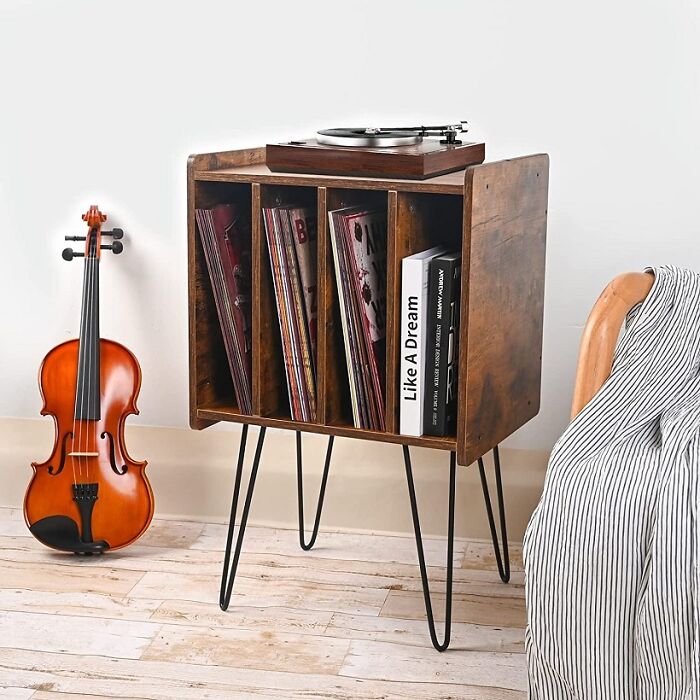
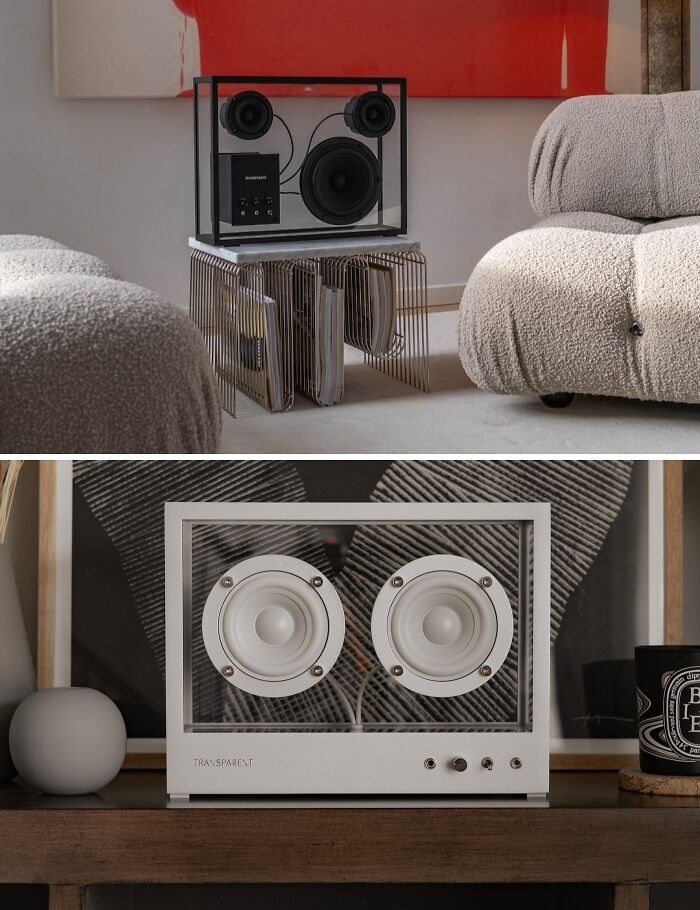
If I had this I’d probably listed to my albums more, since the machine flips them over automatically.
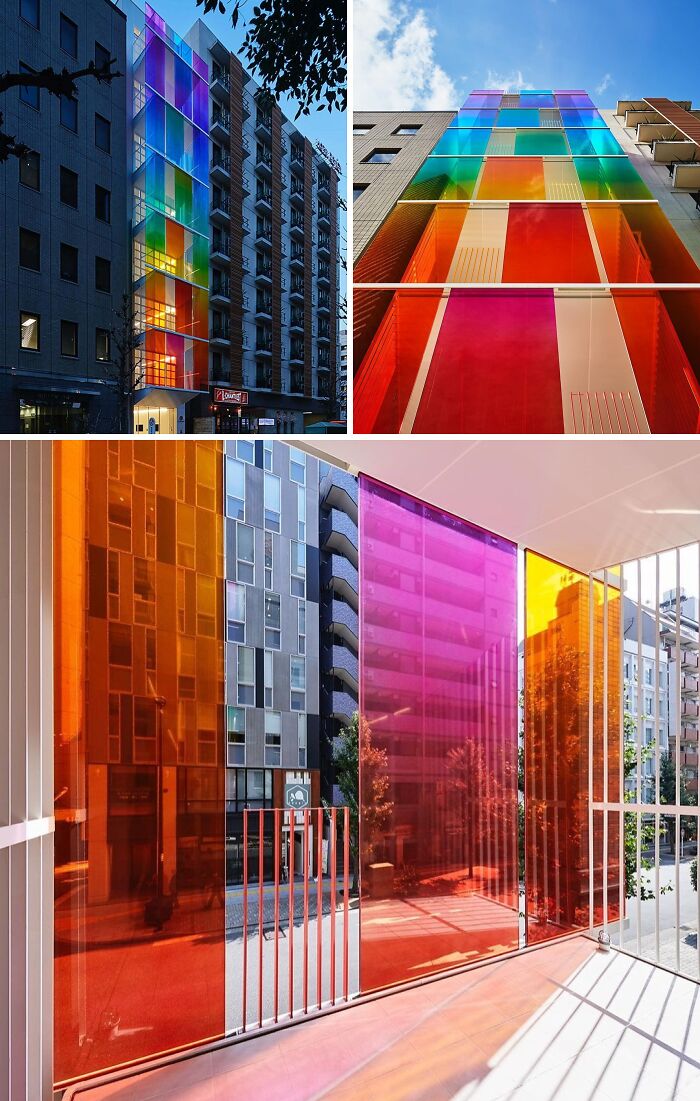
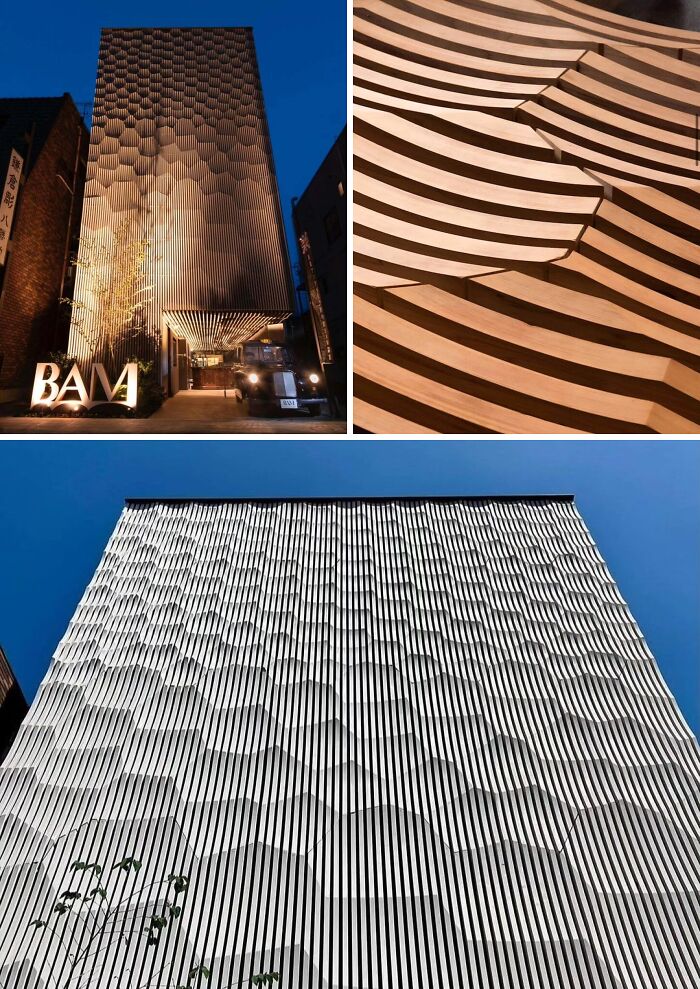
From the site --> "British Antique Museum in Kamakura, Japan has a really interesting façade 🏫 A minimalist and artistic look, looks really good!"
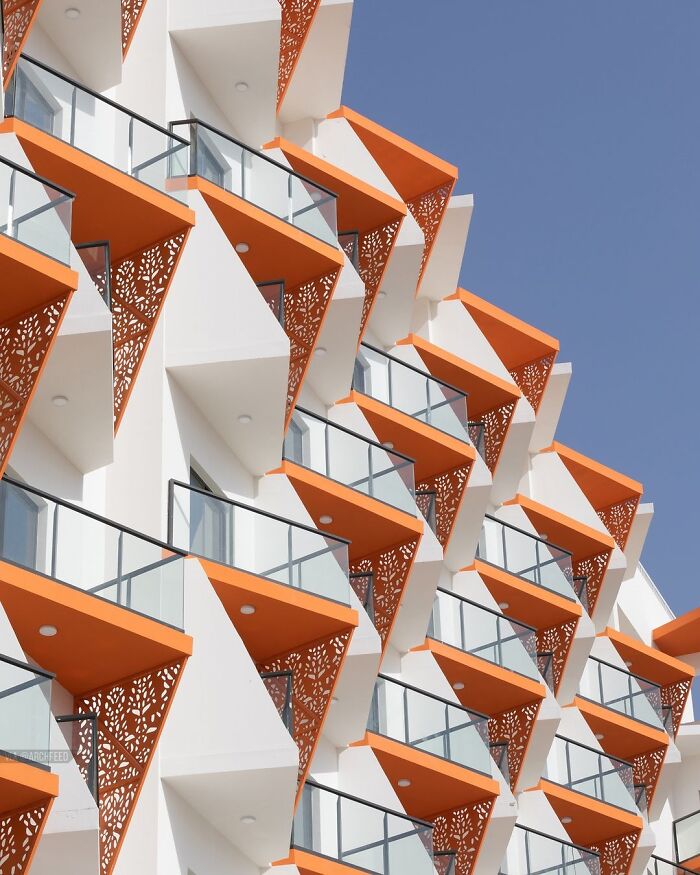
From the site --> "Binghatti residental building in Dubai! 🏘 Combining traditional elements with modern, minimalist designs... 😍"
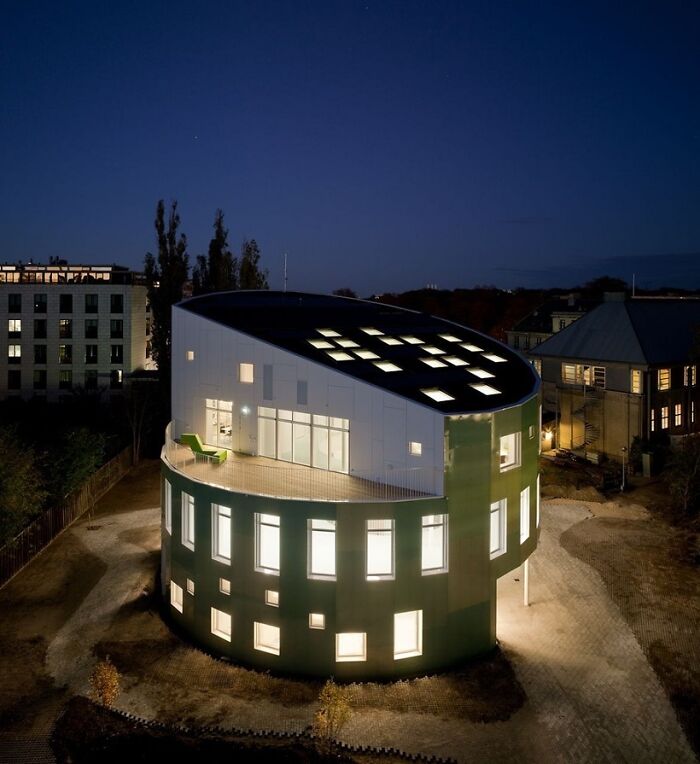
From the site --> "The Green Lighthouse is an example of architecture in Copenhagen. Christenson & Co. designed the building that is CO2-neutral. The building uses the energy that comes from solar energy..."
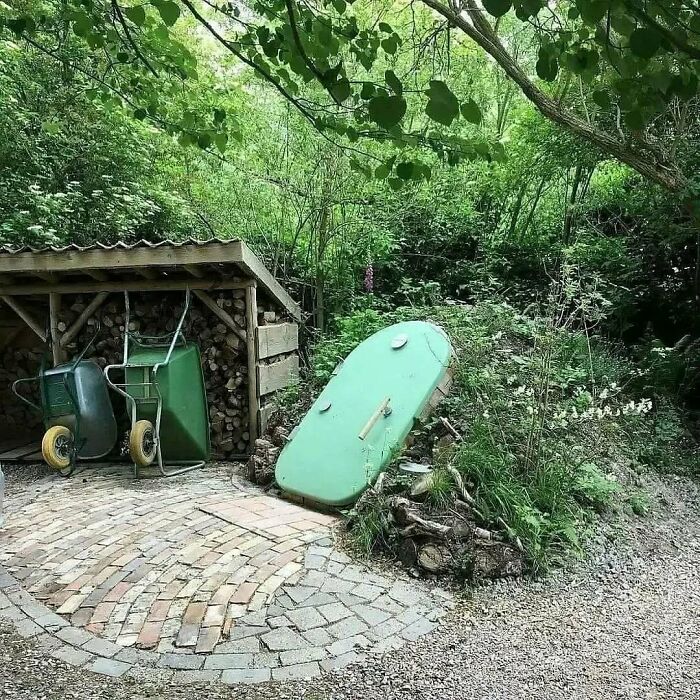
From the site --> "This pre-fabricated cellar is an affordable, cooling and storage system for various food and drinks. 🧀 It uses the help of insulating effects of the soil and water. It is able to keep the temprature between 50° and 53° degrees Farenheit (10 and 12 °Celsius) throughout the year. 😍"

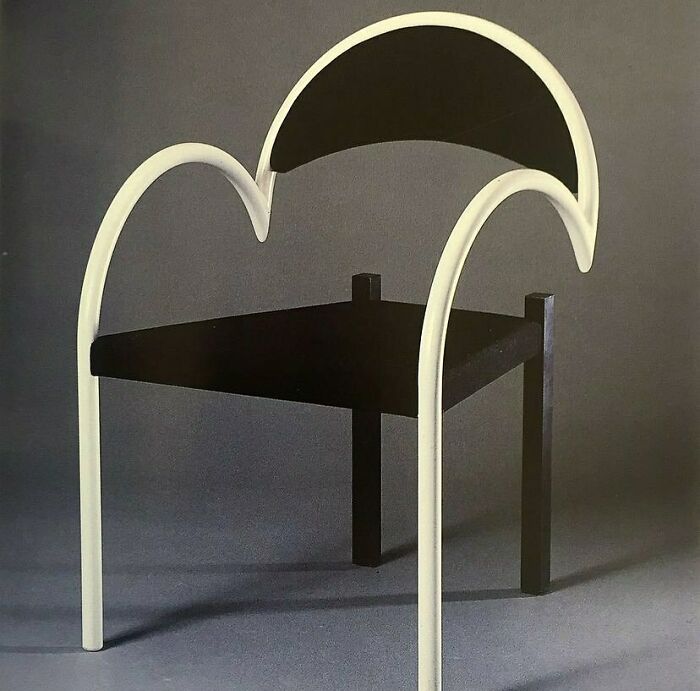
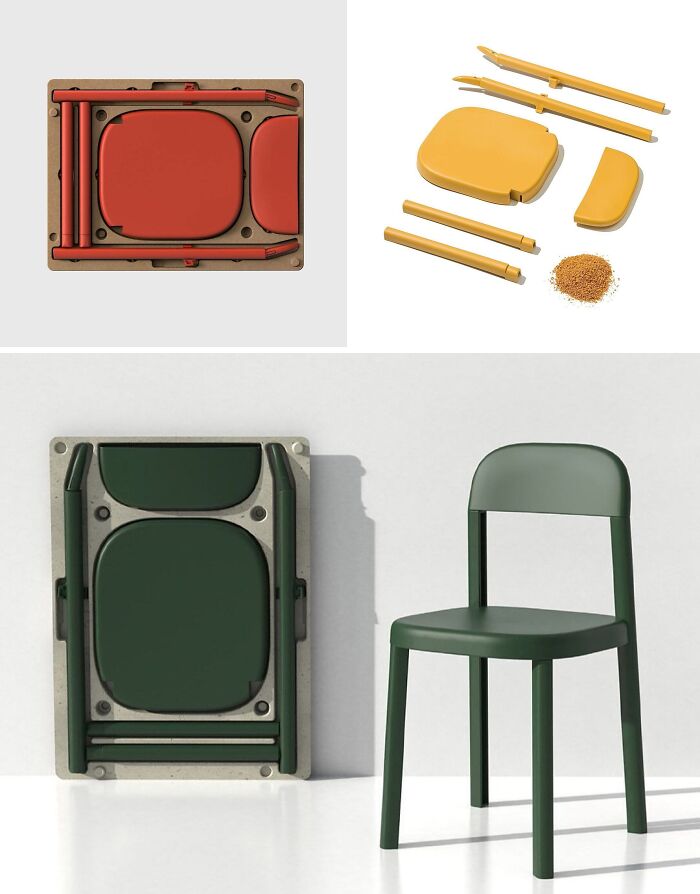
I saw a lady with a chair like this recently! Hers folded up like an umbrella, and the chair legs became the legs for a walking stick type thing. I ordered one on the spot.
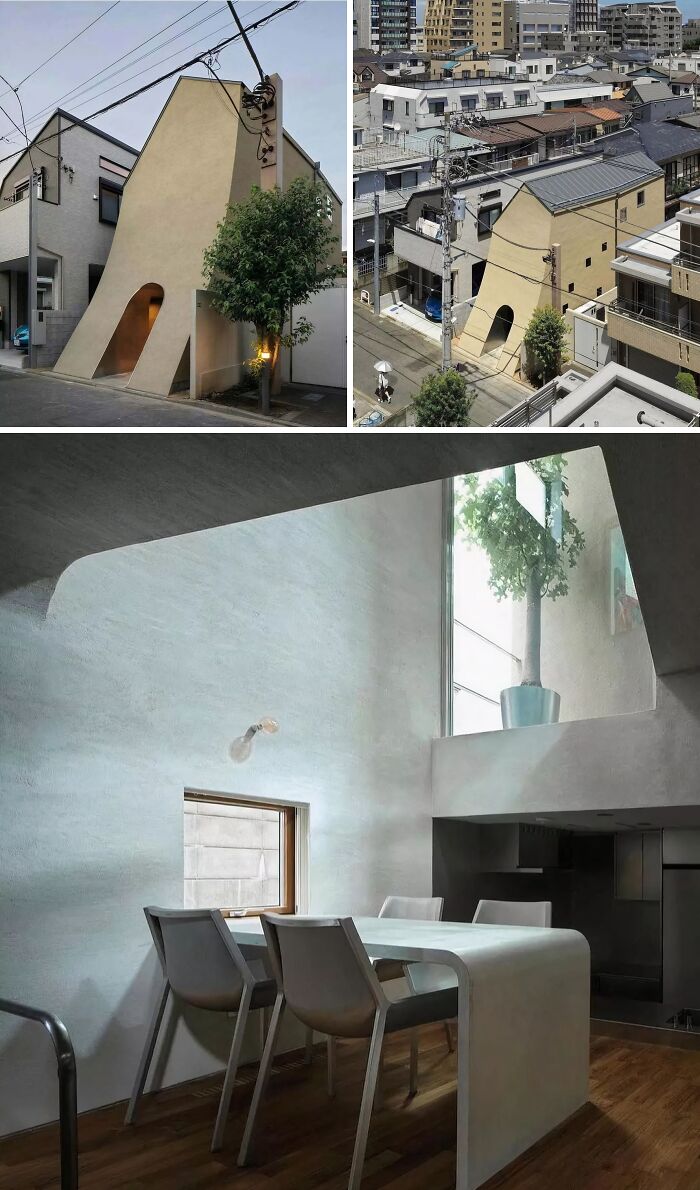
From the site --> "Looks straight out of a cartoon! 🏡 interesting house design from Japan 🇯🇵"
From the site --> "Romanian artist Darius Hulea is known for his awesome wire sculptures. 👨🎨 He uses wires made from stainless steel, iron, brass, and copper. The artist bends wires and creates his eye-catching sculptures."
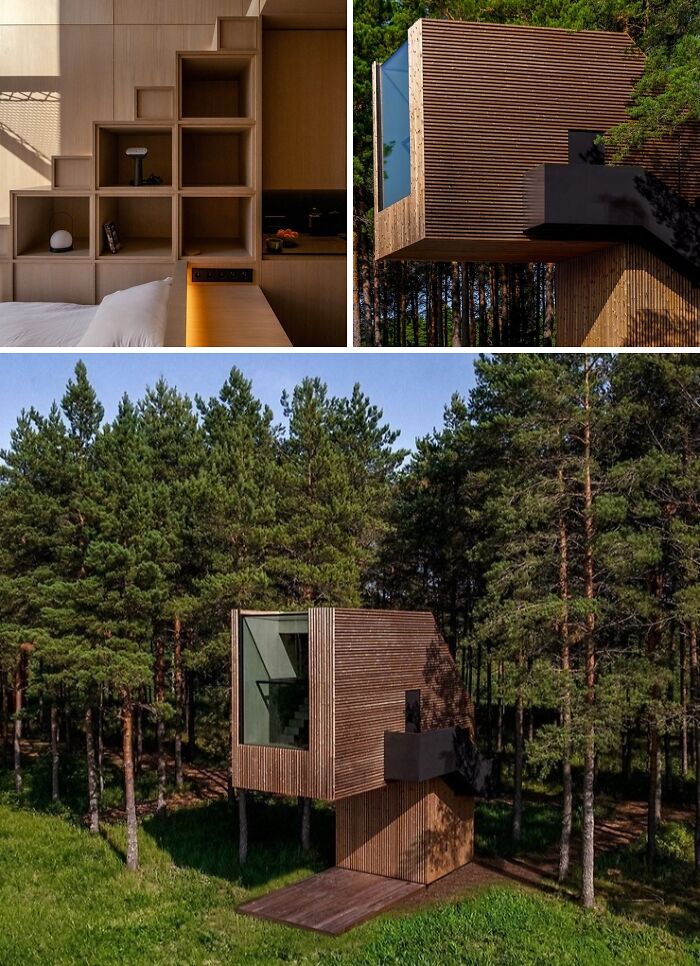
From the site --> "Nestled at the edge of a picturesque forest in Estonia, 🇪🇪 the Dubbed Piil is a remarkable modular holiday home. The house seamlessly combines wood and steel. The famous, innovative architecture studio, Arsenit, designed the house. If you’ve ever dreamt of living in a one-legged house that resembles a treehouse, Piil is the enchanting escape you’ve been waiting for. 😍 "


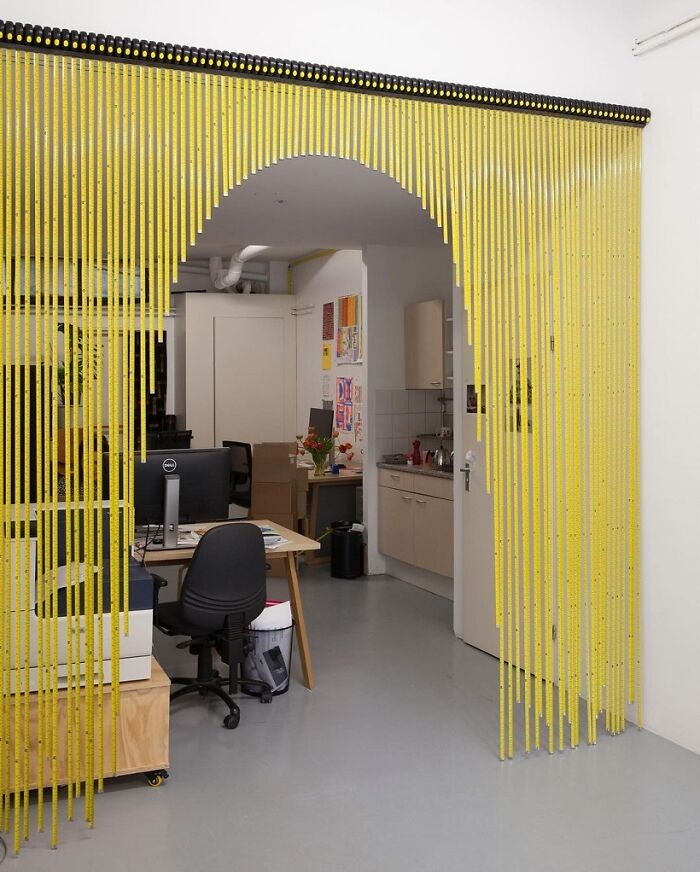
Measuring tapes. Cute idea, let me know how you did when you tried to clean it.
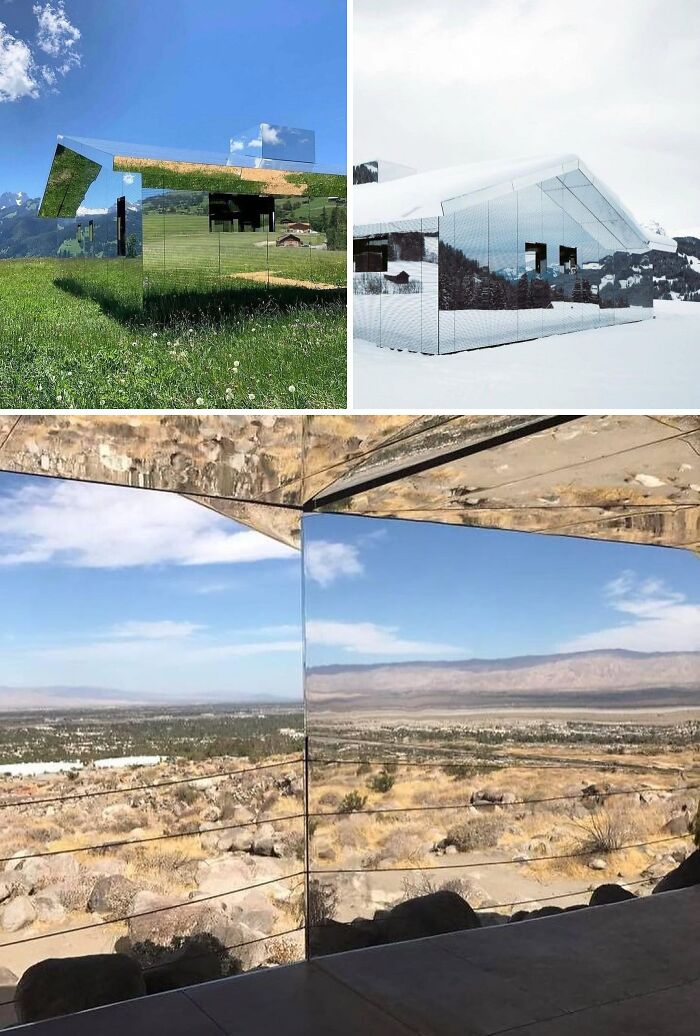
Never liked the mirror approach, too many birds get hurt/k i l l e d.
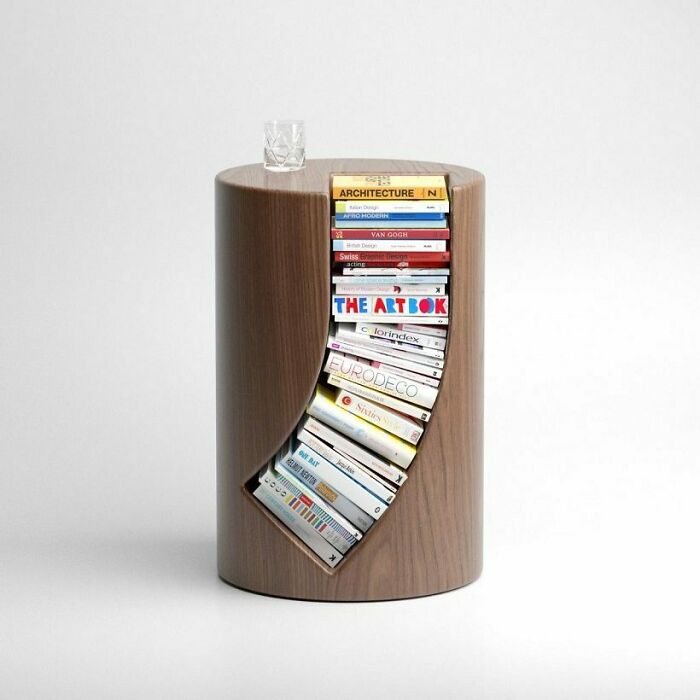
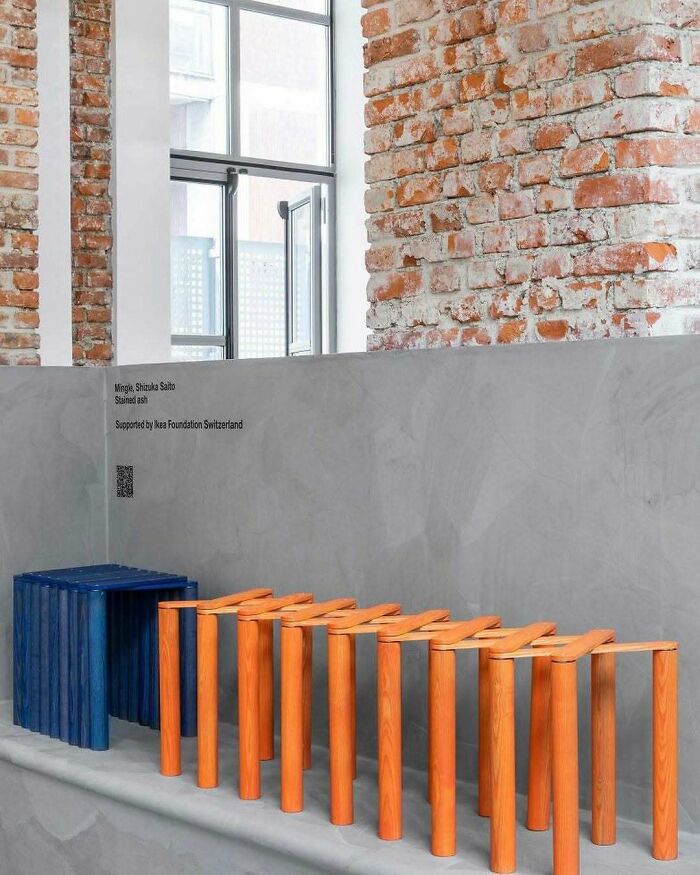
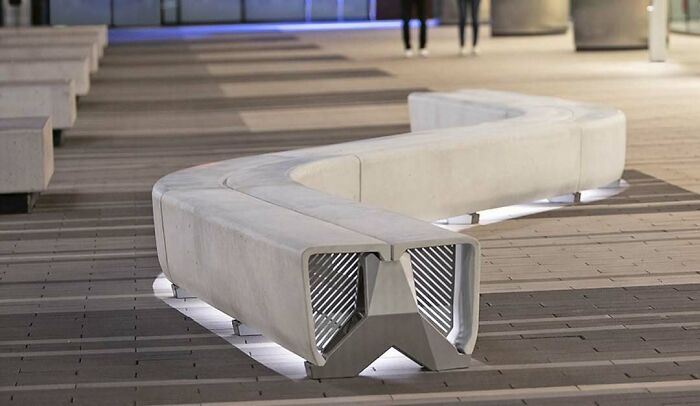
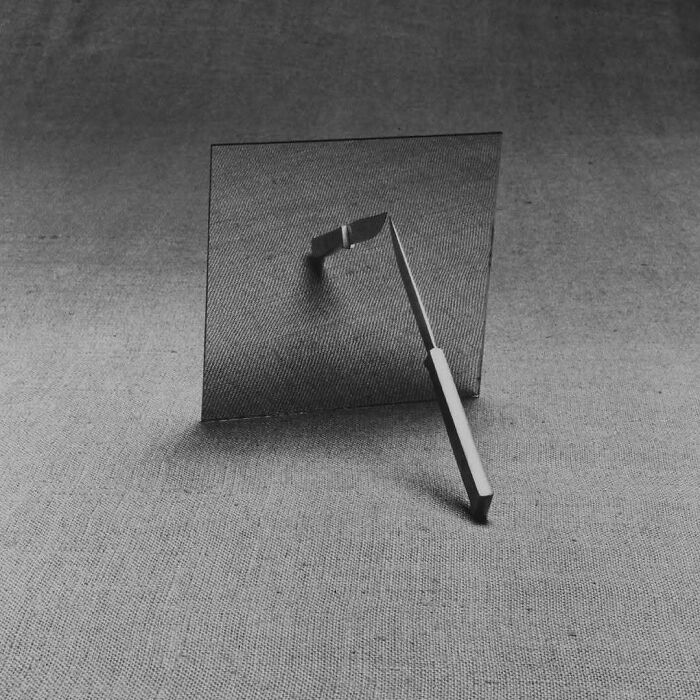
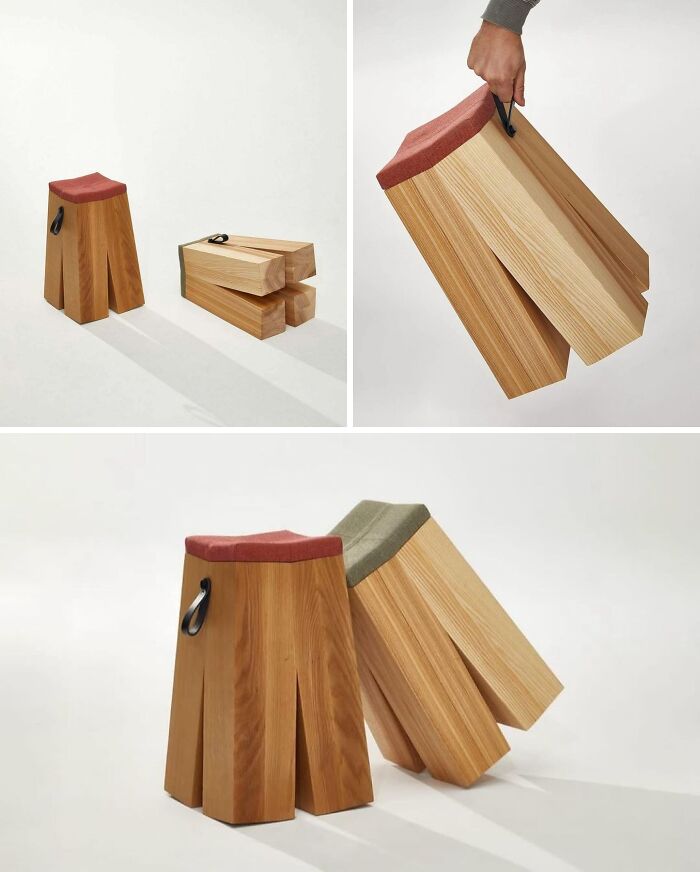
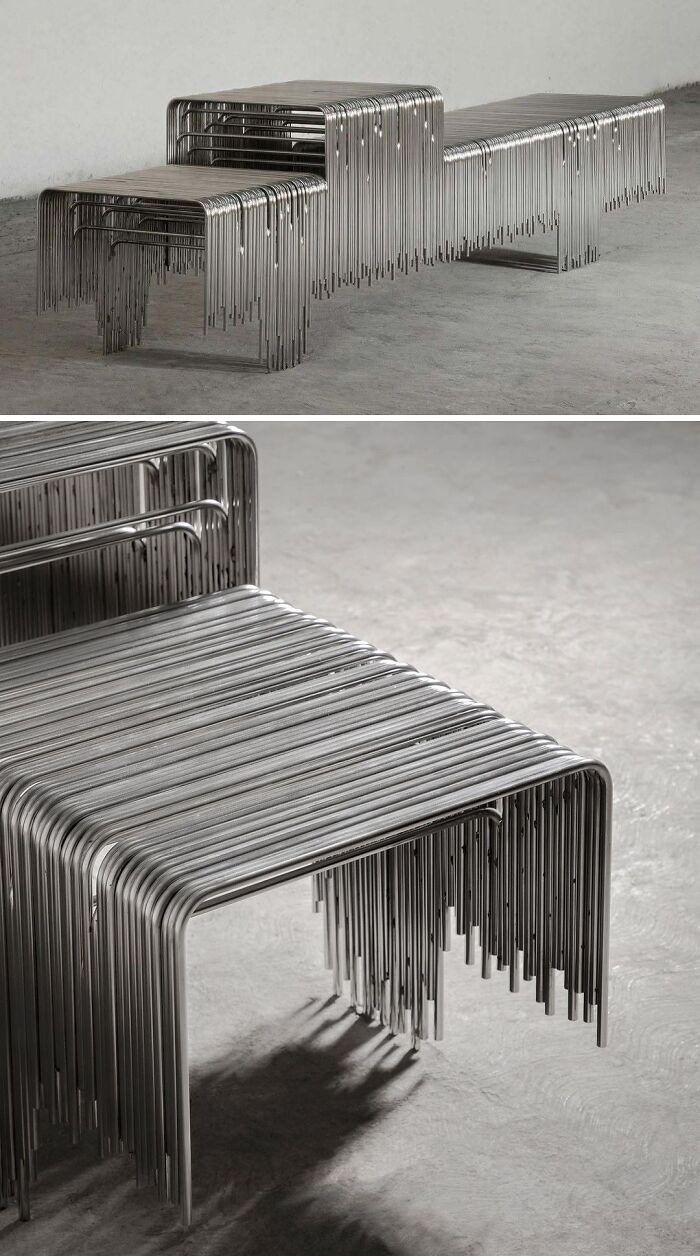
The purpose of which is? Seems too small to be a stool. Stand for buffing shoes perhaps?
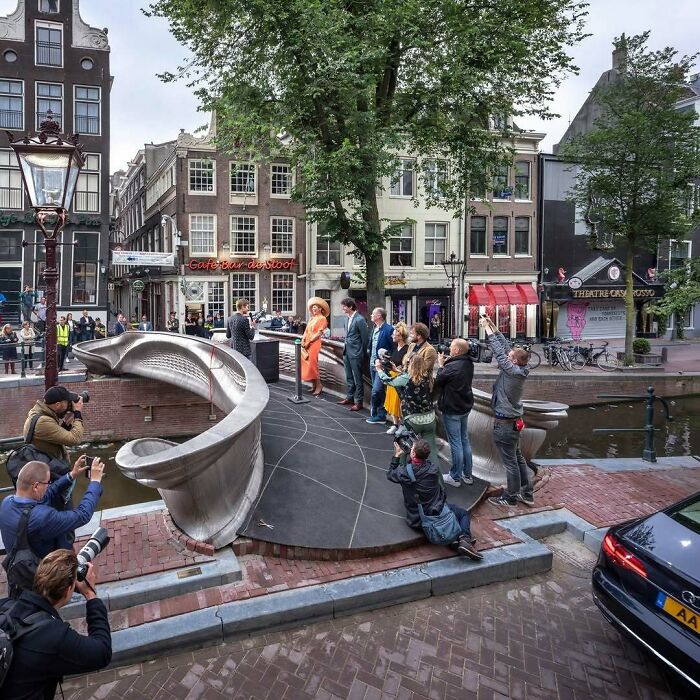
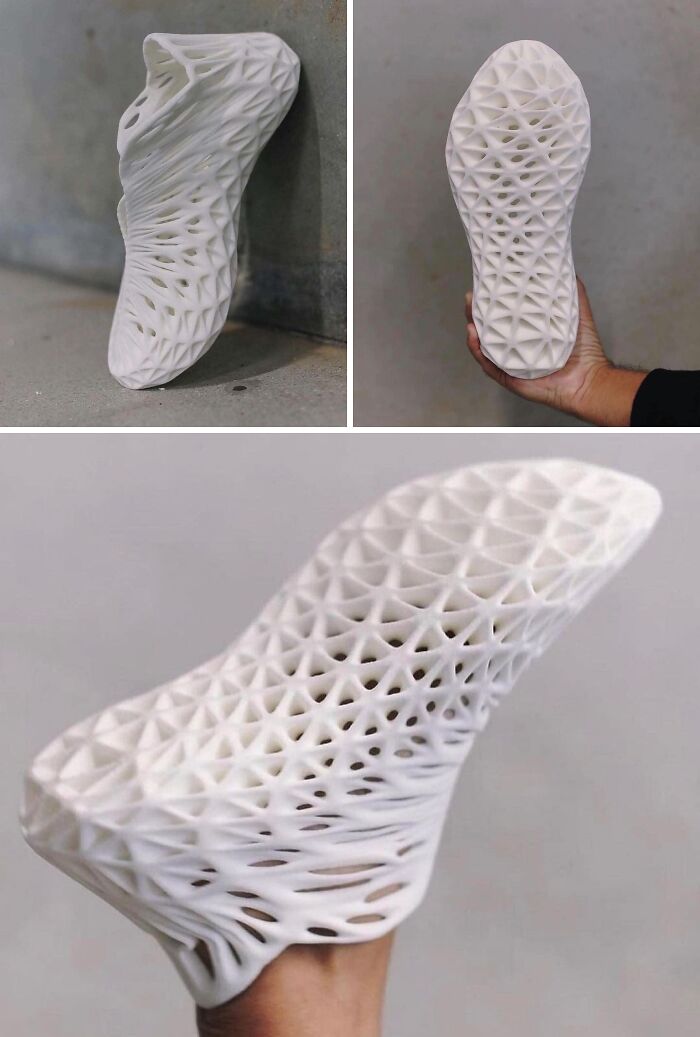
Being 3-D printed we can now make our shoes. The shoes remind me of the “Jellies”, if that’s what they were called, that looked cute but gave you blisters from your feet sweating and rubbing.




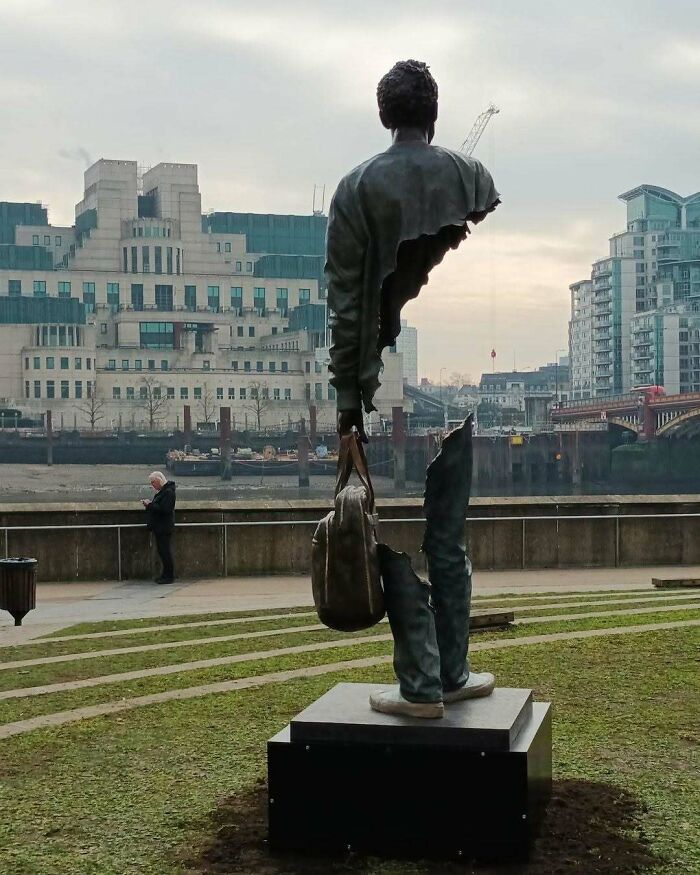
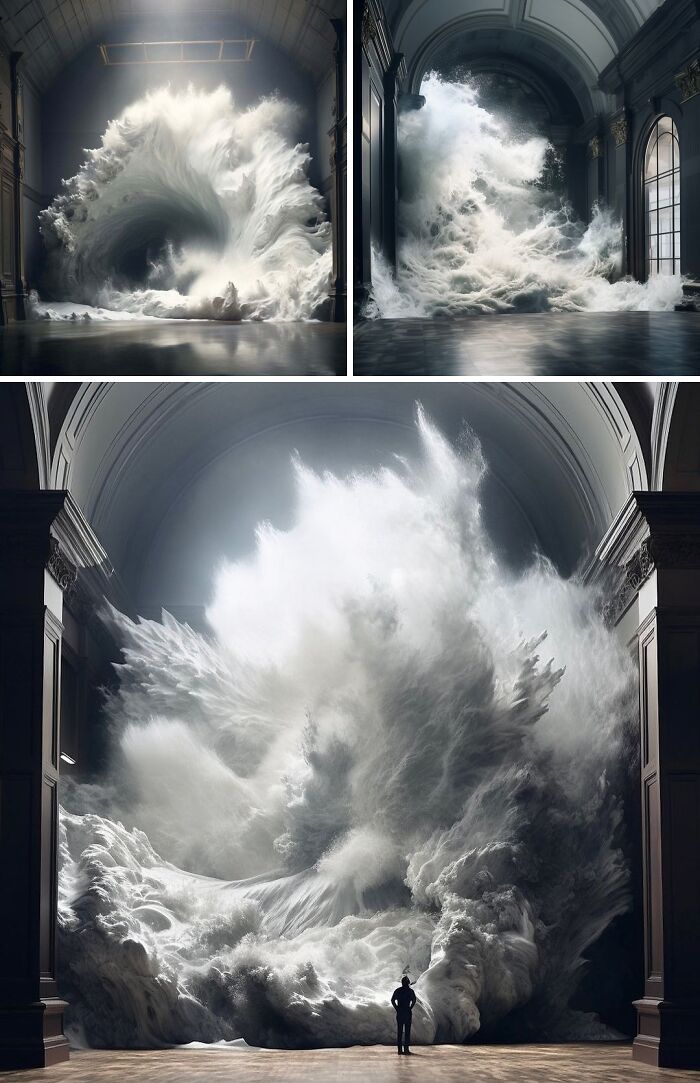
Such a shame you were unable to provide details of whether these items were AI or real. I recognised two London locations but nothing else.
Such a shame you were unable to provide details of whether these items were AI or real. I recognised two London locations but nothing else.





















 No fees, cancel anytime