Get Premium
Dark mode theme is available exclusively for premium users. Learn more about the benefits of subscribing.
No fees, cancel anytime.

 Dark Mode Ad-Free Browsing Unlimited Content
 Ad-Free Browsing Unlimited Content Dark Mode
Join 1.2 million Panda readers who get the best art, memes, and fun stories every week!
It’s peak summer, which usually means — vacation time! But while some people choose to sip delicious cocktails by the pool, others want to see everything a foreign city can offer. Seeing gorgeous architecture is one of the best things you can do while on a city break, and that’s exactly why iconic spots like the Colosseum, Machu Picchu, or the Taj Mahal draw in millions of people every year.
But for every piece of stunning architecture that you won’t have time to visit in person this year, Pandas, we give you this list. Compiled from the iconic “Architecture” subreddit, this list of gorgeous buildings and genius architectural decisions is a feast for the eyes and the soul. Scroll through them and marvel at the wonders human minds and brains are able to build!
More info: Reddit
This post may include affiliate links.
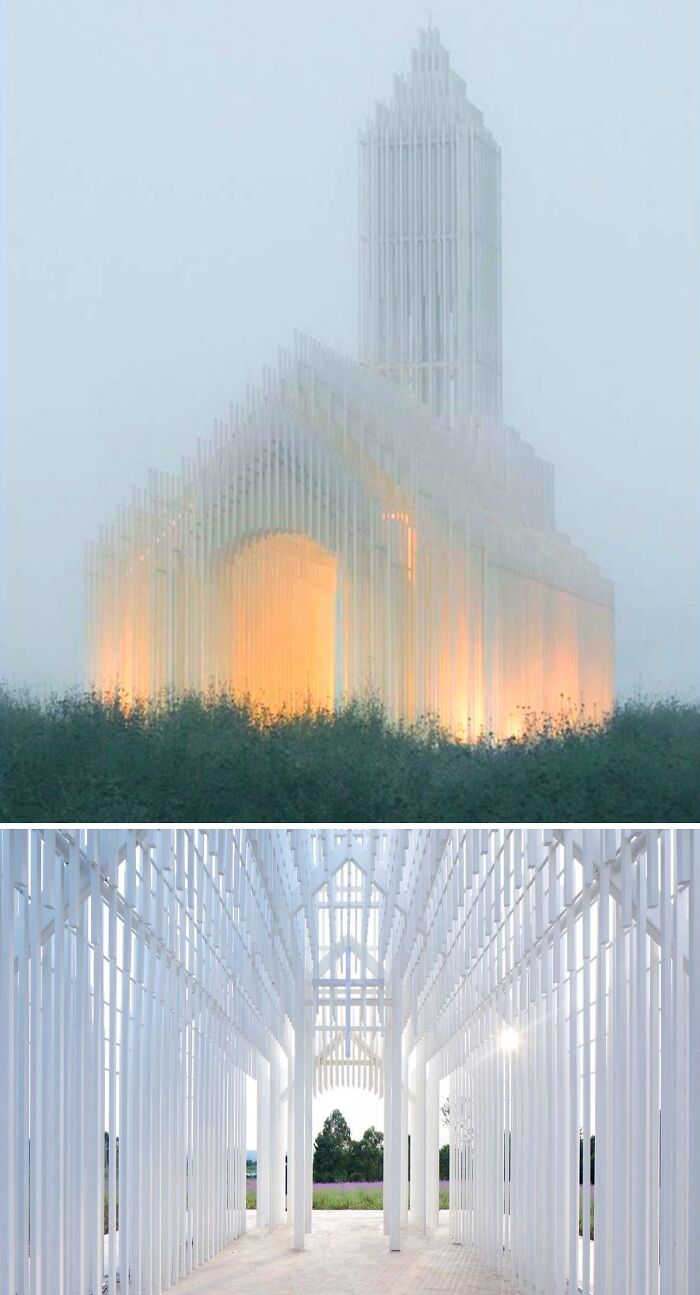
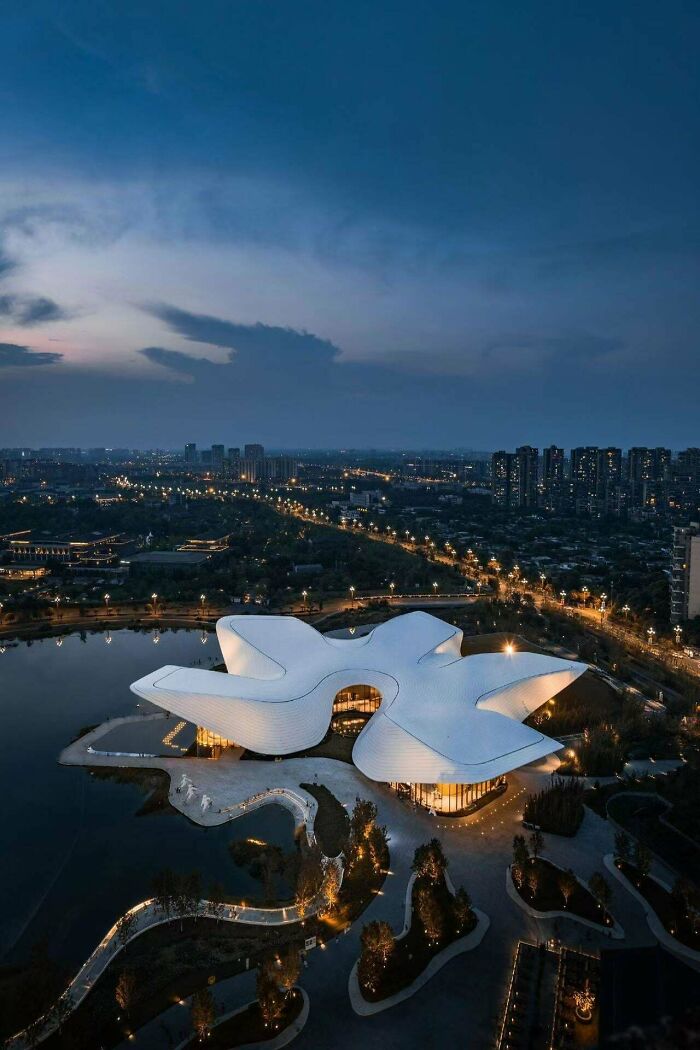
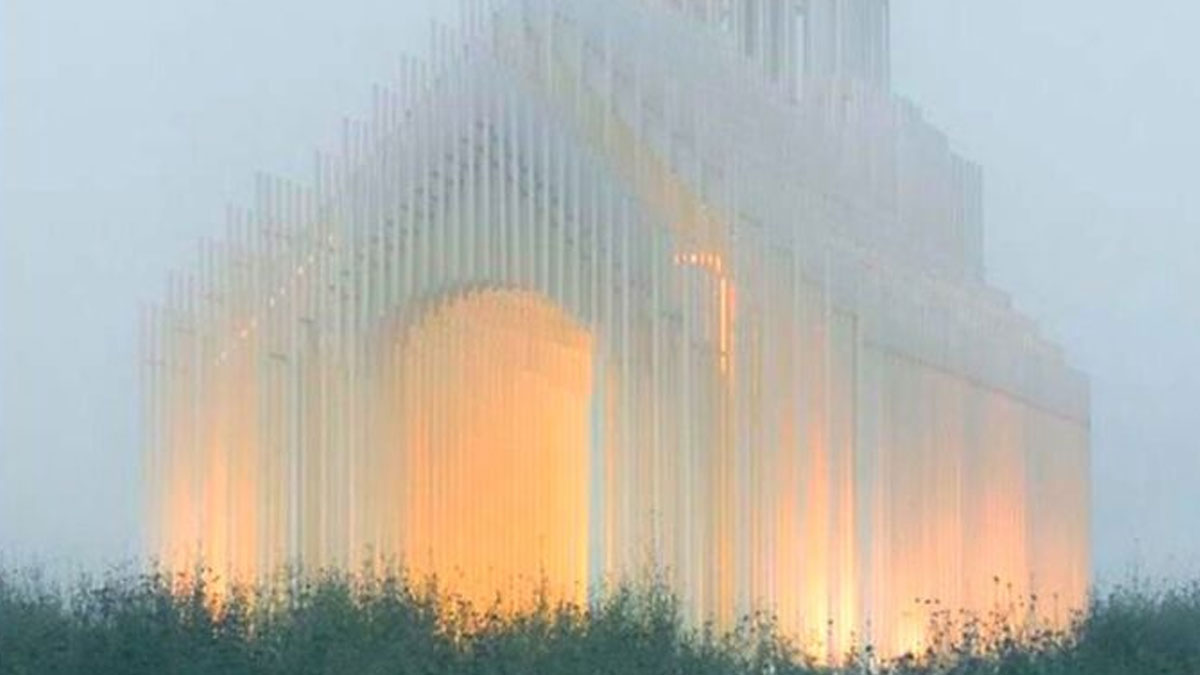
The ‘Shadowless’ church in Chengdu is undoubtedly one of the greatest modern architectural feats. Designed by the Atelier Shanghai Dachuan Architects, the church was inspired by impressionist painters. More specifically, French Impressionists. The building’s official name is Sino-French Science Church, drawing inspiration from Provence with its style and its surrounding lavender fields.
Although from afar, the church looks like it’s made of paper, its core component is actually aluminum. The church has no walls per se, but the way the light illuminates it makes it look even more ethereal. During the day, the sun creates a dynamic visual experience that changes as it moves across the sky. At night, the church is illuminated from within, creating the illusion of floating and blurring the edges.
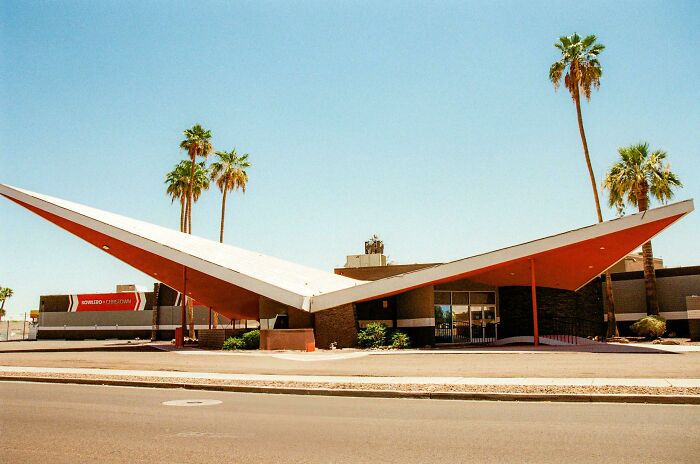
I recently discovered that Phoenix has the second highest concentration of mid century modern buildings behind Palm Springs. Going to try and photograph the unique and fun styles on film for a personal project as I discover them.
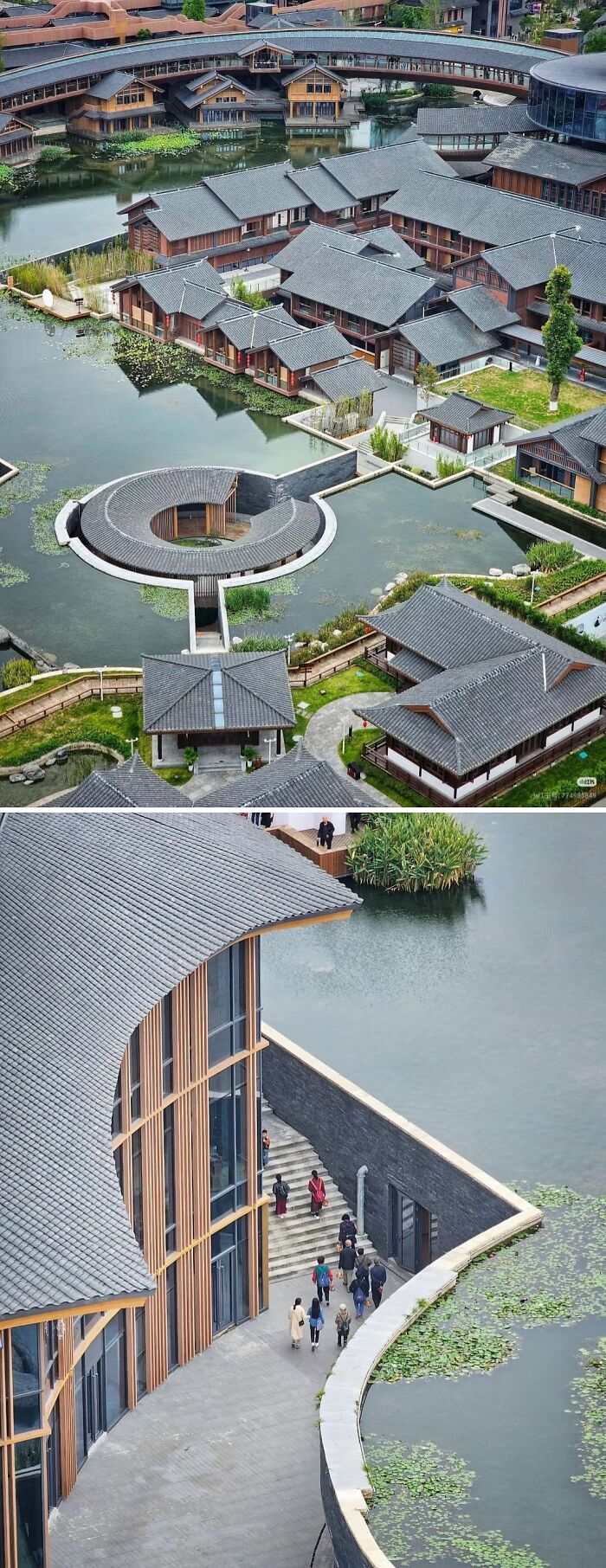
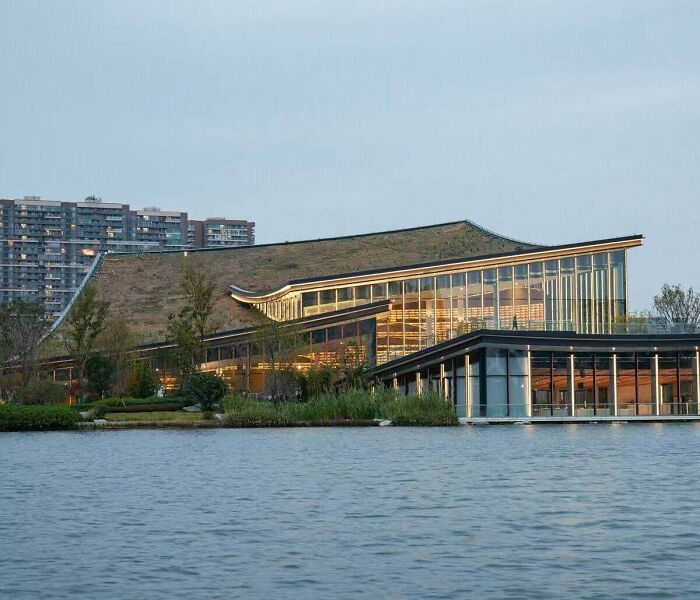
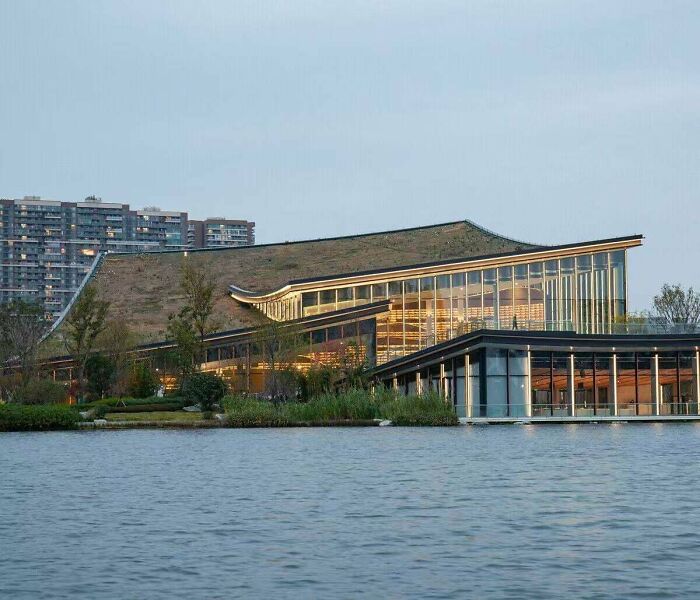
Another architectural wonder in Chengdu, China, is the Longxing Temple. Today, the site’s stunning architecture is famous for its surrounding urban project that masterfully incorporates a lake. The temple itself has stood for more than 1,500 years, but the new urban project, completed in 2024, includes many more buildings.
The renewed Chengdu Pengzhou Longxing Temple Area has dining facilities, hotels, an art gallery, a civic center, a park plaza, a library, and even an exhibition hall. The temple is in the very center, and the other buildings are situated around it according to the concept of the “Ten-sided bushes of Buddha.”

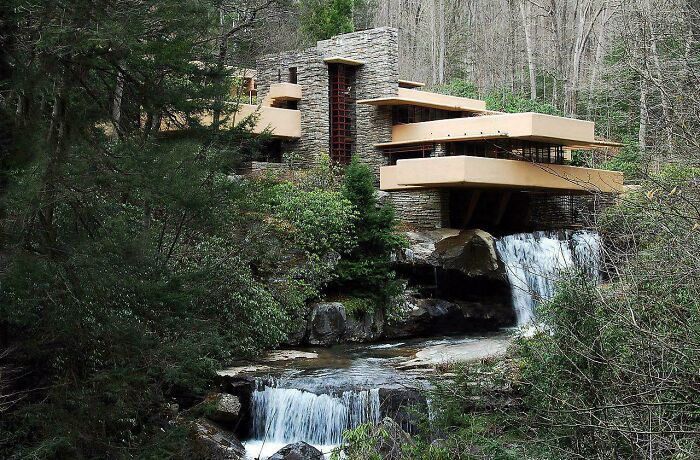
One member of r/Architecture posted Frank Lloyd Wright’s Fallingwater house and asked: “What makes Fallingwater an icon of American art?” Perhaps it’s because Wright managed to design a house that seems seamlessly incorporated into nature. His goal was for the family who lived there, the Kaufmanns, “to live with the waterfall…as an integral part of [their] lives.” Since 1964, the house has operated as a museum and has seen over five million visitors. In 2019, it became a UNESCO World Heritage site.
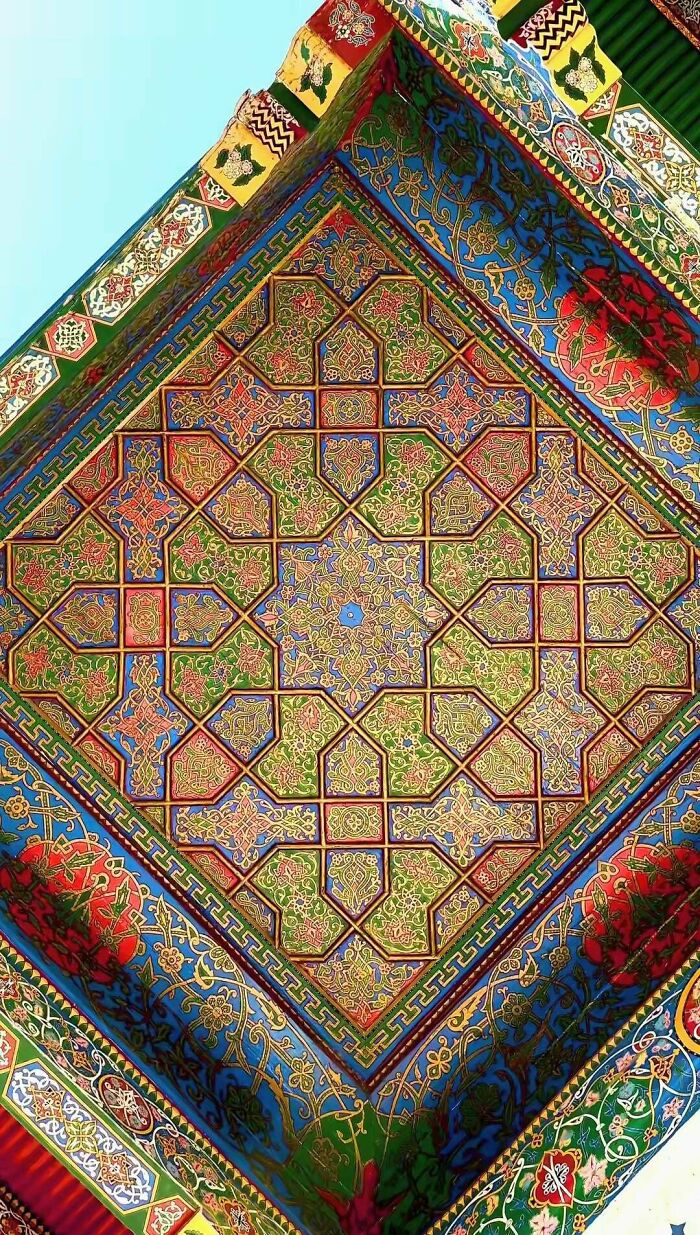
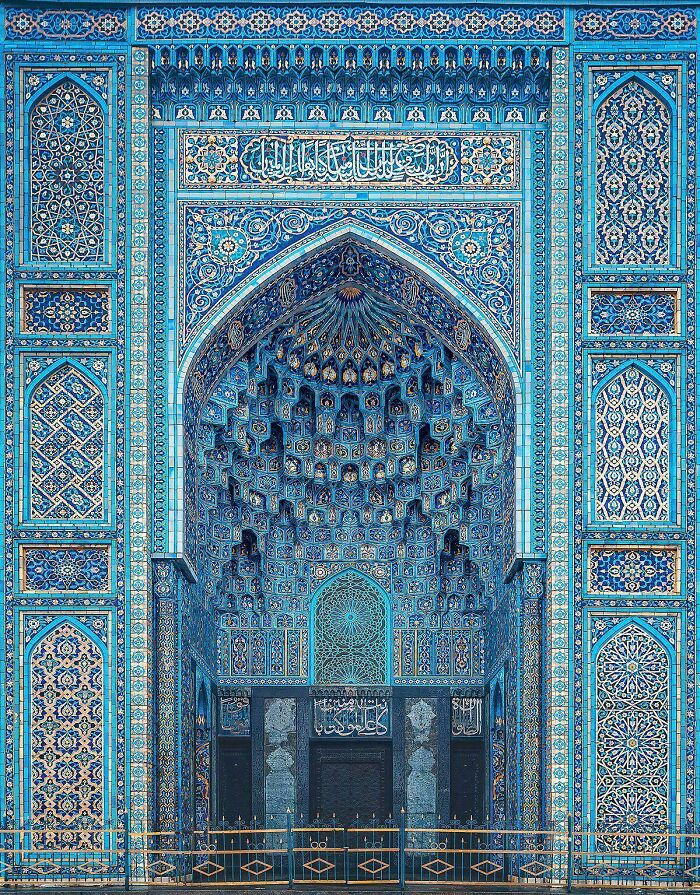
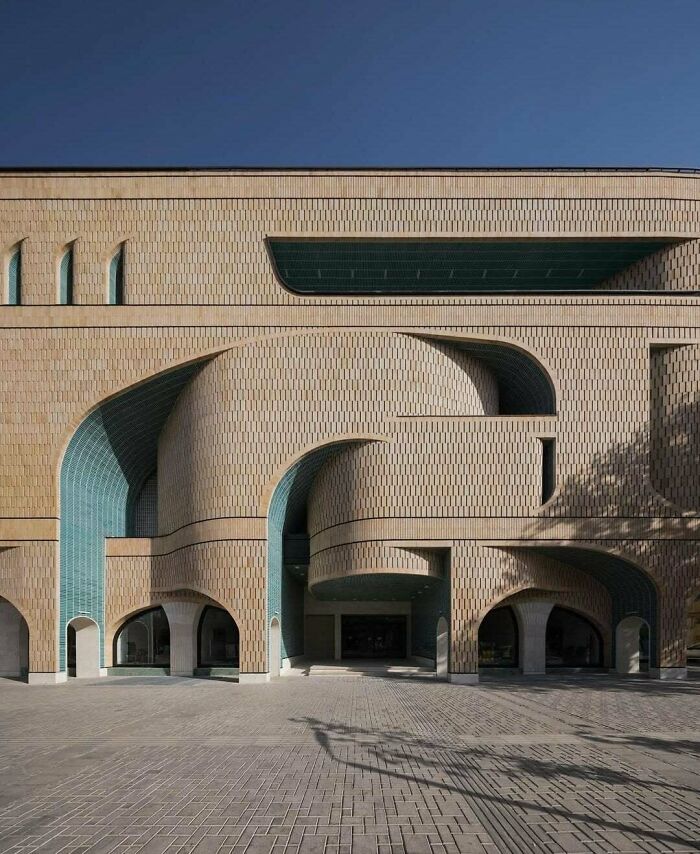
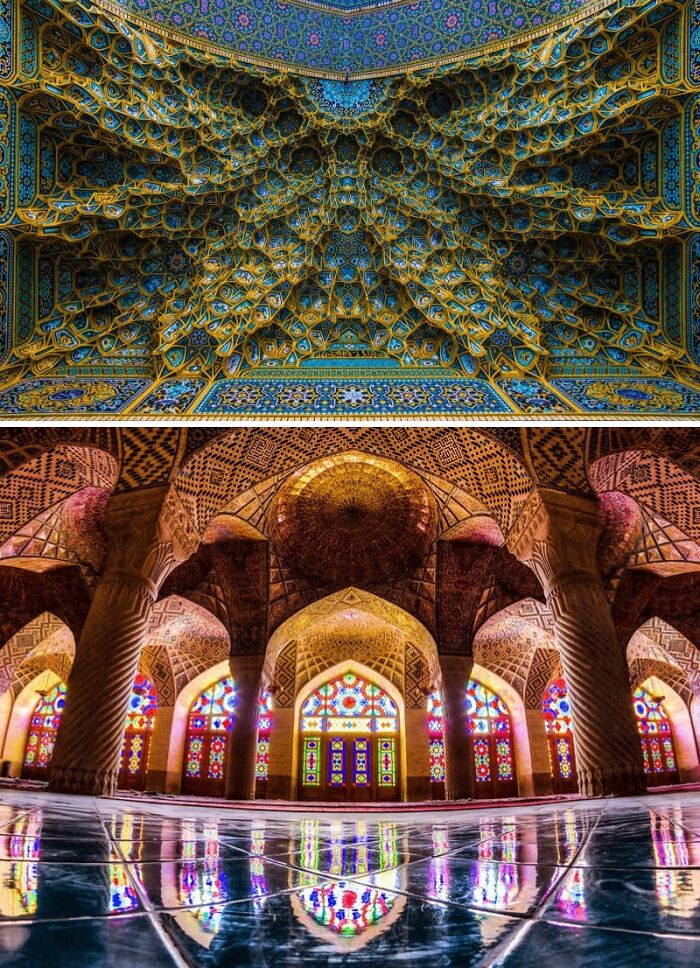
Many users on r/Architecture wonder why much of the architecture from the Islamic world features geometric patterns. The same can be said about Islamic art in general, and if we keep in mind that Islamic mathematicians and astronomers made significant intellectual contributions to the sciences, it might make more sense.
In Islamic art, four basic shapes are the most common: circles, squares and four-sided polygons, stars, derived from squares and triangles in a circle, and multisided polygons. Artists would play with these geometric shapes by combining, duplicating, and interlacing them over and over, creating possibilities of an endless number of patterns. What makes it so pleasing to the eye is the symmetry and the vastness of the ornamentation, almost like a promise of endlessness and freedom.
Which architectural wonders caught your eye the most, Pandas? And how many of these stunning buildings have you seen in real life? Tell us all about your personal stories in the comments! If you’re in the mood for more gorgeous architecture, be sure to check out our previous publications about unique homes that might make you wish to live there and these incredible wonders of modern architecture by architects who weren’t afraid to think outside of the box!

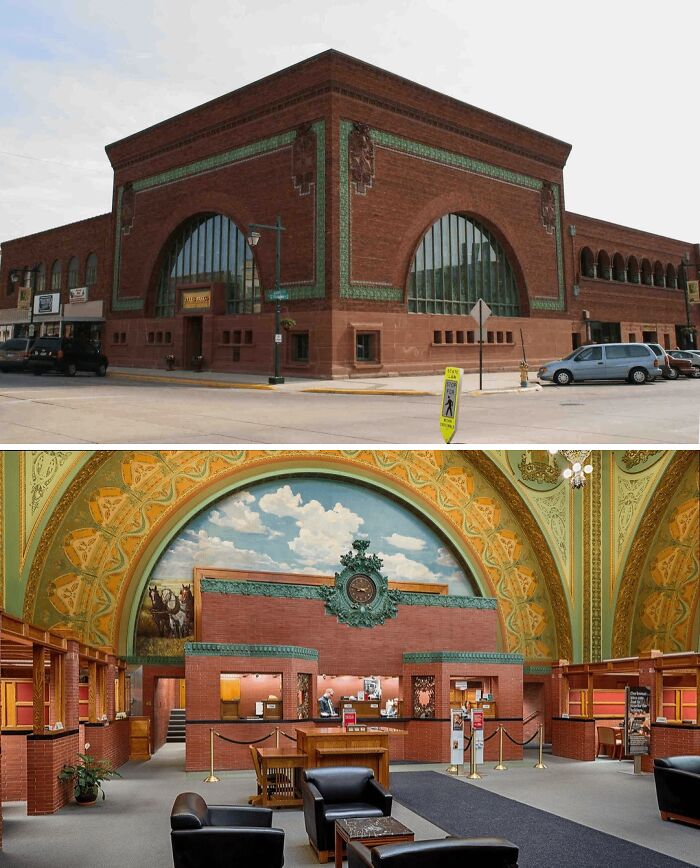
There's another Louis Sullivan jewel box bank located in Grinnell, Iowa.
I was listening to Cormac McCarthy’s conversation with David Krakauer, and he said something striking about Fallingwater: “My brother Dennis says—and I think he’s. right, after some reflection—that Fallingwater is the absolute icon of American art in the 20th century. And this covers poetry, painting—everything. There’s one iconic entity, and this is it… There’s not a painting, or a poem, or another piece of architecture that has this stature. It’s an astonishing thing.”
Quite something to hear from one of the icons of American literature.
I’m curious to know, why does Fallingwater holds such iconic stature? And, what philosophical current of 20th century American culture is reflected in Fallingwater?
Any reflection or response is warmly welcomed…
stereoroid:
It "fits" in to its surroundings so well: it's not natural (of course) but doesn't appear blatantly unnatural. The use of the stream is part of that too.

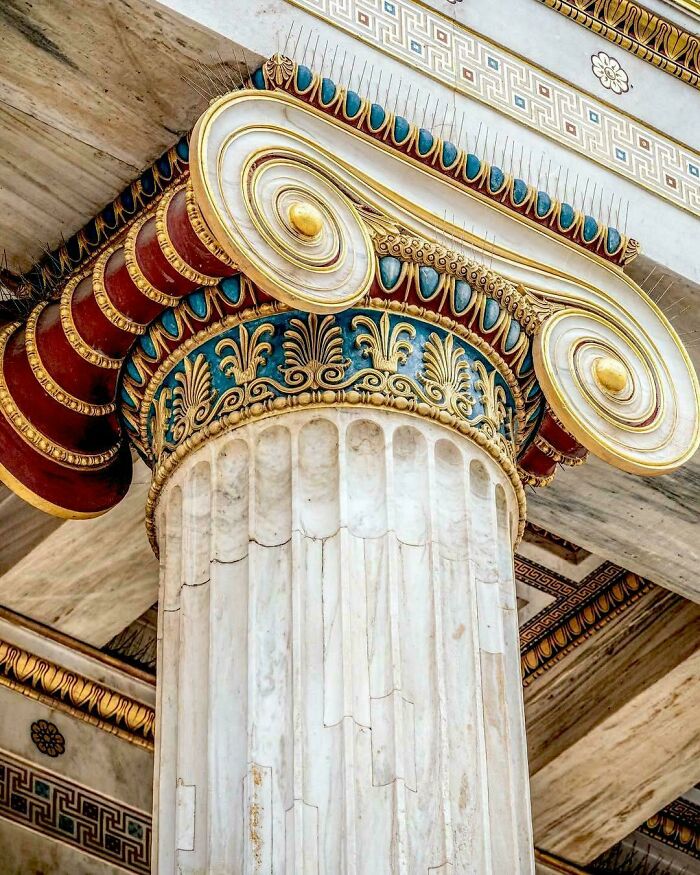
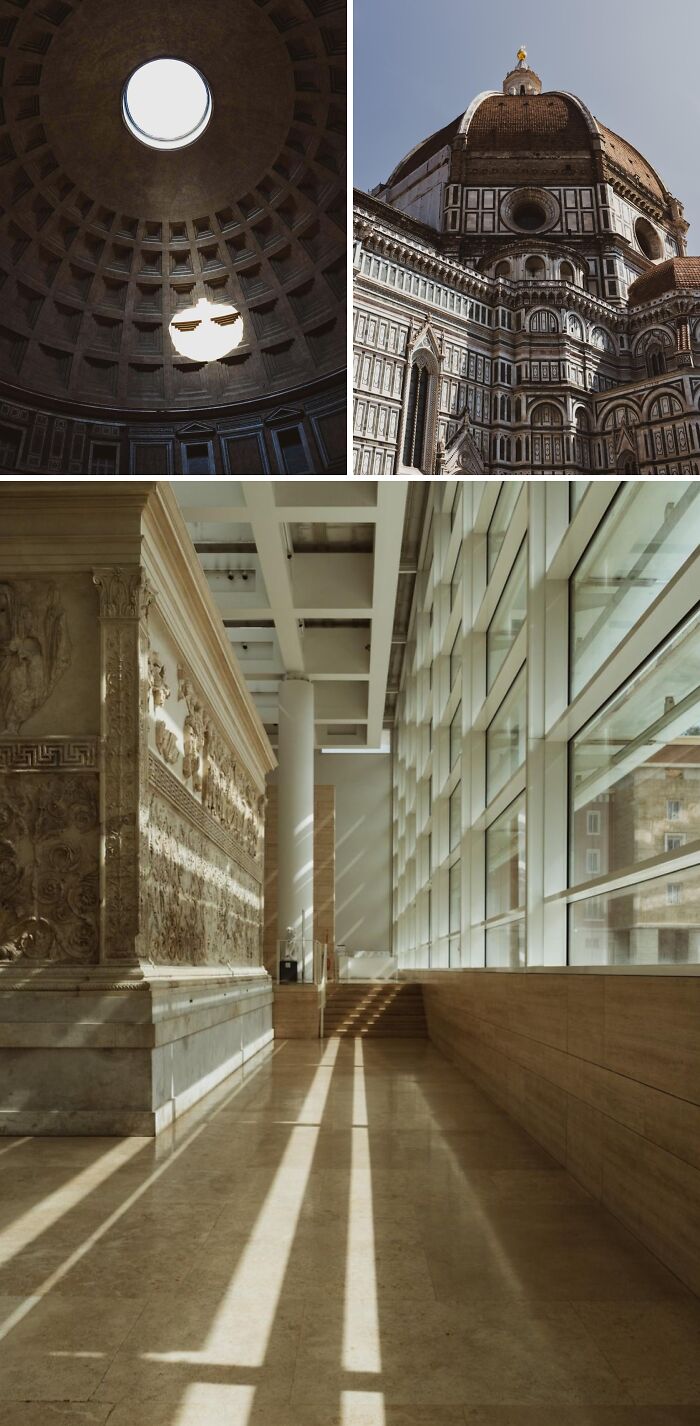
Much of ancient architecture and statuary were originally painted in colors we would now consider garish. The paint has worn off and we now think it was all white.
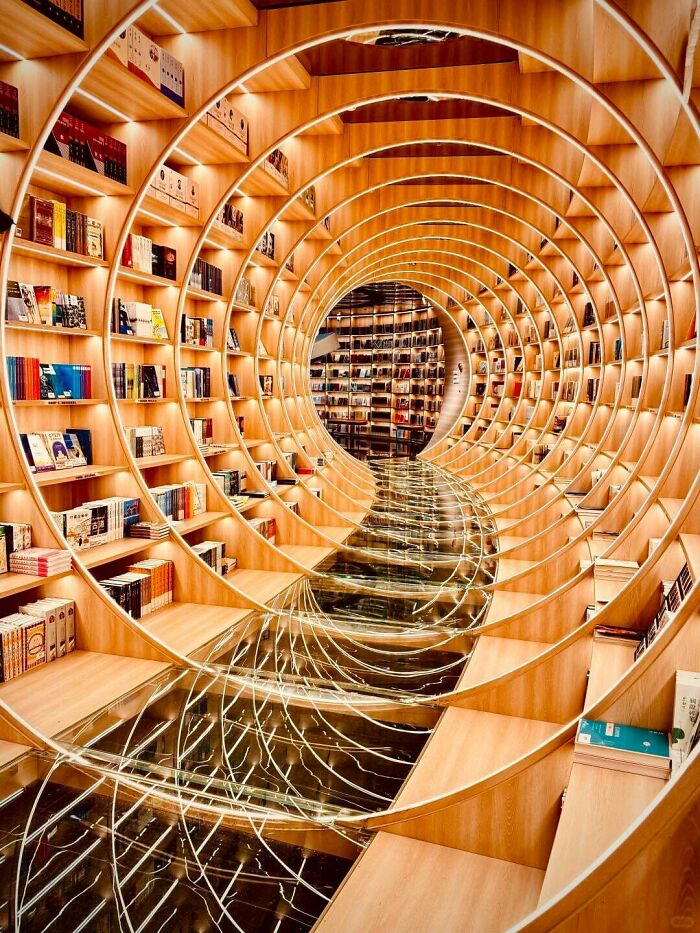
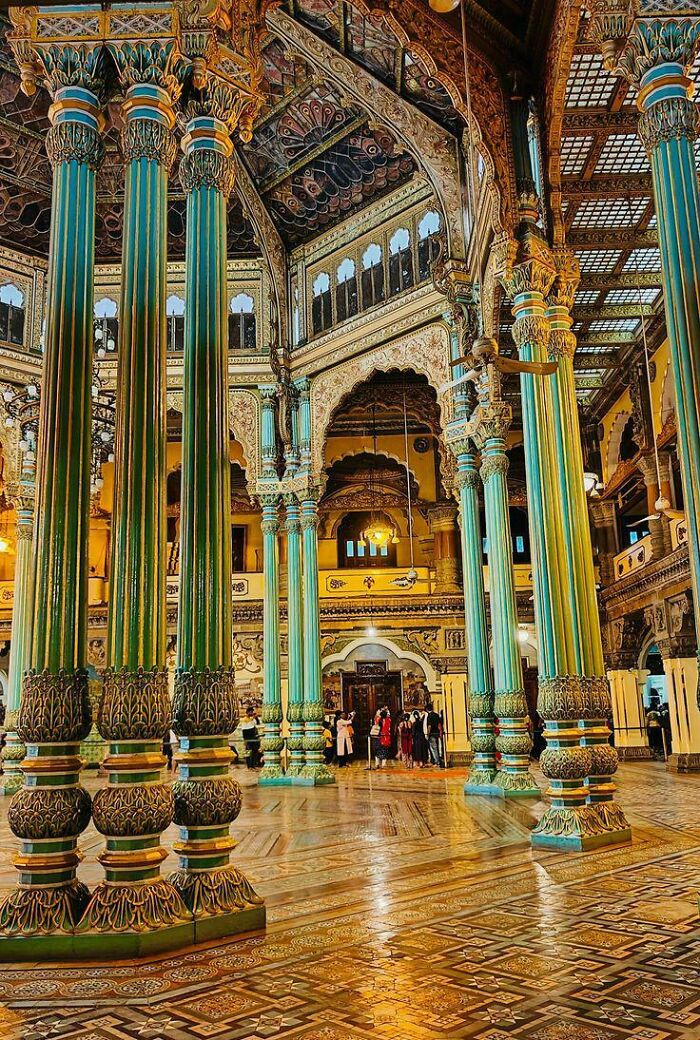
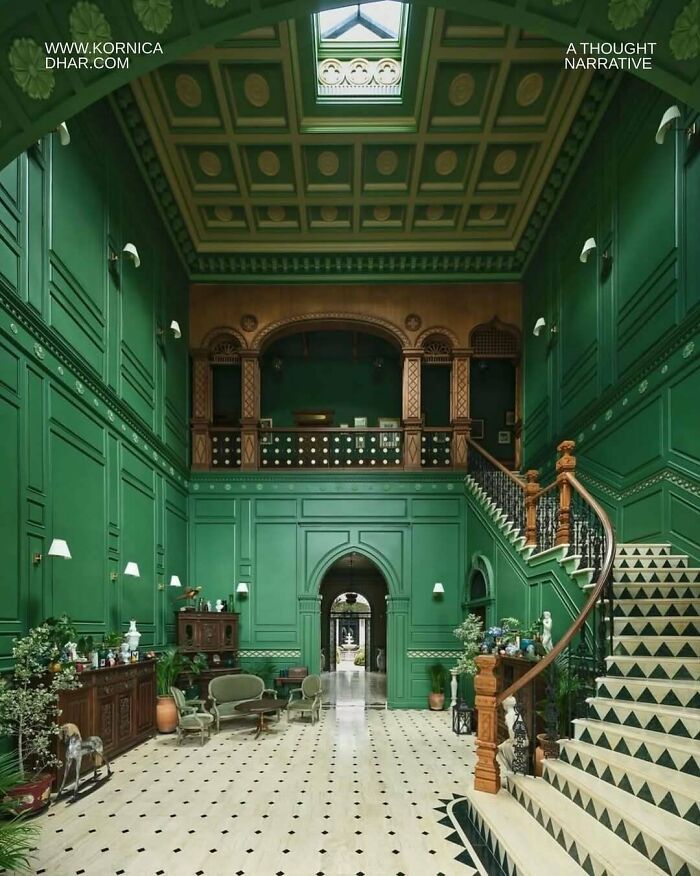
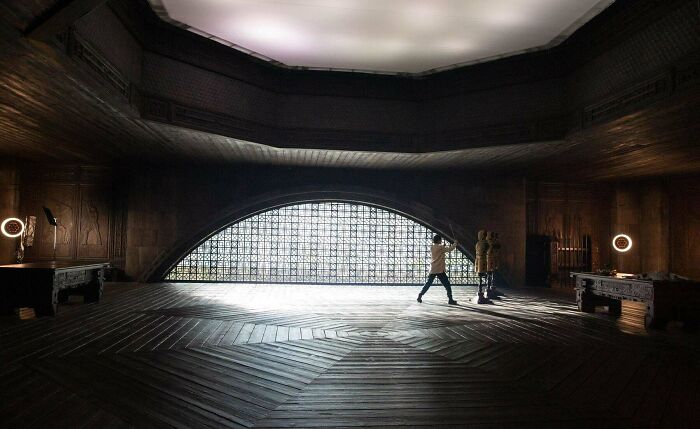
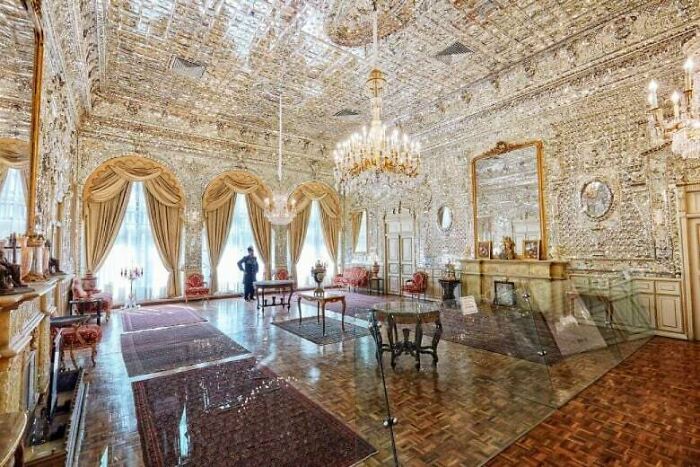
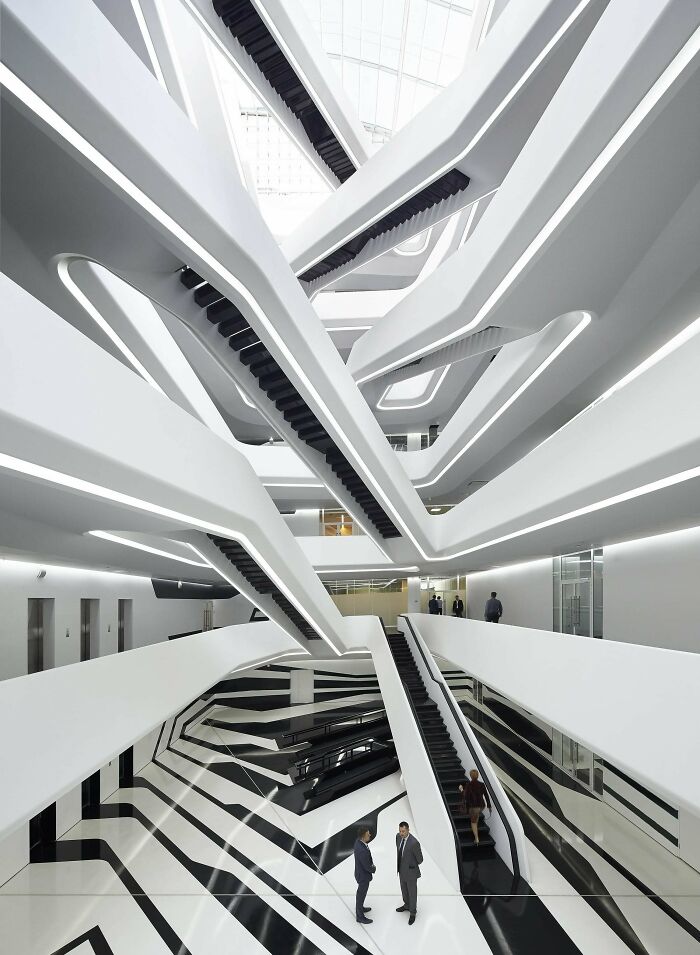
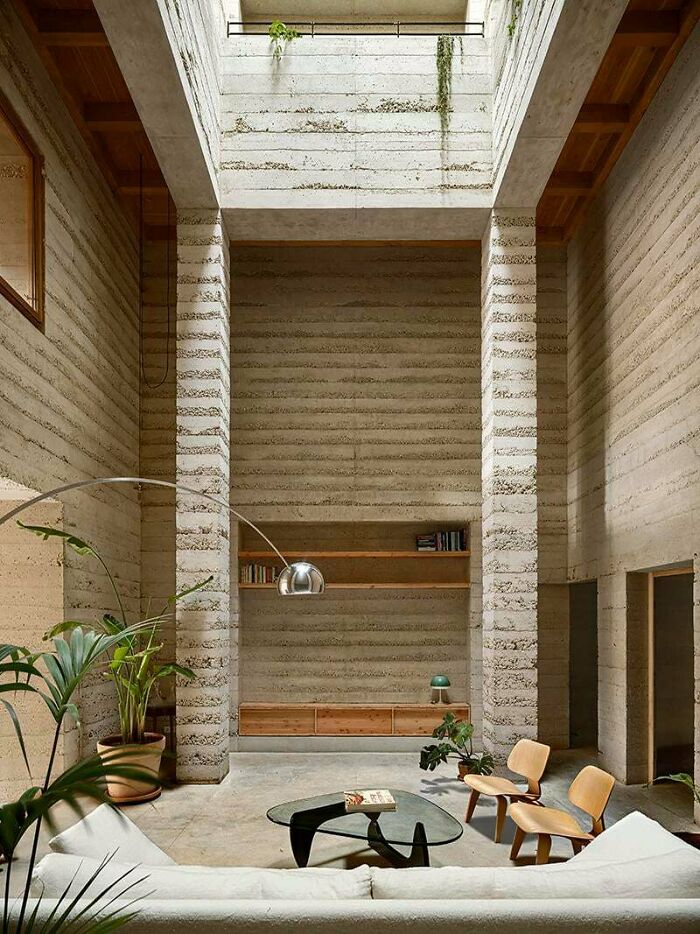
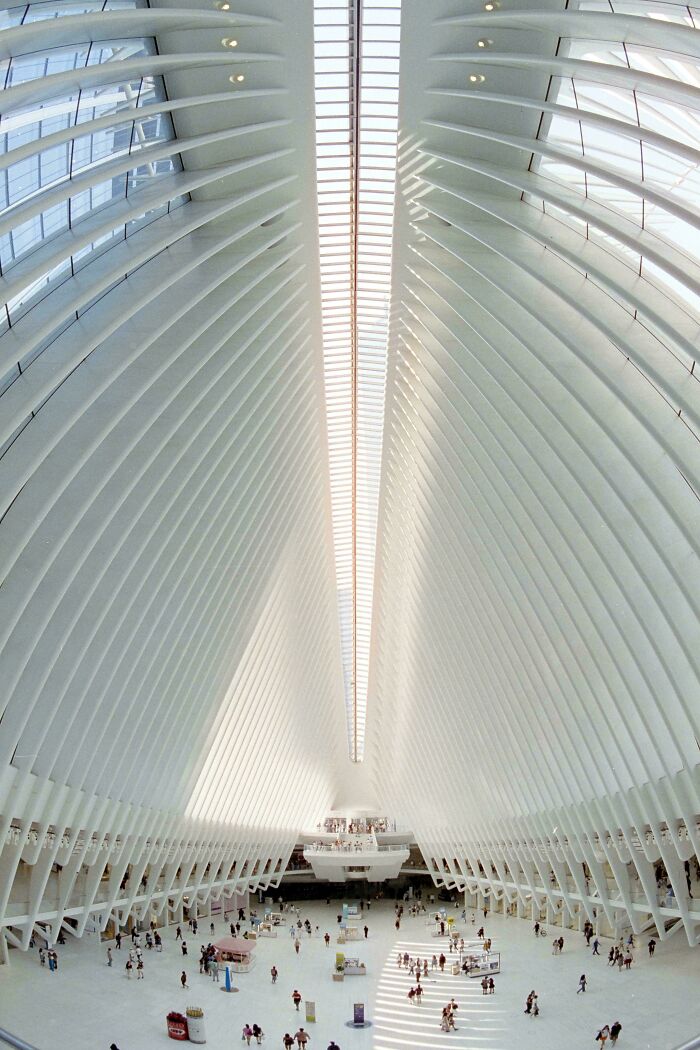
It's the most interior of a building I've ever seen.

I've been wondering if the intricate designs, symmetry, and symbolism found in mosques and Hindu temples could have been influenced by psychedelic experiences. Are there any historical records, academic studies, or credible theories that suggest a connection between sacred architecture and altered states of consciousness?
Inconclusive, but "Psychedelic d***s, such as the ritualistic consumption of 'soma,' have a long history in ancient India, often used for spiritual and medicinal purposes. These substances were integral to religious practices and were believed to facilitate altered states of consciousness and deeper understanding of the self."
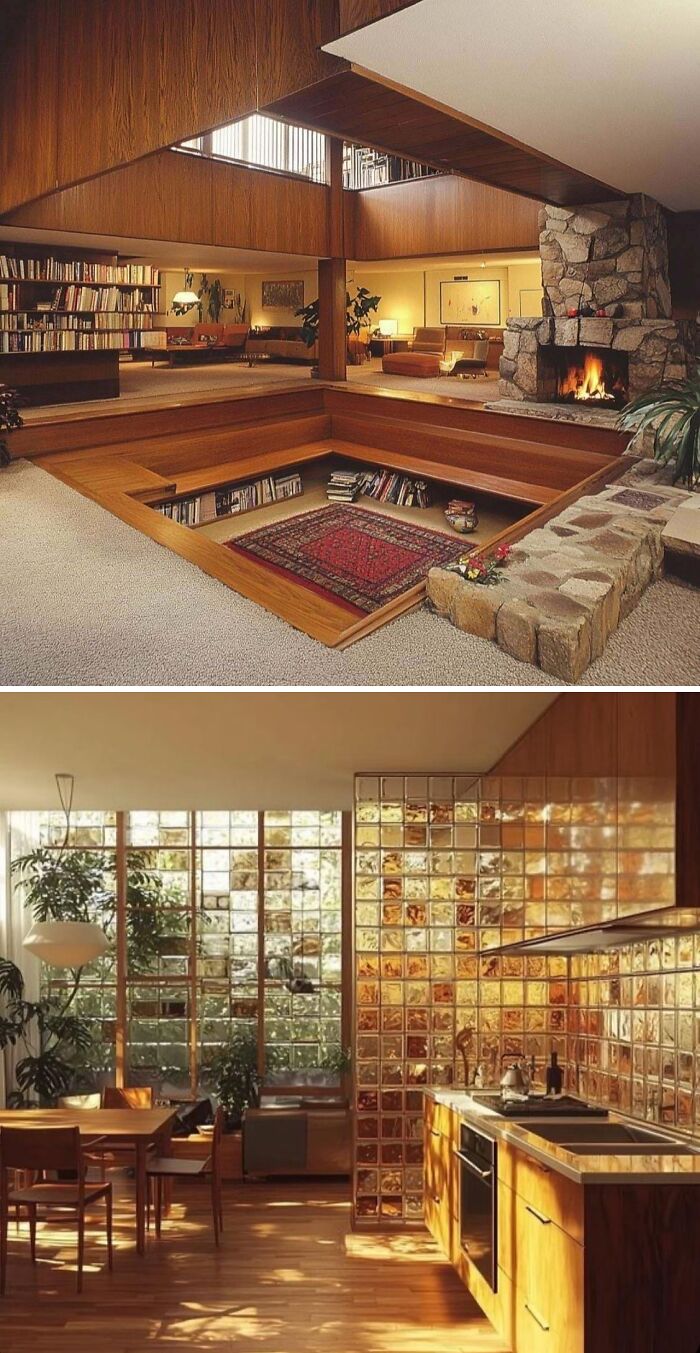
I wonder 🤔 if the owner would trade even up with me for my 804 square foot cottage?
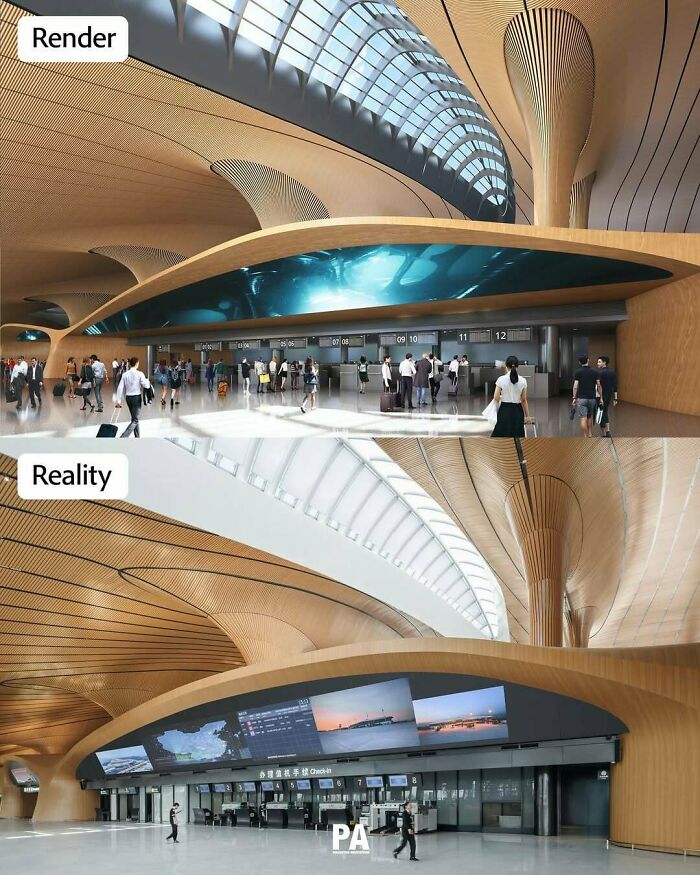
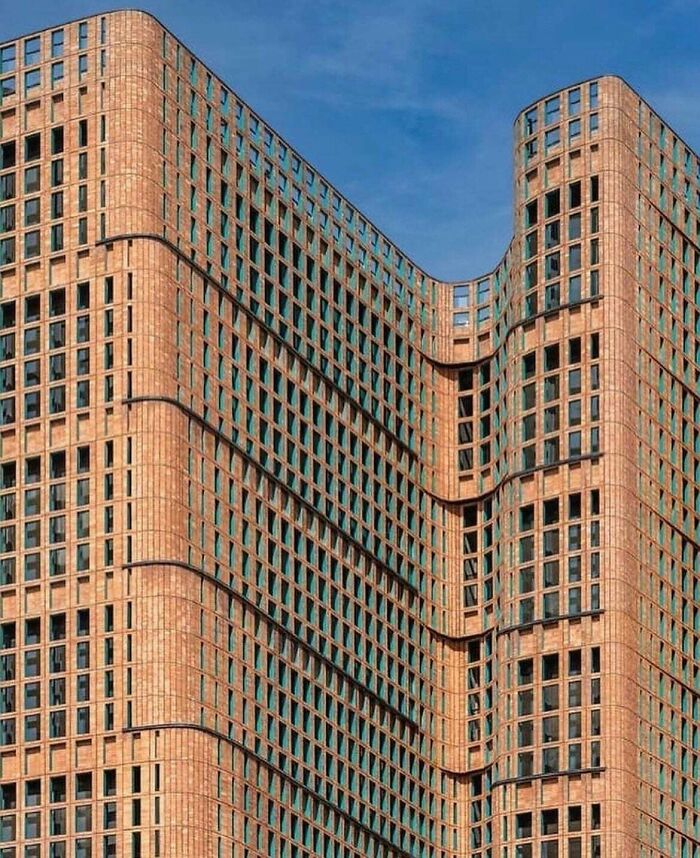
Compared to the somewhat lengthy thread on achitectural vision vs. built reality, THIS one actually looks like the initial plan! And it even looks good so far (let's see how it ages), neither poured concrete depression, nor malformed brutalist building blocks!
Paro-Clomas:
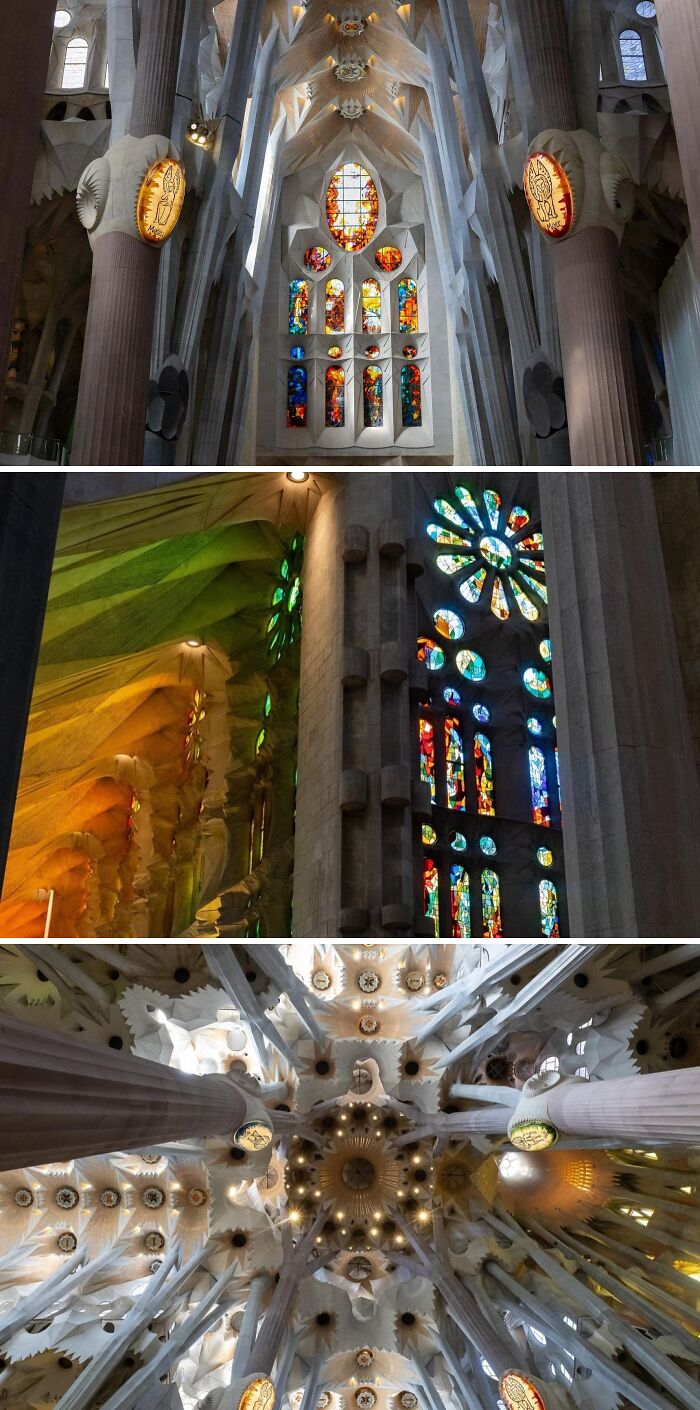
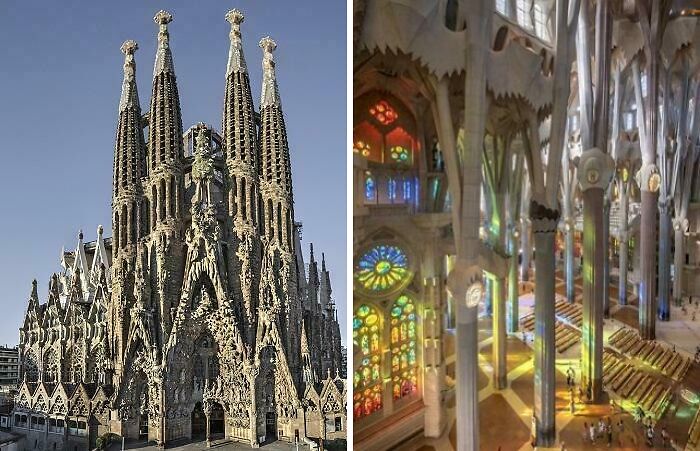
The client is not in a hurry. To clarify. This is something Gaudi himself said when asked about why it was taking so long. The mentality for which this was built was closer to that of the cathedrals built in the middle ages, which routinely took centuries to build. It's not the modern bourgeois paradigm of a client who hires a professional for a very clearly delimited service that will used specifically for him. Gaudi did build for this paradigm also, most notoriusly for Eusebi Guell but who also acted in a very similar manner to renaisance patreons, sponsoring his artistic talent.
Productive practices that go beyond the indivudal always existed and are present today. Most forms of human organizations tend to have vast and abstract plans that go well beyond the interest of a single person, or a mere extrapolation and amalgamation of individual interests. The same happens with countries, cities, religious organizations, even corporations.
The problem is the ever intensifying bout of hyper individualism makes this kind of thinking harder and harder to understand, even tough its a basic and probably unavoidable part of every civilization and culture that ever existed.
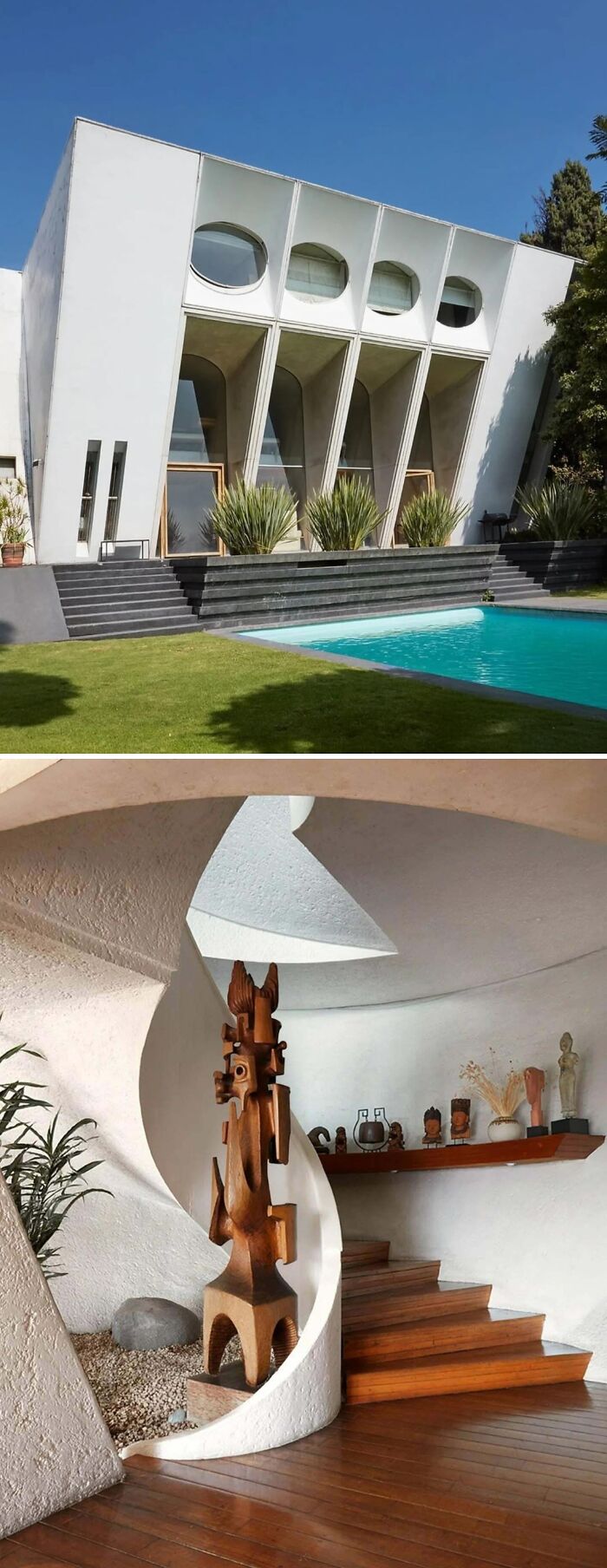
In Mexico City, the Hernández House was designed by architect Agustín Hernández Navarro for his sister, the dancer and choreographer Amalia Hernández. Built in 1973, the residence served as the home for the founder of the Ballet Folklórico de México for twenty-seven years. The design combined brutalist and organic forms to create a structure that functioned as both a living space and a sculpture.
The turning moment in the architecture was the decision to suspend the home’s primary volumes, allowing it to float above the landscape with minimal contact with the earth. The interior featured dramatic, curved concrete walls and large circular windows that mirrored the fluid movement of the owner’s choreography. This outcome created a fusion between her artistic life and the physical environment she inhabited until her passing in 2000.
The residence stands as a permanent tribute to the creative bond between a visionary architect and the artist who defined Mexican modern dance.

Think how much quieter those would be in the horse-drawn age, than the stone version.)

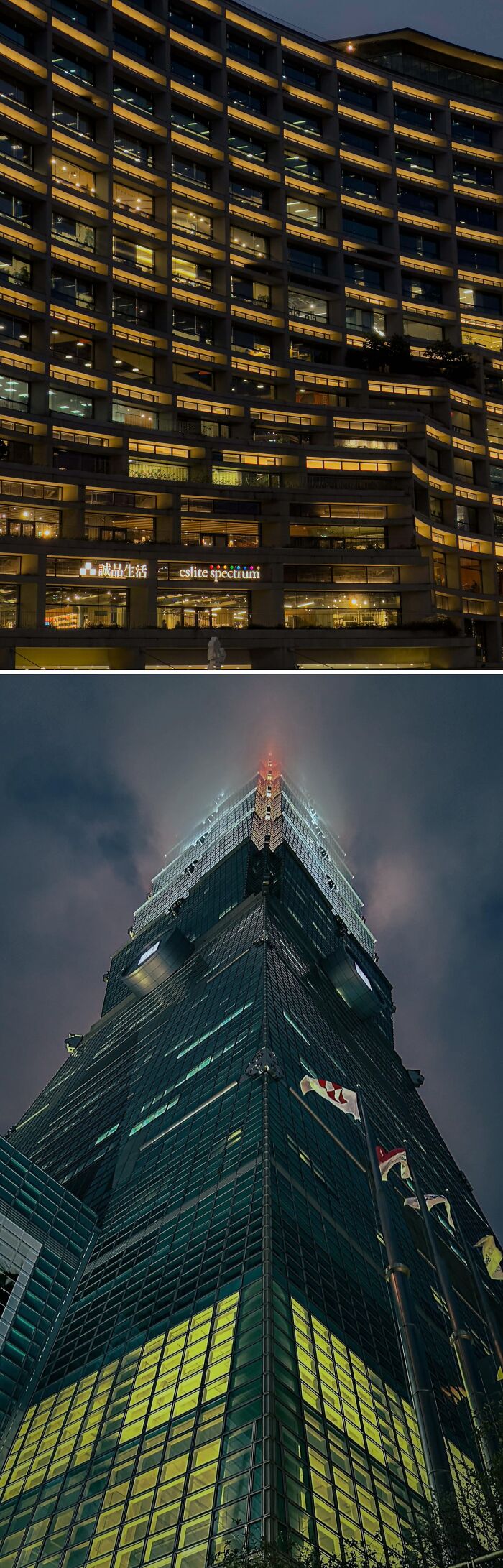
When I visited Taiwan last December, one of the first things that struck about the architecture in Taipei and Kaohsiung was how modern yet nostalgic in can be. You could clearly tell that the country experienced economic booms in the late 90’s and the 2010s based on the designs of the skyscrapers there. Kaohsiung was a city that I had unexpectedly fallen in love with, as the buildings there had so much character and yet I think it speaks volumes how the tallest building there (formerly the tallest building in Taiwan) sits abandoned.
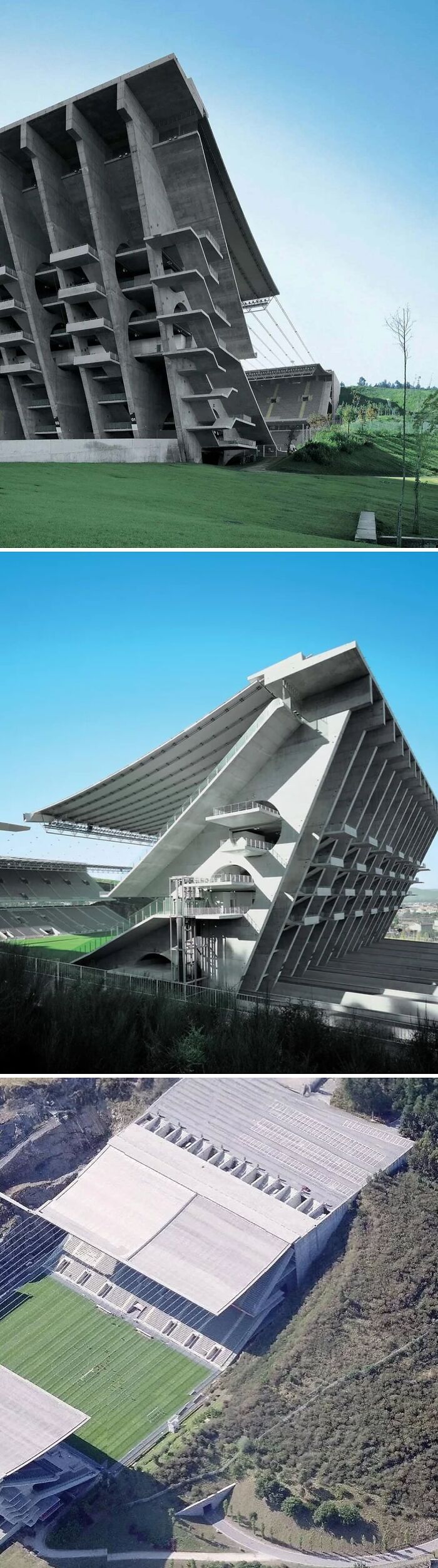
Estádio Municipal de Braga is a football stadium in Braga, Portugal. It was built in 2003 for UEFA Euro 2004 and has a capacity of 30,286 spectators. It was designed by architect Eduardo Souto de Moura and structural engineer Rui Furtado.
The stadium is carved into the side of a former granite quarry on Monte Castro, with rock forming one goal end and the opposite end open to the valley. Only two lateral stands were constructed, connected by a canopy-style roof supported by steel tension cables.
Concrete, exposed rock, and steel are the primary visible materials. The design integrates the structure with the landscape rather than enclosing it.
It is the home of Sporting Clube de Braga. The architect won the Pritzker Prize partly for this work.
With living space cost at a premium in New York this looks like an enormous wastee of space.
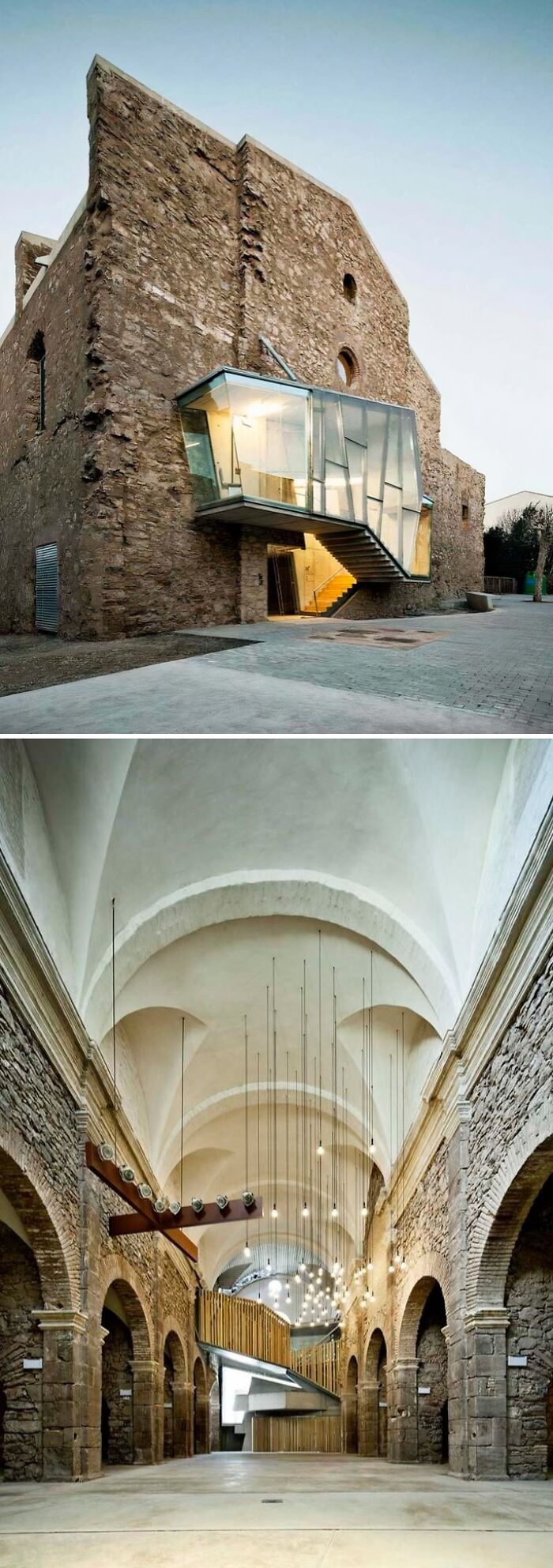
What the heck am I looking at up in the interior? And where's a normal look at the exterior?

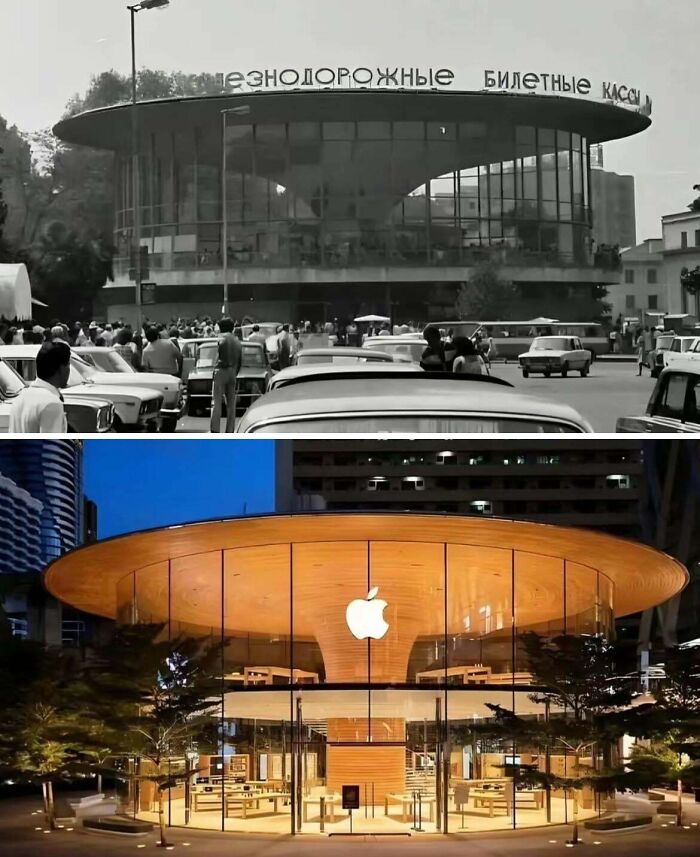
"110 times people made something amazing out of wood". Whatever does BP imagine wood to be?
Perhaps they can do a quiz in order to find out. (You know that all of our "wood" comments are going to make us look seriously learning-challenged when they fix the title, right?)
Load More Replies... "110 times people made something amazing out of wood". Whatever does BP imagine wood to be?
Perhaps they can do a quiz in order to find out. (You know that all of our "wood" comments are going to make us look seriously learning-challenged when they fix the title, right?)
Load More Replies...




























 No fees, cancel anytime