Get Premium
Dark mode theme is available exclusively for premium users. Learn more about the benefits of subscribing.
No fees, cancel anytime.

 Dark Mode Ad-Free Browsing Unlimited Content
 Ad-Free Browsing Unlimited Content Dark Mode
Join 1.2 million Panda readers who get the best art, memes, and fun stories every week!

Many people say that family and money should never mix. And it’s easy to understand why. Financial disagreements with greedy family members can quickly turn into arguments about entitlement, obligation, and everything relatives believe they have done for one another, and what others should do for them.
Our Original Poster (OP) found herself in exactly that situation when her mother-in-law discovered $6,000 in unclaimed money belonging to her son and suddenly expected him to give her half of it. What began as a simple search for forgotten funds soon reopened years of family resentment and forced the couple to reconsider their ties to the OP’s in-laws.
More info: Reddit
Image credits: lookstudio / Magnific (not the actual photo)





Image credits: garetsvisual / Magnific (not the actual photo)


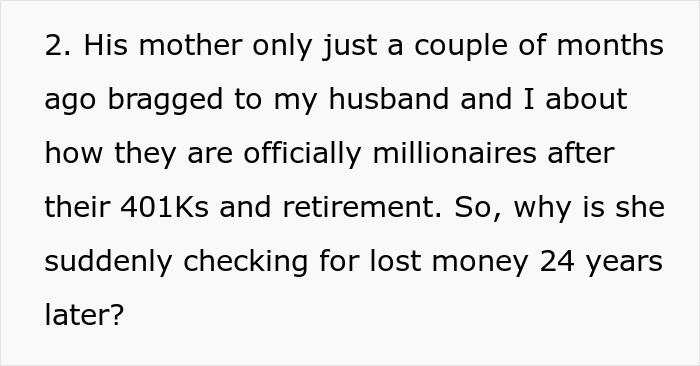
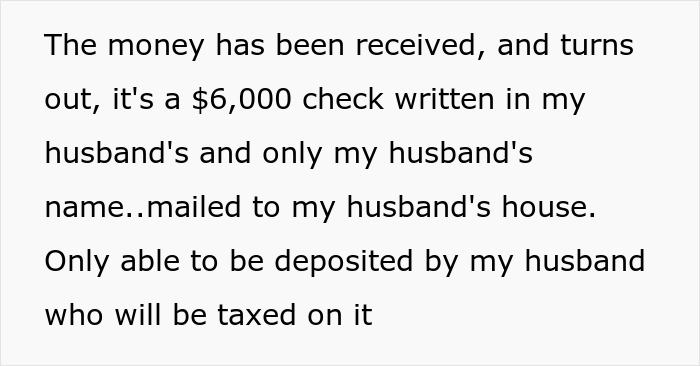

Image credits: BottomShelfVodka
Image credits: shurkin_son / Magnific (not the actual photo)
Image credits BottomShelfVodka / Imgur
Image credits: benzoix / Magnific (not the actual photo)
Image credits: gpointstudio / Magnific (not the actual photo)
Image credits: stockking / Magnific (not the actual photo)
Image credits: afzar/ Magnific (not the actual photo)
Image credits: prostooleh / Magnific (not the actual photo)
Image credits: syda_productions / Magnific (not the actual photo)
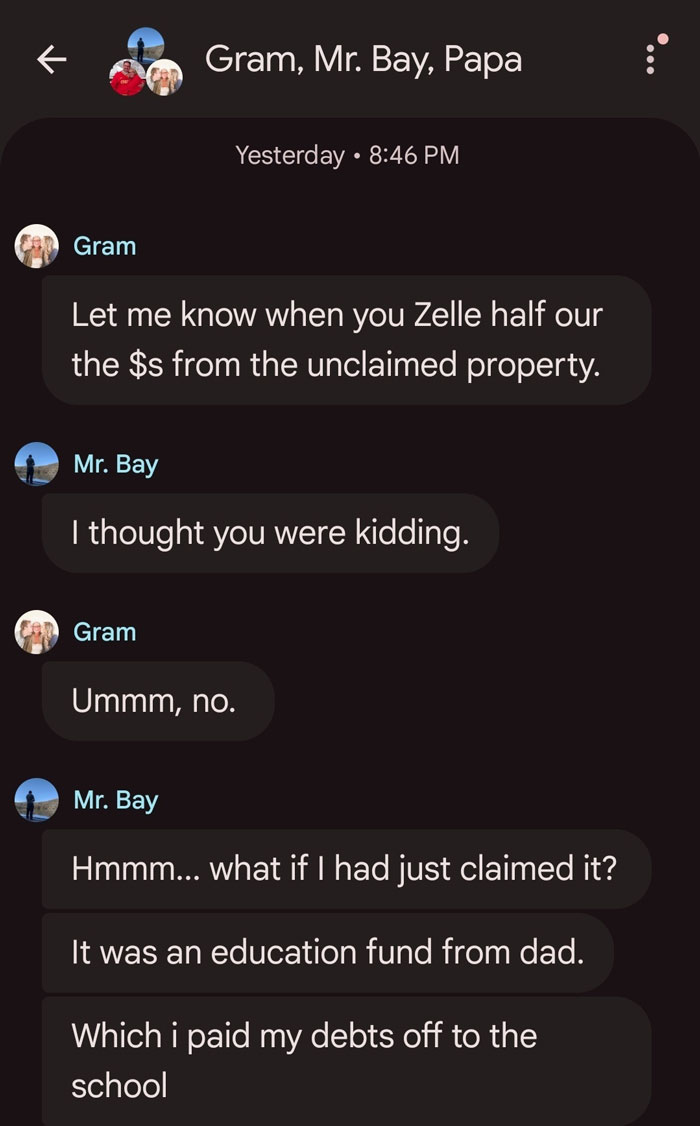
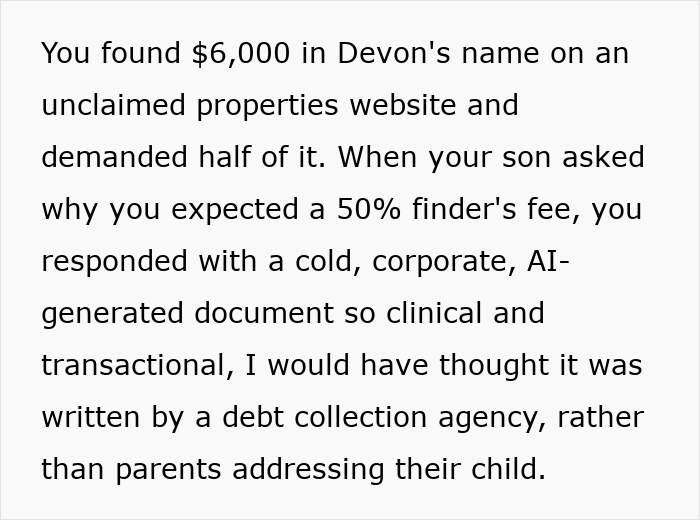
The OP’s husband discovered that his mother had found a $6,000 check in his name through an unclaimed property website. She had asked for his SSN to search for the money, but after finding the check, she expected him to send her half of the cash. His father had originally set the money aside for his education, which he pursued after joining the Navy, but financial issues forced him to leave school.
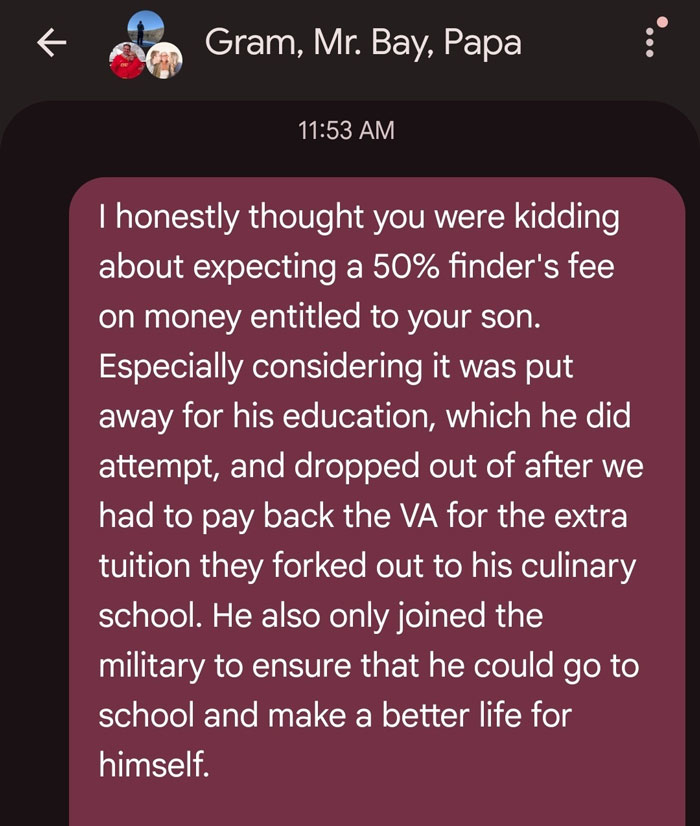
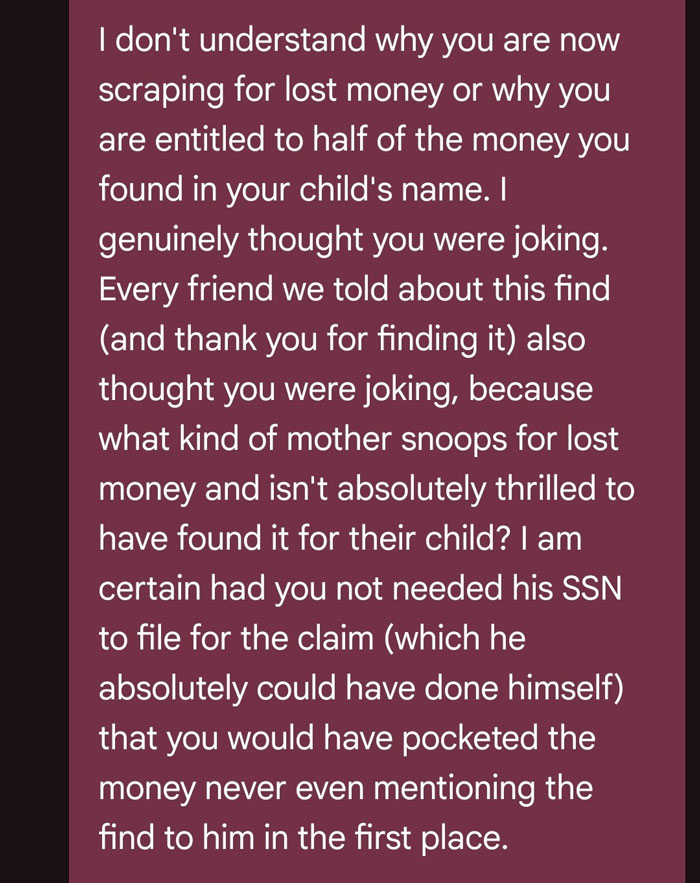
The narrator questioned why her mother-in-law insisted the money should be hers, considering that the check was written in her son’s name. Especially after recently bragging that she and her husband had officially become millionaires. The OP also pointed out that her husband could have claimed the money himself if his mother had not needed his SSN, and wondered if she would have ever told him about it otherwise.
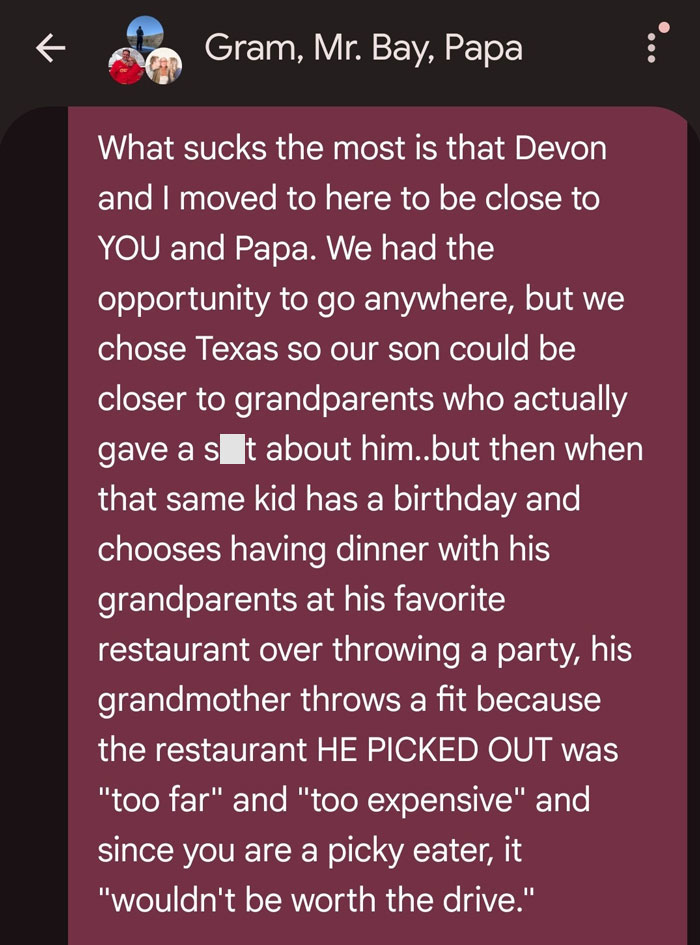
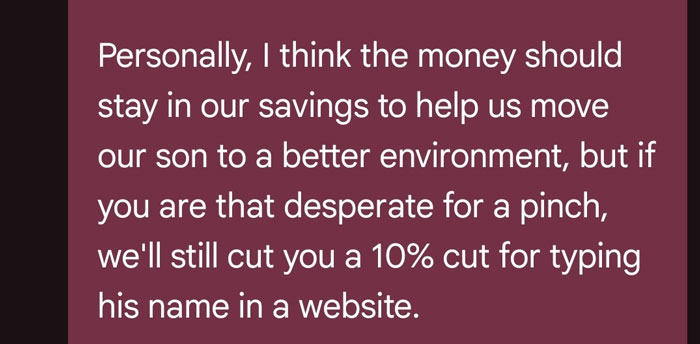
The mother-in-law went into greedy mode and coldly insisted on receiving her “finder’s fee.” The narrator finally confronted her about years of resentment, including gifts and favors that always seemed to come with strings attached. She even offered her a 10% cut for typing her son’s name into a website, then packed up years of unopened gifts, willing to fully return them.
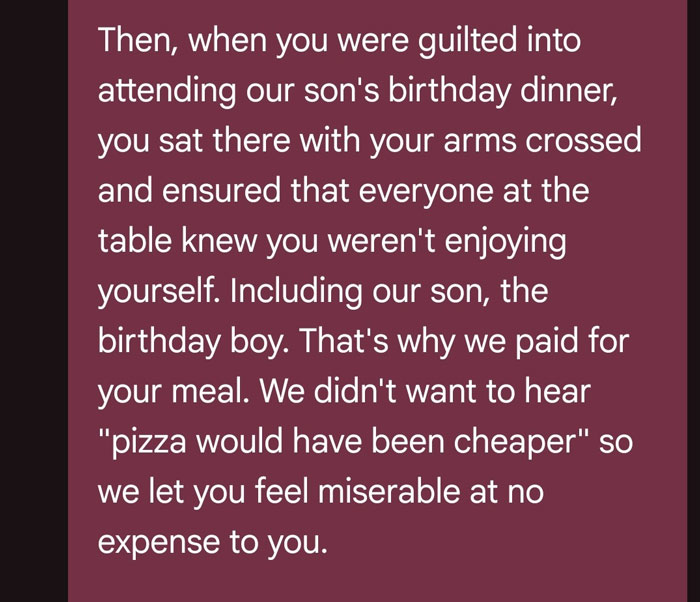
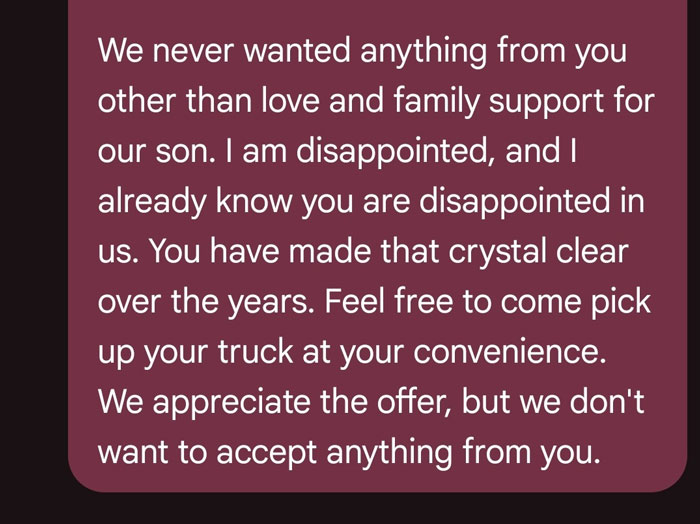
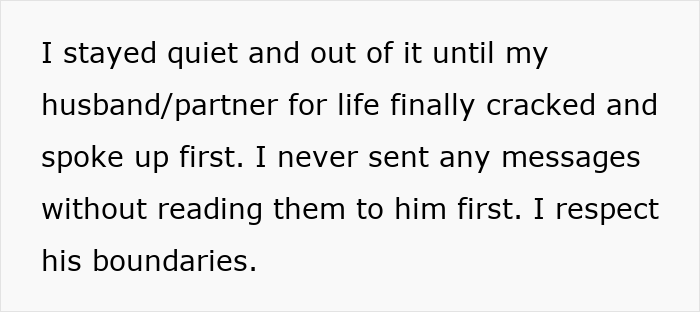
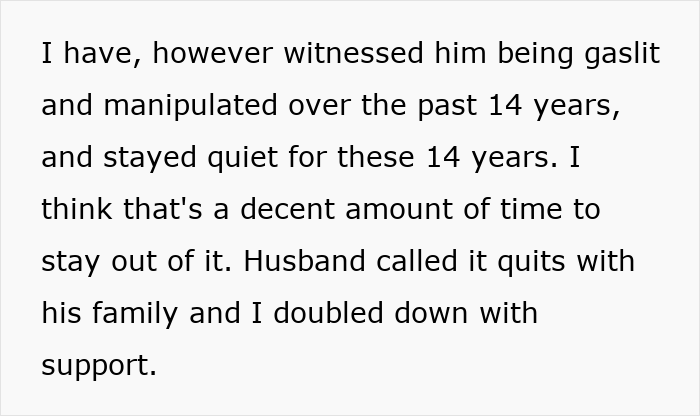
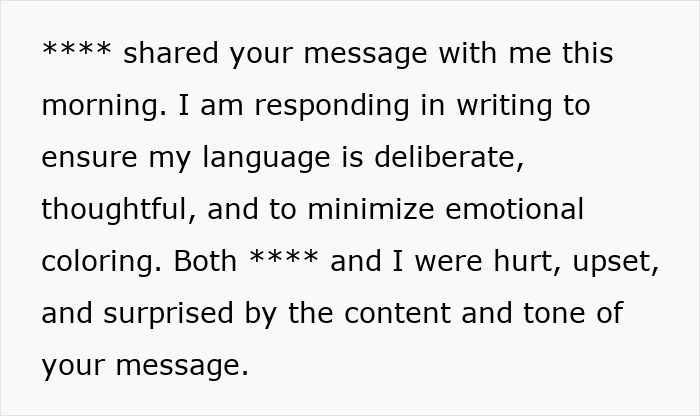
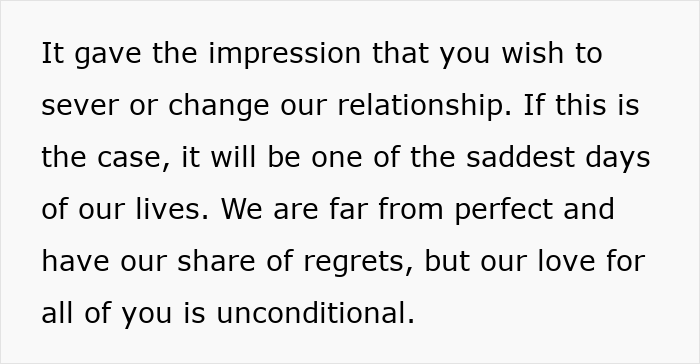
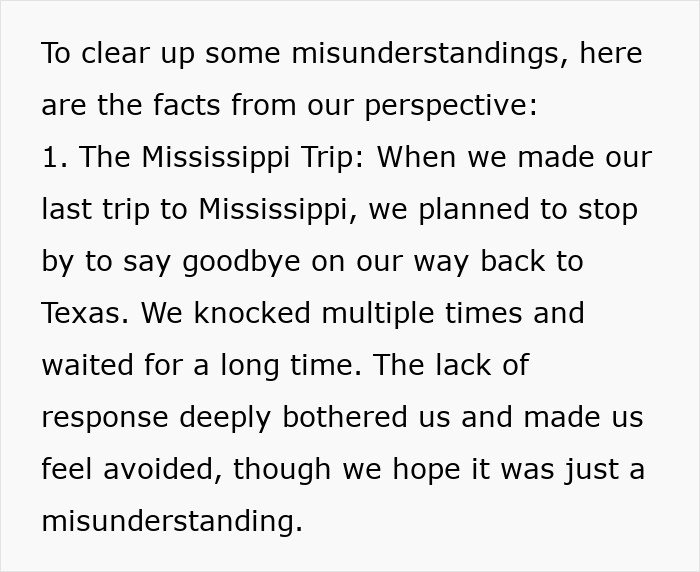
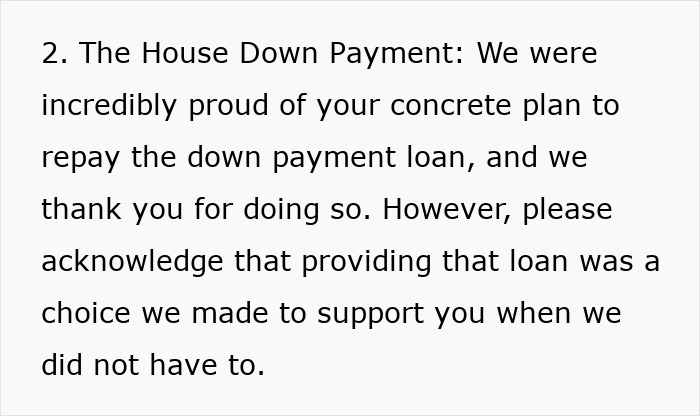
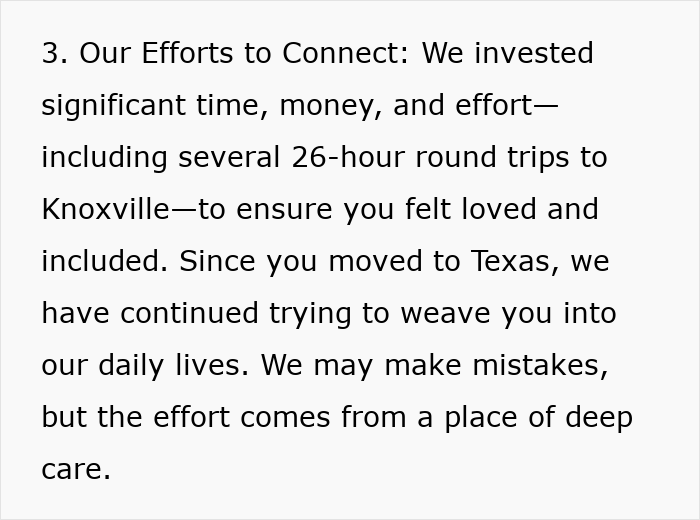
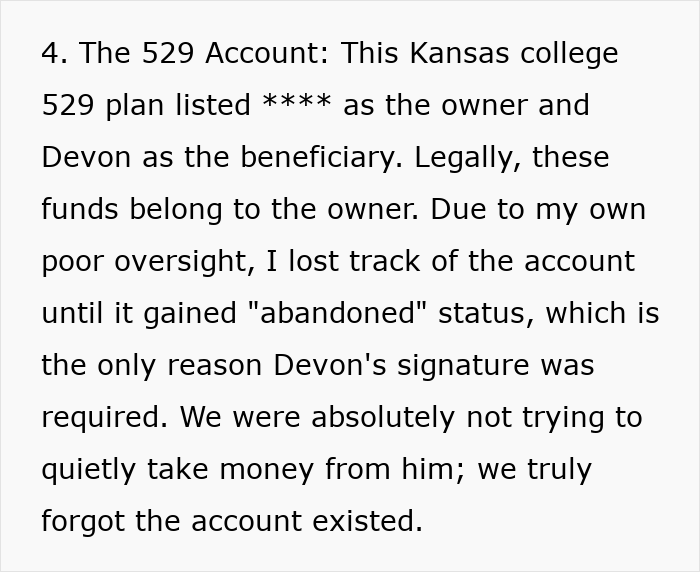
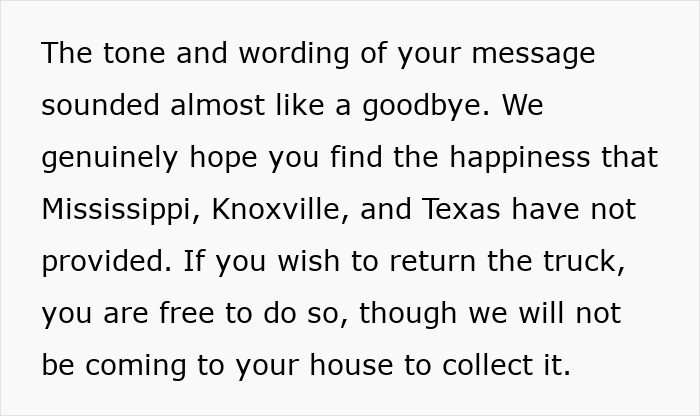
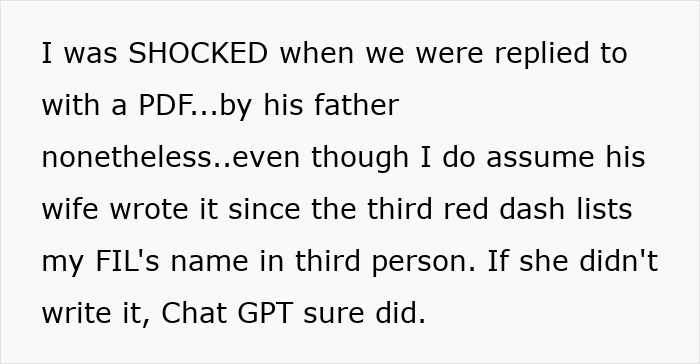
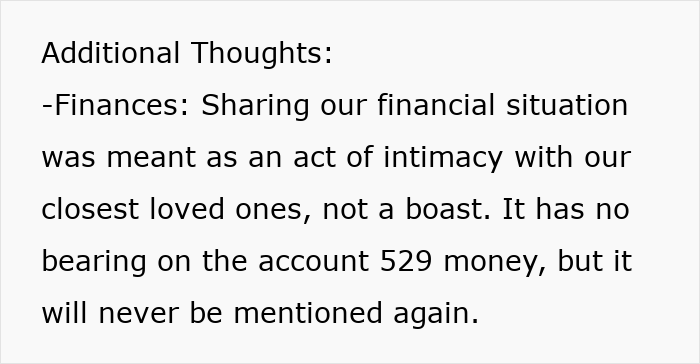
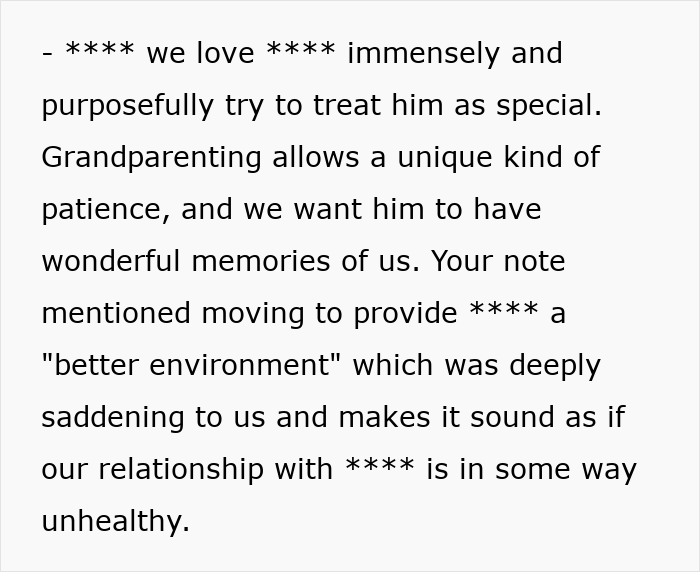
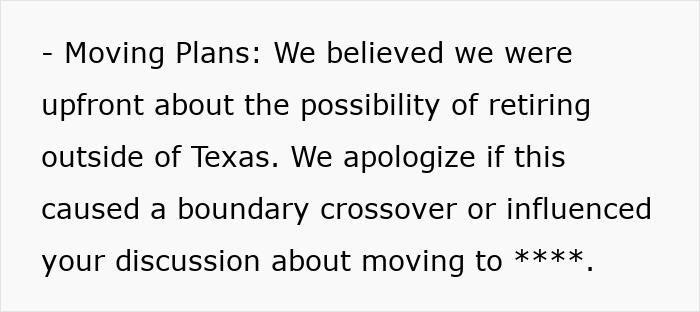
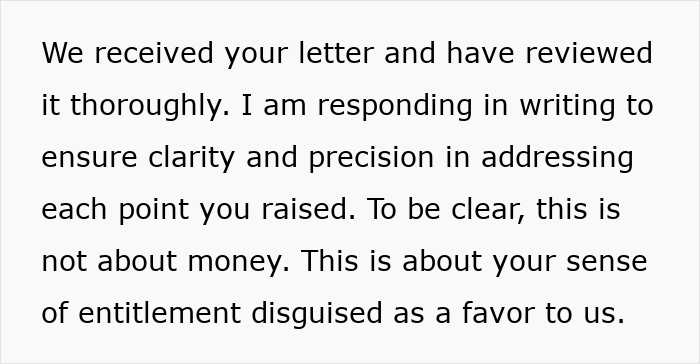
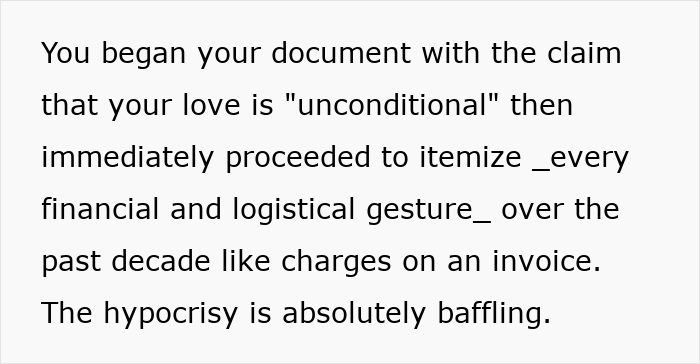
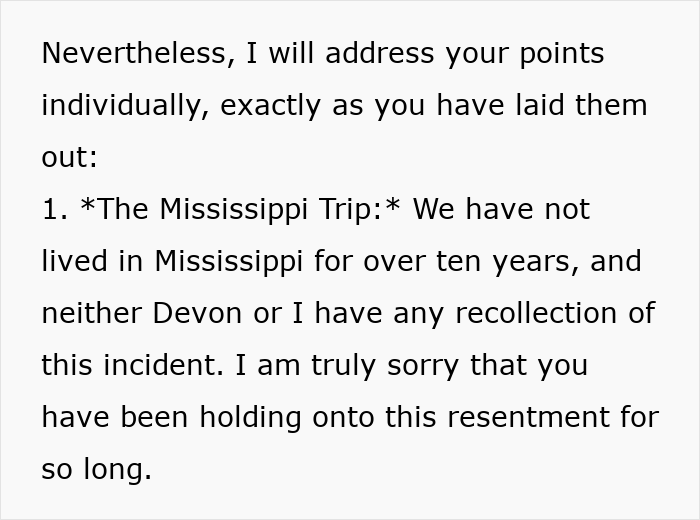
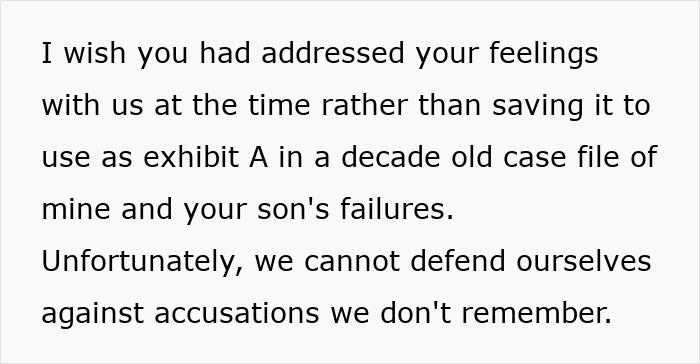
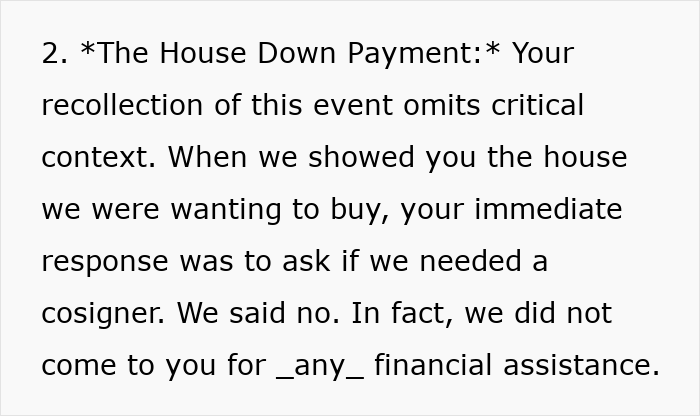
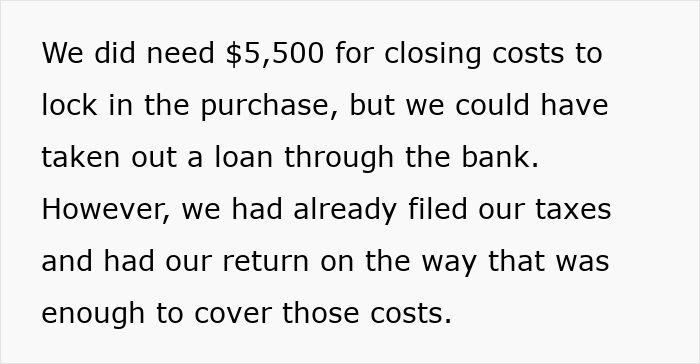
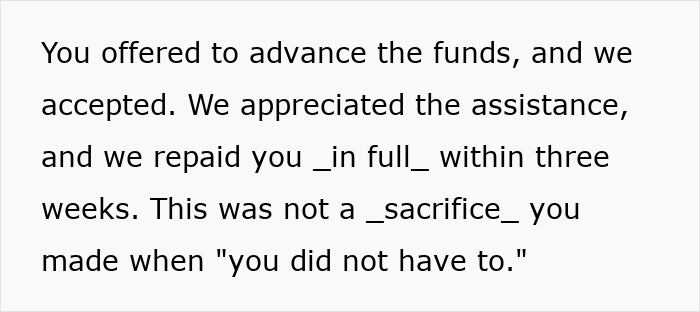
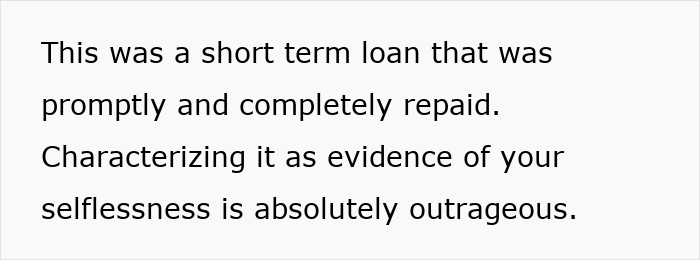
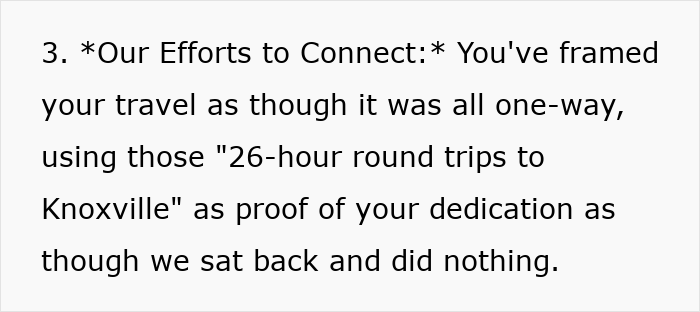
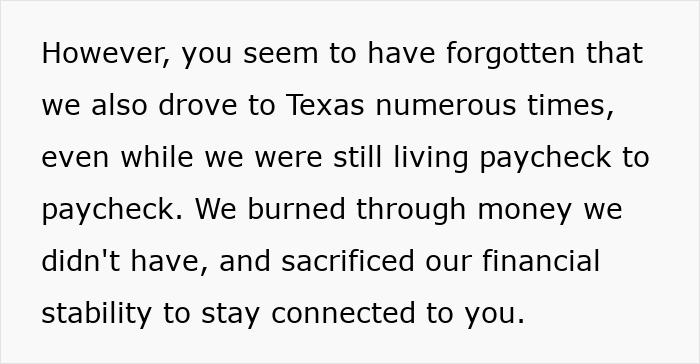
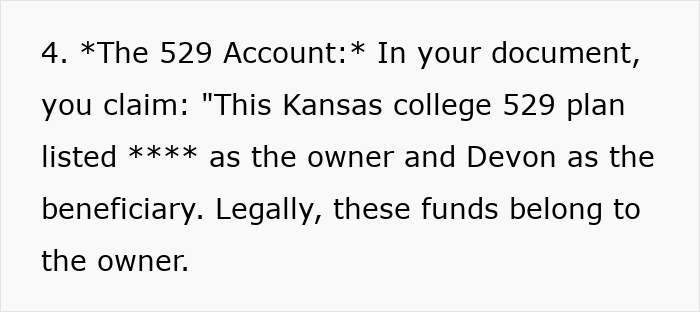
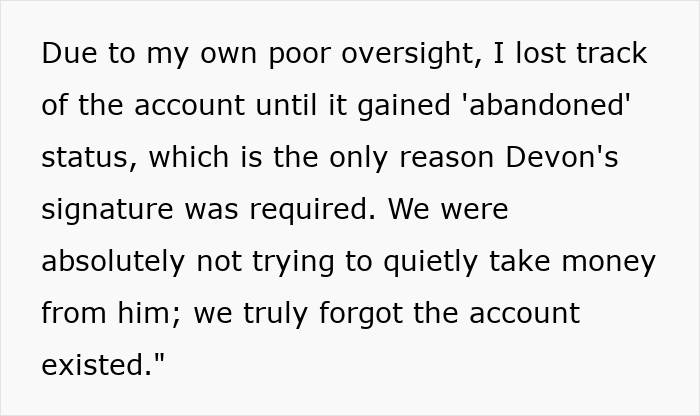
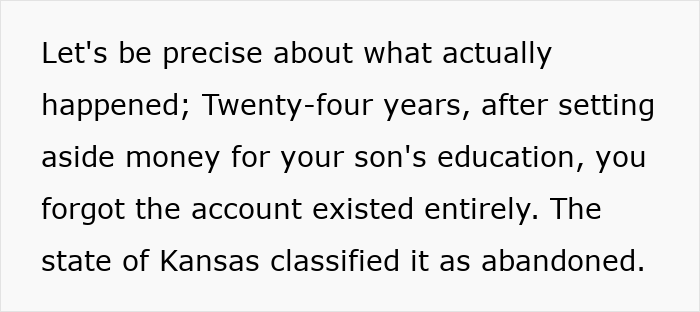
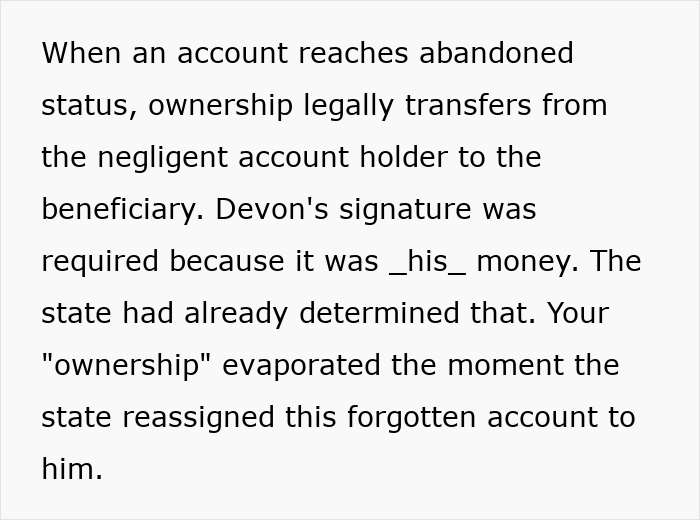
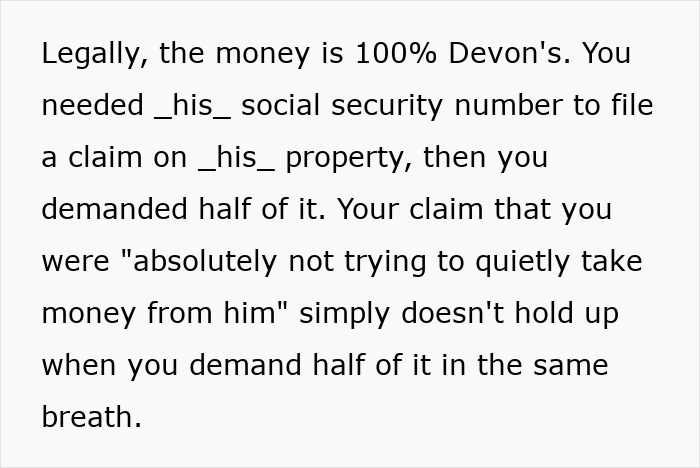
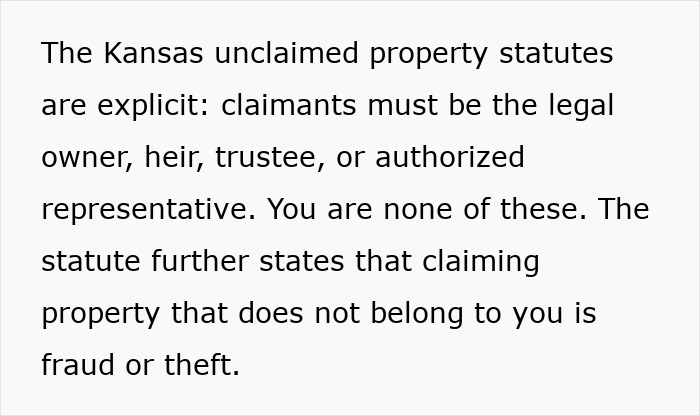
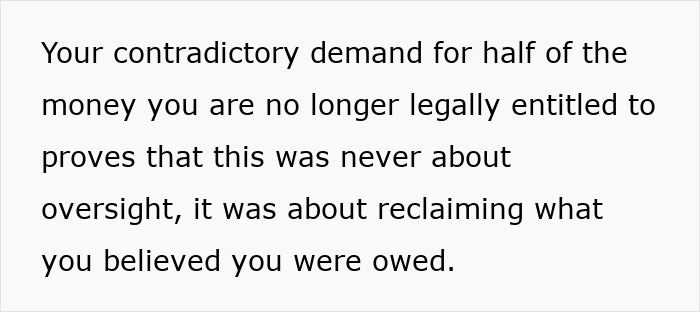
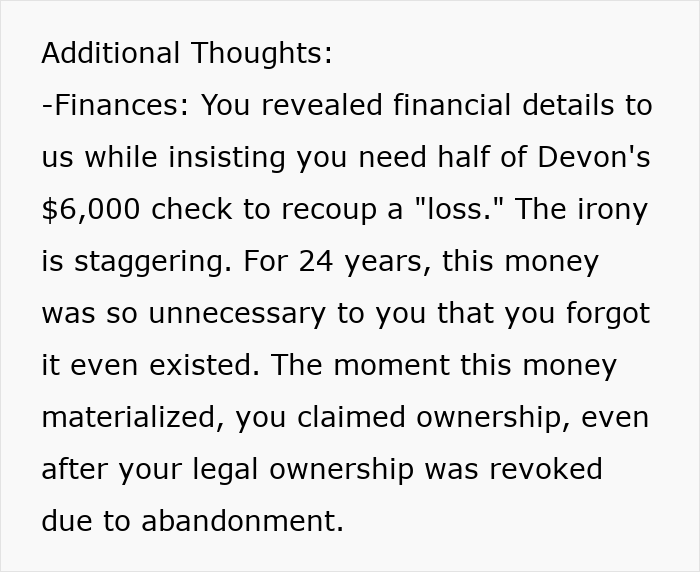
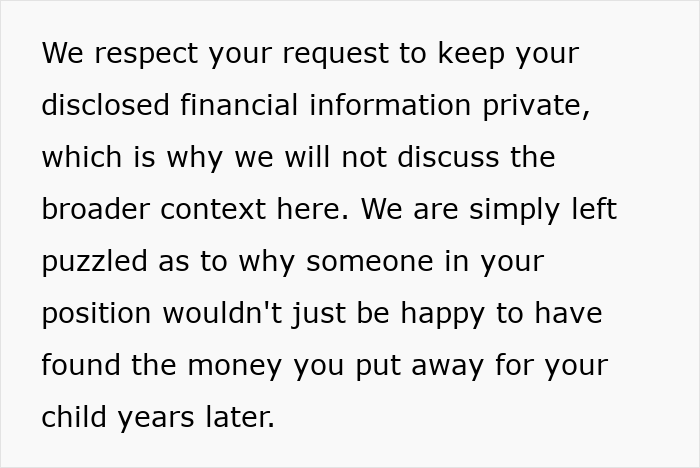
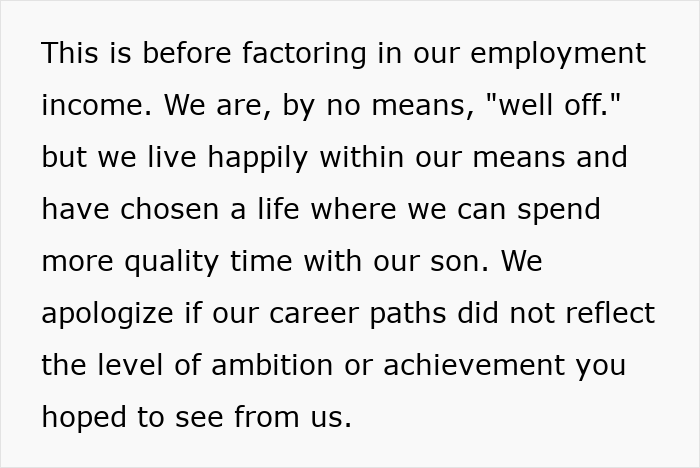
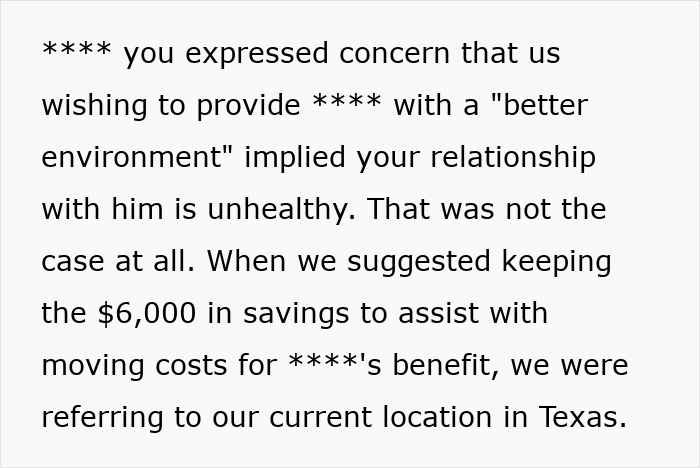
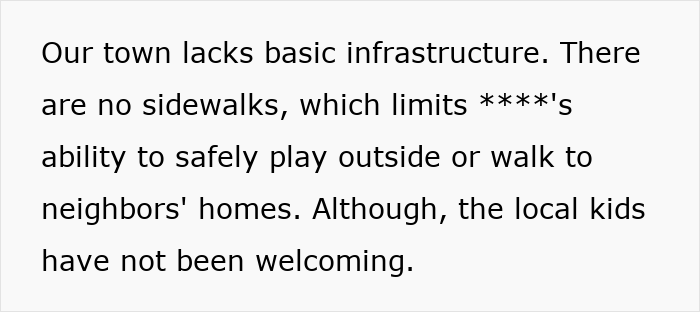
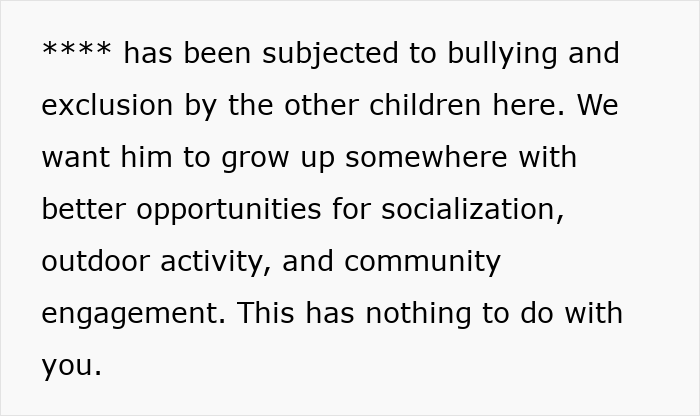
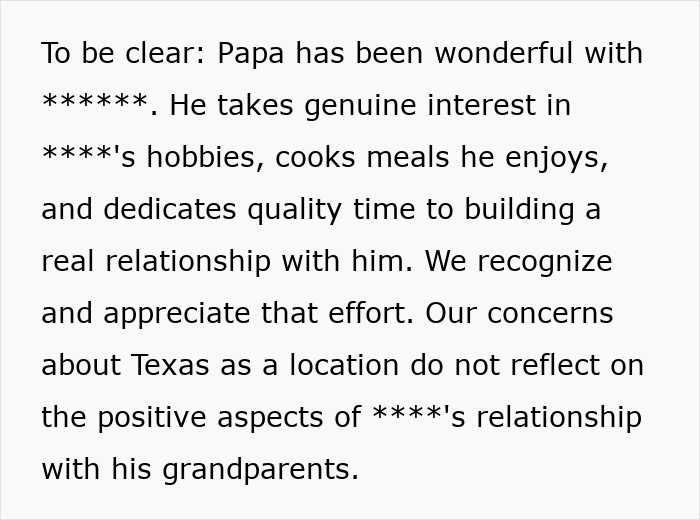
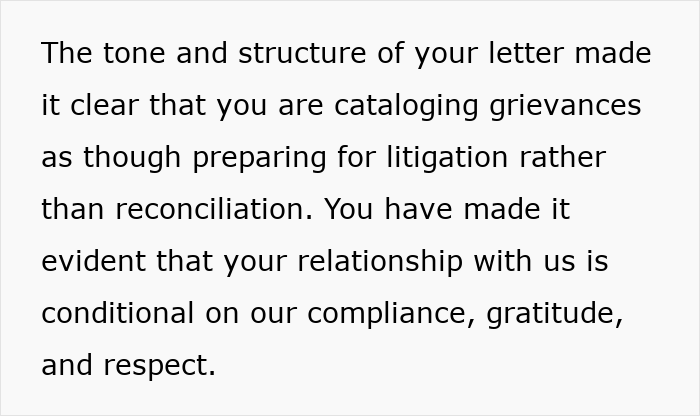
The dispute escalated into a family disaster when the couple received a formal PDF response that appeared to defend the mother-in-law’s actions, which even involved the relationship with their grandson. This prompted the narrator to answer point by point in the same AI-like tone. After years of tension, the son believed his mother crossed a line and decided to cut ties with his parents.
Image credits BottomShelfVodka / Imgur
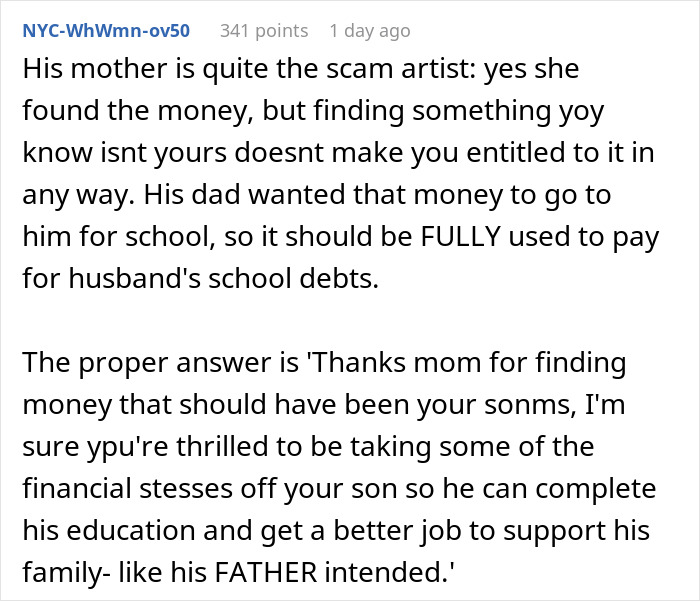
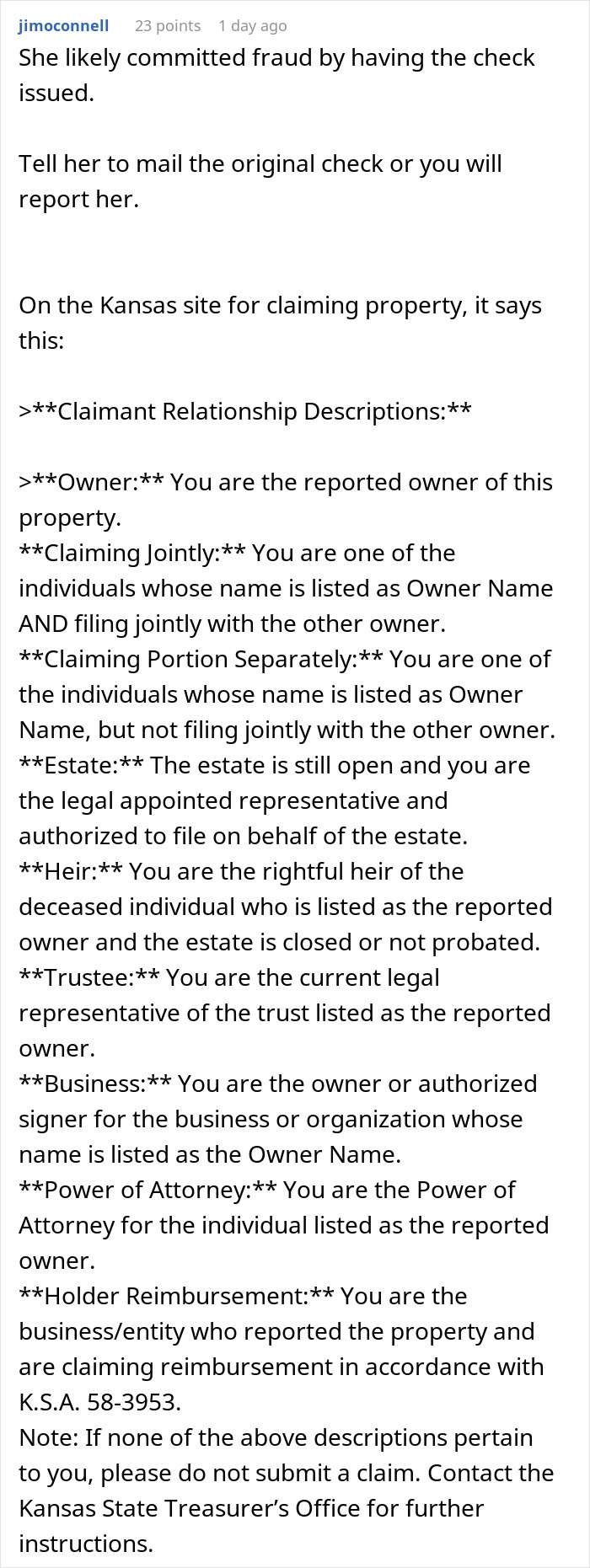
This story has a very interesting legal side. When it comes to unclaimed money, the person who finds a record is not automatically its owner. The US government explains that unclaimed funds are money owed to an individual who failed to collect it, and that people may file claims for money owed to them. In this case, the check was written in the son’s name, which means the money isn’t owed to the mother.
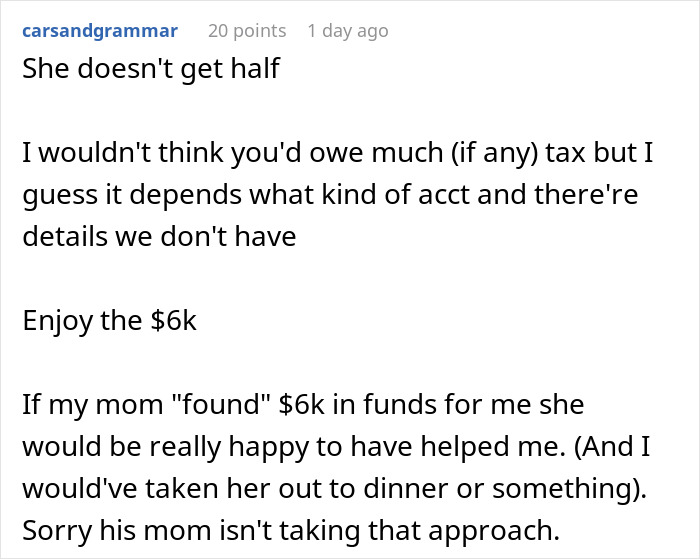
At the same time, the situation is kinda confusing because the mother-in-law expected a 50% cut for finding the money. The OP finds this claim completely absurd for two reasons: first, the woman doesn’t need the money at all, since she had bragged about becoming a millionaire. Then, it was the author’s husband who had to pay taxes for the funds. To the OP, all the love and support didn’t feel unconditional.
Research on conditional parental love suggests that children may grow up feeling that love and support depend on meeting certain expectations, rather than being given simply because they are family. The author’s description of gifts and favors that seemed to come with a price may explain why the couple eventually began viewing their relationship with the in-laws through the lens of an “emotional mortgage.”
To connect with this, experts state that family manipulation also describes a dynamic in which favors can become conditional: “I did X for you, so you should do Y for me.” This sort of emotional accounting can make family relationships feel transactional. This may explain why her husband never wanted to open gifts, and why the couple decided that no amount of money was worth the trouble.
What do you think? Was the couple wrong in giving the mother-in-law the money? Was cutting ties the right decision? Share your thoughts in the comments!













By entering your email and clicking Subscribe, you're agreeing to let us send you customized marketing messages about us and our advertising partners. You are also agreeing to our Privacy Policy.
Thank you! You've successfully subscribed to newsletters!


Run away, run away. (after you get the full $6k check). TL;DR, I need my 10 minutes back.

They decided to give it to MIL, and then I got the impression that they would be cutting ties.
Load More Replies...
Run away, run away. (after you get the full $6k check). TL;DR, I need my 10 minutes back.
They decided to give it to MIL, and then I got the impression that they would be cutting ties.
Load More Replies... 































 No fees, cancel anytime


























62
11